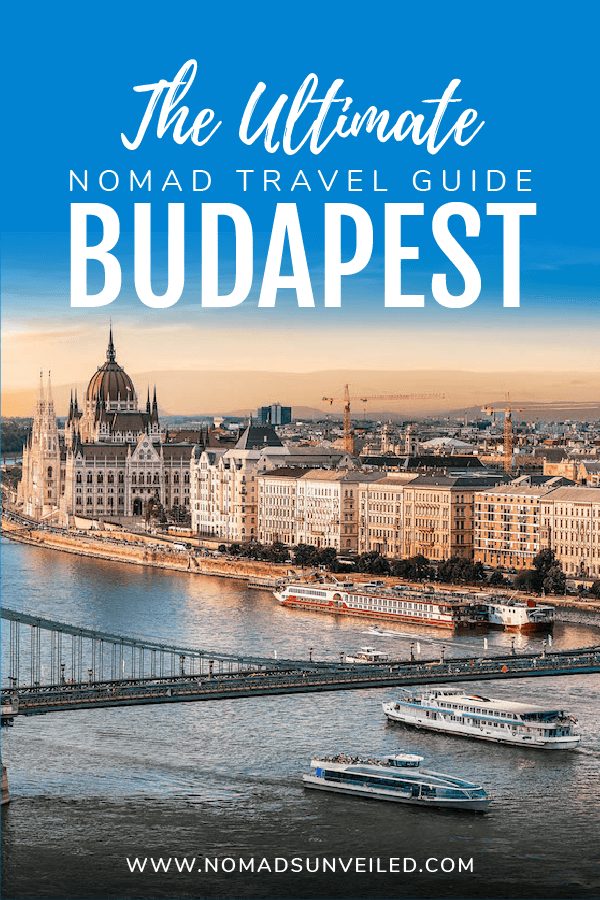
Budapest is Hungary’s capital and one of the most popular tourist and digital nomad destinations in the world. And it’s hardly surprising if you consider its rich history and magnificent architecture. It was once a co-capital of an empire, and you can see its regal panache everywhere you look. It was founded in 1873, when three cities – Buda, Obuda, and Pest, divided by the Danube river, officially united into one large city.
An important thing to note is that the “Pest” in Budapest is pronounced as “Pesh.” Locals will certainly appreciate it when you don’t mispronounce their city as a pest.
Cost Of living In Budapest?
One of the reasons that Budapest is not just a tourist hotspot but also a popular digital nomad hub, is the affordable cost of living. Yes, Budapest is in Europe and the cost have been rising with the city’s popularity. However, it is still comparatively cheaper than some of the surrounding countries.
Budapest basically has the same level of popularity with some of Western Europe’s top destinations but at a much lower cost. You can find a brief estimation of the costs in Budapest here.
Similar to many cities, the central or touristic areas tend to be more expensive. One way to reduce your spendings in Budapest can be to stay in less touristic zones. This is an option for nomads staying for the longer term. However, if you are visiting as a short trip, staying in the popular areas will give you better access to the key highlights of the city.
Currency In Hungary
Although Hungary is in the European Union, it is still not part of the EU Monetary Union. Therefore Hungary uses Forint (ft or HUF) as the official currency. Most businesses accept only the local currency, so you will have to exchange it at the bank or exchange office. The exchange rate is fluctuating, but it is pretty stable, and the fluctuations are minor.
Budapest Card
If you are looking to hit up a bunch of the attractions that the city has to offer, then the Budapest Card is an excellent way to do it with some cost savings. The official city card gives you multiple perks including:
- Free entry into 19 museums including prominent ones like the Hungarian National Museum and The Budapest History Museum in the Buda Castle.
- Loosen up in St. Lukács Thermal Baths and Swimming Pool (you also get discounted rates for several other baths)
- Discounts in multiple other popular attractions
- Commute for free with buses, trams, and subway.
- Get discounts from 10% up to 90% in some shops and more.
You can purchase the card at Budapestinfo Points, the Liszt Ferenc International Airport, and several subway stations. Alternatively, you can also buy it online and exchange the voucher for a physical card at Budapestinfo Points.
Sightseeing In Budapest
The Hungarian capital was named the Best European Destination in 2019, recording 5 million tourists. The central area along the Danube is actually a UNESCO World Heritage Site. Budapest area has around 80 geothermal springs, the largest thermal water cave structure, the second biggest synagogue, and the third-biggest Parliament house in the world. Enough said.
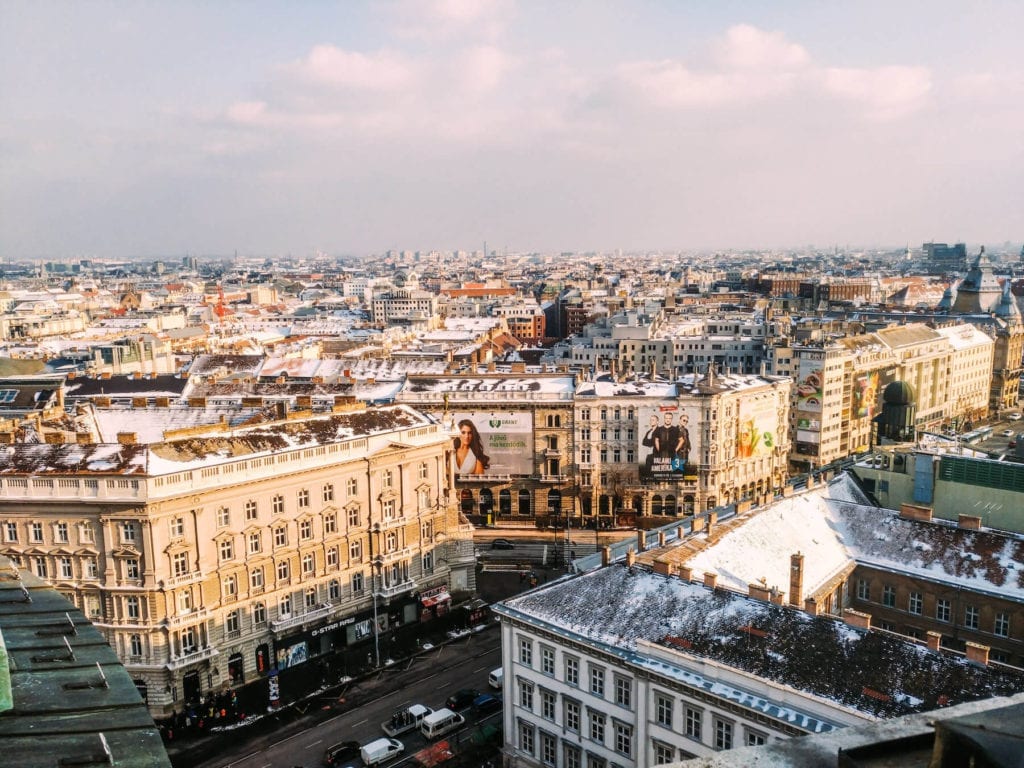
There are so many monumental buildings in Budapest that you can take years to visit them all. It is really worth it to devote some time to absorb the architecture and the culture behind these monuments.
The most famous tourist spots, and rightfully so, are the Fisherman’s Bastion, Buda Castle, the Hungarian Parliament Building, Matthias Church, Gellért, Széchenyi, or Rudas Baths, Opera House, Heroes’ Square, the Budapest Zoo, Vajdahunyad Castle….
These buildings are impressive, but it would be unfair to only mention them because the whole city center has fantastic architecture. Influenced and impacted by years of history, it is one of the famous things in Hungary.
The sights in Budapest constantly remind you that it was once the co-capital of a great Empire. They have tried to surpass Vienna, their co-capital counterpart, and somewhat of a rival. And in some ways, they did. Here are some of the best things to do in Budapest.
Nightlife In Budapest
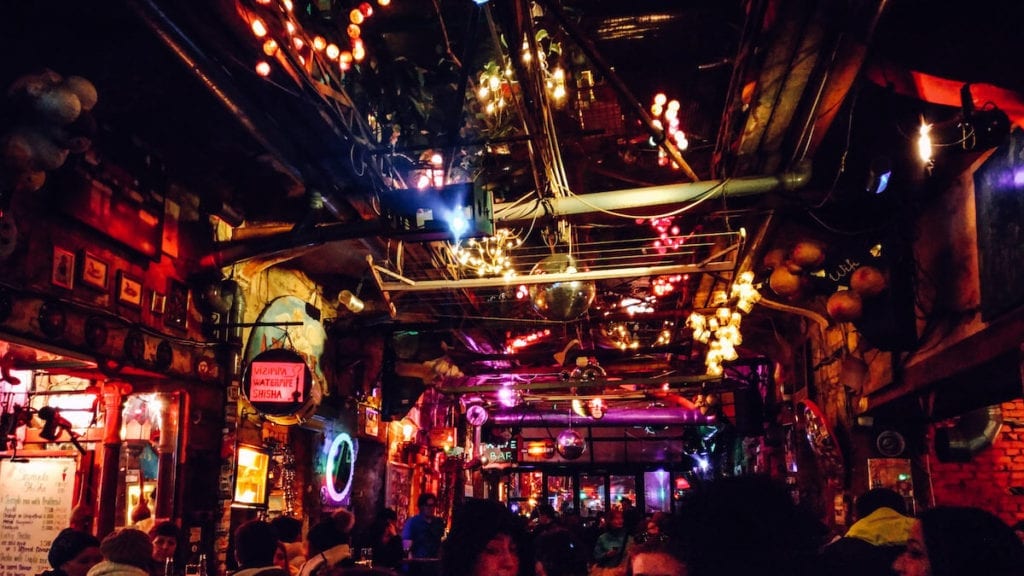
Budapest boasts a buzzing nightlife with its selection of clubs, rooftop bars, ruin pubs, and riverside hangouts. Amongst these selections, District VII is the renowned spot for nightlife. You can say it’s similar to hipster areas like Malasaña in Madrid or Kreuzberg in Berlin. There are many restaurants and cafes to choose from, and it’s the preferred destination of fun-loving foreigners and locals.
Transportation In Budapest
Budapest is well connected by a network of bus, tram, boat, and subway lines. A ticket for one ride (no transfers) will cost you 350ft. ($1.15) when purchased on the station, or 450ft when purchased on the bus or tram. If you are staying in a central location and everything you need is within walking distance, then these single-use tickets might suffice.
On the other hand, if you need to commute every day, then a monthly ticket can be more cost-effective. It costs around $35 and covers busses, subway, trams, and even some boat lines.
Tip: Yellow cabs are the official taxi service, but they are costly. You can usually get Uber or Taxify instead for better prices, but fares are also high. This is Europe, after all.
Is Budapest Safe For Foreigners?
Budapest is considerably safe, and the only issue is pickpocketing. Fortunately, it’s not that common and can be prevented if you keep your wallet in a safe place. You should exercise more caution in high traffic tourist places, such as Váci Street and the VIII district.

Where To Stay In Budapest?
Budapest is divided into two by the impressive Danube river. Buda is on the western side of the Danube and Pest on the eastern side. It’s also categorized into 23 districts, and each part of the city have a different appearance, vibe, and atmosphere.
In general, Budapest is a safe city, although you have to take the usual precaution against petty crimes. However, deciding where to stay really depends on your preferences. Do you want a peaceful or bustling part of the city?
Buda is the classier and more residential part of the city, making it a bit quieter than Pest. However, it provides an excellent sightseeing experience. Some of the most prominent monuments and attractions are located here, so it is in no way boring. Buda covers district I and II.
Pest can be described as the place where all the action happens. You can enjoy the touristy stuff, have fun at the cafes and restaurants and the nightclubs, go sightseeing… It covers district V to X.
Note: Pest is generally flat as a pancake, while Buda is hilly.
Tip: Most of the tourist attractions are in the old city, which takes up district I in Buda and district V to VIII in Pest. Keep in mind that the prices of accommodation, restaurants, and cafes in these popular areas are usually higher than in other parts of the city.
Hostels In Budapest
Budapest has been known to be a backpacker’s paradise, and it is no surprise that there are many hostel options available. Some of the more popular hostels are:
Wombats City Hostel: Big and clean hostel that is very popular. The hostel is located around the nightlife zone and there is also an in house bar with a pool table.
Maverick City Lodge: The modern-styled hostel is in the heart of the Jewish district making it a great location to start exploring the city from. The dorm beds also come with drape curtains for better privacy and a good night sleep.
Vitae Hostel: Vitae is a hostel with social atmosphere run by friendly staff. There are regular events held in the hostel. Rooms are simple but spacious enough.
Hostel One Budapest: Another hostel that is great for meeting people. The hostel has its own bar as well and usually have some activities at night to get people together. They also run communal dinners.
Airbnb
Airbnb is the popular option if you are looking for private rooms or apartments. For nomads planning to stay for long, you can use Airbnb to find a temporary accommodation before extending it directly with the host, or scout for other rentals when in Budapest. With the varying architecture in Budapest, there are a whole range of options and styles for your selection.
Cafes And Co-working Spaces
Coworking Spaces
Being one of the hottest digital nomad hubs in Europe, Budapest has plenty of great coworking spaces. Some of the most popular are:
You should check out a few coworking spaces before deciding on one because they are different in terms of space, layout, furniture, and amenities.
As for prices, daily passes go from $13 to $18, and monthly access will set you back around $120 to $200.
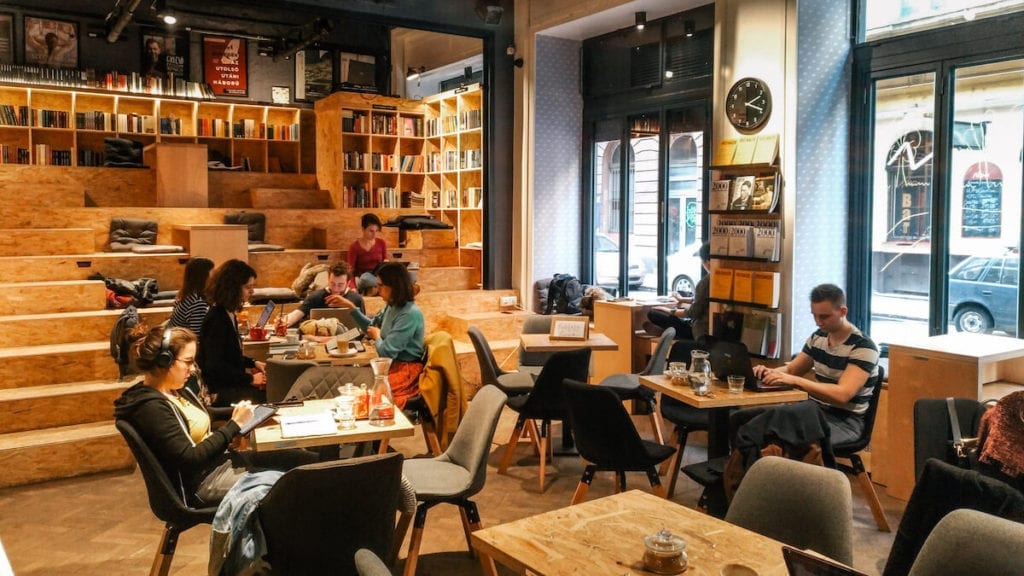
If coworking spaces are not your preferred working environment, you can try some of the many cafes popular amongst nomads:
Great Cafes For Working
- Fekete Café
- Magveto Cafe
- 9 Bar & Konyha
- Espresso Embassy
- Flow
- Madal
Note: 90% of the coworking spaces in Budapest are located in the central area, districts V, VI, VII, and VIII. Most of the good cafés for working are also located there. The prices are higher in these parts of the city as expected. If you want to stay in some other area, then check the transportation lines, and look for a place with a good connection to these districts.
Digital Nomads And Expat Communities In Budapest
Budapest is one of the digital nomad hubs in Europe. It has an active nomad and expats community. If you are looking to information for foreigners or a community to hang out with, there are certainly options in Budapest.
A common place to start is on facebook groups. Here are a few that will be of interest to digital nomads in Budapest.
Daytrips From Budapest
Hungary is a beautiful country, and there are various options for day trips outside of Budapest. You can get to some of these places by trains or buses. There are also agencies that run tours to surrounding areas. Many of these tours include multiple stops in different tourist spots, which provides an added level of convenience.
These are some of the surrounding areas worth visiting.
- Balaton lake, the largest freshwater lake in Central Europe, and the fantastic Szigliget Fortress on its shore (about $75 per person for a full-day guided tour)
- Szeged, which is an excellent place for shopping
- Szentendre, a city famous for its museums, artists, and galleries (around $45 per person for a guided tour)
- Gödöllő Palace, one of the largest and finest Baroque palaces in Europe (around $45 per person for a guided tour)
- Koszeg and the Church of St. James
If you want to organize your own trip, you’ll be glad to know that Hungary is well connected by rail, bus lines, and good roads.
The train is the cheapest way to go. For instance -a one-way ticket to the town of Szeged, which is roughly 120 miles away, will cost you from $12 to $18. You can purchase the tickets online as well.
Tip: Avoid trains marked with black color on the website. They have many stops, travel slow, and they are not very clean.
The bus is slightly more expensive than the train, but with FlixBus or similar services, you can find a good deal.
Car Rental. A 3-day rental of a medium-sized car would set you back just $80, so if you have company and someone to share the bill with, it can be a great road trip.
Note: These are the car-rental prices in the low season. They are around 10% -15% higher in high season, which is summer and around Christmas.
Conclusion
Budapest is a large, busy, and popular city. It has a population of about 1,8 million people plus tens of thousands of tourists at any moment. It can get busy and crowded at times.
However, you will have access to the perks of living in an EU country- good hospitals, public transport, safety…. Not to mention fantastic architecture, historic sites, vibrant nightlife.
There is a good chance that the city will only get more popular and pricier, but right now, it remains a wonderful destination for tourists and digital nomads alike.
LIKE THIS POST? PIN IT FOR LATER