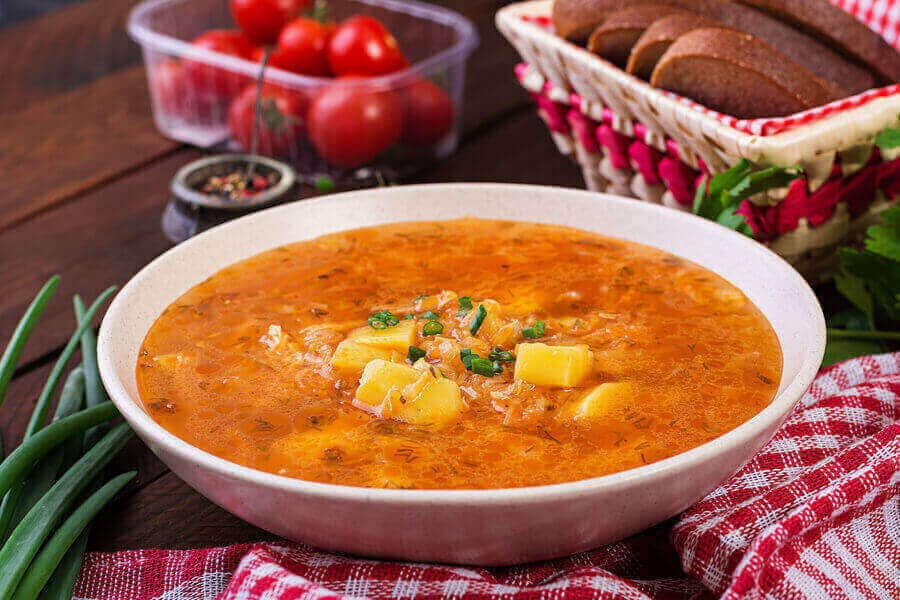
Locals in Costa Rica love snacks! There are small bites available at restaurants and from street vendors all across Costa Rica. With flavors ranging from sweet to savory, there are wonderful Costa Rican snacks to satisfy whatever your craving is!
Most Famous Costa Rican Snacks
Empanada (Filled Hand Pie)
Empanadas have made a name for themselves around the world. Many South and Central American countries have their own version of these tasty fried pies. Costa Rica is no exception in making Empanadas their unique way.
These Costa Rican snacks start with tasty corn dough. The dough is filled with rich fillings like marinated meat, cheeses, and vegetables and then deep fried. It’s a crunchy and satisfying snack that you will find all over Costa Rica. Easily one of the favorite Costa Rican foodfor locals and travelers alike.
Traditional Costa Rican Snacks
Copos (Snow Cones)
With such beautiful warm weather, it’s no wonder locals need to cool down. Local favorite warm-weather snacks in Costa Rica are copos. This wonderful treat is a snow cone and you can find them all over Costa Rica.
This icy Costa Rican street food comes in all sorts of fruity flavors and it’s the perfect way to cool down on a hot afternoon. It is also one of the common desserts in Costa Rica.
Yuca Frita (Yuca Fritter)
One of the most amazing local vegetables in Costa Rica is the yuca. It’s a cassava root and locals in Costa Rica love to prepare this root vegetable in tons of variations.
Possibly the most popular version of yuca is the Costa Rican street food favorite Yuca Fritas. This simple dish is made from thin spears of yuca that are deep-fried and then seasoned. They can be dipped or eaten plain, just like French fries.
Taco Tico (Beef and French Fry Taco)
This Costa Rica street food is a can’t-miss! It is a delectable and decadent savory dish that can be found from street vendors across the country. This food is great for a quick bite or filling up during a night on the town.
This wonderful taco is filled with marinated beef that is grilled to juicy and crunchy perfection. The beef is topped with fresh French fries to make an epic snack. Dress it with salsa or pico de gallo for a fresh and fantastic bite of Costa Rican street food!
Vigoron (Yucca Slaw)
This amazing Costa Rican snack is a textural wonder. It has layers of crunchy and luscious flavor that will keep you coming back for more!
Vigoron is a fun medley of cabbage, yuca, onions, and pork rinds. The piggy snacks give this salad-style dish a fun salty and meaty flavor. This Costa Rican snack is great as a side dish or as a fun fill-up on its own.
Chicken Chop Suey
Asian fusion is common in Costa Rica street food. You will find dishes that marry Central American flavor and Asian styles served by many street vendors.
One favorite is chicken chop suey. This flavorful noodle dish uses noodles, chicken, and the local favorite condiment salsa lizano to make a delicious street food you will want to eat again and again.
Arepas (Stuffed Corn Bun)
These delicious Costa Rican snacks date back centuries. It is a simple cornmeal bun that is fried on a griddle. The exterior is nice and crispy while the inside is soft. What makes Arepas so special are the many fillings you will find them stuffed with.
Street vendors in Costa Rica will fill arepas with so many rich fillings. You can find marinated pork, beef, and chicken, or beans and vegetables. Whatever your tastes are, this delicious Costa Rican street food has something delicious to offer!
Patacones (Fried Plantains)
All the best snacks are fried and that is why Patacones are one of the best Costa Rican snacks. This common Costa Rican street food features the local flavor of plantains.
Patacones are made with unripe plantains that are smashed and then deep-fried to crispy perfection. These tasty bites are sweet and crunchy all in perfect balance.
Tamales (Stuffed Banana Leaf)
Tamales may be familiar to those familiar with Latin flavors, but Costa Rica puts their local spin on this delicious snack. The filling for tamales here is made similarly to in other Central American countries. They use masa dough, seasoned meat, and vegetables to make a tasty filling.
What gives these Costa Rican snacks their signature style is the wrapper. In Costa Rica tamales are made using banana leaf wrappers. This is great as a fulfilling breakfast in Costa Rica as well. Discover all the delicious tamale fillings the country has to offer!
Salchipapa (Hot Dogs and Fries)
This Costa Rican street food is a true pig-out food! Salchipapa is an over-the-top medley of fried hot dogs and French fries. It puts the classic combo of fries and a dog together so you can dig in with a fork.
Often Salchipapa is served topped with ketchup so you get all your favorite comforting street food flavors in one bite with this Costa Rican snack!
Discovering Traditional Costa Rican Snacks
Costa Rican snacks pack tons of bold flavor into a few easy bites. Costa Rican street food will make you change the way you look at snacks. These bold flavors will keep you daydreaming of Costa Rican snacks for weeks, so grab a fork and dig in!
There are few places in the world as unique, adventurous, and inspiring as Costa Rica. The people here are fun and welcoming, the coastlines are beautiful, and the rainforest sustains so much life. It is truly one of the most special places in the world, but what makes it even more exceptional is the delicious Costa Rican food. Get hungry as we explore traditional foods in Costa Rica!
What Is Special About Costa Rican Food
The cuisine in Costa Rica is unique among other Central American countries. They have their own style deeply influenced by the local bounty. The wonderful climate and agriculture play a big part in Costa Rican food; seafood and local fruit are common themes.
Locals love snacks and small bites. Street vendors and casual eateries all over Costa Rica serve small bites and snacks, so you can wander and try a little something from everywhere! Don’t forget to grab one of the many delicious Costa Rican drinks to pair with your meal. The beverages in Costa Rica are just as bold as their delicious foods!
Most Famous Costa Rican Food
Casado (Rice and Bean Dish)
One of the many fun facts about Costa Rica is how rice and beans are staples in the country. For many locals, this dish is a national favorite. It’s a wonderful way to get a taste of lots of Costa Rican flavors on one plate.
Casado translates to “married”, and it is believed that the name came from married men ordering this dish at restaurants because it’s how they ate at home. If this is how married men in Costa Rica eat, they are pretty lucky!
A traditional Casado has many elements. It starts with rice, beans, plantains, salsa, and tortillas. Often meat is added with pork and beef being favored. You can find this one-stop shop of a meal served at restaurants across Costa Rica.
Traditional Costa Rican Food
Arroz Con Pollo (Chicken And Rice)
The fresh flavors found in Costa Rican foods remind you that simple, fresh foods are often the most delicious. No food showcases that better than arroz con pollo or chicken and rice.
The base of this dish is a flavorful rice made with chicken stock and seasoned with achiote, a vibrant red seasoning. The rice is paired with shredded chicken to make a perfectly balanced meal in Costa Rica.
Palmitoscost (Hearts Of Palm)
Palm trees grow in abundance in this tropical climate. The hearts of the young plants are eaten all over Costa Rica. They have a wonderful crunch that adds texture to salads and other fresh dishes. A common way to enjoy this Costa Rican food is marinated in a simple dressing and then tossed in a salad.
Tortilla de Maíz (Corn Tortilla)
Tortillas are a must when eating in Costa Rica. They are served with almost every meal. Tortillas are more than just a Costa Rica food, they’re a way of life.
Fresh tortillas are hand-pressed in homes and shops across all of Costa Rica. They use cornflour as the main ingredient and pan fry these very thin corn cakes.
Tamal de Maicena (Cornstarch Tamal)
This Costa Rican food is a local favorite. It’s a sweet and cheesy treat that is as interesting as it is melty. It is made with sugar, sour cream, and cheese to make a unique sweet flavor you will want to eat again and again. The texture of this tart is similar to cheesecake making this Costa Rican food an indulgence you won’t want to miss.
Palmito Cheese (Local Cheese)
This rich and cream Costa Rican food is a favorite of young and old alike. Palmito cheese is a Costa Rican cheese that is shaped like a ball of yarn.
This oddball of cheese has a truly spectacular flavor. It is light, soft, and creamy. The flavor is close to mozzarella or Oaxaca cheese. Locals love to enjoy this cheese as a snack, much like string cheese.
Picadillo (Hash)
This traditional Costa Rica food is a many-flavored dish. Picadillo is a traditional Costa Rica food that is made from a mix of diced veggies and meats. The diced foods are pan-fried to make a sort of hash. Common inclusions in this dish are yuca, squash, and mincemeat. This wonderful piece of Costa Rica cuisine can be found in restaurants and food carts all around San Jose.
Ensalada Rusa (Olivier Salad)
Although this cold salad has European roots it is very popular in Costa Rica. Ensalada Rusa is the Costa Rican adaptation of Russian potato salad. It is commonly served as a side dish at restaurants and in homes across Costa Rica.
Ensalada Rusa is made with potatoes, carrots, onions, peas, apples, and mayo. Some locals like to include yuca for a little local flavor. This salad is enjoyed cold alongside rich meats and seafood in Costa Rica.
Pastel de Yuca (Cassava Tamales)
This delicious Costa Rican food is very common to see during this winter holiday season. If you are familiar with tamales this local favorite might feel similar. The two dishes are prepared in a similar fashion, both are wrapped in banana leaves.
Pastel de yuca is different because instead of masa dough, it uses yuca and plantain-based dough. The yuca dough pockets are filled with delightful fillings. The fillings can range from savory to sweet, but one thing you can count on… they are always tasty!
Costa Rica Food: Meat And Seafood Dishes
Bistec Encebollado (Steak And Onions)
This is a classic Costa Rica dish where meat is the star. Bistec encebollado is a basic but delicious dish of steak with onions. The steak for this traditional Costa Rican food is stewed with sofrito to make the meat rich and flavorful.
This dish is commonly served in homes and restaurants across Costa Rica. Often it is paired with rice and beans or root vegetables. Tortillas may be served with bistec encebollado, as well.
Pargo Rojo (Red Snapper)
With coastlines on two sides of the country, it is no wonder locals love to eat seafood. The bountiful ocean provides many wonderful ingredients for Costa Rican chefs, including pargo rojo, or red snapper. This brightly colored fish thrives in the waters surrounding Costa Rica so locals have found many delicious ways to prepare it.
Red snapper is often enjoyed grilled or pan-fried whole. It is paired with rice, beans, and plantains to make the perfect Costa Rican dish. Nothing tastes as great as fresh seafood, and nowhere in the world can you find fresher seafood than in Costa Rica!
Chicharron (Fried Pork Belly)
Pork is one of the most beloved meats in Costa Rica. The locals love to eat this meat in every way imaginable, but possibly the most delicious is chicharron.
This is a delicious snack food in Costa Rica made from fried pork belly skin. The pork belly fries in airy, crunchy perfection that meat lovers will adore. Sometimes these tasty bites can be found bagged in supermarkets or fresh from street vendors.
Ceviche (Seafood Salad)
Ceviche has South American roots, but it has made its way north and into the hearts of locals in Costa Rica. It is a seafood salad that commonly features shrimp.
The seafood in this salad is served raw in citrus juice. The citric acid acts as a curing agent making this raw fish dish safe to eat. Ceviche is the perfect Costa Rican food to celebrate the bounty of the local seas.
Carne Asada (Steak)
This dish is enjoyed throughout South and Central America. It is a fairly simple Costa Rican food, but one where the flavors can truly shine. Carne asada is very simply grilled steak, but local chefs do their part to make this meat even more delicious.
Costa Rican carne asada is typically made with skirt steak that is marinated with citrus and then seared on the grill. The meat gets a hint of caramelization on its exterior that makes it irresistible. Locals love this steak topped with chimichurri and served as the filling for tacos.
Chifrijo (Pork, Rice, and Bean Cup)
This is Costa Rican street food at its finest! Chifrijo is a wonderful blend of flavors in one convenient package. This dish combines the flavors of rice, beans, chicharrones, and chimichurri to make a next-level delicious snack food.
All of these flavors are put together in a cup or bowl and topped with avocado and chips for dipping. You can take this Costa Rican food with you to the beach for a filling snack full of local flavor!
If there are two foods locals in Costa Rica value above all others they might be pork and plantains. Residents here love to eat these two ingredients, especially when paired up with delectable Estofado, or pork stew with plantains.
This rich dish stews pork in a flavorful gravy and serves it with plantains. The salty pork and sweet plantains work so well together you will want seconds!
Sopa Negra (Black Bean Soup)
This dark-colored soup is a truly comforting Costa Rican dish. It is a hearty soup made from delicious black beans. The beans are cooked down with vegetable stock, peppers, onions, and other flavors to make an inviting soup that is typically prepared vegetarian. This soup is a great comfort for cool nights, but locals really love this Costa Rican food for breakfast!
Olla de Carne (Beef And Vegetable Stew)
This warm and welcoming Tico favorite is served in restaurants and homes across Costa Rica. It is a hearty stew of beef and vegetables. Large chunks of beef, carrots, yuca, potatoes, and corn are the most common ingredients in this stew, although many variations exist. Try this Costa Rican food with rice and beans.
Sopa de Pejibaye (Palm Fruit Soup)
A pejibaye is a local type of palm plant in Costa Rica. The hearts of the plant are commonly eaten in Costa Rica, and so are the fruits. The favored local preparation of this unique local produce is soup.
Sopa de Pejibaye uses the bright-colored fruit of the palm plant to make a velvety soup that will warm up your soul. The flavor is nutty, earthy, and creamy and you will want to eat it every week!
Pozole (Hominy Soup)
This is the Central American answer to feel-better-soup. It is a wonderfully generous and inviting soup that just makes you feel good!
Pozole is a Costa Rican food made from stewed hominy or dried corn kernel, and pork. Vegetables, herbs, and seasonings bring life to this unctuous soup. Pozole is often served with sides like rice and plantains. Grab a spoon and see what Costa Rican comfort food is all about!
Discovering Traditional Costa Rican Food
It’s easy to focus on the adventurous side of Costa Rican life, but that is forgetting one of the very best things Costa Rica has to offer, the food.
Costa Rican food is some of the most complex and satisfying food in Central America and it is so easy to find. Check out all the delicious food Costa Rica has to offer and don’t forget to try some of the tasty Costa Rican desserts after!
Living Pura Vida is so sweet, especially with rich and delicious Costa Rican desserts! Discover the sugary side of life in this Central American paradise where delicious desserts can be found everywhere!
What Is Special About Costa Rican Desserts
The amazing biodiversity in Costa Rica helps make dessert so special. They use a lot of shared techniques common among other South and Central American cuisines, but with a great local flair. Desserts in Costa Rica feature rich and creamy elements in perfect balance with delightful local fruits. They are a big part of Costa Rican cuisine.
Cakes and custard-style treats are common here, as well as fruit. Desserts can be found all over Costa Rica. From street vendors to restaurants to homes there are delectable treats being served across this country.
Most Famous Costa Rican Desserts
Tres Leches (Three Milk Cake)
This dreamy dessert is beloved across all of Central America, but no one makes it quite as special as Costa Rica. This creamy dessert is so well-liked in Costa Rica that many Ticos consider it the national dessert.
You will find beautiful tres leches made in homes, restaurants, and bakeries across Costa Rica. This irresistible dessert starts with a light and sweet sponge cake.
The name tres leches refers to the three kinds of milk that are used to soak the sponge cake. This cake used evaporated milk, condensed milk, and whole milk to thoroughly soak the cake. It is then frosted and decorated often with fruit or piping. If you have not yet tried this Costa Rican dessert you are missing out on so much dreamy flavor!
Traditional Costa Rican Desserts
Dulce de Leche (Thick Caramel Sauce)
Dulce de leche is one ingredient that is common in many Costa Rican desserts. It is used as a spread, icing, filling, topping, and more.
This lusciously thick dairy sauce is made from caramelized milk. It is a thick, creamy caramel sauce that locals love to eat with everything sweet. Enjoy this decadent treat on top of some local ice cream for a bite of authentic Costa Rican flavor.
Bolitas de Coco (Coconut Cookies)
Coconut is a dessert flavor all Ticos love to eat. Coconut is just about everything here, but one treat stands out from the rest, bolitas de coco.
These awesome Costa Rican desserts are cookie-like treats made with coconut, condensed milk, and chocolate. The sweet ingredients come together in balls of sweet and nutty goodness. This dessert in Costa Rica is most common to find around the Christmas holiday.
Frutas (Fruit)
Costa Rica’s amazing tropical climate means that many amazing plants and animals can thrive here. Arguably the most special of these local delights are the many local fruits in Costa Rica. There are so many bright and flavorful fruits that can only be found in this region, so locals love to enjoy simple fruit bowls for desserts in Costa Rica.
Cas and guava are both fruits that grow only in Costa Rica. Dragon fruit and papaya grow throughout Central America and they have never tasted better than when they are eaten fresh in Costa Rica.
Even if you are just looking for something simple, there are so many interesting local fruit flavors to discover in Costa Rica!
Churchill (Sweet Frozen Drink)
This Costa Rican dessert hails from the beautiful city of Puntarenas. It is a sweet frozen concoction that every Tico enjoys on a hot day. A Churchill is a snow cone that is flavored with cola syrup and condensed milk. This may sound like an odd combination but on a hot summer day in Costa Rica, this is the perfect dessert to cool you down!
Melcochas (Sour Cream Candy)
These traditional Costa Rican desserts are wonderfully sweet confections that can’t be compared to any other candy! Melcochas is a candy made from sugar cane and sour cream. The two come together to form a very hard candy with a flavor that is almost caramel. This candy can be easily found in shops in Costa Rica.
Suspiros (Meringue Kisses)
These beautiful Costa Rican sweets are common to see in bakeries, especially around Christmas time. Suspiros are simple meringue cookies enjoyed throughout Costa Rica. They come in a wide array of colors and are often given light hints of flavor like vanilla or orange.
One of the most popular flavorings for these sweet cookies in Costa Rica is lime juice. This balances with the sweet meringue to make an almost key lime pie-like flavor that will keep you coming back.
Cajeta (Goat Milk Caramel)
This Costa Rican dessert favorite is a versatile wonder. It is very similar to dulce de leche in flavor and application. Cajeta can be used to top virtually everything, and locals here have certainly tried it!
Cajeta is a thick, caramel sauce made from goat’s milk. It is thick and smooth and tastes a lot like caramel sauce but with a little more tanginess. This confection is great for spreading on cakes or as an ice cream topping.
Pan de Maiz (Sweet Cornbread)
Locals in Costa Rica eat maize at every meal. It is made into cakes, bread, and puddings, but one maize-baked good stands above the rest. Cornbread is the ultimate baked treat in Costa Rica.
Locals craft this bread using corn flour and condensed milk to make a cornbread unlike any you’ve ever tasted. This baked delight has a creamy flavor and irresistibly dense texture. Pan de maiz can be enjoyed with butter, honey, or jam for the ultimate Costa Rican dessert!
Churros (Fried Tube-Shaped Pastry)
While churros may not have originated in Costa Rica they have certainly become an unmissable local favorite. Churros are an amazing fried dessert and a very common street food in Costa Rica.
They are made by piping a sweet pastry dough into a deep fryer. This creates the signature tube shape and ridges that make churros so recognizable. The fried treats are tossed in cinnamon sugar for a decadent finish. Their sweet and spiced flavor is known to all the locals and they are a local favorite street food.
These Costa Rican desserts are perfect on their own, but churros are commonly paired with fruit and ice cream as well.
Costa Rican Desserts: Puddings And Custards
Arroz Con Leche (Rice Pudding)
Rice pudding is almost universally loved. Every culture in the world has tried its hand at making this sweet treat, but few have mastered it like the cooks in Costa Rica. This is the ultimate in comfort desserts. The creamy Costa Rican dessert is often seasoned with warm spices and paired with honey or local fruit to make the perfect sweet bite!
Flan de Coco (Coconut Flan)
Flan is an amazingly rich custard-style dessert that is popular throughout South and Central America. It is remade in homes and restaurants all over, but local chefs in Costa Rica have made this dessert truly their own.
Flan de coco fuses the rich, creamy, and decadent flavors of a traditional flan with the tropical flavor of coconuts. It is a nutty and sweet treat that tastes like a bite of the good life!
Atol de Naranja (Orange Pudding)
This fresh local treat is a bright celebration of citrus flavor. Atol de naranja is a simple pudding made from orange juice and masa. It is often seasoned with warm spices like cinnamon and cloves.
Ticos love this delicious dessert for its refreshing flavor and they enjoy eating it as a light snack or after-dinner indulgence. These orangy puddings are the perfect Costa Rican desserts for anyone who prefers their sweets on the lighter side.
Budin (Bread Pudding)
Bread pudding is common across all of South and Central America. It is a comforting dessert that gives warm nostalgic vibes. It’s a comforting treat made from bread, cream, sugar, and spices that are baked into a luscious pudding.
This treat is similar in flavor to french toast, but with a soft and more custardy texture. Budin in Costa Rica is enjoyed on holidays or as a rich dessert indulgence. It can also be a great breakfast food in Costa Rica.
Torta Chilena (Chilean-Inspired Tart)
This gorgeous Costa Rica dessert bears a resemblance to the French classic mille-feuille. It is inspired by a classic Chilean dessert, hence the name. However, local pastry chefs in Costa Rica have elevated this dessert to new heights. Get a hot cup of coffee ready to pair with this sumptuous sweet!
Torta Chilena uses layers to build luxurious dessert flavors. Layers of creamy dulce de leche are sandwiched between a butter pastry dough to create a tart at least 7 levels thick. The sweet and smooth dulce de leche meshes wonderfully with the pastry to create a bite of pure bliss.
Mazamorra (Maize Pudding)
There are many interpretations of Mazamorra in the world but Costa Rica’s is truly the best. Mazamorra is a soup or pudding-like dish that features maize. The maize is cooked with sweet additions to make a sweet and chewy light dessert.
The maize is cooked with milk and vanilla and thickened. It is typically served warm with delicious berries, honey, or coconut as a topping. This treat is more than just a Costa Rica dessert, it can also be enjoyed as a comforting breakfast.
Miel De Coco (Milk and Coconut Pudding)
This beautiful pudding is the perfect comfort treat. Miel de coco is a pudding-like sweet that is made from evaporated milk and coconut. The simple ingredients are boiled into a thick pudding with all the delightful chew and flavor of coconut and caramelized milk.
This dessert is surprisingly refreshing in the tropical climate of Costa Rica and it pairs very well with plenty of local fruits.
Costa Rican Desserts: Cakes
Queque Navideño (Christmas Cake)
No holiday celebration in Costa Rica is complete without this cake. Queque Navideño are the traditional Costa Rican desserts of holiday fruitcakes. This is no ordinary holiday fruitcake, though. In Costa Rica, this holiday cake actually tastes super good!
Queque Navideño is a dense cake that commonly includes some dried fruit and citrus elements. After baking, the cake is soaked generously with rum to make it extra festive! Queque Navideño is commonly served on Christmas day as part of the holiday feast.
Tamal Asado (Sour Cream Cake)
These wonderfully dense cakes are a favorite among Costa Rican desserts for the locals. It fused many local flavors into one spectacular dessert.
Tamal Asado is a cake that uses cornflour, coconut, and cheese to make a uniquely flavored sweet treat. This tangy and nutty cake is great when topped with honey or local fruits and is often served with the well-known Costa Rican coffee.
Queque Seco (Easter Cake)
One of the common facts about Costa Rica is that Christianity is the predominant religion in the country. Therefore, the celebration of Easter is a very big deal. Ticos love to get together with family and have large feasts to celebrate.
No Easter celebration can commence in Costa Rica without Queque Seco. This treat is a ring-style cake with a satisfying dense and moist texture. These Costa Rican desserts are flavored with orange juice to give this celebratory cake a bright springtime flavor.
Discovering Traditional Costa Rican Desserts
Dive into the sweeter side of Pura Vida with amazing Costa Rican desserts. From creamy to fruit to sugary there are so many exciting flavors to find here. Give in to your sweet tooth and take a sweet adventure into Costa Rican desserts.
Waking up in Costa Rica can cause confusion because it is so beautiful here that you will think you’re still dreaming! The beautiful beaches and wild rainforests in Costa Rica will take your breath away. To energize for your tropical adventure you must eat breakfast like a local because Costa Rican breakfast is as interesting and wonderful as the landscape!
What Is Special About Costa Rican Breakfast
Costa Rican breakfast is simple and delicious. Locals love to eat fresh fruit, rice, and other locally produced favorites in the morning. There is no one way to enjoy breakfast in Costa Rica, but rather a rainbow of delicious local flavors.
Often restaurants will offer Costa Rican breakfast platters that allow you to try a bite of everything. This is a great way to test all the different breakfast foods in Costa Rica. Every delicious bite is a reminder of what it means to live the good life!
Most Famous Costa Rican Breakfast
Gallo Pinto (Rice and Beans)
Rice and beans may not sound like the most traditional breakfast choice but it is the most authentic way to break your fast in Costa Rica. This is actually also the most common andiconic food in Costa Rica.
This basic breakfast in Costa Rica has everything you need to start your day. With plenty of protein and grains, you can enjoy this dish knowing you will feel satisfied for hours.
Gallo pinto in Costa Rica is made with brown rice and red beans. The mixture is seasoned with Costa Rica’s favorite condiment Salsa Lizano. Onions and other veggies help round out this filling breakfast medley. Often this dish is served as the base of a larger breakfast platter with more additions, like sausage and eggs.
Traditional Costa Rican Breakfast
Café (Coffee)
Costa Rican coffee is world-renowned for its quality. Costa Rica rainforests support some of the best coffee beans in the world and they are exported around the world. When locals are ready for breakfast in Costa Rica only one drink will do and it is locally-grown coffee.
Complex and flavorful Costa Rican coffee is served in cafes, restaurants, and homes nationwide. Ticos love to enjoy this bold beverage black or with a little sugar and cream.
Tortilla (Tortilla)
To build a beautiful breakfast platter in Costa Rica you must have tortillas. Tortillas are used to pick food up, soak up sauces, and just for snacking. They are both a food and utensil and a great breakfast in Costa Rica must have freshly pressed tortillas.
Traditionally, tortillas are made from stone ground maize that is pressed with a special iron to make them even and flat. The tortillas are then cooked on a hot stone or griddle. Finish off your perfect breakfast in Costa Rica with this local specialty!
Arepas (Small Corn Cakes)
Arepas are a historical Costa Rica breakfast food. Local chefs have been preparing this food for centuries, so every time you enjoy this breakfast you are tasting history.
This traditional Costa Rican breakfast consists of a maize cake that is pan-fried. The puffy cake is split in the middle and filled with all sorts of tasty fillings. Common fillings include pork, eggs, beans, rice, and vegetables.
Locals love this breakfast because it is easy to grab and go without slowing down. That is why it is also a very common street food and snack in Costa Rica.
Chorreadas (Corn Pancakes)
Corn is a way of life in Costa Rica. Every portion of the plant is used to craft delicious dishes including the local favorite breakfast of chorreadas. This satisfying breakfast in Costa Rica is made from airy corn cake that is pan-fried to get a nice crispy exterior.
This awesome breakfast looks like pancakes but has the delectably sweet flavor of corn. These cakes are either served with honey or syrup for a sweet take on breakfast or sausage and butter for a more savory take.
Pan Bon (Sweet Bread)
This generous bread has so much sweet flavor to start your beautiful Costa Rican day with. Pan bon is an enriched sweet bread made all over Costa Rica. It has raisins and other dried fruit along with the flavors of molasses and butter.
It’s a wonderfully rich bread that I love to eat for breakfast in Costa Rica. Enjoy this flavorful bread with butter, honey, or jam to try a bite of the sweeter side of Costa Rican breakfast.
Arroz y Huevos (Rice and Eggs)
Rice is a dish that Costa Rican chefs have truly mastered. They cook these grains with stock and seasonings to make colorful and satisfying rice. The only thing that can make this delectable local specialty better is the addition of eggs. The fatty and creamy flavor of fried eggs works beautifully with rice. The best part of this dish is how filling and energizing this breakfast in Costa Rica is.
Pan y Mermelada (Bread and Jam)
For a lighter side of local breakfast in Costa Rica you must try pan y mermelada. This simple take on breakfast is a convenient way to grab some local flavor first thing in the morning. Many Ticos love to keep their mornings simple by breaking their fast with toast and jam.
Pineapple jelly is a popular local flavor to start the day with, but this classic breakfast pair is not complete until you grab a Costa Rican coffee!
Costa Rican Breakfast: Meats
Pati (Beef Hand Pie)
Pati is a cousin of the Costa Rican empanada. It is turnover or hand-pie-style food that is stuffed with beef. The filling is often seasoned with local squash and peppers to give the beef a bold flavor.
These Costa Rican breakfast bites are commonly baked, unlike empanadas, making them a little less greasy. This is the perfect breakfast to grab before adventuring through the wilds of Costa Rica.
Salchichón (Breakfast Sausage)
A typical Costa Rican breakfast platter must include this savory food. This local breakfast staple is a link form of sausage. These tasty links are grilled or pan-fried to an excellent crisp. The links have a satisfying sausage snap and a great pork sausage flavor. These links are the ultimate accompaniment to a Gallo Pinto platter.
Chorizo (Spiced Sausage)
Chorizo is a common element of many South and Central American styles of cuisine. This spicy sausage is beloved for its texture and level of smoky, meaty, heat
. There are two main styles of this sausage, link, and uncased sausage. The style used in Costa Rican breakfast is the uncased form. It is crumbled and pan-fried to crispy porky perfection. Chorizo in Costa Rica is commonly paired with eggs, gallo pinto, and tortillas.
Costa Rican Breakfast: Fruits
Pejibaye (Palm Fruit)
Peach palm is a local tree that grows in Costa Rica. The fruit that grows from this tree can be eaten and locals devour this unique tree fruit for breakfast every day. This unique local produce tastes nutty and slightly starchy.
To make this fruit into the perfect Costa Rican breakfast, chefs will boil the fruits into a soup. The peach palm fruits break down into a lush soup that is just right for starting off the day on the lighter side.
Plantains
Plantains are a must-have in Costa Rican cuisine. They are enjoyed with every meal and prepared in so many delicious ways. Many locals cannot imagine starting their day without plantains. To complete an authentic Costa Rican breakfast, plantains are pan-fried to get a beautiful caramelization. These sweet bites are paired with eggs, rice, beans, and more.
Costa Rican Rambutan
The amazing ecosystem in Costa Rica supports a wide range of unique plant life. The Costa Rican rainforests are home to some of the most diverse and special species of plants in the world, including some excellent local fruits.
These are not just great as breakfast but also simple yet tasty desserts in Costa Rica. Tropical fruits love the climate and soil in Costa Rica and odd and delicious fruits like the rambutan are able to flourish.
This fruit has a spiky green to red exterior that makes it look like something out of a Dr. Suess book. Hidden behind the spice rambutan is sweet to slightly sour fruit that tastes amazing in fruit salads, smoothies, or on its own.
Batidos (Smoothies)
There are two sides to Costa Rican breakfast, heavy and light. If you like to have breakfast on the lighter side, a batido might be the right breakfast for you.
A batido is a smoothie and smoothies in Costa Rica are better than anywhere in the world. There is so much local fruit to make these breakfast beverages amazing. You can also find them really cheap in the local markets because of the huge domestic supply of fresh fruits.
Locals love to mix coconut into their smoothies for an extra tropical flavor. Try a smoothie in Costa Rica for a breakfast that won’t slow you down!
Discovering Traditional Costa Rican Breakfast
Whether you are planning a romp through the rainforest, or a breezy beach day in Costa Rica you need to start it out right. Begin your day the best way with delicious Costa Rican breakfast favorites! There are so many bold and bright flavors to discover here, so bring your appetite and grab a bite of breakfast in Costa Rica.
As the vibrant capital of Mallorca and the Balearic Islands, Palma de Mallorca perfectly captures the variety that makes the Balearic Islands so special. From dramatic cliffs to pristine sands, Palma beaches are full of stunning coastlines that draw in travelers worldwide.
Whether you want to spend the day lounging on the sand or exploring crystal clear waters, there’s something for everyone. Check out this list of the best beach in Palma de Mallorca to soak up the sunshine and relax in style on your next vacation!
Most Popular Palma Beach
Cala Mayor
Located in one of the most picturesque areas of Cala Major is a stunning Palma beach with crystal-clear waters and soft white sand. It also boasts excellent facilities, earning it a well-deserved blue flag.
This Palma de Mallorca beach is 200 meters long and 80 meters wide and is bordered by a stunning cliff. But it can be somewhat overshadowed by the large buildings that are close to the sand.
Cala Major has the advantages and disadvantages that come with being one of the beaches near Palma. Parking can be a challenge, and the surrounding hotels and resorts make it highly crowded.
On the other hand, if you’re based in Palma and don’t have a car to get around the island, this Palma beach is perfect for you since it is accessible by bus. So grab your beach towel and hit the sands.
Best Beaches In Palma de Mallorca For Families
Playa Perros Es Carnatge
Es Carnatge beach is a gorgeous natural space tucked away on the Palma coast and owned by the municipality. This Palma beach covers an approximate area of 20 hectares and lies in the center of the bay of Palma.
From this precious natural space, you can explore the area’s history, culture, and traditional uses, all while taking in its lush vegetation and wildlife. It’s a perfect Palma beach to take a stroll with the family, practice your favorite sports, or take a dip in its beautiful coves.
Es Carnatge is also one of the seven canine Palma beaches in Majorca, so you can bring dogs! Just make sure to have them on a leash in designated areas and be mindful of them. You can also use a dog leash stake to keep your active companions close while relaxing.
You’ll find bike lanes throughout the promenade and three bicycle parking lots – one in Cala Pudent, one near the first viewpoint, and one in the middle of the promenade. During summer, you can even grab a bite and a refreshment from the bar near this Palma beach.
Ciuadad Jardin Beach
With its gently-sloping shore and calm waters, Ciudad Jadin’s sandy Palma beach is the perfect spot for families with small children. Plus, there’s a pier that shields the bay from strong waves. Kids can enjoy the sandy shores with their sandcastle kit.
A peaceful promenade, lined with palm trees, runs behind and along the seashore. On this beach’s western side, you’ll find a river flowing into the sea.
And don’t worry about comfort – showers, toilets, loungers, and parasol rentals are available. Along with swimming and sunbathing, you can also participate in other activities during the season when a lifeguard is on duty.
Cala Estància
This beautiful, sandy Palma beach measuring 220 meters in length is situated in Can Pastilla, a popular holiday destination. Visitors to this Palma beach can expect a warm, laid-back atmosphere.
It is mainly visited by families with children who take advantage of the convenient services nearby. On-site, you’ll find bars, restaurants, and all the amenities needed for a lovely day by the sea.
On either side of this Palma beach are wave breakers to keep the waves away. The crystal clear water with its sandy seabed is also shallow – making it perfect for learning a variety of water sports.
At sunset, the beach promenade is filled with people out for a stroll who revel in the sea breeze. Visitors also like to cool off in one of the nearby terraces, offering stunning views of the sea.
Platja Caló de ses Lleonardes
In the residential quarter of Cala Blava (3 km from El Arenal), the cove of Ses Lleonardes is a pristine paradise. Though it’s small in size, it’s bursting with potential. It’s an excellent Palma beach for families to bring a picnic and spend the day.
This Palma beach itself could be more inviting – it’s made up of pebbles and rocks – but the cleanliness and clarity of the water draw in many admirers. On the left, the regulars who hold Sunday picnics take over a shaded area. A few smooth rocks are ideal for sitting by the sea, with a ladder to access the water.
Best Beaches In Palma de Mallorca For Watersport Activities
Platja De Can Pastilla
Playa Ca’n Pastilla is one of the beautiful white sand Palma beaches just a short distance from the capital of Majorca. With crystal clear waters and an expansive shoreline, this Palma beach is perfect for families and water sports enthusiasts alike.
The 5-kilometer-long beach runs from Ca’n Pastilla to S’Arenal, with the broadest part at Ca’n Pastilla. The shallow water here is ideal for those who want to enjoy swimming without strong waves.
There is a buffer zone along the coast with lifeguards, sun loungers, parasols, showers, and toilets. This Palma beach is also lined with a wide promenade for those looking for restaurants, shops, and other attractions.
Plenty of parking is available nearby. You can also find a range of water sports, such as parasailing, banana boats, water skis, windsurfing, and jet skis.
Platja D’Illetes
Playa Illetas sits on the southwest coast of Mallorca, just 10 km from Palma. It’s part of the beautiful holiday resort town of Illetas, between Portals Nous and Cala Mayor, and is the largest of three small Palma beaches.
This Palma de Mallorca beach is well-loved by locals and tourists, especially Italians and Brits. People of all ages come here, though you’ll also find a younger crowd that frequents the beach clubs and lively atmosphere.
The 200-meter-long Palma beach is made of white sand, and the Caribbean-blue waters are calm. You’ll find sunbeds and umbrellas for rent and a few paddle boats and SUP for hire. On this Palma beach, you can grab a bite or drink at one of the restaurants or bars.
Further back, there are even more places to eat and drink and some great shops. There are showers and bathroom facilities available, too. Despite the activity, Illetas’ cliffs give it a secluded feel, making it even more special.
Best Private Palma Beaches
Playa De Palma
The main Palma de Mallorca beach is Playa de Palma, and it extends for 5km from Can Pastilla to El Arenal. This Palma beach is made out of soft fine sand, with a mix of public and private areas and accessible zones for people with reduced mobility. Its backdrop is the beautiful Bay of Palma and the East Coast mountains.
Today, the seafront has been almost completely taken over by hotels and residences, so we recommend this place if you’re looking for private beaches near Palma. You’ll also find many boutiques throughout the beach, as well as restaurants serving up delicious paellas.
Other Popular Palma Beaches
Can Pere Antoni
The Can Pere Antoni beach is one of the nearest beaches in Palma to the historical center of Palma de Mallorca. This Palma beach stretches for about 1 km, and it is divided into two sections.
The area closest to Palma is unsupervised and bordered by a motorway, making it the least frequented zone. The area closest to the Portixol harbor has a variety of facilities: lifeguards, a beach volleyball court, a sun lounger, umbrella rentals, entertainment, and access for people with reduced mobility.
A bicycle track and a pedestrianized promenade border both areas. On the western side, there are several restaurants. Both sections are pleasing to the eye, and the beach’s size makes it easy to find a spot, even in summer.
Note that you won’t find any water sports activities here! The water is also quite deep, so it’s unsuitable for children.
Platja Punta de ses Punxes
Punta de ses Puntes is located 15 kilometers from Llucmajor, between Caló de ses Lleonardes and Can Mercadal. This Palma beach is characterized by a rocky and pebble-filled coastline – no sand beach to be found here! Since the coast is wide open, it is not as suitable for small children.
The most regular visitors to this Palma de Mallorca beach are the locals from Cala Blava. If the weather is favorable, boats can anchor in the sandy areas close to the shore. The nearest port facilities can be found at Club Nàutic S’Arenal.
Along this rocky shore, starting at Cala Sant Antoni and ending at Sa Ràpita (Campos), you’ll find cliffs and other features sculpted by the wind, sea currents, and the mouths of a river running into the ocean.
El Arenal (Platja de s’arenale)
Nestled in the south of Majorca, near Palma, El Arenal is a long, light-sand beach that is always bustling with people and is one of the best beaches in Palma de Mallorca. Bathed in the clear and tranquil waters that make this island famous, El Arenal beach is divided into two parts: El Arenal Grande and El Arenal Pequeño.
On this Palma beach, you will find a wooded area that is perfect for sheltering from the sun on hot days. There are also various attractions, such as a water park and boat rentals. El Arenal beach has all sorts of amenities, including free parking, restaurants, showers, and hammock rentals.
However, if you’re looking for a quiet Palma beach to relax and get away from the hustle and bustle of the world, El Arenal is not the ideal option. It is always alive and bustling with people.
La Calita, Portals Nous
Portals Nous beach, also known as S’Oratori de Portals Nous, is a beautiful Palma beach located 10 km from Palma. It’s a 250 m long and 40 m wide, dark sandy beach surrounded by luxurious residences, beach clubs, and a few pine trees.
Just 150 m from the shore, the tiny islet of en Sales can be reached by swimming. It contains Punic archaeological remains from the 2nd and 3rd centuries BC and is covered in pine trees.
Cala Portals Nous has a largely affluent crowd as it’s close to the luxurious port of Portals. It is a blue flag Palma beach with toilets, showers, lifeguard service, deck chairs, parasols, and access for people with reduced mobility.
Beach sports such as beach volleyball are also popular here. Be sure to bring sunscreen along if you plan to be under the sun. The main disadvantage of this beach is that being so close to Portals, it can get quite crowded.
Punta des Carregador
Es Carregador Beach, located in the Calvia municipality, is among the most popular and frequented beaches in Palma Nova. It has been awarded the “Blue flag”; its length is 600 meters, and its average width is 60 meters.
This Palma beach features fine pale sand and clean water with a sandy bottom. It has an abrupt slope and shallow depth. In the high season, the beach has all the necessary infrastructure: sunbeds and umbrellas, boxes and showers, toilets, a dedicated area for water activities, and a monitoring and first aid service.
There is also plenty of space to lay your beach mat on, no matter the season. There are hotels, cafes, restaurants, and shops along its waterfront.
Best Naturist Palma Beaches
Playa Maioris
Playa Maioris is an idyllic pebbly Palma beach in Maioris, Llucmajor, Mallorca. It’s a clothing-optional spot, perfect for sunbathing and swimming au naturel.
It’s a safe and peaceful place to visit, with clear water and friendly locals. You’ll be captivated by the crystal clear water and stunning views of the rocks, cliffs, seashells, and seaweed.
There’s no shade on the shore, but the weather is warm all year round. You can bring your own beach tent here. Don’t forget to pack everything you need and leave nothing behind. This Palma de Mallorca beach is sure to make for an unforgettable experience!
El Mago
Playa del Mago is a small Palma beach made out of sand located in an untouched little inlet with gorgeous environs. Its length measures around 20 meters, and its width is 5-8 meters. When the beach is crowded, the adjacent flat rocks provide plenty of areas to lay towels on.
In 1967, the movie ‘The Magician’ was filmed here, with famous actors such as Anthony Quinn and Michael Caine. Playa del Mago is also known as the first naturist beach in Mallorca and is still highly sought after by naturists.
The neighboring beach, Playa del Rey, is located in the next bay to the north, and the more prominent Portals Vells beach is a 5-10 minute walk to the south.
Enjoying The Best Beaches In Palma de Mallorca
Spain is studded with impressive beaches, from small, tucked-away coves to immense stretches of white sand. Some of the best beaches in the country are the Palma de Mallorca beaches. To be able to explore Palma beaches and those next to it with complete freedom, we recommend hiring a car. And for a truly memorable experience, why not try to reach its most hidden-away coves?
Guatemala is one of the most beautiful countries in the world. Proud to be the largest country in Central America, it is known for its beautiful landscape and hospitality. Bordered by Mexico, El Salvador, Belize, and Honduras, many interesting facts about Guatemala make it an attractive destination.
Common Facts About Guatemala
Officially known as the “Republic of Guatemala”, this is one of many countries in the Americas with a Spanish heritage. It has a relatively high population, ranking 11th with an approximate population of 17.7 million.
Some of the most beautiful attractions in Guatemala include its rainforest, volcanoes, and ancient Mayan sites. It also has a rich culture that is deeply rooted in its history. Here are some facts about Guatemala that you should know.
Historical Facts On Guatemala
Guatemala Is Over 5000 Years
There have been suggestions that Guatemala is the oldest country on the continent, but that topic has been hotly debated.
Based on archaeological facts about Guatemala, the first evidence of human habitation in Guatemala dates as far as 12,000 BC. It is suggested that the area has been habituated for at least 6000 years before its discovery, around 18,000 BC.
With evidence of obsidian arrowheads, historians believe that the initial habitats were hunter-gatherers. There were also signs of agriculture in a certain region with pollen which indicated maize cultivation.
Independence In Guatemala
Although it has evidence of people inhabiting the area for over 5000 years, it is officially just over 200 years. Guatemala celebrates independence on the 15th of September every year.
Prior to that, Spain colonized it in the 1520s. Guatemala gained independence from Spain in 1821, with other countries, including Costa Rica, El Salvador, and Honduras.
Guatemala’s Past Conquerors
Guatemala is one of the few American countries not credited to Christopher Columbus. Instead, in 1523, it was invaded by Pedro de Alvarado, who became the country’s governor. He was in the company of his Tlaxcatecan warriors, now known as Mexico.
The warriors called the first capital “Quauhtemallan.” It was in the Nahuatl language but sounded like “Guatemala” to the Spanish.
Guatemala’s Civil War
One important historical fact about Guatemala is that it holds the record for the longest civil war in Latin American history. This brutal war lasted for 36 years, from 1960 to 1996. When the war was done, it had already claimed the lives of at least 200,000 civilians.
The war was between the Guatemalan government and several rebel groups, including the leftist and right-wing vigilante groups. The government was accused of committing genocide against the Maya population and violating civilian human rights.
The Home Of the Maya Civilization
Guatemala is regarded as the home of the Maya Civilization. It is considered one of the most advanced and attractive pre-Columbian civilizations.
Here’s a cool fact about Guatemala, it was home to some of the most brilliant minds on earth. The Mayans were credited as very creative and intelligent people. This was evident in their sophisticated pyramid-temple buildings and their exceptional astronomical knowledge.
They created different accurate numerical systems and calendars. They invented rubber and ballgame, which is regarded as the ancestor of soccer.
Useful Facts About Guatemala For Tourists
Lake Atitlan
One of the most exciting facts about Guatemala is that it houses the deepest Lake in Central America. Lake Atitlan has a depth of 340 meters.
This beautiful lake ranks as one of the world’s most beautiful lakes; whether this is true or not is up for debate. Lake Atitlan, though, serves as one of the best tourist attractions and famous landmarks in Guatemala.
The lake has not been short of praises, though, as Aldous Huxley and Alexander Von Humboldt referenced it as one of the most beautiful lakes in the world.
Guatemala A Diverse Country
Guatemala is one of the countries with a healthy diversity of amazing cultures. There are at least 20 ethnic groups in Guatemala, which makes it an interesting destination to experience different ethnic cultures.
That said, one of the most interesting Guatemala facts is that it is the birthplace of the Maya civilization.
Although Spanish is the official language in Guatemala and is spoken by at least 90% of the country’s population, there are at least 20 more languages in Guatemala.
That diversity is impressive, which is evident in their beautiful culture. There are 21 Mayan languages spoken in Guatemala.
Multiple Climates, One Guatemala
Generally, Guatemala is known as a country with a temperate climate, but that’s only part of the story. It has a unique geography compared to other countries of the world.
One important Guatemala fact to know is that different areas have varying climates. Beaches are scorching, mountains are misty, lowland jungles are damp, and so on. Some areas are colder, some regions are drier.
Guatemala is a perfect location to experience multiple climates. For your travels, ensure you pack for versatility to prepare for every possible condition.
Tajumulco Volcano
Another cool fact about Guatemala is that it has the highest point in Central America. The Tajumulco volcano stands at least 4200 meters above sea level.
Its peak is considered part of the Sierra Madre de Chiapas, a mountain range extending from southern Mexico to Guatemala. Many suggest Tajumulco has two peaks, making other older volcanoes a foundation.
When visiting, you can assess this volcano via the city of San Marcos. The city is on the southeastern part of the volcano and is about 14 km from the site.
One Guatemala, Two Coastlines
Guatemala is well surrounded by many countries. It is bordered to the northwest by Belize, southeast by El Salvador, and to the east by Honduras. Mexico has the longest border with Guatemala as it covers the country to the north and west.
The country is centered between the Atlantic Ocean and the Pacific ocean. The Pacific coastline is about 250km, while the Atlantic coastline stretches about 150km.
As you would imagine, the country has some amazing beaches, notably the Playa Blanca beach in Izabel. For beach lovers, this is probably the most exciting Guatemala fact.
It is one of the few countries in the world with two coastlines. There are many destinations along the scenic shorelines that are certainly worth including in your Guatemala itinerary.
Cultural Facts About Guatemala
Agriculture Is A Big Part Of The Culture
Agriculture is irreplaceable in Guatemala. It sounds like a cliche, but agriculture is a significant part of the culture in Guatemala. The major cash crops in Guatemala include coffee, bananas, sugar, cotton hemp, and cacao.
One important economic fact about Guatemala is that the agricultural sector generates about 25% of the country’s GDP. More interestingly, the agricultural sector employs about 50% of the country’s labor force.
Christmas In Guatemala
Christmas celebration is a prominent part of Puerto Rico culture and is well adopted in Guatemala. Like Puerto Rico, Guatemala has at least 80% Christians or Catholics.
Families in Guatemala spend Christmas eve together and enjoy the main Christmas meal. The traditional dish depends on the family, but some ever-present food includes tamales. These delicious food are made of different ingredients depending on the region can be corn, rice, or potatoes.
The family sticks together and waits for midnight. When the day turns, they light fireworks to celebrate the birth of Jesus and say a family prayer together around the Christmas tree.
La Quema del Diablo ”Burning The Devil”
Due to the diversity in Guatemala and the relatively high number of ethnic groups, there are many unique traditions in Guatemala.
Here’s an interesting fact about Guatemala, they believe so much in the supernatural. At 6 pm on the 7th of December, they carry out a ritual called La Quema del Diablo, where they burn an effigy of the devil.
The following day the 8th, is the feast of immaculate conception, a holy day for Catholics. Burning the devil before the holy day is a way of getting rid of bad things in preparation for the new year.
Pepian The National Dish
Many many argue that Guatemala doesn’t have a national dish, while some refer to pepian as the national dish. Pepian is a traditional Guatemalan food.
It’s one of the oldest and the most popular dishes in the country which is why many consider it a representative dish.
Most Guatemalan cuisines combine the Mayan and Spanish cultures, which produce exceptional delicacy, and the pepian is no different.
Chicken is the main ingredient, so some call it chicken pepian, although pork and beef can also be used. For either base ingredients, fruits and vegetables like pear, carrots, corn, squash, and potatoes are a staple. This rich mix of spices makes the pepian come alive and is usually served with rice and tortillas.
Dressing In Guatemala
One of the most colorful and interesting facts about Guatemala is that every village has its own unique pattern when it comes to clothes.
The Mayan people are known to be lovers of bright colors, and this reflects in their dresses both capes, blouses, and shirts are mostly bright colors.
With these unique patterns. people can easily be identified on a village basis. Poorer Guatemalans often wear traditional clothing, and Ladinos, though, prefer to dress in the western style.
Other Interesting Facts About Guatemala
Chocolate Originated In Guatemala
Guatemala is sometimes referred to as the origin of chocolate. Although there are some debates about it, it’s a fact that the Mayan culture, as far back as 600 A.D, has used chocolate.
It is claimed that the term “Chocolate” comes from the Mayan language with the root word “xocoatl,” which is translated as bitter water. Those times the basic ingredient for thick, cold, and unsweetened drinks was cocoa.
There was no sugar then, so different spices were used as an additive to add flavor. Some of the main spice include chili peppers which is now a staple ingredient in gourmet chocolate today. Apart from chocolate, you will find plenty of tasty desserts and sweets in Guatemala.
Luis Von Ahn And Duolingo
Here’s an interesting although not entirely surprising Guatemala fact. The country houses some tech geniuses.
Considering some of them are descendants of the intelligent Mayan people, having tech geniuses is not entirely a surprise.
In 2007 Luis Von Ahn, an entrepreneur in Guatemala, founded reCAPTCHA, although he sold it to the Google company just two years later.
Two years later, in 2011, he launched another world-class app and website, Duolingo. A mobile app that helps you learn a new foreign language with ease. To date, Luis is still Duolingo’s CEO. He remains relevant in the tech and education fields.
Quetzal National Bird And Currency
Quetzal is not a common bird in many parts of the world; it is sacred to the Guatemalan people. It is no surprise that it is the National Bird.
Here’s a cool fact about Guatemala, their currency (Quetzal) is named after the national bird. In ancient Mayan times, in addition to cocoa, the quetzal feathers were used as a kind of currency to make transactions.
Volcanoes In Guatemala
Guatemala has over 30 volcanoes. The country is not only known for its extinct volcanoes but also the active ones.
Here’s a Guatemala fact you probably didn’t know. It belongs to a rare group of countries that has at least two active volcanoes. 3 of the volcanoes in Guatemala are active.
The Capital: Guatemala City
Guatemala city is the capital of Guatemala and is central to the country’s economy. Although it is known for its high altitude, ancient Mayan ruins, and its proximity to volcanoes, it is integral to the country’s economy.
The country’s labor force is divided into three by percentage (%). Agriculture employs 50%, tourism employs 35%, while industrial and commercial centers in the capital city employ the remaining 15% of the country’s labor force.
Discovering More Fun Facts About Guatemala
Guatemala is a fascinating country with an interesting culture and history. From its unique clothing patterns to the chocolate that originated in Mayan times, there are many facts about Guatemala waiting to be discovered by travelers.
From the presence of volcanoes to the iconic national bird Quetzal, this Central American country is worth visiting for those who want to learn more about the region. With so much beauty and diversity on offer, you can’t go wrong when choosing Guatemala as your next destination!
Panama is one of the most beautiful and biodiverse countries in the world. This country is well known for its famous Panama Canal and intriguing culture. There are many fun facts about Panama that make it an attractive destination.
Common Facts About Panama
Officially “the Republic of Panama,” the country sits on a narrow path connecting two landmasses of Central and South America and separating the Pacific Ocean from the Caribbean Sea. It has an approximate population of 4.4 million.
The economy of Panama has been greatly boosted by its strategic geographical location and rich culture since gaining independence. It serves as an important business and trade hub between Latin America and the rest of the world.
Panama is an amazing place to visit as a gateway to the central region. Although a big part of the population resides in Panama City, the country features ancient ruins, deserted islands, and some beautiful cosmopolitan cities.
Historical Facts On Panama
Panama Canal Is Considered One Of The Wonders
There are many important facts about Panama, but this one certainly stands out. Panama houses one of the seven wonders of the modern world, “the Panama Canal.”
The Panama Canal is one of the most iconic landmarks in the country, often serving as a symbol of Panama’s rich heritage. The canal has been operational for over 100 years, playing a vital role in connecting international waters and trade routes. Moreover, it boasts
This artificial waterway, over 75km long, is one of only two strategic waterways worldwide. The other one is the Suez Canal in Egypt.
An interesting fact about the Panama Canal is that the construction lasted for 10 years. It started in 1904 and ended in 1914. As much as this canal was a great achievement, it held a sad memory too. During the construction of the canal, not less than 20,000 people lost their lives.
Full control of the canal was handed over to Panama In 1999 by the U.S. government. After its construction, this canal became a key component in Panama’s economy as it became an international center for trade.
Independence Days In Panama
Did you know Panamanians celebrate throughout November? One of the important Panama facts to know is that there are officially two Independence days.
In 1821 November 28, Panama gained independence from Spain and a few Countries in the Americas, including El Salvador, Honduras, and Guatemala. But Panama remained a member of the Gran Colombia.
On November 3, 1903, it gained independence from the Gran Colombia union, which was reorganized by the United States 3 days later on November 6, 1903.
First Adopter Of USD In Latin American
Panama was the first Latin American country to officially adopt the U.S. dollar (USD) as its currency in 1904. However, there are other official currencies. Panama’s first official currency is the Panamanian Balboa (P.A.B.).
A fun fact about Panama’s currency is that it is only minted as coins. And this is one of the few currencies in the world that is tied with the USD, 1 PAB = 1 USD.
Gatun Lake
Here’s one cool fact about Panama: it is home to one of the largest artificial lakes. At the time of completion in 1912, it was the largest artificial lake in the world. This large freshwater lake is approximately 25 meters above sea level.
This Gatun Lake is a key part of the Panama Canal. It carried ships across the isthmus of Panama. Officially it was launched in 1913; at the time, the gates at the spillways of Gatun dam were closed, and they waited for the lake to fill before they began operating through the route.
Panama Viejo
Here is a Panama fact that you probably didn’t know. Before 1671, it was the most important Spanish trading town on the Pacific coast.
In 1671 though, Captain Henry Morgan destroyed the town, which significantly impacted its relevance. Only the ruins are left behind and still cover a significant area.
Some of the ruins left behind include hospitals, bridges, streets to the cathedral, and stone walls. It’s worth a visit to dive into the historical past of Panama.
Facts About Panama For Tourists
Seasons In Panama
Typically there are only two seasons in Panama, the wet and dry seasons. November to April hosts the dry season, while December to March plays host to the wet season.
Panama sits shy of 1000 km away from the equator. For this reason, Panama has an extremely hot tropical climate. It is important to know this before your next trip to this beautiful country and pack accordingly.
Home Of The Birds
If you are a bird lover, this would be the most exciting fact about Panama. In the country alone, there are at least 970 species of birds; that’s an astonishing number. Many bird watchers visit the region for this specific purpose; to discover the nature and biodiversity.
To put this remarkable fact about Panama into perspective, there are more species of birds in Panama than in the United States and Canada combined. That biodiversity is one of the things Panama is known for.
Watch The Sun Rise And Set In The Pacific And Atlantic
There are many cool facts about Panama, but this is arguably one of the coolest. In Panama, you have the luxury of witnessing the sunrise on the Pacific coast and also watching it set on the Atlantic coast.
You can watch both on the same day or on different days. To watch on the same day, you must wait 12 hours after the sun has risen to see it set on the other coast. Volcan Baru is one of the best places to catch an amazing view of the sun. This is the only volcano and highest point in Panama.
Volcan Baru
That said, although the country is not famous for its volcanoes, here’s a Panama fact worth knowing. Volcan Baru, which stands at 3,474 meters above sea level, is an active stratovolcano.
It is also the 12th highest point in Central America. When you are at the peak of Volcan Baru, you can catch a glimpse of both the Pacific Ocean and the Caribbean sea. This is due to how high and narrow the isthmus of Panama is.
San Blas Islands
If you want to enjoy and participate in the intriguing culture of the indigenous Panama people, then this is your stop. The beautiful island, located in the eastern part of Panama, is mostly claimed by the Kuna people.
They believe it is their place, but their hospitality is unrivaled. They are warm and welcoming to natives and foreigners.
For different areas on the island, there’s a member of the Kuna tribe stationed to allow visitors exclusive asses to the island for a whole day, although you may need to pay a relatively small fee.
Cultural Facts About Panama
Panama Hats Are From Ecuador
How about this for a fun fact about Panama? The infamous Panama hats that have become a staple in the country’s culture did not actually originate from Panama.
The Panama hat is a traditional hat of the Ecuadorians, and it originates from the South American country. Many Americans crossing the isthmus to reach California during the Gold Rush were fond of the hats. For that reason, many believed the hats were part of the Panama Tradition.
Christmas In Panama
Panama is one of the many Latin American counties dominated by Roman Catholics; hence Christmas celebration is a big deal in Panama.
Typically Christmas celebration in Panama is viewed as a family reunion and a time to tighten the bond between family members. It starts with a bucket of paint. In early December, after the many festivals in November, the family comes together to make repairs and paint the house in anticipation of Christmas.
It is the time for food after all the hard work. The Christmas meal in Panama is only complete with ham or turkey. Also included in the feast are rum punch, fruitcake, tamales, and pigeon peas.
Panama’s Cuisine
Like many Latin American countries, Rice, beans, plantain, vegetables, and fresh fruits are basic elements of Panamanian cuisine.
Due to the region’s geography, green leafy vegetables are not readily available in Panama, but others like corn, yuka, and plantain are available.
Here’s an important fact about Panama, the culture holds family in high regard. There is a strong emphasis on family.
Typically Panama families live together in the same home, and while they all go about their day-to-day activities, they all come back to contribute to the running cost of the household.
The women are more tasked with caring for the children, although the men are not exempted from this. It is common to see a family of 2,3,4 generations living together in the same house.
Sobresaltos Dance Festival
Like other South American countries, festivals are a strong part of the culture in Panama, and dancing is constant. An interesting fun fact about Panama is the country’s calendar is full of festivals or similar events all year round.
The Sobersaltos is a funky music festival held in Caso Antiguo, an old district of Panama City. This outdoor festival features contemporary art installations and stunning performances. It is an annual event held every December.
Other Interesting Facts About Panama
First Countries To Sell Coca-Cola
Here’s a cool fact about Panama. In 1906, Panama made history by becoming one of only the first two countries to sell Coca-cola outside the U.S.A. The other country is Cuba. Ironically, now coca-cola is kind of “banned” in Cuba.
Panama City Is A Centralized location
The capital of Panama is “Panama city.” It is one of the most beautiful capital cities of the world, with so many beautiful skyscrapers offering amazing views.
Here’s a fact about Panama that you probably don’t know, it is the most urbanized country in Latin America. At least 65% of the country’s population resides in Urban areas.
Panama city plays host to over half of the country’s population. At least 2 million people live in Panama, while others live in cities just on the outskirts.
Narrow Panama
As much as it is not the smallest country on the continent, Panama has an amazing geographic structure. Panama is just about 45 km at its narrowest point, while at its widest point, it’s 185 km.
Panama Flag
Panama’s flag is quite unique. An interesting fact about Panama’s flag is that it is one of few with a distinctive design. Forget all the triple vertical or horizontal stripes designs with different widths and arrangements, you won’t have a hard time with that when it comes to the Panama flag.
The Panama flag features three colors white, red, and blue. These three colors are in quarters, with the white appearing twice, although both white sides have a star, each with red and blue, respectively.
Crossing Panama Canal For $0.36
Crossing the Panama Canal is not cheap at all. How was it possible to cross it for less than $1?
Well, this is one of the most interesting facts about Panama. In 1928, Richard Halliburton crossed the canal by swimming; he only paid $0.36.
Swimming across the Panama Canal is no small feat; Richard should be considered a legend.
Discovering More Fun Facts About Panama
We just scratched the surface of Panama’s culture and history. From its unique flag to the iconic canal, there is much more to learn and explore about this amazing country in Central America. Dig deeper and you’ll find more amazing facts on Panama that can help you further appreciate this beautiful country.
Whether you are looking for cultural insights or natural wonders, Panama has something special to offer visitors. The best way to discover more fascinating facts about Panama is by visiting and exploring it firsthand!
Puerto Rico is well known for its rich culture, music, and hospitality. It is one of the most beautiful countries in the Caribbean. This beautiful archipelago features many islands with stunning coastlines. Many interesting facts about Puerto Rico make it a fascinating destination.
Common Facts About Puerto Rico
Officially known as the “Commonwealth of Puerto Rico,” this is an amazing beautiful Caribbean island. This stunning island country has an approximate population of about 3.5 million. It is one of the most breathtaking countries in the Caribbean.
Geographically, Puerto Rico sits between the north Atlantic Ocean and the Caribbean Sea. This gives it a place on the North American continent. To the left of Puerto Rico is the Dominican Republic and to the right is the Virgin Islands.
An interesting fact about Puerto Rico is that it is actually an unincorporated U.S. territory. Famous for its beaches, beautiful landscapes, rainforests, and waterfalls, there are many attractive elements and facts about Puerto Rico that can move one’s heart.
Historical Facts About Puerto Rico
The Meaning Of ‘Puerto Rico’
Puerto Rico directly translates to ‘rich port’ in Spanish. A usually forgotten fact about Puerto Rico is that it was formerly called San Juan Bautista before the island switched name with the port.
This Caribbean Island is on the northeast of the Caribbean Sea and is home to over three million people.
It is one of many Latin American countries with a Spanish heritage, so the official language is Spanish although English is also widely spoken in Puerto Rico.
Oldest Colony In The World
This fascinating fact about Puerto Rico stems from a long line of the territory’s Spanish-American history. It is the world’s oldest colony.
Though it is said that Columbus discovered Puerto Rico, the Tainos lived there long before that. 400 years before America took over Puerto Rico, it was subject to Spain.
In the Spanish-American war, the island was a post for the US army and gradually, the invasion of the island became Spain’s reality.
In 1898, Spain relinquished the Island to the U.S. under the Treaty of Paris. However, Puerto Rico was never made a state. Currently, the island is self-governed but submits to the U.S. federal government.
Statehood Of Puerto Rico
Perhaps the most complicated fact about Puerto Rico is that it is not a U.S. state or sovereign state. It comes under the umbrella of ‘unincorporated territories of the U.S.’.
In simple and scanty terms, this implies that Puerto Ricans are only allowed to vote to an extent. Puerto Rico does not partake in the U.S. Presidential General Elections.
However, on 15 December 2022, Puerto Rico was given three options; statehood, independence, or continuity in the present territorial status. In previous times, Puerto Ricans have voted for statehood over independence, leaving out continuity as an option to go ahead with.
Would the 51st state of the U.S. be the next fate and fact of Puerto Rico?
Dual Citizenship
Dual citizenship is recognized between the U.S. and Puerto Rico. That’s a cool fact about Puerto Rico that many other countries would envy.
Although they are two different countries, people born in either county can claim citizenship in both countries. International bodies, though, recognize Puerto Rico as a country. Therefore, it has its distinct team at the Olympics and international tournaments.
However, Puerto Rico is an unincorporated territory of the U.S., so it does not have its citizenship and passport. Anyone born in either country can easily travel across both countries and doesn’t have to worry about the authorities and immigration.
Useful Facts About Puerto Rico For Tourists
Is Puerto Rico An Island Or An Archipelago?
The most mistaken fact about Puerto Rico is that it is an island. Puerto Rico is not one island. It is made up of 143 small islands, cays and islets. San Juan is the capital of Puerto Rico and its most populated city.
Puerto Rico is number 82 on the list of the world’s largest islands and number 3 on the same list for the U.S. In figure facts, Puerto Rico answers to a total area of 9,104 sq km, where its water area is 145 sq km.
A fascinating fact about Puerto Rico is the island’s composition. Mountains take up a dominant amount of space on the islands. In addition to that, there are coastal lowlands (valleys) and karst grounds.
Puerto Rico’s Rainforest
Puerto Rico is home to the U.S. National Forest System’s only tropical rainforest. El Yunque spans about 29,000 acres and measures between 100-250 inches of water per year. This Puerto Rico fact is exciting for locals as well as tourists.
It survived Hurricane Maria though with massive damages but recovery has been underway since then. For an adventurer, it is the place to visit as wildlife make their nests there beyond human civilization.
The ‘Puerto’ – Port
Functioning as gateways to this beautiful country, tourists and citizens of Puerto Rico alike use the ports all year long. ‘Puerto’ actually translates to Port in English.
That said, the first fact about Puerto Rico that a visitor may observe is that the Puerto Rican ports are bustling with activity. It remains that way all year, making it one of the world’s busiest cruise ports.
Puerto Rico Trench
The deepest part of the Atlantic Ocean lies 160 km northwest of Puerto Rico and is aptly called the Puerto Rico Trench. It is a flat depression that stretches over a surface area of 1750 x 100 km. The deepest point in the Trench is known as the Milwaukee Depth and goes further than 8300 km.
Stunning Beaches
Puerto Rico is known for its beautiful beaches. In particular, San Juan attracts tourists from around the world for this reason. The famous Flamenco beach has white sand and turquoise waters, making it a paradise for beach lovers.
The shorelines and crystal clear water of beaches in Northern Puerto Rico provide the perfect landscape for artists and photographers. Over 290 miles separate land from the water, giving everyone enough ground for their use.
Historical Forts Of Puerto Rico
Which have you heard of? El Morro Fort or Castillo de San Cristobal? The former was built to rebut sea attacks and the latter was built to fend off attacks from the landward side. The latter is larger than the former but El Morro Fort is more famous.
Did you know, Castillo de San Cristobal took nothing less than 140 years to build? Dating all the way back to the mid-15th century, El Morro is sure to give you a time traveler’s taste of the years.
If you’d enjoy a long walk, Castillo de San Cristobal promises an adventurous interior. For some great photo opportunities, a nighttime visit to El Morro will mesmerize you.
Puerto Rico Climate – Best Time To Visit
If you are trying to settle on a good time to visit Puerto Rico, consider the period between December to May. This is because there is less risk of hurricanes and rain.
In terms of temperature, every day is summer in Puerto Rico. Generally, the climate ranges between humid, warm, and sunny. Hardly does it ever change. January is usually referred to as its coolest month.
In addition, Puerto Rico does not use Daylight Saving, unlike other places in the U.S.
Cultural Facts About Puerto Rico
The Puerto Rican People
One obvious fact about Puerto Rico culture you will quickly realize on your trip is that the people are very friendly and hospitable.
A Puerto Rican you only just met is likely to speak to you in informal Spanish, offer hugs and kisses to you and make you feel at home very easily. It is a lifestyle to them so do not be taken aback.
The Puerto Rican people are not just one race but mixed. In the Puerto Rican culture and crowd, you will find Spanish, Taino, American and African races.
Puerto Ricans are very beautiful people in and out. A proud fact of Puerto Rico to note is that they have won the Miss Universe Title five times.
Cocina Criolla – Food In Puerto Rico
Just like their culture, Puerto Rican food is a blend of many indigenous tastes. The influence of the Spanish, Africans, Taino, and Latin Americans on food is what makes Puerto Rico’s kitchen stand out.
Cocina Criolla is sometimes used to refer to traditional Puerto Rican cooking.
That said, the main dishes aren’t the only highlight when it comes to local cuisine. You will also find a rather diverse range of Puerto Rican cookies, cakes and desserts to satisfy your sweet tooth.
Christmas In Puerto Rico
December to April is usually the season of festivals in Puerto Rico. Christmas starts right after Thanksgiving for Puerto Ricans and goes on even after early January.
In fact, some years have seen Puerto Ricans in Christmas cheers as early as end October. No other place in the world celebrates a long Christmas as they do. A greatly anticipated festival of the season is Three Kings Day.
Fiesta de la Calle San Sebastian unofficially closes off Christmas for Puerto Ricans.
Ponce Carnival
The week before Ash Wednesday, Puerto Ricans celebrate Ponce Carnival in the West Hemisphere. This is a tradition that began in the mid-1800s.
You will find Puerto Ricans partying all week in crazy costumes and dancing salsa. Loud music and excitement pour out of the liveliness of hearts into the celebration. It is an awe-inspiring display of creativity in culture.
Religion Is A Big Part Of The Culture
A fact about Puerto Rico culture to know is that 4 out of 5 Puerto Ricans are Roman Catholics. All 4 may not be so religious but they have a belief. From the beginning of recent times, Christianity dominated a major part of Puerto Rico. The people place a strong emphasis on religion, just as they do culture.
Fun Fact About Puerto Rico For Kids
Pirates Are Real In Puerto Rico
A fun fact about Puerto Rico among young and old is Puerto Rico’s own pirate; El Pirata Cofresi. Once upon a time, Puerto Rico kept priceless galleons safe from pirates. El Cofresi was a sailor who became a pirate. He chose to use his knowledge of geography for his new work.
Nations after nation hunted him down but El Cofresi wasn’t captured until later. He was detained at San Juan. Now, he is celebrated because of his militance against Spain.
Puerto Rican Flag
Here is a fun fact about Puerto Rico for kids; no one knows who originated the first Puerto Rican flag. However, it can be narrowed down to two men; Franciso Gonzalo Marin and Antonio Velez Alvarado.
That said, the Puerto Ricans have seen their flag born and evolve with time.
In the old design which the present-day flag was adapted from, the red stripes represented the blood of patriots who fought during the revolution, the celestial blue represented the island, the blue for sea and sky, and the white for post-independence victory and peace.
Now, the red stripes stand for the blood nourishing the three government branches as represented by the navy blue triangle. The white stripes stand for the rights and liberty of the citizens. Finally, Puerto Rico’s commonwealth status is represented by the one star.
An interesting cultural fact about Puerto Rico is that they celebrate their national flag day on 22 December.
Other Interesting Facts About Puerto Rico
Bacardi Rum
Sound familiar right? Though Bacardi is originally from Cuba, it is not news that Puerto Rico owns the largest rum distillery in the world. It also produces the majority percentage of rum in the U.S.
Puerto Rico Islands
Here are some quick and interesting facts about the Puerto Rican islands.
Some streets of Puerto Rico are still paved with cobblestones. Old San Juan still has its original one in some places. In addition, there are many beautiful rocks to be collected on the coasts of Puerto Rico, and even a black sand beach in Vieques.
Mainland Puerto Rico, Culebra, and Vieques are the only islands inhabited by humans long term. Other islands are habitats for wildlife and vacation spots for tourists.
There is a forbidden island called Desecheo. The island is a no-go area because it still contains explosives from its use as a training ground for US armed forces.
Puerto Rico’s Disasters
Although many know that Puerto Rico has survived the brunt force of many disasters, it can be hard to understand the gravity of it without being there.
A survey of non-Americans would show that most people imagine Puerto Rico as roses and beauty. While that is true, it is not the case everywhere.
Puerto Rico’s environment holds telltales of World War 2. Not only that but Hurricane Maria also had a devastating effect on the island. Every year between June and November yearly, Puerto Rico suffers from the risk of hurricane.
The country is still undergoing its healing process from some of the past conflicts and disasters.
Discovering More Fun Facts About Puerto Rico
Puerto Rico is a beautiful country full of culture and history. Its rich past provides great insight into the island’s current state, while its impressive natural features are a feast for the eye.
With so many interesting facts about Puerto Rico to discover, it’s no wonder why people are drawn to this vibrant nation. Whether you’re interested in learning more about El Pirata Cofresi or exploring some of the islands’ hidden gems, there is something new around every corner.
Plan a trip to experience the country’s hospitality firsthand and uncover even more fun facts about Puerto Rico.
Turkey is one of the most beautiful destinations you can visit. It consists of majestic beaches, historical sights, grand bazaars, rich heritage and history, and much more. Of course, you have to know the different interesting Turkey facts to make your experience memorable in the country.
There is much more to Turkey than what meets the eye, so be sure to get as much information about Turkey as you can. If you are planning a visit, you have come to the right place. Here are some useful and fun facts about Turkey to know!
Historical Facts About Turkey
Turkey has a rich history, as it has been home to the Greeks, Romans, and many other people. Because of this, a basic understanding of the country’s history will be very helpful when visiting. Here are some top historical facts about Turkey you need to know.
Istanbul Was Built On Seven Hills
Rome is not the only place built on hills, as Istanbul has also been built on seven hills. The reason for this was that the Byzantine Empire wanted to declare Istanbul as the new Rome at that time. Of course, all of these hills are historical, and you will find incredible palaces and mosques within them.
It Is The Birthplace Of St. Paul, Herodotus, And Aesop
Many historical figures were born in Turkey, which includes St. Paul, Herodotus, Aesop, and many others. Herodotus is said to be born in Bodrum, and Aesop is said to be born along the Nesebar. Finally, St. Paul, the Apostle, was born in Southern Turkey in Tarsus.
Early Christians Hid In Cappadocia From The Romans
Early Christians hid in the underground caves and cities of Cappadocia when they were trying to flee from the Roman Empire. In fact, you can still visit some of these marvelous underground caves today. When you visit, you will also find a lot of religious murals on the walls that have been preserved.
Cultural Facts About Turkey
The culture of Turkey is a mix of many things because of the various ethnicities and people who live here. However, there are some cultural elements that everyone shares. Here are all the fun Turkish culture facts to know.
People Love Tea
If there is one thing that people love more than anything in Turkey, it is tea. Almost the entire population drinks at least one cup a day. You have to try Turkish tea when you visit, as it is served in small glasses shaped like tulips. It goes very well with all the Turkish desserts and sweets.
Every Meal Comes With Ekmek (Fresh Bread)
You will notice that every meal in the country comes with ekmek (fresh bread). It is a rite of passage to soak up all the oils and juices of your dish with this bread. The reason for this is that Turkish people believe that bread sustains life, which is why they never waste it and enjoy it at every meal.
There Are More Than Thirty Languages Spoken Around The Country
Turkey is a mix of many cultures and ethnicities, which is why a lot of languages are spoken by people throughout the country. Turkish is the official language, but around thirty other languages are spoken. Some of them include Zazaki, Arabic, Kurmanji, and many others.
Interesting Facts About Turkey For Kids
Turkey is so rich in history and culture that all kids should know some information about Turkey for trivia and knowledge. You can teach kids about this fascinating country that is both part of Europe and Asia. Here are some top Turkey facts for kids.
Santa Claus Comes From Turkey
The historical figure behind Santa Claus is St. Nicholas, and he was born in Patara, Turkey. The people believed that he used to perform miracles when he was alive. Besides that, he was also incredibly generous, which became the foundation for the legend of Santa Claus.
There Is An Area For Sea Turtle Nesting
Yes, there is a big breeding ground in Turkey for loggerhead sea turtles. These turtles come between May and October and plant more than three hundred nests each year. This happens in Iztuzu Beach, and you can visit this area as the government has conserved it while also making it accessible to tourists.
The Word Turquoise Comes From Turkey
When you translate turquoise, it translates to Turkish stone. The beautiful stone came to Europe through Turkey, and it is one of the oldest and most beautiful stones you will find. When these stones were introduced, they were used by Turkish soldiers as amulets.
Fun Turkey Facts For Travelers
You will find everything in Turkey, from beaches to mosques, historic sites, incredible nightlife, and much more. Because of this, it is the ideal destination for every traveler. Here are some fun facts about Turkey that you must know while traveling.
There Are Close To 83,000 Mosques In The Country
Turkey is home to thousands of beautiful mosques you will find all over the country. That is because 99% of the population includes Muslims, which is why mosques are everywhere. One of the most beautiful mosques you will find is the Sultanahmet Mosque, which is also known as the Blue Mosque.
Featuring grand and intricate architecture, this is one of the famous landmarks in Turkey. You can admire the exterior but definitely also visit the interior to witness all its details.
There Are More Than 3,000 Stores In The Grand Bazaar
The Grand Bazaar in Istanbul originated in the 14th century, and it is almost a maze of streets and shops that you will enjoy exploring. You can easily get lost for hours in here, just wandering through the different colorful fares on display.
One of the most exciting facts about Istanbul is that there are more than 3,000 shops throughout this market. You can really find all sorts of goods here from handicrafts to tasty delights, and many items can make for great souvenirs.
Despite it being a hotspot for tourists, you will still get plenty of local vibes here. It is one of the best things to do in Istanbul.
The Black Sea Coastline Stretches For More Than A 1,000 Km
Anyone can enjoy an incredible coastal holiday in Turkey as the coastline goes on for more than a thousand kilometers. You will find some incredible beaches, resorts, and much more to make your stay memorable. So, whether you visit with friends or family, be sure to hit all the beautiful beaches in Turkey.
The Tunel Funicular Is The Oldest Underground Railway In Europe
The Tunel Funicular in Istanbul opened in 1875, connecting Beyoglu and Karakoy. It is the oldest operational underground railway in Europe, and only the London Underground beats it. The tunnel goes six hundred meters uphill, and you will almost definitely get a chance to use it as you explore the city.
Common Facts About Turkey
There are some general Turkey country facts that most people already know. However, here are some that you might have missed.
The Demographic In Turkey Is Young
The largest young population in the EU resides in Turkey. That is because the average age of people in Turkey is only thirty-one years old. Besides that, less than 10% of the population in the country is above the age of sixty.
People Love Playing Oil Wrestling
Oil wrestling is also known as grease wrestling, and it is one of the oldest sports. The aim of the sport is to lather yourself in oil and then fight the opponent. This is also the national sport of the country.
Turkey Supplies Around 70% Of The World’s Hazelnut Production
Around 75% of the world’s hazelnut supply comes from Turkey, and it is one of the top exports of the country. The country has the perfect weather conditions for its growth. All along the Black Sea coastline, you will find stretches of hazelnut fields. Be sure to try some when you are visiting.
Other Interesting Facts About Turkey
Here are some other interesting facts about Turkey that make it a unique place to visit.
The Best-Selling Souvenir Is The Evil Eye
The evil eye is the best-selling souvenir in the country, and you will find it almost everywhere. The tradition behind the stone dates back thousands of years, as it is worn as protection from evil. The color is said to protect the wearer from negative energy. It is one of the things that Turkey is famous for.
Turks Brought Coffee To Europe In The 16th Century
Coffee did not originate in Turkey, but the Turks brought coffee to Europe during the sixteenth century. When you visit, don’t forget to try the classic mocha coffee.
The Istanbul Airport Is A Significant Hub For Aviation
Istanbul Airport is one of the best airports to visit as all the airlines fly to destinations worldwide from here. Just Turkish Airlines flies to over 255 destinations. The airport is a well known transit hub sitting between Europe and Asia, featuring a good amount of world class facilities.
It Is Illegal To Wear A Fez
It is officially illegal to wear a Fez in Turkey as Mustafa Kemal Ataturk banned it in the twentieth century. That is because it was a symbol of the Ottoman Empire. The law still remains, but it is highly unlikely that you will be penalized for wearing it.
Discovering More Fun Facts About Turkey
These are just some of the interesting Turkey facts for a unique experience within the country. From the ancient tradition of oil wrestling to its impressive hazelnut production and iconic evil eye souvenir, there’s plenty to explore in Turkey.
A first-hand visit is the best way to discover more interesting facts about Turkey and its fascinating offerings. Whether you’re looking for an exciting holiday or just want a change of scenery, make sure that Turkey makes your bucket list!
From cultural activities and culinary delights to beautiful beaches and stunning scenery, there is much to discover. Grab a fulfilling Turkish breakfast and get exploring.
West Virginia is a U.S. eastern state tucked in the Appalachian mountains. Abundant rugged lands and scenic mountains are some features West Virginia is known for alongside a fair share of rich history, fun outdoor activities, and unique cultural heritage.
What Is West Virginia Known For?
West Virginia is famous for its great outdoors, beautiful mountainscape, and Appalachian folk music. Plus, its rich cultural heritage makes it a hot spot for fun events and entertainment. That said, West Virginia is also known for its many outdoor activities, including hiking, whitewater rafting, mountain climbing, and skiing. It is no surprise that the region has the nickname of The Mountain State.
History, Culture, And Traditions
Appalachian Folk Music
West Virginia is famous for its Appalachian folk music, which is an essential part of its East American heritage.
Multiple festivals are held every year for the rendition of Appalachian folk songs. There are also contests where traditional Appalachian musicians compete with their flute, violin, and sweet voices.
Locals are particularly proud of this heritage and do not fail to seize the opportunity of including Appalachian folk music jam sessions in their festivals. It is actually one of the fun cultural facts of West Virginia.
Deer Hunting
Don’t be shocked if every adult West Virginian you meet has hunted a deer before because Deer hunting is a major outdoor activity in the state.
Visitors throng the Mountain State during the Deer season in the fall and early winter to hunt some bucks. There are numerous sites established for the primary purpose of hunting deer and other animals.
The West Virginia State Flag
An interesting symbol West Virginia is famous for is the state flag. The West Virginia state flag design incorporates the core identity of the state.
The current state flag features the wreathed Seal of the state which is emblazoned on a pure white field bordered by a blue strip.
The most significant features of the flag include the crossed rifles and cap symbolizing the fight for liberty and two men standing on either side of the marked boulder representing Agriculture and Industry in the state.
West Virginia Day
West Virginia Day is a state holiday that commemorates one of the most important days in the state.
The holiday, which is observed every June 20, celebrates West Virginia as the last state formed from one of the thirteen colonies under the British Empire.
Residents usually spend the day attending festivals and taking trips to some beautiful natural sites in the Mountain State. Visitors can enjoy their time attending Appalachian folk music shows, exploring West Virginia’s signature meals, or immersing themselves in the spectacular landscapes.
Country Roads State Anthem
One of the most famous country songs in US history, ”Take Me Home, Country Roads” is also one of the four official state anthems of West Virginia.
The song was written by Bill Danoff, Taffy Nivert, and John Denver, who also performed the song. It was released on April 12, 1971, peaking at number two on Billboard’s US Hot singles in August 1971.
The song is a nostalgic expression of the beauty and attractions of the Mountain State. It didn’t take long before it endeared West Virginians and became a state anthem. The song was declared an official state song in 2014.
The hit song has sold the Mountain State to millions of people around the world because West Virginia is known for being the subject of the song.
Meaningful Festivals
West Virginia is known for its popular festivals held throughout the year, drawing people of diverse interests, from art to music, history, and food.
Some of the most prominent festivals include The Vandalia Gathering, Bridge Day, Wheeling Winter Festival of Lights, and Italian Heritage Festival, among others. For every season, there is a festival in West Virginia waiting to happen.
Cities And Travel Destinations
Charleston
Charleston is the capital city of West Virginia. The city is situated between the Elk and the Kanawha rivers and serves as the center of government, commerce, and industry of Kanawha County.
Despite its relatively small population, Charleston boasts attractions that draw people from around the world to the mountain-enveloped region. The city is home to some historic buildings, popular events, and places that West Virginia is famous for.
Clay Center For The Arts And Sciences
One of the most famous places West Virginia is known for harboring is the Clay Center.
Clay Center is a 240,000-square-foot building that hosts performances concerning arts, visual arts, and sciences. It is home to the West Virginia Symphony Orchestra; the Broadway in Charleston series is also presented.
Musical genres performed in Clay Center include pop, classics, and regional folk styles, among others. The Charleston Ballet and the River City Youth Ballet Ensemble also perform here, adding to your option of things to do in West Virginia.
New River Gorge National Park
One of the most famous parks in West Virginia, New River Gorge National Park sits in the Appalachian mountains, spanning 72,808 acres(294.64 km sq.).
The park is a scenic delight with an abundance of recreational opportunities waiting for visitors to explore. It is famous for hosting whitewater rafting events along The Lower Gorge of New River.
The cliffs are popular destinations for climbers, plus over 50 miles of hiking trails in the park range. You can feel closer to nature by camping in one of the four primitive campgrounds within the park. New River is a delightful destination that West Virginia is famous for.
Huntington
Another destination that boasts some of the famous attractions in West Virginia is Huntington.
This small city has a population of just 46,000, yet its inland port is the second-largest in the US, a feat huge enough to put it on the map.
Huntington gives tourists a variety of fun things to do within the mountain-engulfed area. It is home to Pullman Square, lined with shops and restaurants that attract shoppers from all over the country.
There are also impressive museums and fascinating parks that are always open for exploration.
Landmarks And Architecture
West Virginia State Capitol Building
The state capitol building is a majestic building that sits close to the bank of the Kanawha River. The building was dedicated in 1924 and has housed the state legislature and Governor’s office since then.
The buff building features a gloriously captivating 300-foot dome covered with gold. The dome is five feet higher than the US Capitol building in Washington, D.C.
An outstanding feature at the entrance of the building is a large chandelier suspended from the dome. This is one of the most remarkable landmarks in West Virginia, plus the Capitol ground is a national historic district.
Photo Credit: jonsereds /Depositphotos.com
West Virginia Veterans Memorial
West Virginia Veterans Memorial is a destination where visitors go to pay their respects to fallen West Virginia war veterans.
The monument consists of four monoliths that each represent one of the four 20th-century military conflicts. The interior walls of the monument are marked with the names of the veterans.
Four sculptures stand on each side of the monument, each representing one of the four major service branches.
Photo Credit: EyeMark /Depositphotos.com
The Greenbrier
The Greenbrier is one of the most prominent landmarks West Virginia is known for. The building, located in White Sulphur Springs, is reputed as a famous resort destination for presidents and royalty from around the world.
The building also has a strong historic background as it was used as detention for German and Japanese diplomats who were in the United States during the start of World War II.
Greenbrier is an intriguing place to tour as it houses lots of rooms and places worthy to explore, one of which is the now-decommissioned underground shelter built to house the U.S. Congress in case of a nuclear attack.
Famous Food In West Virginia
Pepperoni Rolls
A list of West Virginia signature meals isn’t complete without the inclusion of pepperoni rolls, the official state food of West Virginia.
The delicious roll was first prepared by an Italian baker around 1930. He made it as a light meal for coal miners to carry in their lunch pails. Since then it has become the most popular food West Virginia is known for.
The pepperoni roll and other native foods are one of the things celebrated during the West Virginia Heritage festival alongside the state’s rich Italian heritage.
Golden Delicious Apple
Don’t leave West Virginia without having a bite of the unique Golden Delicious Apple, the official state fruit.
Golden Delicious Apple is considered a product of unintentional breeding between Grimes Golden and Golden Reinette, which is responsible for the apple’s yellow skin. The flavor is sweet and is an enriching ingredient in the preparation of apple sauce and apple butter.
The apple variety even has its own festival called the Clay County Golden Delicious Festival.
Slaw Dog
Slaw dog is a hot dog variation that West Virginia is famous for. The dish was first discovered in the early. It became popular during the Great Depression when hot dogs were affordable to struggling families.
Slaw dog consists of a hot dog(steamed or grilled), bread, onions, chili, and slaw. The taste deserves a tongue-licking.
Famous People From West Virginia
Donald Knotts
West Virginia is famous for being the home state of five-time Emmy award-winner Jesse Donald Knotts.
Knotts was an actor and comedian known for his stellar portrayal of Deputy Sheriff Barney Fife in the 1960s sitcom The Andy Griffith Show.
Before Don Knotts broke out as a movie star, he attended Morgantown High School, West Virginia, after which he joined the U.S. Army and served in World War II. He later returned to West Virginia, earning a bachelor’s degree in education at West Virginia University.
Don Knotts’ role in The Andy Griffith Show earned him five Emmy awards and in 2000 he was added to the Hollywood Walk of Fame. His career achievements make him one of the most famous people from West Virginia.
Steve Harvey
Another famous person from West Virginia is television host and comedian, Steve Harvey.
Harvey is a seven-time Emmy award winner with illustrious years of hosting numerous shows including The Steve Harvey Morning Show and the Miss Universe competition, among others.
The 65-year-old was born in Welch, West Virginia. His family would later relocate to Cleveland, where Harvey attended high school. He returned to West Virginia to complete his college education but never graduated.
He has since become a global icon and one of the most famous West Virginia people.
Jerry West
Jerry West is a basketball executive and former player who played professionally in the National Basketball Association for the Los Angeles Lakers.
During his playing career as a point guard, West was nicknamed ”Mr. Clutch” alongside other titles that attested to his impressive skill with the ball. He won the NBA Finals MVP award in 1969 and won the NBA Finals three years later.
West was born in Chelyan, West Virginia. He attended East Bank High School, where he led the basketball team to a state championship. His stellar contribution to the team’s success was honored with a tradition that saw the school renamed ”West Bank High School” every March 24.
West’s dominance in the game of basketball makes him one of the most famous West Virginia people.
Brad Paisley
Brad Paisley is a country music singer who has won three Grammy awards and two American Music alongside numerous awards and nominations.
Paisley was born in Glen Dale, West Virginia, where he graduated from John Marshall High School in 1991. He went on to study at West Liberty State College for two years before heading to Nashville for a fully paid scholarship at Belmont University.
Brad has recorded 12 studio albums and sold over 11 million copies. His songs have hit twenty number-one spots across various categories. Paisley is one of the most iconic musicians and easily one of the most famous people from West Virginia.
Discovering More Things West Virginia Is Known For
What the state lacks in human population it makes up for in its diverse attractions that can be explored by people of different tastes and interests. These are just some of the things West Virginia is known for. The Mountain State is full of hidden gems and famous people.
With its delicious food, fun festivals, and beautiful nature, there’s no surprise why many visitors flock here each year to experience all that West Virginia has to offer. Your visit to the region will expose you to more things West Virginia is famous for; even the unpopular features in the state will thrill you.
WHAT IS WEST VIRGINIA KNOWN FOR? PIN IT FOR LATER!