As the first race in a three-marathons-in-three-weeks challenge, Copenhagen gave me a strategy that worked and a race weekend that rarely felt solitary.
Before the Copenhagen Marathon, my first two races in the project had not really gone according to plan.
I had started too quickly in Antalya and struggled with cramps. Two weeks later in Krakow, I thought I had recovered, only to feel tired much earlier than expected and develop knee pain later in the race.
Copenhagen was next.
It was my first visit to Denmark and the first marathon in a block of three races across three weeks. Riga would follow seven days later, with Stockholm at the end of the month.
This meant Copenhagen was not simply another race. It was the start of my first attempt to complete three marathons in three weeks.
But I was still wondering whether I had properly understood what went wrong in the previous two.
Copenhagen became the race where I finally stopped treating “start slowly” as a general suggestion and turned it into an actual plan.
It was also the first marathon where that plan worked.
A city already filled with runners
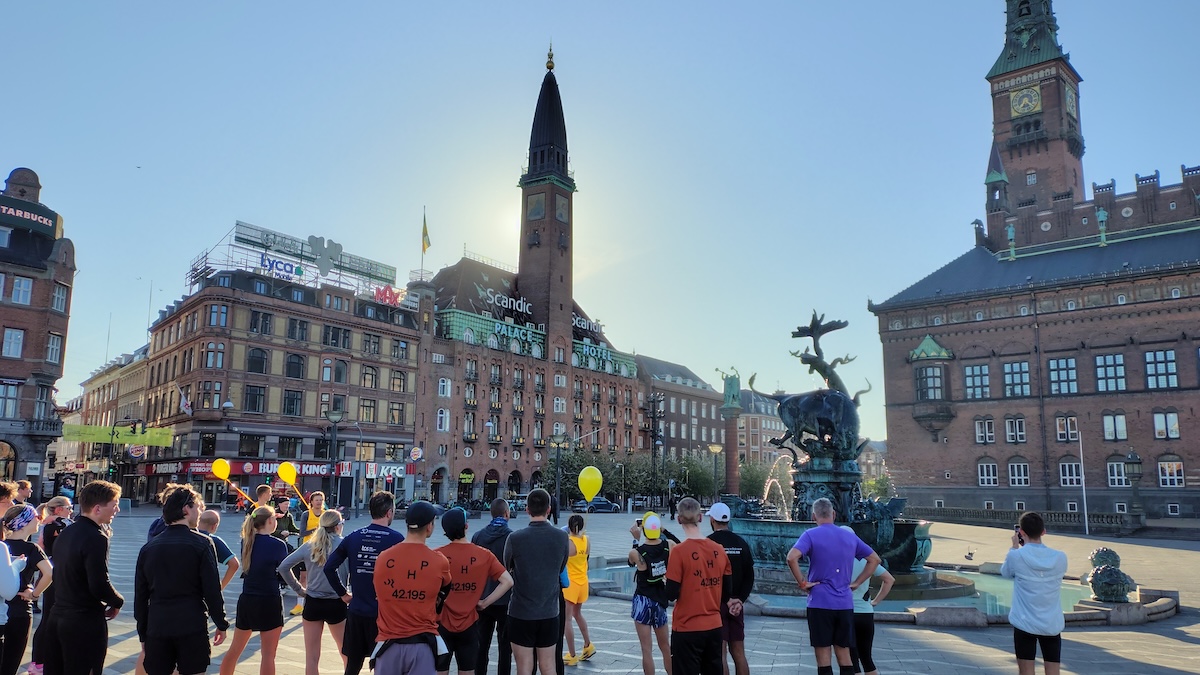
I had never visited Denmark before, and Copenhagen was one of the races I most wanted to reach healthy enough to complete.
That created some pressure, but the atmosphere around the city made it difficult to spend too much time worrying.
I stayed at Steel House Copenhagen, a large hostel in a central location near the train station and within walking distance of the marathon expo. It also happened to be full of runners.
There were people traveling with run clubs, groups of friends preparing together, and solo runners discussing their race plans in the shared kitchen. Conversations about pacing, shoes, previous marathons, and recovery seemed to start naturally.
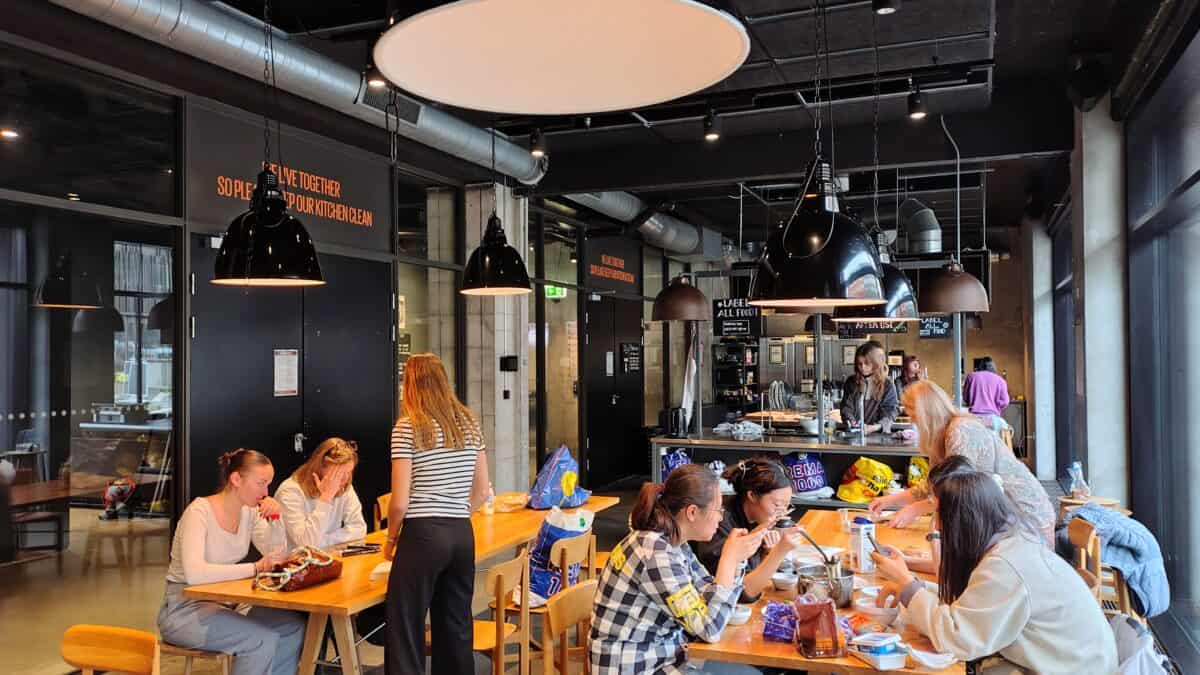
It was there that I met several runners I still keep in casual contact with. Many of them were very generous with their time and knowledge, which helped me immensely as a new marathon runner.
When the marathon feels bigger than race day
The social side of Copenhagen extended well beyond the hostel.
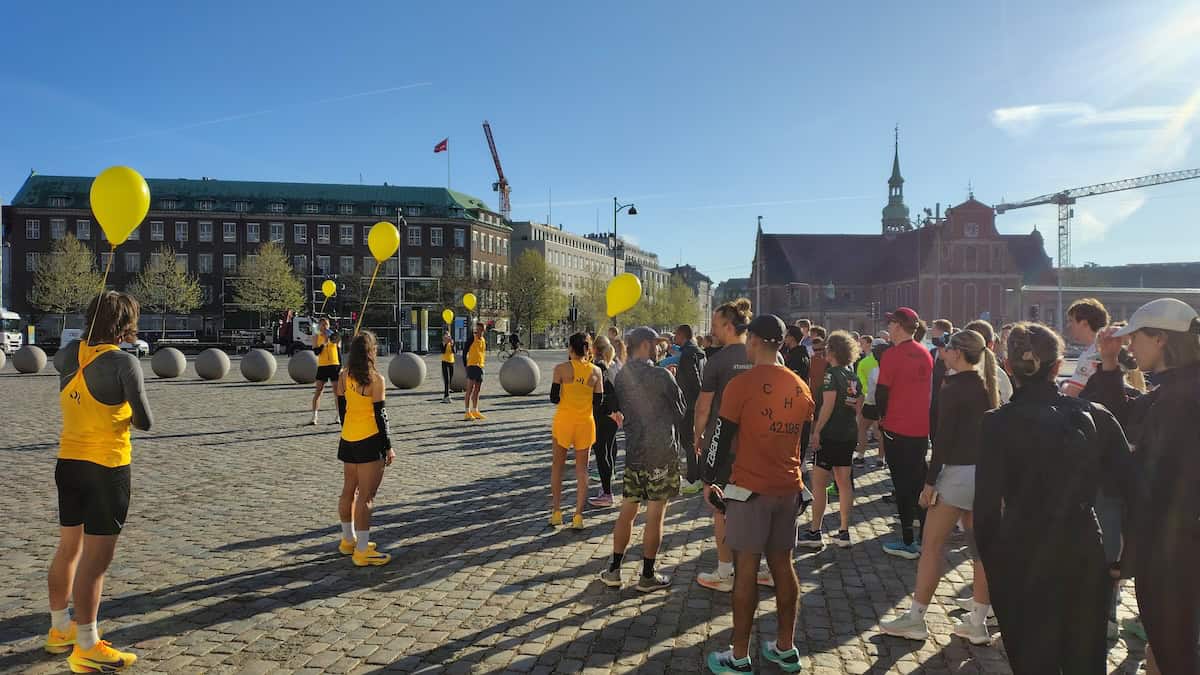
Before the marathon, I joined a shakeout run around the lakes near the city center. Several other running groups were using the same area, including clubs that had traveled from elsewhere in Europe.
At one point, a large group ran past on the sandy path and kicked up a cloud of dust behind them.
That remains one of my clearest memories from Copenhagen.
For those few days, it felt as though the entire area around the lakes had been taken over by runners. There were groups moving in different directions, people wearing club shirts, and strangers starting conversations because everyone was there for the same reason.
My version of Copenhagen was completely shaped by the race.
During the shakeout run, we visited several landmarks around the city center. I also met another runner who I still stay in touch with via Strava.
That experience changed how I approached future race weekends. By the time I traveled to Riga, I was actively looking for shakeout runs and other activities rather than treating them as optional extras.
Copenhagen beyond the marathon
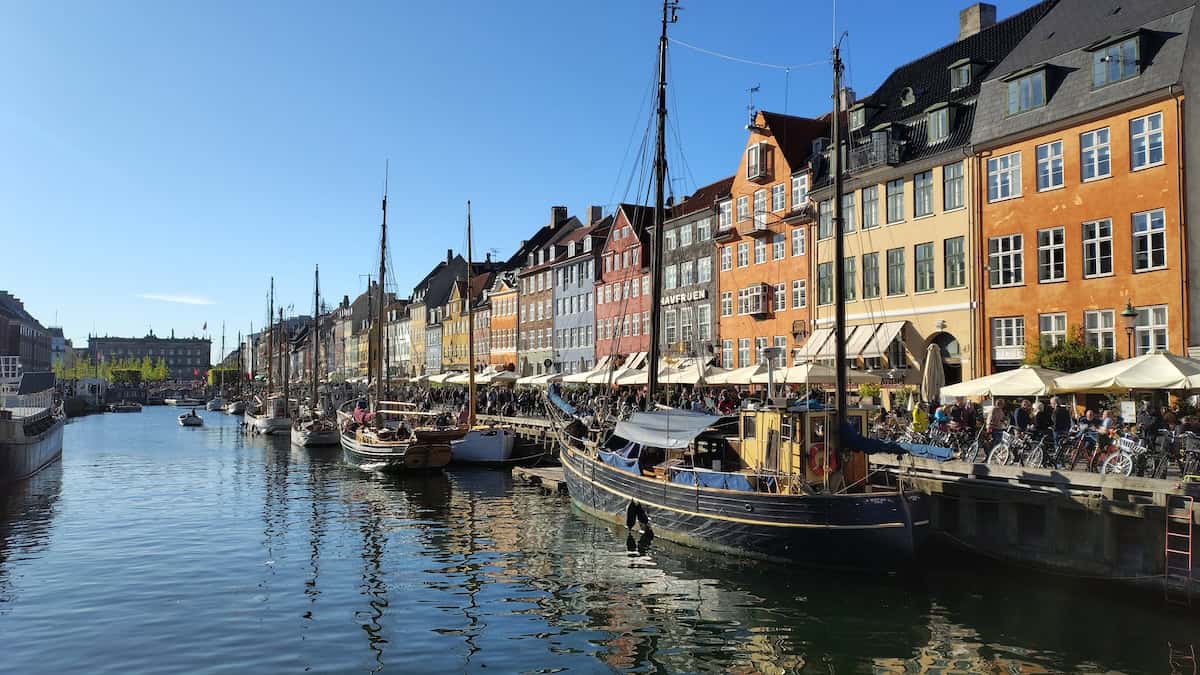
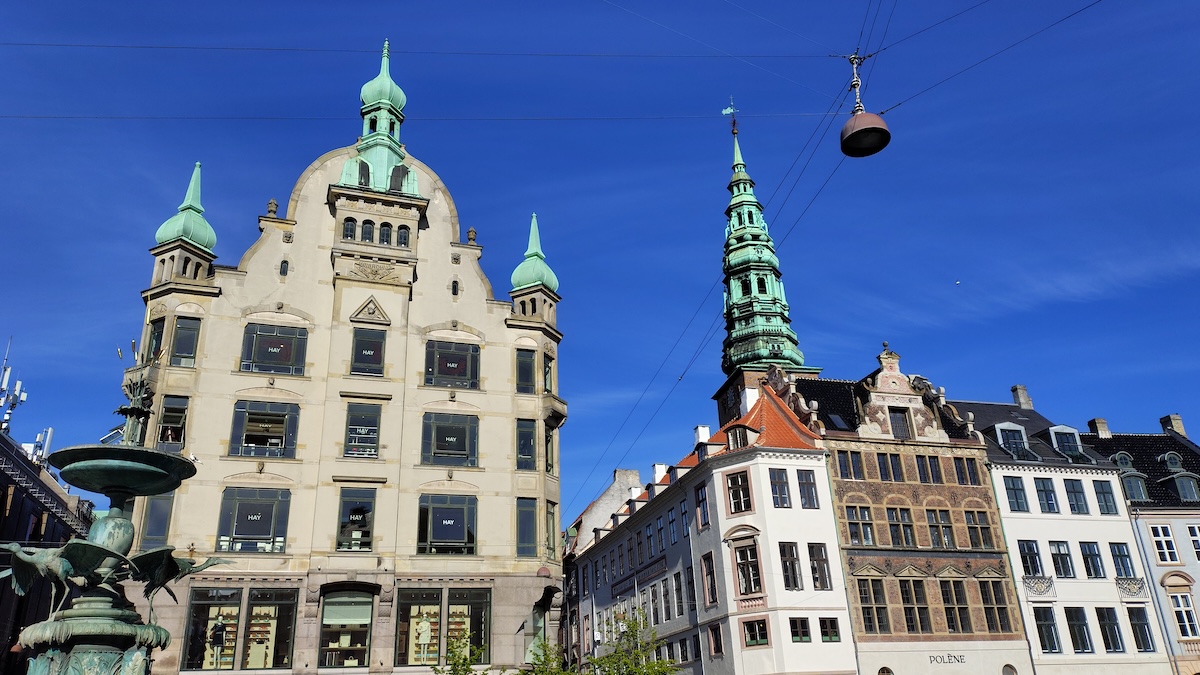
My first impression of Copenhagen matched much of its reputation. People were sitting by the water, relaxing in the parks, and simply enjoying the public spaces.
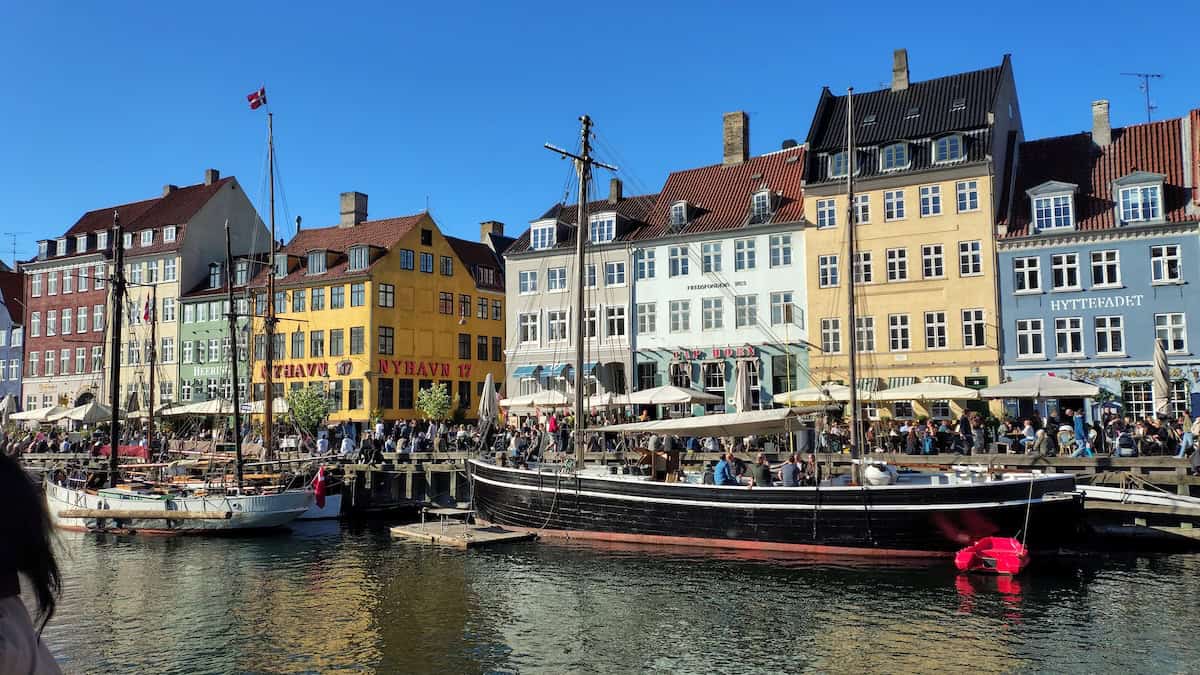
The city felt organized, clean, and built around movement. Cycling was not simply recreational. It was part of everyday life, with separate lanes, its own traffic patterns, and enough cyclists that I quickly learned to check for bikes even when there were no cars coming.
The canal cruise worked especially well for me before the marathon. I could see more of Copenhagen without spending hours walking around and tiring my legs. I also enjoyed how easy it was to slow down by the lakes, parks, and waterfront. When the weather was good, I did not feel pressured to keep sightseeing. I could simply sit by the water and watch the city around me.
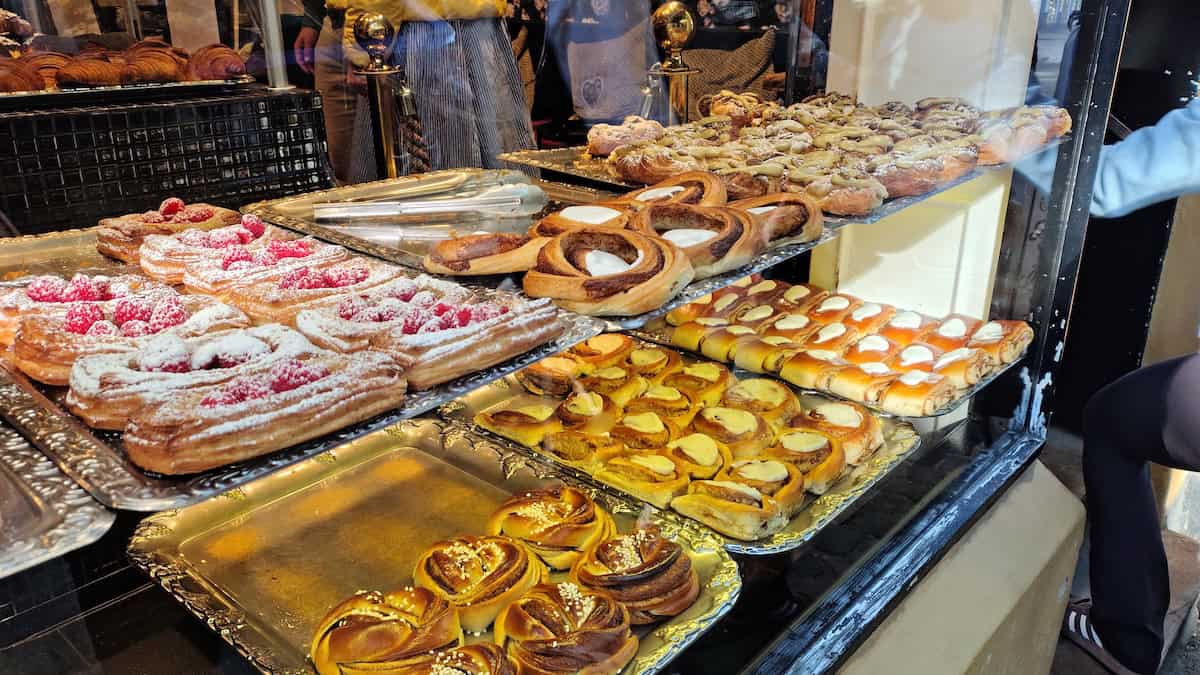
Copenhagen can get expensive if you eat out for every meal, so I bought groceries and prepared most of my own food. I would recommend staying somewhere with a kitchen if you want to keep costs down and manage your own carb-loading meals. I saved most of my spending for coffee and pastries with runners I met.
Finally arriving with a real plan
For Copenhagen, I created a much more detailed race strategy than I had for Antalya or Krakow.
The main change was using planned walking from the start. I also had different pace options depending on how my body felt as the race progressed.
In the previous marathons, walking had only begun after something had already gone wrong. In Copenhagen, walking was part of the plan before I felt tired.
The goal was not to run every possible kilometer. It was to finish in a condition that would allow me to run Riga one week later.
This race stack also made me plan my strategy and fueling more carefully. I carried what I needed, took energy earlier, and avoided waiting until I felt hungry or depleted.
A city that knows how to support a marathon
Copenhagen had the strongest overall crowd support of the races I had completed at that point.
There were quieter sections, but whenever I passed a busier area, the support felt open and generous. Spectators read names from race bibs and cheered runners they did not know. Hearing strangers call my name made the race feel much more personal.
The course moved through different neighborhoods, crossed bridges, and passed lakes and parks. Even when I was not running past a famous landmark, I still felt that I was moving through a city shaped by cycling, running, and outdoor life.
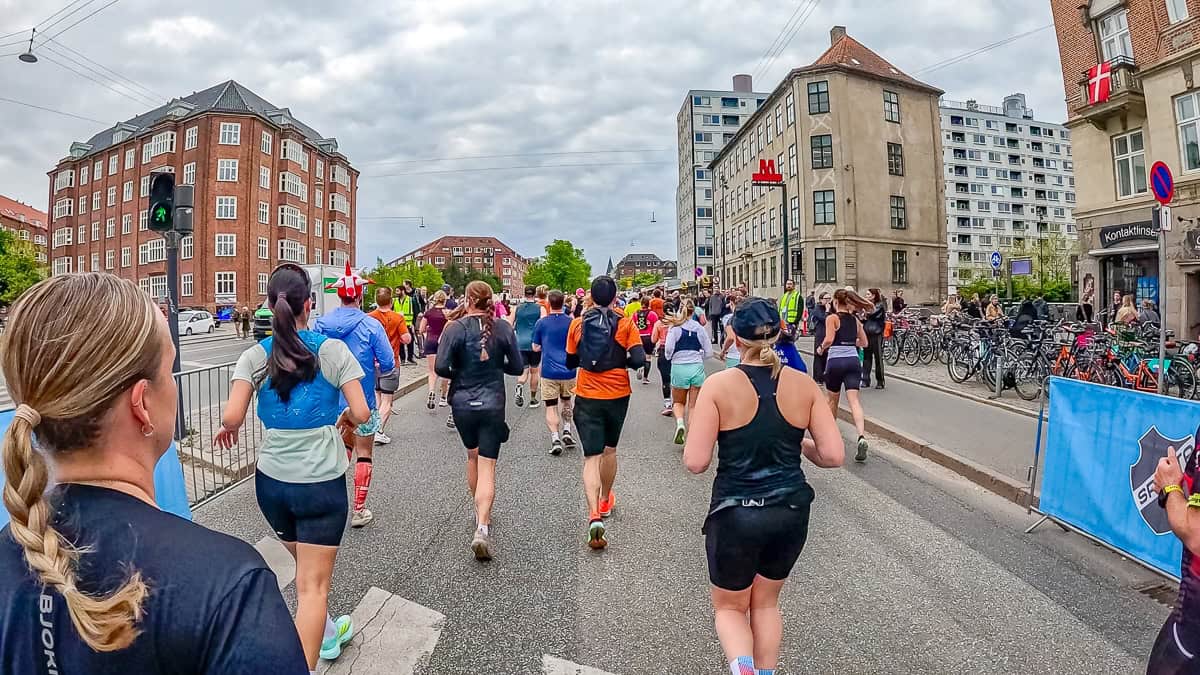
The areas around the lakes were especially energetic. The music, color, and crowds there gave me some of the closest moments yet to what I imagined a major marathon might feel like.
I also appreciated the practical side of the support. There were enough aid stations that I never worried about reaching the next one. One surprisingly useful detail was the number of standing urinals available for male runners. I ended up using them frequently because I could stop without waiting in a long toilet line. It is not the most glamorous part of a marathon, but it made the race noticeably easier to manage.
The moment the strategy proved itself
The opening half felt controlled.
I was running slower than I had in the previous marathons, taking scheduled walking breaks, and not allowing the excitement of the crowd to pull me too far away from the plan.
The real proof came later.
Around 25 to 27 kilometers, I began noticing runners ahead of me slowing down.
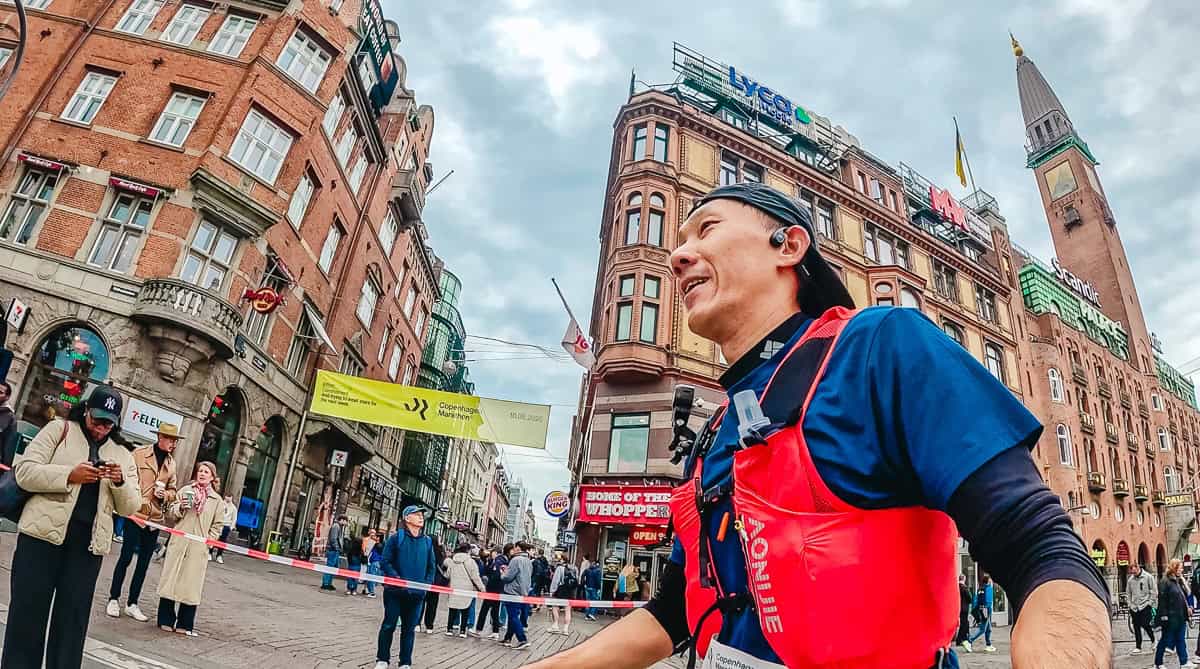
I was still following the same basic rhythm I had used from the beginning.
Gradually, I started passing people.
It was a completely different experience from Krakow, where I had already entered survival mode by the later stages. In Copenhagen, I still felt capable of running rather than simply trying to protect a painful knee or prevent a cramp.
At one point after 35 kilometers, the sky looked as though it might open into heavier rain. So I increased the pace.
I began overtaking even more runners, which surprised me because I had never previously reached this stage of a marathon with that much speed available.
When the light drizzle cleared, I returned to a comfortable pace.
I knew I would finish, I was not chasing a personal best, and Riga mattered more than cutting a few minutes from the Copenhagen result.
That decision summed up what had changed.
In Antalya and Krakow, slowing down happened because my body forced me to. In Copenhagen, slowing down was a choice made while I still felt capable of doing more.
My best-executed marathon so far
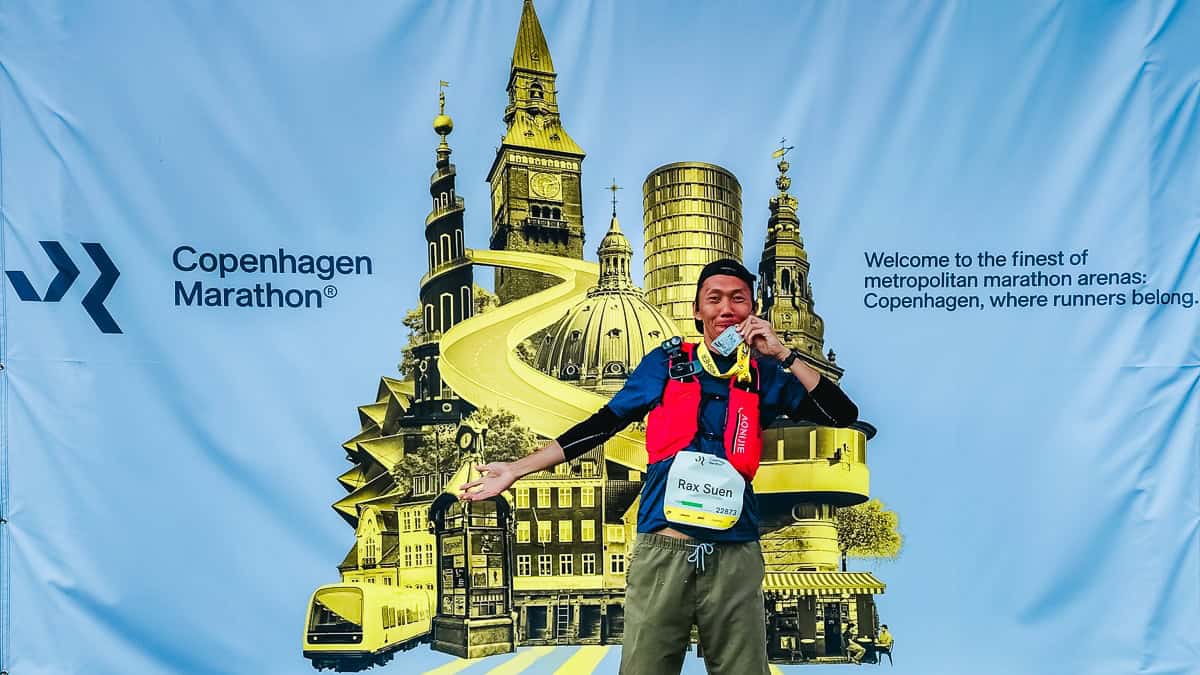
Copenhagen was not my fastest marathon, but it was the best one I had executed.
The clearest sign that the strategy had worked came afterward.
I could walk down the stairs normally.
After the damage I felt following Antalya and Krakow, that seemed almost as important as the medal.
Who should consider the Copenhagen Marathon?
Of the races I had completed at that point, Copenhagen was probably the easiest for me to recommend to almost anyone.
I got the atmosphere of a large international marathon without feeling overwhelmed by it. The field was big, but the expo, starting area, bag drop, and finish all felt manageable. I never felt that I was spending too much mental energy working out where to go or what to do.
The city was also easy for me to navigate. Staying centrally meant I could move between the expo, race activities, tourist areas, and public transportation without building complicated travel plans around the weekend.
I also think Copenhagen works particularly well if you want the marathon to be part of a city break. I saw enough of the city to feel that the trip was worthwhile, but I did not need to exhaust myself with a packed sightseeing schedule.
What I valued most, though, was the full weekend around the race.
The shakeout runs, international clubs, hostel conversations, spectators cheering runners by name, and small touches at the finish made the experience feel social from beginning to end.
Even at the finisher photo walls, volunteers were there to help runners take pictures. As someone racing alone, I appreciated not having to search for a stranger and ask them to use my phone.
I arrived in Copenhagen alone, but I rarely felt alone during the weekend.
For me, Copenhagen proved that planned walking could leave me stronger at the end of a marathon rather than simply helping me survive it. It also showed me that traveling alone for a race did not have to mean experiencing the weekend alone.
Copenhagen was where the three-marathon challenge began. More importantly, it was where that challenge finally started to feel possible.


