Helsinki’s waterfront course forced me to adapt my race plan, then left me with enough energy to attack the final five kilometers.
The Björn Borg Helsinki Marathon marked the beginning of my autumn marathon block.
Four weeks. Four marathons. Four countries.
Helsinki would be followed by Dingle in Ireland, Tallinn in Estonia, and finally the Flanders Fields Marathon in Belgium.
That made the objective in Finland fairly obvious.
I wanted to finish well, but I did not want to leave everything on the streets of Helsinki.
There was another question I wanted answered too.
Earlier in the year, I had been a relatively inexperienced marathon runner learning through trial and error. Antalya taught me what happened when I started too fast. Krakow showed me how incomplete recovery could appear much earlier than expected. Copenhagen taught me how useful planned walking could be, while Riga and Stockholm added more lessons about terrain, pacing, and managing problems as they appeared.
By August, I had more experience.
I wanted to know whether that experience would actually make the next block easier.
Returning to the Nordics
I had never visited Finland before, but my earlier races in Copenhagen and Stockholm had left me with a positive impression of running in the Nordic countries.
Helsinki therefore felt like an easy destination to add to the project.
I arrived with some caution after spraining my ankles during the summer trail-running season. I had even skipped another trail race rather than risk compromising the upcoming marathon block.
Despite staying slightly outside the city center, Helsinki’s public transport made that easy to manage. I bought a multi-day transport pass and used the trams to move between my accommodation, the city center, and the marathon area.
For a race trip, that worked well. I did not feel that I needed to stay directly beside the start to make the weekend convenient.
Seeing Helsinki before the marathon
Helsinki was completely new to me, and because this was the first marathon of the block, I felt fresh and comfortable physically to explore without restriction.
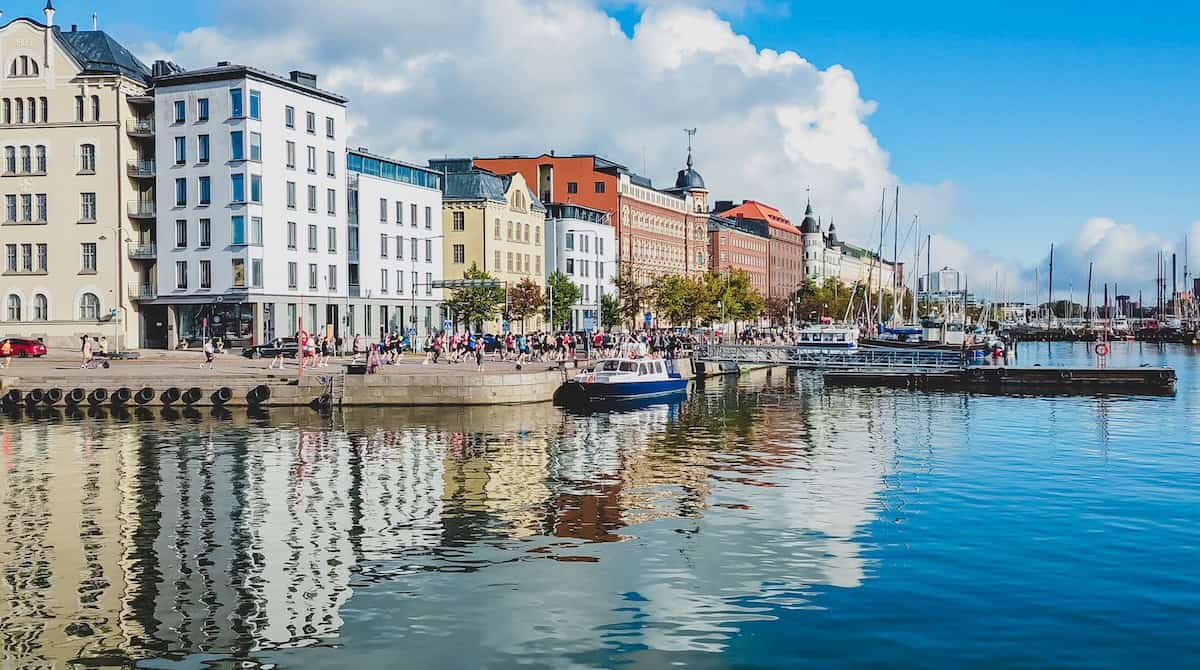
I joined a walking tour, spent time around the city center, and naturally kept returning toward the waterfront.
That became the side of Helsinki I remembered most.
Different parts of the city seemed to open toward the sea, and the waterfront offered a calmer contrast to the more urban and industrial areas.
Just a day of exploration already introduced me to some of the cultural details that make Helsinki feel distinctly Finnish, from having a sauna cabin on their iconic ferris wheel to the way locals really, really adore good weather.
When it was sunny, you can be sure people were out enjoying it. That atmosphere suited the race weekend particularly well.
A compact running weekend
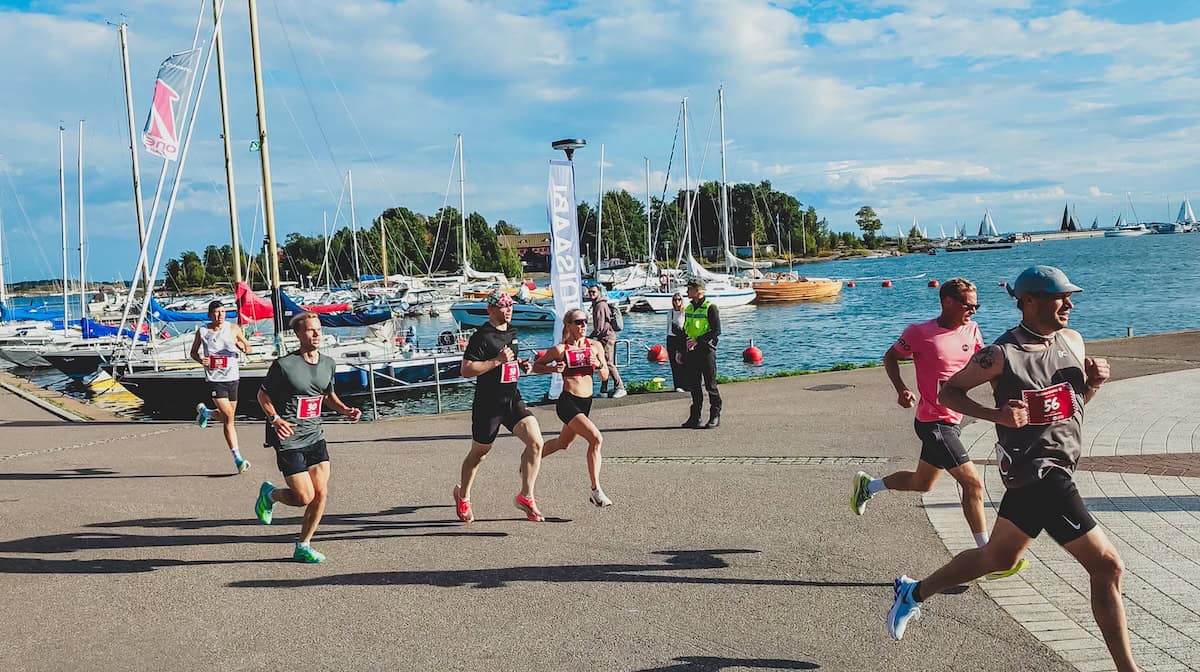
The marathon atmosphere felt more concentrated around the event itself, but there was still plenty happening.
There were also other runners staying where I was based which made for great memories as we discussed past races over our carb loading meals. These encounters are the best bits to marathon travel. You can arrive alone but still end up sharing parts of the weekend with people who came to the city for exactly the same reason.
And it’s fairly common to meet them again in another city marathon, as I have increasingly realised.
The marathon weekend included children’s races and a free Street Mile event on the Friday evening before the marathon, creating activity around the race expo before the main races began. The Street Mile actually included its own race shirt and bottle, which made it an unusually generous pre-marathon event.
I liked that the organizers had created something runners and families could join before marathon morning rather than limiting the weekend to bib collection and the main race.
Starting beside the water
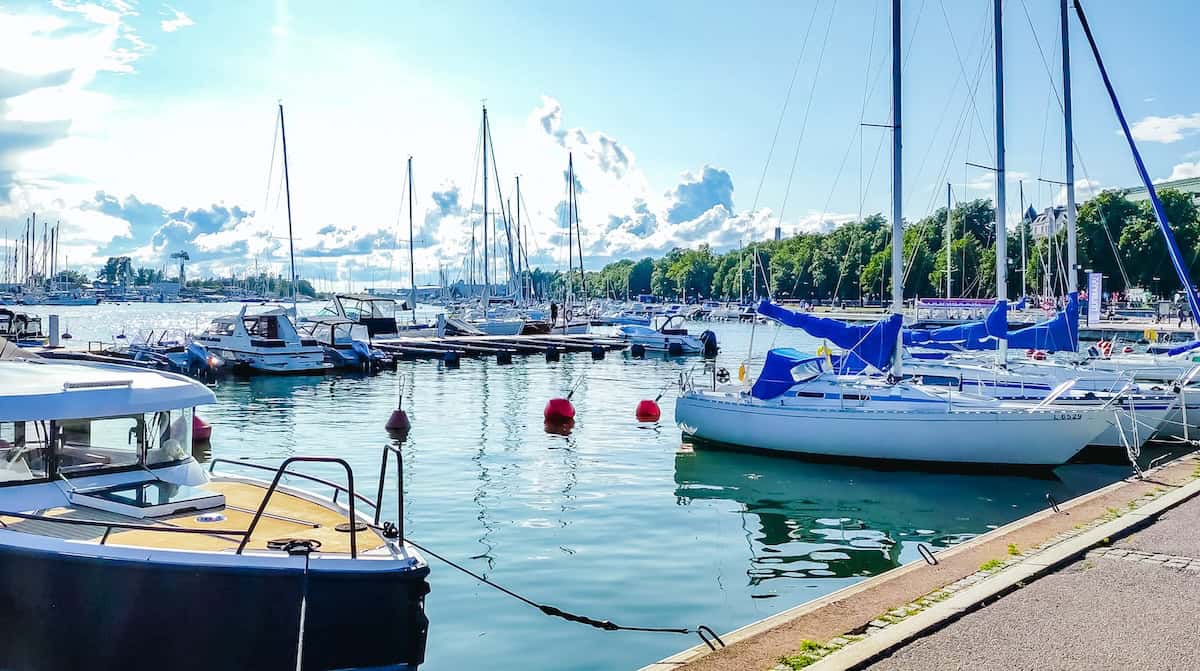
The start area at beautiful Meripuisto was energetic without being confusing, the weather was good, and the waterfront gave the opening of the race an immediately scenic setting. Logistics and bag drop was straightforward without much queue.
There was some rain forecast for later in the day, which created a small temptation to run faster and try to finish before it arrived.
But Helsinki was only race one of four.
Trying to save myself from hypothetical rain by burning energy early would have defeated the entire point of the strategy.
So I started conservatively.
A plan that had to change
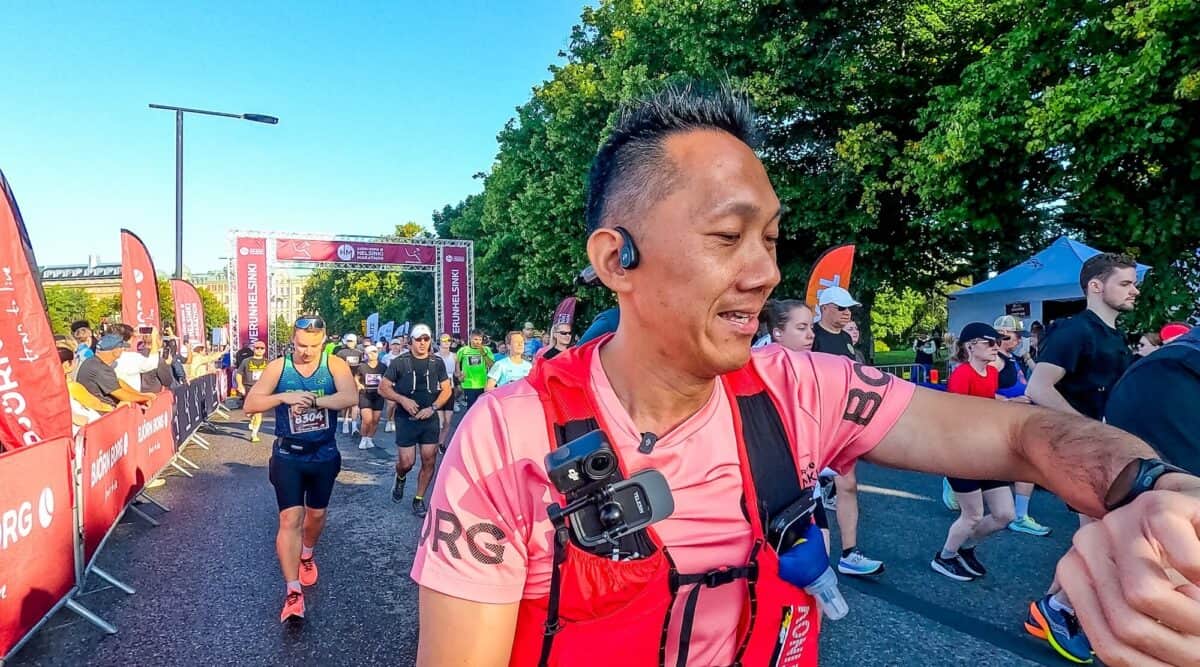
My original approach was based around planned run-walk intervals.
The intention was to keep the early effort controlled, preserve the legs, and only increase the pace later if I still felt strong.
What I had not anticipated was how much the terrain would interfere with a strict timing system.
Helsinki was more rolling than I expected.
The route repeatedly crossed bridges and moved through sections where following a fixed run-walk rhythm no longer made much sense.
If a scheduled run interval began halfway up a climb, forcing myself to run simply because the watch said so would use more energy for very little gain.
Likewise, reaching a downhill just as a scheduled walk began could mean wasting one of the easiest opportunities to move efficiently.
So the strategy changed.
Rather than obsess over the exact ratio, I began managing the marathon more by effort and terrain.
I walked more of the climbs when necessary and used the easier sections to run.
It was a small adjustment, but it represented something I had not been capable of doing as confidently during my first marathons.
The plan was no longer something I had to obey.
It was a framework I could adapt.
Helsinki from the course
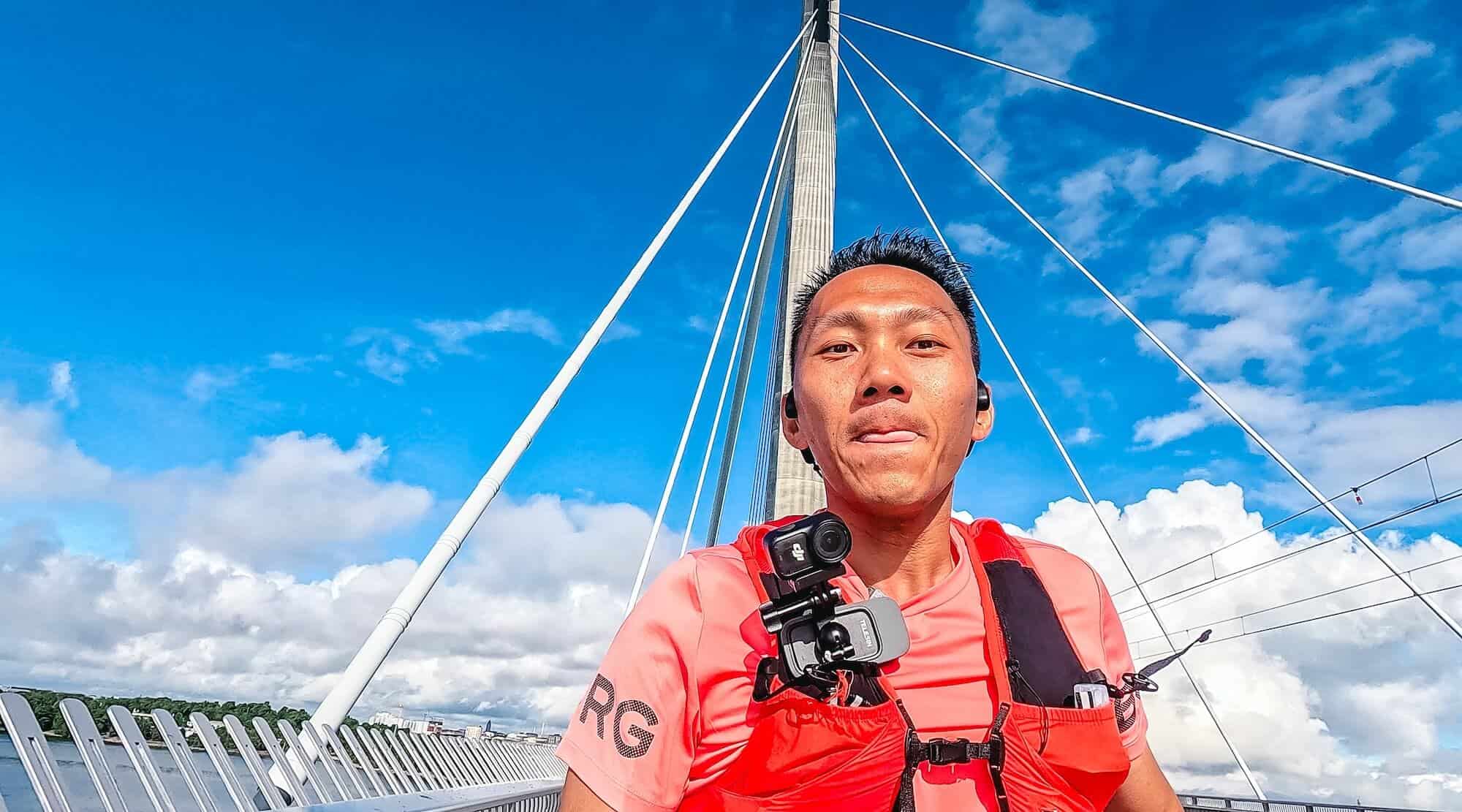
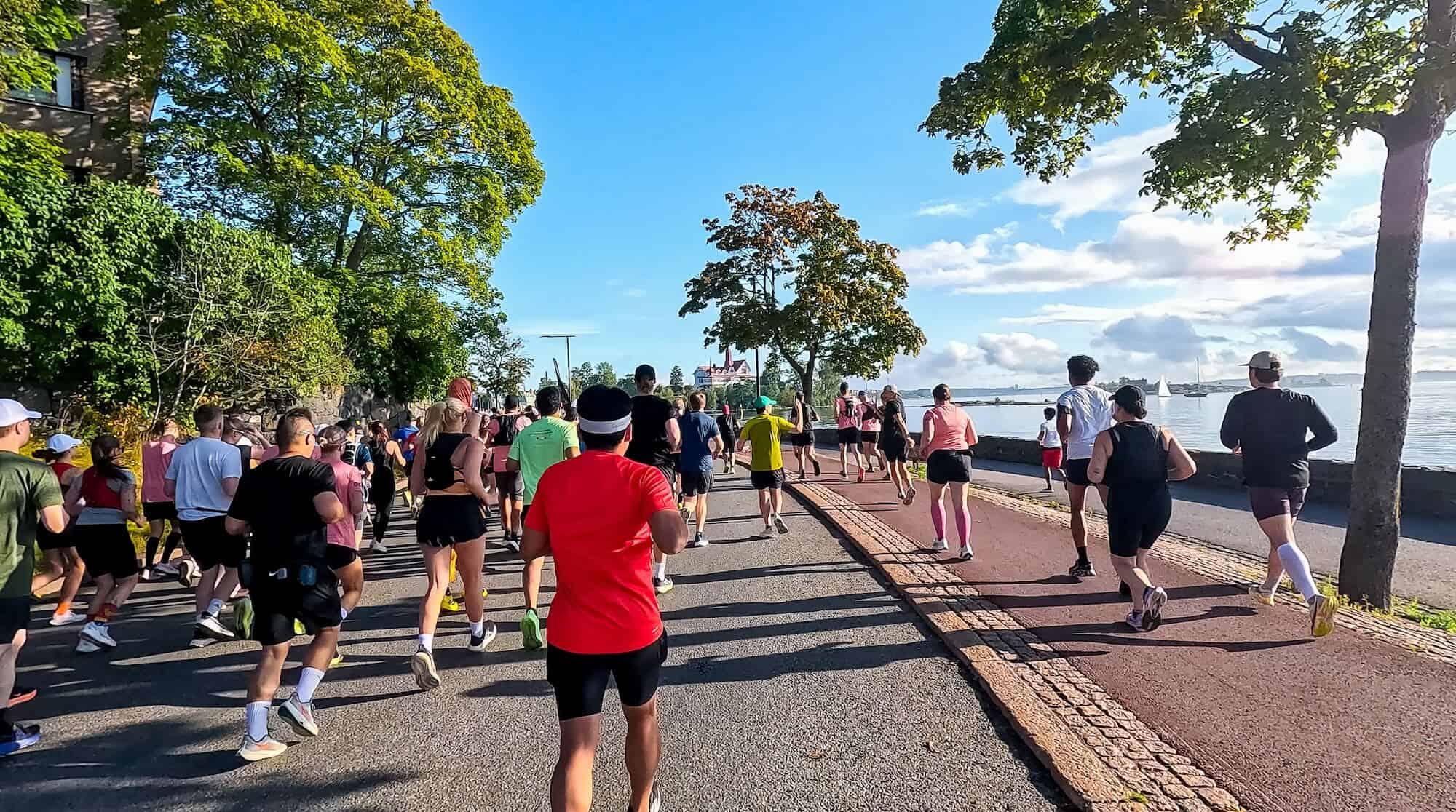
The bridges that disrupted the pacing were also some of the most memorable parts of the marathon.
Running over them opened up broad views across the water, and those waterfront sections became the defining scenery of the race for me.
Helsinki is a city where water appears repeatedly in different parts of the landscape.
As a visitor, I probably would not have deliberately traveled to every waterfront that the marathon passed.
Running the course gave me a reason to see more of that geography.
That is one of my favorite things about city marathons.
They do not simply take you past the landmarks you already planned to visit. They can also bring you through parks, residential areas, bridges, and stretches of waterfront that would never make it onto a short sightseeing itinerary.
The spectator support was not overwhelming throughout the course, but the people who were there were enthusiastic.
The largest concentrations naturally appeared around the start, finish, and busier parts of the city.
For much of the race, however, the scenery mattered as much as the crowd.
Realizing there was still plenty left
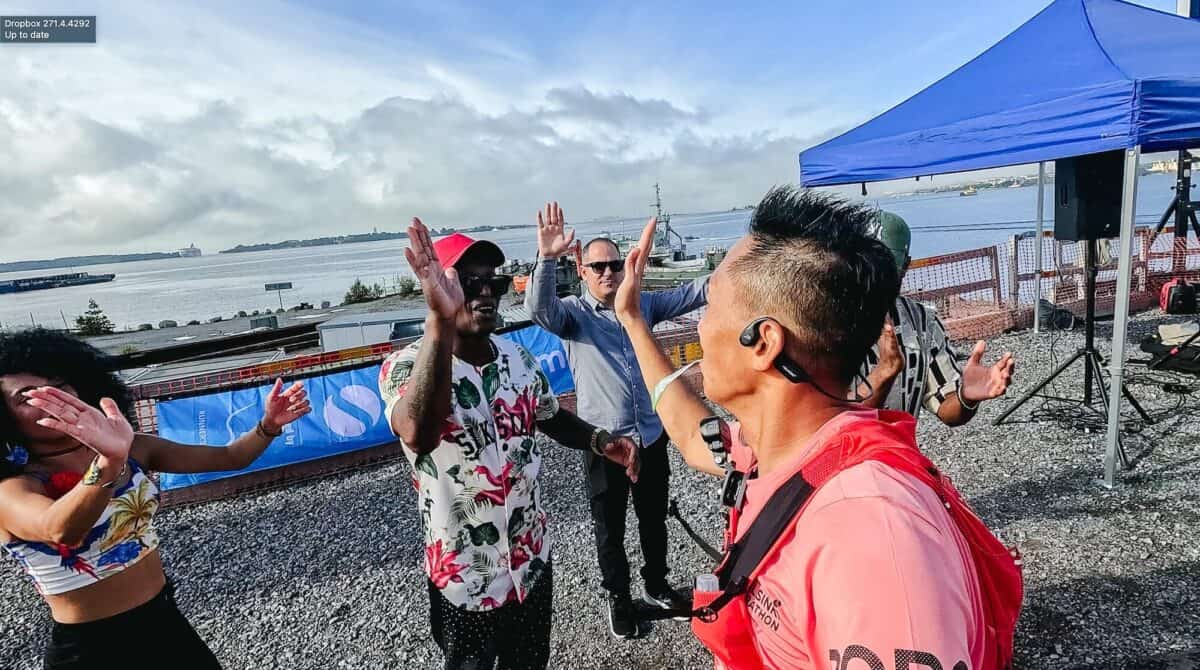
The more flexible pacing continued through most of the marathon.
There were moments when running uphill tightened the muscles enough to reinforce why conserving on the climbs made sense, but I never reached a point where the ankle or legs became a serious concern.
By roughly KM37, I did not feel as though cramping or a major physical collapse was particularly likely.
I still felt good.
Not merely good enough to finish.
Good enough to run… fast!
So I decided to stop conserving.
And this time, the late acceleration did not come from desperation. Helsinki was different.
I was attacking the final kilometers because the conservative race had genuinely left something in reserve.
I began passing runner after runner.
After spending most of the marathon consciously protecting energy, suddenly being able to unleash it was incredibly satisfying.
Proof that the experience was adding up
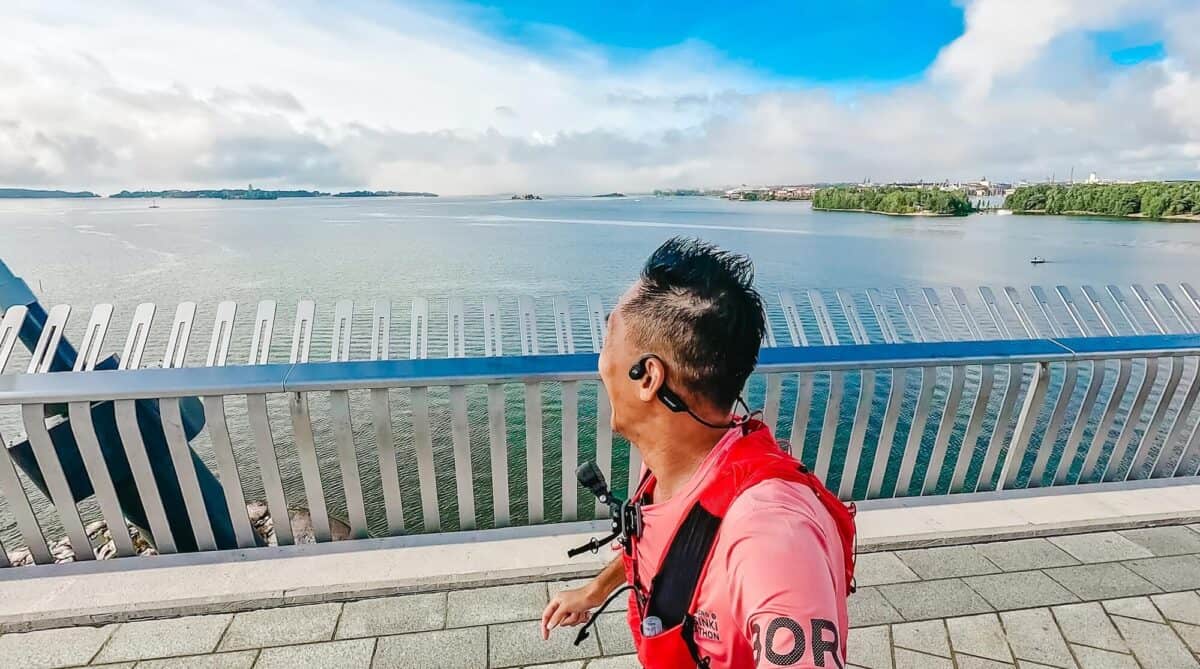
It was a stronger result than I had expected from a race I deliberately approached conservatively, but the time itself mattered less than how I reached it.
The spring marathons had often ended with me managing problems.
Helsinki ended with me choosing how hard I wanted to push.
That difference felt significant.
The finish area returned us to the park beside the waterfront, where runners could sit down, recover, collect drinks and food, and spend time around the event booths.
People were still hanging around, so the finish felt relaxed rather than something everyone immediately left.
My legs were more sore than they might have been if I had simply cruised through the final kilometers. That created a slightly mixed feeling.
I was proud of how much I had left in the tank, but I also knew that using all of it had not been necessary.
Dingle was coming next, and its much tougher road course that I’ve ever tackled. It would demand a different kind of restraint.
Even a strong finish has a recovery cost.
A marathon that can become part of the trip
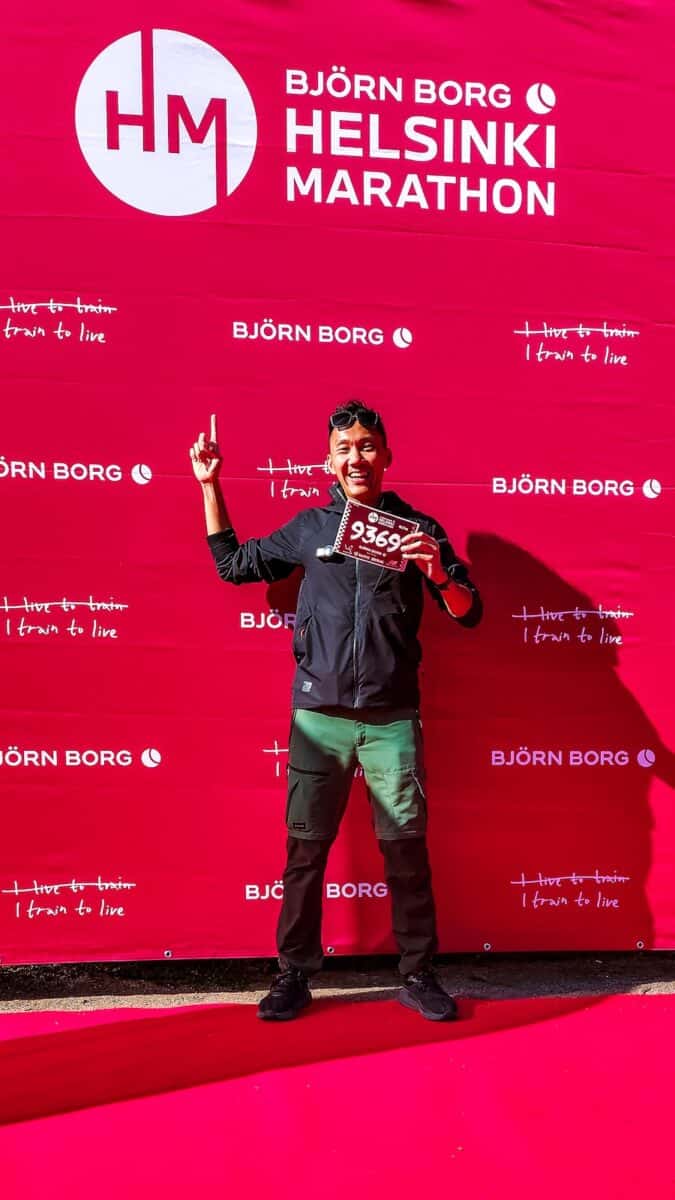
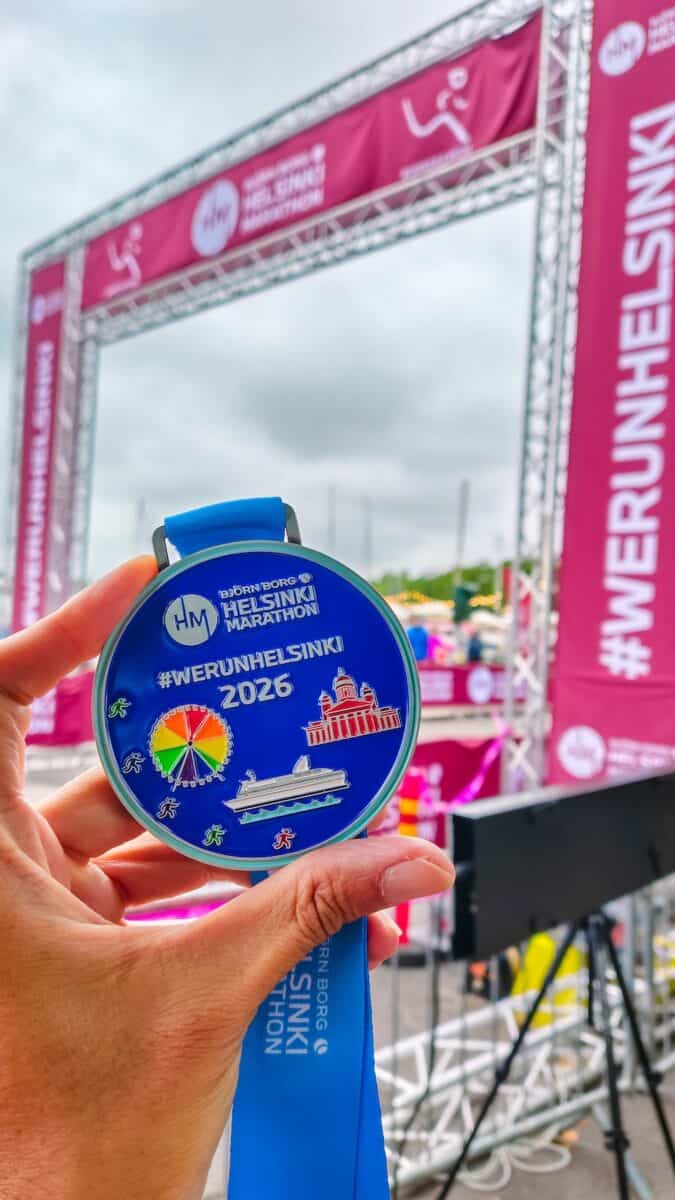
I still had plenty of energy right after the race and took a ferry to explore Suomenlinna island before the rain finally arrived.
And as the perfect followup to the marathon, I reserved my Finnish sauna experience for the next day at the iconic Sompasauna (a sauna in the woods).
It was one of the experiences that made Helsinki feel more distinctive beyond the marathon itself.
Rather than treating the race as the entire purpose of the visit, I could combine it with the waterfront, islands, public spaces, and Finnish sauna culture.
That is one reason I think Helsinki deserves more than a quick race weekend.
There is plenty within the city itself, but Helsinki can also be a base for exploring its islands and other parts of the surrounding area.
The marathon fits naturally into that kind of trip.
Why I chose the August Helsinki Marathon
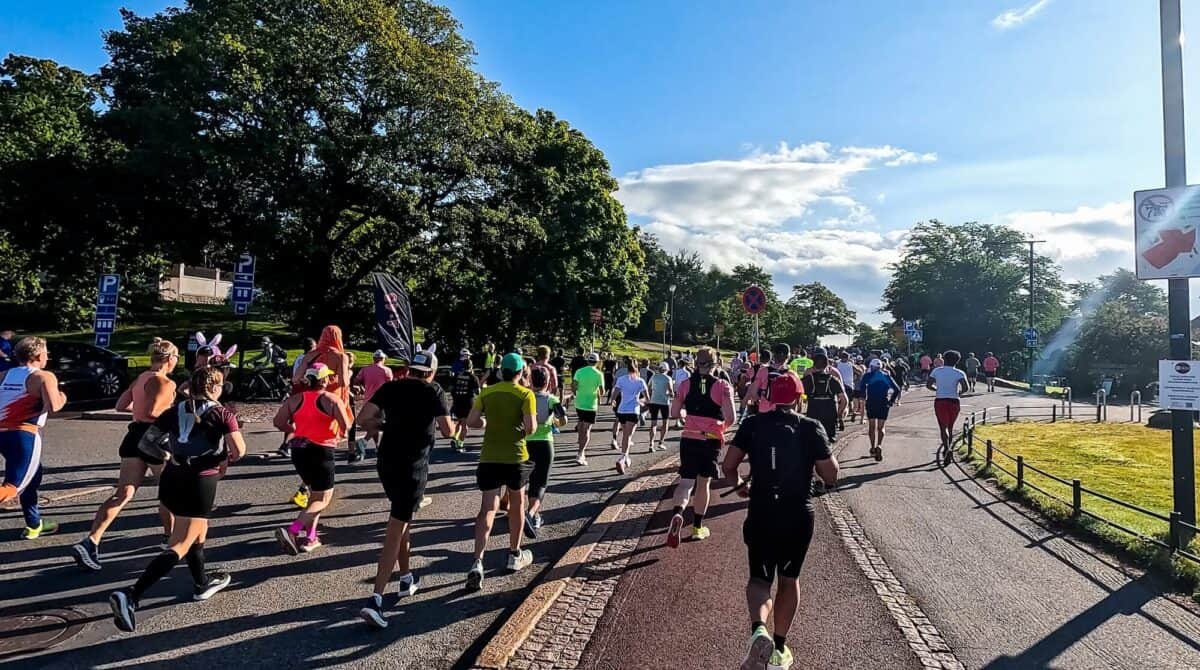
Helsinki actually offers runners more than one major marathon option.
The Helsinki City Marathon takes place as part of Helsinki City Running Day in May and is Finland’s largest and oldest marathon.
I chose the Bjorn Borg Helsinki Marathon in August after speaking with another runner who had experience with both events.
His advice was that the routes offered similar opportunities to see the city, while August could be a particularly enjoyable time to visit Helsinki.
For me, that timing worked perfectly.
The late-summer weather allowed me to enjoy the waterfront, spend time outside, and continue exploring after the race.
Who should consider Helsinki Marathon?
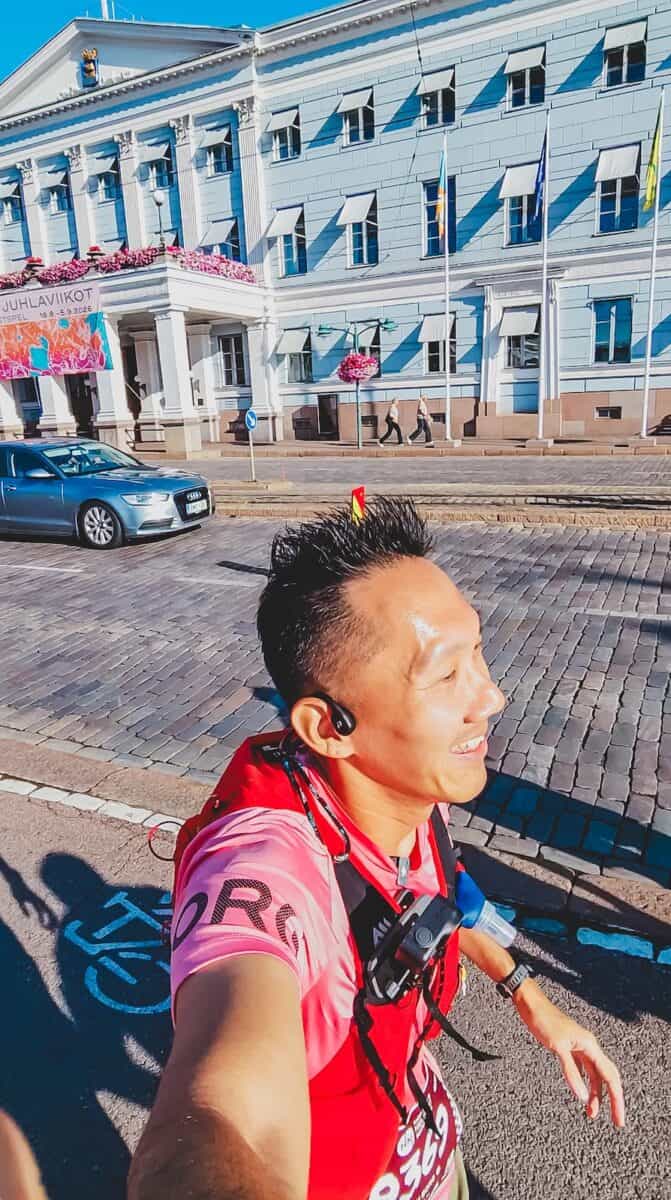
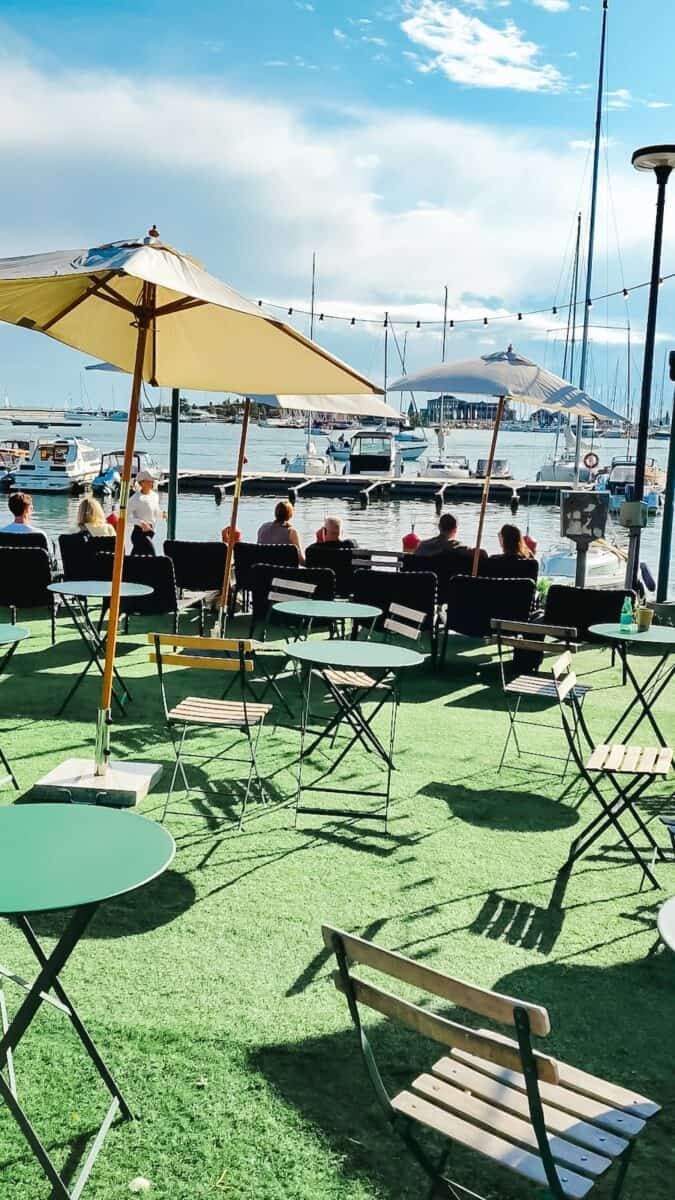
If you enjoy a scenic city race but do not need enormous crowds throughout the entire course. This is a very scenic one to consider.
The waterfront is one of its strongest features. The route repeatedly gives you views across the water and takes you through parts of Helsinki that a short-term visitor might otherwise never explore.
It is not completely flat, though.
The bridges and rolling sections make effort management more important than I had expected, so runners chasing a perfectly even pace may need to adapt.
The event itself felt easy to manage.
Public transport made getting around straightforward, the start and finish area at Meripuisto was nice, and the combination of children’s events, the Street Mile, and the main races gave the weekend enough activity without feeling overwhelming.
For someone traveling alone, it still feels easy to meet other runners around the event.
And if the marathon is only one part of the trip, Helsinki has enough beyond the race to justify staying longer.
The right start to four marathons in four weeks
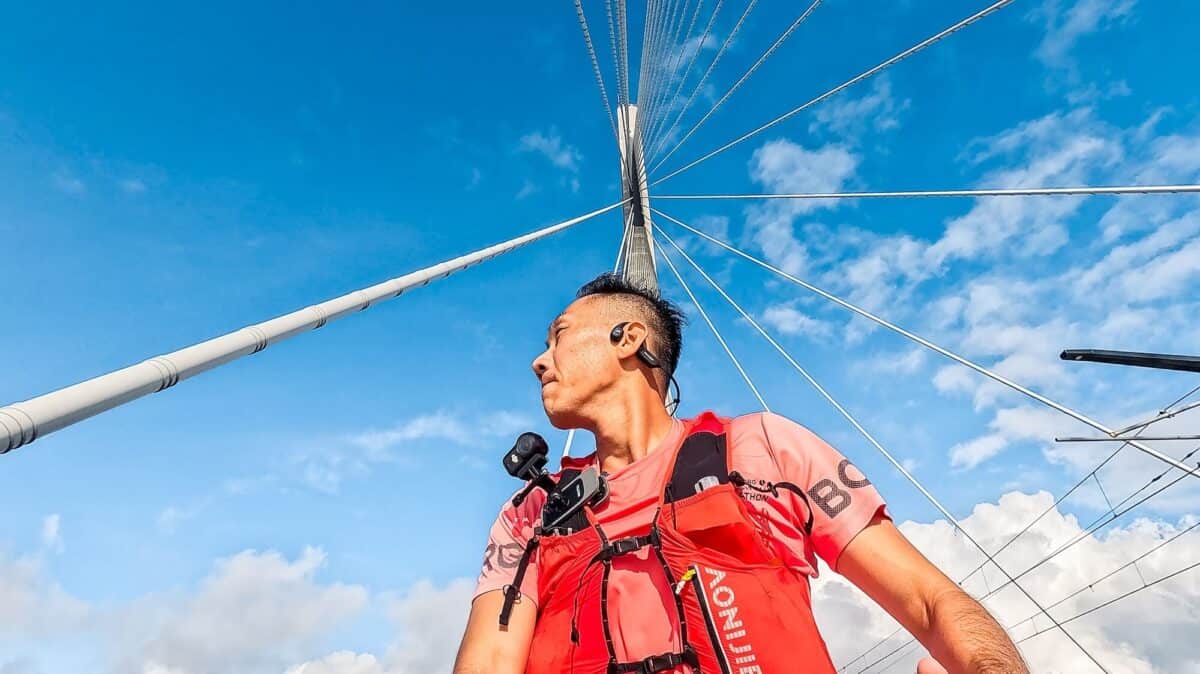
Helsinki gave me exactly what I needed from the first race of the block.
Not a perfect execution.
Not a personal best.
Confidence.
I had arrived wondering whether the experience accumulated during spring had actually changed anything.
By the final five kilometers, I had my answer.
I was making better decisions, adapting to the terrain instead of fighting it, and reaching the closing stages with enough energy to choose when to push.
There was still another lesson hidden inside that strong finish.
Just because I had energy left did not mean I needed to use all of it.
With Dingle, Tallinn, and Flanders Fields still ahead, that might have been the more important lesson.
Helsinki did not simply prove that I was ready to run another marathon.
It gave me reason to believe I might finally be learning how to run four of them in a tight schedule.


