Home Blog Page 137

27 Popular Turkish Desserts and Sweets in Turkey To Try

When you think of Turkish food, the first thing that comes to mind is probably Turkish kebabs. However, Turkish cuisine has a lot more to offer than just grilled meat. In this article, you can find some of the most popular Turkish desserts and sweets.

From baklava to Turkish delights, desserts is Turkey has a lot of influence from the Ottoman empire and the middle east.

Turkish desserts are particularly good for the sweet tooth, but there is something for everyone! So if you visit Turkey and get a craving for something sweet, there will be plenty of options to choose from.

Most popular Sweet Turkish Dessert

One of the most well-known Turkish desserts is baklava.

Thin phyllo dough is made into layers of phyllo pastry sheets. It is then filled with chopped nuts and sweetened with sugar syrup or honey, before getting baked into crunchy goodness.

This sweet phyllo pastry is usually cut into diamond shapes or triangles. They often come in different nut variations such as pistachio baklava, or walnut baklava.

Baklavas are absolutely delicious and a personal favorite. You should definitely try some when you visit Turkey.

Sweet Turkish Desserts

Lokum (Turkish Delights)

famous-turkish-delight

Lokum is a Turkish dessert that is made with starch, sugar, and flavoring. It is probably more famously known as Turkish Delight. They come in multiple flavors and variations. Bergamot orange and rose flavored delights are very common options.

Turkish delight has a chewy texture and is traditionally served with tea to guests in Turkish households.

It is so famous that the popular Turkish dessert is also exported to other countries.

Fırında Sütlaç (Turkish Rice Pudding)

delicious-rice-pudding

If you are looking for a delicious Turkish dessert to try while in Turkey, then look no further than fırında sütlaç. This is a baked rice pudding that is made with milk, sugar, corn starch, water, and rice.

It is often flavored with cinnamon and vanilla and can be topped with ground pistachios or almonds. The signature burn mark on top gives it a creme Brule look and gives it a slight caramel flavor profile.

Fırında sütlaç is a popular dessert that you can find in restaurants and cafes throughout Turkey.

Tatlı Karpuz (Sugar coated pumpkin)

Tatlı Karpuz is a traditional Turkish pumpkin dessert that is made with, well, pumpkin. It is relatively simple to make. The pumpkin is boiled and cooked with sugar to make a nice flavor and consistency.

This dessert is often served cold and topped with crushed walnuts and cream or even ice cream.

Revani (Semolina Sponge Cake)

traditional-semolina-cake

Revani is a Turkish semolina cake that is made with semolina, sugar, butter, and eggs. It is a moist and soft sponge cake soaked in sugar syrup. It can be served with shredded coconuts, Turkish ice cream, or clotted cream.

This light semolina sponge cake is also one of the most traditional Turkish desserts you can find in Turkey.

Künefe

turkish-dessert-kunefe

Künefe is a Turkish dessert that is made from shredded wheat and cheese. The cheese is usually a mix of feta and kasseri, although other cheeses can be used.

The mixture is wrapped in thin pastry dough and then grilled. It is often served with a sweet syrup made from sugar, water, and lemon juice.

Tulumba (Turkish Churros)

Tulumba is a traditional Turkish dessert that is typically made with flour, sugar, butter, milk, and eggs. Visually, they look like Turkish churros.

It is a pastry that is deep-fried and then soaked in sweet syrup. The syrup can be made with sugar, water, lemon juice, and cinnamon.

Tulumba is a popular dessert in Turkey. You can find these in most cafes and from street vendors. Tulumba can taste overly sweet for those without a sweet tooth. Therefore, they go extremely well with strong Turkish coffee.

Pişmaniye (Turkish cotton candy)

sweet-cotton-candy

Pişmaniye is one of the most interesting Turkish desserts that is made from spun sugar. The sugar is boiled to a high temperature and then put into a spinning machine.

It is similar to cotton candy but it is made with Turkish sugar which gives it a different flavor. Turkish candy floss is often served as a dessert at restaurants or eaten as a snack.

It is also a popular sweet treat during Ramadan because it is considered to be a light dessert.

Lokma (Fried doughnut balls)

fried-doughnut-balls

Lokma is a typical Turkish dessert that is made from balls of deep fried dough that are then soaked in sweet syrup. Some even sprinkle them with powdered sugar as well.

Lokma is believed to have originated in the city of Istanbul.

This is one of the most common Turkish desserts that can even be found with street vendors. It is easy to eat, and like the Turkish version of mini donut balls.

Dondurma (Turkish Ice Cream)

creamy-ice-cream

Dondurma is a type of Turkish ice cream that is popular in Turkey and have a stretchy texture. Some of the main ingredients include cream, whipped cream, salep, mastic, and sugar

The ice cream is then flavored with vanilla extract or rosewater. The ice cream is thick and can be difficult to scoop. It is often served with chopped Turkish delights or finely chopped nuts.

Tahini Halva

popular-tahini-halva

Halva is one of the oldest and best Turkish desserts stretching all the way before the Ottoman empire. There are different variations of Halva. Tahini Halva is made with sugar and Tahini which is kind of a sesame nut butter.

Tahini Halva can come plain, or there is usually a chocolate version that is mixed with melted chocolate. They can also come with various stuffings that can include ground pistachios, pine nuts, dried fruits, etc, embedded in the Halva block.

Ayva Tatlis

turkey-fruity-dessert

One popular fruity dessert in Turkey is Ayva Tatlis, which uses quince fruit as a base. This sweet and sour dessert is made with quince fruit soaked in sugar, and lemon juice.

The dessert is often topped with ground pistachio nuts and sometimes clotted cream or ice cream. It is usually served cold and can be found in most Turkish restaurants.

Kadayif

kadayif-in-turkey

Another extremely famous dessert in the Middle East, Kadayif is often confused with Kunefe. These along with Baklava are three of the best Turkish desserts that you can usually find in the same store.

It is famously known as being a dessert that is often eaten during the Eid al-Fitr celebration. Its signature ingredient is the crispy Kadayif noodles (shredded phyllo dough) in syrup.

The dish is topped with ground pistachios for extra flavor and texture. It can sometimes come with thick turkish clotted cream and goes well with Turkish coffee.

Kadayif can also be found in some restaurants in Europe and North America.

Keşkül

almond-pudding-keskul

Keşkül is a milk or almond pudding with creamy consistency and a sweet flavor. Keskul is traditionally served with shredded coconut and pistachio. This dessert is often served cold and can be enjoyed as a snack or a dessert.

Ashure

turkish-dessert-ashure

Ashure is a Turkish dessert that is made from wheat, dried fruits, nuts, and spices. It is a type of pudding that is usually eaten around the time of the Muslim holiday of Ashura.

This dessert is believed to have been created by Noah after the great flood. It is also called Noah’s Ark pudding.

Ashure is considered to be a symbol of thanksgiving and is often shared among family and friends.

Tavuk Göğsü

Translating into “Chicken Breast”, Tavuk Göğsü is a milk pudding that is popular for dessert in Turkey with chicken breasts.

The ingredients include rice flour, sugar, chicken breasts, vanilla extract, and whole milk. The chicken breasts are boiled and then shredded and added to create a pudding mixture.

The pudding is cooked over low heat until it thickens. It is served cold with a dollop of whipped cream on top. The complete dessert actually does have much chicken flavor.

Muhallebi

delicious-rice-pudding

Muhallebi is like the vegetarian version of Tavuk Göğsü. It is a milk or rice pudding that has similar consistency as the chicken breast.

You can easily top it with dried fruits or nuts for more flavor and texture.The pudding is served cold and can be found in most Turkish restaurants.

Şekerpare

sekerpare-in-turkey

Şekerpare are like these cute Turkish cookies. Some ingredients include semolina, lemon sugar, butter, and eggs. The dough is made by mixing the ingredients together and then creating the dough balls.

You can top it with almonds or hazelnut. They are then baked in the oven until golden brown.

Güllaç

turkish-dessert-gullac

Güllaç is a Turkish dessert that is typically eaten during the month of Ramadan.

It is made of layers of phyllo dough that are filled with cream (made with milk, sugar and rose water) and then garnished with pomegranate seeds. Other common toppings are pistachios, almonds and other nuts.

Bülbül yuvası

Bülbül yuvası is another sweet treat that you can commonly find alongside Baklava.

This is also made with phyllo dough which is shaped into a bird’s nest. The nests are stuffed with various nuts and sweet filling in the center, then baked in the oven until they are golden brown.

Bülbül yuvası is a sweet and delicious dessert in Turkey.

Fıstıklı Sarma

popular-dish-sarma

In the Balkans, Sarma is a popular dish in countries like Bulgaria and Romania.

Fıstıklı Sarma is a Turkish dessert resembling the Sarma visually and is sweet. It is wrapped in phyllo dough and filled with pistachio butter. The dough is rolled up tightly, and the rolls are cut into 1-inch pieces.

Fıstıklı Sarma is a delicious dessert that is sure to please your taste buds. The green color pastry is one of the best Turkish desserts eaten during the holidays.

Zerde

sweet-rice-pudding

Zerde is a Turkish sweet rice pudding that is made with short grain rice flour, sugar, saffron, and rose water. It is a popular dessert in Turkey and is often eaten on special occasions.

Turkish Bread Pudding

One of the most simple yet popular Turkish desserts is the Turkish bread pudding. This dessert is a favorite for travelers and locals alike.

It is made with pieces of Turkish bread, pudding spices, sugar, butter, and milk. The Turkish bread pudding is a great option for those who are looking for a sweet and filling dessert. Enjoy it with a cup of Turkish coffee or tea.

Pestil

fruit-leather-pestil

Pestil or fruit leather is a rolled-up strip of fruit gummy. It is versatile and simple to make. Essentially, they puree a combination of fruits and spread it out into sheets to be dried, creating the fruit leather.

This is then cut up into strips and rolled into Pestil. I can see this being a children’s favorite among Turkish desserts and sweets.

Burma

Burma taste like rolled baklava but also resembles the more fancy-looking Turkish delight rolls. It is also made with thin layers of phyllo dough wrapped together, creating an outer roll that is sweet and crispy. The center consists of delicious nuts and sweet fillings.

Drinks to go with Turkish Desserts

Drink options to go with Turkish desserts are simple and straightforward enough, yet really pairs well together.

Traditional Turkish Tea

popular-turkish-tea

Turkish tea is almost always enjoyed with Turkish desserts. When Turkish tea is served in a glass, it is poured into the glass until it is half-full, and then the sugar is added.

However, pure black tea is a great combination to go with the really sweet Turkish desserts.

Turkish Coffee

aromatic-turkish-coffee

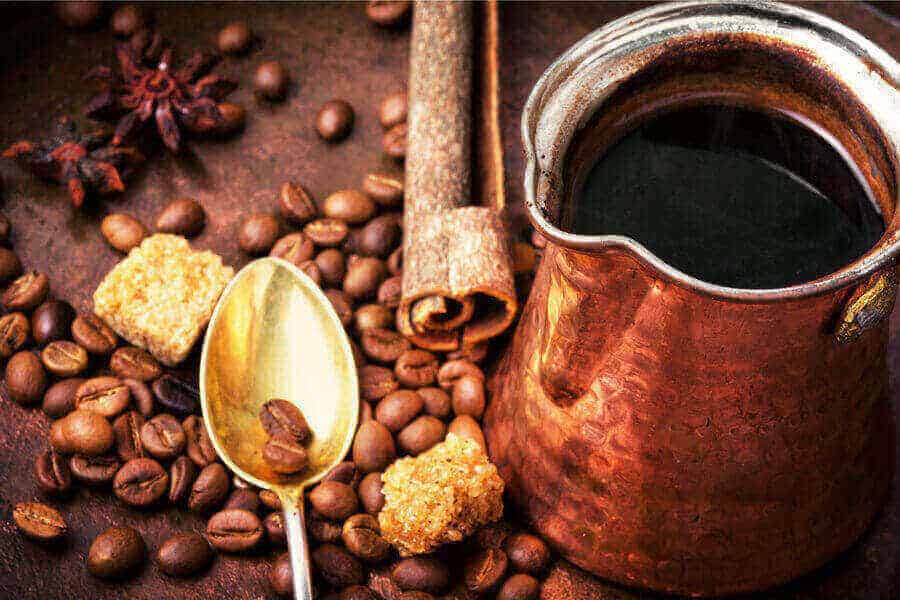
Turkish coffee is another popular option in Turkey. It is basically Turkish coffee beans, water, and sugar.

Turkish coffee is brewed in a special pot called a cezve. The coffee is usually served with a sweet dessert, such as baklava or even just a piece of Turkish Delight if you order it in cafes

Enjoy Turkish Desserts and Cuisine

packing-list-travel-europe

These are just some of the best Turkish sweets and desserts. Many of these Turkish desserts can also be breakfast options in Turkey.

The sweet treats in Turkey are adored by both tourists and locals. They are a great conclusion after a sumptuous meal of amazing traditional Turkish cuisine. So if you’re visiting Turkey, be sure to try some of the delicious Turkish desserts and sweets for a complete gastronomic experience!


LIKE THIS POST? PIN IT FOR LATER!

23 Popular Turkish Breakfast: A Look at Typical Breakfast in Turkey

If you’re looking for a taste of the local culture, certainly start with breakfast in Turkey. Traditional Turkish breakfast is known for its abundance with delicious and hearty breakfast dishes that will kickstart your day.

It can include several breakfast foods, such as olives, cheese, eggs with bread, and of course, Turkish tea.

However, in the modern busy day, not everyone has time for that. As such, there are also simple and light options for the typical breakfast in Turkey.

With access to a bunch of natural, local ingredients, Turkish breakfast have a lot to offer the hungry traveler.

Here are some of the most popular foods for breakfast in Turkey, so you can enjoy a traditional Turkish breakfast during your next visit to the country!

The Classic Turkish Breakfast

Kahvalti is THE classic Turkish breakfast consisting primarily of fresh cheeses like feta or cottage cheese; black, and green olives, tomatoes, cucumbers, fruit preserves, sweet butter, and rose jams.

The dishes are served on small plates, making a nice colorful Turkish breakfast platter. You’ll find these items with freshly baked, greasy white bread, cut into slices ready for consumption!

The magnificent meal is served alongside Turkish or black tea and sometimes other brews.

When there are more guests, hosts tend to expand this already grand Turkish breakfast with more middle east delicacies as we will see below. Most of these can even be a full Turkish breakfast themselves.

Pastries for Breakfast in Turkey

Pastries and bread form a big part of the typical Turkish breakfast diet. If you are looking for something simple yet satisfying, breakfast pastries are sure to hit the spot.

These flaky and delicious pastries often come with delicious stuffings. They can be both sweet or savory to satisfy your most important meal of the day. Most importantly, they go well with both coffee and tea!

Börek

breakfast-dish-borek

Börek is a breakfast dish that is popular in Turkey. If you have read about dishes in the Balkans, this appears almost everywhere.

It is a savory pastry that is made with dough and filled with cheese, meats, vegetables, or fruits. The ingredients are usually wrapped in thin sheets of dough and then baked.

You can eat Börek as a main dish or a side dish. Extremely versatile puff pastry that is good for all occasions. Even for breakfast in Turkey.

Katmer

classic-breakfast-katmer

When it comes to a classic Turkish breakfast in Gaziantep, Turkey’s gastronomic capital, it has to involve the famous Antep pistachios.

Katmer is a specialty originating from the city. It is almost like a sweet börek immersed in the fragrance of the finest pistachios.

It’s made from ingredients such as flour and sugar which are cooked together until solidified into delicate layers.

Fortunately, you can find this delicious treat in various parts of Turkey. Bakeries or cafes open early morning serving it for breakfast alongside tea with milk steamed up fresh every day!

Gözleme

Another popular breakfast dish in Turkey is Gözleme. This is a type of flatbread that is filled with either cheese, vegetables, or meat.

Gözleme is a breakfast dish that is popular in Turkey. It is a flatbread made by rolling a thin dough out on a flat surface, then filling it with cheese, vegetables, or meat.

The dough is then folded over the filling and grilled until cooked. Gözleme can be eaten hot or cold, and makes a great breakfast or snack. It’s a Turkish breakfast favorite if you’re looking for something hearty and satisfying.

Boyoz

Boyoz is a Turkish pastry that is from Sephardic Jewish in Izmir. Therefore, this is more popular as a traditional Turkish breakfast in Izmir, where they still prepare Boyoz with the original recipe.

It is a type of pastry that is made with flour, sunflower oil, and tahini. Boyoz can be filled with different things such as cheese, meat, or vegetables.

Boyoz is a bit on the oily side and thus goes better with a nice cup of Turkish tea or coffee to douse it down.

Pide

Pide is a type of Turkish flatbread that is popular for breakfast in Turkey. It is made with flour, salt, and water, and can be topped with various ingredients such as meats, vegetables, or cheeses.

Pide can be eaten plain or with a variety of toppings, and it is often served with black tea or coffee. Pide is a versatile dish that can be enjoyed at any time of the day, but it is most commonly eaten for breakfast in Turkey.

Bazlama

turkish-pastry-bazlama

Bazlama is a typical Turkish breakfast pastry that is made out of dough. The dough is usually made out of flour, yeast, water, salt, and olive oil.

It can also include other ingredients such as cheese, eggs, or meat. Regardless, you want to spread butter on the top to make it way more sinful but tasty.

The Bazlama breakfast dish varies in shape and size but it is mostly round or oval-shaped. It can vary in range of thickness and has a crispy texture on the outside once it is cooked.

Simit

simit-in-turkey

If you’re looking for a classic Turkish breakfast option while in Turkey, look no further than Simit.

This breakfast classic is a type of bagel with sesame seeds, that is toasted and then coated in molasses. It is basically turkey’s version of a bagel.

You can eat it solo or use it as a bagel sandwich. Enjoy it with cheese, black and green olives, fresh tomatoes, or cucumbers, whatever you like. This makes for a delicious and filling meal to start your day.

Açma

turkish-bread-acma

Açma is a breakfast dish in Turkish cuisine. It is made of thin, crispy dough that is twisted and baked or deep-fried.

The dough can be topped with cheese, za’atar, sesame seeds or honey before baking. Therefore, you get both sweet and savory options.

Açma is traditional breakfast for the Turkish people and common during Ramadan breakfast feast.

In modern Turkey, it’s eaten as a breakfast food by people who just want something light for breakfast such as daytime working professionals and students.

Poğaça

famous-pastry-pogaca

Poğaça is a quick breakfast option in Turkey for many Turkish people. It is a small pastry that has different fillings such as meat, feta cheese, potatoes, etc.

You will find this on sale in all pastry shops because it is that much of a typical Turkish breakfast option.

Each one is bite-size and easy to just eat on the go. You can sometimes find larger ones on offer too. As with any pastries, these taste best right out of the oven.

Savory Turkish Breakfast

If you are looking for more filling options, here are some dishes you can find in restaurants to enjoy an energizing Turkish breakfast before starting your day of exploration.

Mercimek çorbası

popular-lentil-soup

Mercimek çorbası is a lentil soup that is often eaten as breakfast in Turkey. It is a healthy and filling soup that is easy to make and can be enjoyed hot or cold.

The lentils are packed with nutrients and fiber, making it a great way to start the day. The soup can be spiced up with some chili peppers for added flavor, or served with some crusty bread for dipping.

Çilbir

Çilbir is an egg dish that consists of poached eggs mixed into creamy yogurt sauce, that includes garlic, paprika, and spices. If you are a fan of garlic flavored yogurt, this dish will make a nice and full Turkish breakfast.

Çilbir often served with bread slices and chopped tomatoes with lettuce leaves arranged around the edge of the plate. This is a classic in Turkish breakfast recipes.

Kıymalı Yumurta

traditional-turkish-breakfast

Kıymalı Yumurta consists of fried eggs and ground minced meat cooked together in a pan and then topped off with tomato sauce, pepper paste, olive oil, and parsley.

This dish goes well with Turkish bread as it has some carbs for breakfast but not too much protein which could make you feel sluggish or full when eating breakfast in Turkey.

The spices from this traditional Turkish breakfast can give you a strong perk-me-up too!

Pastirma Yumurta

savory-pastirma-yumurta

Pastirma Yumurta is a dish that is popularly served in restaurants and cafes for breakfast in turkey.

It is a dish that combines two very popular breakfast items into one: eggs and pastrami to create a full Turkish breakfast.

The eggs are cooked to order and then the pastrami is added on top of it. The pastrami can be either grilled or fried, depending on your preference.

Some people also like to add feta cheese, tomatoes, or onions onto their Turkish breakfast plate for extra flavor.

Sucuklu Yumurta

Sucuklu Yumurta is a popular breakfast dish in Turkey. It is made with Sucuk, a type of Turkish sausage and eggs.

Sucuks are commonly ground beef meat spiced with various spices and half-dried. Therefore, the sausage is usually spicy.

The eggs are cooked together with the sausage, sucking up the same flavors. This breakfast dish is very hearty and filling, and it provides plenty of protein to start your day.

This is made in a pan on the stove, and it is usually served with some bread on the side to make a full meal.

Kızarmış Yumurta

Another breakfast favorite in Turkey is Boiled Eggs. These are simple and perfect if you’re looking for a light breakfast option. But this is sometimes too simple for foodies that like strong tastes.

So then you have Kızarmış Yumurta, fried boiled eggs. How can an egg be both fried and boiled at the same time?

This dish is essentially hard-boiled eggs that are then fried in a sauce of butter and select spices, that can include red pepper, thyme, tomatoes, onions, green peppers, or garlic.

This gives the boiled eggs a total facelift, transforming into a hard-hitting dish that goes well with vegetables and bread.

packing-list-travel-europe

Dips and Spreads for Turkish Breakfast

Remember that traditional Turkish breakfast is an abundance of food items? Spreads and dips make up part of the equation for a full Turkish breakfast. I’m a huge fan of just having something to dunk into.

Menemen

We already know eggs are kind of a popular food for breakfast in Turkey. How about an egg spread/dip. When it comes to food, there is nothing like the traditional Turkish spread known as Menemen.

This savory dish can be made with many different ingredients and versions. However, it will always contain a tomatoes sauce base mixed together with scrambled eggs and spices such as pepper or garlic!

It’s usually served as breakfast or brunch in Turkey. The most popular way to enjoy this rich turkish breakfast plate however comes without any accompaniment.

Simply scoop up all those tasty ingredients using pieces bread which has been liberally doused in olive oil at your table before eating them off together so you don’t miss even one drop.

Zeytin Ezmmesi

turkey-zeytin-ezmmesi

Zeytin Ezmmesi is a breakfast staple in Turkish breakfast. This is essentially a black olive spread.

Zeytin Ezmmesi can be served with the bread as the main dish for breakfast, or it can be spread on toasted bread and served alongside other typical breakfast dishes such as fresh cheeses and eggs.

Zeytin Ezmmesi is good for you because it contains healthy fats from the black olives.

The traditional way to make Zeytin Ezmmesi is to use a mortar and pestle to mash the black olives into a paste, but you can also find it already made in stores.

If you want to make your breakfast more interesting, you can add different spices or herbs to the olive paste such as thyme.

Kuymak

kuymak-in-turkey

A common breakfast option in the Black Sea region, Kuymak, is a traditional Turkish dish made from cornmeal and aged cheeses such as Trabzon or Kashar. It needs to be prepared and served warm.

The cheese is grated and added into the hot cornmeal, creating a gooey mess of yummy goodness. Almost like a melted cheese fondue.

The dish is usually topped with butter and Kayamak to enhance the taste. If you like cheesy, buttery stuff, this would be paradise.

You can also season it with cumin and red chili to give an extra kick, creating a different flavor profile.

Bal Kaymak

creamy-bal-kaymak

One traditional Turkish breakfast dish which is also very popular in the modern world is Bal Kaymak. This is a side dish that is good for spreading unto bread or as a complement to other breakfast foods.

Kaymak is a clotted cream similar to butter but richer and denser due to its higher content of saturated fats and because it has not been churned before use. This is generously doused with Turkish honey to create Bal Kaymak a delicious side dish, and spread.

Some like to top it with pistachio crumbs and eat it individually like dessert.

Travel Insurance

Drinks in Turkish Breakfast

Turkish Tea

popular-turkish-tea

Turkish tea is a black tea that is popular in Turkey. It is made with leaves from the Camellia sinensis plant. The tea is often served with breakfast in Turkey.

The tea is prepared by boiling water and adding leaves to it. The leaves are then allowed to steep for a few minutes before being removed. The tea is then poured into glasses and often served with sugar and milk.

The tea is popular in Turkey because it is flavorful and versatile. It can be served hot or cold, and with or without sugar and milk.

Turkish Coffee

aromatic-turkish-coffee

Turkish coffee is a type of coffee that is popular in Turkey. It is made with coffee beans that are roasted and then ground. The coffee is boiled with water and sugar, and then served in a cup.

Turkish coffee is popular for breakfast in Turkey because it is flavorful and strong. The coffee beans are roasted and then ground to a fine powder, which gives the coffee its intense flavor. The sugar is also boiled with the coffee, which makes it sweet and syrupy.

Enjoying your breakfast in Turkey

Traditionally, breakfast in Turkey is not just a meal, it is a time for family members to sit down and enjoy the start of the day together with food.

Typical Turkish breakfast is a very diverse affair, it can be anything from a simple Börek to a plate full of Sucuklu Yumurta. It all depends on the region you are in and what your preferences are for breakfast.

If you are a morning person, you are definitely in for a treat with the food options you have for breakfast in Turkey.

No matter what you’re in the mood for, you’re sure to find a delicious breakfast meal in Turkey that will start your day off right! So, next time you’re planning a trip to Turkey, prepare to eat some amazing food.

Remember not to blow all your appetite on breakfast. There is still much to be discovered from other amazing dishes in Turkish cuisine for lunch and dinner.


LIKE THIS POST? PIN IT FOR LATER!

14 Interesting and Fun Facts About Hungary To Know

A trip to Hungary is a must if you visit Central Europe on vacation. Apart from the attractions, many facts about Hungary help this country stand out. 

You will notice that the language is somewhat unique compared to other parts of the continent. A Hungary fun fact that is not many know is that the country is older than Germany and France. 

Another interesting fact about Hungary is that the country was home to the first established wine region in the world, Tokaj!

When planning your trip to Budapest or Hungary as a whole, consider these facts on Hungary as a starting point to plan your adventures.

Historical Facts About Hungary

Hungary Is One Of Europe’s Oldest Countries 

old-europe-country

You might start to think as you read this list that there are a lot of fun facts about Hungary and that’s because there has been a lot of time to develop them as a country! 

Hungary was founded in 896 after the Magyars conquest of the Carpathian Basin. Since before 800 BC, there have been people living in this area of Europe when the Magyars settled in what is now Budapest. Descendants of these original Hungarians still exist today as an ethnic group both in and out of Hungary. 

Budapest Was Created When Three Cities Merged

capital-of-hungary

One of the best facts about Budapest is that only less than 150 years ago, the city did not exist as it does today. 

Budapest was incorporated as a major city when three cities came together in 1873—Buda, Pest, and Obuda. Once the cities came together under one structure, Budapest as a whole saw rapid modernization and technological advancements. 

It should also be apparent now how the city you can visit today got its name.  

Hungary Was Anti-Soviet Communism 

Considering the Soviet Union’s involvement in Hungarian politics and the buildings you can still see today from the communist rule around Hungarian cities, you may not expect Hungarians from the Cold War to be so anti-communist. But they were. 

One of the more modern facts about Hungary is that they were the first country to reopen their borders to Western Europe in 1989. There was also the Hungarian Revolution in 1956 to fight Soviet rule and resist being a part of the communist bloc. 

Hungarian Cowboys Exist 

famous-hungarian-cowboy

For many centuries, Hungarians got around the country on horseback, especially those settling on the country’s plains, known as puszta. 

There are still Hungarian cowboys that exist and train like their ancestors did. The cowboys, or Csikos, have become one of the many fun facts about Hungary with their skills.

Today, they herd Hungarian Grey Cattle and curly-haired pigs. They will also put on horse shows to demonstrate and compete with each other as they show off their skills. 

The grey cattle are only half domesticated. Since they are still partly wild, you never know what may happen at a demonstration show. This can be an alarming fact considering their large horns. 

Another underlying Hungarian fact is that the fun tricks you will see from Csikos, and their horse resulted from their conflict history with the Puszta. 

Modern horses are still trained to sit like dogs with riders on their backs to protect the Csikos. They are also trained to lay flat on the ground, like a cat ready to pounce.

Fun Facts About Hungary For Travelers

Take A Dip In A Thermal Bath 

thermal-bath-in-hungary

One of the main yet unsurprising facts about Hungary is that Budapest has the most thermal water springs compared to any other capital city in the world. 

Some of the more famous and well-known ones in the city are the Szechenyi, Gellert, and Kiraly Baths. Across the country, there are more than 1,500 thermal spas. 

In Budapest alone, 70 million liters of thermal water will come to the surface in Budapest. Soaking in a thermal bath is one of the best things to do in Hungary.

The Largest Synagogue In Europe Is In Budapest 

One of the amazing facts about Budapest is that the largest synagogue in Europe is located in the capital city. 

The Great Synagogue is not a simple building like many other synagogues around the world. No. This is a large and imposing building as impressive as any European cathedral. It is one of the many things Hungary is famous for.

The Great Synagogue was built in the 1850s, with enough seats for 3,000 people to attend services inside. The only other larger synagogue in the world is the Belz Great Synagogue in Jerusalem. 

Hungary Is Home To The Largest Lake In Central Europe

hungary-famous-lake

If you’re looking to get outdoors, this is a fact about Hungary to know. While the country is inland geographically, it is home to Lake Balaton, the largest lake in Central Europe. 

During the summer months, many people visit Lake Balaton for a short vacation. This is a relaxing destination to try their hands at water sports or just chill along the shorelines. 

Try The National Dish—Goulash 

hungary-national-dish

Planning a trip to a new place is incomplete without knowing essential facts about Hungary—like what the national dish is! 

If you consider yourself a “foodie,” you will love the unique flavors and bites you can find in Hungary. The most popular and famous dish is goulash. This is a thick beef and vegetable stew with a unique red color. 

Actually, many Hungarian dishes will have this red coloring. This is because paprika is grown in the area and put into almost every traditional meal. 

You will also find traditional dishes that use cottage cheeses and sour cream across many menus. For desserts in Hungary, you can try a tart and cold sour cherry soup or chimney bread. 

For A Fun Ride, Take The Children’s Railway Up Buda Hills

buda-hills-railaways

A final fun fact of Hungary that should inspire you to visit Hungary.  

There is a train operating in Budapest that is almost entirely run by children ages 10 to 14.

One of the most obscure facts about Budapest is that the 1940s Children Railway is still active. It was started by the Soviet Union as a way to train communist children. 

Kids must complete a four-month training course to learn how to be conductors, inspectors, and workers. The only adults you’ll find working tgere are the station master and the adults that drive the train. 

The railway takes you up Buda Hills on a 45-minute-long journey. You can buy a hop-on, hop-off day ticket so you can get off along the way and see Budapest from new heights. 

packing-list-travel-europe

Interesting Cultural Facts About Hungary

Be Careful Not To Clink Your Beer Glasses

no-beer-glass-clinking

You won’t have difficulty finding bars in Hungary where drinking beer is the norm. Although Hungary has the first established wine region in the world, many people will turn to beer to enjoy the end of a workday. 

However, you will never see people clinking their glasses to cheers. According to legends, after the Hungarians were defeated in a revolution against the Habsburgs in 1848, 13 Hungarian generals were executed. After each execution, the Austrians performing the act clinked their beer glasses together in celebration. 

Hungarians vowed not to clink their glasses together in opposition for 150 years. And while that deadline has passed, many still won’t do it. 

The Hungarian Language Is A Mouthful 

Try your hand at saying facts about Hungary in Hungarian, and you will impress natives and linguists alike. There are 44 letters in the Hungarian alphabet. 

While some letters might look similar, the language is wildly known to be far more unique than any other European language. This makes it incredibly difficult to learn. Hungarian is derived from Central Asia and the Magyar tribes that settled in the area.  

The Government Has A Say In Your Child’s Name 

A fact of Hungary is that the Government has a list of pre-approved names that soon-to-be parents can use when getting ready to name their children. 

This is partly to preserve Hungarian culture as many of the names on the list are native in nature. It is also to protect children from having a “silly” name that may make their lives more difficult as they mature. 

A family can apply to have a name granted that is not on the approved list. However, it would have to be considered appropriate by the Hungarian officials that do the approval. 

Travel Insurance

You Use Hungarian Inventions Every Day 

inventions-in-hungary

Have you written down anything today using a ballpoint pen? Have you ever tried to solve a Rubik’s cube? Or looked into the sky and saw a helicopter? 

Hungary may not be the largest country in Europe or have the same international influence as others; many fun and practical inventions have come out of Hungary.

No Building In Budapest Is Taller than 96 Meters 

buildings-in-budapest

As you walk along the streets of Budapest, you may notice that the city took care in blending old and modern architecture in its city planning. 

When you look at downtown Budapest, notice that all of the buildings are basically the same height, except two. The Hungarian Parliament building and the Szent Istvan Basilica, are the tallest structures and both exactly 96 meters high. 

It is a city law that no building can be higher than these two. 96 meters is symbolic as well—it represents the years when the Magyers came to the area, in 896. 

The two landmark buildings were built to be the same height to represent the equal importance of religion and Government in the lives of Hungarians. 

Discover More Fun Facts About Hungary

With the very popular capital city Budapest located inside the already unique and fun Hungary, there is no reason that you shouldn’t want to go to this part of Europe.

Hungarian facts have had centuries to evolve and change—and it seems like all of the unique and fun facts about this country make it the perfect vacation destination.

Now that you know facts about Hungary, you can impress your travelling companions and marvel at what you will see as you travel around this ancient and culturally important country. 


PIN THESE FACTS ABOUT HUNGARY FOR LATER!

23 Hungarian Desserts In Hungary To Try

Hungarian desserts are known for being extremely decadent and absolutely delicious. While most desserts in Hungary are sweet and filled with jams and creams, you can also find savory desserts that will suit any palate. 

You will also find that desserts in Hungarian have some influence from the past Austro Hungarian empire. When traveling throughout Hungary, you definitely need to make time to try some of these Hungarian desserts.

Favorite Hungarian Dessert

While I am sure this is probably not the most common dessert in Hungary, it is hands down a favorite. The sensation of having it for the first time is still so memorable for a chestnut fan.

Hungarian Chestnut Cake/Puree

hungarian-puree

If you are coming to Hungary from North America, you may not have had the opportunity to try a lot of chestnut-flavored desserts. The chestnut cake does not use flour, which makes this a very fudgy dessert.

There is also rum, and a glossy chocolate frosting poured over top. This Hungarian dessert typically comes with fresh whipped cream and candied chestnuts. 

Sweet Desserts In Hungary

You will find nutty and chocolate flavors in a lot of Hungarian sweets. There are also jams and powdered sugars, of course! Desserts in Hungary are perfect for after dinner or as a part of your breakfast—really any time of day. 

Gerbeaud Cake 

famous-gerbeaud-cake

The Hungarian Gerbeaud cake is a moist and rich shortcrust pastry layered with jam and walnut filling, covered in a melted dark chocolate frosting. The pastry is very crumbly and crisped.

This is one of the most traditional Hungarian desserts that this Eastern European country is known for.

Dobos Torta

popular-dobos-torta

The Dobos cake, or Dobos Torte, is easily identifiable with its glistening layer of caramel on top. This is one of the most famous Hungarian desserts known around the world.

It is a seven-layered dessert made with several layers of cake and chocolate butter cream frosting. The delicious Hungarian dessert is then glazed with a hard caramel layer on top to give it the iconic look.

Kolachy Cookies 

A perfect treat when you are walking around the Christmas markets, this is a cream cheese pastry filled with various sweet treats like apricot jam, plum jam and more..

The sweet filling provides a contrast against the pastry to create one of the most popular Hungarian desserts

Hungarian Sour Cherry Sponge Cake

hungarian-famous-dessert

Hungarian Sour Cherry Sponge Cake is a dessert that is made with light sponge cake and sour cherries. It is easy to make as it follows a regular cake recipe but is topped with sour cherries in the batter before baking.

Hungarian Chocolate Cake 

delicious-chocolate-cake

Many European countries have a variation of chocolate cake on their menus. In Hungary, they have their own twist to it as well.

The sponge cake is soaked in rum syrup, which makes it very moist. There is coffee added as well, which brings out the chocolate flavors. The traditional Hungarian dessert is topped with a layer of chocolate sauce. 

Hungarian Apple Cake 

tasty-apple-cake

If you are traveling throughout Hungary and need an apple dessert fix, look no further than an apple cake.

In this classic Hungarian dessert, pure apple goodness is centered between two layers of ground walnuts crusts. It is then dusted with powdered sugar. The sugar and walnut coating brings a different dimension of taste.

You can easily find this in many pastry shops throughout Hungary.

Apple Strudel 

delicious-apple-strudel

And if you are still looking for more baked fruit desserts, you can have a traditional strudel, This is a thin and flakey Hungarian puff pastry filled with a creamy apple filling.

Some may also have raisins to add a chewy element to contrast the smooth apples. The puff pastry dessert is not just popular in Hungary but around the world.

Krémes

hungarian-dessert-kremes

Krémes is one of the most popular Hungarian desserts that consist of vanilla pastry cream between two layers of puff pastry. The cream is made with vanilla, sugar, milk, flour, and egg yolk, giving it a fluffy texture.

This Hungarian dessert might look extremely filling visually, but is actually quite light and airy. You may want another after having one. If you have been to the Balkans, you might find similar variations like the Kremshnita in Croatia.

Hungarian Chocolate Biscuits 

sweet-chocolate-biscuits

These chocolate biscuits resemble whoopie pies or macaroons. The biscuit is made to be soft and buttery as you bite in. Between the two cookies is a buttercream frosting that will have you addicted fast. 

Somlói Galuska

Somlói Galuska is a Hungarian trifle dessert that can be found in Hungary. It consists of three pieces of sponge cakes in different flavors.

The dish is served with whipped cream and a chocolate sauce blend that usually involves Rum. You can also add ground nuts to give it more flavor.

Butterhorn Cookies 

For a small side dessert while you enjoy your morning coffee, turn to Butterhorn cookies. They look similar to crescent rolls with a stuffing mixture consisting of cinnamon, sugar, and chopped walnuts. 

Treasure Cookies 

Hungary desserts are full of surprises! These cookies have a sweet jam filling hidden inside the buttery and chewy cookie that is slightly tart due to the cream cheese used to make it.

You can fill these cookies with whatever jam you prefer or you can make a creamy nut filling and put that inside. 

Chocolate Coconut Balls

famous-chocolate-coconut-balls

One of the most popular Hungarian desserts is the chocolate coconut ball, which is literally a ball full of chocolate and coconut, sometimes with rum.

The balls are typically about the size of a golf ball and have a deliciously rich, creamy chocolate and coconut flavor.

This is probably one of the simpler Hungarian dessert recipes, yet incredibly good and sinful.

Esterházy Cake

delicious-esterhazy-cake

The Esterházy cake is a Hungarian dessert that is known for its unique look and taste. This sweet treat consists of layers of almond meringue cake that holds vanilla or chocolate buttercream between them.

It is easily identified by the classic stripe pattern on the cake made with fondant and melted chocolate. This is one of the most traditional Hungarian desserts.

Kakaos Csiga 

tasty-kakaos-csiga

Kakaos Csiga is a sweet Hungarian pastry similar to the well-loved cinnamon rolls. It is basically a chocolate roll with powdered sugar on top. This isn’t a sticky roll and is a delightful way to start your morning with. 

Mákos Bejgli

traditional-makos-bejgli

When it comes to traditional Hungarian desserts, there is no more unique dessert than Mákos Bejgli. This is a poppy seed dessert that has a soft, poopy consistency and a nutty taste.

Mákos Bejgli is usually rolled in a sweet dough and topped with poppy seeds and sugar. The sweet poppy seed filling creates a distinctive contrast with the pastry. It is commonly seen during Easter and Christmas.

Aranygaluska (Hungarian Pull Apart Cake)

Over the years, there have been many variations of Hungarian pull apart cakes. The cake is actually bread, and it is a lot of bread balls put together in a cake form.

You can find versions that are just cinnamon and sugar or with walnuts or with apples. It can also include sweet fillings like plum jam, apricot jam, and butter cookies crumbs.

Either way, the golden brown texture of this Hungarian dessert is certainly appealing. This is a great dessert or breakfast meal that everyone will love. 

Palacsinta 

palacsinta-in-hungary

This is the Hungarian version of French crepes—a very thin pancake batter, filled with a sweet (but sometimes savory) filling.

Unlike crepes, these are rolled, and the fillings typically include cheese and another complementary filling. You can certainly customize it to your own preference with custard cream, nutella or whipped cream.

Kürtőskalács (Chimney Cake)

popular-chimney-cake

If you are traveling throughout Central Europe, you will see many vendors selling chimney cakes. Many countries have also laid claims to the Chimney cake. These are the perfect pastries to have as a midday snack. 

Chimney cakes are cylindrical, hollow bread desserts rolled in sugar and can be sprinkled with walnuts.

As more and more vendors sell them, people are getting innovative to stand out from the competition. Some vendors will even add vanilla custard or ice cream with whipped cream to them! These are some of the most popular street foods in Hungary.

packing-list-travel-europe

Savory Hungarian Desserts

Hungarian pastries aren’t just sweet. There are quite a few options that are also savory and can be enjoyed any time of day. 

Pogacsa 

savory-pastry-pogacsa

Pogacsa is a bite-sized savory pastry. Best consumed while still warm, these pastries may be filled with cabbage, bacon, sour cream or pumpkin seeds. 

However, even the common cheese or plain ones are amazing especially when the taste of melted butter just spreads in the mouth.

It is also a dessert mentioned in Hungarian folklore—the hero always eats one of these tasty treats before going on their adventure. 

Rakott Teszta 

delicious-rakott-teszta

This is a baked Hungarian dessert made of layered noodles mixed with cottage cheese, sour cream, and raisins. This dessert is typically eaten with breakfast in Hungary or at a brunch since it is so rich in carbs and cream. 

Turogomboc 

cottage-chesse-dumplings

These are Hungarian cottage cheese dumplings that are served as dessert or included in dinner meals as a side to the main course. They are dumplings filled with cottage cheese and then coated in a breadcrumb mixture.

These cottage cheese dumplings are the perfect bite-sized treat that will explode in your mouth. They can also be made with other traditional fillings.

Note that this can be one of the more filling desserts in Hungry, so don’t overstuff yourself with it.

Hungarian Desserts And Cuisine

A Hungarian dessert is the best way to end a day of walking around a city like Budapest. It is a taste and memory that you can bring home and try to make yourself once you are back.

Beware not to stuff yourself full with dessert, so you have space to indulge in amazing traditional food and wine in Hungary. The famous Gundel Restaurant is one of the signature food places in Budapest for traditional Hungarian cuisine.


PIN THESE HUNGARIAN DESSERTS FOR LATER!

23 Popular Albanian Foods in Albania to Try

If you’re ever in Albania and get hungry, you might wonder what food is popular in Albania? You are happy to know that there is a lot of delicious traditional foods in Albania to choose from.

Albanians take great pride in their food and culture, so expect a delicious and hearty meal. From savory dishes like Tavë Kosi to sweet treats like baklava, there is something for everyone.

Here are some traditional Albanian foods that you need to try. It also includes some of the more popular cuisines found in Albania, if you want to explore beyond the traditional dishes.

What’s Special About Foods In Albania?

Albanian food is very unique in the sense that it has a lot of variety. There are a lot of different dishes that Albanians enjoy, and each one has its unique flavor.

One of the best things about Albanian cooking is the fact that dishes are cooked in a very specific way. The ingredients are fresh, and they come from local sources. This means that you can be sure that you’re getting the best of the best when you try the foods in Albania.

Albanian food has influences from a variety of different cultures such as mediterranean cuisine. This is because Albania is a very diverse country, with many different ethnic groups and religions.

You can find Albanian food that is similar to Turkish, Greek, and even Italian food. However, the dishes are always tweaked to fit the tastes of Albanians.

Most Popular Traditional Albanian food

This is a hard pick and to be honest, I am hesitant to say this is the most popular out of all Albanian food due to the frequency of consumption. However, this is considered a national specialty of Albania, if not its national dish and it tastes amazing.

Tavë Kosi

traditional-albanian-dish

Tavë Kosi is a traditional Albanian dish that is made of lamb or goat in yogurt sauce. It is cooked in a clay pot and served with rice. Lamb meat is certainly a delicacy in Albania.

The origin of Tavë Kosi is said to come from the town of Elbasan and traces back to the 15th century. Nonetheless, this dish is popular in various regions of Albania. It is usually eaten on special occasions, and definitely a dish to try when visiting Albania.

That said, Tavë Kosi is probably not as commonly eaten on a day-to-day basis compared to other popular traditional Albanian food to come.

Traditional Foods In Albania

Byrek

albanian-food-byrek

Byrek, also spelled burek in Albanian food restaurants around the world. It is such a popular food that is eaten by your regular Albanian.

Byrek is a savory pie traditionally made with a filing of meat and feta cheese. Byrek can be procced into many different shapes: circular, rectangular, or for more elaborate occasions by using letter cutters to create patterns on crusts before pastry is served.

Some originates believe that Burek got its name from the Turkish word “börek” which means pastry. This name derives from the Latin word “placenta” which means cake because of its resemblance to dimpled cake dough pieces.

It’s believed oriental influences on this dish are very clear because they have similar dishes like hamsi böreği (oven baked fish fillets in dough) and kadayıf (shredded wheat pastry) which is a very popular dessert.

In Albania, Byrek is made with filo dough and can be an appetizer or main course. This is one traditional Albanian food that you can catch locals eating daily, and it is usually accompanied by yogurt or ajvar.

Pollo alla Cotoletta

pollo-alla-cotoletta

Another popular dish is called Pollo alla Cotoletta. This dish is made of chicken that is breaded and fried. It is a very popular dish eaten in Albania, and often comes with a side of fries.

Pollo alla Cotoletta is a dish that was created in the 20th century. It is a dish that was inspired by the Italian dish, chicken parmigiana. However, it has a distinct and delicious flavor adapted to fit the tastes of Albanians.

Frog Legs

tasty-frog-legs

Frog legs are a traditional dish in Albania cusine. They are usually cooked in a sauce of garlic, butter, and white wine.

Frog legs are considered a delicacy in Albania, and they are usually eaten on special occasions. They go very well with rice due to the stewy sauce.

The origin of frog legs in Albania is unknown, but they have been eaten there for centuries. While this dish might sound weird to some, frog legs are popular in other countries as well, including France, China, and the United States.

Qofte te ferguara

popular-albanian-dish

Qofte te ferguara is one of the most popular Albanian foods that is made from minced meat. This essentially is your typical dish of Albanian meatball or patty.

The meat can be pork, beef, lamb, or chicken. It is usually mixed with spices such as salt, black pepper, red pepper flakes, and onion. The mixture is then shaped into mini patties or ball shape and pan-fried.

Qofte te ferguara can be served with a side of potatoes or rice. It is a very popular local dish in Albanian cuisine.

packing-list-travel-europe

Fërgesë

Fërgesë is one of the more traditional Albanian dishes suitable for vegetarians. It is made of baked cheese and red pepper. The dish is usually made with either cottage or feta cheese. It can also include eggs, tomato, onion, and garlic.

The cheese and pepper are mixed together and then baked in the oven. Fërgesë is a traditional dish in Albania and can be found in most restaurants. This will go well with some warm and fluffy bread.

Flija

Flija is a traditional Albanian dish that is made with filo dough, water, salt, eggs and butter. It is a common food in both Albania and Kosovo, but there are variations in recipes.

The dough is layered into stuffing (if preferred) like butter, cheese, and eggs in between to give it added flavor. It is baked until the pastry is golden brown.

Shapkat

casserole-dish-shapkat

Shapkat is a casserole dish that is made with cornmeal, and various greens, most particularly spinach. It is a traditional Albanian food that can easily be a snack or main course.

This corn pie is commonly served in Albanian cuisine and can be found in restaurants that serve traditional food. It is usually baked in a skillet or oven-proof dish.

Tave Mishi (Grilled Meat)

Grilled meat is very much a part of Albanian culture and definitely, Albanian cuisine. Tave Mishi is a mixed meat platter in Albania.

It is essentially a typical dish of succulent, grilled meat consisting of pork, beef, and lamb. Much of Albanian cuisine is about sharing, and this is one Albanian food that is great for groups.

I like to complement it with fresh lemon, sour cream, or some pickled vegetables to relieve the heavy-hitting grilled meat. Certainly one of my favorite Albanian dishes.

Grilled Fish

traditional-grilled-fish

From the grilled meat and baked lamb of the land to the fresh seafood by the coastal towns, Albanian food covers everything.

Grilled fish is a traditional dish along the coast of Albanian Riviera. Freshly caught fishes marinated in herbs and cooked through open flame until it is grilled. The availability of natural ingredients makes this a popular dish eaten by the coast.

This is also with Mediterranean and Albanian cuisine shares some similarities.

Kaçkavall (Fried Cheese)

albanian-fried-cheese

Kaçkavall fried cheese is another traditional Albanian food. It is basically a type of cheese that is breaded and then deep-fried.

This dish can be found at most restaurants and is usually served as an appetizer. Kaçkavall Fried cheese is a great option for those who are looking for delicious savory finger food.

Perime në Zgarë (Grilled Vegetables)

healthy-grilled-vegetables

Perime në Zgarë is a typical Albanian dish that is made of grilled vegetables. The dish is most commonly made with eggplant, peppers, tomatoes and onion.

It can also be made with zucchini, squash, and cauliflower. The vegetables are grilled over an open flame until they are charred and then served with a vinaigrette or sauce.

You can find these in local traditional restaurants, and they always taste different depending on the chef’s skills.

Speça me gjize (Stuffed Bell Peppers)

albanian-stuffed-peppers

Speça me gjize is the Albanian version of stuffed peppers. These are colorful bell peppers stuffed with rice, cheese, herbs, and spices. The stuffed peppers are then oven-baked for a yummy vegetarian dish.

You can obviously make a non-vegetarian version by adding meat into the stuffings. However, you will be surprised how peppers stuffed with rice can make a really filling meal

Soups In Albanian Foods

Jani me Fasule (Bean Soup)

Jani me Fasule is a bean soup that is made with beans, onion, garlic, and tomato sauce. Fasule means “beans” in Albanian and this soup is simple yet one of the more traditional Albanian dishes in the country.

It is commonly eaten in the past due to poverty, but continues to remain one of the most popular Albanian foods today. It is usually cooked in a large pot and served with homemade baked bread or pita bread.

Tarator soup (Cold Cucumber Soup)

famous-cold-soup

Tarator soup is a cold soup that is popular in Albania. It is made with cucumbers, yogurt, garlic, and water. The soup is served cold and is a great summer dish.

This might sound weird if it is the first time you hear of it. However, Tarator soup is actually a common dish in many Eastern European cuisines. For example, it is a popular soup in Poland.

FLAVORS AROUND THE WORLD

Dessert and Sweet Foods In Albania

While most of the desserts have middle eastern influences, sweets are a big part of Albanian culture. There are also traditional Albanian desserts that can give the sweet tooths a run for their money.

Ballokume

popular-pastry-ballokume

Ballokume is a traditional pastry that is popular in the city of Elbasani, in central Albania. The biscuit is commonly baked for the traditional festival of “Dita e Verës”.

It is made with a simple dough of flour, water, and yeast that is allowed to rise for a few hours. The dough is then divided into small pieces, which are shaped into balls and then flattened.

The Ballokume are then placed on a baking sheet and allowed to rise for a second time. They are then baked in a hot oven until golden brown. It goes well with tea or coffee for a light albanian dessert.

Qumështor (Baked Custard)

albanian-baked-custard

Qumështors are traditional Albanian desserts that hail from the goodness of home.

Qusmitar means “custard” in Greek, and it’s made with milk, flour, eggs, butter, and sugar mixed together to create a thick consistency before being cooked over low heat until golden brown on top – then cut into individual portions!

You can also customize it to your preference with different flavors like vanilla extract or lemon.

Baklava

sweet-pastry-baklava

Baklava is a sweet dessert pastry consisting of layers of filo filled with chopped nuts and sweetened. It obviously has Turkish influence but holds a special place on Albanian tables as well.

It’s a traditional food that’s especially popular nowadays but has been enjoyed in Albania for centuries regardless.

Baklava varies in size depending on the region – its shape usually being rectangular but sometimes circular or octagonal.

Shëndetli

Shëndetli is a dessert that is popular in Albania. It is made of walnuts, honey, and cinnamon. First, the walnuts are ground into a paste. Then, the honey and cinnamon are added and mixed in.

The mixture is then put into a pastry bag and squeezed out into a desired shape. The dessert is then baked until it is golden brown. Shëndetli is typically served with coffee or tea.

Trilece

trilece-in-albania

Trilece is a dessert that is common in Albania. It is made with flour, milk, sugar and butter. The ingredients are mixed together to form a dough and then it is cooked on a stove. Trilece is often served with jam or honey.

Petulla (Fried dough)

Petulla is one of the typical Albanian dishes imaginable. It is essentially fried dough made with flour and water. It is a type of pastry that is often eaten as a snack or a dessert.

Petulla is sprinkled with powdered sugar and it can be eaten with jam, Nutella, honey, cheese, or other spreads. It is commonly served hot, so be careful when eating. Petulla can be either baked or fried.

You can sometimes find these on the streets or in an Albanian pastry shop.

Travel Insurance

Drinks In Albania

Rakija

albanian-brandy-rakija

Rakija is a type of brandy that is popular in Albania. It is made from grapes and has a high alcohol content. Rakija is often served as a shot or used to flavor coffee. It is also sometimes used as a medicine.

Rakija originated in the Balkan countries and is now popular throughout Eastern Europe. It is often made at home using grapes or other fruits.

Albanian Beers

Albanian beers are some of the most popular drinks in the country. They come in a variety of brands and flavors, making them a favorite for locals and tourists alike.

Some of the most common beers from Albania and nearby Kosovo include Korça, Tirana, Elbar, and Peja.

While there are many more brands available throughout the country, these are some of the most popular. Beers in Albania are generally quite light and a good pairing to go with the numerous meat dishes in Albanian cuisine.

Trying Albanian Foods

Albanian cuisine has so many exciting flavors embedded inside the delicious food. They have customized the influences from the region to create their own traditional dishes.

From yummy lamb meat to stuffed bell peppers, there are a lot of different dishes on offer to the hungry traveler in Albanian food. These are just some of the more popular foods in Albania.

If you’re looking to enjoy the Albanian gastronomy scene, be sure to try the traditional Albanian cuisine that locals enjoy.


PIN THESE ALBANIAN FOODS FOR LATER!

33 Famous German Landmarks In Germany To Visit

Germany is a country that is rich in history and culture. There are many famous landmarks in Germany that travelers should visit.

From ancient monoliths to modern, iconic landmarks, Germany has something for everyone. Germany also has one of the most UNESCO World Heritage Sites in Europe with 51 and counting.

Here are some of the most popular landmarks in Germany that can help inspire or plan your next trip to Germany!

Most Famous German Landmark in Germany

The most famous landmark in Germany has to be the Brandenburg Gate in Berlin. The Brandenburg Gate is an iconic landmark from the 18th century. You will likely see this in many travelers’ photos.

Brandenburg Gate

famous-brandenburg-gate

The most recognizable feature of the Brandenburg Gate is evidently the Quadriga on top of it. Standing tall in the capital city of Germany, the Brandenburg Gate is a symbol of freedom and unity. You can find the gate in the western part of the city centre of Berlin within Mitte.

That said, the monument has seen its fair share of conflict over the years but also bore witness to key historical events.

Today, it is one of the most popular tourist destinations in Germany. If you are visiting Berlin, you will definitely see this famous German landmark. The Brandenburg Gate is in the vicinity of other prominent attractions, and the meeting point for many tourist activities.

Berlin, Germany Landmarks

Reichstag Building

germany-reichstag-building

One of the most famous german landmarks in Berlin is the Reichstag Building. The Reichstag Building is a historic building that was originally constructed in 1894.

The Reichstag Building continues to house the German parliament today. It has been used as a seat of government and parliament building for many different organizations throughout its history.

The Reichstag is just right behind the famous Brandenburg Gate, so it is easy to find. Its spiral glass dom is a catchy visual that draws anyone with interest in Germany’s political history.

There is no entrance fee to visit this German landmark, but you will usually need to make a booking in advance. Try not to bring too much stuff with it for an easier time at the security checkpoint. It is after all the German Parliament building.

Berlin Wall

popular-berlin-wall

The Berlin Wall was a physical barrier that divided East Berlin from West Berlin between 1961 and 1989. The barrier was erected by the East Germany Democratic Republic (GDR) government to prevent people in East Berlin from escaping to West Germany.

The Berlin wall consists of concrete and barbed wire. At its peak, it was over 12 meters (39 feet) high and ran for 155 kilometers (96 miles).

In 1989, the Berlin Wall fell as a result of the Peaceful Revolution. This event saw huge numbers of Germans from East Berlin take to the streets, demanding democracy and freedom. Germany was reunified later that year.

The fall of the Berlin Wall is one of the most significant moments in European history since the end of World War II. The Berlin wall remains one of the most meaningful and famous landmarks in Germany.

Berlin Wall Memorial

The Berlin Wall Memorial is a museum that commemorates the division of Berlin and the Cold War. The memorial was created in 1998 and you can find it on Bernauer Straße in Berlin.

The memorial consists of the Chapel of Reconciliation, the Berlin Wall Documentation Centre, a 60-metre section of the former border, a window of remembrance and a visitor center. The exhibition area contains photos, videos, and artifacts from the time of the Berlin Wall.

The documentation center provides information about the history of the Berlin Wall. The chapel is dedicated to those who died while trying to cross the Berlin Wall.

It is a somber but important reminder of Germany’s history, as well as the losses in the division of East Germany and West Germany.

The East Side Gallery

The East Side Gallery is a famous section of the Berlin Wall in Germany that features graffiti and street art. The wall stretches for 1.3 km and you can find it on the east side of the Berlin Wall.

The East Side Gallery was originally painted in 1990, shortly after the fall of the Berlin Wall. It has been repainted a few times since then. The artwork on the wall is a memorial to freedom and democracy. This is another symbolic and artistic landmark in Germany.

Visiting the East Side Gallery is free, one of the cheap and fun things to do in Berlin.

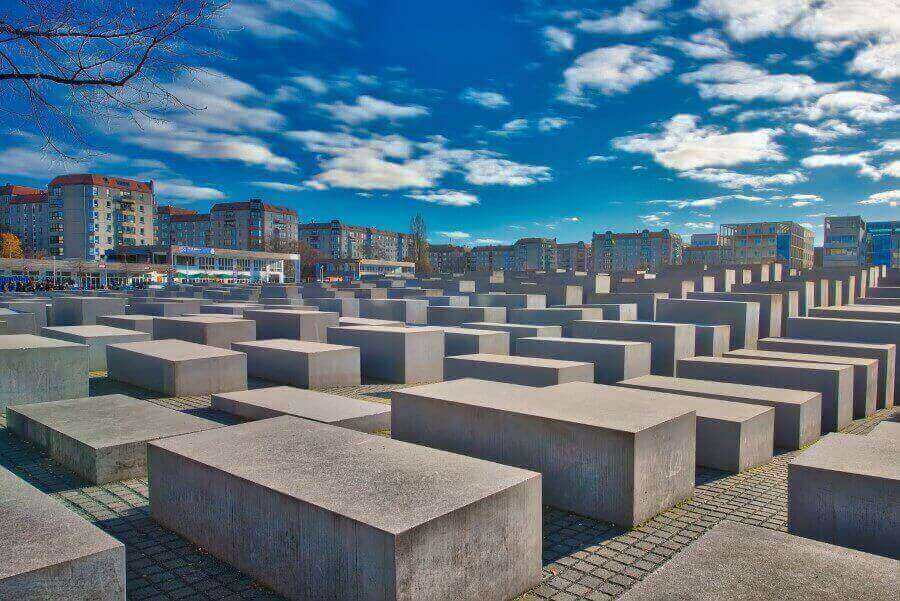
The Holocaust Memorial

berlin-holocaust-memorial

The Holocaust Memorial in Berlin is a memorial to the victims of the Holocaust. It was inaugurated in May 2005 and is just a block away from the Brandenburg Gate

The memorial consists of 2711 slabs of granite, forming a grid pattern. The slabs are 2.5 meters high and weigh between 1.5 and 5 tons each.

The Holocaust Memorial in Berlin is Germany’s largest and most visited memorial. One of the most famous landmarks in Germany, it is an important reminder of Germany’s dark history and the victims of the Holocaust.

Museum Island

historic-museum-island

The history of Museum Island in Germany traces back to the early 19th century when Prussian King Frederick William III acquired four museums from the Royal family.

These museums were: The Altes Museum (Old Museum), The Neues Museum (New Museum), The Bode Museum, and The Pergamon Museum.

Each of these museums were designed by different architects and built in a different style. The Altes Museum, which was the first museum on the island, features a classical style. The Neues Museum, which was the last museum to be built on the island, has a neo-classical style.

The museums were originally situated on an island that was surrounded by water. However, the water was eventually filled in and the island became part of the city.

The museums on Museum Island are some of the most famous museums in the world. They are home to an extensive art collection, and several important archaeological artifacts, including the bust of Queen Nefertiti and the Pergamon Altar.

Berlin Cathedral

beautiful-berlin-cathedral

Berlin Cathedral is a Protestant church located on Museum Island in Berlin, Germany. It is the seat of the Bishop of Berlin.

The cathedral was originally built between 1894 and 1905 in the neo-Gothic style. However, it was heavily damaged during World War II. The cathedral was rebuilt after the war and reopened in 1976.

Berlin cathedral is home to several important religious artifacts, including the coronation throne of Prussia and a bust of Martin Luther. The cathedral also has a large organ, which is one of the largest organs in Germany.

The Berlin Cathedral is a famous landmark in Berlin and Germany. It is a beautiful example of neo-Gothic architecture and features some designs from the Baroque period. The Berlin Cathedral is also home to some significant religious artifacts.

Berlin TV Tower

famous-tv-tower

The Berlin TV Tower is a major landmark at Alexanderplatz, as it sticks out in the capital’s cityscape. Locals usually call it the berlin tower and people instantly know it is referencing the TV tower.

Berlin tower is over 373 meters high, and it has a viewing platform that allows visitors to see the city of Berlin from high up. The tower also has a restaurant, and it is one of the most famous landmarks in Germany.

Frankfurt, Germany Landmarks

Main Tower

germany-famous-skyscraper

The Main Tower is a skyscraper in Frankfurt, Germany. With a height of 157 metres (515 ft), it is the tallest building in Frankfurt.

Construction started in 1996 and ended in 1999. The tower has 41 floors and is the headquarters of the Hessian State Bank.

Frankfurt Römer City Hall

beautiful-romanesque-building

The Frankfurt Römer is a beautiful and well-preserved Romanesque building in Frankfurt. It has been Frankfurt’s town hall since the 14th century, and continues to serve as Frankfurt’s city hall today.

The building is made of red sandstone and has several distinguishing features, including its twin towers. You can find the town hall in Frankfurt’s old town area, a popular tourist zone containing many other famous german landmarks.

Frankfurt Cathedral

The Frankfurt Cathedral, officially known as the Imperial Cathedral of Saint Bartholomew, is a Roman Catholic cathedral.

The cathedral features Gothic architecture and is one of the largest cathedrals in Germany. This german landmark is on the south side of the Römerberg square in the city’s old town.

The construction of the Frankfurt Cathedral started in the 12th century, and it was finally completed in the 15th century. The cathedral was badly damaged during World War II but has been rebuilt since then.

It contains several notable artworks, including an 18-meter-high sculpture of Christ by Tilman Riemenschneider and beautiful stained-glass windows by Marc Chagall.

Bavaria, Germany Landmarks

Neuschwanstein Castle

germany-magical-landmark

One of the most magical landmarks in Germany is the Neuschwanstein Castle. The Neuschwanstein Castle is a fairytale castle from the 19th century.

You can find the photogenic castle in Schwangau, Germany. The Neuschwanstein Castle is one of the most famous castles in Europe. It is also one of the castles that belonged to Mad King Ludwig.

If you are looking for a picturesque place to visit while in Germany, be sure to visit Neuschwanstein Castle.

Nymphenburg Palace

munich-baroque-palace

Nymphenburg Palace is a Baroque palace in Munich, Germany. The palace was commissioned by the then-elector Maximilian III Joseph of Bavaria in 1701 and built by the architect François de Cuvilliés.

A beautiful 130 ha (320 acre) park surrounds the Nymphenburg Palace, credit to designer André Le Nôtre.

The central building of the palace is the Marstall, which houses the royal stables. On the northern side of the palace is the Amalienburg, a Rococo pavilion with a gilded dome. On the southern side is Nymphenburg Palace’s most famous building: the Schleissheim Wing with its Baroque onion dome.

Lake Constance

Lake Constance is Germany’s third-largest lake. It covers an area of 536 square kilometers and is 63 kilometers long and up to 14 kilometers wide.

Lake Constance has a maximum depth of 246 meters. It borders 3 countries including Austria and Switzerland. The lake is a popular tourist destination, and you can easily spend a day there relaxing in nature.

It is home to two islands, Mainau and Reichenau, which are popular tourist destinations in their own right. With its glistering waters, Lake Constance is one most breathtaking natural landmarks in Germany.

Berchtesgaden National Park

german-national-park

Berchtesgaden National Park is a German national park that was founded in 1978. The park is located in the Bavarian Alps. It is notable for its many peaks, valleys, and lakes. The park is also home to many animals, including deer, ibex, and chamois.

Berchtesgaden National Park is open year-round and offers a variety of activities, including hiking, skiing, fishing, and mountain biking. There are also several restaurants and lodges located in the park. You can get to the park by car or train.

Partnachklamm Gorge

natural-wonder-in-germany

The Partnachklamm Gorge is a natural wonder in the Wetterstein Mountains near the city of Garmisch-Partenkirchen.

The gorge was formed over millions of years by the Partnach River, which still flows through it today. The walls of the gorge are up to 700 meters high, and the river passes through narrow passages and over dramatic waterfalls.

Visitors can walk along a wooden path that follows the river through the gorge, or take a cable car to get a birds-eye view.

Castles that are famous landmarks

One of the things that Germany is famous for are the stunning castles around the country. Here are just some out of a list of beautiful castles in Germany.

Cochem Castle

beautiful-cochem-castle

Cochem Castle is located in Cochem, Germany. It is a beautiful and picturesque castle that overlooks the River Moselle. The castle is a mix of Romanesque, Gothic, and Renaissance architecture. It is well preserved and is open to visitors.

The castle stands on top of a hill, making it a prominent sight from the town of Cochem. It is one of the famous landmarks in Germany and key highlights in the region.

Hohenzollern Castle

germany-tourist-destination

Hohenzollern Castle is a popular tourist destination in Germany. It is on top of Mount Hohenzollern, near the city of Hechingen in Baden-Württemberg.

The castle is a mix of styles from Gothic to Renaissance. It has been the ancestral home of the Hohenzollern family since 1079. The castle was first built in the 11th century and has been rebuilt and expanded many times throughout the years. The current structure dates back to the 1850s.

It is one of the most beautiful historic landmarks in Germany. The castle is open to visitors year-round. It is a popular tourist destination because of its picturesque location and its rich history. The castle has been used as a fortress, a royal palace, and a prison over the years.

Wartburg Castle

famous-wartburg-castle

Wartburg Castle is an UNESCO world heritage site located on a mountain in the Eisenach district of Thuringia, Germany.

The castle was first built in the middle ages by the Ludowingians. The most famous resident of the castle was Martin Luther who lived there for a year after his exile from Saxony.

The castle was also used as a hospital during World War II. The Wartburg Castle is now open to tourists and is a popular tourist destination.

Eltz Castle

germany-historical-landmark

Eltz Castle is one of the most well-preserved historic landmarks in Germany. The medieval castle is famous for its quaint and charming atmosphere.

It was first built in the 12th century and has been passed down through the generations ever since. Eltz Castle used to be a fortress that defended the borders of the Rhineland. Today, it is open to visitors from April to October, and there is an entrance fee to Eltz Castle that varies depending on age.

You can easily access the castle by car, and there is plenty of parking available. There are also several restaurants and cafes on-site in Eltz Castle, as well as a gift shop that sells souvenirs.

Heidelberg Castle, Heidelberg

popular-heidelberg-castle

Heidelberg Castle is a mix of styles from Gothic to Renaissance. It lies in the city of Heidelberg, Germany. The beautiful castle is overlooking the Neckar River. Heidelberg Castle is one of the most famous landmarks in Germany.

This fairytale castle was first built in the 12th century. Over the years, it has been destroyed and rebuilt several times. The current version of the castle is from the 19th century.

Heidelberg Castle is now open to tourists. Visitors can explore the castle grounds and its many rooms and gardens.

Other famous German Landmarks in Germany

Bastei Bridge

natural-sandstone-bridge

The Bastei Bridge is a natural sandstone bridge that is part of the Bastei cliffs in Germany. It is 194 meters long and was originally built in 1851 by King Frederick William IV of Prussia.

The bridge crosses the Elbe River and is one of the most famous landmarks in Germany. Its impressive appearance and picturesque location is no doubt a big factor.

The bridge was designed to help provide better access to the Bastei cliffs, which were popular tourist destinations at the time. The Bastei Bridge quickly became a prominent german landmark in its own right. It soon drew tourists from all over Germany and Europe, with around 1 million visitors each year.

Frauenkirch, Dresden

dresden-prominent-structure

The Dresden Frauenkirche is a popular landmark in Germany that travelers should visit if they get the chance. It is a prominent structure in the city skyline, and stands below the church in Neumarkt Square.

The Dresden Frauenkirche is a beautiful Lutheran church that was destroyed during World War II, but it was rebuilt and now stands as a symbol of reconciliation.

Best of all, that area in Dresden is where you will find iconic german landmarks and attractions.

packing-list-travel-europe

Mercedes Benz Museum, Stuttgart

The Stuttgart Mercedes Benz Museum is a popular tourist destination in Germany. The architecture and exhibition concept are closely interwoven, as exhibition designer HG Merz had already been commissioned before the architecture competition in 2001.

It is home to many vintage and classic cars from the Mercedes Benz company.

The museum is also interactive, allowing visitors to explore the inner workings of these cars. The Mercedes Benz Museum is in the city of Stuttgart, in the state of Baden-Württemberg.

Sanssouci Palace, Potsdam

former-royal-palace

Sanssouci Palace is a former royal palace in Potsdam, Germany. It was the summer residence of Frederick the Great, King of Prussia from 1745 until 1747, and again from 1772 until his death in 1786.

The palace is famous for its beautiful rococo architecture. It was built as a summer residence for Frederick the Great, King of Prussia. The palace features stunning rococo architecture, which is why it is such a popular tourist destination.

Another fun fact is that Potsdam itself is a UNESCO world heritage site, so it is definitely worth a visit to some of these famous landmarks in Germany.

Old Town Hall, Bamberg

historic-town-hall

Bamberg Old Town Hall is a historic town hall in Bamberg, Germany. The old town itself is a UNESCO World Heritage Site since 1993.

It is famous for its beautiful half-timbered houses and narrow streets. The historic district is also home to the Bamberg Cathedral, which is the largest church in Franconia.

The old town is a popular tourist destination and is a great place to wander around and explore. Admission is free, making it a very affordable attraction.

Monument to the Battle of Nations, Leipzig

leipzig-famous-monument

The Monument to the Battle of Nations is a monument in the city of Leipzig. The monument was erected to commemorate the German victory over Napoleon in the Battle of Leipzig, which took place between 16 October and 19 October 1813.

The monument consists of a large column with a statue of Germany at its top. Four groups of statues surround the column, depicting the four nations that fought in the battle: Prussia, Austria, Russia, and France.

Cologne Cathedral, Cologne

cologne-gothic-cathedral

The Cologne Cathedral is a Gothic cathedral that was built in the 12th century. It is one of the most famous landmarks in Germany because of its impressive Gothic architecture.

Construction of Cologne Cathedral began in 1248 but was halted in the years around 1560 unfinished. Work did not restart until the 1840s, and the edifice was completed to its original Medieval plan in 1880.

Unsurprisingly, the cathedral is one of Germany’s treasures on the UNESCO World Heritage List. Every year, millions of people come to see this magnificent structure. If you are visiting Germany, be sure to add the Cologne Cathedral to your itinerary!

Read Next:
20 FUN FACTS ABOUT GERMANS AND GERMANY TO KNOW
7 BEST GERMAN CHOCOLATE BRANDS AND CHOCOLATES FROM GERMANY

117 POPULAR GERMAN BREAKFASTS: WHAT TO EAT FOR BREAKFAST IN GERMANY

Natural Landmarks in Germany

Black Forest

The Black Forest is a large forest that covers parts of southwestern Germany. It is home to many different species of animals and plants. If you are looking for a beautiful place to hike or camp while in Germany, be sure to add the Black Forest to your list!

Triberg waterfall

Triberg waterfall is one of Germany’s most famous landmarks. It is located in the Black Forest mountain region and is 163 meters high. The waterfall is known for its seven stages, which create a beautiful sight.

The Triberg waterfall is also Germany’s largest waterfall. It is a good place to hiking and also just have a nice picnic lunch within nature.

Saxon Switzerland National Park

germany-national-park

The national park is a popular getaway for nature lovers in Germany. It is famous for its various rocky cliffs and gorges. The park is open since 1990, and it covers an area of 1,008 hectares.

If you are looking for a beautiful place to go hiking or camping while in Germany, there is much to do at Saxon Switzerland National Park!

Mount Zugspitze

highest-mountain-in-germany

The Zugspitze is a summit in the Wetterstein Mountains on the border of Germany and Austria. At 2,962 metres (9,718 ft), it is the highest mountain in Germany.

The Zugspitze is the northernmost peak of the Wetterstein range, which forms the border between Germany and Austria.

The mountain lies about 5 km (3 mi) west of Garmisch-Partenkirchen, Germany, and 12 km (7 mi) east of Innsbruck, Austria. Its main peak features a steel cross measuring 3.5 m (11 ft) high.

Travel Insurance

Visiting Landmarks in Germany

Germany is a country that is rich in history and culture. From modern structures to historic buildings, and UNESCO world heritage sites, there is much to see and marvel at.

These are just some of the famous landmarks in Germany that can help in exploring Germany’s fascinating history and culture. However, you are bound to discover other attractive and curious german landmarks during your visit.


LIKE THIS POST? PIN IT FOR LATER!

23 Famous Portuguese Landmarks In Portugal To Visit

When traveling to Portugal, there are some famous and meaningful landmarks in Portugal that you don’t want to miss. Here are some of the most popular and impressive Portuguese landmarks that are worth checking out when around the region.

From historical monuments and natural wonders, these landmarks are spread throughout the country. So whether you’re in Lisbon or Porto, there are some amazing sights to marvel at!

Most Famous Landmark In Portugal

portugal-famous-landmark
Castle São Jorge is a portuguese landmark standing over the hilltop of Lisbon

The most famous landmark in Portugal is Castle São Jorge, a Portuguese castle in the city of Lisbon. This imposing structure has been standing since the 12th century, and offers stunning views of the city below.

The castle served as the royal palace of the Portuguese kings until the early fifteenth century. It then became a military fortress and prison. The castle was extensively damaged by an earthquake in 1755, but it was later restored.

Today, Castle São Jorge is one of the most popular tourist destinations in Lisbon, and a UNESCO World Heritage Site. It is also one of the oldest structures in Lisbon Visitors to the castle can explore its many winding staircases and fortifications, as well as its beautiful gardens.

If you’re visiting Lisbon, be sure to make a stop at this iconic landmark! In addition, there are several other famous Portuguese landmarks in Lisbon that you won’t want to miss.

Lisbon, Portugal Landmarks

Jerónimos Monastery

unesco-heritage-site

One of the most famous landmarks in the capital city is the Jerónimos Monastery. This monastery is a UNESCO World Heritage Site, and is one of the finest examples of Portuguese architecture from the Age of Discovery.

The monastery was built in 150; however, construction was interrupted due to financial problems and wasn’t completed until 100 years later.

Inside the monastery, you can see the tomb of Vasco da Gama, a Portuguese explorer who was responsible for discovering a sea route from Europe to India. Visiting the Monastery is one of the most popular things to do in Lisbon.

Belém Tower

lisbon-belem-tower
Tower Belem is one of the most iconic landmarks in Portugal, Lisbon

The Belém Tower is a Portuguese landmark commissioned by King John II and built in the 16th century as a defense fortress to protect the city from invading pirates and ships.

The tower is also known as the Torre de Belém (Belém Tower) and is part of the UNESCO World Heritage Site “Monuments of the Portuguese Discoveries”.

The tower features Manueline architecture, which is a popular Portuguese style during the Age of Discovery when Portuguese explorers were discovering new lands.

The Belém Tower is open for visitors to explore and climb to the top for panoramic views of Lisbon. There is also a museum inside the tower with exhibits about its history.

READ NEXT: 20 BEST BEACHES IN LISBON PORTUGAL NOT TO MISS

Praça do Comércio

beautiful-plaza-in-portugal

The Praça do Comércio is a beautiful plaza to walk around and take in the sights of Lisbon. It is also a great place to people watch and enjoy the city life.

It is at the Tagus River estuary, and has an area of about 26,000 m2. The magnificent plaza was built between 1755 and 1775, and features marble statues and two large fountains.

The Praça do Comércio is a popular landmark in Portugal since it is a common meeting point. It is home to the Lisbon Tourism Bureau, the Rossio railway station, and the Paço da Ribeira (Ribeira Palace).

Sintra, Portugal Landmarks

Near Lisbon is another popular tourist destination, Sintra. This town is home to several palaces and castles, including the Pena Palace.

Pena Palace

portuguese-national-monument

Pena Palace is a Portuguese national monument and UNESCO World Heritage Site. The palace was built in the 19th century as a summer retreat for the royal family and is now open to the public as a museum.

The Pena Palace is a mix of different architectural styles, including Gothic, Moorish, and Manueline. It’s also one of the most colorful palaces in all of Portugal, due to the many brightly-colored tiles on the exterior.

This Portuguese landmark was conceived by King Ferdinand II in the 1830s. Ferdinand enlisted the help of French architect Baron Haussmann and German artist Friedrich Ludwig von Schinkel to design a building that would befit his extravagant tastes.

Quinta da Regaleira

Quinta da Regaleira was built in the early twentieth century by António Augusto Carvalho Monteiro, who was a very wealthy coffee producer. The palace is now open to the public as a museum.

One of the most beautiful landmarks in Portugal, Quinta da Regaleira is famous for its extensive gardens, which include caves, lakes, wells, and tunnels.

Cabo da Roca

portuguese-famous-landmark

Cabo da Roca is a cape marking the westernmost point in Continental Europe, and also the most westerly point in the European Union. The cape is about 30 kilometres (19 mi) west of the city of Lisbon, and rises to an elevation of 440 metres (1,440 ft) above sea level. The name Cabo da Roca comes from the Portuguese word “rocas”, meaning “rocks”.

The cape has been an important landmark in Portugal since ancient times. The Phoenicians are known to have called it “Cape of Altar” because of its location near the sea route to India.

Porto, Portugal Landmarks

If you’re traveling north from Lisbon, be sure to stop by the city of Porto. Porto is Portugal’s second-largest city, and is famous for its port wine.

Palácio da Bolsa

famous-palacio-da-bolsa
The beautiful interior of Palacio da Bolsa

One of the most popular Portuguese landmarks in Porto is the Palácio da Bolsa. This 19th century Neo-gothic building in the center or Porto served as a stock exchange until recently.

This palace traces back to the 1800s, when it was serving as the home of the Portuguese Stock Exchange. Now it is open to the public as a museum. This is one of the many beautiful palaces in Portugal well-known for its stunning architecture.

Dom Luis Bridge

The Dom Luis Bridge is a steel arch bridge in operation since 1886. The bridge crosses the Douro River and it is the longest bridge in Portugal.

The bridge was named after King Luis I of Portugal. The design of the bridge comes from Gustave Eiffel, who is also famous for designing the Eiffel Tower in Paris, France.

Douro Valley

portugal-douro-valley

Just outside of Porto is the Douro Valley, which is famous for its vineyards and wineries. A popular way to explore the Douro Valley is by boat, so be sure to check out some of the river cruises that are available.

If you’re looking for a natural wonder to see in Portugal, the Douro Valley is home to the Foz do Douro, or the Mouth of the Douro. This is where the River Douro meets the Atlantic Ocean, and it’s a great place to watch the sunset. One of the most impressive natural landmarks in Portugal.

Clerigos Church And Tower

porto-landmarks
Get great views from Clerigos Church and Tower

The Clerigos Church and Tower in Porto is from the 18th century and it is one of the most famous landmarks in the city.

The imposing tower is 76 meters high and offers a great view of the city. The corresponding church is also a beautiful historic monument. It is easy to drop by and visit, so don’t miss it if you are in the city.

São Bento Train Station

The São Bento Train Station is a 1961 train station with Gothic Revival style architecture. Its interior features 20,000 azulejo panels by painter Jorge Colaço, illustrating scenes from Portuguese history.

The train station is a National Monument of Portugal since 2002. You can find it in the historic center of Porto. The train station has services from the following rail operators: CP (national), Renfe (international), and Fertagus (commuter).

One of the most popular things to do in Porto is to visit the Train Station and admire the beautiful artwork that is so representative of the traditions.

Other Landmarks In Portugal

Coimbra University

europe-old-university
Coimra University is an educational landmark of Portugal

Coimbra University is one of the oldest universities in Europe and it is located in Portugal. The university was founded in 1290 and it is one of the most prestigious Portuguese universities.

The university has a rich history and it has been associated with some of the most famous people in Portugal. Some of the notable people who have attended Coimbra University include King Manuel I, King John III, and Pedro Álvares Cabral. Certainly a meaningful historical landmark of Portugal.

The university is also home to some of the most beautiful architecture in Portugal.

Alcobaça Monastery, Alcobaça

famous-portuguese-monastery

The Alcobaça Monastery is a Portuguese monastery in the town of Alcobaça. It was founded by the first Portuguese king, Afonso Henriques in 1153. The monastery stacks on the remains of an old mosque from the time of Moorish occupation.

Alcobaça Monastery soon became one of the most important monasteries in Portugal and it still retains its importance today as a UNESCO World Heritage Site.

The Alcobaça Monastery is a good example of Gothic architecture. Its most famous feature is the tombs of Pedro I and Inês de Castro, which are some of the most romantic tombs in the world.

The Óbidos Castle, Obidos

historic-obidos-castle
Obidoes is a historical Portuguese landmark with great views

The Óbidos Castle is in the municipality of Óbidos, central Portugal. The castle was constructed in the 12th century by the first Portuguese king, Afonso Henriques. It is actually on an artificial hill made out of rubble and earth.

The castle was reconstructed and extended during the reigns of Kings Sancho I and Afonso II. It was during this time that the castle’s keep, chapel and walls were built. The castle passed into the hands of the crown after King Denis, who conquered it from the Moors in 1290.

The Portuguese kings used the castle as a royal residence until King Manuel I donated it to his wife, Queen Maria of Aragon, in 1511.

Capela de Ossos, Evora

chapel-of-bones

The Capela de Ossos (Chapel of Bones) is a small chapel in the city of Evora, Portugal. The building is from the 16th century and is now a popular tourist attraction. It is one of the most intriguing landmarks in Portugal. The chapel contains the skeletons of over 5,000 people, which are now the walls and ceilings decorations.

In the past, there were too many bones in the cemeteries around Evora, and they decided to use them to decorate the chapel. The bones were collected from local cemeteries and arranged in decorative patterns on the walls and ceilings.

The Capela de Ossos is near the entrance to the University of Evora.

Bom Jesus do Monte, Braga

braga-religious-landmark
One of the most impressive religion landmarks in Portugal

The Bom Jesus do Monte is a religious landmark in the city of Braga, Portugal. It is a Portuguese national monument and is one of the most important pilgrimage sites in the country.

The site features a monumental stairway that leads up to a shrine dedicated to the crucified Jesus Christ. The shrine is located at the top of the hill and features stunning views of the city below. The Bom Jesus do Monte was built in 1711 and underwent a major renovation in 1882.

The religious landmark in Portugal attracts millions of visitors each year and is an important part of Portuguese culture and history.

Convento do Cristo, Tomar

portugal-historical-architecture

The Convento do Cristo in Tomar is a Portuguese landmark that is a UNESCO World Heritage Site. The convent was founded in the 12th century by the Order of the Knights Templar.

The historical landmark features Gothic-style architecture and has been well preserved over the years. The convent is also home to the tomb of Henry the Navigator, a Portuguese prince and explorer who was instrumental in launching Portugal’s Age of Exploration.

packing-list-travel-europe

Guimarães Castle, Guimarães

Guimarães Castle is a Portuguese landmark in the city of Guimarães. The castle traces back to 10th century, credit to the first Portuguese king, Afonso Henriques. it is one of the most important castles in Portugal.

Guimarães Castle played an important role in the Portuguese Reconquista, and was used by the Portuguese kings as a royal residence. It underwent a major renovation in the 18th century and it is now a popular tourist attraction.

READ NEXT: 23 POPULAR PORTUGUESE DESSERTS IN PORTUGAL TO TRY

Natural Landmarks In Portugal

Benagil Cave, Algarve

algarve-natural-wonder

The Benagil Cave is a natural wonder in the Algarve region of Portugal. The cave is famous for its impressive and unique rock formations, as well as its stunning natural beauty. You can access the cave by boat, and tour around its many passages.

The Benagil Cave was formed over millions of years, and it is estimated that the cave has been around for at least 135,000 years. The cave was first discovered in the 1800s, but it wasn’t until the 1930s that it began to be explored and charted.

The cave became popular with tourists in the 1970s, and it has since become one of the most touristic landmarks in Portugal.

Pico Mountain

Pico Mountain is in the Portuguese island of Pico in the Atlantic Ocean. It is the highest mountain in Portugal and one of the highest mountains in the Atlantic Ocean.

Pico Mountain has a height of 2,351 meters. The mountain is a stratovolcano resulting from several eruptions of lava and ash. The first eruption of Pico Mountain is about 200,000 years ago. The name “Pico” basically means peak in Portuguese.

The mountain is a popular tourist attraction and has many hiking trails. There are also a few small villages on the mountain. The village of Achada is at the foot of the mountain and the village of Santa María is on the summit.

This natural paradise that has so much to offer is one of the things that Portugal is famous for.

Peneda-Gerês National Park

national-park-in-portugal
There are many natural landmarks in Portugal with breathtaking landscapes

Peneda-Gerês National Park is one of the largest and most beautiful nature reserves in

The Peneda-Gerês National Park is a Portuguese national park that in the Norte district of Braga. It has been in operation since 1971, and has an area of 712.48 km². The park’s name comes from two of its mountains, Peneda and Gerês. The park has diverse wildlife, which includes wolves, wild boars, and Iberian lynxes.

The park is also home to a number of villages, including Montalegre, Chaves, and Vila Real. These villages are famous for their traditional architecture and folk traditions. The village of Soajo is particularly notable for its stone houses and the annual festival.

Ria Formosa Natural Park, Faro

The Ria Formosa Natural Park is a beautiful and serene place in the municipality of Faro, Portugal. The park comprises of a series of lagoons, marshes, and mudflats with sandbars and islets segmenting them.

The park is famous for its diverse birdlife, with over 260 different species observed. Some of the notable bird species include flamingos, black-winged stilts, Kentish plovers, and little egrets.

The Ria Formosa Natural Park was established in 1960 and was later declared a national park in 1987. The park is open to the public all year round and admission is free. There are several walking trails for exploration by nature lovers.

Travel Insurance

Visiting Portuguese Landmarks In Portugal

Portugal is a country rich in history and culture, and its landmarks reflect that. From historical monuments to nature wonders, there is something for everyone.

These are just some of the famous landmarks in Portugal. While they serve as pointers and inspiration, definitely dive deeper into wherever you are going to uncover what the region has to offer!


PIN THESE PORTUGAL LANDMARKS FOR LATER!

25 Famous French Landmarks In France To Visit

France is a popular travel destination, and one of the main reasons is the multiple attractive landmarks in France. From long-standing structures to beautiful nature, there are many French landmarks that are impressive and inrecdibly photogenic.

These iconic structures and natural wonders can be found all over the country, from Paris to the countryside. Here are some of the popular French landmarks in France that travelers frequently visit, and you probably should not miss!

Grab a nice french breakfast and get exploring!

Most Famous French Landmark in France

The Eiffel Tower

famous-eiffel-tower

The Eiffel Tower is hands down the most famous landmark in France, and it’s a must-see for any visitor in Paris. It’s is on the Champ de Mars near the Seine River. The tower was built in 1887 as part of the Exposition Universelle (World’s Fair), and today it’s one of the most popular tourist attractions in the world. If you want to ride to the top, there are three levels of observation decks that offer breathtaking views of Paris.

The Eiffel Tower is one of the most iconic landmarks in France. The tower is 330 meters tall and is made of wrought iron.

Paris, France Landmarks

Notre Dame Cathedral

cathedral-in-france

Another famous landmark in France is the Notre Dame Cathedral, which is also located in Paris. This Gothic cathedral is one of the most widely recognized buildings in the world, and it’s definitely worth a visit when you’re in Paris.

The cathedral was built in the 12th century, and it’s home to many beautiful works of art. If you want to learn more about the history of this landmark, there are guided tours available.

The Louvre Museum

largest-art-museum

Another iconic landmark in France that you often see in photos is the Louvre Museum. The Louvre is the largest art museum in the world, containing more than 380,000 pieces of art. The museum was founded in 1793, and in Paris, France.

Over the years, the Louvre has acquired many famous works of art, including the Mona Lisa by Leonardo da Vinci and The Venus de Milo. The museum is open every day except for Tuesday, and it’s practically paradise for art lovers.

Arc de Triomphe

famous-triumphal-arch

The Arc de Triomphe is a triumphal arch in the center of the Place Charles de Gaulle, also known as the Étoile, in Paris.

It was commissioned by Napoleon Bonaparte in 1806 and built by Jean Chalgrin. The arch is 24.6 meters (81 feet) high, 26.9 meters (88 feet) wide, and 22 meters (72 feet) deep. The vault features some beautiful decorations including sculptures of military heroes and allegorical figures.

The Arc de Triomphe was originally built to commemorate Napoleon’s military victories, but it also commemorates the French soldiers who died in the Napoleonic Wars. The names of all the generals who served under Napoleon are inscribed on the arch.

The nearest metro station to the Arc de Triomphe is Charles de Gaulle – Étoile on Line A of the Paris.

READ NEXT: 21 Fun Facts About France and The French

Jardin du Luxembourg

famous-french-garden

Jardin du Luxembourg is a beautiful landmark in the 6th arrondissement of Paris. The garden was opened to the public on August 23, 1612, by Marie de Medici. It was originally a part of her palace and a place to relax. The garden was named after the famous Medici family’s palace in Florence, Italy which is known as Palazzo Pitti.

The garden has a long history and has been modified many times over the years. During the french revolution, it was open to the public and served as a park. It was also used as a parade ground and a training ground for the French army. In 1854, Napolean III decided to restore the garden to its original state.

The garden is now a popular tourist destination in Paris and is visited by millions of people every year.

Champs-Élysées

paris-famous-boulevard

The Champs-Élysées is a famous boulevard in Paris, France. It stretches for 1.8 kilometers with greenery lining the sides. The boulevard is home to many prominent French landmarks, including the Arc de Triomphe, the Élysée Palace, and the Lido cabaret.

The Champs-Élysées was first built in 1667 as a way to connect the Palais Royal to the Tuileries Palace. In 1709, it was widened and turned into a formal garden. The Champs-Élysées became a popular destination for Parisians and visitors in the 18th century.

When you stroll down this iconic landmark in France, know that you are walking in the footsteps of many famous people, including Napoleon Bonaparte and Charles Dickens.

Grand Palais

The Grand Palais des Champs-Élysées, commonly known as the Grand Palais, is a historic site, exhibition hall and museum complex located at the Champs-Élysées.

The architect was Charles Girault and it took fifteen years to build. The style is a mix of Renaissance and Beaux-Arts, with a central dome inspired by the Pantheon in Rome.

The building originally housed a large pond, which was used to cool the building in summer. This was emptied in 1968 and replaced with the present-day Grande Nef (Great Hall), home to the Musée d’Orsay. The Palais has been used for a variety of purposes, including as an exhibition hall, a public park, and a museum.

Today, the Palais is home to the Musée des Arts Décoratifs, the Musée de la Mode et du Textile, and the Petit Palais. It is also used for large-scale exhibitions, such as the Grand Louvre exhibition of 2001.

Nîmes, France Landmarks

Pont du Gard

ancient-roman-aqueduct

The Pont du Gard is an ancient Roman aqueduct that is located in the south of France. The construction of the bridge began in the year 19 BC and was completed in the year 15 AD.

The Pont du Gard is a three-level aqueduct that crosses the Gardon River. It was part of a 50-kilometer aqueduct system that supplied water to the city of Nîmes. The Pont du Gard is one of the most well-preserved ancient Roman structures in Europe.

Arena of Nîmes

popular-roman-amphitheater

Around the same area, you find the Arena of Nîmes – a Roman amphitheater built around the year A.D. 10. It is one of the ancient landmarks in France that still has an imposing presence.

The arena was originally built to hold 25,000 spectators, but only about 6,000 people can fit inside today. The arena was used for a variety of events, including gladiator fights, public executions, and horse races.

Other Famous French Landmarks in France

Palace of Versailles

versailles-royal-palace

The Palace of Versailles is a royal palace in Versailles, France. The palace is located in the Île-de-France region and is best known as the principal residence of the Kings of France from Louis XIV to Louis XVI.

The palace has over 700 rooms and covers an area of 67,000 square meters. It also features beautiful gardens and a large park.

The Palace of Versailles was originally built by Louis XIII in 1623 as a hunting lodge. It was enlarged by Louis XIV who made it his primary residence in 1682. The palace was further enlarged by his successors. The palace was the center of political and social life in France during the 18th century.

Château de Fontainebleau

unesco-heritage-site

In the same region, the Château de Fontainebleau is a royal palace in the commune of Fontainebleau, south of Paris. It is one of the largest French royal châteaux, with more than 1,200 rooms.

The palace has been home to some of France’s most famous kings, including Napoleon and Louis XIV.

The history of the Château de Fontainebleau spans more than 1,000 years, and it has been used as a royal residence, a military base, and a prison. The Château de Fontainebleau is a UNESCO World Heritage Site and is open to visitors.

Millau Viaduct

famous-millau-viaduct

The Millau Viaduct is an impressive looking bridge that cuts across the gorge valley of the River Tarn in Southern France. It is the tallest vehicular bridge in the world, with a height of 343 meters (1,125 ft) from the deck to the ground, or 270 meters (886 ft) above the river.

The design team was led by Fengineer Michel Virlogeux and English architect Norman Foster. Construction of the viaduct started in January 2001 and finished in December 2004. The cost of construction was approximately €394 million (US$579 million). The Millau Viaduct is part of the A75 autoroute (motorway) from Clermont -Ferrand to Béziers.

Cité de Carcassonne

The Cité de Carcassonne is a fortress located in the town of Carcassonne, Aude, France. The fortress was constructed in the 12th century, and it is famous for its unique design, which combines Gothic and Romanesque architecture.

The Cité de Carcassonne played an important role in the history of France, and it has been listed as a UNESCO World Heritage Site since 1997.

packing-list-travel-europe

Château de Vaux-le-Vicomte

The Château de Vaux-le-Vicomte was built in the first half of the 17th century by Louis XIV’s finance minister Nicolas Fouquet. It is located in Maincy, about 25 kilometers (16 mi) southeast of Paris. The chateau was intended to rival another significant French landmark – the Palace of Versailles but was unfinished at Fouquet’s arrest.

Fouquet commissioned the eminent French architect Louis Le Vau to design the building, and Charles Le Brun to decorate it with paintings and sculptures. The gardens were designed by André le Nôtre. The park features a lake with a castle, an Italian garden, a hedge maze, and numerous fountains.

Cité de Carcassonne

The Cité de Carcassonne is a fortified medieval town in southern France. The cité is in the Languedoc-Roussillon region.

It is one of the most well-preserved medieval towns in Europe and has been a UNESCO World Heritage Site since 1997.

The history of the cité dates back to the early Gallo-Roman period when it was a small town on the banks of the Aude river. It was first fortified by the Visigoths in the 5th century and later expanded by the Franks.

This French landmark reached its peak in the 13th century when it became an important stronghold of the Crown of Aragon.

Strasbourg Cathedral

france-strasbourg-cathedral

The Strasbourg Cathedral in France is one of the most popular and famous landmarks in the country. It is a Gothic cathedral that was built in the 12th and 13th centuries and is still in use today.

The cathedral has been damaged by several wars over the years but has been repaired and restored. One of the most famous features of the Strasbourg Cathedral is the astronomical clock, which was installed in 1493. That is still one of the largest and most intricate astronomical clocks in the world.

Loire Valley Castles

castles-in-france

The Loire Valley Castles in France are a popular tourist destination for people who want to see some of the most beautiful castles in the world. These castles were built in the Middle Ages, and they are now some of the most important historical French landmarks in France.

The Loire Valley Castles were built by the kings and queens of France, and many of them are now open to the public.

One of the most famous Loire Valley Castles is the Chateau de Chambord, which was built by King Francois I in the 16th century. This castle is now a UNESCO World Heritage Site, and it is one of the most popular tourist landmarks in France.

Other famous Loire Valley Castles include the Chateau de Chenonceau, the Chateau de Cheverny, and the Chateau de Villandry.

Natural Landmarks in France

Mont Saint-Michel

famous-mont-saint-michel

If you’re looking for a natural wonder, look no further than Mont Saint-Michel. This rocky island is located off the coast of Normandy, and it’s home to an impressive medieval monastery.

The island is only accessible at low tide, so be sure to check the tide schedule before you visit. Mont Saint-Michel is a UNESCO World Heritage Site, and it’s worth a trip if you’re in the area.

Mont Blanc

alps-tallest-mountain

Being the tallest mountain in the Alps and Western Europe, Mont Blanc is a very popular tourist destination for climbers and hikers. The mountain stretch across two countries, France and Italy.

The French side of the mountain is known as Mont Blanc du Tacul, while the Italian side is known as Monte Bianco. The mountain was first climbed in 1786 by Jacques Balmat and Michel Paccard.

READ NEXT: 30 Famous Landmarks in Italy

Travel Insurance

Parc National des Calanque

stunning-national-park

The Parc National des Calanques is a stunning natural park in Marseille, France that is home to some of the most beautiful cliffs and coves in the country.

The Calanques National Park is in southern France, Provence-Alpes-Côte d’Azur region. The park was established in 1975 and it covers an area of 19,300 hectares. The landscape of the park is made up of limestone cliffs that drop into the Mediterranean Sea. Calanques National Park is home to a wide variety of flora and fauna, including a number of endangered species.

With its crystal-clear water and dramatic cliffs, it’s one of the most beautiful natural landmarks in France. The Parc National des Calanques is a place to visit for travelers in Marseille.

Dune du Pilat

europe-sand-dune

The Dune du Pilat is a massive sand dune located in France near the city of Arcachon. It is the largest sand dune in Europe and has a height of over 300 meters.

The dune was formed around 12,000 years ago and has been slowly growing ever since. The dune is a popular tourist destination. There are several nearby hiking trails that offer stunning views of the surrounding area.

Gorges du Verdon

france-grand-canyon

The Gorges du Verdon, also known as the Grand Canyon of France, is a canyon formed by the Verdon River. The canyon is in Alpes-de-Haute-Provence, southeastern France.

It is about 25 kilometers long and up to 700 meters deep. The cliffs of the canyon are made of limestone and are popular for BASE jumping and rock climbing. The Gorges du Verdon was formed over a period of about 15 million years by the erosion of the limestone by the river.

Camargue Salt Flats

france-natural-wonder

The Camargue salt flats are a natural wonder in France. The flats are in the Camargue region of southern France. They are famous for their large salt marshes.

These marshes are home to many rare and endangered species, including the pink flamingo. The flats have been used for salt production since Roman times, and the salt marshes are still actively farmed today. An impressive and useful landmark in France.

Lavender Fields of Provence

provence-lavender-fields

The lavender fields of Provence in France are famous for their picturesque beauty and sweet fragrance. The lavender blooms from late June to August and the fields are popular among local and international tourists.

The Lavender Museum in Digne-les-Bains is in dedication to the history and cultivation of lavender.

Scandola Nature Reserve

The Scandola Nature Reserve is on the west coast of the French island of Corsica, within the Corsica Regional Park. It was established in 1975. The Reserve covers an area of 19.5 square kilometers and has interesting geological and biological features.

Scandola Reserve serves to protect the Mediterranean flora and fauna, as well as the cultural heritage of the area. It is also home to a number of archaeological sites, including the remains of ancient villages and castles.

Visiting Landmarks in France

These are just some of the many famous French landmarks that you can visit when traveling to France. While Paris is the hot spot and is home to many of the most popular landmarks in France, don’t forget to enjoy all of the other wonderful attractions that France has to offer.

Bon voyage!


LIKE THIS POST? PIN IT FOR LATER!

The Role of Media in Building a Digital Nomad Destination – Total Croatia News

What role does a media platform play in helping a country’s push as a Digital Nomad destination? Paul Bradbury, the Founder of Total Croatia News talks about his first encounter with the term “Digital Nomad”, as well as how the news portal has since followed and participated in Croatia’s evolution as a remote work destination.

In this episode, Paul shares the behind-the-scenes on how Croatia got started with digital nomad tourism from his perspective. We look at how media coverage has been a crucial piece in propagating information to nomads overseas, and helping locals understand a potential opportunity. In addition, we dive deep into how tourism and remote work comes together to make Croatia an attractive destination.

  • 00:34: Introduction
  • 01:22: The rise of digital nomad tourism in Croatia
  • 05:00: Digital Nomad Visa
  • 07:35: How media spreads the information
  • 14:40: Content that works and rhymes with readers
  • 16:30: A solution to the brain drain issue in Croatia
  • 22:21: Not just for nomads but also locals to build upon the trend

  • 25:22: Sparse pieces of implementations coming together into a collated effort
  • 37:29: Discovering local experiences that are not known to short term tourists
  • 43:05: How can businesses attract media coverage
  • 47:14: Proactively building community
  • 50:20: Digital Nomad Tourism: Authentic experiences across the country
  • 1:02:16: Media as a connecting piece between different stakeholders

FOLLOW MORE PODCAST EPISODES HERE:


FIND PAUL BRADBURY HERE:


30 Traditional Turkish Foods In Turkey To Try

If you’re looking for a culinary adventure while in Turkey, you’re in luck. This country is home to one of the most delicious and unique cuisines in the world. Foods in Turkey range from savory dishes like kebabs and turkish pizza, to sweet treats like baklava and Turkish coffee, there’s something for everyone to enjoy.

Here are some of the most popular traditional Turkish foods that you need to try while in Turkey. So read on, and get ready to indulge!

What’s Special About Turkish foods?

For starters, Turkish cuisine is heavily influenced by both Mediterranean and Middle Eastern flavors. This results in a diverse range of delicious dishes with unique tastes that are sure to please all palates. Turkish food is also typically cooked using fresh and high-quality ingredients, so it’s sure to be both tasty and nutritious.

If you’re looking for a taste of the exotic while in Turkey, make sure to try some of the country’s traditional Turkish foods! Here are some of popular foods in Turkey.

Most Important Food From Turkey To Know

traditional-turkish-foods

Mezze is a term used in Turkish cuisine for a variety of small dishes. Why is this the most important Turkish dish to know? Because you get to try a variety from traditional Turkish side dishes in just a Mezze platter.

Mezze plates are often served as part of a larger meal, or as an appetizer. The word mezze is derived from the Arabic word مزة (maza), meaning “taste, palate, dish, delicacy”. Mezze dishes are generally served at room temperature.

The history of mezze dates back to the ancient times. It is a culinary tradition that originated from the eastern Mediterranean region. Mezze is considered to be a very important aspect of Turkish cuisine.

It is a large assortment of small dishes that are served as appetizers. The main purpose of mezze is to provide a wide variety of flavors and textures to the palate. Mezze also helps to stimulate the appetite.

The name mezze is derived from the Arabic word “maza”. This word means “to enjoy”. The history of mezze can be traced back to the Byzantine Empire. The empire was known for its great wealth of culinary traditions. Mezze was introduced to Turkey by the Arabs

Most Famous Traditional Food In Turkey

Turkish Kebabs

turkish-kebab-dish

The most famous Turkish dish has to be the kebab. This is a pretty international food that you can find in many countries overseas now.

Turkish kebabs are usually made up of meat that has been grilled or barbecued, and they can be served either as a main course or as an appetizer.

There are many different types of kebabs, but some of the most popular varieties include chicken, lamb kebabs and beef kebabs. Kebabs are usually served with a side of rice or salad, and they’re a great way to sample some of the best of Turkish cuisine.

Most of the signature foods in Turkey are often also available either as quick and fast to-go foods, or they are also sold by street food vendors. This is what makes Turkey cuisine interesting.

You might get to experience a different take on a certain dish from a street vendor vs a restaurant.

Börek

borek-in-turkey

Börek is one of the most popular foods in Turkey. It is a savory pastry that can be filled with cheese, minced meat, or spinach. There are multiple flavors catering to different palettes.

The dough can be rolled up and baked in the oven, or it can be fried. Börek can be eaten as a snack or even as a main course.

This is essentially the same Burek in Balkan cuisine, that you find in the foods of Serbia, Croatia and more.

Simits

turkish-bread-simits

Simit is a Turkish bread which is round and about 10 centimeters in diameter. It’s crusty on the outside and soft on the inside, but it tastes similar to pretzels or bismarks.

Simit is crunchy with a delightful caramelized milk layer between its crust and center. You can find them in any neighborhood bakery across Turkey and Istanbul at street corners or markets for around 1 Dollar.

Simits are often eaten as a breakfast item with butter, cheese, biber salamı (a spicy tomato paste), jam – typically apricot, honey, cheese spread  and of course tea!

Döner

turkish-dish-doner

Döner is a Turkish dish made of meat cooked on a vertical spit. The most common type of döner is from lamb, beef, or chicken. Döner is usually served as a sandwich with tomatoes, lettuce, onion, and sauce.

Turkish subs are very popular in Turkey and are made with different meats and vegetables. The most common meats used in Turkish subs are beef, lamb, chicken, and falafel. It can also include cheese, tomatoes, cucumbers, lettuce, onions, and sauces.

In addition to Turkish Kebab, this is one of the common foods of Turkey. You can usually find both options in the same food place.

Gözleme, Turkish Flatbread

traditional-turkish-flatbread

Gözleme is a traditional Turkish food which is made from flatbread dough that is filled with either cheese, meat or vegetables. The dough is then rolled out and then cooked on a griddle.

Gözleme can be eaten either hot or cold and are often served as a snack or as part of a meal. This is one Turkish food that you can pack and carry around if you belong to the bring your lunch type traveler.

Durum

durum-in-turkey

Durum wraps are one of the traditional foods in Turkey that are made with a flatbread. The durum wrap is a type of sandwich that is popular in the country and is made with different ingredients.

This dish is similar to the burrito, but it is wrapped in a flatbread instead of a tortilla. The wrap can be filled with different meats, vegetables, and sauces. It can be either grilled or baked and is a popular street food in Turkey.

Kumpir, Turkish Baked Potato

healthy-food-kumpir

Kumpir is a Turkish dish made of baked potatoes. It is a popular street food in Turkey and is often sold by vendors on the side of the road. Kumpir is also a common dish that is served in Turkish restaurants.

The dish consists of a baked potato that is hollowed out and then filled with various toppings such as cheese, ham, vegetables, and sauces. Kumpir can be either savory or sweet and can be customized to fit the individual’s taste. This is one of the more filling yet still versatile foods in Turkey.

Lahmacun, Turkish Pizza

popular-turkish-pizza

Lahmacun is basically Turkish’s take on pizza. This unique pizza variation is made with a thin dough crust that is topped with a variety of different ingredients, including ground beef, onions, tomatoes, herbs and green peppers.

Turkish pizza is then baked in a wood-fired oven, resulting in a crispy and delicious crust. If you’re looking for something different to try while in Turkey, be sure to give Turkish pizza a go.

Balik Ekmek

Balik Ekmek is a Turkish dish that is made of grilled fish on a loaf of bread. It is one of the most popular dishes in Turkey and can be found all over the country.

The fish is usually caught fresh from the Mediterranean or Black Sea, but there are also many restaurants that serve frozen fish. The bread is usually a Turkish baguette, but any type of bread will do.

The toppings vary, but usually include lettuce, onion, tomatoes, and a sauce made of olive oil and lemon juice. Some people also add mayonnaise or a spicy sauce such as harissa.

Balik Ekmek is a very simple dish to make and can be enjoyed by both locals and tourists alike.

Pide

turkish-food-pide

Pide is a Turkish food that is made of dough and filled with cheese, ground beef or lamb.

It is a popular dish that is often eaten during breakfast or lunch. It is a rectangular, thin crust pizza that is topped with cheese and meat. The dough for pide is made with flour, water, salt and yeast. The dough is then rolled out into a thin rectangle and the cheese and meat are added.

The pide is then folded in half and the edges are sealed. It is then baked in an oven until it is crispy and golden brown. This is certainly one of the most tasty foods in Turkey.

FLAVORS AROUND THE WORLD

Other Savory Turkish Foods In Turkey

Manti, Turkish Ravioli

turkish-ravioli-dish

Manti is a Turkish ravioli dish. It is a type of dumpling that is filled with minced meat and served with yogurt, garlic sauce, and butter. The dish is believed to have originated from the Central Asian Turkic people.

Manti are typically made with ground lamb or beef, but can also be made with chicken, turkey, or vegetables. There is a lot of flexibility in Turkish dishes.

Köfte, Turkish Meatballs

tasty-turkish-meatballs

Another popular Turkish food is Köfte. Köfte is made from ground beef or lamb that is mixed with spices and then rolled into balls or patties. It is essentially meatballs in Turkish cuisine.

They are often cooked on a grill, but can also be pan-fried. Köfte is usually served with rice and a salad for a full Turkish meal.

Iskender Kebab

famous-iskender-kebab

Iskender kebab is another famous traditional Turkish dish. It is made from lamb or beef that is slow roasted on a skewer then thinly sliced. The meat is served on a pita bread and covered in a tomato sauce and melted butter. It is then topped with either hot or cold diced tomatoes, peppers, and onions.

Karniyarik, Turkish Stuffed Eggplant

tasty-stuffed-eggplant

Karniyarik is a Turkish dish made of eggplant that is stuffed with beef and onion. The dish is often served as a main course and is a popular dish in Turkish cuisine.

Karniyarik is made by cutting the top off of an eggplant and then removing the insides. It is then filled with ground beef and onions, and the top is replaced. Finally, the eggplant is baked or fried until it is cooked through.

Karniyarik can be served with a variety of sauces, such as tomato sauce or garlic yogurt sauce. This is one turkish dish that gives you a burst of flavors.

Corba, Turkish Soup

delicious-turkish-soup

One of the most popular Turkish soups is Corba. It is a soup that is made with vegetables and meat. The name of the soup literally means “soup” in Turkish. It is a popular Turkish dish that is often eaten by locals.

The soup can be made with beef, lamb, chicken or fish. It is a hearty soup that is perfect for cold weather.

The dish is believed to originate in Central Asia, and first introduced to Turkey by the Mongols. The soup is very popular in Turkey and there are many variations of it. It can work as a starter dish or a main course.

Corba is usually made with onion, garlic, carrots, green beans, potatoes and beef or lamb. The soup can also be made with different types of meat such as chicken or fish. It is usually served with a dollop of yoghurt on top. Yoghurt is a common ingredient in Turkish cuisine.

Kuzu Tandir

Kuzu Tandir is a Turkish dish that is made of lamb. The meat is cooked in a clay oven that is called a tandir. The lamb is marinated with yogurt, garlic and red pepper before it is cooked.

The dish is usually served with rice or bread. Kuzu Tandir is one of the most popular foods of Turkey and you can find it in most restaurants.

Pilav

pilav-in-turkey

Pilav is a Turkish dish that is made with rice, chicken, and peas. The rice is cooked in chicken broth, which gives it a delicious flavor. The chicken and peas add a touch of sweetness to the dish, while the sautéed onions provide a bit of crunch.

The mixture is then placed in a baking dish and baked until the rice is tender and the chicken is cooked through. Pilav can be served with a variety of toppings, including butter, yogurt, or sautéed onions.

Pilav is a one of the most hearty and filling foods in Turkey that is sure to satisfy your hunger. It is available at most restaurants and is also a common dish at home.

If you are visiting Turkey, be sure to try pilav and experience the delicious flavors of this traditional Turkish dish.

Testi Kebap

traditional-testi-kebap

Testi Kebap is a Turkish dish made of minced meat and vegetables cooked in an earthenware pot. It is one of the most interesting foods in Turkey. The name Testi Kebap comes from the pot it is cooked in. Traditionally, you have to break the pot to eat the goodness inside.

The ingredients used to make Testi Kebap include lamb, beef or chicken, onions, tomatoes, green peppers, parsley, black pepper and allspice. Olive oil is also used. The meat and vegetables are cooked until tender and then served with rice or bulgur.

packing-list-travel-europe

Menemen

Menemen is a Turkish egg delicacy that is enjoyed in the morning. It is made with tomatoes, green peppers, onions, and eggs. The vegetables are cooked until they are soft and then the eggs are added.

The mixture is cooked until the eggs are cooked through. Menemen can be served with bread or it can be eaten as it is. One of the most tasty breakfast foods in Turkey.

Imam Bayıldı

fried-eggplant-dish

Imam Bayıldı is a Turkish dish which is prepared using fried eggplants, tomatoes and onions. The dish is usually cooked in olive oil and served with rice, but can also be eaten as a main course. Imam Bayıldı can be found throughout Turkey and is considered to be a national dish.

İmam Bayıldı is a spicy dish, but there are many variations of it. Some recipes call for garlic, while others include ground beef or lamb. This dish is very popular in Turkey and can be found in most restaurants.

Desserts And Sweet Foods In Turkey

Baklava

sweet-pastry-baklava

Baklava is a very popular Turkish dessert that you won’t want to miss. This sweet pastry is made with layers of filo dough that are filled with chopped nuts and honey.

Baklava is then baked until it is golden brown and crispy, resulting in a delicious and decadent dessert. This is commonly available as a dessert option in restaurants.

Halva

delicious-dessert-halva

Halva is a sweet, dense and usually dry dessert that is made out of flour, sugar, butter, nuts, and sometimes sesame. It is popular in the Middle East, Central Asia, India, Pakistan, North Africa and some parts of Europe. The word halva is derived from the Arabic word “ḥalw” which means “sweet”.

Halva has a very long history and there are many different variants of it. In Turkey, halva is usually made with flour, sugar, butter and nuts. Sesame is also sometimes added for flavor and texture. There are many different ways to make halva in Turkey. One popular way is to cook it in a large pot on the stove top.

Travel Insurance

Dondurma

turkish-ice-cream

Dondurma is a Turkish ice cream that is made with milk, sugar, cream, and corn flour. It is a type of ice cream that is especially popular in Turkey. Most of the time, it comes with a fun entertainment show from the vendor when you buy it on the street.

It is often described as chewy or elastic because it contains salep, which is a flour made from the tubers of the wild orchid. The dondurma recipe was first created by an Ottoman palace chef in the year 1844.

Güllaç

turkish-dessert-gullac

Güllaç is a Turkish dessert made of thin layers of dough filled with either milk or nuts and spices. The word “güllaç” comes from the Arabic word “ghalāj”, which means “milk”.

It is a popular dessert in Turkey, and is usually served during the iftar (the evening meal when Muslims break their fast during Ramadan).

The dessert is made by first boiling water and sugar together until a thick syrup is formed. The syrup is then cooled to room temperature.

Wheat flour, milk, eggs, and butter are then mixed together to form a dough. The dough is then rolled out very thin and placed into a bowl.

The syrup is poured over the dough, and then the bowl is quickly turned upside down so the syrup coats the dough. Nuts and spices are then added, and the güllaç is served cold. This is one of the sweetest foods of Turkey.

Traditional Drinks In Turkey

Turkish coffee

aromatic-turkish-coffee

If you’re looking for a caffeine fix while in Turkey, be sure to try Turkish coffee. This unique coffee variation is made with finely ground coffee beans that are boiled in water and then served with sugar.

Turkish coffee is known for its strong and distinctive flavor, and it’s a great way to start your day or enjoy an afternoon pick-me-up.

Şerbet

turkish-drink-serbet

Şerbet is a Turkish drink that is made from fruit juice and sugar. It is similar to a syrup, and is often served with Turkish desserts.

The most popular type of şerbet is a sour cherry şerbet, which is made from tart cherries that are boiled with sugar and water until a thick syrup is formed. Other types of şerbet include pomegranate, grape, apricot, and strawberry.

Trying Out Traditional Foods In Turkey

Sampling some of the traditional foods in Turkey is a great way to get a taste of the local culture and cuisine. Turkish cuisine is sure to delight your taste buds. These are just some of a wide selection of food that Turkey have to offer, be sure to explore all your options!


PIN THESE TURKISH FOODS FOR LATER!