There is no better morning than one that starts with good food. An authentic Malaysian breakfast menu is packed with sweet, spicy, and savory dishes that draw vast influence from Indonesian and Chinese dishes. I’m not exaggerating when I say breakfast in Malaysia is the best food you’ll ever eat.
It is universally acknowledged that a lovely man who has great hunger must want a tasty, delicious, and fulfilling breakfast.
So let me tell you about some of the best traditional Malaysian breakfasts you can make yourself or buy in the streets of Malaysia. Let’s go and find your new favorites!
Typical Malaysian Breakfast: Childhood Dishes
Kaya Toast Paired With Soft Boiled Egg
One of the most popular breakfasts in Malaysia is Kaya toast. The bread used for Kaya toast can be cooked differently; you can toast it on a grill, or pan, or steam it.
The highlight here is the Kaya jam, a sweet coconut jam with butter. This tasty gooey goodnessenhances the flavor and goes so well with the crispy (or fluffy, if you steam it) bread and creamy butter.Kaya jam is one of the most popular breakfast ingredients in Malaysia and Singapore.
This typical Malaysian breakfast set is mostly accompanied by soft-boiled eggs spiced with soy sauce and pepper. The sweet and savory flavor goes perfectly with Malaysian coffee.
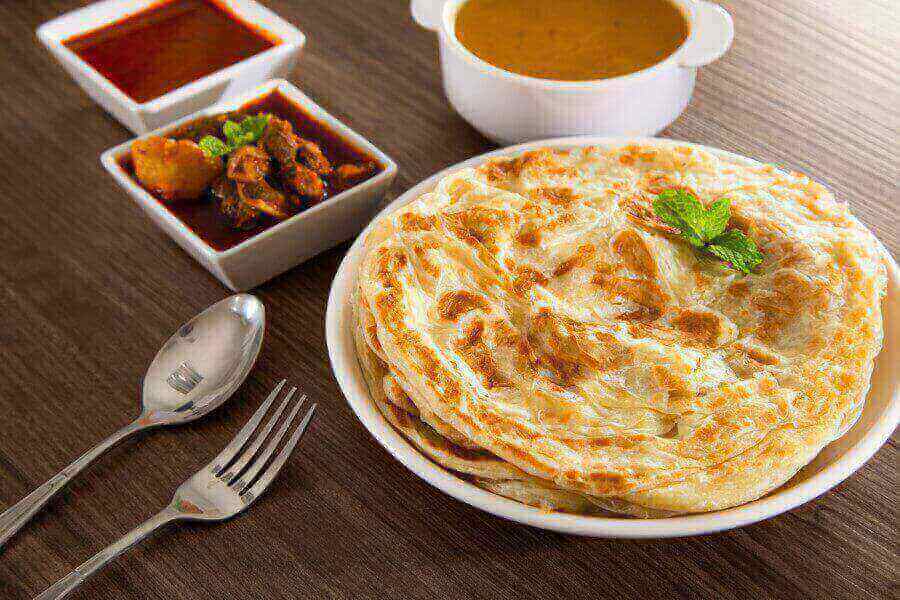
Roti Canai (The Unofficial National Bread)
Breakfast in Malaysia is also popular because of its simplicity. Roti Canai was ranked as the best street food in the world in 2022. While it has an Indian name and always gets mistaken for Indian bread, it is genuinely from Malaysia.
Roti Canai is a flat pan-fried bread that is folded in half. It has a layered texture and is very fragrant. It is flaky and crispy on the outside but soft on the inside.
This Malaysian breakfast food is often served with a creamy and spicy curry sauce for dipping and more flavor. Simple, yes; but so delicious.
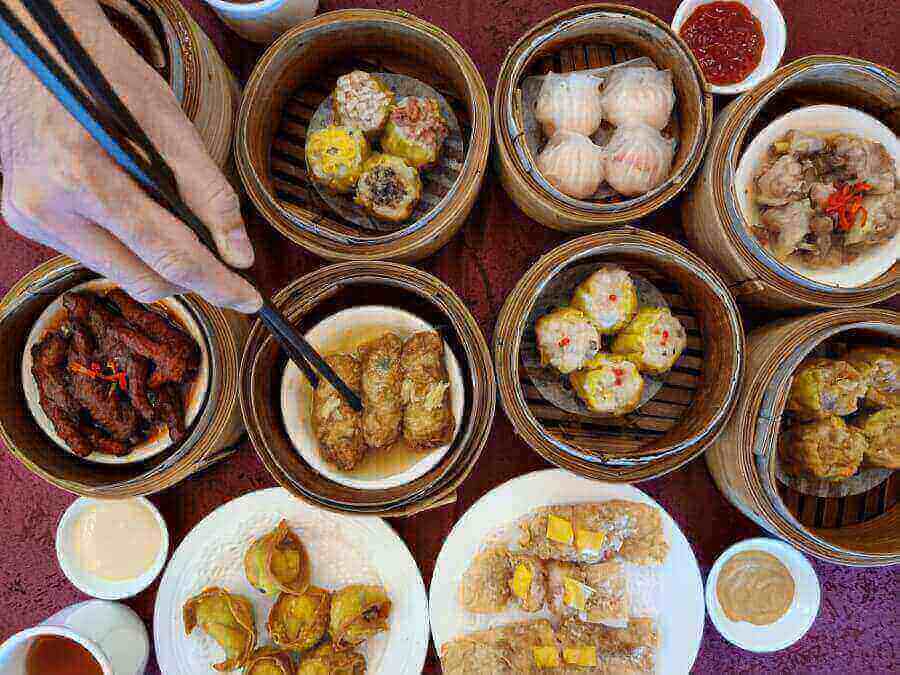
Dim Sum Dishes
Steamed buns filled with beef, chicken, pork, prawns, and vegetables are typical Malaysian breakfast foods with Chinese origins. Generally referred to under the category of “Dim Sum”, these buns can be in the form of kneaded rice dough or wrapped in a rice wrapper.
This mouth-watering Malaysian breakfast food is served in small-sized portions and placed in a bamboo basket. It is fluffy, smoky, and flavorful. It is so soft that it just melts in your mouth. You can even dip it in soy sauce or chili sauce.
Just beware, some higher-end restaurants serve them in such cute presentations that you might not even get yourself to eat them. But you will certainly get photos for your social media!
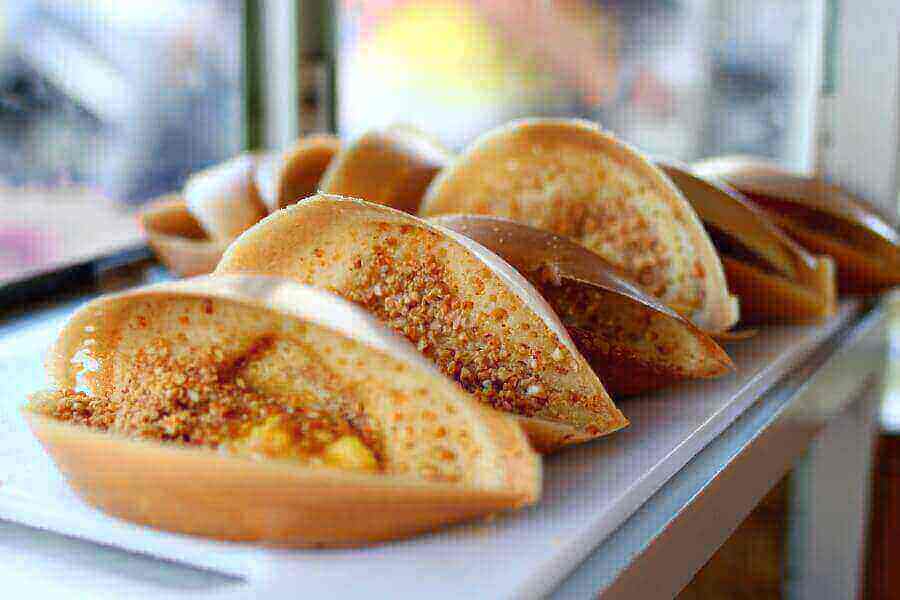
Apam Balik (Malaysian Pancake)
Like Roti Canai, Apam Balik is a popular Malaysian food. You will find that it is always sold in night markets, but is also famous for breakfast in Malaysia.
Apam Balik is a pancake folded in half with delicious filling in between the soft layers. There are often a variety of fillings available, such as sweet corn, crushed peanuts, grated cheese, sesame, or condensed milk, so you can try a few different ones.
Overall, Apam Balik has a rather nutty flavor with a sweet taste, and best of all, they are always very affordable.
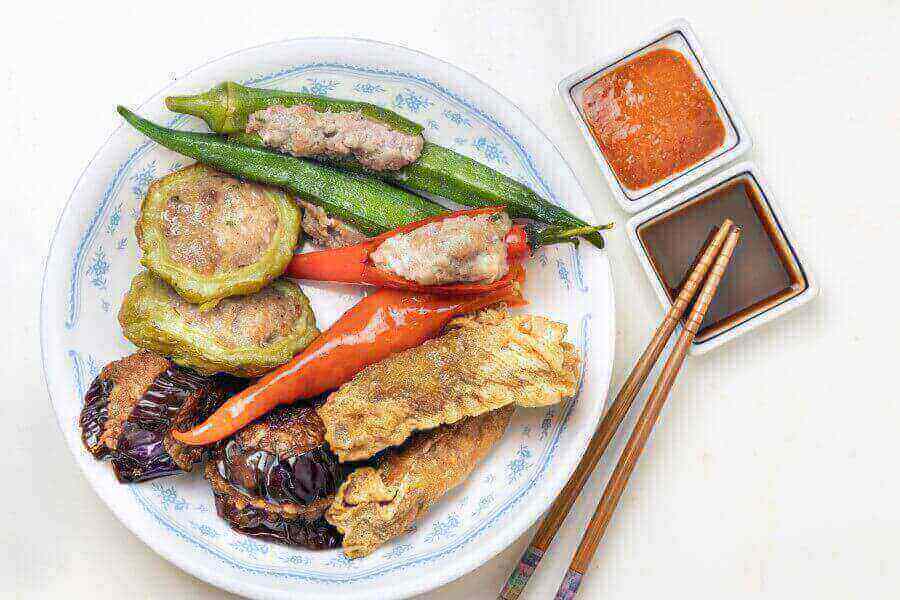
Yong Tau Foo (Stuffed Tau Foo)
Yong Tau Foo is for you if you want something healthy and filling in the morning. This is quite widely available since it is good for any meal, and you can find it in the streets of Malaysia.
Yong Tau Foo can be seen in many different forms. It can be filled with vegetables such as bitter gourd, okra, peppers, eggplant, or mushroom. The fillings can be a meat mixture or fish paste. You can also order it in soup or ‘dry’ with the soup served separately.
This healthy Malaysian breakfast can be dipped in soy sauce, chicken powder, sugar, or oyster sauce for more flavor. Breakfast in Malaysia offers lots of different options for variety.
Traditional Rice Dishes For Malaysian Breakfast
If you know you will have a long day, these heavy Malaysian breakfast foods are for you. They will fuel you up and keep you energized. Breakfast in Malaysia has numerous dishes that are paired with rice.
Nasi Lemak
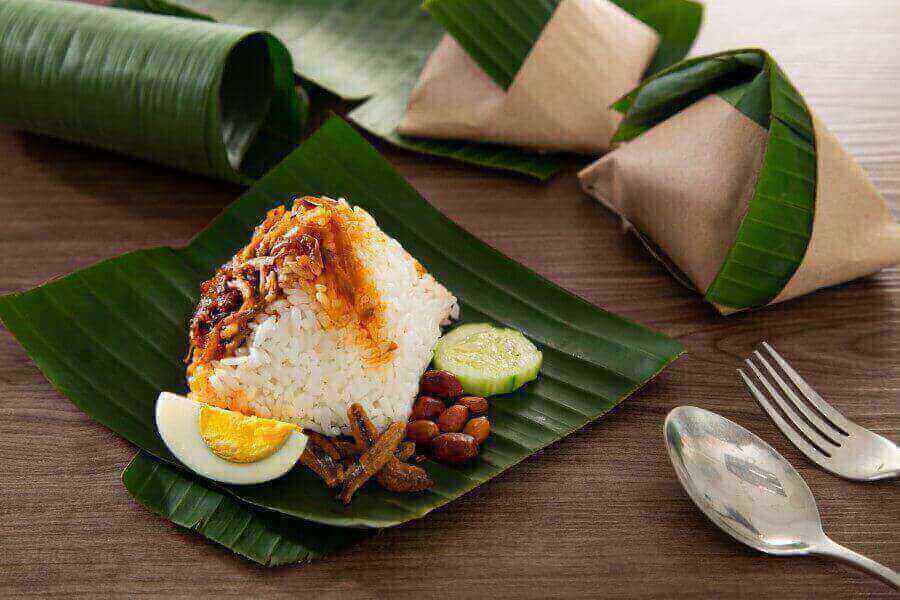
Nasi Lemak is often considered the national dish of Malaysia. Regularly consumed for breakfast, this dish is cooked in coconut milk and pandan leaf, giving it an iconic rich flavor and fragrant aroma.
Breakfast in Malaysia like this is commonly served with roasted peanuts, eggs, ikan bilis (anchovies), and sliced cucumber. This is the favorite breakfast for students because it is so convenient to eat even if you’re walking.
Nasi Lemak is served in banana leaves and wrapped in paper. You can buy it from many street vendors in Malaysia.
Nasi Goreng
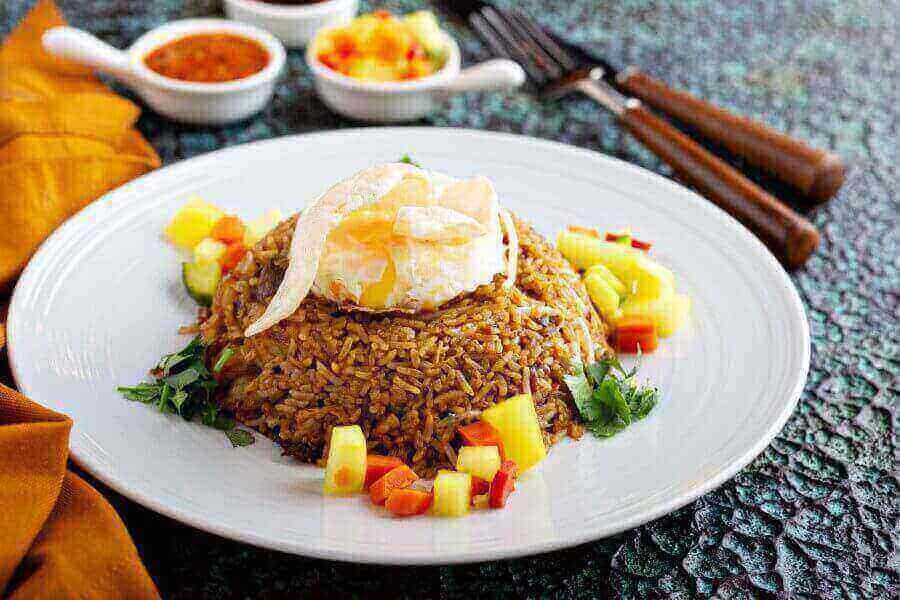
This fried rice dish from Indonesia is also widely enjoyed for breakfast in Malaysia. It is prepared in a charcoal wok to give it that intense flavor. If you ever visit street markets, you’ll love seeing hawkers cook this; also, pay attention to how you can smell the spice just oozing out.
There is good reason why this is an immensely popular Malay breakfast, or any meal for that matter. The dish is often topped with cucumber, tomato, sunny-side-up eggs, and green onions. Nasi Goreng is such a good pair with chicken satay and a mango shake.
Congee (Porridge)
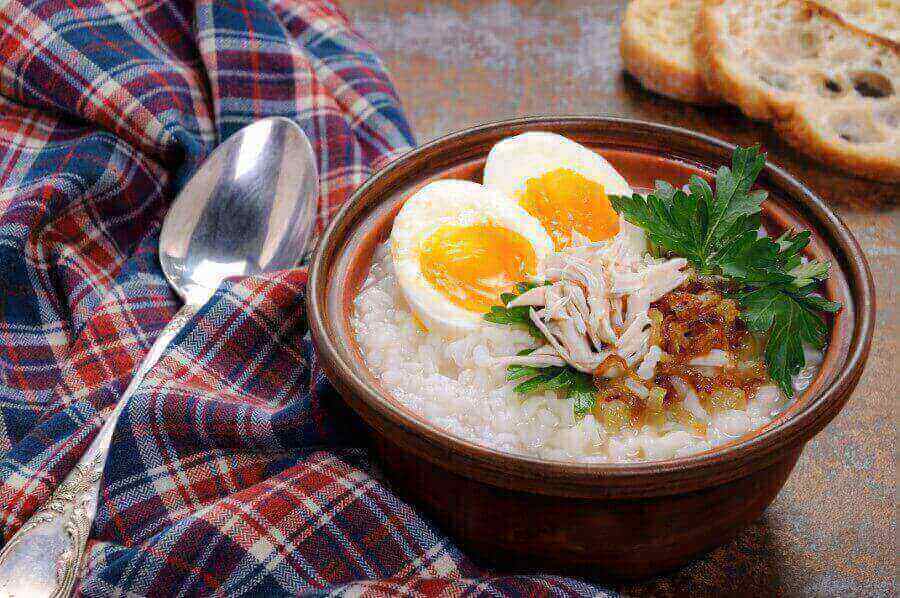
Congee is a straightforward Malaysian breakfast food. It is cooked with pandan leaves, so it is very aromatic. This is definitely for you if you want a light breakfast.
Congee is often the go-to food when recovering from cold or other illness. This is because it is light on the stomach and also helps to hydrate you.
This refreshing breakfast also provides some added health benefits. It provides protective antioxidants and can reduce constipation.
In addition, it serves as a good base to pair with other side dishes like preserved vegetables, minced meat or other foods.
Fulfilling Stews For Malaysian Breakfast
Chicken Curry With Rice
Packed with nutrients such as iron, vitamin C, vitamin B, zinc, and fiber, this is a fulfilling and hearty dish for breakfast in Malaysia. The curry has a vast, harmonious, and creamy flavor that just goes perfectly with fragrant white rice. It has a hint of sweetness from spices like cardamom.
This Malay breakfast also smells heavenly. Eating it in banana leaves with your bare hands like some locals do just makes it more delicious.
Beef Rendang
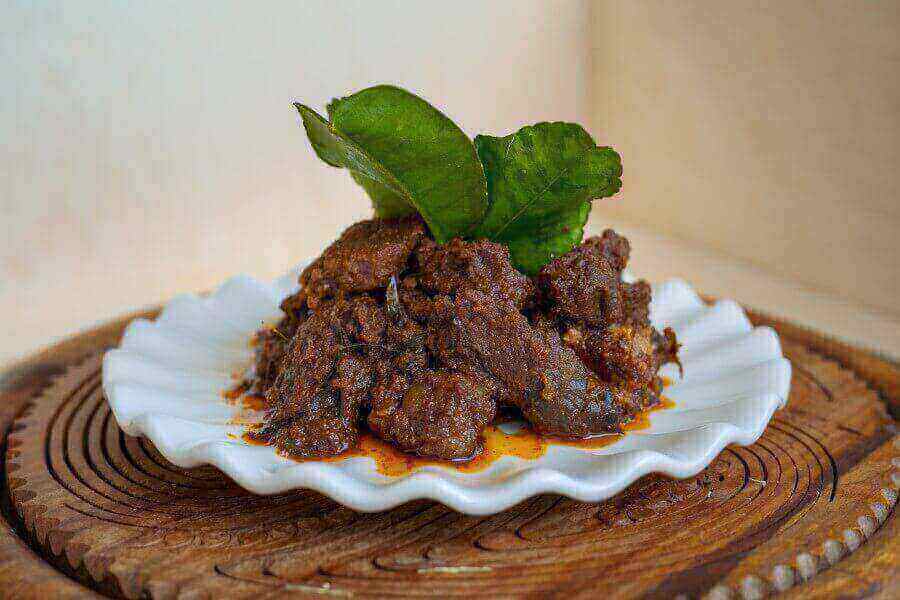
An all-time favorite Malaysian breakfast food, beef rendang is an immensely flavorful dish that requires quite a preparation. However, it’s usually available in Muslim or Indian restaurants due to its popularity.
Its cooking time differs based on the meat you’ll use. If you use buffalo cow, you’ll have to cook it for eight hours. If you use cow meat, you’ll only cook it for 4 hours. Fun and proud fact of Malaysia, this is rated as the best dish in the world by CNN.
The meat is tender, thick, and soft with a spicy, creamy sauce that goes well with rice. From the intense flavor to the post-meal satisfaction, this dish serves as such a great perk-me-up for breakfast in Malaysia.
Delish Ayam (Chicken) Dishes For Breakfast In Malaysia
Ayam Goreng (Fried Chicken)
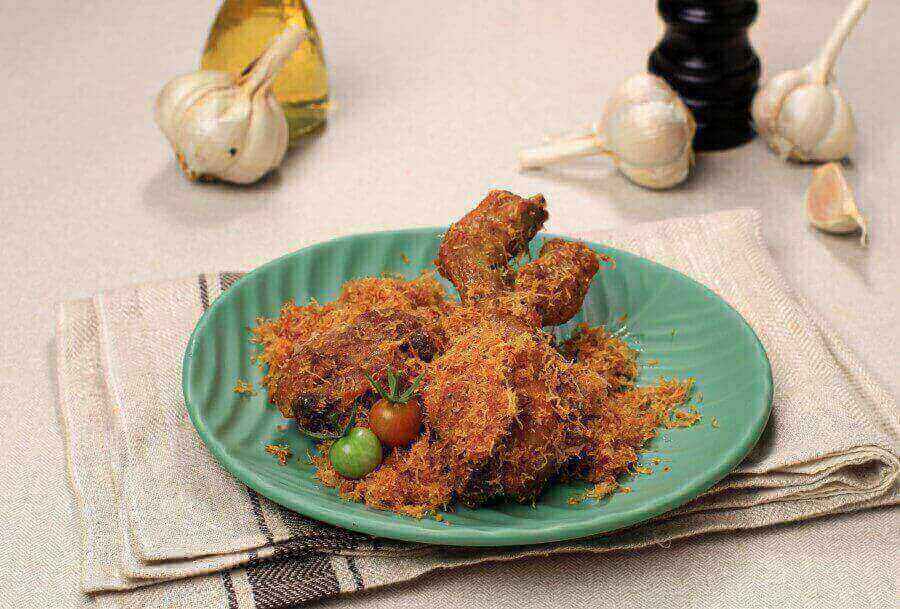
Ayam Goreng is an Indonesian and Malaysian fried chicken dish. This is a straightforward and pretty hearty dish for breakfast in Malaysia. But come on, who can resist a juicy piece of fried chicken.
A well made Ayam Goreng is full of flavor and is spicy. The skin is crispy and crunchy, while the inside is succulent and tender. Sinful, yes but oh so good.
In English, ayam kebab means chicken tortilla. As the name suggests, it is a Malaysian breakfast food wrapped in a tortilla wrapper. The tortilla is filled with grilled chicken, lettuce, cabbage, tomato, parsley, and onion.
This dish has a crunchy texture because of the toasted tortilla that wraps the stuffings. You can sometimes even hear the cracks when you eat it. That’s part of what makes it so enjoyable, in addition to the convenience of it.
Hainanese Chicken Rice
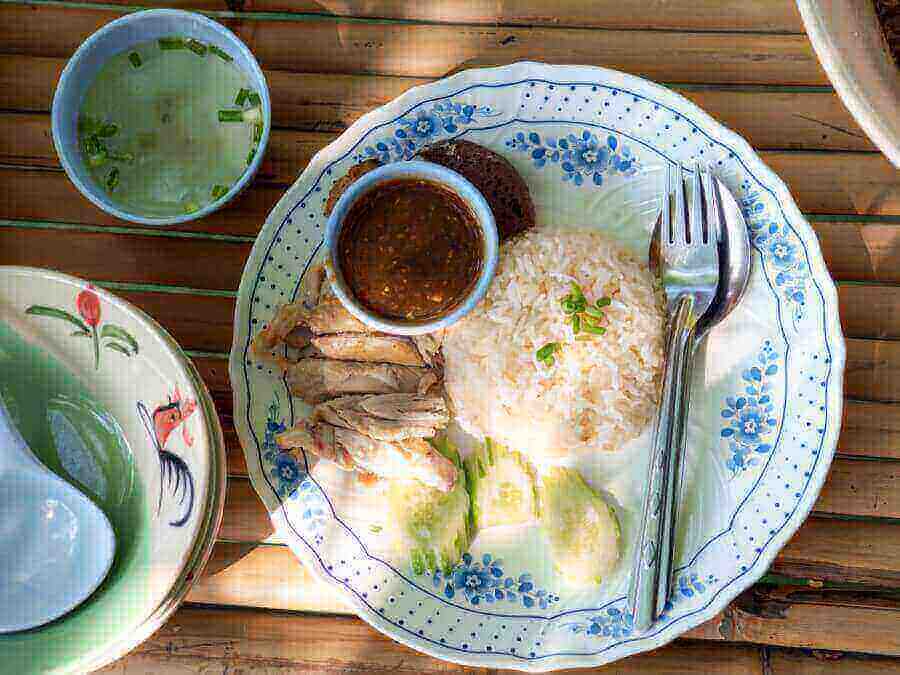
This Malaysian breakfast food looks bland, but don’t let your eyes fool you. It’s actually a delicious, flavorful delicacy with a lovely aroma.
The dish is boiled in spices, and its broth is used to cook the rice with pandan leaf. Hainanese Chicken can be dipped in soy sauce, chicken oil, or shallot sauce for extra flavor.
Ayam Percik (Roasted Chicken)
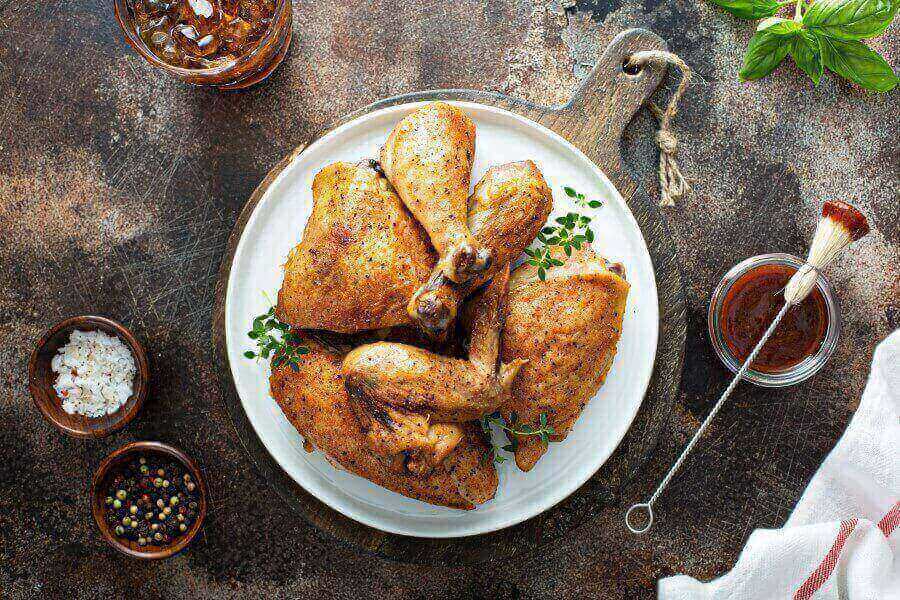
Ayam Percik is a Malaysian twist on roasted chicken. It is marinated with flavorful spices and coated with coconut milk. It is very aromatic, and the smell will seduce you into taking a bite. This Malaysian breakfast food has a savory, tangy, and spicy flavor.
Ayam Percik is a well-marinated breakfast in Malaysia that is often dipped in gravy and served with rice.
Soups And Noodles For Breakfast In Malaysia
Char Kway Teow (Flat Rice Noodles)
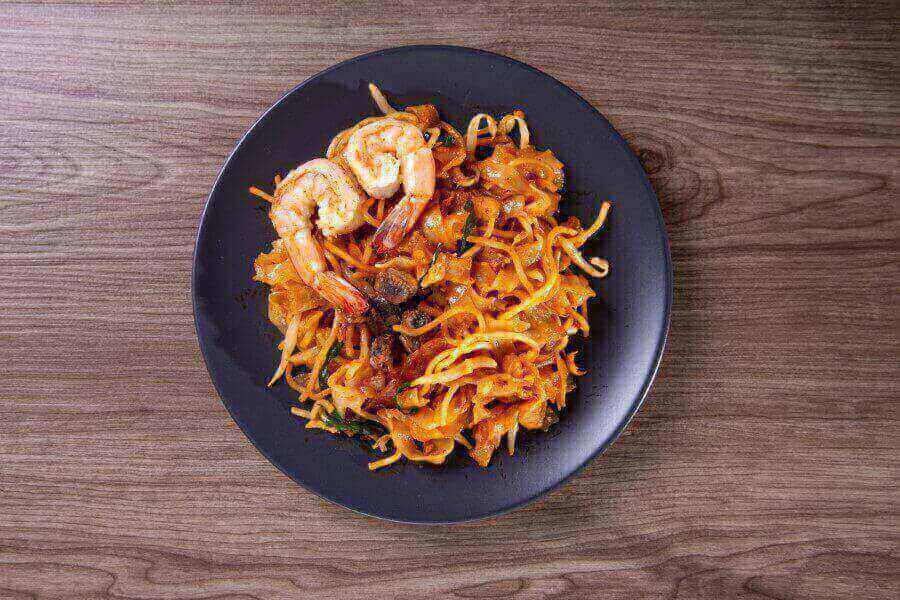
Char Kway Teow is a Malaysian Breakfast food that can be seen on almost all of the streets in Malaysia. It translates to flat rice noodles. The noodles are cooked in a charcoal wok and mixed with bean sprouts that add crispness to the dish.
Char Kway Teow is often seasoned with soy sauce and can be spicy. It is remarkably cheap and goes well with Milo Ice.
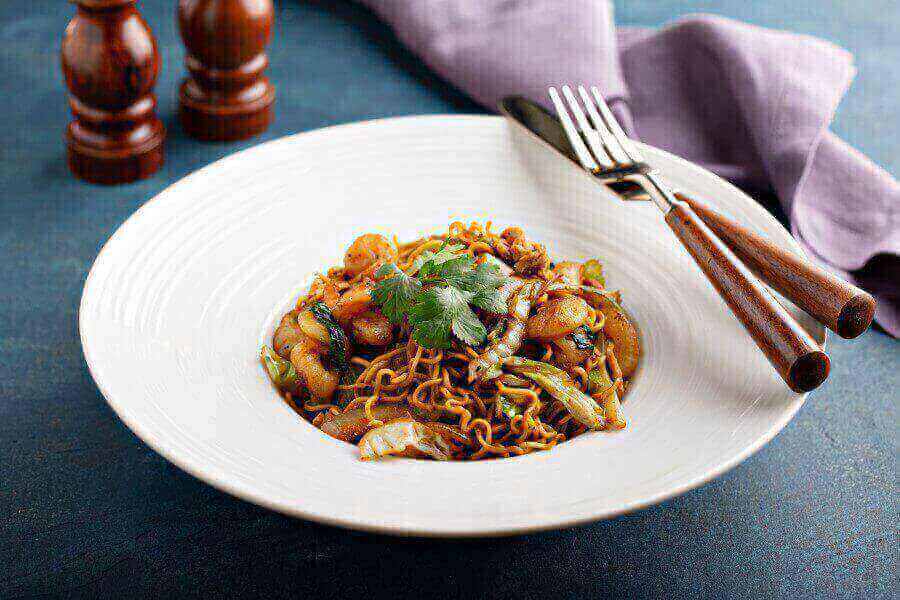
Malay Mee Goreng
Also a stir-fried noodle dish, Malay Mee Goreng is one of the easiest breakfast dishes in Malaysia to cook. It has pork belly, egg, shrimp, fish cakes and veggies.
This Malay breakfast has a sweet, spicy, and savory flavor. The noodles are very chewy and go very well with rice. Serve it with a hot green tea for a refreshing start to your day!
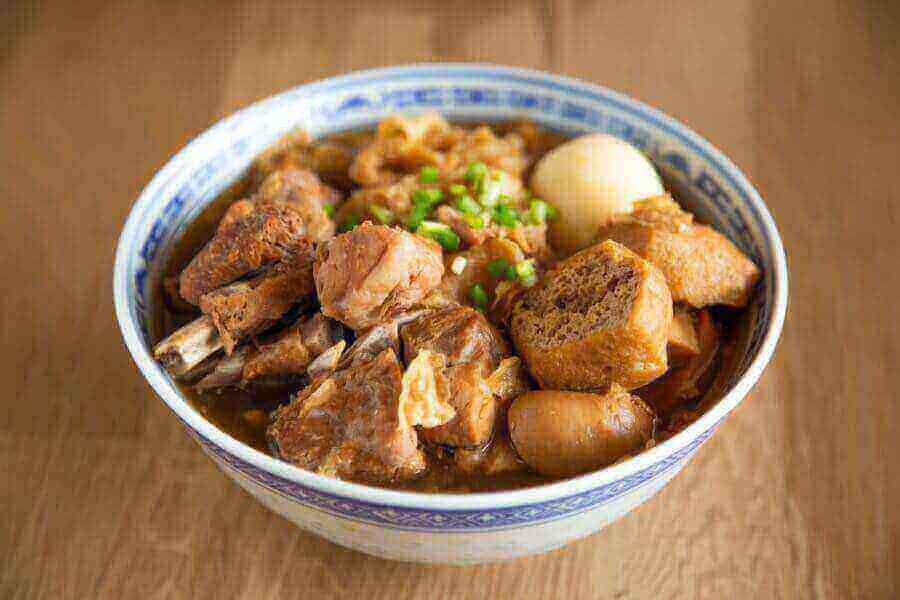
Bak Kut Teh
The next in our Malaysian breakfast menu has a yummy broth. Bak Kut Teh is the perfect breakfast in Malaysia for cold weather.
This pork rib soup originated in the 1920s. It is a tried and trusted hot soup that has kept many generations warm. It includes fragrant spices such as garlic cloves, cinnamon, star anise, fennel seeds, and coriander.
This Malay breakfast can also be eaten with rice.
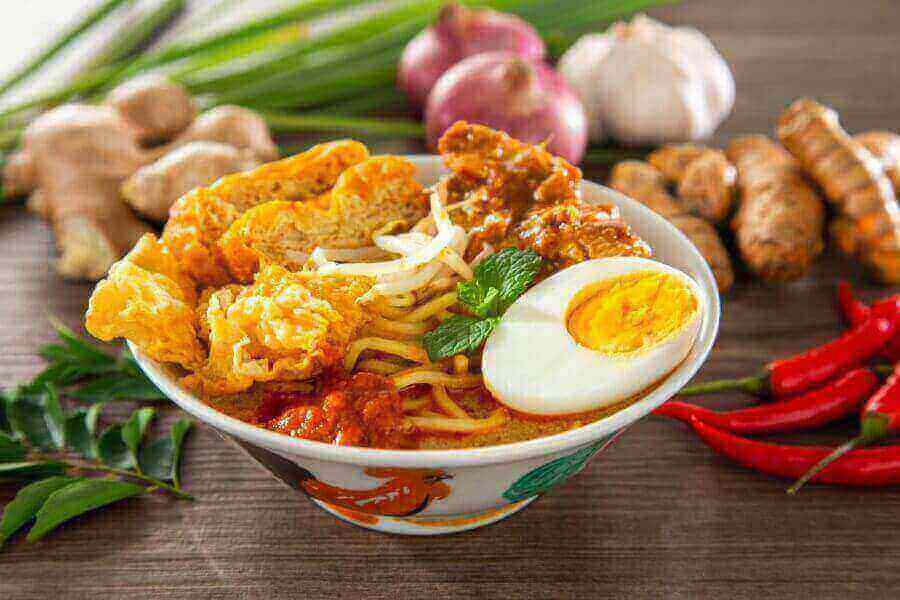
Curry Laksa
Curry Laksa is one of the most famous noodle dishes in Malaysia. It is intensely flavored and fragrant. This Malay breakfast noodle has a spicy curry-based broth with a bit of sweet and sour. The broth is very creamy and thick.
Curry Laksa is one of the healthiest breakfast foods in Malaysia. It helps aid indigestion and inflammation. It detoxifies your body and cleans the liver. It’s also a low-calorie dish packed with vitamins and minerals. Curry Laksa is a must-have Malay breakfast to add to your list.
Sweet Traditional Malaysian Breakfast Dishes
Rose Sago Cake
Rose Sago cake has a soft and fluffy texture. It is adorable and well-garnished with a mildly sweet flavor.
This traditional Malay breakfast is made from tiny tapioca pearls, rose, and panda essence and coated with grated coconut. This cake is also an excellent dish for tea time or as a dessert in Malaysia.
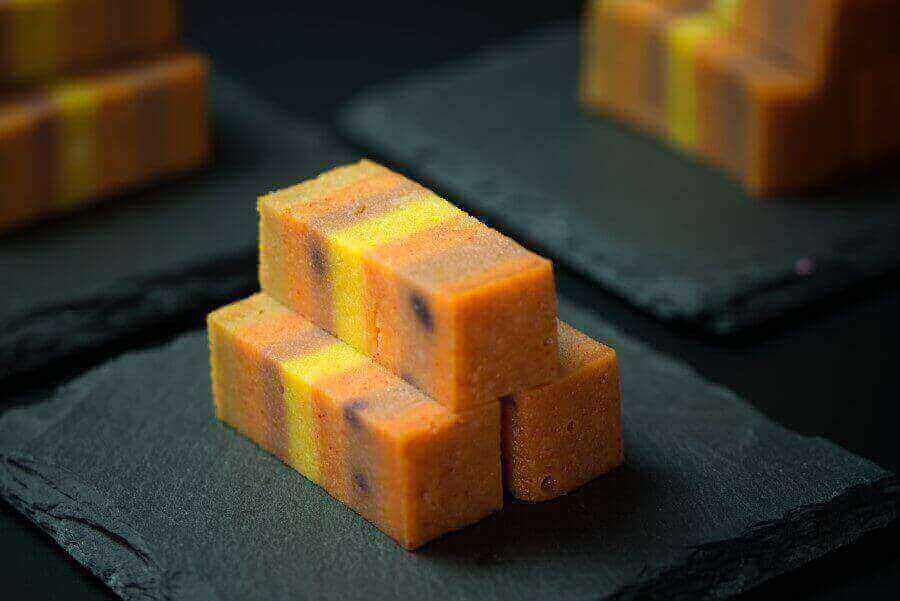
Kek Lapis Sarawak
Kek Lapis Sarawak is a Malay breakfast where art and food-making meet. This Malaysian breakfast has Dutch origins. It is a layered cake that is arranged geometrically and is very colorful.
The cake has a rich buttery flavor with a hint of vanilla. It’s perfectly moist and fluffy, but takes a lot of patience to make and is often expensive to buy. It is well worth the effort though!
Savoring Typical Malaysian Breakfast Foods
Now it’s your turn to explore the food and culture of Malaysia. As breakfast is the most important meal of the day, it’s a great place to start. Fuel yourself up before heading out to explore the famous landmarks of Malaysia.
Whether you try sweet cakes or savory soups, Malaysian breakfast foods have something for different tastes! With both international cuisines and local delights on offer, you will never run out of options to try.
Street food in Malaysia is rich in flavor and is always bombarded with different spices. It’s one of the things Malaysia is famous for. Indonesia, India, and China vastly influence Malaysian street food. Locals love rice and heavy meals, so prepare your tummy for a blast.
While there are fried and sinful dishes, what is also fascinating about Malaysia’s street food scene is also the numerous healthy options on offer. There is so much to unfold in these incredible Malaysian street foods.
Seafood Dishes In Malaysian Street Food
Ikan Bakar (Grilled Fish)
The first street food in Malaysia we want you to try is called “Iklan Bakar.” This mouth-watering fish dish comes from both Indonesia and Malaysia. This dish is cooked on a charcoal grill, resulting in a sweet, herby, and smoky aroma that will surely enhance your appetite.
The fish is grilled while wrapped in a banana leaf. Wrapping the fish in banana leaves helps contain the juiciness of the fish and to avoid burning the fish’s skin.
The resulting taste is a fusion of sweet, sour, and spicy flavors. This Malaysian street food is always accompanied by a sour sauce or soy sauce seasoned with calamansi (Philippine lime) and tomato. It also pairs well with rice.
Grilled Clam
Our next Malaysian street food is exquisite—a very gift from the sea. Grilled clam is a trendy Kuala Lumpur street food.
Vendors usually cook this dish on corrugated street metal. You can watch how this clam pops as it cooks. Be sure to listen for the funny sound it makes.
This street food has a firm and rubbery texture. Grilled clam is usually cooked in a Samba sauce, resulting in a smoky aroma and a sweet coconut flavor. This Malaysian street food only comes in one bite-sized portion, so make sure you buy a couple.
Meat-Based Street Food In Malaysia
Itik Salai Masthar (Smoked Duck Curry)
Itik Salai Masthar is a fascinating street food in Malaysia. While curry dishes are common in Asia, duck curry is rather rare. It is a combination of smoked duck and aromatic, flavorful curry.
It features the creaminess and spiciness of a curry and the smokiness of duck meat. The duck is cooked to be tender and moist, while the curry just goes superbly well with warm rice. You can even ask for more chili sauce if you like an added kick of spice.
Claypot Chicken
As the name suggests, this dish is prepared and served in a clay pot. Cooking in a sealed clay pot traps the flavors, resulting in a concentrated, deep flavor.
Claypot chicken consists of rice, Chinese sausage, and chunks of chicken. The Chinese sausage has an extra chewy and jerky texture. It is sweet and savory, with a little rose wine flavor.
This Malaysian street food is always served right after it finishes cooking, so it is always nice and hot.
Beef Rendang
Beef rendang is the national dish of Malaysia, and it steals the hearts of locals and tourists alike.
This flavorful dish has a smooth buttery taste and a thick, soft texture. It is very spicy, combined with the taste of caramelized coconut milk. The secret to this hearty Malaysian street food is the long cooking time.
Beef rendang is not just a popular breakfast food in Malaysia, but you can basically have it anytime. It pairs really well with rice as you can use it to soak up all that delish sauce.
Rice-Based Street Food In Malaysian
Nasi Kerabu (Rice Salad)
Nasi Kerabu is one of the healthy street foods in Malaysia. The main component of this Malaysian street food is the blue rice that is naturally colored by butterfly pea flowers. This dish can also include vegetables, meat, and fish.
The blue rice helps detoxify the body, enriches the skin, is anti-inflammatory, and has anti-carcinogenic properties. It also reduces the chances of obesity, diabetes, and heart disease. It’s not just healthy, it is also filling and flavorful.
Nasi Lemak
If you are into a more filling dish, this street food in Malaysia is definitely made for you. Nasi Lemak consists of rice that is cooked in coconut milk and pandan, giving it an immense aroma and taste.
It is usually served with samba sauce, roasted peanuts, ikan bilis (anchovies), cucumber and some form of protein. The roasted peanuts add a nutty flavor, while the cucumber adds a refreshing crunch. For those who love spicy food, the samba makes or breaks the dish.
Common protein sides to go along with the rice include fried chicken wings, egg or fish. Nasi Lemak is both satisfying and filling, making it a great choice for an on-the-go meal.
Soups And Noodles In Malaysian Street Food
Mee Goreng
This street food in Malaysia is also known as stir-fried noodles. It is a breakfast in Malaysia that can be prepared very quickly, making it a great choice for street vendors.
Mee goreng has a spicy, sweet, and savory taste. It is filled with chunks of chicken, shrimp, fish cakes, and sunny-side-up eggs. It also comes with spicy chili sauce for dipping.
Laksa
Laksa is a very spicy noodle dish. Students grow up with this comforting street food in Malaysia, perfect for rainy days. The noodles are very thick and chewy.
Laksa has this fried tofu puff that acts like a sponge; the perfect combination of spicy and creamy flavors bursts in your mouth when you bite it. This Malaysian street food also includes chicken, prawn, fish, bean sprouts, cilantro, lime, and egg. Laksa is undoubtedly a warm and fulfilling meal that will complete your day.
Ngiu Chap
This Malaysian street food consists of a broth with a concentrated beefy flavor. Ngiu Chap also includes thin strip beef, beef balls, and beef tendon.
Beef balls can be a source of protein, help balance hormones, and provide amino acids, making them a great and tasty option.
Ngiu Chap has a spicy and slightly sour broth. The beef strips have a firm texture, while the beef balls are soft. It has a pleasantly sour aroma.
Desserts In Malaysia Street Food
Durian Cendol
Have you ever had a Durian? Many people don’t like it because it stinks, but it has a robust and noticeable sweetness and creamy consistency comparable to cheese. It’s one of those love it or hate it fruit.
For many Malaysians, this is a delicacy; thus earning it the reputation of being the “king of fruits”. That said, many chefs try to incorporate a durian spin/version to certain pastries or desserts.
Cendol is an iced sweet dessert, so it’s a popular street food in Malaysia during warm weather. It contains green rice, wormlike pandan jelly, coconut milk, and palm sugar. The palm sugar gives a vanilla and caramel custard flavor, while the pandan jelly gives it a refreshing essence.
Durian Cendol is an enhanced version of this refreshing Malaysian dessert, topped with – you guessed it – durian. This makes the cooling refreshment extra creamy, along with the aromatic taste and smell of durian.
Cendol Ice Cream
This famous street food in Malaysia has a very refreshing taste and feel. Like Durian Cendol, this dish also includes pandan jelly, which gives it an aromatic quality.
Cendol ice cream is topped with sweetened red beans, giving the dish a nutty, earthy sweet flavor. It also has a swirl of palm sugar that gives a very gently sugary taste. If you ever see someone who sells this on the streets of Malaysia, do yourself a favor and buy one.
Tepung Delita
Tepung Delita is a petite sized street food in Malaysia that is easy to eat. This dish consists of two kuih layers: santan and pandan, made from rice flour. Kuih in South East Asia is used commonly to refer to some kind of steamed cake.
This Malaysian street food is served in a small handmade boat made with banana or pandan leaves. It’s not excessively sweet and is so fluffy and soft that it melts in your mouth. The santan layer is slightly salty, while the pandan has a creamy coconut flavor.
Tofu Pudding
Tofu pudding is another refreshing street food in Malaysia. The main ingredient here is essentially soft tofu with maple syrup. Tofu pudding is rich in calcium, iron, magnesium, and phosphorus, making it a rather healthy option.
To make it more fancy, this Malaysian street food can also be topped with boiled mochi balls, brown sugar bob, and sweetened red beans. It works as a versatile base to accommodate other toppings.
The cooked mochi balls have a sweet filling and are very chewy. The sweetened red beans give the tofu pudding a nutty and earthy flavor. The combination of flavors complement each other well.
Fried Ice Cream
What!? Fried ice cream? Yes, you heard that right. While it might sound peculiar to many, this is actually a dessert you can find in other parts of the world such as the United States.
This street food of Malaysia has an intriguing fusion of texture. It is warm, crispy, and crunchy on the outside but cold, soft, and moist inside. Fried ice cream can be topped with whipped cream and chocolate drizzle. Refreshingly sweet, right?
Snacks In Malaysian Street Food
Roti Canai
This street food in Malaysia is the unofficial national bread of Malaysia. You can find it practically everywhere. It was ranked the second-best Street Food in the world in 2022.
Roti Canai is a layered flat bread typically dipped in dal sauce. It is soft on the inside and flaky on the outside and has an eggy and buttery flavor.
Otak-Otak
Otak-Otak is a Southeast Asian pancake. This Malaysian street food’s name comes from the Malay word forbrain. This is a grilled mixture of fish wrapped in banana leaves. The fish mixture includes chopped onions, coconut milk, herbs, spices and eggs.
The taste is similar to that of fish cakes, only grilled. Otak-Otak is a mouth-watering treat that can’t be missed.
Paniyaram
Have you ever tried eating fried dumplings? Well, if not, this is for you. Paniyaram is a dumpling street food in Malaysia that is not steamed, but deep fried.
Although this is an Indian dish, this is widely sold as a street food in Malaysia. It is a savory nutritious snack filled with protein. Paniyaram is a low-calorie dish, high in fiber and low in fat.
Kuih Bingka Ubi (Baked Cassava/Tapioca Cake)
Are you looking for gluten-free Malaysian street food? If so, this is one dish to try!
Kuih Bigna Ubi is also known as baked cassava or tapioca cake. It is a Malaysian street food that originated from the Nyonya cuisine. Made with grated cassava and coconut mixture, it is immensely fragrant and moist.
This jiggly cake has a not-too-sweet, earthy, milky, and nutty flavor and a nice texture that pairs perfectly with a hot cup of tea.
Ngunya Pulut Ini
This traditional Malaysian food is surprisingly tiny. You can see Ngunya Pulut Ini in the streets wrapped in banana leaves. This delicious street food in Malaysia consists of steamed sticky rice garnished with coconut toppings.
Ngunya Pulut Ink is very aromatic yet minimalistic. It is an excellent simple snack to savor in the streets.
Exploring The Diverse Street Food In Malaysia
The street food scene is undoubtedly one of the most exciting facts about Malaysia for every traveler. They are not just cheap and convenient, the wide range of dishes reflect the diversity in the cultural fabric of the country. From heart-warming soup and noodle dishes to bite-sized snacks, there is plenty to sample and savor.
You can just get a refreshment while visiting the famous Malaysian landmarks, or totally fill up your stomach just on the streets of Malaysia. Many even consider this to be the main food scene since it is so localized. Be sure to spend some time plying the street food markets in the different cities when you visit.
When trying famous Malaysian food, make sure you don’t skimp on dessert! Malaysian desserts are to die for. They even have sweet soups to try!
Between the cakes, the cookies, and all the other delicious pastries, we’ve got you covered. Here are some of the top desserts in Malaysia to try.
Malaysian Cakes For Dessert
Banana Cake
The first Malaysian dessert that we’re going to recommend you to try is the all-time favorite banana cake. This dessert in Malaysia is popular all over the world mainly because it is frequently served at weddings, anniversaries, and birthdays. Its origin isn’tknown but it is believed to be popularized by countries such as Malaysia, Indonesia, China, Vietnam, and North America.
Banana cake has a fluffy, moist texture. Note that banana cake and banana bread are different from each other. Banana bread is in a loaf form, but banana cake is multi-layered.
Compared to banana bread, Banana cake has a royally luxurious look. It is topped with white frosting, nuts, bananas, powdered sugar, and drizzled caramel. It has a strong banana flavor paired with a rich nutty taste and a hint of bitterness (in a good way).
Ang Ku Kueh (Red Tortoise Cake)
Ang Ku Kueh is an excellently simple but delicious dessert in Malaysia. This is one of the traditional Malaysian desserts which originated from China.
What’s interesting is that Ang Ku Kueh kind of translates to Red Tortoise Cake in English. This pastry is shaped like a tortoise, and the animal symbolizes longevity and prosperity in Chinese culture. That is why you will sometimes see this on ritual offering tables as well.
Ang Ku Kueh is steamed on a piece of banana leaf. This Malaysian dessert has soft, sticky skin. But don’t worry; it doesn’t really stick to your teeth.
The traditional color of this Malaysian dessert is red and orange, but nowadays you can buy it in every color you want. The best part about this Malaysian cake is its mung bean filling that gives a nutty and sweet taste.
Kuih Bingka Ubi Kayu (Cassava Cake)
Kuih Bingka Ubi Kayo is translated into English as cassava cake. As indicated by the name of this Malaysian dessert, the main ingredient is grated tapioca or cassava.
Cassava is cooked in fresh coconut milk, giving this Malaysian cake a vibrant creamy taste. Cassava cake has a mild sweetness and a milky, earthy, slightly nutty flavor. It is fragrant and chewy with a crunchy crust.
Kuih Bingka Ubi Kayu is more conventional during tea time. Fun fact, cassava is rich in vitamin C, thiamine, riboflavin and niacin. Who knew cake could be good for you too?
Kuih Sagu (Rose Sagu Cake)
Kuih Sago has an elegant, cute, and very feminine appearance. This Malaysian sweet is colored pink and topped with white and creamy grated coconut. It is also bite-sized and served in a banana leaf.
Kuih Sago is one of the famous traditional desserts in Malaysia, so it is sold everywhere in the country. This Malaysian sweet has a soft, bouncy, and wobbly texture. It smells a lot like rose and a bit of pandan essence.
Banlulu (Egg Sponge Cake)
Banlulu is a tiny, finger-food-sized cake. There are three popular variations that only vary in shape: Cermai Banlulu is a star-shaped cake, Gulung is rolled, and Lapis is layered. Banlulu is a traditional Malaysian dish always served during festivals and weddings.
Bahulu has a slightly dry texture with a crunchy outside. It is very soft inside and tastes sweet and eggy.
This beautiful Malaysian cake is good when you’re eating outside, like having a picnic or going to school, because it is very convenient to bring. Banlulu is an adorable must-eat dessert in Malaysia.
Kuih Deri Muka
Kuih Deri Muka is a popular street food you can find almost anywhere in Malaysia. Kuih means cake. Due to its very smooth surface, this cake is dubbed deri Mika, which means ‘pretty face’.
This Malaysian dessert has two parts. The bottom consists of glutinous rice cooked in coconut milk, making it dazzling white and creamy. The top is a milk custard flavored and naturally colored by pandan, giving a vibrant green color and refreshing fragrance.
Pulut Inti
Pulut Inti consists of plentiful white glutinous rice and sweetened grated coconut. It is wrapped in a banana leaf and cooked by grilling. It is an everyday Malaysian dessert that can be served part-time as breakfast and snack.
You can eat this while walking to school or take it out when you’re late for work. This dessert is a trendy Malaysian cake, so it is everywhere in Malaysia.
Pastries In Malaysia Desserts
Bakeries are great spots to find various desserts in Malaysia that include pancakes, crepes, buns, and deep-fried snacks.
Kuih Dadar Gulung (Kuih Ketayap)
Kuih Dadar Gulung is a sweet coconut pancake. In Malay, “Dadar” means omelet or pancake, while “Gulong” means roll. It looks like a green tortilla.
This Malaysian sweet is popular in many other countries such as Indonesia, Brunei, Singapore, and Sri Lanka. The wrapper of this Malaysian dessert is made from glutinous rice flavored and colored by pandan leaves. It has a refreshing essence of pandan. The filling consists of grated coconut caramelized with palm sugar.
The overall look of this Malaysian dessert is elegant and pleasing. The taste of pandan and caramelized fillings complement each other well. Kuih Dadar Gulung is perfect for formal occasions.
Coffee Bun (Papparoti)
The coffee bun originated in Malaysia but is also popular in Mexico. It is so prevalent in Mexico that it is known widely as Mexican bread.
The coffee bun is heavenly soft and fluffy, like eating a cloud. It is coated in coffee, giving it a distinct and perky aroma. It has a rich buttery taste and is best enjoyed freshly baked while still warm.
With a crispy crust and soft interior, it is no surprise that this is a popular favorite. Some bakeries even make it with a nice coat of butter inside. Even though it is already coffee-flavored, this pastry is best paired with a cup of warm coffee.
Cekodok
This Malaysian sweet is a traditional fritter of Malaysia shaped like a ball. Cekodok is also popular in Indonesia and Brunei.
Its main ingredient is overripe bananas. It doesn’t require any extra sugar, as the overripe bananas sweeten the dish enough themselves. Coconut milk is the secret ingredient that makes this dish so creamy.
The texture of Cekodok is excellent. It has a brown crunchy outside and soft inside. This dessert is perfect for teatime and breakfast in Malaysia.
Dodol
Our next must-try Malaysian dessert is incredibly delicious. It originated in Indonesia but is popular in various countries such as Malaysia, Singapore, Brunei, the Philippines, and Sri Lanka.
Dodol is made from coconut milk, coconut jaggery, rice flour, and palm sugar. It often comes in either a triangle or stick-like shape. The preparation for this dish requires constant vigilance so the milk doesn’t burn.
Dodol has a sticky and chewy texture and tastes similar to caramel thanks to its palm sugar base.
The best part of this Malaysian dessert is it has a long shelf life. You can store this in a refrigerator for a maximum of 9 days.
Kek Lapis Sarawak
Kek Lapis Sarawak is a beautiful, colorful, and fantastically patterned multi-layered cake. This traditional Malaysian dessert has a soft and wobble texture. It’s moist and buttery with a little bit of a vanilla taste.
Kek Lapis Sarawak is a famous street food in Malaysia, so it can be found everywhere. The attractive visual often draws visitors to try them, and they are a work of art in their own right. They may be slightly more costly, but we assure you it’s worth every penny.
Goreng Pisang
Goreng Pissing is a popular dessert and street food in Malaysia and many other Southeast Asian countries. It is a banana coated in a thick batter and deep-fried. Typically, it is also sprinkled with sugar.
The saltiness of the batter perfectly complements the sweetness of the banana. It has a firm crust and a soft inside. Goreng Pissing is a common snack sold by street vendors all over Malaysia.
Apam Balik
Apam Balik is a traditional Malaysian pancake. This dessert is usually seen in night markets but is also an excellent breakfast. The flavorful and filling nature makes it famous in Malaysia among both locals and travelers.
Apam balik has a soft and fluffy texture. The filling consists of sweet corn, crushed peanuts, and sugar. It is sometimes topped with white frosting, grated cheese, chocolate drizzle, sesame seeds, and condensed milk.
Apam Balik is a delightful Malaysian dessert—a pancake on a whole different level.
Malaysian Cookies
Kuih Bangit (Tapioca Coconut Cookies)
This Malaysian cookie has a well-known minimalist appearance. It originated in Malaysia. Kuih Bangit means “to rise”. The rising of the bread while in the baking process is super magical to watch
This Malaysian cookie has a pale range of colors from white to yellow to brown. It is richly creamy, sweet, and crispy. It is also low in calories, so feel free to eat as many as you like!
Kuih Ros (Rose Cookies)
Kuih Ros, or rose cookies, are tiny, beautiful Malaysian Desserts. As the name suggests, the cookies are shaped like small flowers. They are very crispy and have a sweet, milky taste.
These are popular snacks during festivals like Chinese New Year, where you will find vendors sell whole container of them at street markets. Nevertheless, Kuih Ros are also perfect for a quick breakfast in Malaysia. They pair really well with coffee, especially when freshly fried.
Soup And Porridge Style Malaysian Desserts
Bubur Cha Cha
Bubur Cha Cha originated from Nyonya, China. It is popular in countries such as Indonesia, Malaysia, and Phuket. Bubur Cha Cha is a popular Malaysian breakfast food, but you can also have it as a snack.
It consists of pearl sago, yams, sweet potatoes, coconut milk, bananas, pandan leaves, salt, and sugar. This dessert in Malaysia has a sweet and creamy taste. The smell of pandan is immensely refreshing, and the pearl sago is very chewy. You can either eat this hot or cold.
Pulut Hitam (Black Glutinous Rice Sweet Soup)
Pulut Hitam is a black-sweetened porridge that is topped with dazzling white evaporated milk or coconut milk right before serving. The base ingredient here is glutinous rice which makes it a rather filling dessert in Malaysia.
The aromatic porridge draws more flavor from the pandan leaves used during cooking, while the gula melaka gives it extra sweetness. It is an excellent source of fiber and anthocyanins with a thick and gooey texture.
This dessert takes quite a bit of effort to make due to the slow-cooking process to achieve the thick consistency. It is served warm and is perfectly satisfying to eat during the rainy and winter season.
Tau Fu Fah (Soybean Pudding)
Tau Fu Fah is the Cantonese term for soybean pudding. This refreshing and healthy dessert can be enjoyed warm or cold. It is very light and literally melts in your mouth as you slurp a jiggly spoonful of it in.
This Malaysian dessert also has a nice cooling effect. You will often find vendors pairing it with palm sugar and fresh ginger to extra sweetness or flavor. Similarly, soybean pudding can be used as a base for other toppings like tapioca balls, boboa or blend with grass jelly.
Tang Yuan
Tang Yuan is a warm dessert frequently eaten during the Winter Solstice and Lantern Festival, reunions, weddings, and birthdays. It is believed that you should have the same number of mochi balls as your age on your birthday.
Tang Yuan consists of boiled mochi balls in warm sweet ginger syrup. The mochi balls are soft, gooey, and chewy. It’s incredibly tasty and some love to eat this every single day.
Lee Chee Kang (Sweet Lotus Soup)
These Malaysian desserts include dried lotus seeds, longans, lily bulbs, dried persimmons, and malva nuts. The dried lotus seeds have a sweet and mildly bitter flavor. The dish has a crunchy and chewy texture. The dried persimmon has a concentrated fruity flavor and sweet taste like honey.
This Malaysian dessert is also very healthy. It can reduce body heat, improve blood circulation, nourish skin, and improve digestion.
Cold Malaysian Desserts
Ais Kacang
Ais Kacang is a tremendously popular cold Malaysian dessert. It is always on the must-eat list of tourists from all over the world.
Ais Kacang is made from shaved ice drizzled with palm sugar and topped with red beans, sweet corn, peanuts, agar-agar, and attap chee. You can complete this with ice cream, evaporated milk, or condensed milk.
This dish has a rich nutty flavor with pandan essence and milky sweetness. The jelly is so fluffy, soft, and wobbly. Ais Kacang is incredibly delicious when the weather is warm.
Durian Cendol
This Malaysian dessert is very pleasing to the eye. It contains shaved ice, green rice, worm-like pandan jelly, coconut milk, palm sugar syrup, and durian fruit.
Fun fact, Cendol was once served without ice because Malaysia didn’t have a definite source of ice. It was only served with ice when Malaysia was able to acquire ice through Britain.
This dessert has a cold, milky, and nutty flavor. It also smells excellent, thanks to the pandan.
Drinks For Desserts In Malaysia
Teh Tarik
Teh Tarik comes from the word ‘Teh’, referring to ‘tea’, and ‘Tarik’, which combines to mean ‘pulled tea’.
The name comes from the way the tea is prepared. It is poured to and fro between two metal cups, with increasing distance, thus resembling a pulling motion. This technique used to make Teh Tarik creates foamy little bubbles on the top.
Teh Tarik is made of black tea, sugar, and condensed milk. It creates a unique drink that is creamy, sweet, and has less caffeine than coffee.
This Malaysian dessert is the national drink of Malaysia but is also popular in other countries such as China and India.
Air Bandung (Sirang Bandung)
This Malaysian dessert is well-loved in countries like Singapore and Brunei. Air Bandung is an excellent drink. It contains evaporated milk or condensed milk and rose syrup.
It has a luscious sweet and creamy taste. Because of the rose syrup, this Malaysian dessert is pink and smells like a flowery rose.
Many people prefer it with spicy food. Most Malaysian dishes paired with rice are super spicy, so Air Bandung will significantly help you take that spiciness.
Buah Jamba Juice (Ambarella Juice)
Ambarella is a tropical fruit from Southeast Asia. It is a healthy with various benefits, such as improving the digestive system, helping hydrate your body, faster wound healing, boosting immunity, and aiding weight loss.
The fruit features a sweet taste with a hinge of spicy. It also has a mild sour or acidic taste like pineapple or green mango.
Buah Jamba juice is not too sweet when the ice is added. It has a hint of sourness. This Malaysian dessert can be seen in most food stalls in Malaysia. People also use this to treat throat infections.
Discovering Traditional Malaysian Desserts
These fantastic Malaysian desserts are meant to be enjoyed. They make for a great refreshment while exploring the different landmarks in Malaysia. These delights offer a journey through Malaysian culture unlike anything else.
Whether you are trying sweet soups, crunchy cookies, or beautiful cakes, Malaysia will have a dessert for you. You will even find stories and culture behind some of these visually beautiful and incredibly flavorful treats!
PIN THESE MALAYSIAN DESSERTS AND SWEETS FOR LATER!
Jamaica, with its vibrant culture and rich culinary heritage, offers a delightful array of Jamaican breakfast foods that showcase the island’s unique flavors and traditions.
Influenced by a diverse history that includes the indigenous Taino people, African and European settlers and Indian laborers, Jamaican breakfast dishes boast a delightful fusion of flavors and ingredients.
Whether it’s the hearty and spicy ackee and saltfish, the sweet and fluffy bammy, or the flavorful callaloo and saltfish, every bite of Jamaican food takes you on a culinary journey.
What Makes Jamaican Breakfast Special?
Breakfast foods in Jamaica are unique due to the island’s rich cultural heritage and diverse culinary influences. Jamaica is known for its delectable Jamaican pastries and starters, offering an enticing array of snacks and delights.
One of the key factors that make Jamaican breakfast special is the use of local and tropical ingredients.
Each dish tells a story of Jamaica’s vibrant history, reflecting the resilience and creativity of its people. Interesting facts about Jamaica are woven into the flavors and traditions of Jamaican breakfast, making it a delightful and educational experience.
Versatile Jamaican Breakfast Foods
Fried Dumplings
Fried dumplings, commonly known as “Johnny Cakes,” hold a special place among Jamaican breakfasts, with their irresistible golden-brown crust and soft, fluffy interior. The dough is carefully shaped into small balls and skillfully fried until it achieves the perfect balance of crispiness and puffiness.
In Jamaica, dumplings are a beloved and versatile addition to the traditional Jamaican breakfast menu. These delectable dumplings can be enjoyed in various ways, whether as a delightful accompaniment to savory dishes like ackee and saltfish or simply as a delicious treat with a spread of butter and jam.
Bammy
Bammy, a beloved addition to Jamaican breakfasts, is crafted from grated cassava, carefully squeezed of excess moisture. The cassava pulp is then skillfully shaped into flat cakes and either baked or fried to a delightful golden brown.
As a traditional Jamaican flatbread, bammy traces its origins back to the Arawak people, who introduced cassava, a versatile root vegetable, to the island.
Today, this versatile and delicious flatbread continues to hold a special place in Jamaican breakfast foods, showcasing the rich cultural heritage and culinary creativity of the island.
Porridge-Based Jamaican Breakfast
Jamaican Porridge
Jamaican porridge is a beloved breakfast in Jamaica that offers a comforting and nourishing start to the day.
The classic cornmeal porridge is made by cooking cornmeal with water or milk, enriched with the sweetness of condensed milk, and spiced with delightful flavors like nutmeg and cinnamon.
On the other hand, plantain porridge, a variation on the original, involves blending ripe plantains with water or milk sweetened with sugar or condensed milk, resulting in a creamy and flavorful porridge.
Both versions of Jamaican porridge provide a hearty and satisfying breakfast that warms the soul and energizes the body.
Porridge holds a special place for breakfast in Jamaica, drawing its culinary roots from both African and European traditions. Across Jamaica, a variety of porridges are relished, but cornmeal and plantain porridge stand out as cherished favorites.
Peanut Porridge
Peanut porridge is a creamy and nutty delight, forming an integral part of a traditional Jamaican breakfast. The process involves grinding roasted peanuts and cooking them with either water or milk.
Sweetened with sugar or condensed milk and enhanced with the fragrant notes of nutmeg and vanilla, peanut porridge delivers a warm, satisfying breakfast option that captivates the taste buds.
Hominy Corn Porridge
Hominy corn porridge, a delightful traditional Jamaican breakfast, is a wonderful and nourishing dish made by cooking corn with water or milk until it thickens to a creamy consistency. Sweetened with sugar or condensed milk and infused with aromatic spices, hominy corn porridge offers a comforting and satisfying breakfast option that is sure to warm the soul.
This popular porridge is a staple in the traditional Jamaican breakfast, reflecting the culinary influences of African and Caribbean cultures that have shaped the island’s cuisine over the years.
Sweet Jamaican Breakfast Foods
Cornmeal Pudding
Cornmeal pudding is a delicious addition to Jamaican breakfasts, offering a comforting treat to start the day. Mixing cornmeal with luscious coconut milk, aromatic spices, and sweeteners like sugar or molasses creates a tantalizing blend of flavors.
Cornmeal pudding remains a beloved part of typical Jamaican breakfasts, reflecting the island’s rich cultural heritage and the enduring appreciation for its flavorful and soulful culinary traditions.
Fried Plantains
Fried plantains are a popular breakfast accompaniment. Ripe plantains are sliced and fried until they develop a caramelized exterior and a tender and sweet interior. Fried plantains are a versatile addition to Jamaican breakfasts, complementing both savory dishes like ackee and saltfish and sweet dishes like Jamaican porridge.
Plantains were introduced into Jamaican food during the colonial era and quickly became a staple in Jamaican cuisine.
Coconut Drops
Coconut drops are small, sweet treats made from grated coconut, brown sugar, and spices like ginger and nutmeg. The mixture is boiled until it thickens and then dropped onto a greased surface to cool and set. The resulting candy is chewy, fragrant, and bursting with coconut flavor, making it a delightful Jamaican breakfast snack.
Coconut drops have their roots in African and Caribbean traditions. They celebrate the use of coconut, a prominent ingredient in Jamaican desserts.
Roast Or Fried Breadfruit
Roast breadfruit is a staple in a traditional Jamaican breakfast, offering a hearty and flavorful experience. The breadfruit is roasted until its skin turns charred and blackened, infusing the tender and starchy flesh with a delightful smokiness.
This delectable dish is typically served alongside various accompaniments, such as fish, meat, or vegetables, creating a wholesome and satisfying morning meal.
Introduced to Jamaica during the colonial era as a potential food source for enslaved Africans, breadfruit soon became an essential element of Jamaican cuisine.
Its adaptability and versatility made it a valuable addition to the local diet, eventually evolving into the beloved and time-honored roast breadfruit dish enjoyed as part of a traditional Jamaican breakfast.
Gizzada
Gizzada, a popular Jamaican breakfast pastry, is a small, pinched tart filled with a delectable mixture of grated coconut, aromatic spices like nutmeg, and sweeteners such as brown sugar or syrup.
The delightful combination of the crisp crust and the flavorful coconut filling creates a delightful contrast of textures and tastes, making gizzada a favorite treat for breakfast and dessert alike.
This traditional Jamaican pastry showcases the island’s fondness for coconut-based sweets. With its unique blend of flavors and its versatility as both a breakfast and dessert option, gizzada has become a beloved part of the traditional Jamaican breakfast, adding a touch of sweetness and indulgence to the morning meal.
Sweet Potato Pudding
Sweet potato pudding, one of the best examples of a simple and delicious Jamaican breakfast, is made by grating sweet potatoes and combining them with coconut milk, spices, and sweeteners like sugar or molasses.
The mixture is then baked until set, resulting in a dense and flavorful pudding with a slightly chewy texture. Sweet potato pudding is a comforting and satisfying breakfast option that celebrates the island’s love for sweet potatoes and coconut.
Sweet potato pudding is a beloved traditional Jamaican breakfast dish with a history rooted in African and Caribbean culinary traditions.
Savory Jamaican Breakfast Foods
Ackee And Saltfish
Ackee and saltfish are one of the most enjoyable Jamaican breakfasts. The ripe ackee fruit reveals creamy, yellow flesh with a mild, buttery taste, perfectly complementing the sautéed salted codfish.
Onions, tomatoes, peppers, and spices add depth to the dish, while fried plantains and dumplings enhance the overall experience, making it a true representation of Jamaican breakfast ideas that showcase culinary excellence.
The ackee fruit, originally from West Africa, arrived in Jamaica through enslaved Africans during the colonial era. Simultaneously, salted codfish made its way to the Caribbean via European explorers.
The harmonious blend of these two ingredients birthed the iconic and cherished dish we now know as ackee and saltfish, celebrating the island’s rich cultural heritage through its delectable breakfast traditions.
Callaloo And Johnny Cakes
Callaloo and Johnny cakes make for delightful Jamaican breakfasts, offering a satisfying and nourishing start to the day.
The callaloo, cooked down with onions, thyme, tomatoes, and sometimes coconut milk, creates a delicious and nutritious green stew. This is one of the local favorite stews in Jamaica.
Alongside it, the Johnny cakes, fried until golden brown, provide a delightful contrast to the savory callaloo, resulting in a harmonious blend of flavors and textures.
Callaloo, with its origins in West Africa, holds a significant place in Jamaican cuisine. It was introduced to the island by African slaves during the transatlantic slave trade.
On the other hand, Johnny cakes, akin to fried dumplings, trace their roots to the indigenous Taino people. They were later adapted by African and European influences.
Together, these Jamaican breakfast ideas showcase the rich culinary heritage of Jamaica, weaving the stories of its diverse cultural influences into a delightful breakfast experience.
Salt Mackerel Rundown
Salt mackerel rundown stands as a delightful and authentic traditional Jamaican breakfast, featuring salted mackerel cooked to perfection with a medley of flavors. Tenderly simmered in coconut milk, onions, tomatoes, thyme, and a touch of scotch bonnet peppers, this dish exudes a creamy and indulgent sauce that bathes the fish in a rich and delectable taste, creating a truly satisfying breakfast experience.
Traditionally, this mouth-watering dish is elegantly accompanied by boiled green bananas, yams or boiled dumplings, enhancing its comforting essence. The combination of flavors and textures in salt mackerel rundown truly epitomizes the essence of a genuine Jamaican breakfast, celebrating the island’s culinary heritage with every savory bite.
Boiled Green Bananas With Butter Beans
Boiled green bananas with butter beans is a classic traditional Jamaican breakfast. The green bananas are peeled and boiled until tender, creating a soft and starchy texture that perfectly complements the butter beans.
The butter beans are cooked in a savory sauce with onions, thyme, and spices, adding a burst of flavor to the dish.
This simple yet delicious combination of creamy butter beans and hearty green bananas makes for a delightful and filling breakfast option. The history of green bananas in Jamaica can be traced back to the colonial period when they were introduced to the island.
Over time, this breakfast dish has become a popular part of Jamaican breakfasts, reflecting the island’s vibrant cultural heritage and its ability to create delicious and comforting meals from simple ingredients.
Taste The Authenticity: Traditional Jamaican Breakfast Foods
Jamaican breakfast foods and other street food in Jamaica offer a delightful journey through the island’s rich history and cultural heritage.
Savoring these iconic Jamaican breakfast dishes and snacks in Jamaica is a captivating experience that allows food enthusiasts to fully immerse themselves in the unique flavors and stories behind each dish, making it an unforgettable culinary journey through the heart of Jamaica.
When these delectable breakfasts and Jamaican starters are paired with authentic Jamaican drinks, the true taste of the island’s vibrant and diverse culinary offerings is on full display.
Exploring the mouth-watering delicacies of Jamaican desserts is not only a feast for the taste buds but also an opportunity to uncover fascinating Jamaica facts, as they reveal the island’s soulful heart through its irresistible treats.
In this article, we dive into the delightful world of Jamaican desserts, sweets, and pastries, uncovering the foundations of each treat.
What Makes Jamaican Desserts, Sweets And Pastries Unique?
Jamaican desserts hold a special place in the hearts of locals and visitors alike. Rooted in Jamaica’s rich cultural heritage, these delectable treats embody the island’s vibrant culinary identity.
Influenced by a diverse history that includes the indigenous Taino people, African slaves, European settlers, and Indian laborers, Jamaican desserts boast a delightful fusion of flavors and techniques.
From the abundant tropical fruits like coconuts, guavas, and tamarind, to the use of local ingredients such as sweet potatoes, bananas, and cornmeal, each dessert showcases the bountiful natural resources of the island.
Infused with aromatic spices like nutmeg, cinnamon, allspice, and ginger, Jamaican desserts exude a warm and aromatic quality that is distinctly Caribbean.
With such a rich and diverse array of Jamaican desserts, it’s no wonder they have become famous in Jamaica and are celebrated around the world for their unique and irresistible flavors.
Best Jamaican Puddings And Tarts
Sweet Potato Pudding
Sweet potato pudding, a luscious and dense Jamaican dessert, boasts a tantalizingly moist texture that captures the essence of comfort. A divine fusion of grated sweet potatoes and creamy coconut milk orchestrates a symphony of natural sweetness and velvety smoothness, while a medley of aromatic spices provides warmth to this delightful treat.
An esteemed guest at festive occasions and cherished family gatherings, sweet potato pudding occupies a place of honor among the most beloved Jamaican desserts, symbolizing togetherness and jubilation.
This cherished dessert weaves a rich thread into Jamaican culinary history, with roots reaching back to the island’s indigenous Taino people, who cultivated sweet potatoes centuries before the advent of European settlers.
Today, this treasured dish endures, crafted with the artful combination of grated sweet potatoes, creamy coconut milk, and a heartwarming blend of nutmeg, cinnamon, and brown sugar.
Baked to perfection, this Jamaican pudding remains an exquisite embodiment of Jamaica’s cultural heritage, capturing the hearts and palates of those fortunate enough to savor its nostalgic taste.
Sweet Corn Pudding
The delightful sweet corn pudding graces the Jamaican dessert table with a unique combination of cornmeal, grated corn, coconut milk, spices, and sweeteners. As it bakes to perfection, a dense and creamy pudding emerges.
The natural sweetness of the corn dances with the richness of the coconut milk, giving a warm and comforting flavor to this exquisite dessert.
Embracing the name “cornmeal pudding” as well, this traditional Jamaican pudding lovingly nods to the island’s farming legacy. Corn was a crop cultivated by the Arawaks in ancient times, and it remains a beloved staple in the heart of the island’s culinary heritage.
Coconut Tart
Coconut tart features a flaky pastry crust filled with a delectable mixture of grated coconut, spices, and sweeteners. The coconut is often combined with ingredients like condensed milk, vanilla, and sometimes grated lime zest, resulting in a lusciously creamy filling.
These Jamaican desserts are then baked until the crust turns golden brown and the coconut filling sets.
Coconut tart is a delicious Jamaican dessert that reflects the island’s love for coconut-based sweets. The cultivation of coconut has been an integral part of Jamaica’s agricultural landscape for centuries, and the fruit’s versatility makes it a popular ingredient in various culinary creations.
Potato Pudding
Potato pudding is made by using grated Irish potatoes, coconut milk, spices, and sweeteners, similar to Jamaican sweet potato pudding. The Irish potatoes contribute a unique texture and taste to the dessert, offering a delicious and comforting treat for dessert lovers.
Cornmeal Pone
Cornmeal pone is made by combining cornmeal with coconut milk, spices, and sweeteners to create a dense and flavorful pudding. The mixture is then baked until set, resulting in a delightful treat with a slightly crunchy exterior and a tender interior. The aroma of coconut and spices adds an enticing allure to this traditional Jamaican dessert.
Cornmeal pone is a traditional Jamaican dessert that highlights the use of cornmeal in the island’s cuisine and is still one of the most popular choices of sweet treats.
Delicious Jamaican Cakes
Jamaican Rum Cake (Caribbean Dessert)
Jamaican rum cake is a rich and decadent Jamaican dessert that boasts an intoxicating blend of flavors. The cake’s moist and dense texture is enriched by the infusion of rum-soaked fruits, including raisins, currants, prunes, and cherries.
The addition of aromatic spices like allspice, cinnamon, and nutmeg elevates the taste to a whole new level. Jamaican rum cake is often served during festive seasons and cherished family gatherings, making it a beloved tradition in Jamaican desserts.
Jamaican rum cake, also known as “black cake” or “fruitcake,” has its roots in European traditions, brought to the Caribbean by British colonists.
Initially, the cake was a luxurious item made with expensive ingredients such as dried fruits and spirits. Over time, the locals adopted the recipe, adding their unique twists and transforming it into a cherished Jamaican dessert.
The cake is popular during Christmas celebrations. Its unique preparation, which involves soaking dried fruits in rum or wine for several weeks, gives it a distinct and indulgent flavor.
Rock Cake
Rock cakes, with their rustic and crumbly texture, are one of the most beloved Jamaican desserts. They pay homage to their namesake with a playful resemblance to actual rocks.
A humble medley of flour, butter, sugar, eggs, and delightful dried fruits such as raisins and currants form these cakes, baked to perfection until adorned with a golden-brown crust.
The charmingly uneven shape and texture of rock cakes evoke a sense of homeliness, inviting indulgence with every delightful bite. Nostalgia fills the air as these treats deliver a delightful symphony of sweetness and comfort, making them perfect for afternoon tea or as a quick and satisfying snack.
Though originally of British origin, rock cakes have embraced the island as their own, becoming beloved snacks in Jamaica. Their intriguing history traces back to the rationing period of World War II, when resourcefulness gave birth to simple recipes that required minimal ingredients, but offered maximum pleasure.
Jamaican Toto Cake
Jamaican Toto cake is a delightful choice of Jamaican desserts with a rich history. The cake’s main ingredients include grated coconut, flour, sugar, spices such as nutmeg and cinnamon, and a touch of rum for flavor.
To prepare this delectable treat, the grated coconut is mixed with the dry ingredients, creating a fragrant and flavorful batter. The batter is then baked until golden brown and moist.
The origin of Jamaican Toto cake can be traced back to African heritage. It is believed that the cake’s name “Toto” is derived from the Swahili word for “baby.” The cake’s roots lie in traditional African coconut-based desserts, brought to the Caribbean during the transatlantic slave trade.
Over time, Jamaicans added their unique touches, such as rum, to create the mouth-watering Toto cake known and loved today. It has become an essential part of the Jamaican dessert tradition, cherished for its simplicity and deliciousness.
Famous Jamaican Desserts
Coconut Drops
Coconut drops are bite-sized clusters made from coconut chunks boiled in brown sugar syrup. The syrup caramelizes and hardens as it cools, creating a delectable candy with a chewy texture. Often spiced with ginger, nutmeg, and sometimes cinnamon, these Jamaican desserts offer a burst of tropical flavors in every bite.
The blend of sweetness and nuttiness makes coconut drops both delightful and satisfying.
Coconut drops highlight the island’s abundant coconut palms. Coconuts were a staple in the indigenous Arawak diet, and their cultivation led to the creation of several yummy Jamaican desserts.
Coconut drops are also believed to have African roots, brought to the island by enslaved Africans who utilized the versatile coconut in various dishes, including sweets.
Coconut Caramel Flan
Coconut caramel flan is a luscious and very popular Jamaican dessert featuring a smooth and creamy coconut custard topped with a decadent caramel sauce. The flan is baked until it sets and then chilled to perfection. The coconut infusion adds a tropical twist to the classic flan, making it a delightful and sophisticated treat.
Flan, a custard-based Jamaican dessert, has Spanish and European origins. The dish was brought to the Caribbean during the colonial period and has grown to become a part of Jamaican cuisine that is still widely enjoyed today.
Duckunoo (Blue Drawers)
Duckunoo, a true culinary gem of Jamaican desserts, is made from a harmonious blend of grated sweet potatoes or green bananas, lovingly combined with coconut milk, brown sugar, and a delicate array of spices. At times, the mixture welcomes the addition of cornmeal, enriching its flavor.
Duckunoo, affectionately known as “tie-a-leaf” or “blue drawers,” is rooted in African traditions. This cherished Jamaican dessert is a beautiful fusion of the culinary practices of African ancestors and the bounty of local ingredients.
Peanut Drops
Peanut drops are small, crunchy candies made from roasted peanuts combined with a caramelized sugar mixture. The peanuts are coated with sugar syrup, which hardens as it cools, creating a delightful candy with a satisfying crunch. The contrast between the sweet, sticky caramel and the nutty goodness of the peanuts makes these Jamaican desserts an irresistible snack for all ages.
Peanut drops are a popular Jamaican candy that celebrates the humble peanut. Peanuts are not native to Jamaica but were introduced during the colonial era, becoming an essential part of the island’s agriculture.
Popular Jamaican Pastries
Gizzada (Jamaican Coconut Tart)
Gizzada, a delectable Jamaican dessert, tantalizes the taste buds with a delightful union of coconut sweetness and a subtle hint of spiciness. Its crust, a delightful fusion of flour, butter, and sugar, is pressed into tart molds. The filling, a symphony of grated coconut, dances with flavors of nutmeg, vanilla, and a touch of ginger, sweetened with brown sugar or syrup.
Once baked to perfection, the Gizzada emerges as a golden treasure of Jamaican pastries with its crispiness and irresistible fragrance. Fondly known as “pinch-me-round,” Gizzada dates back to the island’s indigenous roots, where the Arawak people once thrived before the dawn of European colonization.
Guava Duff
Guava duff is made by rolling a sweet dough with guava paste and then steaming it until cooked through. The resulting Jamaican dessert is sliced and served with a sweet sauce, such as a rum or butter sauce. The combination of the tender dough and the luscious guava filling creates a comforting and flavorful dessert, often enjoyed during special occasions and celebrations.
This Jamaican dessert can be traced back to the island’s African heritage, where steamed dumplings were a common culinary preparation.
Sweet Plantain Tart
Sweet plantain tart features a buttery crust filled with thinly sliced ripe plantains, sugar, and spices like cinnamon and nutmeg. The tart is baked until the plantains caramelize, infusing the dessert with a delectable sweetness and aroma. The contrast between the tender plantains and the crisp crust adds to the appeal of this delightful Jamaican dessert.
Plantains are a staple in Jamaican cuisine, introduced to the island during the colonial era. Over time, Jamaicans incorporated versatile fruit into various dishes, including Jamaican desserts like the sweet plantain tart.
Coconut Gizzada
Coconut gizzada is similar in appearance and preparation to the traditional gizzada, with its pinched tart shape and buttery crust. However, the filling of these Jamaican desserts is predominantly coconut-based, with the grated fruit mixed with spices like nutmeg and vanilla, and sweetened with brown sugar or syrup.
As coconut palms thrived in Jamaica, the versatile fruit became a central element in the island’s culinary traditions. The evolution of the original Gizzada to include a more pronounced coconut flavor was a natural progression. It pairs well with many popular Jamaican drinks.
Addictive Jamaican Sweets
Tamarind Balls (Jamaican Candy)
Tamarind balls, the zesty jewels of Jamaican candy, are crafted by skillfully rolling tamarind pulp with a touch of sugar, and sometimes a hint of ginger, to create a tantalizing burst of flavor. These small, round Jamaican desserts strike a perfect balance between the tamarind’s natural tartness and satisfying sweetness, making them an excellent treat on the vibrant streets of Jamaica.
With roots tracing back to the tamarind tree’s African origins, this tangy sensation found its way to the Caribbean during the colonial era. Jamaicans quickly embraced tart pulp as a prized ingredient in their cuisine and street food in Jamaica.
Banana Fritters
Banana fritters are made by mashing ripe bananas and mixing them with flour, sugar, and spices such as cinnamon and nutmeg. The batter is then fried to golden perfection, resulting in crispy and tender fritters. The natural sweetness of the ripe bananas shines through, creating a comforting and flavorful choice of Jamaican desserts. Banana fritters are often served as breakfast in Jamaica or as a sweet snack for any time of the day.
Banana fritters are a favorite among Jamaican desserts with a long history. Bananas have been cultivated in Jamaica since the 16th century and have become an essential part of the island’s diet. Banana fritters evolved as a way to utilize ripe bananas and turn them into a delicious treat.
Coconut Ice
Coconut ice is a delightful two-layer Jamaican candy made with coconut and sugar. The bottom layer consists of sweetened condensed milk and coconut, creating a creamy and chewy base. The top layer is flavored with fruit extracts like raspberry or peppermint, lending a burst of color and flavor to the candy. Once set, the coconut ice is cut into small squares or rectangles, ready to be enjoyed as a delightful treat for any occasion.
The candy is believed to have been introduced to the island during the colonial period, influenced by British and European confections.
Sweetie Cup
The sweetie cup is a delightful Jamaican dessert that promises a symphony of sweetness in every delectable layer. Served in a cup or glass, this modern culinary masterpiece showcases a vibrant medley of flavors and textures.
The journey begins with a luscious base of sweetened condensed milk or velvety ice cream, setting the stage for the exquisite layers of fresh fruits like succulent mangoes, juicy strawberries, and ripe bananas. Each bite offers the addition of crushed cookies or cake crumbs, lending a delightful crunch to this Caribbean dessert.
Taste Of The Tropics: A Journey Through Jamaican Desserts, Sweets And Pastries
Discover the enchanting world of Jamaican desserts, sweets, and pastries, where an exquisite fusion of flavors and textures awaits, mirroring the island’s rich and diverse cultural heritage. From tantalizing Jamaican appetizers to divine desserts, Jamaican cuisine is a culinary adventure like no other.
Whether gracing the table during joyous celebrations or adding sweetness to everyday moments, these Jamaican desserts are culinary gems that leave an indelible mark on your taste buds, forever capturing the essence of this island paradise.
Jamaican food offers a vibrant and flavorful culinary experience that beautifully reflects the rich cultural diversity of the island nation.
With a blend of African, Indian, Spanish, and British influences, Jamaican dishes have evolved over centuries into a delightful fusion of aromatic spices, tropical fruits, and a unique cooking technique known as “jerk.”
What Makes Jamaican Food Unique?
Traditional Jamaican food has captivated food enthusiasts worldwide with its distinct flavors and cultural diversity. Several factors contribute to their extraordinary appeal. The fusion of African, Indian, Spanish, and British culinary influences creates a special blend of spices, aromas, and cooking techniques that set Jamaican cuisine apart.
Jamaica is famous for many things, like the warm hospitality and vibrant atmosphere of its culture, people, and dining experiences. Additionally, the abundant use of fresh, tropical fruits and vegetables such as coconut, plantains, and ackee adds a refreshing and exotic dimension to Jamaican dishes.
From savory Jamaican stews like oxtail and curry goat to delectable Jamaican desserts like sweet potato pudding and gizzada, each dish tells a story of the island’s history and cultural heritage.
Most Famous Jamaican Food
Jerk Chicken
In the realm of Jamaican cuisine, few dishes hold as much acclaim and adoration as the renowned Jamaican jerk chicken. This culinary masterpiece features succulent chicken, lovingly marinated in special spices and herbs – think allspice, scotch bonnet peppers, thyme, garlic, and ginger – all coalescing into a tantalizing symphony of flavors.
For any “foodie” embarking on a Jamaican adventure, the quest to savor jerk chicken becomes an absolute necessity. In every succulent bite, this dish encapsulates the very heart and soul of Jamaican dishes – which is a delightful union of indigenous and African influences that have indelibly shaped the country’s culinary essence.
Best Meat-Based Jamaican Food
Jamaican Patty
Jamaican cuisine boasts an array of delectable dishes, and the Jamaican patty stands out as a beloved symbol of fast food in Jamaica. Encased in a flaky and golden pastry shell, this handheld delight has a savory filling, often featuring spiced ground beef.
Tracing back to the colonial era, the Jamaican patty has its origins in the British pasty. Over time, the patty developed its distinctive flair by incorporating flavorful spiced ground beef and scotch bonnet peppers, elevating it into a uniquely Jamaican dish.
Today, the Jamaican patty remains an iconic and mouth-watering fast food snack. Whether relished on the go or savored as a quick lunch option, this delightful treat exemplifies the essence of Jamaican food.
Jamaican Curry Chicken
Jamaican curry chicken stands as a prime example of the captivating diversity found in Jamaican cuisine. This beloved dish reflects the Indian influence on the island’s food. The chicken is skillfully seasoned with a vibrant curry powder alongside scotch bonnet peppers, onions, garlic, and thyme, crafting a delightful medley of aromatic flavors.
Jamaican curry chicken’s origins trace back to the 19th century when Indian indentured laborers arrived in Jamaica to work on sugar plantations. Their culinary traditions, including the use of curry spices, left an indelible mark on the food culture of the island.
Served alongside fluffy white rice and a delightful side of mango chutney, Jamaican curry chicken remains a comforting and cherished favorite among Jamaican dishes, epitomizing the island’s culinary heritage and its ability to blend cultural influences into a unique and flavorful masterpiece.
Jamaican Curry Goat
Jamaican curry goat is a beloved and flavorful gem of Jamaican food, highlighting the island’s deep-rooted passion for both curry and goat meat. The process begins with marinating the goat meat, infusing it with a captivating blend of curry spices, scotch bonnet peppers, garlic, and thyme.
As the dish simmers to perfection, the result is succulent and tender meat, imbued with the delightful kick of curry that tantalizes the taste buds. It is often served with rice and peas.
Interestingly, Jamaican curry goat also serves as a testament to the Indian influence on the island’s culinary landscape. Today, this delightful dish remains adored for its rich and aromatic flavors, captivating the palates of both locals and visitors.
Jamaican Jerk Sauce
The soul of Jamaican cuisine lies within the Jamaican jerk sauce – a fiery and aromatic elixir that imparts its distinctive flavor to jerk dishes like jerk chicken and jerk pork, among others.
This tantalizing sauce is skillfully crafted from a blend of scotch bonnet peppers, allspice, thyme, garlic, and other spices, infusing the meat with a captivating smokiness and delivering a powerful punch of flavors.
The essence of Jamaican jerk dishes can be traced back to the culinary practices of the indigenous Arawak people and the creativity of African slaves. The sauce pays homage to the island’s vibrant culinary heritage, making Jamaican dishes a cherished and spicy delight for all to savor.
Jamaican Jerk Pork
Much like its renowned counterpart, jerk chicken, Jamaican jerk pork tantalizes taste buds with succulent and spicy notes, epitomizing the island’s mastery of jerk cooking techniques.
In this delightful Jamaican food, pork is infused with a mesmerizing blend of jerk spices and seasonings, featuring the fiery allure of scotch bonnet peppers, the aromatic allure of allspice, and the herbal charm of thyme.
Jamaican jerk pork traces its origins back to the rich history of the Arawak people and African slaves. With the introduction of African ingenuity, the jerk cooking technique evolved, giving birth to jerk seasoning for various types of meats, including pork.
Today, this beloved Jamaican dish pays homage to the island’s adoration for bold and smoky flavors, inviting all who savor it to partake in the cherished heritage of Jamaican cuisine.
Common Traditional Jamaican Food
Jamaican Rice And Peas
Jamaican rice and peas, a cherished side dish, epitomizes the essence of Jamaican cuisine. Despite its name, this delectable creation does not feature garden peas; instead, it combines kidney beans, rice, coconut milk, thyme, and scallions to achieve a harmonious blend of flavors. The creamy texture derived from coconut milk enhances the rice, while the medley of spices elevates the dish’s flavor.
Back in the era of slavery, African slaves creatively merged their traditional rice-cooking techniques with the Spanish practice of combining rice with beans or peas. The result was a delightful fusion of flavors and culinary ingenuity.
In Jamaica, the dish predominantly features pigeon peas or kidney beans, generously mixed with coconut milk, presenting a comforting and flavorful combination that harmonizes exquisitely with an array of Jamaican dishes.
Bammy
Bammy, a delightful traditional Jamaican flatbread, showcases the richness of Jamaican cuisine and its inventive use of local ingredients. The versatile dish is crafted from cassava, a root vegetable widely found in the Caribbean.
The process involves grating the cassava and removing its juice to create a starchy dough, which is then shaped into flat rounds and lightly fried or baked.
Indigenous peoples in the Caribbean regarded cassava as a staple crop, and its introduction to Jamaica by the Arawak people solidified its role in the island’s cuisine.
Today, bammy remains an essential and cherished element of Jamaican dishes, symbolizing the island’s ingenuity in transforming local ingredients into delectable and versatile culinary delights.
Jamaican Plantains
Plantains reign as a beloved and versatile ingredient in Jamaican cuisine. Edible in both ripe and unripe states, plantains boast their culinary prowess akin to that of potatoes.
When unripe, they showcase their starchy and firm nature, perfectly suited for the creation of tostones or plantain chips, delighting palates with their crispy textures.
On the other hand, when ripened, plantains are a sweet and tender delight, making them perfect for maduros – a delectable sweet and caramelized side dish or Jamaican street food that elegantly complements savory meats or fish.
Flourishing under the tropical sun, plantains quickly secured their place within Jamaican food, becoming a cherished and staple ingredient on the island.
Jamaican Rice
Jamaican rice, commonly referred to as “rice and stew,” stands as a delectable representation of authentic Jamaican cuisine. This uncomplicated yet satisfying dish consists of fluffy white rice accompanied by a hearty stew bursting with flavors.
Introduced during the colonial era, rice became a staple in Jamaican dishes. African slaves brought their culinary expertise, infusing the rice with diverse cooking techniques.
Tailored to individual tastes, this hearty stew embraces a medley of meats, from succulent chicken and tender beef to delectable fish, complemented by an assortment of vibrant vegetables and aromatic spices.
Jamaican Cornmeal Porridge
Cornmeal porridge stands as a comforting and nourishing Jamaican breakfast, deeply rooted in the island’s African heritage. Finely ground cornmeal joins forces with coconut milk, aromatic spices, and delightful sweeteners like condensed milk or brown sugar to form the heart and soul of this Jamaican food.
With patience and care, the slow cooking process works its magic, transforming the porridge into a velvety indulgence that warms both hearts and stomachs. Children and adults alike are drawn to the creamy embrace of this Jamaican food, making it an adored and timeless favorite.
Jamaican Bulla Cake
Bulla cake holds a special place among traditional Jamaican dishes, delighting taste buds with its harmonious blend of sweetness and spice. Crafted with care, this confection is an exquisite fusion of molasses, flour, baking powder, and a tantalizing medley of spices such as ginger, nutmeg, and cinnamon.
Jamaican bulla cake traces its origins to the days of slavery, where creativity and resourcefulness birthed this beloved delicacy. The cake’s name, “bulla,” is believed to be derived from the African word “bullam,” which referenced a round, flat cake made from cornmeal or flour.
As a timeless symbol of traditional Jamaican food culture, bulla cake celebrates the island’s enduring culinary heritage.
Soups And Stews In Jamaican Food
Jamaican Oxtail Stew
Jamaican oxtail stew epitomizes the heart and soul of Jamaican cuisine – a celebration of flavorful and slow-cooked meats. This rich and hearty dish involves marinating the oxtail with a captivating blend of spices before tenderly braising it in a savory stew enriched with tomatoes, onions, garlic, and thyme.
The result is a mouth-watering masterpiece with tender meat that effortlessly falls off the bone, accompanied by a thick and flavorful gravy that harmonizes splendidly with rice and peas.
Jamaican oxtail stew holds a significant place among Jamaican dishes, tracing its origins to British culinary influences during the colonial era. Back then, oxtail was considered a less desirable cut of meat and thus was often allocated to slaves as part of their rations.
Through their culinary ingenuity, oxtail stew evolved into a cherished Jamaican food, standing as a testament to the island’s ability to elevate humble ingredients into a flavorful and satisfying culinary delight.
Jamaican Mannish Water
Mannish water is a unique and hearty Jamaican soup that gracefully weaves itself into the tapestry of Jamaican food.
This flavorful broth draws its essence from the use of goat’s head, feet, and/or intestines, presenting an unconventional yet highly regarded blend that exudes richness and nourishment.
Rooted in the traditional cooking practices of Jamaica’s rural communities, Mannish water embodies the essence of Jamaican cuisine, showcasing the island’s authentic culinary heritage. It’s a testament to the legacy of time-honored dishes that grace Jamaican tables with their unmistakable charm and depth of flavor.
Callaloo
Callaloo, a cherished gem of Jamaican cuisine, stands as a popular and flavorful vegetable dish made from young taro leaves or amaranth greens. It harmoniously unites okra, onions, garlic, scallions, and thyme to craft a delightful symphony of flavors.
For an added touch of richness and depth, coconut milk is occasionally introduced, creating a creamy and delectable base for the greens. Beyond its tantalizing taste, callaloo exudes its nutritious qualities, making it a beloved choice among health-conscious individuals seeking both pleasure and well-being.
Callaloo proudly holds its roots in West African culinary traditions, with its name originating from the West African words “kallaloo” or “kolloo,” a reference to a stew crafted from leafy greens.
As a symbol of cultural fusion and culinary brilliance, callaloo serves as a testament to the artistry of Jamaican food, a flavorful journey intertwined with history and the bountiful offerings of nature.
Jamaican Conch Soup
Conch soup, a cherished gem of Jamaican cuisine, elegantly showcases the island’s coastal heritage and its adoration for delectable seafood dishes. Crafted with tender conch meat, the soup lovingly embraces a flavorful broth infused with the heartwarming essence of yams, potatoes, and dumplings, as well as a tantalizing medley of herbs and spices.
As a comforting and nourishing delight, conch soup embodies the spirit of Jamaican food, celebrating the abundance of the sea and the bountiful flavors that grace the Caribbean.
With roots deeply intertwined with the island’s history, conch soup pays homage to the indigenous peoples of the region, who have enjoyed conch as a prized ingredient for centuries.
The culinary influence of Spanish and British colonialists further embellished the dish, bringing an array of vegetables and seasonings to the table, resulting in the evolution of a delightful and nourishing soup that has earned its place of honor in Jamaican dishes.
The Very Best Jamaican Food: Seafood!
Escovitch Fish
This Jamaican food showcases fried fish adorned with a captivating blend of spices, offering a tantalizing harmony of crispy exteriors and tender succulence within.
The sauce, a burst of flavors with a refreshing tang, elegantly dances with the fish, each bite captivating the taste buds with its bold zest. For those venturing into the realm of Jamaican food, escovitch fish beckons as an absolute must-try, embodying the very essence of Jamaica’s culinary artistry.
The Spanish brought their vinegar-based pickling techniques to the island, while the Africans brought their deep-rooted love for seafood. The culmination of these influences manifests in the divine creation that is escovitch fish – a dish that reverberates with the coastal heritage that makes Jamaican dishes truly extraordinary.
Jamaican Ackee And Saltfish
Ackee and saltfish, the Jamaican national dish, serve as a true ambassador of Jamaican food and its rich culinary heritage.
This delightful dish features the ackee fruit, known for its scrambled egg-like appearance when cooked, sautéed with salted codfish, onions, tomatoes, scotch bonnet peppers, and a medley of seasonings.
The result is a creamy and savory masterpiece that captivates the palate and is cherished by both locals and visitors. Ackee and saltfish are often savored as a hearty breakfast dish, though their delectable flavors can be enjoyed at any time of the day.
The ingenious combination of ackee and salted codfish, another colonial import widely used for preservation, resulted in a harmonious and flavorful dish that has become deeply rooted in Jamaican cuisine.
Solomon Gundy
Solomon Gundy are traditional Jamaican appetizers that exemplify the unique flavors of Jamaican cuisine. This delightful dish is crafted using pickled herrings or mackerel, along with onions, scallions, hot peppers, and an array of aromatic seasonings.
The fish is marinated in a delectable mixture of vinegar and lime juice, imparting a tangy and slightly acidic flavor. Solomon Gundy’s name is believed to be a mispronunciation of “salmon gundy,” hinting at its potential origins in British culinary traditions.
It is commonly savored with crackers or served as a delightful topping for bread, making it a delightful addition to many Jamaican dishes.
Mackerel Run Down
Mackerel run down stands as a hearty and flavorful emblem of Jamaican cuisine that embodies the island’s love for seafood.
This delightful creation features mackerel fish cooked to perfection in a luscious coconut milk-based sauce, infused with tomatoes, onions, scallions, and thyme.
Aptly named for the way the fish gracefully “runs down” into the delectable sauce as it cooks, mackerel run down captures the heart and soul of Jamaican dishes.
Best Desserts In Jamaican Food
Jamaican Spice Bun
The Jamaican spice bun is a dense and aromatic delicacy that graces Easter and other cherished festivities. This culinary gem, born from the essence of Jamaican food, intertwines a harmonious blend of spices like cinnamon, nutmeg, and allspice woven together with molasses and dried fruits.
The outcome is a moist and tantalizing cake, often complemented with a slice of cheese, unearthing a delightful interplay of sweet and savory flavors.
History reveals the British introduction of fruitcake to Jamaica during the colonial era. It was embraced by the locals, who transformed it to match their distinctive tastes and locally available ingredients.
Blue Draws
Blue draws, also known as tie-a-leaf, is a traditional Jamaican dessert that showcases the ingenuity of Jamaican cuisine. This delightful dessert is crafted with grated green bananas, fragrant coconut, a medley of spices, and sweeteners like brown sugar or molasses.
The mixture is carefully wrapped in banana leaves and skillfully boiled until it solidifies into a delectable and flavorful treat.
Blue draws is a unique and cherished Jamaican dish, often savored during festive occasions or as a special indulgence.
Jamaican Festival
Festival is a delightful Jamaican side dish that showcases the uniqueness of Jamaican cuisine. It is similar to dumplings but with a sweeter and fluffier texture, setting it apart as a distinct Jamaican creation.
The dough is skillfully crafted with a delightful combination of cornmeal, flour, sugar, and spices, creating a harmonious blend of flavors.
Once prepared, the festival is deep-fried to perfection, resulting in a delectable golden and crispy exterior, while keeping the interior soft and tender. This mouthwatering traditional Jamaican food perfectly complements savory dishes like jerk chicken or curry goat, adding a delightful contrast to the richness and flavor of the main course.
Jamaican Sweet Potato Pudding
Sweet potato pudding is a delectable Jamaican dessert that perfectly exemplifies the versatility of this root vegetable, making it one of the most beloved Jamaican foods.
Grated sweet potatoes are skillfully combined with creamy coconut milk, a medley of aromatic spices, sweet sugar, and succulent raisins, creating a harmonious blend of flavors that tantalize the taste buds.
The ingredients come together to create a rich and moist pudding. It is often enjoyed as a sweet treat after indulging in savory Jamaican dishes.
Jamaican Rum Cake
No celebration is truly complete without indulging in a delectable slice of Jamaican rum cake, an iconic dessert in Jamaican cuisine. This moist and dense cake is infused with rum-soaked fruits like raisins, currants, and prunes, complemented by a tantalizing blend of aromatic spices such as nutmeg, cinnamon, and allspice.
Jamaican rum cake, also known as black cake or fruitcake, has been an integral part of Jamaican food culture for centuries. During the colonial period, the British introduced fruitcake to Jamaica, where locals infused it with their own distinctive twists.
As a time-honored tradition in Jamaican cuisine, rum cake takes center stage during Jamaican celebrations, especially during Christmas and other joyous occasions, epitomizing the soulful spirit and culinary brilliance of Jamaica’s rich and diverse heritage.
Gizzada
Gizzada, affectionately known as “pinch-me-round” owing to its uniquely pinched crust, stands as a delightful and cherished gem of Jamaican cuisine with its sweet and spiced coconut filling.
Within the heart of this pastry, grated coconut, brown sugar, nutmeg, and vanilla join forces to create a luscious and aromatic symphony of flavors. A beloved treat in Jamaican dishes, gizzadas grace special occasions with their presence and serve as a delightful dessert to conclude a savory meal.
The captivating tale of gizzada traverses continents and cultures, its roots stretching back to the Middle East, where similar pastries featuring coconut and spices captured hearts. Over time, the journey of gizzada led it to the shores of Jamaica during the colonial era, where the locals embraced it with open arms.
Jamaican Grater Cake
Grater cake, known fondly as coconut drops, is a popular dessert in Jamaican food. This mouthwatering treat artfully combines grated coconut, sugar, and a captivating medley of spices like ginger and nutmeg.
The mixture is boiled until it thickens to perfection, and then spoonfuls of the sticky concoction are lovingly dropped onto a greased surface, allowing them to cool and solidify into delectable bites of joy.
Grater cake can be traced back to its African origins. Grated coconut is a commonly used ingredient in various sweet treats on the African continent.
As an iconic and cherished part of Jamaican dishes, grater cake stands tall, representing the joyous spirit of the island.
Toto Cake
Toto cake, a moist and aromatic coconut delight, gracefully embodies the essence of Jamaican cuisine with its captivating flavors.
Rooted in the traditions of Caribbean baking, this beloved cake draws its name from an African word for coconut, “totoi,” celebrating the star ingredient that infuses it with tropical charm.
Crafted with care, toto cake artfully blends grated coconut, flour, sugar, a medley of spices, and occasional dried fruits, giving rise to a dense and flavorful dessert that enchants those with a sweet tooth.
Toto cake seamlessly weaves together the culinary influences of African, Indian, and European origins, showcasing the beautiful fusion that defines Jamaican dishes.
Iconic Drinks In Jamaican Cuisine
Sorrel Drink
Sorrel drink, a beloved gem of Jamaican cuisine, is a refreshing and tangy beverage crafted from the sorrel flower, which is a type of hibiscus.
This delightful infusion of sorrel combines the essence of tradition with the infusion of water, sugar, and a medley of spices like ginger and pimento (allspice), culminating in a vivid red drink that graciously quenches the thirst.
Sorrel drink draws its inspiration from the shores of West Africa. Often served chilled, these Jamaican drinks hold a special place in Jamaican food culture, making it a popular choice during the joyous Christmas season and an occasional delight as an adult version with a splash of rum. It also makes a great accompaniment to many Jamaican snacks!
Jamaican Peanut Punch
Peanut punch, a velvety Jamaican indulgence, gracefully captures the heart of Jamaican cuisine with its enchanting medley of flavors.
With its roots intertwined in the culinary traditions of West Africa, this delightful elixir pays homage to the revered role of peanuts in the diets of enslaved Africans, who brought this precious ingredient to the sun-kissed Caribbean shores.
Melding in perfect harmony with sweetened condensed milk and aromatic spices like nutmeg and vanilla, peanut punch emerges as a luxuriously creamy and indulgent Jamaican breakfast, offering a velvety and frothy sipping experience that delights both the senses and the soul.
As a cherished emblem of Jamaican food heritage, peanut punch not only captivates with its taste but also nourishes the body, making it a revitalizing pick-me-up during the day. Every velvety sip reflects the island’s passion for both indulgence and wholesome nourishment, making it a quintessential and beloved part of Jamaican food culture.
The Divine Dimensions Of Traditional Jamaican Food
Jamaican food provides a diverse and tantalizing experience that beautifully showcases the blend of cultural traditions and locally sourced ingredients. It’s one of the most exciting facts about Jamaica for foodies!
Whether you are a seasoned food enthusiast or a curious traveler, embarking on a flavor-filled journey through Jamaican cuisine promises to be an unforgettable and satisfying adventure.
Exploring Puerto Rican food is like embarking on a journey through the island’s history and flavors. These savory treasures invite you to dive into the island’s vibrant diversity of flavors, combining indigenous ingredients with Spanish and African influences.
With every bite, you’re not just tasting the flavors; you’re experiencing the heart and soul of Puerto Rican food culture.
What Makes Puerto Rican Food Unique?
Puerto Rican food is made up of a captivating blend of Taíno Arawak, Spanish Criollos, and African influences – which unfolds as a cultural masterpiece. Cocina criolla, the main style of cooking in Puerto Rico, weaves Spanish seasonings and cooking techniques into a tapestry of Latin American food and tradition.
Pre-Spanish Taíno diets featured corn, various meats, fruits, capsicum peppers, and seafood. Colonization introduced pigs, chickens, vegetables, wheat, and sugarcane. African slaves brought their own unique techniques and ingredients to the culinary tradition.
This exchange birthed Puerto Rican dishes distinct from their Caribbean counterparts, with aromatic ingredients like cloves, ginger, cilantro, garlic, and lime. With all the interesting facts about Puerto Rico and its food heritage, you can imagine there is much to discover here.
Puerto Rican street food is particularly notable for capturing the island’s spirit and diversity. These on-the-go delights range from the savory goodness of Pinchos to the beloved Empanadillas.
Famous Rice Dishes In Puerto Rican Food
Arroz Con Gandule (Puerto Rican Rice With Pigeon Peas)
One of the most satisfying Puerto Rican foods is Arroz con Gandules. Arroz con Gandules dates back to the 16th century, intertwining with Puerto Rico’s wet-rice agricultural past.
Known as “mixed rice,” this dish elegantly melds white rice, pigeon peas, and sofrito, showcasing the ingenuity of Puerto Rican cuisine and food traditions. Beyond its taste, Arroz con Gandules carries cultural significance, gracing festive occasions like Thanksgiving and Christmas.
Arroz Mamposteao (Puerto Rican Beans And Rice)
If you’re looking to immerse yourself in the flavors of traditional Puerto Rican foods, Arroz Mamposteao is simply a must-try!
This dish combines white rice and vibrant red kidney beans, but what truly elevates its popularity is the magical touch of sofrito. Crafted from a medley of onions, garlic, peppers, and cilantro, sofrito bestows an irresistible depth of flavor to the rice.
Rice holds an esteemed position in the daily lives of Puerto Ricans. Over time, Arroz Mamposteao has evolved to become a beloved gem, adored by both locals and visitors alike. It can be found on the menus of numerous Puerto Rican restaurants.
Plantain-Based Puerto Rican Food
Tostones (Fried Plantain)
When you find yourself in Puerto Rico, make sure not to miss out on the delightful experience of sharing tostones with friends. These crispy delights, a staple of traditional Puerto Rican food, offer a taste of history that spans continents and cultures.
Originally hailing from Southeast Asia, the plantain was brought to the Caribbean during the early 16th century. Tostones, born from culinary ingenuity in the Dominican Republic, are a testament to the vibrant exchange of flavors that define typical Puerto Rican foods.
The name “tostones” is a nod to the Spanish term “toston,” a moniker that pays homage to the beloved practice of frying.
The plantains are fried into irresistible golden bites. For those seeking variety, Tostones De Pana is also a delicious take on this classic dish. It is made from breadfruit rather than plantains.
Platanos Maduros (Sweet Plantain)
Platanos maduros, a beloved dish in Puerto Rican cuisine, offers a delectable experience when paired with a cup of coffee. Known for its enticing sweetness, this traditional Puerto Rican food has also captured the palates of Cuba and other Caribbean countries.
Its origins can be traced back to Indian culinary influences, with Spanish colonists playing a role in introducing it to the Caribbean. This dish has a gentle sweetness and milder crunch than tostones.
Aranitas (Deep-Fried Plantain Fritters)
Hailing from the world of Puerto Rican appetizers, Aranitas showcases the creativity embedded in traditional Puerto Rican foods.
Despite its intriguing moniker, which translates to “little spiders,” rest assured that this dish has no arachnid connection. The name draws from its appearance – shredded plantains intricately shaped to resemble spider legs.
These shredded green plantains are expertly deep-fried with accents of cilantro and garlic, resulting in a captivating yellow hue akin to that of French fries. The dish is often accompanied by a mouthwatering garlic sauce. They also pair perfectly with a refreshing beer!
Mofongo (Mashed Plantains)
A list of traditional Puerto Rican foods would be incomplete without the inclusion of mofongo.
This delectable creation centers around plantains, transformed through a process of mashing, marinating with olive oil and garlic, and frying to perfection. The culinary experience is elevated by the harmonious interplay of flavors, enriched further with the addition of meat and succulent shrimp.
Mofongo’s roots trace back to the Angolan tradition of mashing starchy ingredients, an evolution that took shape over centuries. Originating in Central and Western Africa, its arrival in the country can be attributed to the 1500s, when African slaves brought with them the culinary legacy that would become an integral part of Puerto Rican food culture.
Pastelon (Plantain Lasagna)
This culinary gem finds its roots not only in Puerto Rico but also in the Dominican Republic, a shared treasure that bridges two cultures together. Interestingly, the bustling streets of New York City, a melting pot of cultures, became the birthplace of this dish – a testament to the dynamic exchange between Italian and Puerto Rican influences.
This traditional Puerto Rican dish is essentially lasagna prepared with thinly sliced plantains instead of noodles. The version in the Dominican Republic is made with boiled and mashed plantains and resembles shepherd’s pie. A mixture of onions, tomatoes, meat, herbs, and cheese is layered between the plantains and baked to perfection.
Signature Meat-Based Puerto Rican Food
Pernil Asado (Roasted Pork)
This famous Puerto Rican food can be traced back to the indigenous Taíno people, who employed slow-roasting techniques to create mouthwatering feasts. Over time, pernil asado evolved, embracing influences from Spanish, African, and Caribbean cuisines, resulting in a delightful fusion of flavors that make it a popular choice in Puerto Rican households and gatherings.
The preparation of pernil asado involves marinating a pork shoulder with an array of aromatic spices such as garlic, oregano, and achiote, which infuse the meat with layers of tantalizing taste.
The pork is then slow-roasted to perfection, allowing the flavors to meld and the skin to crisp to a heavenly golden brown. The result is a tender, juicy interior enveloped in a crunchy, flavorful exterior that offers an irresistible contrast in every bite.
When it comes to popular Puerto Rican food, pernil asado undoubtedly takes a front-row seat. It’s a dish that embodies the spirit of the island, bringing people together to savor its delectable essence.
Pinchos Morunos (Pork Kebabs)
Among the treasures of Puerto Rican food culture, Pinchos Morunos stand out as a delectable delight. Pinchos Morunos trace their origins to the Taíno indigenous people, who first marinated and skewered meats over open flames. Centuries later, Spanish, African, and Caribbean influences converged, shaping the dish we savor today.
The pork is marinated in a blend of aromatic spices, garlic, and citrus. The meat is then carefully threaded onto skewers and grilled to perfection, resulting in a symphony of flavors that dance on the palate. Often enjoyed during festive gatherings or as street food, Pinchos Morunos truly embody the essence of food in Puerto Rico.
Bacalaitos (Codfish Fritters)
Bacalaitos trace their roots to the indigenous Taíno and the Spanish colonists who introduced codfish to the region. This blend of influences led to the creation of these delectable codfish fritters that have become a hallmark of Puerto Rican food culture.
The preparation is an artful dance, where salted cod is meticulously combined with a medley of ingredients, including herbs, spices, and a touch of sazon. The resulting batter is then fried to golden perfection, creating a crispy exterior that gives way to a tender, flavorful interior.
Whether enjoyed on bustling streets or at family gatherings, bacalaitos encapsulates the spirit of food in Puerto Rico.
Chicharrones (Fried Pork Crackling)
In the vibrant world of Puerto Rican cuisine, one cannot help but be captivated by the allure of Chicharrones. These delectable fried pork cracklings are similar to pork rinds.
Originating from the indigenous Taíno people’s methods of preparing meats, Chicharrones evolved over centuries as Spanish colonists introduced their culinary techniques to the island. This marriage of traditions gave birth to the crispy, savory delight that graces Puerto Rican tables today.
To make this dish, pork skin is first cooked until tender. It is then fried, resulting in a crispy exterior that shatters with each bite, revealing a melt-in-your-mouth tenderness within. Often enjoyed as a savory snack or a flavorful topping, Chicharrones is a popular food in Puerto Rico.
Jibarito (Plantain Style Sandwich)
In Puerto Rico, the term “jibaro” refers to the rural and agrarian population. This delightful twist on a classic sandwich has become a popular choice across the city and a famous example of typical Puerto Rican food.
What sets the jibarito apart is its clever use of smashed and fried plantains instead of traditional bread. It’s a creative culinary move that adds a fantastic twist. You can customize your jibarito with your favorite sandwich fillings for a truly personalized experience.
One of the most famous combinations features tender roast beef paired with Swiss cheese, fresh lettuce, and juicy tomato. A zesty spiced mayonnaise adds an extra kick. Whether you opt for a full-sized jibarito for a satisfying meal or go for smaller versions, the jibarito won’t disappoint.
Delicious Snacks In Puerto Rican Food
Pan de Mallorca (Sweet Bread Roll)
When it comes to Puerto Rican desserts, Pan de Mallorca, or sweet bread roll, is a cherished and widely popular pastry that transcends time.
Pan de Mallorca carries a legacy that dates back to Spanish Mallorca. Its creation was a fusion of the Old World and the New World, blending European baking traditions with local ingredients. The result is a tantalizingly soft, slightly sweet bread roll that has become an icon of Puerto Rican food.
Passed down through generations, this delicacy has graced countless tables, offering a glimpse into the heart and soul of Puerto Rican dishes. Today, Pan de Mallorca continues to captivate both locals and visitors. With each fluffy bite, you’re transported to a world where history, culture, and flavor converge.
Empanadillas (Puerto Rican Empanadas)
In the sun-kissed realm of Puerto Rican cuisine, Empanadillas are a true treasure. Empanadillas are a Puerto Rican take on the savory empanada.
The history of these delectable pastries can be traced back to medieval Spain, where the Moors introduced the art of folding dough around fillings – a culinary legacy that sailed across oceans to the Caribbean.
Empanadillas are carefully crafted from a delicate dough that is carefully folded to encase a flavorful medley of fillings. From savory meats to succulent seafood, these handheld delights offer a tantalizing glimpse into the diversity of food in Puerto Rico.
Whether enjoyed as a quick snack or a hearty meal, empanadillas showcase Puerto Rican comfort and hospitality.
Alcapurria (Deep-Fried Stuffed Fritters)
Amidst the array of dishes that define this vibrant culinary landscape, alcapurria is a testament to the ever-evolving Puerto Rican food culture.
With influences as diverse as the island’s heritage, alcapurria’s story is a captivating blend of indigenous roots and colonial legacies. Originally derived from the Taíno term “yucca,” these fritters have adapted to the islanders’ tastes over several generations and continue to be a popular Puerto Rican food.
Grated yucca and green banana form the base of this dish. These ingredients are wrapped around sumptuous fillings that range from savory meats to seafood delights. As the fritters gently sizzle in golden oil, the flavors meld into something out-of-this-world.
Morcilla (Blood Sausage)
With a history as rich as its taste, morcilla, also known as blood sausage, has deep roots in Puerto Rican food culture.
Dating back to the island’s colonial past, morcilla was created to use every part of the animal to minimize waste. This humble dish has evolved over centuries, intertwining Spanish, African, and indigenous influences into its preparation.
The main ingredient, pork blood, is skillfully combined with a blend of aromatic spices and rice, yielding a savory masterpiece with a bold flavor. The sausage is carefully encased and cooked to perfection, resulting in a harmonious blend of textures and tastes typical of traditional dishes in Puerto Rico.
Rellenos de Papa (Deep-Fried Stuffed Potatoes)
While potatoes find a place in many Puerto Rican dishes, in Rellenos De Papa, they take center stage.
Drawing inspiration from Latin American croquettes, this dish exhibits a unique Puerto Rican twist. Mashed potatoes become the canvas for a flavorful blend of ground beef, adobo, sofrito, and a medley of seasonings.
These delectable potato parcels are expertly fried to a captivating golden brown hue, resulting in a crunchy exterior with a soft and hearty interior.
Puerto Rican Pasteles (Traditional Pork And Plantain Wrap)
At the heart of Puerto Rican food lies the tradition of crafting and sharing pasteles during the Christmas season. These culinary gems, a marriage of pork and adobo, are filled with a lush plantain masa, and then wrapped in banana leaves.
Crafting pasteles is a time-honored labor of love and a family bonding moment, where each member, young and old, plays a vital role.
The best way to enjoy pasteles is with a combination of different fillings, from pique criollo’s fiery flavor and arroz con gandules’ comforting taste, to escabeche and roasted pork. Each bite of this popular Puerto Rican dish celebrates the island’s community and cultural heritage.
Popular Puerto Rican Stews
Pollo Guisado (Puerto Rican Chicken Stew)
Pollo guisado shares its savory legacy with Cuba and the Dominican Republic, and extends its embrace across Central and South America. This delectable dish showcases the essence of cross-cultural influences within Puerto Rican food culture.
Typically, succulent chicken is braised to tender perfection in chicken broth, tomato sauce, onions, garlic, and aromatic herbs. However, the beauty lies in this dish’s adaptability, with variations emerging from every corner of the region. Potatoes and carrots might make an appearance, while peas and corn might join the medley elsewhere.
This dish showcases the mosaic of influences that have shaped Puerto Rican cuisine. A celebration of taste, tradition, and culinary artistry, pollo guisado beckons with every spoonful, inviting you to savor its rich heritage.
Carne Guisada (Puerto Rican Beef Stew)
Any list of famous Puerto Rican foods would be incomplete without carne guisada, a hearty beef stew bursting with Caribbean flavors. In this dish, succulent beef chunks are simmered in a rich gravy until they reach a state of tender perfection.
Carne guisada, meaning “stewed meat” in Spanish, is a cherished dish found across Latin America. In Puerto Rican cuisine, this culinary delight is elevated by the use of sofrito/recaito, a traditional cooking ingredient.
Comprising a harmonious blend of aromatic vegetables and herbs like garlic and recao (cilantro), sofrito imparts the signature Puerto Rican flavor profile that makes this version truly exceptional.
Bistec Encebollado (Puerto Rican Style Steak)
One of the best Puerto Rican foods is bistec encebollado. Tender steak slices are soaked in a marinade of indigenous spices and herbs that showcase Puerto Rican ingenuity.
The dish’s name, “encebollado,” translates to “cooked with onions,” paying homage to the caramelized onions that impart an enticing depth to each mouthful.
If you are looking for something hearty and flavorful, bistecc encebollado would no doubt be one of the options to consider.
Desserts And Sweet Treats In Puerto Rican Food
Tres Leche (Puerto Rican Coconut Milk Cake)
Tres leche is a quintessential Puerto Rican dessert that has become a beloved star among popular Puerto Rican foods. Originating from a blend of Spanish, African, and indigenous influences, tres leche’s history is as diverse as its delectable layers.
The cake’s name, meaning “three milks,” reveals its secret: a delicate sponge cake is soaked in a trio of milks – evaporated milk, condensed milk, and coconut milk. This enchanting infusion creates a moist, melt-in-your-mouth experience that cements tres leche as one of the top dishes in Puerto Rico.
Tres leche is a symbol of celebration, often gracing tables at special occasions and family gatherings.
Bizcocho De Ron (Traditional Rum Cake)
In the 19th century, Bizcocho De Ron emerged as a fusion of Spanish and African influences typical of Puerto Rican food. The cake’s luscious texture is infused with the soul-warming notes of Puerto Rican rum, paying homage to the island’s sugarcane legacy. Spices unique to the region add an extra layer of intrigue that will tantalize your senses.
Beyond its exquisite taste, Bizcocho De Ron embodies the spirit of celebration and togetherness. From family gatherings to festive occasions, this traditional rum cake always takes center stage, embodying Puerto Rico’s joyful traditions.
Arroz Con Dulce (Rice Pudding)
In the heart of Puerto Rican food, Arroz con Dulce is a beloved and delicious rice pudding that embodies the rich cultural tapestry of the island. Arroz con Dulce weaves a tale of comfort and celebration with its aromatic dance of coconut milk, cinnamon, and cloves infusing each grain of rice.
Dating back to the colonial era, Arroz con Dulce holds a special place amongst Puerto Rican dishes, passed down through generations It was often served at traditional gatherings, where families shared laughter and stories around the table.
To this day, it still serves as a celebration of family togetherness and Puerto Rico’s blended cultures.
Majarete (Puerto Rican Corn And Coconut Dessert)
In the vibrant world of Puerto Rican foods, majarete has remained a favored choice of sweet treats for locals and visitors alike. This delightful corn and coconut dessert is a fusion of Taino, African, and Spanish influences.
Majarete’s origins trace back to the Taino people who inhabited the island before Columbus’ arrival. They cultivated maize, which forms the heart of this velvety treat. Over the years, as Puerto Rican cuisine evolved into a melting pot of cultures, Majarete embraced various culinary traditions, resulting in several variations of this dish.
The dance of freshly ground corn, creamy coconut milk, and hints of cinnamon and vanilla in majarete creates a sweet melody that transports you to the sun-soaked beaches of Puerto Rico.
Pastelillos de Guayaba (Guava Pastry)
One of the best examples of popular Puerto Rican foods is pastelillos de guayaba. This delectable guava pastry is a delightful blend of indigenous and Spanish influences and has become an iconic Puerto Rican dish.
Originating from the Taino people’s use of guava, a tropical fruit found aplenty on the island, pastelillos de guayaba encapsulates centuries of tradition and innovation.
As Puerto Rico evolved into a cultural crossroads, pastelillos de guayaba transformed, influenced by Spanish pastry techniques. The guava’s sweetness perfectly mingles with the flaky embrace of pastry dough, creating a nostalgic yet timeless treat.
Flan de Queso (Cheese Flan)
Flan de Queso, or cheese flan, is an iconic and delicious representation of Puerto Rican food and desserts. This velvety dish tells a tale of cultural fusion and history that dates back centuries.
A perfect blend of indigenous ingredients and Spanish techniques birthed this luscious treat. The sweet dance of caramelized sugar, rich cream cheese, and eggs creates a symphony of flavors that makes it one of the most popular desserts and Puerto Rican snacks.
Today, Puerto Rican food enthusiasts and curious visitors continue to savor the delight of Flan de Queso. It stands as a testament to the island’s rich culinary tapestry, inviting all to experience the fusion of flavors that define Puerto Rican dishes.
Puerto Rican food is more than sustenance; it’s a celebration of identity and a testament to the resilience of its people. It’s the embodiment of a harmonious blend of cultures and an orchestra of tastes that dance on the palate.
When it comes to Puerto Rican cuisine, you not only taste the flavors but also experience the heart and soul of an extraordinary island. Puerto Rican food is an invitation to explore history, indulge in tradition, and savor the unique blend of influences that make it an unrivaled culinary experience.
From Puerto Rican stews and other savory dishes to wholesome and hearty Puerto Rican breakfast, the culture and flavors of the food from this magnificent island will transport you to paradise.
In the heart of the sun-kissed Caribbean, where the rhythm of waves meets the pulse of life, lies a breakfast culture that awakens the senses and embraces tradition. From the tantalizing sizzle of crispy tostones to the delicate embrace of Mallorca, this journey delves into the very essence of what makes Puerto Rico breakfast such a beautiful experience.
By diving into the world of Puerto Rican breakfast, you’ll explore the rich tapestry of history, culture, and taste that has sculpted this culinary landscape into an irresistible masterpiece and a breakfast experience that lingers long after the last bite.
What Makes Puerto Rican Breakfast So Special?
Traditional Puerto Rican breakfast traditions showcase a remarkable blend of Taíno, Spanish, American, and African influences, setting them apart from their Spanish, Cuban, and Mexican counterparts.
This captivating culinary fusion is out-of-this-world, with native herbs and ingredients like papaya, coriander, nispero, cacao, apio, yampee and plantains. Locals affectionately term this rich tapestry of cooking techniques “cocina criolla,” a true reflection of Puerto Rican food culture.
The origins of cocina criolla trace back to the Arawaks and Tainos, the island’s earliest inhabitants, whose diet embraced corn, tropical fruits, and seafood. The arrival of Ponce de León and Columbus in 1493 infused Spanish nuances, introducing pork, beef, rice, olive oil, and wheat into Puerto Rican starters and food in general.
Further enriching the delightful flavors of Puerto Rican food, the cultivation of sugarcane and the introduction of African influences nurtured a vibrant exchange of cuisine. Ingredients such as okra and taro (known as yautia) emerged, which further enhanced the diversity and innovation seen in desserts in Puerto Rican cuisine.
Generations later, this intricate interplay of flavors and culinary heritage has woven the captivating mosaic that defines Puerto Rican cuisine, offering a unique experience that captures the island’s cultural identity.
Popular Bread-Based Puerto Rican Breakfast Foods
Pan de Mallorca (Puerto Rican Sweet Bread)
Transport your taste buds to the heart of Puerto Rico with a quintessential Puerto Rican breakfast staple: Pan de Mallorca. This delicate pastry offers a unique and savory experience.
Crafted from a blend of eggs, sugar, flour, water, and yeast, Pan de Mallorca’s dough is meticulously rolled into paper-thin sheets and then enriched with a luscious layer of lard. The dough is carefully coiled into a sausage-like shape, left to rise, and finally baked to a golden hue.
A distant relative of American donuts and pastries, Pan de Mallorca strikes a beautiful balance between sweetness and subtlety. Its origins trace back to the Spanish ensaïmada, brought to Puerto Rico centuries ago. Over time, this Puerto Rican breakfast evolved to become a beloved classic, cherished for its cultural significance and delectable taste.
Quesito (Cheesy Bread)
If you’re looking for the perfect Puerto Rican breakfast experience, quesito pastries are the way to go! The term “quesito,” translates to “little cheese.”. A modest exterior gives way to a velvety cream cheese filling, creating a sublime blend of textures and tastes.
Beyond the classic style with a sprinkle of sugar, you can choose additional fillings like guava, pineapple, or Nutella, adding a personalized flair.
Delighting Puerto Ricans for generations, quesito pastries have earned their place as a beloved morning snack or Puerto Rican breakfast. These pastries also complement the robust taste of Puerto Rican coffee, which makes for the perfect start to your day.
Pan De Agua (Traditional Puerto Rican Bread)
Pan de agua is a treasure in the world of bread recipes that echoes the culinary traditions of many cultures. Translating to “water bread,” this Puerto Rican breakfast shares a kinship with French and Italian loaves, albeit with a unique baking method.
Crafting this recipe involves familiar ingredients, yet it diverges in technique. The dough is nestled in a cold oven atop a simmering pan of water. As the oven gradually warms, the bread experiences a remarkable rise, culminating in a crispy, delicate crust.
Once cooled, the bread finds its partner in butter and jam, offering a flawless companion for your morning meal. For bread enthusiasts, pan de agua is a must-try, with a light and crusty indulgence capable of enhancing any meal.
This Puerto Rican breakfast carries a compelling history rooted in the 19th century. Folklore traces its origins to the French, who reputedly brought this cherished recipe to the island.
A defining feature is its soft, airy texture, attributed to the inclusion of lard or vegetable shortening in the dough. Served sliced and buttered, or as the foundation for delectable sandwiches, its versatility shines.
Mallorca (Traditional Puerto Rican Sweet Bread)
For an exquisite and airy start to your day, you can’t go wrong with the delectable mallorca – a typical Puerto Rican breakfast essential.
With its sweet and savory flavors, as well as its fluffy, buttery texture, mallorca proudly claims its place within the heart of Puerto Rican culinary traditions. It originated in the era of Spanish colonization. Distinct from its Latin American counterparts, mallorca distinguishes itself through its unique blend of taste and consistency.
A remarkable trait of mallorca lies in its array of mouthwatering toppings and fillings. From the classic ham and cheese to the luscious Nutella and fruit combinations, it caters to diverse preferences.
However, mallorca’s appeal isn’t confined to breakfast alone. Treasured as a delightful snack at any hour, this treat satisfies sugar cravings throughout the country, making it an excellent choice among Puerto Rican breakfast options.
Pan Sobao (Puerto Rican Soft Bread)
Embedded in Puerto Rican breakfast culture is the highly esteemed pan sobao, a bread that has roots in the island’s Spanish colonial era. Passed down through generations, this revered food continues to thrive in bakeries and cafes, standing as a testament to Puerto Rico’s connection to its past.
Pan sobao distinguishes itself with a texture both soft and stretchy and an exquisite balance of fluffiness and subtle sweetness. Whether enjoyed plain, with a smear of butter, or as the foundation for a breakfast sandwich, its versatility is enjoyed in the mornings across the entire island.
Pan sobao is renowned for being the go-to option for Cuban sandwiches. Though both are popular Puerto Rican breakfast options, pan sobao is sweeter and chewier than pan de agua.
Common Puerto Rican Breakfast Foods
Arepas (Puerto Rican Fried Flat Bread)
As one of the most popular choices gracing Puerto Rican breakfast tables, arepas are a crispy combination of sweet and savory. Crafted from coconut flour and deep-fried to a resplendent gold, arepas are, without a doubt, a satisfying morning indulgence.
As a beloved “day starter”, arepas can have various fillings, from cheese and ham to scrambled eggs. You can enhance them with toppings like creamy avocado, zesty salsa, or a tantalizing drizzle of hot sauce.
Arepas carry a rich history passed down through generations, preserving tradition and shared memories. Across Latin America, variations of this Puerto Rican breakfast have emerged, each boasting unique fillings and recipes, painting a diverse culinary landscape.
Pastelitos De Guayaba (Puerto Rican Breakfast Pastry)
The Puerto Rican breakfast scene is incomplete without the irresistible allure of pastelillos de guayaba. This cherished pastry is enjoyed as breakfast or a quick bite and boasts a sweet, gooey filling.
Crafted from a delicate, flaky crust-hugging guava paste, these delicacies achieve a harmonious blend of sugary delight and phenomenal texture. A steaming cup of coffee is the perfect complement to this morning or afternoon treat.
Whether from bustling street stalls or quaint bakeries scattered across the island, this Puerto Rican breakfast is quite popular, with each vendor infusing the dish with their own distinctive flair.
Café Con Leche (Coffee And Milk)
One of the most authentic Puerto Rican breakfast traditions is “Café con Leche,” a straightforward translation of coffee with milk. For many islanders, a vibrant cup of this brew is an essential morning ritual. This coffee variation offers bold, robust flavors, occasionally accompanied by a dash of espresso for an extra punch.
In the traditional method, espresso and scalded milk blend in a balanced 1:1 ratio, though personal tastes can guide the proportions. Customization is key, allowing the inclusion of sweeteners or sugar to match individual preferences.
Embedded in the cultural heritage of Latin America, Spain, and global Hispanic communities, Café con Leche has a universal appeal. Its roots are entwined with a rich history, representing a fundamental facet of Puerto Rican breakfast traditions.
Cremas (Creamy Porridge)
Crema, an assortment of Puerto Rican porridges, offers a hearty and warming choice of Puerto Rican breakfast. You can choose between Crema de Farina (Cream of Wheat), Crema de Maiz (Cream of Corn), or Crema de Arroz (Cream of Rice), all depending on your preferences.
While these creamy breakfast dishes may present a mild taste profile, you can easily infuse them with captivating flavors. One of the best ways to do this is by adding cinnamon, butter, or various tropical fruits.
These seemingly simple cremas resonate with the echoes of Puerto Rican history. Their origin dates back to the fusion of indigenous ingredients and cultural influences, resulting in a cherished Puerto Rican breakfast tradition that continues to unite generations in savoring the tastes of the past and the present.
Hearty Puerto Rican Breakfast Foods With Meat
Fruits And Breakfast Meats
If you’re looking for a refreshing Puerto Rican breakfast, a vibrant bowl brimming with a variety of tropical fruits is the best way to start your day. This tradition hails from a history of embracing the island’s bountiful offerings.
Packed with quenepa, mango, pineapple, yautia, berries, and guanabana, a fruit bowl not only fuels you with vital nutrients but also offers respite from the island’s sun-soaked days.
Diverse meat choices like steak, chicken, turkey, and an array of other proteins are typically available at the average Puerto Rican breakfast table, fortifying your start to the day. Whether you enjoy fruit, meat, or both – this breakfast choice is your superstar!
Jibarito (Puerto Rican Sandwich)
Jibarito is a quintessential Puerto Rican breakfast, cherished from dawn to dusk and beyond. Bread’s versatile role extends even further, offering a slimming substitute for rice or pasta, ideal for those seeking a healthier option.
Crafted primarily from various bread types – baguettes, loaves, or rolls – these sandwiches are the perfect blend of simplicity and perfection. Bursting with flavorful fillings like meat, cheese, and eggs, they’re a savory indulgence that is out-of-this-world.
Unquestionably reigning as a favorite in Puerto Rican breakfast culture, their swift preparation also makes it a convenient way to start your day.
Bacalaitos (Puerto Rican Codfish Cakes)
Bacalaitos, or codfish fritters, is a Puerto Rican breakfast gem that can be found at street vendors as a cherished go-to morning snack.
These crispy, savory creations date back to the Spanish colonization of the island. The batter is composed of flour, water, salt, and shredded codfish. It is masterfully deep-fried, achieving a state of golden perfection.
There are customized variations of this food, for an even greater eating experience, adding ingredients like onions, garlic, or green peppers. The best way to serve this Puerto Rican breakfast delight is with your favorite toppings such as mayonnaise, ketchup, or a dash of fiery hot sauce.
Revoltillo (Puerto Rican Eggs)
A beloved Puerto Rican breakfast favorite, this dish showcases a delightful blend of scrambled eggs and a medley of complementary ingredients. Often relished in both eateries and households, its simplicity makes it a cherished choice for morning meals.
Distinguished by its use of fresh produce and lean proteins, this breakfast option exudes wholesomeness. From vibrant asparagus to savory chorizo, succulent shrimp, and tangy salsa, a symphony of flavors dances on the palate.
Tomatoes, peppers, onions, smoked salmon, ham and mushrooms further enrich this dish. Of all the Puerto Rican breakfast choices, this dish reigns supreme for many locals and visitors.
Popular Plantain-Based Puerto Rican Breakfast Foods
Mofongo (Fried Plantain)
As one of the most popular Puerto Rican breakfast dishes, mofongo complements any meal, often sharing the spotlight with eggs or succulent meats. Originating in Puerto Rico, this culinary gem is steeped in history, earning its esteemed status as a local favorite.
Mofongo emerged from the marriage of fried plantains, garlic, olive oil and pork cracklings, beautifully blended with a wooden mortar and pestle. Today’s culinary landscape embraces a myriad of variations and an array of fillings, ranging from seafood to chicken and vegetables.
Mofongo stands as a testament to Puerto Rican breakfast’s evolving narrative, offering a savory embodiment of heritage and innovation on every plate. It is no surprise that this is one of the famous things in Puerto Rico.
Tostones (Deep-Fried Plantain Fritters)
Once you have tried them, it’s hard to resist the delectable allure of tostones. They are crisp, savory slices of unripe plantains that serve as an enticing snack or delightful side dish, deeply rooted in Puerto Rican breakfast traditions.
While the terms tostones and patacones are often used interchangeably, a distinct preparation sets them apart. This Puerto Rican breakfast is prepared by double-frying and pressing while still warm, yielding a thinner and crisper texture.
Tostones hold an important place in Puerto Rican cuisine, from cheese-stuffed variations to shrimp-topped alternatives. They are often paired with a tantalizing garlic sauce. Beyond their irresistible flavor, these treats boast health benefits, being low in fat, fiber-rich, and a notable source of potassium.
Puerto Rican Breakfast And Flavors That Transcend Time
In the delightful world of Puerto Rican breakfast, these edible delights transcend mere recipes and embody fragments of history and echoes of ancestral tradition. It’s one of the exciting facts about Puerto Rico for foodies.
From the bustling streets offering an array of street food in Puerto Rican markets to the soul-warming comfort of Puerto Rican soups and the irresistible allure of snacks in Puerto Rican shops, the food in Puerto Rico is one of a kind. Beyond being mere sustenance, some of the best breakfast in Puerto Rico becomes a cherished ode to tradition – an exuberant tribute to the enduring roots of this unique country.
Jordan is a great tourist destination. Here, you can educate yourself about ancient Middle Eastern heritage and indulge in delicious traditional foods and Jordanian sweets.
There are more than 100,000 religious and archeological sites, as well as many other prominent Jordan landmarks to visit and enjoy your time.
Most importantly, Jordan is known for its tempting food and delectable Jordanian sweets. The sweets from this Arab state are really to die for.
What Is Special About Jordanian Sweets?
Jordanian sweets might be a surprise if you think this country is only known for its meats and non-vegetarian cuisine.
Most travelers are familiar with the world-renowned baklava, but desserts in Jordan are not limited to just that. You will find plenty of influences from the Middle East and Asia regions.
Warbat, kunafeh, and hareeseh are also delicious and hearty traditional sweet dishes. They also have awwameh, barazek, umm Ali, and the famous halva to satisfy your sweet tooth.
Most Famous Jordanian Sweet
Baklava (Filo Jordanian Sweet)
If you have tried various cuisines throughout the globe, then you will know about the first item on our list. The world-famous baklava is a significant part of Jordanian sweets.
This Jordanian dessert has layers of dough made of filo pastry. It is filled with fresh and crunchy chopped nuts and roasted pistachios and topped with sweet syrup or honey.
Baklava comes in various shapes and styles. In Jordan, you can find it diamond-shaped or like a mini bird’s nest, made of vermicelli. You can enjoy the hearty Jordanian baklava from local restaurants, bakeries, and street vendors.
Jordanian Sweets – Pastries
Knafeh (Cheese Pastry)
Knafeh is a Middle Eastern pastry with many admirers. It is also eaten and loved in many other Arab countries outside Jordan. It is traditionally made with finely shredded filo dough known as kadaif or kataifi, akawi cheese, and clarified butter.
After baking, these Jordanian sweets are drizzled with aromatic rose water and topped with crushed pistachios and walnuts. The thick and sweet rose water syrup is credited for its sweetness and fragrant character. Nowadays, a few drops of orange dye are also added in kadaif for a bright color.
This sweet Jordanian dessert has a crispy exterior with a soft interior that melts in your mouth. You can enjoy this versatile pastry warm or cold with tea or coffee.
Warbat (Jordanian Sweet Pastry)
Warbat is an Arabic pastry soaked in sugar syrup, primarily made in triangular shapes. It is very similar to baklava. Warbat is originally from Jordan, but its variations are present everywhere in the Middle East.
Warbat is very common and a favorite among Jordanians throughout the year. During holidays, and especially during Ramadan, it becomes an essential item among other traditional Jordanian foods.
Warbat is filled with custard or cream, making it even more sweet. They can also be topped with almonds, sweet cheese, walnuts, or pistachios. The pastries are then drizzled with sweet syrup made from water, sugar and a small amount of lemon juice.
The cream filling and the toppings make it very sweet, so most people serve this Jordanian sweet with strong Arabic coffee.
Burma (Rolled Baklava)
Burma is a unique Jordanian sweet with many fans throughout the world. It is basically rolled baklava with chopped nuts and a sweeter flavor. Its rich and hearty taste makes it a favorite confectionery of the locals.
This Jordanian dessert is made from a shredded wheat roll stuffed with chopped nuts. The pastry is tightly rolled and then deep fried. Finally, it is drizzled with sugar and honey syrup.
This twisted Jordanian candy is tasty enough to steal any heart. The outer texture is flaky and crispy and has even more chopped nuts to add a satisfying crunch.
Traditional Cakes In Jordanian Desserts
Basbousa (Semolina Cake)
Basbousa is another dessert in Jordan with origins in Egypt. It is a semolina cake baked in a pan, making it both easy and quick to make.
The inner filling of this Jordanian sweet features coconut, orange, tahini, almond, and honey. The semolina batter is baked and sweetened with orange flower water. Finally, it is cut into a diamond shape and sprinkled with peanuts before serving.
Every bite of this sweet Jordan food gives a dominant buttery and nutty flavor. Overall, it is dense, moist and aromatic.
Hareeseh (Syrup-Soaked Semolina Cake)
Hareeseh is the Jordanian dessert that never disappoints. This Middle East confectionery is known as namoura or revani in different regions.
You will find a new name and recipe for this traditional Jordanian food anywhere you go. But the final steps of soaking the sweet in syrup and topping with almonds are always the same.
The typical Jordan version of hareeseh is made with semolina and durum flour. Overall, this dessert has a rich texture and delicious flavor.
Helbeh (Fenugreek Semolina Cake)
Some Jordanian sweets are not only delicious but also healthy. Helbeh cake is a nutritious cake with strong flavors. According to the Jordanian culture, this cake is often presented to new mothers as a gift.
The main ingredients of this cake are boiled helba seeds, fenugreek, semolina, and flour. All the ingredients are mixed, placed in a tray, and baked. After baking, the raised dough is drizzled with a sweet syrup.
Locals enjoy this healthy Jordanian sweet in the winter. It is a fulfilling and warming treat. You can get this mouth-watering treat from local bakeries.
Qatayef (Arabian Pancake)
If you ever visit Jordan, don’t forget to try qatayef. This must-try Jordanian dessert has numerous variations, but the most satisfying are the ones in Jordan.
Qatayef is a pancake mix filled with chopped nuts. It is mostly formed in an iconic crescent shape. The sweet is deep fried until golden brown and then served with sweet syrup.
This dessert in Jordan always remains on the top menu during the fasting month. It has a super crunchy exterior with nutty and sweet flavors.
Puddings In Jordanian Desserts
Umm Ali (Bread Pudding)
Umm Ali is a Jordanian sweet known by many different names, all translating to “The Mother of Ali.” This ancient pudding is a traditional Egyptian dessert invented centuries ago. According to folklore, it is named after a Sultan’s wife, who ordered her chefs to prepare a new dessert for a celebration.
Umm Ali has become a staple for special occasions throughout the Middle East. In Jordan, Umm Ali always remains a crowd-pleaser.
It feels like eating a bread pudding or mashed puff pastry with nuts and raisins. The puff pastry has a crispy texture combined with a sweet creamy flavor.
Burbara (Wheat Berry Pudding)
Burbara is a Middle Eastern vegetarian wheat berry pudding. Levant Christians usually prepare this dessert to celebrate Saint Barbara’s Day. Similarly, Jordanians also make it on the 4th of December to celebrate this day.
This Jordanian sweet has a creamy yet earthy flavor. It is seasoned with cinnamon and anise seeds and topped with nuts, dried fruits, coconut, and pomegranate seeds. Candy-coated fennel is also added to give it a colorful look.
This Jordanian dessert has a soupy, porridge-like consistency. You can enjoy it both warm and cold.
Jordanian Sweets And Cookies
Barazek (Sesame Seed And Pistachio Cookies)
Barazek are sweet Jordanian cookies made from ghee and flour. They have a buttery golden color and flavor with a crispy texture.
One side of these cookies is coated with sugar, honey, and chopped pistachios. The other side is covered with sesame seeds.
The amazing combination of sesame seeds with pistachios and honey makes them incredibly yummy. The crackling of sesame seeds followed by a layer of fresh pistachios makes the barazek one of the best cookies in Jordan.
Maamoul (Date Cookies)
Maamoul is a Middle Eastern stuffed buttery cookie popular across the Arab world. These cookies are also iconic Jordanian sweets and snacks. They are most often prepared during special occasions such as Easter, Purim, Eid, and Christmas.
This Jordanian sweet is made with semolina flour and loaded with Jordanian dates. The stuffing might also include walnuts and pistachios. They deliver a vanilla-like flavor with a robust center-filling.
Maamouls are made with hands or wooden molds to create different shapes and designs on the top. They usually come in a crescent, round or flat shape. Arabic coffee and chocolate are the best things to serve with these Jordanian cookies.
Fried Jordanian Sweets
Awameh (Fried Dough Balls)
No doubt, awameh is one of the reasons for the popularity of Jordan sweets. Hundreds of people crave these adorable sweet balls throughout the world. If you ever get a chance to try them, you will know why everyone gets crazy for them.
Awameh is a simple and plain doughnut ball with sweet syrup. The delight is made with all-purpose flour, cornstarch, cardamom powder, dry yeast, and cooking oil. Sometimes, additional ingredients are used for flavoring.
The fluffy confectionery is drizzled with honey and is usually served with coffee or tea. You can get it any time of the year, but it is especially popular during Ramadan.
Zalabiyeh (Deep-Fried Fritters)
Zalabiyeh is a very ancient Jordanian dessert, with many other similar varieties in different countries. It is a popular sweet for festivals such as diwali in India or during Ramadan. That is why it’s as famous as jalebi in Pakistan among the locals
Zalabiyeh is made from a mixture of water, salt, yeast, and wheat flour. They are deep-fried fritters, quite similar to awameh. However, zalabiyeh is sweeter because it is dipped in honey or sprinkled with icing sugar.
Halva (Traditional Jordanian Candy)
Halva is a Jordanian sweet that has many recipes, and you are sure to find a new taste every time you eat it.
The Jordanian halva is a mixture of tahini, sugar, and soapwort. It has a cube shape with a crumbly texture. It is flavored with notes of pistachios, pine nuts, almonds, sesame seeds, vanilla, and chocolate.
In Jordan, halva is very popular among the natives and one of the most beloved street foods. The dessert is served chilled with a topping of nuts.
Discovering Delicious Jordanian Sweets
Jordanian sweets mostly contain flaky dough, pistachios, rose water, cheese, honey, semolina and dates. Jordanian baklava and knafeh are the best and most popular sweet dishes in this Arab region. You can find many local shops solely serving baklava and knafeh in Amman and Jerash.
There’s a traditional Jordanian dessert for every local and tourist alike. Where the creamy puddings give you a hearty dessert experience, Jordanian date cookies, and pastries pair perfectly with your evening tea while you visit different landmarks and learn interesting Jordanian facts.
Pakistan, famous for its hospitable people and mouth-watering cuisine, has more to offer you! There are some of the most jaw-dropping landmarks in Pakistan that you must visit on your next trip.
The country has it all, from nature’s vibrant marvels to man-made Pakistan landmarks that leave you thinking about how we can create something so eye-catching.
Whether you’re interested in historic architecture, natural formations, or modern-day monuments in Pakistan, the country has more than enough in store for you.
So, read on as we show you some of the most famous landmarks in Pakistan to visit on your next trip!
Most Famous Landmark In Pakistan
Quaid-e-Azam Residency (Jinnah’s Residence In Ziarat)
The Quaid-e-Azam Residency holds important significance as it served as a summer retreat for Muhammad Ali Jinnah, the founder and first Governor General of Pakistan. The building exemplifies an era with its colonial-era architecture featuring roofs, wooden balconies, and spacious verandas.
The insightful museum provides a glimpse into the journey of this leader. It houses a collection of items, pictures, and historical objects connected to Jinnah’s life and his unwavering dedication to establishing Pakistan.
At Quaid e Azam Residency, there are several activities to engage in. You can join guided tours that provide insights into the significance of this place and its role in shaping Pakistan’s history.
The peaceful surroundings make it the perfect location for picnics and leisurely walks where you can appreciate the beauty of Ziarat Valley.
The complex also serves as a venue for events and ceremonies, at times further amplifying its national importance.
Karachi, Pakistan Landmarks
Charna Island
One of the famous Pakistani landmarks for the more adventurous, this uninhabited island is renowned for its striking beauty. It has become a popular spot for both tourists and diving enthusiasts.
Charna Island is a paradise for divers and snorkelers as the coral formations are teeming with a plethora of colorful fish.
In addition, the island itself serves as a sanctuary for life and is also home to numerous bird species with its rocky cliffs and shoreline serving as nesting sites. As a result it holds appeal for birdwatchers.
During your visit you can engage in activities such as scuba diving, snorkeling and swimming in the inviting waters of the Arabian Sea. There are tour operators in Karachi who can arrange day trips to the island where you can immerse yourself in its beauty.
Karachi Clifton Beach
Stretching along the Arabian Sea coastline, Clifton Beach is one of Karachi’s most well-known and frequented public beaches.
While it is a cool spot for leisurely walks, picnics, and simply enjoying the sea breeze, you must not swim here due to strong currents and safety concerns.
Along the promenade, you will find vendors selling local Pakistani street food and snacks, making it an excellent place to savor Karachi’s culinary delights. The corn on the cob here is a must-have!
We also recommend enjoying horse and camel rides if you are seeking adventure or fun experiences for children.
Pakistan Maritime Museum
One of the more recently established attractions and landmarks in Pakistan, the Maritime Museum houses a vast collection of artifacts, exhibits, and models. They depict various aspects of maritime life with naval warfare, shipbuilding, and the history of Pakistan’s merchant navy at the top of the list.
A key highlight of the Pakistan Maritime Museum that you should not miss is the Agosta 90B submarine, PNS Hangor. You can actually go inside it and watch the interior of a real submarine!
When you step into the museum you’ll be able to admire a variety of marine equipment that has been submerged underwater in the past. Today, they continue to serve as educational exhibits that might just inspire the next generation of mariners.
Moreover, the museum often organizes programs, workshops and events to provide an understanding of the exhibits. It’s a place for conducting research and expanding your knowledge about Pakistan’s history and its strong ties to the maritime world.
Mohatta Palace
This stunning palace was constructed during the British colonial era. It is one of the most prominent cultural monuments in Pakistan and serves as a testament to the country’s rich history and heritage.
Shivratan Chandraratan Mohatta, a prosperous businessman, initially commissioned Mohatta Palace.
Today, the palace serves as a museum and cultural hotspot where you can explore some century-old artifacts! You can also visit the various galleries, which often host rotating exhibitions of contemporary and traditional Pakistani art and ancient artifacts.
The palace’s lush gardens provide a serene escape from the hustle and bustle of the city, making it a spot for picnics and relaxation that’s famous in Pakistan.
Islamabad, Pakistan Landmarks
Rawal Lake
What makes this lake in Islamabad unique is that it’s man-made. In addition to being an important water source for the city, it offers a tranquil natural retreat for residents and tourists alike.
The clear waters and lush green surroundings create a scenic and serene environment. You can enjoy activities like boating, picnicking, and hiking along the well-maintained trails that surround the lake.
The Rawal Lake View Park offers amenities such as picnic areas, restaurants, and viewpoints that provide stunning vistas of the lake and the surrounding hills. Birdwatchers also stop by the lake area to spot various avian species that inhabit the nearby wetlands.
Lok Virsa Museum
Also known as the National Institute of Folk and Traditional Heritage, this Pakistani landmark is a cultural institution. The Lok Virsa is dedicated to preserving, promoting, and showcasing the nation’s rich and diverse cultural heritage.
It features a vast and eclectic collection of artifacts, exhibits, and displays highlighting Pakistan’s cultural diversity.You can check out various galleries, each emphasizing a specific aspect of Pakistan’s folk culture.
These galleries often contain intricate handicrafts, traditional textiles, musical instruments, pottery, and folk art.
There are also regular exhibitions and events where folk artists present their talents.
Murree
Murree is a popular hill station and tourist destination found in the foothills of the Himalayan and Pir Panjal mountain ranges. The lush green hills, dense pine forests, and snowy peaks in the winter months increase Murree’s charm.
In the summer, it’s the perfect spot for hiking, trekking, and picnicking while it transforms into a snowy wonderland in the winter. There’s a reason why this natural landmark in Pakistan is so famous.
You can take amazing pictures from the Pindi and Kashmir points that provide scenic panoramic views of the surrounding valleys and hills.
Lahore, Pakistan Landmarks
Chauburji (A Mughal-Era Gateway)
Like most of the famous Pakistan landmarks, the Chauburji serves as a testament to the grandeur of the Mughal Empire, known for its architectural prowess and cultural heritage.
Built during the reign of Emperor Shah Jahan in the 17th century, Chauburji translates to “Four Towers” in English, which aptly describes its distinctive design.
The structure is adorned with intricate floral and geometrical patterns. The site is a protected heritage site and a symbol of Pakistan’s enduring connection to its past.
Shahi Qila Park
The park is situated within the UNESCO World Heritage Site that encompasses the Lahore Fort and Shalimar Gardens. It covers a significant area and features well-maintained lawns, tree-lined pathways, and beautiful gardens.
Shahi Qila Park is a popular spot for picnics, family outings, and leisurely walks where you can watch the lush greenery, enjoy the views of the impressive Lahore Fort, and relish the peace of the surroundings.
Make sure to attend some of the cultural events and festivals the place hosts to add vibrancy to the local cultural scene.
Other Famous Landmarks In Pakistan
Faisalabad Clock Tower
Faisalabad Clock Tower, also known as Ghanta Ghar, is a prominent Pakistani landmark in the heart of Faisalabad.It’s over a century old, and holds deep historical and cultural significance for the people of Faisalabad.
The tower features an elegant Victorian and Gothic architectural style, characterized by its red-brick façade and a clock at the top. The clock itself is an iconic feature, and its chimes were audible throughout the city.
Make sure to visit the Clock Tower to admire its intricate design and craftsmanship. It’s not only a visual delight but also a hub of commercial activity. The surrounding area is a bustling market, known for textiles, fabrics, and garments, making it a shopper’s paradise.
Local vendors and shops around the Clock Tower offer a variety of goods, from textiles to jewelry. You can watch the vibrant atmosphere, shop for souvenirs, and enjoy traditional Pakistani food.
K2 Base Camp
Amongst all the famous landmarks of Pakistan, the K2 base camp has got to have the most adventurous appeal. This base camp offers an unrivaled opportunity to witness the world’s second-highest peak, K2, up close!
The trek to K2 Base Camp is challenging, taking you through rugged terrain and high-altitude conditions. You should be well-prepared and acclimatized for this journey.
The rewards, however, are immense! You’ll be surrounded by awe-inspiring landscapes, towering peaks, and pristine glacial valleys.
The base camp itself is a cluster of tents and temporary structures set against the dramatic backdrop of K2’s majestic pyramid. You’ll meet fellow trekkers and mountaineers from around the world, sharing stories and experiences.
Remember to respect the fragile environment and adhere to Leave No Trace principles. Carry your trash with you, and footprints are the only thing you should leave behind.
Wagah Border
The Wagah border is located near Lahore in Pakistan and Amritsar in India. It is known for its daily flag-lowering ceremony. It is a symbol of the long standing rivalry and friendly competition between the two countries.
You’ll join crowds of enthusiastic spectators from both countries, creating an electric atmosphere.
Going to the Wagah Border is a unique cultural experience that offers insight into the shared history and tensions between India and Pakistan.You can get food and souvenirs from food stalls and vendors while enjoying a lively atmosphere on both sides of the border.
Gwadar Port
The Gwadar port is a key component of the China-Pakistan Economic Corridor (CPEC), and you’ll notice ongoing development projects, including the construction of a modern port infrastructure and an industrial city.
The beautiful coastline and clear waters make it the perfect spot for water sports and beach activities. Don’t forget to try the fresh seafood at local eateries to taste the region’s culinary delights.
Khyber Pass
The Khyber Pass is a legendary mountain pass in Pakistan known for its stunning natural beauty. It’s one of the many historical places in Pakistan with important significance.
The pass has played a pivotal role in the region’s history, serving as a major trade route and a gateway for invasions. You’ll be following in the footsteps of conquerors, watchers, and traders who have traveled this route for centuries!
As you journey through it, you’ll traverse the rugged terrain of the Tora Bora Mountains, connecting Pakistan and Afghanistan.
Here, you can appreciate the remnants of ancient forts and watchtowers that once guarded this strategic pass.
Attock Bridge
You’ll be amazed by Attock Bridge’s sheer size and length, stretching over 1,900 meters! One of the most functional landmarks in Pakistan, this bridge is a symbol of national pride.
Situated between Attock Khurd and Khairabad Kund, the bridge has been a witness to historic events, including wars and political transitions.
It’s an engineering feat that has stood the test of time and continues to serve as a lifeline for the region. You’ll find the view from the bridge mesmerizing, especially during sunrise or sunset.
Hanna Lake
Hanna Lake is known for its tranquil atmosphere, surrounded by vast nature, and majestic mountains. It’s perfect for picnics, boating, and enjoying the peaceful vibes.
The lake is actually a man made reservoir created in 1894 during the colonial era. As one of the more accessible lakes in Baluchistan, it is a popular getaway spot today.
You can rent paddle boats and rowboats to explore the lake and take in the breathtaking views. Urak Valley, just a short drive from Hanna Lake, is known for its fruit orchards and provides an excellent opportunity for a day trip.
Natural Landmarks In Pakistan
Lake Saif-ul-Mulook
Lake Saif-ul-Mulook in Kaghan valley is a natural lake famous for its dreamy waters and scenic views. This alpine lake boasts mesmerizing turquoise waters and breathtaking surroundings. The greenery here compliments the waters and makes for an unreal view.
You can rent a traditional wooden boat and peacefully traverse the lake, taking in the stunning views. The well-marked trails that lead to the lake offer panoramic vistas of lush meadows and towering peaks.
Oh, and the mirrored reflection of mountains in the lake will help you get pictures that look almost too good to be true. A serene lakeside picnic, birdwatching, and stargazing on clear nights add to the aura of Lake Saif-ul-Mulook.
Khewra Salt Mines
The Khewra Salt Mines have been in operation for over 2,000 years, dating back to the time of Alexander the Great. They are known for their extensive network of tunnels and chambers, which are hewn from pink Himalayan rock salt.
You can watch the underground marvels. Large salt caverns, intricate salt sculptures, and salt-crystal formations all wait for you!
The therapeutic properties of the salt air inside the mines make it a unique wellness destination. Many tourists come here for the alleged health benefits, especially for respiratory ailments.
Guided tours can give you insights into the history, mining methods, and cultural aspects associated with the mines.
Hingol National Park
Hingol National Park is not just one of the famous landmarks in Pakistan; it’s the country’s largest national park and a biodiverse natural wonder!
The park’s landscape is incredibly diverse, featuring rugged mountains, arid desert plains, riverine forests, and a pristine coastline along the Arabian Sea. This also means there are a wide variety of activities that you can do here, taking advantage of the different terrains.
Needless to say, Hingol National Park is home to a variety of wildlife species such as leopards and ibex. What’s interesting though is that there are some rare species including the endangered Balochistan bear and the unique hunting cat known as caracal.
You can also view the mystical Hinglaj Mata Temple, a revered Hindu pilgrimage site. Outdoor enthusiasts and nature lovers are in for a treat as here you can go hiking, birdwatching, and get some amazing photographs.
Discovering Famous Landmarks In Pakistan
Exploring these Pakistan landmarks is a great way to immerse yourself in the country’s culture and traditions fully. Each of them have their fair share of histories and legendary stories to tell so you are sure to learn many interesting facts about Pakistan.
As rich in history and culture as Pakistan is, you can count on an amazing trip without a single boring day!