Home Blog Page 69

20 Interesting And Fun Facts About Singapore [Explained]

If there is one country that has seen impressive growth in the last decades: it is Singapore. Amidst its economic development, tourism also plays a big role. There are many fun facts about Singapore that attract visitors every year and keep on surprising them.

It will provide you with a glimpse of what you can expect and how you can plan your trip. So, if you are thinking of traveling to Singapore, you are in the right place. Here are some Singapore facts that will kickstart your exploration.

Historical Facts About Singapore

Singapore is a relatively young and modern country, which is why it does not have a longstanding history for you to explore. However, the impressive growth of this island nation is not without reason. Here are some Singapore history facts that you should know:

Chewing Gum Has Been Banned For A While

chewing-gum-banned

Whoever wants to chew gum in Singapore will need to get a medical prescription from a doctor. This might seem bizarre, but the country has banned chewing gum for a long time now.

That is because it is incredibly difficult to clean gum, and it causes littering, which is why it has been banned.

Rumor has it that the straw that broke the camel’s back was an incident that led to a delay on the important railway transport system. Someone had stuck a piece of gum between the metro doors causing a technical issue that did not allow the door to close fully.

Since The 20th Century, The County Has Changed Time Zones A Lot

Since the 20th century, the country has kept on changing its time zones at least six times since the 1900s. Currently, you will notice that the time zone of Singapore is GMT+8, which syncs with the time zone of Malaysia.

This is for the convenience of travelers and operational efficiency between the governments of both countries. However, this is technically inaccurate because the country should have a time zone of 7.5.

Singapore Comes From The Word Singapura In Sanskrit

Singapore was not always like this because it used to be known as Temasek, and it was a fishing village back in the day. However, it was later given the name of Lion City (Singapura in Sanskrit). That is why you will notice that the head of the lion is an important symbol in this country.

Cultural Facts About Singapore

The Singapore culture is a little strict because the country has set the highest standards for itself. Here are some facts about Singapore culture that you need to know.

People Are All About Business Here

business-minded-people

According to the World Bank, Singapore is not a challenging place to set up your business. That is because the country is a great financial and trade hub. If you are thinking of setting up a business, then Singapore will prove to be an easy place to do so.

The business language is English, and locals can set up a new company through a fully online process. It also has a relatively supportive startup ecosystem with resources to encourage innovation.

If You Don’t Flush A Public Toilet, You Will Get A Fine

fine-for-not-flushing

Singapore is all about cleanliness, and you will notice this when you enter the country. Because of this, there is a law on flushing the public toilet. If you don’t flush a public toilet, you will receive a fine of 150 Singaporean Dollars that you will have to pay.

There are many laws and fines against these seemingly minor acts of crime, such as littering. Although most of them are not strictly enforced, Singapore has built such a strong societal culture that these acts are frowned upon in public.

Hainese Chicken Rice Is A Must-Try Dish

famous-singaporean-dish

You have to try the local cuisine of Singapore while you are in the country, and Hainese chicken rice is an important part of it. You will find it across a lot of street hawkers and famous places. The dish consists of fragrant rice, juicy chicken, and a chili sauce for a burst of flavor.

Although the dish originated from Hainan China, Singapore has made it part of its own. In fact, food in Singapore is a blend of cuisines from multiple region, reflecting the cultural diversity of early immigrants that settled here.

You Will Not Find Many Private Vehicles

Private vehicles are not a common sight in Singapore because the country discourages their use. If you want to own a car in Singapore, you will have to pay more than 1.5 times the original price of the car. This is why many people can’t even afford to get a private vehicle.

There is a COE (Certificate of Entitlement) permit needed to own a vehicle, which is both expensive and competitive to bid for. The government only allocates a limited quota each year to control the number of vehicles on the road.

Interesting Facts About Singapore For Kids

Kids will benefit from knowing about Singapore because there is much to learn from this country of high efficiency. Here are some interesting Singapore facts you can teach kids at home or in school.

Military Service Is Mandatory

mandatory-military-service

Men in Singapore have to serve in the military after they complete high school. Besides that, they need to keep coming back for training till they reach the age of forty. Such service has been an important part of the country for a long time now.

Shipping Is An Important Part Of The Country

famous-shipping-business

As a small country, Singapore relies on imports for many things, which is why shipping is important. For example, the country imports freshwater, sand, and much more.

The country is also known for exporting its high-quality goods, such as integrated circuits, gold, and refined petroleum. Singapore’s shipping industry accounts for around 7% of the country’s GDP (Gross Domestic Product.)

The strategic location of the country in South East Asia also makes it a strong trading and shipping hub.

Littering Equals A Huge Fine

huge-fine-for-littering

The people of Singapore and the government see littering to be a big offense. That is why even if you litter a small object, you will have to pay a fine of over 300 SDG. Besides that, littering with bigger items will mean you will get a Corrective Work Order, which means you will have to clean an entire area wearing sweeper clothes.

Fun Singapore Facts For Travelers

Despite the small land area, Singapore is nothing short of spectacular. Without even considering the plethora of delicious food to try, there are endless things you can do in this country. Here are some of the top fun facts about Singapore you will love.

The Country Consists Of Sixty-Four Offshore Islands

offshore-islands-in-singapore

Most people think that Singapore is just one island, but you will find around 64 offshore islands here. These include many you can visit.

The most popular island is Sentosa, so be sure to make your way there while you are in the country. This is like a resort island that is home to clean beaches, Universal Studios, SEA aquarium, and many more attractions. It warrants a full day to check out.

Experience A Night Zoo For The First Time

singapore-night-zoo

Singapore is the country that has the first night zoo in the world, known as the Singapore Night Safari. Make sure that you book this tour to experience something that is hard to find anywhere in the world. The zoo has more than a thousand animals and a great environment that you will love.

It Is Known For The First Ever F1 Night Race

The country was the first one to host a night race in F1 back in 2008. This happened on the Singapore Grand Prix Racing Circuit, and the Grand Prix has been back on track since 2022.

If you are a fan of F1, this night city racing circuit is extremely scenic. It goes around the cultural landmarks and tall skyscrapers that Singapore is so famous for.

There Is A Lot Of Greenery Throughout The Country

greenery-in-singapore

While many people think Singapore is synonymous with skyscrapers, but you will also find a lot of green spaces. That is because almost half of the country is covered in greenery, with beautiful trees and shrubs lining the roads and neighborhoods.

There are also endless gardens and parks that you can visit to spend a relaxing day. Some of which are iconic landmarks in Singapore such as Gardens by the Bay and the Singapore Botanical Gardens.

Common Facts About Singapore

There are some general facts about Singapore that a lot of people are familiar with or might have heard of.

The Merlion Represents The Origin Of Singapore As A Fishing Village

singapore-famous-merlion

The Merlion is half fish and half lion, and it is a mythical creature that is also symbolic of Singapore. Back in the day, Singapore used to be a fishing village and you can still find fisheries today in some places.

Buildings Can’t Be Higher Than 280 Metres

buildings-height-limit

Despite the number of skyscrapers in the country, the buildings in the country are not allowed to be higher than 280 meters. This is purely for safety reasons. Singapore is relatively small geographically which means it is important to consider the proximity to the airport.

Only the tallest building in Singapore, Tanjong Pagar Center breaks the limit at 290 meters. The builders of this skyscraper had to get special permission for this construction.

The National Anthem Can Be Found On A Bank Note

You will find the national anthem of the country on the back of 1,000 SDG. The text is very small in micro print, which is why you will have to pay attention to notice it.

Other Interesting Facts About Singapore

Finally, here is some other interesting information on Singapore that you will love to know.

Changi Airport Provides Free Movie Screenings

free-movies-at airport

If you are having a layover or flying out from Singapore, you can enjoy a movie screening at Changi Airport. Both Terminals 2 and 3 have 24/7 cinemas screening 2D movies, and they are free to enter.

Many travelers even go to the airport early to check out the amenities in the airport. It is no coincidence that Changi Airport has constantly been ranked the best airport in the world.

There Are Manmade Waterfalls Everywhere

famous-manmade-waterfalls

Although Singapore does not have an immense amount of natural landscape and resources, the country makes up for it by creating some impressive ones.

There are loads of manmade waterfalls throughout Singapore. The first one was built in the 70s at Jurong Bird Park. And the most unique and popular one is arguably the massive one right at The Singapore Jewel (which is part of the airport).

Be sure to check out some of these waterfalls and enjoy their beauty.

Majority Of The People Are Financially Stable

financially-stable-people

The people in Singapore are relatively well-to-do, and rightly so because the nation does have quite a strong work culture. It is estimated that 1/6th of the people in the country have assets worth more than one million US dollars. It is not common to find such a high rate of assets worth in many other countries.

Discovering More Fun Facts About Singapore

These are just some of the interesting facts about Singapore to know about. There is so much to learn and explore in this great nation. You can discover more by visiting the country firsthand. From its interesting culture to its diverse cuisine, Singapore is a one-of-a-kind destination that features a good amount of natural and artificial beauty.


PIN THESE FACTS ABOUT SINGAPORE FOR LATER

27 Interesting And Fun Facts About Gambia [Explained]

The Gambia, also known as the “smiling coast of Africa”, is a small country on the western part of the African continent. The country is known for its welcoming people and rich history. There are many fun facts about Gambia to explore beyond its size and history.

Common Facts About The Gambia

Officially known as the “Republic of The Gambia”, this is a beautiful African country with an approximate population of 2.4 million people.

Gambia is known for having some of the most pristine beaches in the world. It is a country famous for its interesting culture and deep history. From the tradition of casting votes with stones and their magical crocodile pool with healing powers, there are several interesting facts about Gambia that are worth knowing.

Several countries in Africa are prone to armed conflicts and civil/social unrest. Always double check the latest situations from both your government and the local government advisories.

Historical Facts On Gambia

Arab Traders

arab-traders

The first recorded people to land in present-day Gambia were Arab traders in the 9th and 10th centuries. The Arab traders and scholars set up different communities around many west African countries. They dealt heavily in gold, ivory, and slave trade.

The Arab traders converted most of the rulers of many kingdoms in the region, like the Takur (Senegal) and Gao (Ghana) empires, to Islam. Another interesting historical fact about Gambia is that it was part of the Infamous Mali Empire ruled by Mansa Musa in the early 14th century.

Late in the 15th century, the first European (Portuguese) landed in the area and began to dominate the region.

Colonization

In 1588, the Portuguese sold exclusive trade rights on the Gambian River to the British. But the two European powerhouses had continuous power tussles regarding who owned exclusive rights over the Gambia.

The Gambia was eventually conquered by the British, and they even named it British Gambia. The British took control of Gambia as a protectorate in 1984. They later became the nation’s colonial rulers and gave it independence in 1965.

Gambia Independence

The country gained independence from the British on the 18th of February, 1965. The fight for independence started gaining traction in the late 1950s through the early 1960s.

Gambians had already formed some of their own political parties. When their plead for independence was getting louder, the British feared the Gambians would ally with Senegal and cause some war.

To avoid bloodshed, the British gave the Gambians a revised constitution in 1954, 1958, and 1962. In 1965, the British granted Gambia her independence and integrated her as a member of the Commonwealth nations.

Useful Facts About Gambia For Tourists

Wassu Stone Circles

Here is a fact about Gambians: They are highly spiritual people and believe in the supernatural. The Wassu stone circles are one of only two UNESCO World Heritage sites in the Gambia.

The Wassu stone circles are located in the Central River Region of the country and are considered sacred. It is a historic site where ancient kings and kingdom rulers from around 750-1000 AD were buried.

These stones have remained the way they were since they were placed there. It is not a coincidence; within the country, it is believed that disturbing the stones will lead to you invoking a curse on yourself.

Nobody wants to be cursed. That is a plausible reason why the stones remain untouched to date.

Birdwatcher Paradise

birdwatcher-paradise

If you are a bird lover, you will love this fact about Gambia. The country is said to house over 400 species of birds within its boundaries.

You can spot many of these birds in the forest, riverbanks, and seashores. If you enjoy birdwatching, there is a feast for your eyes in Gambia.

Some famous birds of Gambia include the pied kingfisher, bronze mannikin, African jacana, African green pigeon, ducks, geese, new world quail, flamingo, and woodland kingfisher, among many others.

Wildlife In Gambia

wildlife-gambia

Although the country is not known for having large wildlife, did you know there are some majestic animals in Gambia?

If you want to enjoy watching the wildlife in the country, you should visit the tributary of the Gambia river. You can spot Hyenas, white ox, puff adder, and many other animals there if you are lucky.

Kunta Kinteh Island

Here is a lesser-known fact about Gambia. It was a famous center for the slave trade in West Africa. The Kunta Kinteh Island in Gambia, formerly called James Island, was an infamous waypoint for the transatlantic slave trade.

Today it is one of the UNESCO World Heritage sites in Gambia. If you ever travel to this country, factor some time to check out Kunta Kinteh Island and immerse in its history.

Kunta Kinteh, who is considered one of the fathers of the Gambians, was said to be born on the island. The island also houses the museum of slavery. At the museum, you learn the history and stories of all that transpired during the west African transatlantic slave trade.

Sacred Crocodile Pool In Bakau

sacred-crocodile-pool

The Kachikally Crocodile Pool is home to over 100 crocodiles of different ages, shapes, and sizes. The crocodiles are well looked after and are not typically aggressive to tourists. While at it, you can get opportunities to interact with the crocodiles under the guidance of the staff.

Also, the pool is important to the Gambian culture. It is believed to possess some magical healing power. You can check the museum, which describes how the Crocodile pool became a sacred area. This folklore is probably one of the most fascinating facts about Gambia.

Cultural Fun Facts Of Gambia

Domoda The National Dish

national-dish-domoda

The Gambia has some nice cuisine unique to the country. Millet and rice are some of the most ever-present foods in Gambian cuisine. Fruits like Pawpaw and mangos are also common within the country. Vegetables, okra, eggplant, and tomatoes are also staple in the country’s meals.

The national dish, however, is Domoda, a groundnut-based stew (peanut stew). This groundnut stew is made with tomatoes and any available vegetable (mostly pumpkin or sweet potatoes).

This stew is well-flavored with meat stock and spices like onions and chili pepper. Domoda is often enjoyed with other dishes like rice or any swallow food. Beyond the Domoda, there are many delicious traditional foods in Gambia.

Coming Of Age Rituals In Gambia

This is an important fact about Gambia culture. Almost all tribes within the country practice a special ritual that aids the transition of young boys to men.

When a young boy hits the age of 11 or 12, he is obligated to go into separation in a remote area and fend for himself. The ritual lasts for a few months.

In the process, he is expected to learn vital cultural and life lessons, which will help him to understand and take up more responsibility when her returns to the community after becoming a man.

Nine Tribes In Gambia

Here is a special fact about the culture in Gambia. The Gambian culture is inclusive, and although there are various ethnic groups and tribes, they are still warm and welcoming to one another. There has never been a record of egoism leading to tribal conflict in the country.

There are eight major ethnic groups in the Gambia. However, there are nine recognized tribes in the country. The biggest tribes include Mandinka, Fula and wolof.

If you plan to travel to this country, you don’t have to worry about the languages. The official language in The Gambia is English.

Religion In Gambia

religion-gambia

Religion is not forced on anyone in Gambia. You’re allowed to choose your beliefs. The most dominant religion in the country is Islam.

96.4% of the Gambians are Muslims, 3.5% are Christians, and 0.1% practice indigenous beliefs.

An interesting fact about these Gambia statistics is that, even though one religion is more dominant, you can never tell that when you’re in Gambia. There is little to no religious discrimination in the country as they all live in harmony.

Borey The National Sport

Like most African countries, Football (soccer) is a well-loved sport in Gambia. The men’s national team in Gambia is nicknamed “Scorpions”. Their highest achievement was reaching the quarter-finals of AFCON (African cup of Nations) in their debut season in 2021.

As popular as soccer is in the country, the national sport in Gambia is actually Borey (Traditional Sand wrestling). Wrestling is famous in the country, and intercity and inter-tribe Borey tournaments are hosted in various communities nationwide.

Beyond competition, Borey helps foster love and unity among members of different tribes, and it’s an important part of Gambia Culture.

Geographical Facts About Gambia

Funny Shape

Here is one of the most amazing facts about Gambia. The country’s geographical shape is unique beyond imagination. No other country in the world has the shape of The Gambia, which resembles a slithering snake.

With a length of approximately 11,300 square km), the country is roughly 50 km at its widest point. The Atlantic Ocean borders it to the south and Senegal to the east, north, and south.

Densely Populated

densely-populated-gambia

The Gambia is one of the most densely populated countries in the world. Because of the country’s size and a growing population of around 2.4 million people, you have an approximate population of 186 people per 1 square km.

Gambian Climate

The climate in Gambia is Sahelian. This means extreme temperatures with varying periods of drought and rainfall.

The country experiences long dry seasons from November to May. They only enjoy a decent rainy season from June to October. Typically temperature in Gambia ranges between 23°C to 33°C all year round.

Gambian Landscape

The terrain in the Gambia is typically flat, with lowlands and grass shrubs. The soil is decent for agriculture and the coastal region hosts many palm trees. There are different unique trees all around the country with Baobab, Kapok, and Mahogany being some of them.

Small African Country

Here is an interesting fact about Gambia’s size; if there were no island nations in the African continent, it would be the smallest country in Africa. This means the Gambia is the smallest country amongst those sitting in mainland Africa.

On the whole African continent, the Gambia is only bigger than the island nations of Mauritius, Cape Verde, Seychelles, Sao Tome and Principe, and Comoros.

Fascinating Gambia Facts For Kids

Banjul The Capital

Considering the country’s size, one of the not-so-surprising facts about Gambia is its very small capital.

Banjul is the capital city of Gambia, it has a total land area of 12 square km. Interestingly, Banjul is the largest metropolitan area in the Gambia.

One Of Two

Here is a simple fact for kids about Gambia. It shares a record with the Bahamas as the only two countries in the world having the article “The” attached to their names, The Gambia and The Bahamas.

The Gambia Flag

gambia-flag

The flag of Gambia has four colors, red, blue, green, and thin white stripes. The blue is said to represent the Gambia river. Red represents the country’s equatorial position and the sun. Green represents agriculture in the country. The tiny white stripes represent peace and unity in the country.

The Dalasi – The Currency

The Gambian currency is the dalasi, and it was adopted in 1971, ousting the Gambian pounds. The Gambian dalasi is further subdivided into bututs, and they are all legal tenders within the country.  The dalasi is minted both in banknotes (5 dalasi, 10 dalasi, 20 dalasi, 25 dalasi, 50 dalasi, 100 dalasi, and 200 dalasi) and in coins (1 bututs, 1 dalasi, 5 bututs, 10 bututs, 25 bututs, and 50 bututs).

Other Interesting Facts About Gambia

Most Liberal Muslim Country

Although the Gambia is a Muslim-dominant country, it has less strict rules when compared to other Muslim countries.

For example, countries like Dubai and Qatar have strict alcohol rules. When you realize that you can get alcohol anywhere in the Gambia, you will probably agree that it is indeed one of the most liberal Muslim countries in the world.

Gambians love beer so much that the country decided to brew its beer with the brand name Julbrew. On your travels to the Gambia, you have no problem with finding beer.

THE Gambia

This is one of the most interesting facts about the Gambia. Before we do that, try to pronounce the names of these countries – “Gambia” and “Zambia”.

When you read out both names, you will notice they sound super similar. It can be confusing. This means it is rather challenging when you are trying to tell someone something about both countries simultaneously.

For this reason, the country’s president, in 1964, took necessary measures to avoid this confusion.

Instead of Gambia, which sounds very much like Zambia, he added “The” as a prefix to the country’s name. The country is officially recognized as “The Gambia.” That way, people can stop confusing it for Zambia.

Agriculture In Gambia

agriculture-gambia

Here is a fact about Gambia’s agricultural sector. Agriculture in the Gambia is highly productive, and it is the country’s main source of income.

The country’s cash crops are mainly cereal, including corn and millet, but the largest cash crop in the country is groundnut (Peanut).

The agricultural sector employs at least 75% of the country’s labor force. In addition, most Gambians engage in subsistence farming; meaning they only grow enough for their own consumption.

Election In Gambia

Now, this is a nice yet funny fact about Gambia. During elections, the country’s citizens use stone (marble) to vote for their preferred candidate.

In a private booth, Gambians are presented with metallic cans with holes at the top or side where they can slide in their marbles. Every candidate has a designated metal can.

When the British introduced this voting method, it was due to the country’s high illiteracy rate. Still, the country has maintained that voting technique ever since.

Gambia Coastline

gambia-coastline

Here is an interesting Gambia fact you should know. The country has just 80 kilometers of coastline but still houses some of the best beaches in the world.

The beaches in Gambia are more appealing because of the year-round sun in the country, making it a choice destination for many tourists.

Brufut beach has golden sand and clear water, offering unrivaled privacy; it’s a perfect getaway beach in the Gambia.

Also, the beaches in Sanyang Village are considered to have the best beachfront in the country. Beautiful sand and mangroves make it a perfect place to take a warm afternoon or late evening stroll.

Discovering More Fun Facts About Gambia

These are just a few of the interesting facts about Gambia to get you started. The country is full of fascinating history, culture, and attractions.

From interesting voting methods and deep indigenous traditions to its incredible beaches and people, there is so much that The Gambia has to offer.

As you learn more about the culture and customs of this unique nation, your appreciation for their way of life will only continue to grow! Who knows? You may even find yourself wanting to visit ‘The Smiling Coast Of Africa’ on your next vacation!


PIN THESE FUN FACTS ABOUT GAMBIA FOR LATER!

27 Interesting And Fun Facts About Angola [Explained]

Sitting in the western region of Africa, Angola is the seventh largest country on the continent. Although it is not famous for safari experiences, there are still plenty of amazing nature and animals in Angola. Boasting an interesting history and vibrant culture, there are many facts about Angola that is worth knowing.

Common Facts About Angola

Officially known as the Republic of Angola, this is another country on the African continent with Spanish heritage. The nation has an estimated population of 34.8 million people.

Angola is known for having some of the best beaches in Africa. It also houses the second-largest waterfall on the continent. This country has a lot to offer visitors, and if you ever decide to visit, here are some facts about Angola that you should know.

Several countries in Africa are prone to armed conflicts and civil/social unrest. Always double check the latest situations from both your government and the local government advisories.

Historical Facts On Angola

Angola Is Over 1000 Years

Angola, as a country, has a relatively simple history compared to many other African nations. The Khoi and San people were the first people recorded to inhibit present-day Angola. They were known to be hunter-gatherers; these people inhabited the region until the arrival of the Bantu people.

In the first millennium BC, the infamous Bantu migration led a fraction of the Bantu people from Western Africa, mainly from Nigeria and Niger, to present-day Angola.

To establish harmony, the Bantu speakers introduce farming (Cultivation of bananas and taro) to the hunter-gatherers of the Khoi and San tribes. They also introduced them to cattle herding. That sharing of knowledge helped them to live peacefully together as farmers, hunters, and cattle herders.

Influential Region

Did you know this fact about Angola? It was very influential back in the day before colonization. This may be one of the reasons why it was so attractive to their subsequent colonial masters.

Many political entities were formed in present-day Angola; the Kingdom of Kongo was the most influential. Yeah, that kingdom of Kongo played a major role in the history and naming of the two Congo countries (Congo-Brazzaville and Congo-Kinshasa).

The influence of the kingdom of Kongo spread across the region beyond the shores of Angola through to Congo and Gabon. It was a driving force in the civilization of the region. It established flourishing trade routes with neighboring regions.

Although their trade wasn’t transoceanic, their influence was enviable. Some of their trade partners were similar powerhouse kingdoms at the time. Notable ones include Great Zimbabwe and the Mutapa Empire (Zimbabwe).

Angola Colonization

Portuguese first landed in present-day Angola in 1484. However, before they set foot in Angola, they already had a strong relationship with the Kingdom of Kongo. The first Portuguese trading station was established in Sayo, the northernmost part of Angola.

The Portuguese established many settlements around the country; in 1575, they founded São Paulo de Loanda (Present-day Luanda). They established many other settlements and engaged in the slave trade. It was also common for them to exchange slaves for manufactured goods.

Gaining total control over Angola was no easy feat as they faced several resistances from friends (other European nations) and foes (Angolans). It began in the 16th century, and they finally gained total control in the 19th century.

Slave Trade In Angola

Here is an Angola Fact that is often thrown under the radar. Although it was not as pronounced as the slave trade in Senegal and Benin, Angola hosted one of the largest slave trades on the African continent.

Between the 17th and 18th centuries, the Portuguese exported over one million slaves from Angola to Brazil.

Despite abolishing the slave trade in 1836, the Portuguese did not stop exploiting the people. They exerted their authority over the people by engaging them in forced labor.

Angola Independence

Here is an important fact about Angola that you may not know. It is one of the countries on the African continent to gain independence in the later years. Angola achieved independence from the Portuguese in 1975 after long battles and a series of revolts.

Even after several colonial laws were passed, the Portuguese still refused to grant Angola independence. The Angolan independence only came after the revolution that occurred in Portugal, which forced the country to sign the Alvor agreement of 1975. 

Before this agreement was signed, the Portuguese refused to concede, and the battle for independence lasted over 12 years. The national day in Angola is November 11.

Useful Facts About Angola For Tourists

Kalandula Waterfalls

Here’s a fun fact about Angola you probably don’t know. Angola houses the second largest waterfalls in Africa. The Kalandula waterfall is one of the many natural wonders in Africa. It is second only to Victoria Falls in Zambia and Zimbabwe.

The Kalandula Falls is 105 meters high and 400 meters wide. This is one of the many attractions in Angola, and one for your Africa travel bucket list.

Miradouro Da Lua

Miradouro da Lua is translated as the “Viewpoint of the Moon.” It is one of the unique natural wonders of Angola. You will find this in Belas, a city a few kilometers from Luanda (the Capital of Angola).

Mirandouro da Lua offers a special experience that gives you the perspective of the moon, because of its peculiar terrain. Here, you witness a tricolor karst formed due to erosion caused by rain and wind. It has sharp carved pinnacles, making it a beautiful sight.

It is said that Miradouro da Lua has a resemblance to the moon’s surface. So why not create your own new planet experience at this famous landmark in Angola?

Kissama National Park

The Kissama National Park in Angola is one of many tourists attraction in the country. Although Angola is not a famous location for a safari or wildlife watching, this Angolan park is home to some impressive animals.

Some famous animals in the Kissama National Park are giraffes, elephants, African golden cats, turaco, and mountain Zebra.

Giant Sable Antelope

giant-sable-antelope

Here is an exciting animal fact about Angola. It is the only place in the world where you can spot the giant sable antelope.

This species of antelope was thought to have been in extinction and interestingly was actually reported to be extinct. However, it was later discovered in Angola and treated as the country’s national treasure. 

The sable antelope is unique as its horns can grow at least 2 meters long. It also has a broad stature.

Cultural Fun Facts Of Angola

Imbondeiro

This tree is special to the Angolan culture. The country’s popular belief is that the gods planted the Imbondeiro trees. The tree is also known as “Baobab”, which means upside-down.

This unusual-looking tree can be spotted growing all over the country and it rarely has any leaves on it. It is claimed that the imbondeiro tree helps keep soil humid and prevent soil erosion.

Languages In Angola

The official language in Angola is Portuguese, but there are at least 46 other indigenous languages in Angola. Some of the popular languages widely used in the country include Umbundu, Kimbundu and Kikongo.

However, English and French are the most famous international languages spoken in Angola.

Chicken Muamba The National Dish

delicious-chicken-muamba

Here is an exciting fact about Angola food. The country’s cuisine is heavily stew based. The land in the country is quite fertile, so rice, beans, and vegetables are staple in traditional Angola food.

Angolan cuisine is highly Portuguese-influenced due to the country’s history. Meat, especially pork, and chicken, is a constant part of Angola’s cuisine. Spices like garlic and onions are also always present in Angola dishes.

Chicken muamba is a popular dish in Angola and is considered by many as the country’s national dish. It is a chicken-based stew.

The chicken is boiled and allowed to cook in the stew. It is flavored with garlic and onions and garnished with pepper and spices. Some use okra to thicken their stew.

Chicken muamba is often enjoyed with Funge (cassava porridge). It can also be eaten with other food like rice and beans.

Samba Dance

samba-dance

One rather surprising fact about Angola is its claim that the famous samba dance originated in the country. Although samba is more commonly associated with Brazil, it is within the realm of possibility that it really originated in Angola.

In Angola, it is called the semba dance. This dance is an important part of Angolan culture and is enjoyed all over the country.

Here is a fact about Angola’s culture that you probably don’t know: Angola and Brazil are Portuguese-speaking countries. There is a possibility that the exchange of the semba dance happened during the era of the transoceanic slave trade between the Portuguese and Brazil.

Simple Angola Facts For Kids

Luanda

luanda-angola

Luanda is a coastal city and the capital of Angola. It is the largest city in the country, with a total land area of 113 square km.

That said, Luanda also serves as the commercial hub and administrative center of Angola. It has an elevation of a little over 6 meters above sea level and houses over 2.5 million of the country’s population. 

Long Coastline

Angola has a decent coastline of 1600 km, and it ranks 9th among the 38 African countries that have coastlines. Therefore, it is no surprise that you can spot some beautiful beaches in Angola. You can enjoy some of the best beaches on the African continent in Angola.

Angola Kwanza

angola-kwanza

Angola Kwanza is the official currency in Angola.

There are some interesting facts about the Angola currency, such as you are not allowed to take more than US$15,000 worth of it out of the country. Similar to other countries with economic instability, there is often a bank rate and black market rate.

The Angolan currency is minted in coins (1, 2, 5, 10, 20, and 50) and banknotes (100, 500, and 2000). The highest denomination is 2000 kwanza.

Young And Youthful Population

youthful-population

An encouraging fact about Angola is its youthful population, which means potential for growth.

It is believed that of the 34 million people in Angola, at least 70% are 25 years or younger. The youthful population of Angola makes it a country with a very productive labor force.

Angola Landscape

Angola has very beautiful landscapes with diverse terrains. The country has three major natural regions. The coastal lowlands (low plains), hills and mountains (high rising inland), and high plains (planalto or high plateau).

Climate In Angola

The climate in Angola is tropical or subtropical. It is safe to say the country is a warm country.

The average annual temperature in Angola is 27°C, average cold, which is often experienced between June to September, is around 18-20°C.

Other Interesting Facts About Angola

First European

Diogo Cao was the first European to set foot in Angola. He landed in the region in 1483. The Portuguese explorer was scouting for a new territory to add to the Portuguese colony. The following year in 1484, the Portuguese began to settle in Angola.

One of the exciting facts about Angola today, is that it is one of the several African countries scouted for quality football (soccer) players.

Seventh Largest Country In Africa

Angola is the seventh largest country in Africa. With a total land area of over 1.2 million square km, it ranks as the 44th largest country in the world. To put things into perspective, Angola is almost twice as large as France.

Here is a geographical fun fact about Angola. Of all the six countries larger than Angola on the African continent, only the Democratic Republic of Congo doesn’t have a touch of the Sahara Desert. All other five (Algeria, Chad, Libya, Niger, and Sudan) feature some part of the Sahara Desert.

Richest Woman In Africa

Did you know this interesting Angola fact? It was home to the richest woman in Africa until 2021. Isabel dos Santo, with a net worth estimated to be around $2.2 billion, was ranked as the richest woman in Africa.

Isabela was a daughter of a former dictator president of Angola “Jose Eduardo”. Forbes stripped her of the title in 2021 when she was charged with embezzlement in 2020, which led to asset freezes.

Nigerian businesswoman Folorunsho Alakija subsequently ranks as the richest woman in Africa, with an estimated net worth of $1.5 billion.

Natural Resources In Angola

Angola is a country blessed with numerous natural resources. Some of the most prominent are oil, gas, and diamonds.

The oil reserve in Angola is estimated to be around 9 billion barrels and boasts a whopping 11 trillion cubic feet of natural gas.

These natural resources have helped boost the Angolan economy. It has helped placed the country among the top 10 richest countries on the African continent.

The Name Angola

The country’s name Angola comes from the word “Ngola.”  Ngola was the title given to the rulers of the ancient Ndonga kingdom.

It has been suggested that the Ndonga kingdom was founded between the 15th and 16th centuries, although the kingdom collapsed sometime in 1671 after the Portuguese invaded present-day Angola.

Prohibits Photography

How about this for an unusual fact about Angola? In Angola, it is illegal to take photographs of government buildings and government-owned streets.

No one is permitted to take such photos. However, like every other thing in life, there is an exception. If you want to take such photographs, you are required to get a permit from the officials. Apart from that, you risk flirting with significant jail terms.

The Paris Of Africa

The capital city of Angola, “Luanda”, has been ranked as the most expensive city on the African continent. It is probably no surprise it is dubbed the “Paris of Africa.”

In Luanda, many basic supplies like food, transportation, and medical care, among others, are highly priced in the city. All of this greatly influences the cost of living in Luanda.

Discovering More Fun Facts About Angola

It’s clear that this is a country with a diverse history and culture. There are plenty of fascinating facts about Angola that are not commonly known.

With its abundant natural resources such as oil and gas, it became one of Africa’s fastest-growing countries after leaving a long history of conflict behind. While the nation is still developing and recovering, there is potential for more growth. It is certainly an interesting country to look out for from all perspectives.


PIN THESE FUN FACTS ABOUT ANGOLA FOR LATER!

25 Interesting And Fun Facts About Mozambique [Explained]

Mozambique is a beautiful country in the southern part of Africa. This nation is known for its long coastline on the Indian Ocean, and consequently some of the best beaches on the African continent. Here are some interesting facts about Mozambique, to know more about this rather underrated country.

Common Facts About Mozambique

Mozambique, officially the “Republic of Mozambique”, has a decent population of approximately 32 million people.

Mozambique is well-known for its diverse culture and fascinating past. It is one of only a few African nations with Portuguese ancestors. Another very interesting fact about Mozambique is that it is also the only nation whose name contains all the vowel sounds.

Several countries in Africa are prone to armed conflicts and civil/social unrest. Always double check the latest situations from both your government and the local government advisories.

Historical Facts On Mozambique

Mozambique Is Over 10,000 Years

Present-day Mozambique has been inhabited for over 10,000 years. This is a surprise considering the country is officially just 48 years old.

The identity of the original inhibitors of present-day Mozambique is hard to determine, but what we know is that they were scattered clans of nomads. In the 4th century, the Bantu-speaking people migrated to Mozambique.

They established different regional settlements and were known for their agricultural exploits and cattle herding. They also developed the technology of smelting (iron ore extraction) and iron smithing.

Chibuene

Known as an archaeological site on the southern coast region of Mozambique, this was a flourishing trading port for the southern African region in the late first Millenium AD.

In the 19th century, Indian Ocean trading became popular, which birthed civilization for many regions, including present-day Mozambique. Many port towns were created to facilitate trading on the Indian Ocean, and Chinbuene is one of those famous port towns.

Mozambique island, Sofala, and Angoche were regional powers around the 15th century conducting business locally with other Africans and internationally with foreigners.

Ivory Caravans and gold were the major export at the time, although the major supply came from the Kingdom of Zimbabwe.

Gradual Colonization

Europeans (Portuguese) first explored Mozambique in the 15th century. Before the Portuguese arrived in 1498, the Arabs dominated the place, establishing different trading settlements.

From 1500, the Portuguese set up trading posts and forts, which ultimately pushed out the Arab’s commercial hubs in the region.

Gradually, the Portuguese integrated themselves into the region’s society, trading, and politics. In the 16th century, the Portuguese took control of Sofala, which was the first step to colonizing Mozambique.

The Portuguese continued to set up small ports and settlements across the region, which gave them control of the region. It wasn’t straightforward, though, as they had continuous back and forth with the Arab traders.

By the end of the 19th and early 20th centuries, the Portuguese had total control of Mozambique.

Mozambique Independence

Compared to other countries on the African continent, Mozambique became independent relatively later. The war for independence in Mozambique started in 1964 and lasted for 11 years as the country gained independence from Portugal in 1975.

After abolishing the slave trade, the Portuguese still engaged the people in forced labor. When they got tired, they asked for help from other communist and anti-colonial ideologists. It didn’t help much, which led to many uprisings.

Ultimately the Portuguese conceded and handed democratic rule to the people of Mozambique.

Mozambique Civil War

Here is an important historical fact about Mozambique. The country had one of the longest civil wars on the African continent, which lasted for about 15 years. 

The war started just two years after the country gained independence. It was between the FRELIMO (the Marxist Mozambique Liberation Front) and RENAMO (Mozambican National Resistance), the anti-communist insurgent forces, although other smaller factions also participated in the war.

The war claimed the lives of at least 1 million people. The majority died because of battle or starvation due to continuous interception of food supplies. FRELIMO wanted to establish a one-party state. However, RENAMO opposed the motion.

The war destroyed many infrastructures within the country, including hospitals, schools, and rail lines. Peace talks between the two fractions started in 1990 after the external support of both fractions collapsed. And in 1992, the war ended after intervention from several international bodies.

In 2013 and 2018, there was a bit of a slide back which led to an insurgency of some sort. They finally signed a peace treaty in 2019, and the conflict has been more subdued since then.

Useful Facts About Mozambique For Tourists

Monte Binga

Monte Binga is a mountain in the Chinmo region of Mozambique. This mountain range is famous for being composed of quartzite ridges.

At an elevation of 2440 meters, Monte Binga is the highest point in Mozambique. However, it is also the second-highest point in Zimbabwe.

Wondering how? Monte Binga is located in Chimanimani Mountains, which sits on the border between the two countries.

UNESCO World Heritage Site

This is one Mozambique fact you probably didn’t know. The country has only one UNESCO world heritage site within its borders.

The island of Mozambique is a little over 4km away from the country’s mainland. It houses some architectural landmarks which are so significant to the country’s history. For that reason, it earns a spot on the list of UNESCO world heritage sites.

Lake Nyasa

Mozambique is home to the fourth largest freshwater lake in the world, “Lake Nyasa.” The lake cut across two other countries, and it is safe to say the lake is shared by them all.

Mozambique, Tanzania, and Malawi all contain part of lake Nyasa in one capacity or the other.

Lake Nyasa is the second deepest lake in Africa. It ranks as the ninth-largest lake in the world. The lake is better known as Lake Malawi around the world.

Bazaruto Archipelago

Here is a cool fact about Mozambique it is one of the very few African countries that has dolphins in its waters. The Bazaruto archipelago is also a natural reserve where you can spot these beautiful marine lives.

The Bazaruto Natural Reserve has over 2000 species of fish in its waters. It is also the largest natural reserve in Africa.

Long Coastline

Did you know there are many beautiful beaches in Mozambique? It is not a cliche to say Mozambique’s beaches are some of the best in Africa.

The country ranks 4th in Africa when it comes to coastline length; boasting about 2500km of land along the waters. With its proximity to the Indian Ocean, the country features some of the best white sand beaches in Africa.

Beyond the white sand, the beaches have crystal-clear waters and beautiful palm trees.  

Cultural Facts Of Mozambique

Xima The National Dish

Because of its proximity to the Ocean, you can guess that food in Mozambique is based heavily on fresh seafood. However, seafood is not the only food Mozambicans eat.

Stew, rice, cassava, corn, and millet are some of the ever-present foods in traditional Mozambique cuisine. Meat like steak and chicken are also popular in the country.

Due to the influence of the Portuguese (their colonial masters), spices like chili pepper and garlic are also constant in Mozambique Cuisine.  

The national dish, however, is Xima, a corn flour-based porridge. It is mixed with hot water and pasted until it thickens and can be molded with the and. It is enjoyed with different types of stew, especially vegetables and okra, and fish or meat.

Languages In Mozambique

Portuguese is the official language of the Mozambicans; however, it is not the only language spoken in the country.

Here is an interesting language fact about Mozambique, although Portuguese is the official language in the country, it is only spoken by 50% of the country’s population.

There are over 40 languages like Tswa, Ndau, Sena, Chwabo, Makhuwa, and Changana spoken in the country. English is not widely spoken, although it is used in more tourism-related places like beaches and lodges.

Greeting In Mozambique

A welcoming fact about Mozambique culture is the people’s warmth and hospitality. It is common to see people greet each other for lengthy periods. Men usually greet themselves with handshakes, while women usually greet each other verbally.

When you visit someone, it is considered rude to reject food. It is also impolite to leave before tea and snacks are offered.

Agriculture In Mozambique

agriculture-in-mozambique

Mozambique has good fertile land, making the country’s agricultural sector very productive. One of the economic facts about Mozambique to know is that they depend rather heavily on agricultural export.

Some of the most exported agricultural products in the country include cashew nuts, cotton, tea, corn, and sugar, among many others. In 2021, agriculture contributed about 27.5% of the country’s GDP.

Fascinating Mozambique Facts For Kids

All Five Vowels

Here is a super fun fact about Mozambique that you probably didn’t know. It is the only country with a one-word name that carries all five vowel sounds (A, E, I, O, U).

Scrabble Highest Word Score

That said, this uniquely Mozambique fact would have appealed to board/word game lovers, especially Scrabble.

In Scrabble, place names (proper nouns) are not allowed as score words. If it was allowed, Mozambique would have had the highest score (34 points).

The closest are Kazakhstan and Kyrgyzstan, both on 30 points.

Maputo

Maputo is the capital of Mozambique. With a total land area of 347.7 square km, this is the largest city in the country. Maputo is a port city, well known for housing some outstanding Portuguese neoclassical-style architectural buildings.

Mozambique Flag

mozambique-flag

Did you notice this fun fact about the Mozambique flag? It is one of only two countries in the world to feature firearms on the national flag. The other country is Guatemala (a Central American Country).

The firearm on the Mozambique flag represents defense for the Mozambique people in terms of security. 

Landscape In Mozambique

Mozambique has some beautiful and diverse landscapes. The country is blessed with coastal lowlands, uplands, high plateaus, and beautiful mountains.

The northern part of the country is quite rugged as there are more mountains in the region. That said, you can imagine there are many majestic natural sights to be found in Mozambique.

Other Interesting Facts About Mozambique

Young Population

young-population

It is no secret that Africa has the lowest median age in the world. Mozambique contributes significantly to this statistic with one of the youngest populations in the world.

As of 2020, the median age in Mozambique is 17 years. With this uncommon number, the demographics of Mozambique are interesting, to say the least.

Around 40% of the country’s population is either 15 or under. Child marriage is a major contributing factor to the country’s youthful population.

It is claimed that over 50% of the country’s women population get married and have their first child even before the age of 19.

Fast Growing Economy

Here is an unfortunate fact about Mozambique. It ranks as one of the poorest countries on the African continent, as over 60% of the country’s population lives below $1 per day.

The irony about Mozambique’s economy though is that despite being a poor country, it is still one of the fastest developing economies on the African continent.

There is hope for Mozambicans as the food and beverage industry is growing rapidly, and chemical manufacturing, aluminum, and petroleum production are rising.

Named After A Person

How about this for a fun fact about Mozambique? The country is one of the very few countries named after a person.

Here’s the story, the country itself was not directly named after a person. It was named after the island of Mozambique. The island of Mozambique though got its name from a person.

This was back in the days when the country was still a regional power, and trading ports were popular. The island was one of the locations where the Arab traders set up their trading ports.

One of the famous Arab slave traders (Mussa al-Bik), because of his influence, crowned himself sultan of the island in the 15th century.

The name Mozambique came as a result of a mispronunciation. However, the name stayed. Mussa al-Bik-Mozambique, pronounce it, and you will get the story.

Commonwealth Nation

Did you know this Mozambique fact? It is one of two honourary members of the commonwealth nations. The other country is Rwanda.

In case you are wondering what is unique about the Commonwealth and why Mozambique is an honourary member. Commonwealth nations are countries that have ties with the United Kingdom. They were either British protectorates or British colonies.

Mozambique and Rwanda had no historical ties with the British. All the countries neighboring Mozambique are members of the Commonwealth, so the country made a bold decision to join the organization. They felt joining the organization would make their relationship easier and better with other member countries.

Cyclone Tragedy

cyclone-tragedy

Amongst several unfortunate facts about Mozambique is the challenge of natural disasters. In 2019, it became the first African Country to be hit so hard by Cyclone Kenneth and Idai.

This cyclone claimed the lives of at least 600 people and left many displaced. It also destroyed Mozambican properties worth millions of dollars. This tragedy will live long in the memory of the Mozambicans as, to date, they are yet to recover from it.

Blood Diamond

Ring any bells? Yeah! That’s right; the 2006 Oscar-nominated movie featuring Leonardo DiCaprio, Blood Diamond. It was partly shot in Mozambique. So if you’ve watched the movie Blood Diamond, then you’ve seen part of the country of Mozambique.

Discovering More Fun Facts About Mozambique

From its fascinating history to the cultural and economic transformation of the country, there are more interesting facts about Mozambique to learn about. Its population may be young but it’s full of potential for growth in many areas.

The unique Mozambique facts can give valuable insight into how this remarkable country works. There are also plenty of opportunities waiting for those who want to explore what this vibrant African nation has to offer.


PIN THESE FUN FACTS ABOUT MOZAMBIQUE FOR LATER!

27 Interesting And Fun Facts About Ivory Coast [Explained]

Ivory Coast is one of the most forward-thinking countries on the African continent. Situated in West Africa, this country has a vibrant culture and exciting history worth discovering. Here are some fun facts about Ivory Coast that will help you understand the country better.

Common Facts About Ivory Coast

Ivory Coast, officially the “Republic of Cote d’Ivoire”, has an estimated population of approximately 30 million people.

Ivory coast is famous for producing some of the continent’s finest footballers (Soccer players). It is also known for its beautiful UNESCO World Heritage sites and amazing beaches. Beyond all that, if you want to learn more about this African country, here are some interesting facts about Ivory Coast that will come in handy.

Several countries in Africa are prone to armed conflicts and civil/social unrest. Always double check the latest situations from both your government and the local government advisories.

Historical Facts On Ivory Coast

Queen Pokou

Here is a fascinating story or fact about Ivory Coast that many don’t know.

One of the country’s famous and dominant ethnic groups (Baoule) was founded by Queen Poku, also known as (Awura, Aura, or Abla Pokou). She was born as a princess to the ruler of the Ashanti Empire (a Ghanian empire of Kumasi), Nyakou Kosiamoa.

Due to succession conflicts, she made a breakaway with her followers with intentions to move to the west. But as you know, there is no gain without pain. It was recorded that the queen lost her son during their journey in search of greener pastures.

She sacrificed him to the gods of the Comoe river by drowning him when they were crossing the river. After throwing her infant child into the water, it was said that hippos came from the water creating a bridge for the people to cross on their backs.

The Comoe river was one of many rivers they crossed before reaching their destination. When they arrived, they focused on agriculture as their primary source of living. Today, Baoule makes up the largest ethnic group in the country.

Oscar Movie Academy Award

A not-so-known but proud fact about Ivory Coast; the country has won an Oscar Academy Award for one of its movies.

In 1977, the country became the first black Republic nation and non-English speaking country to win an Academy Award for its French-Ivorian movie “Black and White in Colour.” It won the award for Best Foreign Language film.

An Old Nation

It is hard to determine how long present-day Ivory Coast has been inhabited. The humid climate in the country has not helped in preserving human remains. But the discovery of polished axes and remnants of cooking equipment suggests the country has been inhabited as far back as the Neolithic era or the Paleolithic era.

The Berbers from Maghreb landed in the region around the 11th century spreading Islam around all the neighboring regions. They are the first known and documented inhabitants of the region.

French Colonization

The French colonized Ivory Coast late in the 19th century. By 1915, they had total control of the country.

Although an interesting fact about Ivory Coast’s history is that Europeans didn’t fancy the region and seemed to prefer other coasts. As such, the country did not suffer as much from the slave trade compared to its neighbors.

However, the French still used some Ivorians as forced laborers in their plantations until forced labor was abolished in 1945.

Independence In Cote d’Ivoire

On the 7th of August 1960, Ivory Coast gained independence from France. The fight for independence was led by a member of the Baoule ethnic group Félix Houphouët-Boigny who happened to be the country’s first president.

He presided over the country for 33 years, from 1960, when the country gained independence, until 1993 when he died. 

Useful Facts About Ivory Coast For Tourists

Largest Church In The World

world-largest-church

Here is an exciting fact about Ivory Coast that you probably didn’t know. The country houses the largest church in the world.

Of course, various criteria determine how large a place is: structure, sitting capacity, and exterior area.

Glory Dome (Dunamis Church) in Abuja, Nigeria, has a bigger sitting capacity of 100,000. But the Basilica of Our Lady of Peace in Yamoussoukro is considered the largest church in the world based on exterior area. It even made it to the Guinness World Record. The exterior area of the church is approximately 30,000 square meters.

Completed in 1990, the building was inspired by the Vatican Basilica, and you can spot similar Renaissance and Baroque styles. The church has a sitting capacity of 18,000.

5 UNESCO World Heritage Sites

Ivory Coast is one of only four countries on the African continent that boasts five beautiful UNESCO World Heritage Sites.

Some historical sites like the Sudanese-style Mosque in the country’s north built between the 11th and 19th centuries, Grand-Bassam Colonial town, and natural beauties like the Tai National Park, Mount Nimba, and Comoe National Park.

Mount Nimba

This mountain is also known as Mount Richard-Molard. It is a mountain Range along the border between Ivory Coast and Guinea (another African country).

The mountain stands at about 1,752 meters above sea level, which makes it the highest point in the country. It is also the highest point in Guinea.

Dollars In Ivory Coast

dollars-in-ivory-coast

If you are thinking of money, then you are way off track. When we talk about the dollar in Cote d’Ivoire, we talk about legends and symbols.

The sand dollar, also known as sand flowers, are sea urchins spotted all around beaches in Ivory Coast. These sea urchins may not look like it but they are living organisms. They have a rich burgundy color when full of life which becomes lighter when they die.

They earned the name sand dollars because of their shape and coin size. If you want to see the sand dollar, make sure to visit Assinie beach when traveling to Ivory Coast.

Cultural Fun Facts Of Ivory Coast

Abbreviations And Acronyms

Here is an interesting cultural fact about Ivory Coast. The Ivorians love to abbreviate, and it is safe to say abbreviating words is an Ivorian habit. They believe there is an initial for every word.

To put it in context, they call the president of the National Assembly(Pan) or the National Development Programme (P&D). they refer to the Country as (CI).

If you’re wondering why the abbreviation doesn’t seem to make full sense from the English words, that’s because it’s typically not based on English but French. E.g. Cote d’Ivoire (thus CI)

Negotiation Or Bargain

It is common to see open-air markets and many traders in the country, like in many African countries. Locals primarily buy food in the market at decent prices instead of in the mall. Unlike in western countries where negotiation is not common, it is a natural activity in this country.

How about this for a funny fact about Ivory Coast? Suppose you shop in the market and don’t negotiate even a little. In that case, you will come across as someone naïve and easy to take advantage of.

If it is impolite to bargain or negotiate in the western world, the reverse is the case in Ivory Coast. If you don’t bargain at all as an act of politeness, you will spend more than you are required to.

Bonus point if you ever go to the market in Ivory Coast; if you want to be polite, don’t do it by not negotiating, be polite by cutting the price just a little.

Football The National Sport

national-sport-football

Football (soccer) is the national sport in Cote d’Ivoire, and it is safe to say it is national pride. The men’s football team is nicknamed “the Elephants.”

The Elephants won the biggest tournament on the African continent (AFCON) twice in 1992 and 2015. They have also qualified for the FIFA world cup three times in 2006, 2010, and 2014.

The country has also produced some of the finest footballers on the African continent, including Solomon Kalu, Yaya Toure, Wilfred Bony, and Didier Drogba, among others.

Languages In Cote d’Ivoire

French is the official language in Cote d’Ivoire. However, it is ojust ne of many languages spoken in the country. There are at least 75 local languages in the country.

Some of the famous indigenous languages include Baoule, Anyin, Senufo, and Dan. English is also spoken sparsely across the country.

Fufu The National Dish

Like many African countries, there are many delicacies in Ivorian cuisine. Some of the staple foods in Cote d’Ivoire include Yam (especially pounded), Plantain, cassava, different sauces, and stew, mainly vegetables.

The National dish, fufu, is popular all around the African continent. Fufu is a cassava-based meal. It is proceeded and cooked into a sticky dough enjoyed more with the hand than with utensils.

The fufu is enjoyed with a vegetable sauce, kedjenou. Accompanied by meat, often chicken or fish.

Geographical Facts About Ivory Coast

Two Capital Cities

Here is an interesting fact about Ivory Coast that many don’t know. The country is one of 4 African countries with two capital cities. The other 3 are Eswatini, South Africa, and Tanzania.

The two capital cities of Ivory Coast are Yamoussoukro and Abidjan. Yamoussoukro became the official capital in 1983 after the country’s independence. However, Abidjan has remained the country’s official administrative capital. Most countries’ embassy in Ivory Coast is situated in Abidjan.

Landscape In Ivory Coast

landscape-ivory-coast

The terrain in Cote d’Ivoire is quite unique. The country features mainly flat plains with towering mountains in some regions of the country. The lowest point in the country is the sea level on the coast, with the highest point being in the country’s western region, Mount Nimba.

Climate In Ivory Coast

The climate in the country is located between a transitional humid equatorial climate and a dry tropical climate.

Typically, Cote d’Ivoire is always warm to hot all year round. Although the country experience rainfall every year, it is still warm. The temperature is cooler between December and March, making it the best time to visit the country.

Fascinating Ivory Coast Facts For Kids

Ivorian

famous-ivorian

A person from Cote d’Ivoire is called an Ivorian, while a group are referred to as Ivorians.

Cote d’Ivoire Coastline

cote-d’ivoire-coastline

The country has a decent coastline of a little over 500 km. Because of that, there are many beautiful beaches in Ivory Coast.

West African CFA Franc – The Currency

west-african-CFA-franc

The West African Franc is the official currency in Cote d’Ivoire. The currency is minted in notes (500, 1000, 2000, 5000, and 10000 francs) and coins (1, 5,10,25,50,100,200,250, and 500 francs).

Here is an interesting fact about Ivory Coast currency, it is not unique to the country. Countries like Benin, Burkina Faso, Guinea-Bissau, Mali, Niger, Senegal, and Togo also use the same currency.

Largest French Speaking City

Did you know the country also houses the third-largest French-speaking city in the world? That’s a cool fact about Ivory Coast.

Abidjan in Ivory Coast is home to at least 5.6 million French-speaking people making it the third largest French-speaking city in the world behind only Paris (France) and Kinshasa (Democratic Republic of Congo).

Other Interesting Facts About Ivory Coast

More Famous Than The President

How about this for an exciting fact about Ivory Coast? The country’s most famous son is Didier Drogba. It’s hard to see anyone more popular than Didier Drogba in the country, at least not yet.

If you are a football (soccer) fan, you must have heard of Drogba or even watched him play. He is mostly remembered for his time at Chelsea (a football club in England) and his champions league-winning goal for the same club.

The mesmerizing striker was born in Abidjan and won 104 caps for the country, scoring 65 goals in that time. He was the national team captain from 2006 until he retired from international football. He hung his boots as the country’s all-time highest goal scorer.

Didier Drogba to Ivory Coast is almost like Diego Maradona to Argentina.

The Name Ivory Coast

This West African country is officially known as Côte d’Ivoire. The country was famous as “Ivory Coast” until the government in 1985 requested the official name be “Côte d’Ivoire.”

Here is a fun fact about the Ivory Coast name. It originated from what the region was known for between the 15th and 17th centuries. Within those periods, the country was infamous for its intensive trade of ivory or elephant tusks on the country’s coast. Hence the name Ivory Coast.

Do Not Call It Ivory Coast

How about this for a spoiler? When you are in the country, do not call it “The Ivory Coast.” You can probably see why now considering the story attached to the name.

The country gained independence under President Felix Houphouet-Boigny in 1960. The government changed the name from the Republic of the Ivory Coast to Republique de Cote d’Ivoire. 

Despite the government’s request, most English media still prefer the English version of “Ivory Coast.” Probably because the old name is stuck and it is easier to pronounce for English speakers.

But when you’re in the country, remember it is Cote d’Ivoire, not Ivory Coast. The people will appreciate it.

Largest Cocoa Beans Producer

largest-cocoa-beans-producer

Did you know this fact about Ivory Coast Cocoa? It has some of the best cocoa beans in the world. That is not the best part; Cote d’Ivoire is the largest producer of cocoa in the world.

Here are some interesting demographics about Ivory Coast. In the 2021/2022 cocoa season, Cote d’Ivoire produced 43% of the world’s cocoa beans. At least 8 million of the country’s 27.7 million people depend on cocoa production for their livelihood.

The Ivory Coast Flag

ivory-coast-flag

The Ivory Coast flag is a tricolor flag featuring orange, white, and green. These colors divide the flag into three equal vertical bands.

The orange represents national growth. White represents purity, peace, and unity. Green represents hope for the country’s future.

Here is a fact about the Ivory Coast flag, it was inspired by the French flag, although it has different colors. The three colors also relate o the country’s motto: Unity, Discipline, Labor.

Discovering More Fun Facts About Ivory Coast

The amazing history and facts about Ivory Coast make this a fascinating country to explore. From its famous personalities to the thriving cocoa industry, there is much to discover about this African nation.

Whether you are interested in learning more or uncovering what it has to offer as a tourist destination, Ivory Coast will surely leave you enthralled! It is one of the lesser traveled regions for travelers but definitely worth considering if you ever get the chance.


PIN THESE FUN FACTS ABOUT IVORY COAST FOR LATER!

21 Famous Historic Sites And Landmarks In San Antonio, Texas

San Antonio, Texas is a vibrant city with a rich history and attractions to explore. From the iconic Alamo to the River Walk lined with restaurants and shops, these are all famous landmarks in San Antonio. However, the city has many other exciting experiences to offer visitors as well.

The monuments and historical sites in San Antonio provide a deeper dive into the region, unveiling reasons for how the local culture came to be. Whether you’re looking for a day trip or an extended stay, there is nothing short of a great time here.

These are some of the interesting San Antonio landmarks to explore for all you travel enthusiasts.

Most Famous Landmark In San Antonio

The Alamo

The most famous landmark in San Antonio has to be the Alamo. It is known for being a symbol of the state’s success at seceding for independence. Which for many, is a fantastic piece of American history that has shaped our country today.

At the Alamo, you will get to experience the sights, sounds, and smells of the 1800s. And for the biggest highlight, learn about the storied event of the Battle of the Alamo. In addition, you can participate in guided tours to really soak in the architecture that retains its original structure.

If there is one historic place that is a must-see in San Antonio, it is the Alamo. Be sure to plan some time for it.

Historical Sites In San Antonio

San Antonio Missions National Historical Park

Another popular site aside from the Alamo is the San Antonio Missions National Historical Park. This San Antonio landmark is a great way to learn about the Spanish colonizers that settled here. Additionally, it is home to four missions, two of which you can find out more about below.

When you enter the park, you can explore a wide variety of things. You can choose to learn more about the indigenous, the missionaries, or both. Not only that, but you can also partake in interactive exhibits that will give you an in-depth knowledge of the region’s past.

This is a meaningful destination for educational and fun exploration.

Mission San Jose

mission-san-jose-san-antonio

One of the missions located inside the historical park is Mission San Jose. A preeminent historic site in San Antonio, Mission San Jose was known for being a buzzing social and cultural center. It was home to many missionaries and indigenous workers that were committed to the Catholic religion.

As a historical place San Antonio is known for, a visit here will leave you rather inspired. You will get a better understanding of how authentic the church really was. Plus, you will get to see how residents used to live and thrive in such astute conditions!

Mission Concepcion

Another prominent mission inside the San Antonio Missions National Historical Park is Mission Concepcion. Quite like Mission San Jose , this church also gives you a Spanish colonial experience. It is sure to take you on a journey to better understand the faith and heritage of the indigenous.

Furthermore, it is also part of a Mission trail of three other unique Spanish frontier Missions in San Antonio. As mentioned, four of them are in the same historical park. So, after you finish visiting Mission San Jose and Concepcion, consider visiting the others as well (Mission San Juan and Mission Espada)!  

Religious Landmarks In San Antonio

San Fernando Cathedral

Arguably the oldest landmark in San Antonio, TX, the San Fernando Cathedral is a beautiful symbol of the Catholic faith. Home to the Archdiocese of the city, the cathedral is composed of immaculate stained glass windows and a rich history. It is definitely a compelling piece of architecture that cannot be missed.

Aside from its artistic style, the cathedral is also still active. During your stay, you can even attend a mass if you’d like. This will even give you an even more authentic experience of the religion with a storied past.

So, if you find yourself at the River Walk, consider walking half a mile westward and visit this incredible Cathedral!

Famous Landmarks In San Antonio – Squares and Avenues

San Antonio River Walk

historic-sites-landmarks-in-san-antonio

If you want to find some energetic vibes in the city, then look no further than the River Walk. A marquee landmark in Texas for many years, the River Walk is a great way to experience San Antonio.

Some see it as merely a beautiful walkway near the river with a hub of activities. However, spanning over 15 miles, this is actually the largest urban ecosystem, in the United States.

With countless boutiques, fine cuisine, and bars to choose from, the River Walk is a fun place for young adults. There are plenty of opportunities to have a romantic date, family outing, or solo adventure at the banks.

Pearl District

Another booming area in San Antonio is the Pearl District. What used to be a brewery has now been turned into a vibrant neighborhood for millennials and Gen Z alike. There are tons of quirky shops, modern restaurants, and even a farmers market to enjoy.

Visiting the Pearl District is a great way to take a break during the day or have a fun evening out. We recommend checking out restaurants like La Gloria or Cured if you decide to go. We promise you won’t be disappointed!

Famous Buildings In San Antonio

Majestic & Empire Theaters

For our theatergoers, the Majestic and Empire theaters are underrated masterpieces in San Antonio. Originally constructed in the 1920s, these theaters offer an unforgettable experience. They have retained much of their old motif, making it an architectural wonder.

Taking a detour to check out this theater is certainly worth the consideration. From the intricate ceilings to the plush seats, there is no doubt that it’s a comfortable experience. To make the most out of your visit, catch a concert, view a musical, or enjoy a comedian!

You can see what’s showing at any time on their website.

Tower Of The Americas

If you are seeking an opportunity to get a panoramic view of the city, visit the Tower of the Americas. This go-to San Antonio landmark stands at over 750 feet and offers breathtaking views. Not only can you capture cool photos, but there are also opportunities for entertainment also.

At the bottom, you will be prompted to take an elevator ride up. From there, you can choose to see the observation deck, enjoy a movie, or sit down in their restaurant or bar for delicious food with epic views. Note that there is a dress code for the fine dining restaurant.

There is also a cafe at the base of the tower. In addition, the management takes pride in being of the community. They regularly host community events like markets and movie screenings held around the tower area.

Guenther House

A unique blend of food and authentic architecture is the Guenther House. This San Antonio historic site, dating back to the 1850s, is a cultural symbol throughout the city. It is known for its western-inspired furnishing in addition to its Spanish-style archways.

Aside from experiencing antiquated architecture, you can also enjoy some delicious Tex-Mex. The restaurant inside is open for both breakfast and lunch. Therefore the Guenther House could be a great way to start out your day!

The Buckhorn Saloon

Looking for a tried and true experience of the Wild West? Then hit up the Buckhorn Saloon during your stay. This saloon is a known San Antonio historic site that is located downtown, south of Travis Park.

At the Buckhorn Saloon, you will get to appreciate the charm and history of what Cowboy life was like. Inside, you will find animal trophies and a Saloon-style bar that will transport you back in time. Perhaps you might want to consider visiting Buckhorn and enjoying a ‘Jackalope Margarita’ while there! 

Natural Landmarks In San Antonio

Japanese Tea Garden

You will find the Japanese Tea Garden in the expansive Brackenridge Park. Filled with iconic San Antonio monuments and sculptures, this oasis features tons of greenery. There are dozens of different flower families, waterfalls, paths, and bridges forming a zen surrounding.

If you are looking for a quiet and relaxing adventure, the Japanese Tea Garden is for you. It is an excellent way to breathe in the natural air while you soak in the sunlight and explore different cultural elements. Afterward, you can even enjoy some fresh tea and biscuits at the on-site tea house.

Natural Bridge Caverns

For an underground experience, the Natural Bridge Caverns is the place to be. With a few miles of dark, gloomy caverns, this location is a true natural wonder. It is a monumental piece of San Antonio nature as these caverns are over a million years old!

You can take guided tours here which enable you to learn about different types of rock formations. Peruse anything from stalactites and stalagmites to flowstones as the options are endless. Though, if you get bored admiring the rocks, you can change things up and take a ride on their zip line for a thrill! 

Canyon Lake

Canyon Lake is a stunning body of water located in Comal County, just outside the city of San Antonio. This breathtaking lake stretches across more than 8,000 acres, with a shoreline that spans around miles. It is fed by multiple rivers and creeks, including the Guadalupe River.

Canyon Lake is a popular destination for various water recreational activities including swimming, fishing, and boating. Here is also where you can find some of the best beaches in Texas. Hiking is also popular, as there are several trails surrounding the lake including Canyon Park.

If you’re looking for a peaceful day trip escape from the hustle of city life then Canyon Lake is one of the landmarks in San Antonio to consider.

San Antonio Botanical Garden

Quite like the Japanese Tea Garden, another peaceful escape is the San Antonio Botanical Garden.

Commonly referred to as a nature conservatory, this garden offers plenty of encapsulating greenery to admire. From exotic cacti to vibrant hibiscus, there is a number of diverse plants to see.

The entire complex spreads over 38 acres, so you can definitely spend a few hours here if you would like. Tickets cost $16 for adults and $13 for children. Who knows, you might even be able to catch a one-of-a-kind exhibition as you visit!

Famous Landmarks In San Antonio – Museums And Galleries

San Antonio Museum of Art

The San Antonio Museum of Art consists of thousands of pieces of artwork. Spanning from ancient Mediterranian artifacts to more contemporary works, you will be amazed by the creativity.

Depending on the time that you visit, this landmark in San Antonio can also be showcasing different kinds of pieces. There is a rotating exhibition section that attracts repeat visitors to check out new materials on display. In addition, the museum holds regular events and workshops catering to different age groups.

Ranging from Roman landscapes to Mexican ceramics, there are many masterpieces from different cultures to explore here. Admission tickets cost $20 for adults and $12 for students.

Briscoe Western Art Museum

A must-see San Antonio landmark is the Briscoe Western Art Museum. Differing from the San Antonio Art Museum, Briscoe hones in on the particular category of the Wild West.

Inside the museum, you will find a range of sculptures, firearms, and cowboy gear from the historic American West that Texas is known for. Not only can you explore a range of artworks, but you can also see stunning views of the riverwalk from the outside.

If you happen to be enjoying your time on the River Walk, stop by the Briscoe Museum for only $14 per person.

Witte Museum

For a deeper experience of the cultural impact of San Antonio, then a visit to the Witte Museum is necessary. Filled with all things Texas, this San Antonio, Texas landmark contains many different exhibitions. From dinosaur bones to artifacts from the Alamo, there are tons of things to explore.

The Witte Museum is an excellent place for all ages. As it is an informative experience that can help deepen your understanding of Texas culture and the city in general. So, think about adding Witte to your itinerary as it is a great opportunity for families to enjoy an activity together.

Texas Ranger Museum

Similar to Briscoe, the Texas Ranger Museum landmark in San Antonio also offers insight into the Wild West. The state’s rich midwest identity is one of the fun cultural facts about Texas you can experience across its cities.

Per the name, the museum offers details about how the Texas Rangers lived. You will be able to learn about these law enforcement officers through comprehensive exhibits and interactive displays.

You can even get a better understanding of how the Texas Rangers paved way for the name of a baseball team! Besides that, the Texas Ranger Museum is truly a great way to see Lone Star State from a different perspective. It is located right next to the Buckhorn Saloon, so you can grab a drink afterward!

The DoSeum

The DoSeum is an all-inclusive kids experience. Built by kids and designed by kids, this place contains plenty of hands-on opportunities for learning and play. Your little ones will love exploring the various sections.

For example, the DoSeum contains places like the Spy Academy or the Sensations Studio so kids can let their energy loose! And, if it is a sunny day out, you got to check out the outdoor exhibit area for even more fun

If this piques your interest as a parent, think about visiting as it only costs $16 a person.

Other Famous Landmarks In San Antonio

San Antonio Zoo

One of the most popular landmarks to explore in the city is the San Antonio Zoo. Operating since 1914, this zoo harbors more than 700 different species of animals from all over the world.

Some of the habitats even allow you to get up close and personal. You will be able to see otters swimming in pools, get to feed giraffes, and even hold amphibious creatures!

The zoo is really a fantastic way to spend the day with family and friends. Ticket prices can range anywhere from $30.99-$36.99 depending on age.

Discovering Famous Landmarks In San Antonio

There are plenty of cultural experiences to explore with all the landmarks in San Antonio, Texas. From the Alamo to the Texas Ranger Museum, this is a historical city with attractions that can satisfy all ages.

The historic sites and monuments in San Antonio also offer unique insights into the city’s interesting past. There are plenty of things to do in San Antonio, it is a great place to explore the southern United States if you have never been before.


PIN THESE FAMOUS LANDMARKS IN SAN ANTONIO FOR LATER!

15 Best Beaches In Nanaimo, BC To Visit

If you’re planning to visit beautiful Vancouver Island, you will want to hit up some of the beaches in Nanaimo while you’re there. Nanaimo is the birthplace of the delicious Nanaimo Bar, the only floating pub in Canada, and the Great International World Championship Bathtub Race. 

The city of Nanaimo is a wonderful place to explore in the summer. The stunning landscape of the ocean and mountains never cease to amaze. For those who love the outdoors, there are many activities to keep you busy. If you don’t feel like watching bathtub races (but why wouldn’t you?!), you can spend time lounging and playing around on the Nanaimo beaches. 

Most Popular Beach In Nanaimo

Departure Bay Beach

Departure Bay Beach is top of the list of the best beaches in Nanaimo and is located just 5 minutes from the city center. It is a horseshoe-shaped cove that is known for having the most sand to play in out of all the beaches in the city. When the tide is low, the sandy area becomes much greater and there are tons of crabs, starfish, and jellyfish to see. 

Departure Bay Beach is one of the best Nanaimo beaches for swimming as the tides are warm and shallow in the summer. It is also a great location to launch kayaks and explore the neighboring islands.

There are picnic sites, washrooms, and many places to exercise. Alternatively, just spread your beach mat, lay on the grass, and take in the view. 

The Quality Inn is a highly rated, newly renovated hotel that is just a few minutes drive from the beach. It is within walking distance to many great parks and the Nanaimo Museum. 

Best Beaches In Nanaimo For Families

Pipers Lagoon Park

Pipers Lagoon Park is one of the greatest beaches in Nanaimo if you are looking to splash around with your little ones. You can either swim in the Page Lagoon where waters are warmer and shallow or venture out into the sea. If you head into the sea, note that it is colder with stronger currents so be careful and check the tides before you go in.

Springtime is great to watch for the seals and sea lions lounging around at Pipers Lagoon Park. It is also one of the best Nanaimo beaches for bird-watching year-round. 

There are free showers and washroom facilities at Pipers Lagoon Park so you can get cleaned up here after your swim. If you would rather head to a hotel to get warmed up, the Coast Bastion Hotel is a great choice. It is just a two-minute walk from the city center and features rooms with ocean views. 

Rathtrevor Beach

While Rathtrevor Beach is not quite in Nanaimo, it’s only a 20-minute drive so it might as well be! It is a great place for a family outing to enjoy a day in the sun, and locals come here regularly.

Rathtrevor’s Beach features a huge sandy beach, trails, forests, and camping. Kids love to bring their sandcastle-building kit and spend hours indulging in their own creative world. It is one of the top beaches in Nanaimo that you will not want to miss. 

Oceanside Village Resort is just minutes away from the beach. The cottage-style accommodations are the perfect place to cozy up with your family after a day at the beach. Just a short walk away you will find mini golf and bumper cars to really tire your kids out for the night. 

beach-packing-list

Westwood Lake Park

Located in the foothills of Mt. Benson, Westwood Lake Park is one of the best beaches in Nanaimo to go for a swim in its refreshing waters. From June to August, there is even a lifeguard on duty who patrols the freshwater swimming hole.

Westwood Lake Park has a variety of trails, boardwalks, viewpoints, and even an off-leash area for your pup. So even if you are done with the beach, there are plenty more activities you can do.

The Best Western Dorchester Hotel is the perfect place for a nap after a long day outside. It is within walking distance of the waterfront for an evening stroll, restaurants, shops, or a night out at the casino. 

Long Lake

Locals love having easy access to a sandy beach called Long Lake right in the middle of the city. It is a large lake perfect for boating, swimming, kayaking, and paddleboarding.

This is one of the most popular beaches in Nanaimo to set up a shady tent at and check out the abundant wildlife. Otters, geese, fish, birds, rabbits, and frogs are always around to make for a Disney-like setting. 

If you want easy access to Long Lake, consider staying at the beachfront Inn on Long Lake. This Inn is close to the golf course, has shuttle access to the airport, and is less than a 5-minute drive from the ferry terminal. 

Nanaimo Beaches For Scenery

Neck Point Park

This stunning park is 36 acres and home to not just one but four Nanaimo beaches. You can choose from Sunset Beach, Last Beach, Indian Beach, and Finn Beach. 

Neck Point Park is also popular with scuba divers, and photographers who are looking for the perfect place to see some wildlife. You can bring your snorkeling gear for a shallow dive too. Every trail makes for spectacular sightseeing and it is a great place to see orcas or the friendly octopus. 

With so much to explore, it’s a great idea to stay for a night or two. The Best Western Northgate is only a few minutes away and close to restaurants, bars, cafes, and a ton of parks. 

Blueback Beach

If you’re looking for an uncrowded, hidden gem Blueback Beach is the place for you. Accessible by a long set of stairs to get there, it is worth it for the serene views of the mountains, the ocean, and some killer sunsets.

The beach is rocky when the tide is high so you can use some water shoes to walk around; but when it’s low, you’ll find a massive sandbar that is a great place to wade around. 

After trekking back up the 300 stairs, you can head over to the Grand Hotel Nanaimo. Once there, reward yourself by relaxing at their on-site whiskey and wine bar. The Grand Cru restaurant is also located in the hotel and features a variety of different cuisines if you’re hungry. 

Swy-A-Lana Lagoon

Swy-A-Lana Lagoon is a unique man-made beach that connects to the ocean only during high tide. It’s one of the smaller beaches in Nanaimo but still a great place to spend a day.

There is no lifeguard here but the location is convenient. You can take a swim, catch crab, go fishing, sunbathe, or take a stroll in the marina. 

The prestigious Courtyard Nanaimo by Marriott is easily accessible to the Swy-A-Lana Lagoon by a 10-minute walk alongside the harbor. It is a brand-new hotel with modern, futuristic-looking rooms. 

Beaches In Nanaimo For Exploring

Dolphin Beach

For an in-the-water kind of day, head over to Dolphin Beach, one of the best Nanaimo beaches for exploring underwater. This is a famous spot on the island for scuba diving and you will see plenty of colorful marine plants and animals. If you prefer to stay above the water, it is also a great place to swim, kayak, or fish. 

The hot tub at the Pacific Shores Resort and Spa is the perfect place to warm up after a day in the cold ocean. 

Wall Beach

Another one of the best beaches in Nanaimo for scuba diving is Wall Beach. You may catch sight of sea lions, many species of fish, octopuses, wolf eels, and other small marine creatures. Wall Beach is a great spot away from the city to relax, enjoy nature, swim, and lay in the sun.  

The Coast Parksville Hotel is close to Wall Beach and not far from Petroglyph Park. Petroglyph Provincial Park is famous for its ancient Indigenous carvings into the rocks from over 1000 years ago. 

Best Beaches Near Nanaimo For A Day Trip

Saysutshun Newcastle Island Marine Provincial Park

A day trip to the Saysutshun Newcastle Island Marine Provincial Park is a must if you’re serious about finding the best beaches in Nanaimo. Only accessible by foot, passenger ferry or boat, it is an adventure just to get there. Once you’re there, you can camp, explore the trails leading to the many beaches or even kayak around the island. 

If you don’t want to camp on the island, you can head back to the city and stay at the Buccaneer Inn. The Inn is only a few minutes away from Maffeo Sutton Park which is where you purchase the ferry tickets for Saysutshun Island. 

Parksville Community Park

Parksville Community Park not only is one of the best beaches near Nanaimo but also one of the best along the coast. It is a huge beach that goes on for miles and you can find a lot of activities for families as you walk along the boardwalk.

For the sporty souls, there are volleyball courts, a skate park, a splash park, horseshoe pits, and a lot of dining options close by. You can imagine why this is a popular spot for locals as well.

The Beach Club Resort by Bellstar Hotels & Resorts is the perfect place to stay, being right on Parksville Beach. The views are amazing, and the hotel has all the amenities you could want, including a spa. 

Gabriola Island

The 20-minute ferry ride just 5 km east will take you to more beaches near Nanaimo, on the neighboring Gabriola Island. Once you’re over there, you can explore Gabriola Sands Provincial Park, Sandwell Provincial Park, Whalebone Beach, or Spring beach.

Gabriola Island is a gorgeous place with a lush evergreen forest and sandstone bluffs. The beaches are just part of an array of highlights.

You will most definitely want to stay on the island for a few nights as there is a lot to explore. The Surf Lodge Pub is a great place to make a home base with its great rates and stunning views. 

Qualicum Beach

Just 40 minutes down the road, you will pass a few beaches near Nanaimo but keep going until you hit Qualicum Beach. There are over 4 km of picture-perfect sandy beaches here.

Along the coastline, there are many picnic areas, shady spots, and public washrooms. There is also a boat ramp for those of you who like to head out into the deep. 

The Qualicum Beach Inn is located just across from the sandy beach. It has great views, is close to many parks, and is less than one kilometer away from the golf course. 

Tribune Beach

Located on Hornby Island, Tribune Beach is just over 2 hours from Nanaimo and is a favorite among locals. Nicknamed “Little Hawaii ” for its soft white sand and warm turquoise waters, Tribune Beach is the perfect beach to spend a day or two. The island is accessible by Ferry from Denman but you can take your car across with you. 

You probably won’t want to make the long drive back to Nanaimo so you can treat yourself and stay at the Kingfisher Oceanside Resort & Spa. This is a beautiful resort with its ocean views and cave-themed Pacific Mist Hydropath steam room. 

Enjoying the Beaches In Nanaimo

The Nanaimo beaches are some of the best on Vancouver Island and offer more than just sand! The marine life you’ll experience and restaurants will make you never want to leave, except maybe to head to one of the beautiful beaches near Nanaimo!

With scenic drives and fun ferry rides to the nearby islands, you will find something that suits you in or outside of the city.


VISITING BEACHES IN NANAIMO? PIN IT FOR LATER!

30 Famous Historical Sites And Landmarks In Minnesota

If you want to explore a new part of the United States, visiting the many famous landmarks in Minnesota is worth every effort. Even though Minnesota is renowned for its 10,000 lakes and snowy winters, the state has plenty more to offer.

In this article, we will explore famous cities in three different cities: Minneapolis, Duluth, and St. Paul. From the historical sites in Minnesota to its myriad of natural parks, no site should be overlooked. Each of them offers some meaningful insights into the state’s history and culture.

So, let’s dive in and start with some famous Minneapolis landmarks!

Most Famous Landmark In Minnesota

Mall Of America

One of the most interesting facts about Minnesota is that it is home to the largest mall in the country. And it’s aptly named the the Mall of America. This mall provides an authentic, yet unparalleled experience for all you shopaholics out there!

It boasts over 5.6 million square feet of retail space with almost a thousand stores to peruse through. From quirky boutiques to worldwide brands, this isn’t the only thing the mall offers. You will also get to enjoy a theme park, SEA Life aquarium, and indoor miniature golf course.

There is no doubt that you will get a bit of a workout if you visit! But fret not, as there are also cafes and restaurants for you to catch a break from your shopping spree. It comes as no surprise that this is one of the famous places in Minnesota.

>Check Tickets to SEA Life Aquarium

Minneapolis, Minnesota Landmarks

Minneapolis Sculpture Garden

Minnesota is definitely a natural state and Minneapolis is the heart of it. When you visit this city, stopping by the well known Minneapolis Sculpture Garden is a no-brainer.

This serene landmark in Minnesota contains 11+ acres of beautiful sculptures, flowers, and other garden features. You will be able to examine fascinating art pieces like a standing glass fish or the famous spoon with a cherry sculpture. There is no doubt that you will be amazed at some very creative masterpieces.

Plus it is a budget-friendly activity. The sculpture garden offers free admission to all, so there is no excuse not to visit!

minnehaha-falls-in-minnesota

Minnehaha Falls

If you are interested in natural wonders, then taking a trip to the Minnehaha Falls is an obvious choice. It is one of the immaculate Minnesota landmarks located right out of the suburbs.

You will get to take a peaceful getaway from downtown and explore one of mother nature’s fascinating creations. With over 53 feet of lush water falling down, there are also trails that you can hike along the way.

We even suggest taking the time to have a picnic or swim in the nearby creek while you stroll! Nothing better than packing some snacks and dining in nature.

Foshay Tower

For those that aren’t afraid of heights, the Foshay Tower is a great way to see Minneapolis. A famous place in Minnesota, the Foshay possesses an antiquated art deco design and soaring height.

At the top of the tower, you can snap a great photo of downtown and the rest of the city. In addition, it represents many decades of history that are shared in the museum.

The tower was built in 1929 as a homage to the Washington monument. Needless to say, you can educate yourself and find out more about its origins when you visit. A trip up is only $10.

Mary Tyler Moore Statue

Those looking to see a meaningful monument in Minnesota should visit the Mary Tyler Moore Statue. This statue pays tribute to a legendary actress. Aside from her own show, you might know her for being a figure in Dick Van Dyke.

When you observe, you will get to see a life-size bronze sculpture with many details. One of the few monumental landmarks in Minnesota, it showcases her in a happy, go-lucky manner with her pose, as if she was tossing her hat in the air.

mill-city-ruins-and-park

Mill City Ruins And Park

An important historic site in Minnesota is the Mill City Ruins and Park. Located in the heart of downtown, this area is known for many things ever since its beginnings.

It was home to an old flour mill, several canals, and old bridge ways. Therefore, it can be a great way to experience what the urban midwest was like in the 1900s. Plus, it has retained much of its original motif, so it will feel like you have transported back in time.

weisman-art-museum

Weisman Art Museum

The Frederick R Weisman Art Museum in Minneapolis is a renowned art museum that houses an impressive collection of modern and contemporary artwork.

Located on the University of Minnesota campus, this museum is dedicated to preserving and exhibiting artwork from around the world. Even the exterior architecture of the steel and brick building designed by Frank Gehry is distinctive and some might say quirky.

The museum showcases over 20,000 works from many different countries and cultures, including pieces from internationally recognized artists.

Visitors can explore the museum’s galleries to learn about different styles of artwork, from painting, sculpture, photography, and multimedia. With an ever-evolving collection, there is always something interesting to experience at the Weisman.

Plus, it makes for a great way to spend an afternoon in the Twin Cities. So, if you’re looking for a unique and educational experience, this is one of the great Minnesota landmarks to visit.

Stone Arch Bridge

stone-arch-bridge-in-minnesota

Right next to the Mill City ruins is the Stone Arch Bridge. A preeminent landmark in Minneapolis, this bridge is not just a historical structure but also serves a functional purpose day-to-day.

You can walk or bike across it; it is a great way to get exercise in addition to experiencing the city’s older characteristics.

Completed in 1883, this bridge has a rich history that is intertwined with the development of the city. It was originally constructed as part of a transportation network spanning the Mississippi River, connecting Saint Anthony and Minneapolis.

As the city grew and prospered, the bridge became the symbol of the city’s growth and prosperity. Regardless of when you visit, you will feel inspired by the views, architecture, and general surroundings.

guthrie-theater
Photo Credit: klevit.shaw.ca /Depositphotos.com

Guthrie Theater

Theatergoers and fans of performing arts are bound to like the Guthrie Theater. This theater is a popular historical site in Minnesota because of its inclusive experience.

The theater embodies the design commonly seen in the 1960s and 1970s. And since, it has been home to many concerts, musicals, and other artistic performances.

Rather than just stopping by, you can better appreciate this venue by enjoying the entertainment it offers. So before you go, visit their website and see if there are any upcoming shows!

Grand Rounds Scenic Byway

The grand Rounds Scenic Byway is a great way to see the city of Minneapolis. Circling the outskirts, this byway contains 50+ miles of paved trails. In addition, the trails traverse lush greenery so it’s a great way to soak in the natural surroundings.

If you visit, there are many activities to do throughout. You can either walk, run, or ride a bike. Or rather, you can even have a picnic, go fishing, and enjoy a treetop obstacle course! It’s a popular spot not just for tourists, but a regular getaway for locals too.

Duluth, Minnesota Landmarks

Bob Dylan Way

Our music buffs will love Bob Dylan Way. The famous singer-songwriter has his own street in the heart of Duluth. This Minnesota landmark is also home to his first-ever show!

Throughout the street, you will be able to walk along and see many cool murals and sculptures. In addition, there are vintage record stores and other shops that love playing his music. If you visit, you are definitely going to encounter an authentic ambiance.

famous-canal-park
Photo Credit: mkopka /Depositphotos.com

Canal Park

When visiting the Midwest of the United States, you will come to know that the region is known for its historical canals. It is no exception in Minnesota. At Canal Park in Duluth, you will get exposure to different scenic canals that Minnesota is known for.

As one of the popular destinations in the city, it is no surprise that the area also offers tons of entertainment and activities. The park provides boating explorations, restaurants, and even shopping opportunities for those interested.

It is situated right on Lake Superior, so throughout your visit, you will also have stunning water views as well.

aerial-lift bridge

Aerial Lift Bridge

If you are an engineer at heart, then you cannot miss this famous landmark in Minnesota. In Lake Superior itself, you will be able to observe the Aerial Lift Bridge.

The Aerial Lift Bridge is cool to see because it has a 100-year history. This automatic and mechanical fixture is responsible for letting boats pass throughout the waterway.

There is no direct way to see this fixture up close as it’s in the middle of the lake. However, you can get a great sight of it at any restaurant or park on the beachside.

Minnesota’s North Shore

The North Shore is a great place to visit when you’re in Minnesota. Located along the shore of Lake Superior, this area contains tons of sights and attractions that you can explore. It is filled with charming little towns, walking trails, and views of the lake.

You will be able to check out many lighthouses, waterfalls, and recreational parks while here. But one of the most popular activities is visiting the numerous state parks that reside here.

For instance, you can go to Grand Portage State Park and enjoy its many trails and campgrounds. Or visit the iconic Split Rock Lighthouse. Sitting on the cliff edge, this landmark in Minnesota is one of the most photographed sites in the state and offers great views of the surrounding.

From these unique attractions and amazing Minnesota foods, the North Shore is an excellent place to visit when traveling around the state. Nature lovers will feel right at home with the opportunity to participate in a scenic adventure.

If you want to really soak in the views, you can even do a North Shore Helicopter Tour that brings you 30 miles along the lake area. There is no better experience than getting a bird’s eye view of the surrounding beauty.

Enger Tower

The Enger Tower is a national monument in Minnesota. Sitting at a high vantage point, the Enger Tower overlooks much of Lake Superior and downtown. Its primary appeal is the opportunity to enjoy breathtaking, panoramic views of Duluth.

Since it sits at the top of a hill, you can either drive or walk to the site. If you walk, you will be able to follow hiking trails and see a Japanese Garden along the way. Additionally, if you are interested, you can even play their disc golf course nearby!

Glensheen Mansion

Glensheen Mansion is one of the prominent historic residential landmarks in Minnesota. This Mansion was home to the influential Congdon Family who resided here in the early 1900s.

The Mansion has been carefully preserved and open to the public as a museum for many years now. The architecture alone is an impressive sight with an imposing grandeur.

Inside, you will have the opportunity to tour 39 rooms that are filled with rare furniture and art. Plus, you will be able to take a walk through the Glensheen Garden situated out back.

Tickets to this secluded mansion in the woods start at $20 per person.

Lakewalk

Another notable walking path in Duluth is Lakewalk. This is the premier trail that surrounds Lake Superior and the city itself. With the surrounding beautiful scenery, there is no surprise that it is constantly buzzing with locals and sports enthusiasts.

There is no doubt that this is a relaxing outdoor activity enjoyed by many. So, if you need a breath of fresh air during your stay, step outside and visit Lakewalk!

skyline-parkway-view

Skyline Parkway

Throughout Skyline Parkway is a scenic drive through the hills and forests of Duluth. It is over 25 miles long and surrounds Lake Superior and the St. Louis River Bay. Thus, it covers the city from end-to-end.

The parkway not only boasts eye-catching Midwest greenery, but it is also the parkway up to Enger Tower. Therefore, you can stop and enjoy the many activities along the Enger hiking trail as well.

St. Paul, Minnesota Landmarks

Summit Avenue

In St. Paul, you will find a historical place in Minnesota called Summit Avenue. This avenue is known as a neighborhood full of stunning mansions. Each with its own unique story and architectural structure.

If you visit this neighborhood you will get to see the Governor’s Mansion and James J. Hill House. Aside from these two premier mansions, there are dozens of others to explore as well. If you want to dive deeper into the history of the area and each landmark, you can join a guided tour for a more informative experience.

Fort Snelling

For our history buffs out there, this landmark of Minnesota will not let you down. Fort Snelling is located in St. Paul and is home to an 1820s army post right on the Mississippi.

Inside the outpost, you will have the opportunity to deepen your understanding of many things. From military history to Native American culture, the educational experience here is top-notch.

The site offers many exhibits, homes, and a museum that showcases unique artifacts of the past. These immersive displays just reinforce how awesome this historical site really is.

Alexander Ramsey House

Another prominent mansion located within the fine Summit Avenue is the Alexander Ramsey House. This Minnesota landmark is a victorian mansion originally constructed in the 1870s. With a Victorian style, there are definitely tons of artistic styles to explore inside.

When you visit, you will get a glimpse into the lifestyle of the Ramseys with a guided tour. They were one of Minnesota’s wealthiest families back in the day.

cathedral-of-st.-paul

Cathedral Of St. Paul

Minnesota boasts a rich Catholic heritage. And a prominent location that represents the significance of catholicism is the Cathedral of St. Paul.

This Cathedral is a historic site in Minnesota that is consumed with building styles inspired by the roman era. It boasts a massive dome with a needle, white marbling walls, and stained glass walls to name a few.

So, if you are looking to further understand the most prevalent religious affiliation in Minnesota, this place is it.

James J. Hill House

Another example of a mansion found on Summit Avenue is the James J. Hill House. A historical site in Minnesota, this mansion embodies a lot of artistic style from the gilded age.

It contains very delicate woodwork and opulent furnishings that exaggerate luxury. Aside from that, the mansion also details the familial life of the Hills. So, you can definitely learn about the original owners and their contributions to the railroad industry.

F. Scott Fitzgerald House

The F. Scott Fitzgerald House is another iconic mansion in Summit Avenue. This historic house was the former home of one of the most iconic American novelists and short story writers of all time.

It features Victorian-style architecture that blends in well with the surrounding building. This is the house where he was born, and also wrote his acclaimed novel “This Side of Paradise”

Despite its importance, this house is not open for tours and you can only admire the charmingly ancient exterior from the outside. Nonetheless, this is a Registered National Historic Landmark in Minnesota.

Como Regional Park

A premier park in St. Paul is the Como Regional Park located just 10 minutes from downtown. This famous landmark in Minnesota is home to dozens of outdoor activities, offering an escape from the concrete and steel of urban life.

The park encompasses nearly 500 acres of green space, offering a variety of recreational activities such as hiking trails, a carousel, a mini golf course, and even a ropes course. In addition, there is even the Como Zoo, so families can enjoy sites of many animals.

The park also features some architecture that dates back to the early 20th century. The Como Lakeside Pavilion is one of the most prominent landmarks in the area and serves as a great spot for people to take photos or simply relax with nature.

Consider visiting the Como Regional Park and spending a day with family and friends! It is a great place to get away from the hustle and bustle of the city.

Science Museum Of Minnesota

The Science Museum of Minnesota is another fun family activity to do in St. Paul. This museum contains tons of hands-on exhibits for kids to dive into science and technology.

With activities such as exploring dinosaur bones, experiencing outer space in their digital dome theater, or learning about our environment through interactive displays – this museum is sure to capture everyone’s interest.

Not only does it provide a unique and educational experience, but it also gives visitors an inside look into the amazing world of science, natural disasters, and the environment.

This renowned and popular landmark in Minnesota is a great place to take your children, and help them develop their inner curiosity. Tickets cost around $9.95-$34.90, with prices depending on age and the time of day you visit.

Other Natural Landmarks In Minnesota

Devil’s Kettle Falls

Devil’s Kettle Falls is a unique and remarkable landmark located in Minnesota. Situated within Judge C.R. Magney State Park, this natural wonder is one of the most visited sites in the region.

The falls are believed to be formed from a volcanic eruption thousands of years ago. It is composed of two main sections – the upper and lower falls. The most impressive feature of the Devil’s Kettle Falls is a small cave that seems to disappear into the earth, with water flowing into it from both sides, never to be seen again.

No one has ever been able to locate where this mysterious waterfall leads to; however, this only adds to its mysterious and awe-inspiring charm. Visitors to this site can explore the surrounding area and take in the beautiful views of Lake Superior.

Niagara Cave

Niagara Cave is a remarkable landmark in Minnesota and one of the most unique natural wonders in the state. Located near Harmony, it has been an attraction since 1934 and remains one of the top educational sites for visitors. This remarkable cavern has several distinct features that set it apart from other caves in the area, including its rich history and geological makeup.

The cave is home to a large variety of minerals and fossils, including some dating back millions of years. The guided tour also provides a glimpse into the environment in which these ancient creatures lived. Aside from that, you can witness several unique rock formations that form the walls and ceilings of the cave.

Thanks to its educational tours, Niagara Cave is a great place to visit if you’re looking for a unique and exciting experience.

Peacebunny Island

Peacebunny Island is a unique destination in Minnesota that has become a popular attraction for tourists and locals alike. With its serene setting, this island serves as an escape from the hustle and bustle of city life.

This place was founded by animal-lover Caleb Smith when he bought this island on the Mississippi River to train comfort rabbits.

Located on the Mississippi River, Peacebunny Island offers a variety of activities to keep visitors entertained. The most attractive of which is watching the bunnies roaming freely around the nature scape. These adorable creatures are an obvious draw for anyone.

In addition, you can enjoy a leisurely stroll along the island’s walking path and admire stunning views of the Mississippi River.

With its amazing views and calming atmosphere, it is no wonder why this destination has become one of the popular natural landmarks in Minnesota.

Discovering Famous Landmarks In Minnesota

There is truly an impressive collection of Minnesota landmarks to visit while you stay. From the buzzing cities to the tranquil nature, there are many sites that offer a glimpse of the state’s beauty and culture.

The monuments and historical sites in Minnesota all have a story to tell of this great state, so be sure to plan ahead when visiting. Make the most out of all that Minnesota has to offer.


PIN THESE FAMOUS LANDMARKS IN MINNESOTA FOR LATER!

30 Things Croatia Is Famous And Known For

Croatia is a small but diverse country in Central and Eastern Europe, surrounded by Serbia, Slovenia, Bosnia and Herzegovina, Hungary, and the Adriatic Sea. With a rich history, stunning natural beauty, and vibrant culture, Croatia is known for its beautiful coastal cities and islands.

If you are a tourist seeking destinations with sun, sea, beaches, and sand, Croatia should be added to your bucket list as a must-visit destination. Here are some of the famous things Croatia is known for.

What Is Croatia Known For?

Croatia is famous for its beautiful coastline, crystal-clear waters, and stunning beaches, making it a popular destination for sun-seekers and beach lovers. In addition, Croatia is known for its ancient walled city of Dubrovnik, a UNESCO World Heritage Site and filming location for the popular TV series “Game of Thrones”. It’s one of those places you would love to visit when you visit Croatia. 

The country has visually attractive architecture, villages, and stunning national parks that draw visitors worldwide. Croatia is also famous for its delicious cuisine, which includes fresh seafood, hearty stews, and local wines.

Featuring a rich history dating back to ancient times, it is home to numerous historic sites. These include the Diocletian’s Palace in Split, the Roman amphitheater in Pula, and the Euphrasian Basilica in Poreč.

History, Culture, And Traditions Croatia Is Known For

The Homeland War

The 1991-1995 Croatian War of Independence, also known as the Homeland War. It is one of those historical events Croatia is known for globally.

The conflict happened between the Yugoslav People’s Army and Serbian paramilitary forces– which resulted in the creation of the Republic of Croatia. It saw significant destruction and loss of life, particularly in Vukovar.

This war is an important part of Croatia’s modern history and continues to shape the country’s politics and society. The homeland war is one historical event that the Croatians can never forget. It ruined their economy and increases their mortality rates at the time.

The Battle of Mohács

The Battle of Mohács in 1526 was a pivotal moment in Croatian history, as it marked the end of the Kingdom of Hungary and the beginning of Ottoman rule in the region.

The Ottoman Empire fought the battle against the forces of the Kingdom of Hungary and Croatia. It results in the Hungarian king’s death and the loss of much of the kingdom’s territory.

The battle had a profound impact on the history and culture of Croatia. It was the beginning of centuries of Ottoman rule and the emergence of the Habsburgs as the dominant power in the region.

There are remnants of this history that you can learn when you visit museums, galleries, parks, and architecture.

Ultra Europe Music Festival

europe-music-festival

The Ultra Europe music festival is one of the world’s biggest electronic dance music festivals, held annually in Croatia.

The festival features top DJs and performers from around the globe, who take the stage to deliver high-energy sets that keep the crowds dancing all night long. It’s one of the famous events Croatia is known for not only in Europe but globally.

The festival offers a unique and unforgettable experience with stunning visuals, pyrotechnics, and stage designs that create an electrifying atmosphere. Ultra Europe has become a must-attend event for music fans, drawing tens of thousands of visitors to the beautiful city of Split each year.

Split Festival

famous-split-festival

The Split festival is undoubtedly one of those things Croatia is famous for. It is an annual concert that hosts singers across different genres of music and involves the participation of various entertainment industry players.

It is one of Europe’s most famous music concerts and an event that places Croatia on the global entertainment map. This annual festival happens in July or August in the city of Split and has been running since 1960. It features a variety of music genres, including pop, rock, and folk, and is known for showcasing up-and-coming artists and established stars.

You can imagine the Split festival has helped promote Croatian music and culture significantly both at home and abroad. Plan your visit to Croatia around this period if you want to join in the festive and learn about Croatia dance and songs.

Kolo Dance

Kolo dance is a traditional circle dance that originated in Croatia and is still popular today. You dance by holding hands with people in a circle and moving to the rhythm of the music.

It will be a perfect dance to try with your partner if you plan a couple’s vacation. The steps are simple and repetitive, and dancers often wear traditional costumes.

Kolo dance is a symbol of Croatian cultural heritage, and one of those things Croatia is famous for. It is performed at weddings, festivals, and other special occasions. The dance has regional variations, and different parts of Croatia have their unique styles of Kolo.

Klapa

Klapa is traditional Cappella singing from Croatia, typically performed by male singers. The songs are usually sung in Croatian and often feature love, the sea, and homeland themes.

Klapa has a rich history in Croatian culture, dating back to the early 19th century, and is recognized as an important part of the country’s intangible cultural heritage.

Today, Klapa music is enjoyed by people of all ages, and this dance is performed at festivals, competitions, and other cultural events in Croatia and beyond.

District And Area Croatia Is Known For

Split

charming-coastal-city

Split is a charming coastal city in Croatia known for its impressive Roman architecture and stunning beaches in central Dalmatia. The ancient Diocletian’s Palace, which dates back to the 4th century AD is a UNESCO World Heritage site. It is also one of the most famous landmarks in Croatia.

Split is well-known for its beautiful beaches, ideal for swimming, sunbathing, and water sports, and its historic attractions. The city also has a vibrant cafe and restaurant scene, with many options for enjoying local cuisine and drinks while admiring the scenic waterfront views.

Zagreb

capital-of-croatia

Croatia’s capital city is Zagreb. It is a popular tourist destination in the country’s northern region that is well-known among both tourists and locals.

The country’s capital is known for its rich cultural heritage, with many museums, galleries, and theaters showcasing Croatia’s history and contemporary arts. You can explore the historic Upper Town, with its cobblestone streets and ancient architecture, or unwind in one of the city’s many parks and gardens.

Zagreb is also known for its cafe culture, with numerous cafes and restaurants serving delicious Croatian cuisine. You can also enjoy the bustling nightlife. The city center comes alive with a thriving nightlife scene, complete with bars, clubs, and live music venues.

Zadar

attractive-coastal-city

Zadar is an attractive coastal city located in the northern Dalmatia region of Croatia. This city is known for its spectacular sunsets and surrounding mountains.

It boasts unique art installations such as the Sea Organ, a musical instrument powered by the waves of the Adriatic Sea. The Greeting to the Sun is a large solar-powered installation that lights up at night.

Beyond its modern attractions, Zadar has a rich history with ancient Roman ruins and medieval churches, including the 9th-century St. Donatus Church. The nearby national parks and mountain ranges are great for outdoor adventures.

The city also offers numerous beautiful beaches and a bustling harbor, making it a popular destination for tourists seeking a mix of culture, relaxation, and entertainment.

Fun Fact About Croatia: If the name Dalmatia sounds familiar, it is because the famous spotty Dalmatian dogs do originate from this region of Croatia.

Rovinj

tourist-destination-rovinj

Rovinj is a popular tourist destination in Croatia’s Istrian region. This charming coastal town has beautiful views of the Adriatic Sea, a beautiful harbor, and colorful buildings with narrow streets that add to its charm.

Rovinj is also known for its delectable seafood, which you can find in many of the town’s traditional restaurants. The town is excellent for relaxing, exploring, and experiencing Croatian culture, including its rich history, traditions, and breathtaking natural beauty.

Rovinj is an ideal destination for anyone looking for a memorable vacation experience, thanks to its unique architecture, lively festivals, and welcoming locals.

Trogir

small-town-trogir

Trogir is a lovely small town on a small island near Split, Croatia. The town has a long history and is well-known for its beautiful architecture and historic landmarks. Its UNESCO World Heritage-listed medieval streets and squares are lined with ancient buildings and beautiful churches.

The Cathedral of St. Lawrence, a striking example of Romanesque and Gothic architecture, is one of the most impressive. The Kamerlengo Fortress, a medieval castle with panoramic views of the town and the sea, and the Town Hall, a beautiful Renaissance building now serving as a museum, are also must-sees.

Trogir also has bustling markets, charming cafes, and a picturesque harbor, making it a great option for history and culture buffs seeking a smaller-town vibe.

Pula

vibrant-coastal-city

Pula is a vibrant coastal city located in the southern part of the Istrian peninsula in Croatia.

The city is most renowned for its remarkable Roman amphitheater, one of the largest and most well-preserved in the world. This is a major attraction for visitors for good reason. You will be forgiven to think you are in the Roman Coliseum in Rome when looking from the exterior.

Additionally, Pula boasts stunning beaches, waterfront promenades, and a lively cafe and restaurant scene, making it an ideal destination for those seeking a mix of history, culture, and natural beauty.

With a rich history dating back to ancient times, Pula is a fascinating city that offers a unique blend of old-world charm and modern amenities.

Landmarks And Architecture Croatia Is Known For

The Diocletian’s Palace

palace-in-croatia

As one of the major historical landmarks Croatia is famous for, this impressive palace was built by the Roman emperor Diocletian in the 4th century AD. The palace is a UNESCO World Heritage Site and one of the world’s most well-preserved examples of Roman architecture.

Over the centuries, the palace has served as a fortress, a town, and a royal residence, and today it is a popular tourist attraction and cultural center. You can explore the palace’s many galleries, museums, and historic sites or enjoy the awesome views of the Adriatic Sea from the palace walls.

Dubrovnik Old Town

unesco-heritage-site
Dubrovnik is well known for its role in Game in Throne

Dubrovnik’s Old Town is a UNESCO World Heritage Site and one of the best-preserved medieval cities in Europe. It is located in southern Croatia. The city’s historic walls, narrow streets, and impressive architecture make it a popular destination for those interested in history and culture.

Surrounding the old town, you will find stunning beaches, crystal-clear waters, and beautiful nature. Its connection to the popular TV series Game of Thrones has only increased its popularity.

Dubrovnik is known to have charming and enchanting views with a rich cultural heritage and natural beauty you will enjoy when you visit.

Plitvice Lakes National Park

croatia-national-park

Plitvice Lakes National Park is located in central Croatia and is renowned for its good-looking lakes and waterfalls. The park spans over 73,000 acres and is home to 16 interconnected lakes separated by cascading waterfalls and lush green forests.

The park’s walking trails and boardwalks allow you to explore the area’s natural beauty, while boat tours provide a unique perspective on the stunning scenery.

The park is open year-round and is a popular tourist destination, offering a range of activities for visitors of all ages. These activities include hiking, cycling, and wildlife watching.
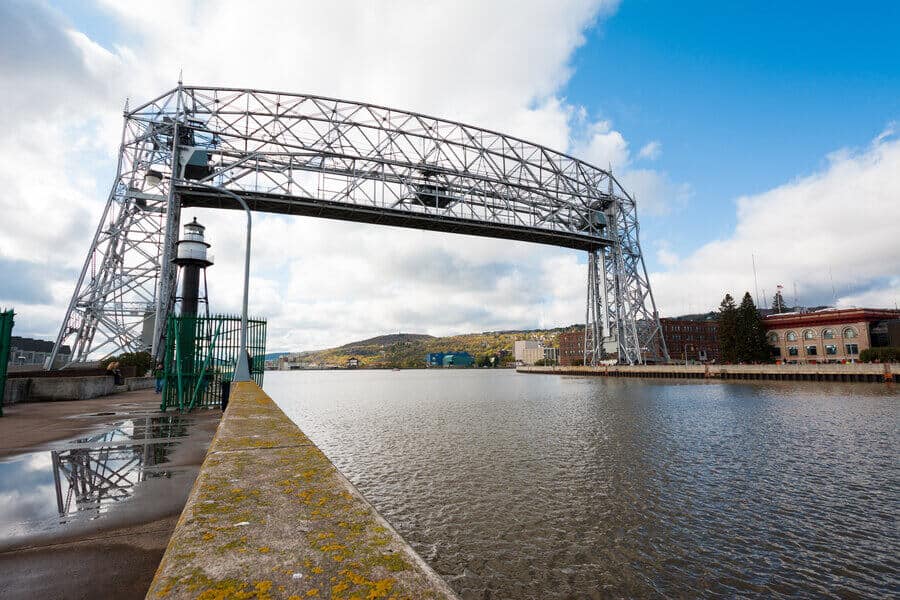
Pula Arena

popular-pula-arena

The Pula Arena is a Roman arena with an imposing presence in the city of Pula. It was built in the 1st century AD and is one of the best-preserved Roman arenas in the world. The arena could seat up to 23,000 spectators and was used for gladiatorial contests, animal hunts, and other public spectacles.

You can visit the arena and learn about its fascinating history. For an even more magical experience, see if you can find the opportunity to attend one of the many concerts and cultural events held there throughout the year.

St. Mark’s Church

zagreb-medieval-church

St. Mark’s Church is a medieval church in the Upper Town of Zagreb, the city’s historical heart.

Despite a major earthquake in the city that caused part of the Cathedral to collapse, it is still standing tall with ongoing restoration efforts.

The church is known for its distinctive tiled roof, which features the coat of arms of Croatia, Dalmatia, and Slavonia on one side, and the coat of arms of Zagreb on the other.

When the church is open, you can explore its beautiful interior, which includes frescoes, paintings, and sculptures from different periods of Croatian art.

Krka National Park

croatia-natural-wonder

The Krka National Park is a natural wonder in Croatia that attracts visitors worldwide. Although it is often overshadowed by the Plitvice Lakes for travelers that have limited time, this is without a doubt worth visiting.

The park is home to the Krka River, which features a series of cascading waterfalls and pools surrounded by lush greenery and wildlife. You can hike through the park’s many trails, swim in the crystal-clear waters, or take a boat tour to explore the park from a different perspective.

Euphrasian Basilica

The Basilica is a UNESCO World Heritage Site in the coastal town of Poreč. It was built in the 6th century and is known for its beautiful mosaics depicting saints’ lives. You can check the Basilica out and find the many chapels and crypts or admire the stunning architecture and artwork.

Food Croatia Is Known For

Ćevapi

croatian-food-cevapi

Ćevapi is a popular grilled dish made with minced meat, typically served with flatbread, onions, and ajvar. While it originates in the Balkan region, it has become a staple of Croatian cuisine, particularly in the coastal regions.

It’s often served in multiples of five or ten, making it an ideal choice for sharing with friends and family. If you want to experience Croatia’s culinary heritage, then this is one locals’ favorite to try when you visit. And you can easily find it in street food stalls and restaurants.

Pašticada

Pašticada is a traditional beef stew from Croatia’s Dalmatian region. The slow-cooked dish features a mix of red wine, prunes, herbs, and spices, resulting in a rich and flavorful meal.

The beef is marinated overnight in a red wine and vinegar mixture before being cooked with vegetables and spices and served with gnocchi or homemade pasta. Pašticada is delicious and hearty Croatian cuisine you can try after sightseeing or other fun-filled activities.

Peka

Peka is a traditional Croatian food comprising slow-cooked meat and vegetables prepared under a bell-shaped lid. This slow-cooking process produces tender, flavorsome meat you love to try if you are a meat lover. It offers a satisfying and comforting meal that is most popular and warming during the cold winter months.

Black Risotto

popular-black-risotto

The black risotto is a visually and tastefully unique dish if you are a seafood lover. This meal is made of squid ink, rice, onions, garlic, white wine, and seafood. The black color may seem unusual initially, but the taste is savory and delicious, leaving your stomach wanting more.

Strudel

croatian-pastry-strudel

This dessert in Croatia is a pastry with thin layers of dough wrapped around a sweet or savory filling. It’s a versatile dish that can be enjoyed as a dessert or a snack, and it’s a great way to taste the flavors of Croatia in a single bite. You can add Strudel to your lunch box as you plan to hike, go sightseeing, or for other outdoor and indoor activities.

Octopus Salad

refreshing-octopus-salad

The Octopus Salad is a refreshing salad with tender, cooked octopus, potatoes, onions, parsley, and olive oil. It’s a light and healthy dish perfect for warm weather, showcasing the flavors of the Adriatic Sea. This is most common in towns sitting along the coastal areas, for obvious reasons of fresh ingredient availability.

Famous People From Croatia

Nikola Tesla

Tesla is known as a global influence who hails from Smiljan, Croatia. He was a pioneering electrical engineer and inventor best known for his work on alternating current (AC) electrical systems.

Tesla’s inventions and discoveries profoundly impacted the development of modern technology, including radio communication, X-rays, and wireless energy transmission.

Without going into the debate of whether Telsa is Austrian, Croatian, Serbian or even American, he is still one of the famous people in Croatia with global influence and relevance. The intense argument regarding his roots among the related countries is a reflection of his immense impact and reputation.

Ivo Andric

Ivo Andric, a Nobel laureate in literature, was a diplomat and writer from Bosnia and Croatia. His literary works, which include novels and short stories, delve into the region’s intricate history and cultural essence.

Andric’s work is known for its poetic prose and intricate character portrayals that delve deeply into the human psyche. His literary contributions are admired and regarded as an important part of the region’s cultural legacy.

packing-list-travel-europe

Ruđer Bošković

Ruđer Bošković was a mathematician, physicist, and astronomer born in Dubrovnik, Croatia. He was also a Jesuit priest and a polymath who excelled in various fields of study, including theology and philosophy.

Bošković is best known for his work on the nature of atoms and the structure of matter and his contributions to modern optics and astronomy. He held positions at several prestigious European institutions, including the University of Rome and the Royal Society in London.

Goran Ivanišević

He was born in Split, Croatia, in 1971. Goran Ivanišević is a former professional tennis player. His career highlights include winning the Wimbledon men’s singles title in 2001, a remarkable achievement as he was the first wild card entry to win the tournament.

Ivanišević was known for his powerful serve, one of the most dominant weapons in tennis during his career, and helped him win 22 ATP singles titles.

Marin Cilic is another one of Croatia’s famous people still plying his trade in the ATP World Tour. He won a grand slam title in the 2014 US Open, and we look forward to more achievements by the talented Croat.

Luka Modric

Luka Modric, hailing from Zadar, Croatia, is a renowned professional football player and, without a doubt, makes the list of Croatia’s famous people. He has represented some of the top European clubs, such as Tottenham Hotspur and Real Madrid, and he is famous for his exceptional passing skills and sharp vision on the pitch.

Modric led the Croatian national team to the World Cup final in 2018, where he received the prestigious Golden Ball award. He won other accolades, such as the Ballon d’Or, UEFA, and FIFA gongs, for his outstanding performances, cementing his status as one of the best football players in the world.

Discovering More Things Croatia Is Known For

Croatia is famous for those seeking vibrant nightlife and a glimpse into the country’s rich history. The country has much to offer from its stunning architecture to its long-standing winemaking tradition.

If you are a wine lover, you can indulge in a wine-tasting tour and sample Croatian wine’s unique varietals and rich flavors, including the bold reds of Istria and the crisp whites of Dalmatia. Beyond all the popular tourist attractions, there are still more experiences to be had that showcase the beauty and culture of Croatia.


WHAT IS CROATIA KNOWN FOR? PIN IT FOR LATER!

20 Interesting And Fun Facts About Hawaii [Explained]

One of the known facts about Hawaii is that it is among the top vacation destinations for holidaymakers. Each year it draws millions looking to have a good time away from home, including family, couples, and fun seekers.

Despite being one of the smallest states in the U.S., it is brimming with sights, rich cultures, and heritage. Hawaii is known for many exciting activities that keep visitors coming back.

The state is home to people from many different races who have migrated to the region over the years. This is one of the interesting Hawaii facts responsible for its diverse culture and adds to the overall fun experience.

Here are some useful and fun facts about Hawaii regardless if you are planning a trip or want to learn more about this fascinating state.

Quick Facts And Statistics About Hawaii

  • Capital: Honolulu
  • Population: 1.4 Million (13th Populous State in the U.S)
  • Land Area: 10,931 sq mi / 28,311 km² (42nd Largest in the U.S)
  • Nickname: The Aloha State
  • Abbreviation: HI
  • Statehood: August 21, 1959 (50th U.S State)
  • State Bird: Nene (Hawaiian Goose)
  • State Flower: Yellow Hibiscus

Historical Facts About Hawaii

The Luau Practice

One of the interesting facts about Hawaii is that back in the late 1810s, the Hawaiians began a feast called Luau.

Luau was tailored to create an opportunity for men and women of the land to eat together. Before that, women were prohibited from eating with men according to the religious laws of the land.

Additionally, certain meals were exclusively for men in certain positions, and women were prohibited from participating. The abolition of this practice happened under the reign of King Kamehameha II after his mother, and a group of other women forced his hands.

Today Luau feasts are hosted for important and special occasions in Hawaii and have expanded to include other people’s traditions.

That said, make sure you don’t miss out of all the scrumptious traditional Hawaiian food that the state has to offer!

Hawaii Island Formation

One of the lesser-known facts about Hawaii is that the Hawaii Islands weren’t always in existence. Based on the records available, it is believed that the Hawaiian Islands were formed due to several volcanic eruptions over an extended period.

Hawaii has some active volcanoes even to this day, the most notable ones being the Mauna Loa (largest) and Kilauea volcanoes. The volcanoes erupted at a hotspot on the seafloor, causing the Pacific plate to move, thereby forming the island.

The Pearl Harbor Attack

The surprise attack on Pearl Harbor on December 7, 1941, by the Japanese forces, was significant and is one of the important Hawaii facts. It was the event that got the United States involved in World War II. Thousands of American citizens, civilians, and members of the American Navy lost their lives in the attack.

Additionally, thousands were also left wounded, and lots of naval vessels were destroyed. To commemorate the event, the Pearl Harbor Memorial was erected, and the authorities designated Dec. 7th as its remembrance day.

You can visit the related landmarks in Hawaii to uncover more details about the incident and how people still reflect on it today.

Sovereignty Movement

In 1893, the monarchy system in Hawaii was overthrown after a coup d’etat against Queen Liliʻuokalani. The coup was organized to spearhead the annexation of Hawaii to the United States. The annexation plan was finally carried out in 1898, much to the displeasure of residents of the area.

After about 5 years, the American congress apologized for its part in overthrowing the Hawaiian monarchs and proposed a bill with incentives. However, this was also met with opposition, and certain people rose and created the sovereignty movement.

Now among the many interesting Hawaiian facts is the not-so-hidden goal of some to campaign for Hawaii’s return to independence.

The End of Hawaiian Monarchy

One notable thing about Hawaii is that monarchs once ruled the state for over 7 decades. Hawaii was a kingdom ruled by Kings and Queens from 1810 until the coup which forced its Queen to forfeit her title played out.

Since then, Hawaii has experienced many changes that a more significant percentage of the locals do not fully appreciate.

Cultural Facts About Hawaii

Hawaiian Language

One of the fascinating cultural facts about Hawaii is the State’s language, Ōlelo Hawaiʻi (Hawaiian).

The language is an offset from Polynesian and Tahiti languages and was commonly used among those working on plantations. Hawaii is filled with people from various tribes and regions, and they needed a way to communicate.

Many believe that Hawaiian is the language that the people from all the different countries who ended up in Hawaii came up with as a means of communication.

Although the language is becoming endangered, efforts are being made to preserve it. However, there is an Island in Hawaii, Ni’ihau, that still uses Hawaiian as its primary language while English is secondary.

hula-dancers-in-hawaii

Hula

Hula is one of the most fun Hawaii facts that would interest visitors who are dance lovers. The two Hula dance forms, Auana and Kahiko, took on aspects of the Polynesian dance styles with some influences from the western world.

At the onset, Hula was created as a dance to show honor to Hawaii’s last King, David Kalākaua. However, Hula has grown to be so much bigger, and the annual Hula festival, Merrie Monarch Festival, draws visitors worldwide.

Deities

Hawaiian culture is rich and broad, encompassing so many things from religion to music and lots more. Native Hawaiians believe in various gods and deities, and this may have been toned down a lot since foreigners began to settle in their lands.

However, they worship gods like Lono, Pele, Kāne, Kū, Maui, and Kanaloa, who control various natural elements, create things, and control war and peace.

Additionally, there’s a belief that if you take something off the island, like rocks and other parts of the land, you will experience some form of ill luck.

Interesting Facts About Hawaii For Kids

Hawaii Has A Unique Standard Time

Sitting high on the list of fun facts about Hawaii is that the State does not use the commonly used Daylight Saving Time. Hawaii uses Hawaii Standard Time and has not changed or adjusted its daylight time since September 1945.

This practice always causes the time zone differences between Hawaii and other states that adjust their time when needed to fluctuate. Knowing the unique nature of Hawaii’s timing is one of the most intriguing facts about Hawaii for kids and travelers to know.

mauna-loa-hawaii

Hawaii Is Home To The Largest Active Volcano In The World

The state has lots of volcanoes, both active and inactive. One of the facts about Hawaii’s volcanoes is that they have erupted several times in the past millennia. This led to the formation of the State of Hawaii.

Additionally, with volcanoes sprinkled on almost all of Hawaii’s 100+ Islands, it is not surprising that the region is also home to the largest active volcano in the world. Mauna Loa reportedly erupted in November and December 2022.

In addition, the Haleakala volcano that Maui is known for is also a tourism magnet that draws nature lovers.

hands-holding-coconut

You Can Mail Your Friend A Coconut

One of the weird facts about Hawaii is that they have Post-A-Nut services that allow anyone to send coconuts from Hawaii to anywhere in the world. The practice is encouraged because people are given coconuts for free. Their only requirement is to pay for the shipping.

Tancayo started the service in 1991, and since then, thousands of people have used the service till date. Using the medium to send well-decorated coconuts to friends and family around the globe.

Tancayo must thoroughly scrutinize coconuts and ensure they are safe before sending them out. However, some countries like Australia still have restrictions that prevent this activity.

Fun Hawaii Facts For Travelers

people-surfing-in-hawaii

Surfing Started In Hawaii

Surfing is a widely loved activity worldwide and is even done on professional levels, with competitions being held annually. One of the well-known facts about Hawaiian islands is that it is where surfing originated.

Surfing was an activity that was practiced exclusively by Hawaiian monarchs until Duke Kahanamoku exported it to the world. He is considered the father of modern-day surfing.

mauna-kea-mountain-in-hawaii

Hawaii Is Home To One Of The World’s Tallest Mountains

One exciting and unknown piece of information about Hawaii is that the tallest mountain in the world is actually in the State. Mount Everest is known as the tallest mountain even in space, but that’s only if you consider the height above sea level.

When the total height is taken into consideration from the base of the mountain to its summit, the Mauna Kea mountain in Hawaii is considerably taller. Mauna Kea stands at about 33,500 feet, while Mount. Everest is approximately 29,035 feet.

waterfall-in-hawaii

Lots Of Movies Are Shot In Hawaii

When one thinks of beautiful and scenic locations, Hawaii always comes out on top. This is perhaps one of the good Hawaiian facts to consider when planning your next sightseeing trip.

Many Hollywood producers and those in the movie biz think so, too, seeing that lots of your favorite movies have Hawaiian backdrops. Doubtful? Check out Jurassic Park, and Jurassic World had more of its scenes filmed in Hawaii.

Common Facts About Hawaii

coffee-in-hawaii

Hawaii Is One Of Two States In America That Grows Coffee For Commercial Use

Besides its beauty and unique looks, Hawaii has individual soil components that allow certain crops to thrive. One of the crops that do well in the region is coffee, and it’s been cultivated there since the 1820s.

Although the State’s coffee farms generate much income, especially recently, productivity is still disturbed by pest attacks.

The other state that grows coffee on a commercial scale is California.

Hawaii Is One Of The Top Tourist Destinations In The United States

Hawaii has a rich culture, history, top-tier climate, and numerous pristine Hawaiian beaches. there are many other activities and sights to entertain and enrich any visitor properly.

Tourism facts about Hawaii will show that every year millions of tourists visit the Islands, contributing billions to the economy. This is far more than most other states in the US.

READ MORE:

historical-facts-about-hawaii

Hawaii Is The 50th State in The United States

Hawaii had an 80-year existence as a kingdom which ended in the late 1890s after it was overthrown. Afterward, attempts were made to reinstate the monarch back into power, which was futile.

Finally, in 1959 after years of dealing with opposition from locals, lots of political and racial issues. However, one of the notable facts about Hawaii is that a lot of resistance to this move by the US still exists today.

Other Interesting Facts About Hawaii

Hawaii’s Land Mass Keeps Increasing

Amongst the many interesting Hawaii facts is a tiny detail that the State doesn’t have a definitive land mass like other states in the US.

Volcanic eruptions and some associated factors resulted in the formation of the Hawaiian Islands. Since the volcanoes keep erupting to this day, the landmass keeps increasing little by Little.

Hawaii Has A Special Greeting

In most places, everyone reaches out for a quick handshake when exchanging pleasantries. However, this is not the norm in Hawaii. One of the cultural facts about Hawaii that visitors might want to know beforehand is that Hawaiians have numerous ways of exchanging greetings.

One of the most common is the Shaka, which involves raising the pinky and thumb in a salute to show solidarity. While the official traditional way of saying hello is called Honi Ihu, two people are expected to rub noses to exchange breath as a way to relay a message of a strong bond.

caldera-of-the-haleakala-volcano

Hawaii Is One Of The Most Isolated Places On Earth

Hawaii is unique for several reasons, one of which is how isolated the island is from other states in the United States. Its population center is considered one of the most isolated on Earth.

One primary reason that people of this claim is because it’s nearly 2400 miles from the United States. The closest place to Hawaii is Japan, and it’s over 3000 miles away, showing how far away the island is from other habitations.

Discovering More Fun Facts About Hawaii

If you’re trying to learn all about Hawaii, it’ll likely take days to even cover a quarter of the Island’s deep and diverse history, culture, religion, etc. There are lots of other interesting facts about Hawaii that haven’t been listed here, like why Hawaii is also known as Sandwich Island.

However, most fun facts about Hawaii are best experienced by exploring the area and discovering all you want to know firsthand. There is no better way to know a place than being physically present. Plan a trip to the Hawaiian Islands, and find out all the state has to offer.


PIN THESE FUN FACTS ABOUT HAWAII FOR LATER