Rwanda is a landlocked country in central Africa, famous as the “land of a thousand hills”. It is a popular safari vacation destination due to its varied terrain. But beyond that, there are some amazing Rwandan foods that will make your jaw drop.
What Is Special About Rwandan Foods?
Rwandan cuisine captures real African authenticity with its flavor. Though occasionally finding influence from previous colonizers, Rwandan food is mostly derived from local heritage and traditions, giving it a flavor unlike anywhere else.
Most Rwandan foods are sourced from local crops grown in the country. Some staple foods in Rwanda include sweet potatoes, bananas, cassava, and plantains.
National Food Of Rwanda
Brochettes (Rwandan Meat Skewers)
This popular Rwandan food is often considered the national dish of Rwanda. Although it was initially influenced by French colonists, Rwandans made this dish their own.
Brochettes can be spotted on the streets and in various Rwandan restaurants. Meat and fish on skewers are garnished with vegetables and lemon and marinated with spices before grilling over hot coals, making them soft and juicy.
This food is often served with fried potatoes and a special sauce called pili pili. When you order this food in Rwanda, make sure to specify the type of meat you’d like if you have a preference. Beef and goat are the two meat most popularly used for brochette.
Famous Traditional Rwandan Foods
Matoke (Steamed And Mashed Plantain)
Matoke is one traditional Rwandan food you should be sure to try on your trip to Rwanda. This Rwandan delicacy is made from plantains, which are a type of banana. Plantains are one of the most productive crops in Rwanda. As a result, several popular dishes are made with this abundant ingredient.
Matoke is a common dinner food in the country. The dish is prepared in many different ways, usually with vegetables and local Rwandan spices, which give it an authentic African taste.
Igisafuria (Chicken With Plantains And Vegetables)
Igisafuria is a healthy and flavorful Rwandan dish with chicken as the base ingredient. This is one of the few Rwandan dishes that is not vegetarian.
The chicken is cooked with onions, celery, pepper, tomatoes, and local Rwandan spices. Plantain is also added to the mix to give it a sweeter taste.
If you love experimenting with food, this is definitely one you should try. Although chicken and vegetables are staple ingredients of this dish, there is no set recipe. Therefore, you can find different variations across the country.
Umutsima (Corn And Cassava Cake)
If you are looking for gluten-free food on your travels, this one’s for you. Umutsima is a healthy Rwandan cake made with corn or cassava flour as an alternative to wheat flour. This Rwandan food can be enjoyed plain or sweetened.
Umutsima is a staple treat in many ceremonies and traditional events in Rwanda.
Rwandan Stewed Beans
Beans are another common ingredient and food in Rwanda. That said, one of the local favorite dishes is a Rwandan bean stew made from kidney beans.
The beans, soaked overnight before cooking, form the foundation for the stew. Locals add tomato sauce and onions to enhance the flavor and give it a creamy texture.
This is a very versatile and filling dish. You can enjoy stewed beans by themselves or with rice, bread, sweet potatoes, or plantains.
Grilled Tilapia
Tilapia is a very popular food in Rwanda. Because of the many lakes in the country, you can find this fish almost everywhere. It’s nicknamed “The Big Fish.”
Tilapia is usually served, fried, boiled, or grilled. It can be served with beans or rice.
If you want to try this food in Rwanda, go for the local grilled tilapia over hot coal. The grilled fish is crispy on the outside and tender on the inside. You get to enjoy the typical barbecue smoky flavor while retaining the fresh taste of the fish.
Hot tip: Eating it with your hands can make it easier to separate the bones.
Ubuki (Banana Honey)
Given the abundance of bananas in the country, people have found innovative ways to make use of these fruits. Ubuki is a banana honey that is famous in Rwanda. This intriguing Rwandan food is an alternative sweetener for drinks. It is also often used as a sweet topping for desserts and snacks.
Several local beverages in Rwanda are sweetened with ubuki. If you are looking to give it a try, look for a special label on the drink!
Ugali (Corn Porridge)
Brochettes may be considered the national dish, but Ugali is the most popular food in Rwanda. It is a porridge usually made of corn. Heavy and filling, many Rwandans enjoy ugali as an energizing breakfast.
Ugali one of the staple Rwandan foods that is popular across the African continent, though it is known by many different names. Whichever version you try, enjoy it with a stew for the full local experience!
Ugali can taste bland as a standalone dish, but it is an awesome delicacy when paired with any of the amazing soups Rwanda offers.
Ubugali (Cassava Flour Porridge)
Ubugali is another traditional Rwandan food, made with cassava. This dish rose to fame at the expense of Sorghum dough. Cereals are some of the most farmed crops in Rwanda, and as such, sorghum dough used to be the most popular porridge in Rwanda until cassava emerged.
Ubugali is similar to ugali (corn porridge) but has a far softer texture and natural flavor compared to sorghum and corn. Sometimes butter is added to enhance its already unique taste. You can enjoy this food with any stew or soup, or accompanied by any condiment of your choice.
Soups, Stews, And Sauces In Rwandan Food
Pili Pili Or Peri Peri (African Hot Sauce)
If you step into any restaurant or food joint in Rwanda and spot a tiny sauce bowl beside your food, it’s most likely pili pili sauce.
This is a staple sauce in Rwandan cuisine, and it’s also popular in many other African countries. If you can’t handle hot spice, maybe pass up on this sauce. It is extremely spicy, credit to the hot scotch bonnet chili peppers used in the preparation.
Pili pili is used to marinate fish or meat. It can also be served for dipping dishes like Sambaza, fried potatoes, and brochettes.
Isombe (Cassava Leaves Stew)
Isombe is a hearty dish in Rwanda originating from the DRC (Democratic Republic of Congo). It is made from cassava leaves pounded into a paste.
You can enjoy this food as a vegetarian with other veggies like spinach and eggplant. For meat lovers, you can also add meat stock to this sumptuous Rwandan dish.
While isombe can be consumed as a standalone dish, it really shines when paired with rice, bread, boiled potatoes, or beans.
Snacks, Light Dishes, And Street Food In Rwanda
Mandazi (African Doughnuts)
Mandazi is a popular snack in East Africa. Though its origin is unclear, this dish is perfectly at home in Rwanda. Ironically, this Rwandan food is not as sweet as a normal doughnut, and it’s not round either.
Mandazi is common during wedding ceremonies and family gatherings in Rwanda. You can enjoy this dessert by adding toppings like cinnamon, peanut butter, jelly, powdered sugar, and honey.
You can also have this snack with fruit juice, coffee, or some Rwandan tea.
Kachumbari (Rwanda Tomato And Onion Salad)
This is another common and simple food in Rwanda. While its origins are a mystery, it is popular in Rwanda, Uganda, Burundi, and the Democratic Republic of the Congo.
This dish is enjoyed more as a side dish than a main dish. There are different variations of this food in these countries. Some add cucumber, avocado, cilantro, and other ingredients, but the common ingredients remain tomato and onions.
Ibiraya (Sweet Potato Fries)
Ibiraya is a traditional Rwandan food made with sweet potatoes – one of the most plentiful crops in the country.
They are similar to french fries and readily available. You can get them in restaurants and at street vendors in Rwanda. On your trip, be sure to try ibiraya with brochettes (barbequed meat) and urwagwa (Rwanda’s local beer).
Groundnut
Groundnut is a famous street food in Rwanda. It is eaten with roasted plantains, packaged with sliced fruit, or added to fried and baked foods.
There is also a special sauce made with groundnut, similar to peanut butter, often called groundnut sauce or G-nut sauce. You can enjoy other foods like garden eggs and bread with G-nut sauce.
Sweets, Desserts, And Pastries In Rwandan Food
Sambaza (Rwandan Deep-Fried Fish)
Sambaza is a tiny freshwater fish dish popular in the lake regions of Rwanda. This food is often enjoyed as a dessert or side dish. The tiny fish assume a silver color after deep frying.
You can enjoy Sambaza alone or accompanied by fresh vegetables or fried plantain. For the best local experience, eat your sambaza with pili pili (traditional Rwandan pepper sauce) or mayonnaise. Locals also like to make it into a curry dish that goes superb with rice.
Mizuzu (Fried Plantain)
A popular dessert in Rwanda that taps into their abundance of plantains.Incredibly simple yet deeply satisfying.
Mizuzu is a dish of finely chopped plantains, deep-fried to golden brown and glazed with honey.This food is popular in the country, and you can often find it served in restaurants with vanilla ice cream.
Iconic Drinks In Rwandan Cuisine
Urwagwa (Banana Beer)
This is the poster boy of all drinks in Rwanda. It is famous in many East African countries and is believed to have originated in Uganda.
Urwagwa is a banana-based beer. This beverage is made from bananas, sorghum, and millet. Urwagwa is prepared locally, so if you love sampling local beverages, this is definitely one drink to try in Rwanda.
Icyayi (Rwandan Black Tea)
One of the well-known facts about Rwanda is its production of tea and coffee. These are two of the country’s major exports. Icyayi is a popular black tea in Rwanda, often enjoyed with snacks and any midday meal.
Like other tea, Rwandans love taking Icyayi hot with honey, milk, and/or sugar. Some even take the tea plain without additives.
Rwanda tea was first grown in the early 1950s, and since then, it has become a staple of Rwandan cuisine and the country’s economy. You can try icyayi on your trip to Rwanda at almost any café or street shop in the country.
Ikivuguto
This is a popular milk beverage in Rwanda. Ikivuguto is a versatile drink that can be served with different levels of sourness and thickness. The best ikivuguto can be found in Kigali, the country’s capital. At its highest density, this drink can look more like a yogurt smoothie than a milk beverage.
But a typical ikivuguto is a thick milk beverage with a tangy taste. This drink is often sold at dairy/milk bars. Be sure to grab some nice Rwandan snacks like mandazi or groundnut to enjoy with your ikivuguto.
Rwandan foods are some of the best in central Africa, and it is a great option if you are looking to explore authentic African flavors. So while you are enjoying the famous safari and exquisite crafts don’t forget to sample some of the country’s great food too. Rwandan cuisine offers tasty treats for both vegetarian and meat lovers, so there’s something for everyone.
When one thinks of Greece, images of ancient ruins, crystal-clear waters, and mouthwatering Mediterranean cuisine often come to mind. But did you know that Greece is also home to a flourishing craft beer scene? Beyond the traditional ouzo and retsina, Greek breweries have been making waves with their unique and flavorful brews. From hoppy IPAs to smooth stouts, each beer in Greece is a testament to the creativity and passion of Greek brewers.
What Makes Greek Beers So Interesting?
Greek beers are famous in Greece as well as all over the world. The brewing tradition in Greece dates back thousands of years, deeply rooted in ancient civilization. This rich heritage has shaped the brewing techniques and flavor profiles of Greek beers, infusing them with a sense of history and tradition.
The local ingredients used for beers in Greece also play a crucial role in their uniqueness. From the finest barley and wheat to aromatic hops and indigenous herbs, Greek brewers harness the bounty of the Mediterranean region to create flavors that are reflective of the Greek landscape. The Mediterranean climate and the use of pure water from natural springs add a unique element to the brewing process, lending a distinct freshness and purity to the final product of almost all Greek drinks.
The combination of ancient brewing traditions, local ingredients, culinary inspiration, a favorable environment, and passionate brewers all contribute to what makes Greek beers so exceptional. Whether it’s a classic style or an innovative creation, beers in Greece offer a delightful and authentic taste of Greece’s brewing heritage.
The Very Best Beers In Greece
Mythos Hellenic Lager
Experience the unrivaled champion of Greek beers with Mythos Hellenic Lager. This legendary brew reigns supreme, captivating both locals and visitors alike. Encased in a captivating green bottle, it embodies the allure of Greek beer brands.
As you pour, a mesmerizing translucent golden hue fills your glass, topped by a frothy white head that delicately laces the edges. Mythos Hellenic Lager, a Euro pale lager boasting 4.7% alcohol content, invites you to indulge in its captivating aroma of grassy hops and malts.
This exquisite beer pairs exceptionally well with authentic Greek cuisine, unlocking a symphony of flavors that elevate your dining experience. With its effervescent mouthfeel and impeccable carbonation, Mythos Hellenic Greek lager stands as the epitome of Greek brewing excellence, embodying the essence of Greek beers and the spirit of Greek alcohol.
Vergina
Vergina is a shining star among Greek beer brands. Crafted by Macedonian Thrace Brewery S.A., this European pale lager boasts a standard 5% alcohol content, captivating your senses with its transparent golden hue and opulent foamy white head.
Although the head dissipates swiftly, the experience lingers. Savor the delightful grainy aroma that fills the air, setting the stage for an extraordinary tasting experience. With the first sip, you encounter a symphony of biscuits and grain malts, complemented by the subtle hint of hops.
Whether enjoyed alone or paired with delectable Greek cuisine, Vergina never fails to enthrall. Its velvety smoothness, crisp light body, and perfect carbonation make it a great choice for those seeking an unforgettable adventure into the realm of Greek beers and the diverse world of Greek alcohol.
Fix Hellas
Fix Hellas is a European pale lager by Olympic Brewery S.A. Boasting a standard 5% ABV. This Greek beer envelops your senses with its captivating aroma. As it cascades into the glass, Fix Hellas reveals a light golden shade, crowned by a medium-sized white head that gracefully fades away, leaving no lacing behind.
The flavor profile mirrors the aroma, captivating your palate with a symphony of tastes. Fix Hellas caresses your taste buds with its medium-bodied Greek Lager, perfectly carbonated for a truly satisfying experience.
Savor this beer alongside your favorite food in Greece to unlock an unparalleled culinary adventure into Greek beer brands crafted with unwavering dedication and expertise.
Nissos
Prepare to be captivated by Nissos, an enchanting bohemian pilsner brewed by Cyclades Microbrewery, representing one of the finest Greek beer brands. Beyond its divine taste, this remarkable Greek beer boasts a captivating bottle design that exudes elegance and charm.
With a balanced 5% alcohol content, Nissos pours into the glass, revealing a mesmerizing golden hue topped with a fleeting yet foamy white head. As the aroma envelopes your senses, bready and malty notes intertwine with a generous dose of wet grassy hops, inviting you to savor the moment and experience the rich flavors of Greek beer. The taste mirrors the aromatic journey, delivering a light and refreshing experience that leaves a lasting impression.
Nissos envelops your palate with a gentle mouthfeel and the perfect level of carbonation, allowing the flavors to unfold gracefully in this Greek beer.
Voreia
Witness the magnificence of Voreia, an extraordinary IPA that proudly represents the pinnacle of Greek beers. With an impressive 7% ABV, this beer beckons you to embark on a captivating journey of the senses.
A lavish off-white head adorns the glass, exuding a creamy and thick appearance. As the taste unfolds, you’ll experience a delightful interplay of grapes and sweetbread, delicately balanced by the subtle sweetness of pale malt and the touch of floral/herbal bitterness.
Voreia reveals itself as a beer of remarkable complexity, lavishing your palate with its smooth and refreshing texture. The harmonious blend of flavors, accompanied by a satisfying level of carbonation, guarantees an extraordinary beer-drinking experience. And when paired with your favorite Greek street food or snacks, you’re in for a treat!
Mary Rose Premium Red Ale
Mary Rose is a Greek beer brand that evokes the classic, English-style bitter brewing. It pours with a delicate, thumb-sized white head that adds a touch of elegance to the drink.
The taste of Mary Rose is tantalizing, with hints of citrus and toffee. The beer has a medium body and is perfectly balanced in carbonation, resulting in a bitter, yet citrusy taste that is balanced with a dry finish.
Mary Rose is a delightful addition to the extensive selection of Greek beers, and one you must try.
Zeos Black
Step into the realm of darkness with Zeos Black, a magnificent Munich Dunkel-style Greek beer meticulously brewed by Zeos Brewing Company S.A., one of the prominent Greek beer brands. Zeos Black, known for its enticing blackish hue reminiscent of a black lager, captures your attention with its captivating appearance.
The beer is a mesmerizing black color, intensified by a bone-colored head that elegantly adorns its surface, inviting you to indulge in its mysterious charm. With a modest 5% ABV, Zeos Black unveils an aroma and flavor profile that intertwines malty sweetness and hoppy bitterness, creating a balance that excites the senses.
Each sip of this Greek alcohol offers a delightful experience that culminates in a smoky finish, leaving a lasting impression.
Septem 8th Day
Embark on an enlightening journey with Septem 8th Day, an extraordinary American-style IPA that transcends the boundaries of ordinary beer experiences. This remarkable creation by Septem Microbrewery, one of the most renowned Greek beer brands, will captivate your senses!
The beer has a murky dark gold body that emanates a radiant glow. As you pour it into the glass, an inch-long white layer forms atop this liquid masterpiece, adding an elegant touch to its presentation.
The scent of biscuits and citrus dances harmoniously, accompanied by subtle hints of floral hops. Despite its light body, Septem 8th Day maintains impeccable balance, showcasing the artistry of brewing at its finest.
This beer serves as an unparalleled testament to the dedication and craftsmanship of the brewers, inviting you to savor every sip of this exceptional Greek beer.
Bios 5
Experience the legacy of Athenian Brewery with Bios 5, an adjunct lager that proudly upholds Greece’s rich brewing tradition. With a 5% ABV, this beer embodies the essence of Greek beers, making it a remarkable choice among the diverse range of Greek beer brands.
As you pour Bios 5 into your glass, you’ll marvel at its captivating dark golden hue, accompanied by medium carbonation and a delightful foamy white head.
Pair this Greek Lager with authentic Greek dishes to fully appreciate the excellence of Greek alcohol and revel in the craftsmanship behind Bios 5.
Chios Beer
Since its inception in 2012, this local microbrewery has been crafting a captivating range of brews that perfectly encapsulate the essence of beers in Greece. Each sip transports you to the sun-drenched shores of the Aegean Sea, capturing the spirit of Greek beers and celebrating the island’s brewing heritage.
From the refreshing notes of their blonde lager to the robust flavors of their black stout and the unique infusion of authentic mastic in their wheat mastic beer, Chios Beer is a testament to the mastery of Greek beer brands.
With its recent expansion to meet growing demand, this brewery continues to create exceptional beers, inviting beer enthusiasts to indulge in the flavors of Chios and experience the artistry of Greek alcohol.
The Phenomenal Array of Greek Beer Brands
The Greek beer scene is a treasure trove of hidden gems, with breweries across the country producing remarkable beers that capture the spirit of Greece. From the hop-forward IPAs to the smooth stouts and refreshing lagers, the best beers in Greece offer a diverse range of flavors and styles that cater to every beer enthusiast’s palate.
So, whether you find yourself on a sun-kissed island or exploring the vibrant cities of Greece, be sure to raise a glass and savor the unique brews that embody the rich cultural heritage and passion of Greek brewers.
Brazil is famous for its vibrant culture, stunning beaches, and samba rhythms, but also for its rich cocktail heritage. From refreshing tropical concoctions to bold and flavorful mixes, Brazilian cocktails offer a delightful journey for the taste buds.
Whether you’re strolling along the bustling streets of Rio de Janeiro, relaxing in a beachside bar in Bahia, or bringing the charm of Brazilian cocktails into your home – exploring the world of Brazilian drinks is an essential part of immersing yourself in the country’s vibrant scene of phenomenal taste and culture.
What Makes Brazilian Cocktails So Unique?
Brazilian cocktails are special for several reasons, making them a beloved part of the country’s culinary culture. One of the key factors is the extensive use of exotic ingredients.
Brazilian cocktails showcase a diverse range of flavors, thanks to the abundance of tropical fruits available in the country, such as passion fruit, pineapple, and coconut. These ingredients bring a refreshing and vibrant twist to the cocktails, adding a distinct tropical flair.
They are not merely beverages; they are a reflection of Brazil’s rich heritage. Each cocktail tells a story and represents a tradition or celebration. The iconic caipirinha, with its combination of cachaça, serves as Brazil’s national drink and embodies the country’s vibrant spirit. Similarly, festive drinks like quentão, enjoyed during traditional celebrations and with delightful food in Brazil, showcase the cultural and historical roots of Brazil.
The versatility and innovation of Brazilian cocktails also contribute to their uniqueness. Mixologists in Brazil are known for their creativity and willingness to experiment. They constantly explore new combinations of fruits, spices, and spirits, resulting in innovative and exciting flavors. This spirit of experimentation keeps the cocktail scene dynamic and ensures there is always something new to discover.
The Most Famous Brazilian Cocktail
Caipirinha
The national drink of Brazil is the caipirinha cocktail and one of the finest examples of a delicious drink.
This Brazilian cocktail is made with cachaça (a sugarcane spirit), muddled limes, sugar, and ice, capturing the essence of Brazil in a refreshing and tangy drink. Originating in the 19th century, caipirinha evolved from a medicinal remedy to a beloved Brazilian alcoholic drink.
Its simple yet delightful combination of ingredients perfectly balances the sweetness of sugar with the zesty flavor of limes.
Liqueur, Rum, And Whiskey-Based Brazilian Cocktails
Aperol Spritz
While not exclusively Brazilian, Aperol Spritz has gained popularity in the vibrant scene of Brazilian cocktails.
This bubbly and refreshing cocktail originated in Italy but has made its way to bars and restaurants across Brazil. Aperol Spritz is made with Aperol (an Italian bitter liqueur), prosecco (Italian sparkling wine), soda water, and a slice of orange. It offers a delightful balance of bittersweet flavors and effervescence, making it a popular choice among those seeking a light and sophisticated Brazilian cocktail.
The vibrant orange hue of Aperol Spritz adds a touch of visual appeal, evoking the warmth and energy of Brazil.
Mojito
The mojito, a classic Cuban cocktail, has found its way into Brazil’s cocktail repertoire, thanks to its refreshing and zesty flavor profile.
Made with rum, muddled mint leaves, lime juice, sugar, and soda water, the mojito offers a delightful combination of sweetness, citrus, and herbal freshness. While not originally Brazilian, this cocktail has become a popular choice among those seeking a vibrant and invigorating Brazilian drink. The mint leaves add a refreshing element, while the lime juice provides a tangy zest.
The rum brings depth and character to the cocktail, creating a well-balanced and thirst-quenching experience. Whether enjoyed at a trendy cocktail bar or a beachfront lounge, the mojito’s tropical vibes and lively flavors make it a favorite Brazilian alcoholic drink.
Quentão
Quentão is a traditional Brazilian cocktail that warms the soul during the colder months. It is often enjoyed during Festas Juninas, a festive celebration in June.
It combines cachaça, spices (such as cinnamon, cloves, and ginger), sugar, and water. The ingredients are simmered together, allowing the flavors to infuse and create a comforting and aromatic beverage.
Quentão offers a delightful balance of sweetness, warmth, and spiciness, making it a perfect choice to combat chilly evenings. Served in mugs or cups, this traditional Brazilian cocktail evokes a sense of coziness and togetherness, reminiscent of joyful gatherings and festive traditions.
Rabo-de-Galo
Translating to “rooster’s tail” in English, this Brazilian cocktail is a testament to the country’s deep appreciation for whiskey and its unique twist on classic libations.
Crafted with simplicity and finesse, Rabo-de-galo harmoniously blends equal parts cachaça and red vermouth, resulting in a bold and captivating Brazilian drink. Stirred over ice and adorned with a twist of orange peel, this cocktail is a visual and sensory delight.
The combination of cachaça and red vermouth creates a foundation of depth and complexity, where subtle notes of caramel, spice, and fruit intertwine to captivate the palate.
This iconic Brazilian cocktail holds a revered place in the pantheon of Brazilian libations, cherished by those who seek the warmth and allure of a whiskey-based drink.
Alexander Cocktail
Step into the world of Brazilian cocktail perfection with the Alexander cocktail, a Brazilian masterpiece that has transcended time and tantalized taste buds for generations.
Unveiled in the early 20th century, this sophisticated Brazilian drink is a testament to the art of mixology. The velvety embrace of brandy or cognac intertwines with the silky smoothness of cream and the decadent sweetness of dark crème de cacao, creating a symphony of indulgence that dances on the palate.
Served in a chilled cocktail glass, the Alexander cocktail is a visual delight, adorned with a sprinkle of grated nutmeg or delicately shaved chocolate. As the glass touches your lips, the velvety texture seduces your senses, inviting you to savor its divine flavors.
With each sip, the brandy reveals its depth and warmth, while the cream adds a luxurious creaminess that caresses the tongue. The crème de cacao whispers a touch of chocolate sweetness, elevating the experience of this decadent Brazilian cocktail.
Popular Fruity And Fresh Brazilian Cocktails
Batida
A tropical Brazilian cocktail, batida is a creamy and fruity drink that showcases the abundant fruits of Brazil. This delightful beverage combines cachaça, fresh fruits (such as passion fruit, pineapple, or coconut), condensed milk, and ice.
Originating in Brazil, batida was created to beat the heat and quench thirst during hot summer days. The name “batida” means “shaken” in Portuguese, reflecting the vibrant blend of flavors in this Brazilian drink.
A batida is almost like a liquid Brazilian snack. The natural sweetness of tropical fruits combines with the creaminess of condensed milk to offer a true tropical escape.
Caipiroska
Caipiroska is a Brazilian twist on the classic cocktail for those who prefer vodka over cachaça. Similar to caipirinha, this Brazilian cocktail features ‘muddled’ limes and sugar, but substitutes cachaça with vodka.
This variation provides a lighter and more versatile option, allowing for experimentation with different fruit combinations and flavors. Caipiroska is particularly popular among those who appreciate the clean and crisp taste of vodka. Whether you opt for traditional lime or venture into the realm of tropical fruits, this Brazilian cocktail offers a refreshing and invigorating experience.
It is the perfect drink to cool off on a warm Brazilian evening or add a touch of tropical flair to any gathering.
Coco Frio
Coco Frio’s expertly crafted blend unites the vibrant flavors of cachaça, coconut water, lime juice, and ice. Like a conductor orchestrating a symphony, each ingredient in this Brazilian cocktail harmonizes effortlessly to create a captivating composition of tastes that dance on your palate.
As you raise the glass to your lips, the refreshing notes of coconut water caress your senses, transporting you to a tropical paradise. The zesty tang of lime juice adds a lively kick to this Brazilian drink, invigorating your taste buds and leaving a tantalizing trail of flavor. With every sip, Coco Frio unveils a sensory experience that transcends the realm of mere refreshment.
Garnished with a slice of lime, this iconic Brazilian cocktail is a work of art, delighting not only your sense of taste but also your visual appreciation. The vibrant green hue and the enticing aroma of the lime slice invite you to embark on a sensory journey that celebrates the spirit of Brazil’s tropical allure.
Capeta
Capeta is a unique and energizing Brazilian cocktail that has gained popularity, particularly among the younger crowd. The name “capeta” translates to “little devil” in English, alluding to its invigorating and potent nature.
This Brazilian cocktail typically includes cachaça, guaraná soda (a carbonated beverage made from the guaraná fruit), condensed milk, cinnamon, and ice. The combination of cachaça and guaraná provides a powerful dose of energy, while the condensed milk adds a creamy sweetness. A sprinkle of cinnamon on top adds a touch of warmth and spice.
Capeta is often consumed at parties, festivals, and lively gatherings, giving revelers an extra boost of energy to dance the night away. With its unique flavor profile and energizing properties, capeta is a distinctive Brazilian alcoholic drink that encapsulates Brazil’s vibrant and lively spirit.
Maria-Mole
Maria-Mole is a sweet and ‘fluffy’ Brazilian cocktail that takes inspiration from a traditional Brazilian dessert of the same name. The dessert, Maria-Mole, is a marshmallow-like treat made with condensed milk, sugar, egg whites, and gelatin.
The cocktail version combines cachaça, condensed milk, coconut milk, and ice, resulting in a creamy and tropical delight. Maria-Mole offers a balance of sweetness and creaminess, reminiscent of a tropical paradise. Served chilled and garnished with shredded coconut, it is a refreshing and indulgent Brazilian drink that captures the essence of Brazil’s tropical flavors.
A Genre Of Brazilian Cocktails To Try
Cachaça Cocktails
These cocktails embrace the vibrant and distinct flavors of the national drink of Brazil. Cachaça, a sugarcane-based liquor, takes center stage in these refreshing and spirited Brazilian drinks.
One of the most popular cachaça cocktails is the caipirinha, a beloved Brazilian classic made with muddled lime, sugar, and cachaça, offering a perfect balance of citrusy brightness and a touch of sweetness. Another delightful option is the batida, a tropical Brazilian cocktail that combines cachaça with fruit juices such as coconut milk, passion fruit, or pineapple, resulting in a luscious and fruity concoction.
For those seeking a bubbly and refreshing drink, the Caju Amigo combines cachaça with cashew fruit juice and soda water, creating a unique and invigorating blend. Cachaça cocktails are not only delicious but also a reflection of Brazil’s vibrant culture and the tropical flavors of the country.
Brazilian Cocktails: A Country’s Zest For Life
Brazilian cocktails offer a tantalizing journey through the country’s rich heritage, diverse ingredients, and passionate mixology. From the world-famous caipirinha to innovative twists on classic cocktails, each sip tells a story of Brazil’s vibrant cocktail culture.
Whether you find yourself sipping a refreshing batida on a sunny beach or indulging in the bold flavors of a Rabo-de-galo in a lively Brazilian street food market, embracing the world of Brazilian cocktails is an essential part of experiencing the country’s zest for life and celebration. And like the fascinating landmarks in Brazil, the culture of cocktails is something out of this world!
Brazil is famous for many things, and one of them is the rich tapestry of desserts and food in Brazil. Rooted in indigenous traditions and shaped by centuries of Portuguese colonization, African heritage, and immigration from various corners of the world, Brazilian desserts have developed into a captivating culinary experience.
What Makes Brazilian Desserts And Sweets So Unique?
One cannot explore Brazilian sweets without acknowledging the indigenous peoples who cultivated an abundance of native fruits, such as açaí, guarana, and passion fruit, which have become iconic ingredients in many desserts. These indigenous flavors continue to infuse Brazilian sweets with their distinctive tropical essence.
As Brazil opened its doors to immigrants from around the world, new flavors and techniques found their way into Brazilian desserts. Italian immigrants brought gelato and tiramisu, while Japanese influences can be seen in delicate mochi sweets. These cultural exchanges have contributed to the diversity and creativity of Brazilian sweets.
What truly sets desserts in Brazil apart is the passion and joy with which they are enjoyed. From street food vendors serving up hot churros to elegant bakeries showcasing exquisite cake creations, the love for sweets in Brazil is palpable.
Desserts, like proud landmarks in Brazil, are an integral part of celebrations, from birthdays to weddings – and a way to express warmth, hospitality, and the Brazilian zest for life.
Most Famous Brazilian Desserts
Açaí Bowl
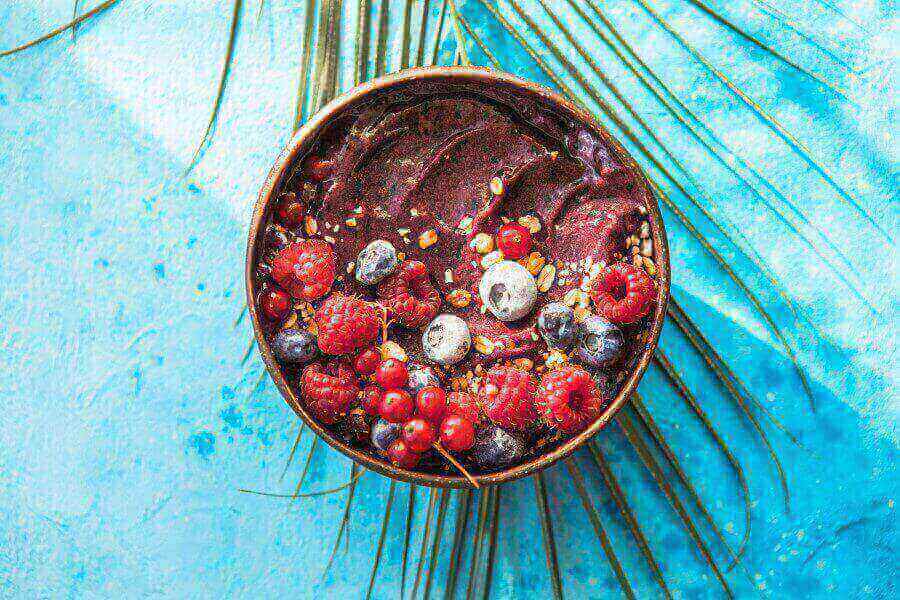
When it comes to famous treats in Brazil, the Açaí Bowl stands out as a refreshing and nutritious choice that has taken the world by storm. Originating from the heart of the Amazon rainforest, Açaí has captured the attention of health enthusiasts and foodies alike for its exceptional nutritional value and delightful taste.
Native to the Amazon, the Açaí berry is a superfruit renowned for its antioxidant properties and potential health benefits. In Brazil, it has long been cherished for its energizing properties and is commonly consumed in the form of an Açaí Bowl. This vibrant bowl of goodness combines frozen Açaí pulp with a variety of toppings such as crunchy granola, fresh sliced fruits, and a drizzle of golden honey.
This Brazilian dessert has become a popular choice for breakfast or as a satisfying snack throughout the day.
Popular Brazilian Sweets
Brigadeiro
When it comes to Brazilian desserts and sweets, one treat that stands out is Brigadeiro. This delectable confection is a true symbol of Brazilian indulgence and is adored by sweet lovers across the country.
This Brazilian cake is made from a few simple ingredients – condensed milk, cocoa powder, butter, and chocolate sprinkles. The mixture is cooked to perfection, resulting in a smooth and creamy texture that melts in your mouth. Rolled into bite-sized balls and coated with a generous layer of chocolate sprinkles, these Brazilian chocolate balls are as visually appealing as they are delicious.
Brigadeiro represents the rich tradition of Brazilian sweets. Its luscious flavor and creamy texture make it a favorite among both children and adults. Whether you’re exploring the bustling streets of Brazil or seeking to satisfy your sweet tooth with authentic Brazilian desserts, Brigadeiro is a delightful choice!
Maria-Mole
Enter the whimsical realm of Maria-Mole, a delightful Brazilian dessert that goes by the endearing name of “Angel’s Kiss.”
Maria-Mole is a heavenly creation made from a delicate mixture of egg whites, sugar, and gelatin, meticulously whipped to achieve a cloud-like consistency. Its light and airy nature brings a sense of wonder as it practically dissolves on the tongue, leaving behind a trail of sweetness.
Infused with the tropical essence of coconut, these sweets in Brazil offer a hint of paradise in each bite. The subtle coconut flavor enhances its already irresistible charm, creating a beautiful blend of taste and texture.
These delightful treats take the form of small, whimsical mounds, inviting you to experience the whimsy and playfulness of Brazilian desserts. Whether enjoyed as a standalone treat or as a delightful addition to a dessert spread, Maria-Mole never fails to bring a smile to the faces of those lucky enough to taste it.
Queijadinha
Queijadinha, a delightful gem in the realm of Brazilian desserts, captivates the taste buds with its unique combination of flavors and textures. This beloved Brazilian treat showcases the rich culinary heritage of Brazil, fusing Portuguese influences with local ingredients to create a truly iconic delicacy. Originating from the state of Minas Gerais, Queijadinha has become a symbol of the region’s culinary creativity and is adored by dessert enthusiasts across the country.
The magic of Queijadinha lies in its simple yet exquisite composition. A blend of shredded coconut, sugar, eggs, and cheese forms the foundation of this indulgent creation. Baked until golden, the resulting dessert has a soft and chewy texture that melts in your mouth, leaving a lingering sweetness on the palate.
Queijadinha’s Portuguese origins can be traced back to the colonial era, where European baking techniques and ingredients were embraced and transformed by the local culture. Today, it has become a staple in Brazilian sweets, celebrated for its unique combination of flavors and its ability to evoke a sense of nostalgia and comfort.
Cajuzinho
One of the best examples of Brazilian dessert is the Cajuzinho. Originating from the northeastern region of Brazil, this bite-sized treat holds a special place among the array of Brazilian sweets.
Cajuzinho, which translates to “little cashew,” pays homage to the unique flavors and ingredients found in Brazilian desserts. These small cone-shaped delights resemble the iconic cashew fruit, capturing the imagination and taste buds of both children and adults.
Crafted from a combination of peanuts, sugar, and condensed milk, Cajuzinho showcases the artistry and creativity that defines Brazilian sweets. The ingredients are carefully blended, shaped, and garnished with crushed peanuts to create a delectable balance of textures and flavors.
Beijinho
As one of the most popular Brazilian desserts and sweets, Beijinho holds a special place in the hearts and palates of many. Meaning “little kiss” in Portuguese, Beijinho is a delightful treat that captures the essence of joy and celebration. Originating in Brazil, this sweet confection is a beloved staple at parties and festive gatherings, especially during the vibrant Junina festivals.
The secret behind the irresistible allure of Beijinho lies in its simple yet captivating combination of flavors. With a look similar to Brazilian chocolate truffles, this treat is made from condensed milk, butter, and shredded coconut, and is transformed into small, bite-sized balls of pure delight. Each ball is then coated with a generous layer of coconut flakes, adding a touch of texture and visual appeal.
The name itself, “little kiss,” reflects the sweet and affectionate nature of these delicate sweets in Brazil. As you take a bite into the soft and velvety Beijinho, you’ll be greeted by the creamy sweetness of condensed milk, the buttery richness, and the subtle tropical notes of coconut. It’s a divine combination that melts in your mouth, leaving you craving for more.
Peanut Based Brazilian Sweets
Paçoca
Paçoca, one of the most beloved Brazilian sweets, embodies the essence of festivities and joy. It is a delightful concoction crafted from a blend of ground peanuts, sugar, and occasionally cassava flour.
These delightful Brazilian snacks are skillfully shaped into rectangular bars or crumbled into a powdery texture, creating a unique and satisfying treat. Each bite of Paçoca offers a burst of nutty sweetness that dances on the taste buds, leaving a lasting impression.
These traditional sweets in Brazil have been enjoyed for generations during festive gatherings. Whether it’s a joyful carnival celebration or a lively family get-together, Paçoca adds a touch of nostalgia and delight to the occasion.
Bombocado
In the realm of Brazilian desserts, there is a heavenly creation known as Bombocado that captivates the senses with its dense, moist texture and delectable flavors. This indulgent cake, deeply rooted in the culinary traditions of Brazil, is a true testament to the country’s love for sweet treats.
Bombocado is made with a blend of ingredients that come together to create a symphony of flavors. The combination of coconut, eggs, sugar, and cheese results in a Brazilian cake that is both rich and buttery, offering a melt-in-your-mouth experience with every bite. The addition of hints of cinnamon or vanilla adds a delightful touch of warmth and aroma to this already divine dessert.
Pé de Moleque
Pé de Moleque, a delightful confection that carries the essence of Brazilian sweets, is a cherished treat in the country’s culinary heritage. This traditional Brazilian dessert showcases the perfect harmony between peanuts and molasses or caramelized sugar.
Originating from the vibrant cultural tapestry of Brazil, Pé de Moleque holds a special place in the hearts of locals and visitors alike. The name “Pé de Moleque” translates to “Boy’s Foot,” reflecting the playful nature and fond childhood memories associated with this sweet creation.
These sweets in Brazil are typically molded into square or rectangular bars, with a satisfying crunch that adds to their allure. The combination of roasted peanuts and molasses or caramelized sugar creates a unique texture that enchants you with every bite. This sweet delicacy is especially popular during festivals, where the aroma of roasting peanuts fills the air, and the joyous celebrations embrace the vibrant spirit of Brazil.
Pé-de-Moleque de Leite Condensado
Pé-de-Moleque de Leite Condensado, a variation of the traditional Pé de Moleque, brings an irresistible twist to the world of Brazilian sweets. Combining the flavors of peanuts, sugar, and condensed milk, Pé-de-Moleque de Leite Condensado offers a delectable experience that satisfies the sweet tooth.
The origins of this delightful creation can be found in the rich heritage of Brazil, where the traditional Pé de Moleque has been enjoyed for generations. By introducing condensed milk into the recipe, a new level of creaminess and sweetness is infused into the mix.
These sweets in Brazil are a treat that transcends ordinary desserts, reserved for special occasions. Its presence adds an extra layer of sweetness and joy to the celebrations, symbolizing the spirit of togetherness and indulgence.
Best Traditional Brazilian Desserts
Cocada
When it comes to Brazilian desserts, few can rival the Cocada. These savory traditional Brazilian sweets, crafted from shredded coconut and sugar, have captured the hearts and palates of sweet enthusiasts around the world.
With a history rooted in the African influences that shaped Brazilian cuisine, Cocada showcases the fusion of cultural flavors that make Brazilian sweets so unique. It is believed to have traveled across the Atlantic during the era of colonization, where African culinary traditions blended with local ingredients to create this culinary masterpiece.
Cocada tantalizes the senses in a variety of forms, from soft and chewy morsels to crispy, caramelized confections. Each bite unveils a symphony of sweet and tropical flavors as the delicate coconut intertwines with the rich sweetness of the sugar.
Ambrosia
Ambrosia, a heavenly delight among Brazilian desserts, is a testament to the country’s culinary legacy. With Portuguese origins, Ambrosia has become an integral part of the vibrant sweetscape in Brazil, especially during the Easter season.
Crafted from a blend of eggs, milk, sugar, and occasionally infused with hints of cinnamon or vanilla, Ambrosia undergoes a slow-cooking process that allows the flavors to meld and intensify. The result is a decadent Brazilian dessert that enchants with its rich, velvety texture and delicate sweetness.
Throughout Brazil, Ambrosia is celebrated as a quintessential treat during Easter, symbolizing abundance, renewal, and joy.
Cocada Branca
In the world of Brazilian desserts and sweets, one delightful creation that stands out is Cocada Branca, an exquisite variation of the beloved cocada. This delectable treat, also known as “white cocada,” showcases the enticing combination of coconut and sugar, resulting in a velvety smooth, and sweet indulgence. Cocada Branca holds a special place in Brazilian culinary traditions, adding a touch of elegance and charm to the array of delectable delights.
The coconut and sugar are carefully cooked until they blend harmoniously, creating a creamy and thick texture that melts in your mouth. Each bite of this popular dessert in Brazil is a divine experience, offering a luscious sweetness that tantalizes the taste buds.
These versatile Brazilian sweets are not only a standalone candy but also a delightful filling for cakes and Brazilian pastries. Its smooth and creamy consistency adds a layer of richness and flavor, elevating any dessert to new heights.
Banana Caramelada
Banana Caramelada, a beloved gem in the realm of Brazilian desserts, captivates taste buds with its irresistible blend of sweet and caramelized flavors. This simple yet delightful treat showcases the natural sweetness of ripe bananas cooked to perfection in a luscious caramel sauce. A true staple in Brazilian homes, Banana Caramelada has become synonymous with comfort and indulgence.
The origins of this delectable dessert can be traced back to the vibrant culinary traditions of Brazil, where the humble banana takes on a luxurious transformation. Served as a standalone dessert or used as a topping for Brazilian cakes and pies, Banana Caramelada adds a touch of decadence to any sweet creation.
Romeu e Julieta
Step into the world of romance and flavor with Romeu e Julieta, one of the most classic Brazilian sweets that pays homage to the iconic love story of Romeo and Juliet. This delightful dessert showcases the perfect harmony between creamy cheese and luscious guava paste, creating a masterpiece that has captured the hearts of Brazilians.
Romeu e Julieta, named after the star-crossed lovers, embodies the bittersweet essence of their tale. The combination of smooth, creamy cheese and the sweet, fruity notes of guava paste forms a symphony of flavors that dance on the palate. Each bite is a delightful balance of contrasting tastes, where the richness of the cheese beautifully complements the sweetness of the guava paste.
The origins of these delightful sweets in Brazil can be traced back to the cultural fusion between Portuguese and Brazilian culinary traditions. With Portuguese influences at its core, this enchanting dessert has become a symbol of Brazilian creativity and ingenuity.
Doce de Leite
Doce de Leite is a treasured delight in the realm of Brazilian desserts. This creamy and indulgent treat brings together a blend of flavors and textures that will leave you craving more.
Doce de Leite, also known as “milk sweet,” is a velvety concoction made from the finest ingredients. The combination of condensed milk, sugar, and a hint of vanilla creates a caramel-like goodness that melts in your mouth. These delectable sweets in Brazil are slowly cooked to perfection, allowing them to develop a thick and luscious consistency that is simply irresistible.
Doce de Leite has become a beloved dessert that can be enjoyed in various ways. You can spread it generously on warm bread for a heavenly breakfast or use it as a luxurious filling in Brazilian cakes and pastries to elevate their flavors to new heights.
Puddings In Brazilian Desserts
Quindim de Iaiá
Quindim de Iaiá, a true gem among Brazilian desserts, entices the senses with its irresistible blend of velvety sweetness and vibrant coconut flavor. This exquisite variation of Quindim embodies the culinary traditions of Brazil, where each delicate bite transports you to a realm of indulgence and celebration.
The addition of cornstarch elevates its creamy texture, while the vibrant yellow color of these sweets in Brazil adds a touch of sunshine to any occasion. Originating from the passion and creativity found in Brazilian households, Quindim de Iaiá is a treasured recipe passed down through generations.
The dessert takes center stage at festive gatherings and special celebrations. Its presence is a symbol of love and togetherness, inviting friends and family to savor its exquisite flavors and embrace the joy that comes with sharing a truly exceptional sweet Brazilian treat.
Tapioca Pudding
Tapioca pudding, a beloved Brazilian dessert known for its creamy texture and delightful taste, is a true testament to the diversity this country has to offer. This sweet treat, also referred to as “Tapioca Doce” or “Sagu,” has become a cherished part of Brazil’s culinary tapestry.
This special Brazilian pudding is crafted using tapioca pearls, milk, sugar, and occasionally coconut milk, resulting in a velvety-smooth dessert that warms both the heart and soul.
With its indigenous origins, these sweets in Brazil showcase the country’s rich heritage. It is enjoyed in various regions, each adding its own unique twist and flavors to this comforting dessert. From traditional family gatherings to Brazilian street food stalls, tapioca pudding has found a place in the hearts of most Brazilians.
Quindim
Among the array of Brazilian desserts, one that has both elegance and rich flavors is Quindim. These traditional Brazilian sweets were brought to Brazil by Portugal during the colonial era.
The essence of Quindim lies in its simplicity. Made with a combination of egg yolks, sugar, butter, and shredded coconut, this sweet custard is baked to perfection until it achieves a mesmerizing golden hue and a firm yet velvety texture. With every bite of this golden delight, you’ll experience a taste of history and tradition, embracing the sweetness and warmth of Brazilian desserts.
Pudim de Leite Condensado
When it comes to Brazilian desserts, Pudim de Leite Condensado stands out as a true culinary gem.
The origin of Pudim de leite condensado can be traced back to Portugal, where custard-based desserts have a long-standing tradition. In Brazil, this creamy delight has been elevated to new heights with the addition of condensed milk, lending it an irresistibly smooth and velvety texture.
Whether served at family gatherings, celebrations, or simply enjoyed as a comforting treat, these sweets in Brazil hold a special place in Brazilian culinary culture. Its popularity can be attributed to its indulgent nature and the nostalgia it evokes, reminiscent of childhood memories and shared moments around the table.
Quindão
The velvety indulgence of Quindão is a captivating Brazilian dessert that effortlessly blends richness and elegance. Originating from Portugal, Quindão has found its way into the hearts and palates of many across Brazil.
Quindão delights with its rich and dense texture, achieved through a combination of egg yolks, sugar, shredded coconut, and luscious coconut milk. The creaminess of the custard mingles with the subtle sweetness of the coconut, leaving a lasting impression.
Quindão is a cherished treat during celebrations and holidays in Brazil. Its presence on the dessert table signifies a moment of joy and togetherness, inviting loved ones to gather and savor the delectable flavors. The art of making these sweets in Brazil has been passed down through generations – a true reflection of the country’s culinary heritage.
Manjar Branco
Manjar Branco, a cherished Brazilian dessert, has roots in Portuguese traditions.
This creamy delicacy is crafted from a beautiful blend of coconut milk, sugar, and cornstarch, resulting in a dessert that is both light and indulgent. Infused with the subtle essence of vanilla, each spoonful of Manjar Branco offers a captivating symphony of flavors!
To enhance its taste, Manjar Branco is often adorned with a sweet fruit sauce, such as raspberry or passion fruit, adding a vibrant burst of tangy sweetness to complement its creamy base. This delightful pairing elevates the Brazilian dessert to new heights.
Manjar Branco has seamlessly integrated into the fabric of Brazilian cuisine and sweets in Brazil, becoming a beloved treat enjoyed in homes, restaurants, and celebrations throughout the country.
Cakes In Brazilian Desserts
Brigadeirão
In the realm of Brazilian sweets, Brigadeirão stands tall as a mouthwatering treat that adds a touch of indulgence to any special occasion. Born from the popularity of its smaller counterpart, Brigadeiro, this delectable dessert holds a cherished place in the hearts of Brazilians.
Brigadeirão is a luscious and creamy chocolate flan that captivates the senses with its rich flavors. Crafted from a divine blend of condensed milk, cocoa powder, eggs, and butter, each spoonful unveils a symphony of velvety textures and heavenly sweetness. The dessert’s origins can be traced back to the beloved Brigadeiro sweets in Brazil, which gained popularity in the 1940s.
As time went on, creative minds experimented with the Brigadeiro recipe, resulting in the birth of Brigadeirão, one of the best Brazilian chocolate cakes. This larger version emerged as a delightful centerpiece for special occasions, tempting guests with its irresistible allure. From birthdays to weddings, Brigadeirão has become an iconic dessert that brings joy and satisfaction to dessert lovers across Brazil.
Romeu e Julieta Cupcakes
The enchanting world of Brazilian desserts brings you the tantalizing Romeu e Julieta Cupcakes. This modern twist on a timeless classic brings together the iconic combination of cheese and guava paste in a mesmerizing culinary creation that will leave you craving for more.
Romeu e Julieta Cupcakes can be attributed to the beloved Brazilian pairing of creamy cheese and sweet guava paste. Inspired by the tragic love story of Romeo and Juliet, these sweets in Brazil pay homage to the irresistible chemistry between these two distinct flavors.
Each cupcake is a work of art, delicately crafted to perfection. The velvety cream cheese frosting serves as a luscious canvas, beautifully complementing the dollop of guava paste that adorns the top. As you take your first bite, your taste buds will be enveloped in a symphony of sweet and savory notes, creating a captivating dance of flavors on your palate.
Bolo de Rolo
In the realm of Brazilian desserts and sweets, one delicacy that stands out is Bolo de Rolo. Hailing from the vibrant state of Pernambuco, this confectionary masterpiece has captured the hearts and palates of dessert enthusiasts across Brazil.
At first glance, Bolo de Rolo may appear like a simple rolled cake, but its true allure lies within its thin layers of cake and luscious guava paste filling. Each layer is meticulously spread, baked to perfection, and carefully rolled, creating an enchanting spiral pattern that is as visually stunning as it is delectable. The result is a Brazilian cake that bursts with flavors and textures, leaving a lasting impression on anyone lucky enough to indulge.
The origins of Bolo de Rolo can be traced back to the 19th century when Portuguese colonizers brought their baking traditions to Brazil. Over time, the cake evolved to incorporate local ingredients, with the guava paste filling being a quintessential Brazilian touch.
Savor The Sweet Delights Of Brazilian Desserts
Exploring the best Brazilian desserts and sweets is an invitation to indulge in the vibrant and delightful world of Brazilian cuisine. From the decadent Brigadeiro to the tropical Açaí Bowl, each dessert tells a story of cultural fusion and regional specialties.
Whether you have a preference for creamy custards, crispy treats, or nutty delights, Brazilian desserts offer a diverse range of flavors and textures that are sure to satisfy your sweet tooth.
These Brazilian sweets are not just treats; they are reflections of a rich cultural heritage – a tapestry woven with Portuguese, African, and indigenous influences. It’s one of the most exciting aspects of Brazil for foodies!
Brazilian street food and snacks are a vibrant reflection of the country’s rich culinary tapestry, shaped by a fascinating history and a diverse range of cultural influences. Rooted in indigenous traditions, Brazilian cuisine evolved over centuries through Portuguese colonization, African heritage, and waves of immigration from various corners of the world.
These influences have contributed to the unique and captivating flavors found in Brazilian street foods.
What Makes Brazilian Street Food Unique?
The history of Brazilian street food dates back centuries, with indigenous communities incorporating local ingredients and cooking techniques. With the arrival of Portuguese explorers, new flavors and ingredients were introduced, leading to the fusion of indigenous and European culinary traditions. African cultures also played a significant role in shaping Brazilian cuisine, infusing it with their cooking techniques, spices, and flavors.
Brazil is famous for its melting pot of cultures, welcoming immigrants from countries such as Italy, Japan, Lebanon, and Germany, among others. Each wave of immigration brought its unique culinary heritage, resulting in a culinary landscape rich in diversity and innovation.
Brazilian street foods and snacks are known for their bold flavors, vibrant colors, and diverse ingredients. Popular choices include coxinha, pastel, and acarajé. These dishes showcase the influence of indigenous, Portuguese, African, and Afro-Brazilian culinary traditions of street food in Brazil.
Meat-Based Brazilian Street Food And Snacks
Coxinha
Coxinha is a beloved Brazilian street food that can be found in bustling food markets across the country. This iconic snack originated in São Paulo in the late 19th century. Resembling little chicken thighs, coxinhas are made from a mixture of wheat flour, butter, and chicken broth.
They are filled with seasoned shredded chicken, shaped into teardrop forms, coated in breadcrumbs, and deep-fried until golden and crispy. These mouthwatering treats have gained nationwide popularity, becoming a symbol of street foods in Brazil and a go-to option for those craving delicious snacks
Acarajé
For a taste of Brazil’s African influence, acarajé is a must-try Brazilian street food available in food markets throughout the country. Originating from Bahia, this Afro-Brazilian delicacy reflects a rich culinary heritage. Acarajé features a deep-fried black-eyed pea dough seasoned with onions and salt, resulting in a crisp outer layer.
Traditionally split in half, it is filled with a delightful combination of spicy shrimp, vatapá (a creamy paste made from shrimp, bread, coconut milk, peanuts, and palm oil), and caruru (a sauce made from okra, shrimp, and palm oil). The explosion of flavors and textures in acarajé showcases the diversity and vibrancy of Brazilian snacks found in food markets.
Esfiha
Brazilian food markets will almost always serve the phenomenal esfiha. They are usually filled with seasoned ground meat, cheese, or vegetables.
The triangular or circular pastries are baked to golden and slightly crispy perfection. As a snack or light meal option, esfihas offer a delightful taste of the Middle East within the vibrant atmosphere of Brazilian food markets.
Acarajé de Camarão
Acarajé de camarão, one of the best Brazilian snacks, is a variation of the classic acarajé and specifically features a shrimp filling. Originating from Bahia’s Afro-Brazilian cuisine, acarajé reflects the region’s history and traditions. It consists of a deep-fried black-eyed pea dough ball split open and stuffed with a tantalizing mixture of spicy sautéed shrimp.
Garnished with vatapá, caruru, and various flavorful sauces, acarajé de camarão offers an explosion of flavors in Brazilian food markets. The crispy dough, succulent shrimp, and robust spices combine to create an irresistible Brazilian street food experience that shouldn’t be missed.
Churrasquinho
Churrasquinho, a quintessential Brazilian street food, is a flavorful choice found in food markets for meat lovers seeking a quick bite. These grilled meat skewers capture the essence of churrasco, the art of barbecue that Brazil is known for. Churrasquinho can feature various slices of meats, such as beef, chicken, sausage, or a combination.
Marinated in spices, herbs, and sometimes lime juice, the skewers are grilled over an open flame until the meat is juicy, charred, and infused with smoky goodness. Served with farofa (toasted cassava flour) and a squeeze of lime, churrasquinho embodies the vibrant flavors of street food in Brazil.
Empada
Empadas are savory pastries that have become a popular Brazilian street food item around the country. Introduced through Portuguese cuisine during colonization, empadas feature a buttery and flaky pastry crust enveloping various fillings. These fillings, such as chicken, shrimp, cheese, or a combination, are cooked with flavorful ingredients like onions, garlic, herbs, and spices.
Baked until golden, empadas are typically served as bite-sized snacks or as part of a light meal. The combination of a buttery crust and a savory filling has made them a popular choice among those seeking satisfying and portable snacks in Brazilian food markets.
Cuscuz Paulista
Cuscuz paulista, a savory dish originating from São Paulo, represents the diverse culinary influences found within street foods in Brazil. It is a variation of traditional Portuguese cuscuz, adapted with Brazilian ingredients and flavors. Cuscuz paulista features cornmeal cooked with water or broth, creating a dense cake-like base.
Combined with sautéed vegetables, diced chicken, shrimp, sausage, olives, and hard-boiled eggs, the flavors meld and the dish sets as it is steamed. Served sliced, cuscuz paulista unveils vibrant colors and textures within each bite. This hearty and flavorful dish exemplifies the culinary diversity found in Brazilian food markets, offering a taste of the country’s regional specialties.
Barreado
Barreado, a culinary gem and an irresistible delight of Brazilian street food, originates from the enchanting state of Paraná. This traditional dish is a testament to the vibrant culinary heritage of rural communities and is a cherished feature of food markets across the region.
At the heart of Barreado lies tender beef, often the succulent brisket, lovingly marinated with an exquisite blend of spices, garlic, and bacon. The magic unfolds as the meat is carefully placed in a clay pot, tightly sealed, and entrusted to the slow cooking process.
Barreado exemplifies the vibrant fusion of indigenous, Portuguese, and African influences that have shaped the tapestry of Brazilian food markets. It’s often accompanied by fragrant rice, cassava flour, delicate banana slices, tantalizing farofa, and a refreshing salad.
Quibe
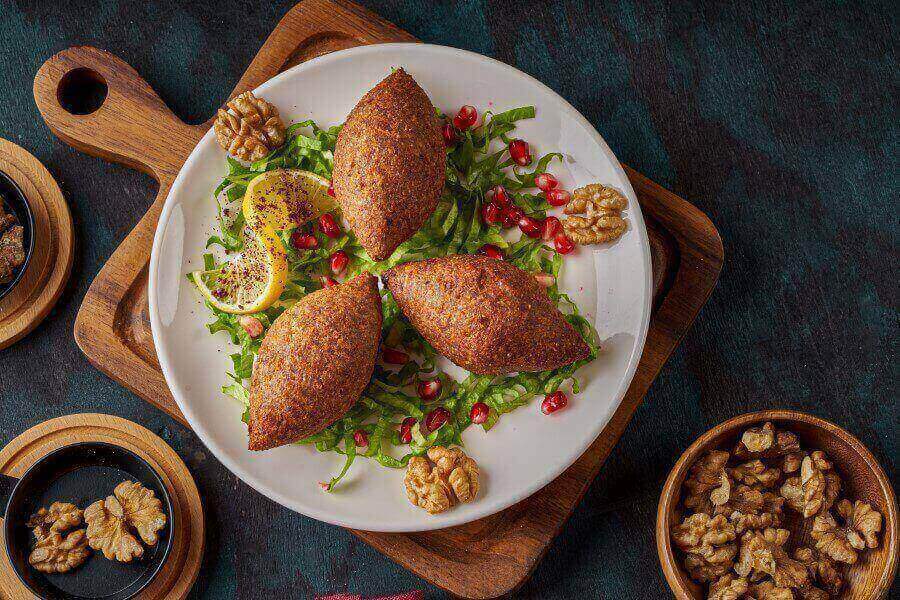
Quibe, an enticing culinary creation, is a Brazilian street food influenced by Lebanese cuisine.
At the heart of quibe lies a delightful blend of bulgur wheat, ground beef or lamb, onions, and a tantalizing medley of spices. This harmonious combination creates a dough-like mixture that is shaped into small, elongated cylinders or patties, ready to be transformed into crispy, flavorful bites.
Whether deep-fried to achieve a golden, crunchy crust or baked to perfection, quibe offers a delightful contrast of textures. The nuttiness of bulgur wheat coupled with the fragrant spices infuses the meat, creating a tantalizing explosion of flavors in every bite. It’s no wonder that quibe has become a staple in Brazilian food markets!
Popular Vegetarian Brazilian Street Food
Açaí Bowl
Originating from the Amazon rainforest, the açaí bowl has become a popular and refreshing choice of Brazilian street food. Açaí berries, harvested from trees native to Brazil’s northern regions, are small, dark-purple fruits with a tart flavor. Blended with a splash of liquid like water, coconut water, or juice, the frozen açaí pulp creates a velvety purple base.
Toppings such as granola, fresh fruits (bananas, berries, mango), shredded coconut, and a drizzle of honey or agave syrup complete the nutritious and antioxidant-packed açaí bowls. These visually stunning bowls are a treat for the senses and a favorite among health-conscious snack seekers in Brazilian food markets.
Pastel de Feira
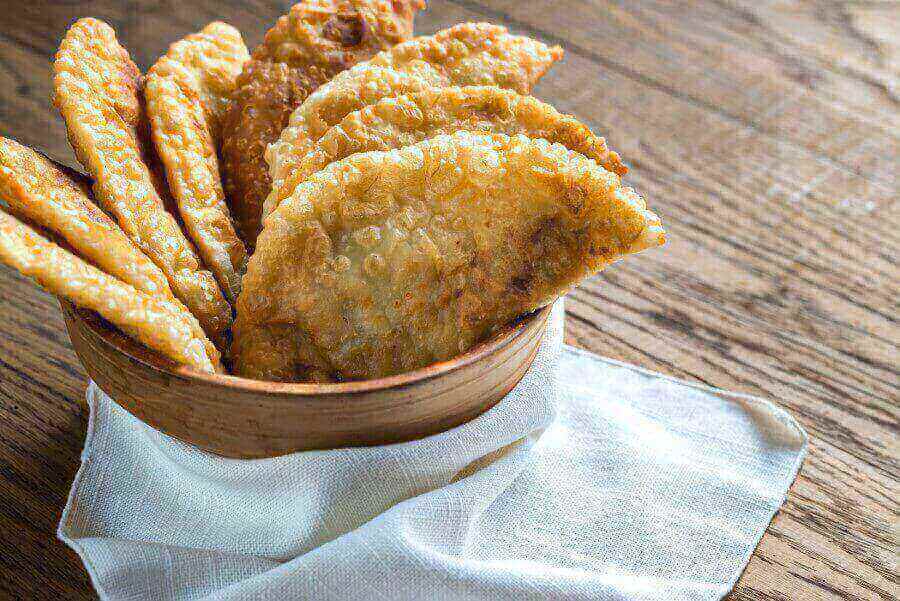
Pastel de feira, a larger version of the traditional pastel, is commonly found at food fairs and markets, showcasing its presence in Brazilian street food. These deep-fried pastries offer a broader canvas for creative fillings and are often shared among friends or family. Made with a dough of flour, water, and salt, pastel de feira creates a light and crispy texture.
Fillings range from classic combinations like cheese, ground beef, and chicken to vegetarian options like spinach and cheese. Enjoyed hot from the fryer, pastel de feira provides an explosion of flavors and textures, representing the variety and richness of culinary traditions found in Brazilian food markets.
Queijo Coalho
Queijo coalho, a popular Brazilian street food, is a highlight in food markets, especially those found on Brazil’s beautiful beaches. This delightful snack features skewered slices of queijo coalho, a semi-hard cheese renowned for its unique texture. Typically made from cow’s milk, queijo coalho offers a slightly salty and nutty flavor.
The skewers are grilled until the cheese softens and develops a golden crust, resulting in a gooey yet firm texture. Sprinkled with oregano, queijo coalho’s savory profile is enhanced, making it an ideal snack to enjoy while soaking up the sun and enjoying the vibrant atmosphere of food markets in Brazil.
Pão de Queijo
Pão de queijo are quintessential Brazilian snacks that delight visitors at Brazilian food markets. This gluten-free gem traces its roots back to the state of Minas Gerais in the 18th century. Made with cassava flour, cheese (like Minas cheese), eggs, and milk, the dough is formed into small balls and baked to achieve a crispy exterior and a chewy center.
The irresistible combination of cheesy goodness and unique texture has made pão de queijo a culinary treasure enjoyed for breakfast in Brazil or even as a quick bite.
Pamonha
Pamonha, one of the best traditional Brazilian snacks associated with the countryside, is commonly made and enjoyed during the corn harvest season. Commonly found within food markets in Brazil, pamonha consists of grated corn mixed with sugar, milk, and sometimes coconut. This mixture is wrapped in corn husks and boiled until it achieves a smooth and creamy consistency.
Pamonha can be enjoyed in both sweet and savory variations, with sweet versions often flavored with cinnamon. Its velvety texture, subtly sweet flavor, and rustic charm evoke a sense of nostalgia while providing a delightful taste of traditional Brazilian street food in markets across the country.
Best Brazilian Snacks: Pastries And Desserts
Brigadeiro
No celebration in Brazil is complete without brigadeiros, beloved chocolate truffles that are a staple in Brazilian street food. These sweet treats have a sweet history, originating in the 1940s as a tribute to Brigadeiro Eduardo Gomes, an Air Force officer. The classic brigadeiro recipe combines condensed milk, cocoa powder, butter, and chocolate sprinkles.
The mixture is cooked to a thick consistency, rolled into small balls, and coated with sprinkles. Brigadeiros are adored by all generations and commonly served at birthdays, parties, and festive occasions, adding a touch of indulgence to Brazilian food markets.
Pastel
Pastel, one of the most versatile Brazilian street foods, is a popular choice among locals and visitors exploring Brazilian food markets. Introduced by Portuguese immigrants, these crispy, deep-fried pastries offer a wide range of fillings. The dough, made from flour, water, and a pinch of salt, creates a thin and light texture.
Fillings vary widely, including cheese, ground beef, palm heart, chicken, shrimp, or sweet combinations like bananas and chocolate. Pastels are fried to golden perfection, served piping hot, and enjoyed as an on-the-go snack. Their delicate crust and flavorful fillings have made pastels a beloved option, satisfying cravings for delectable snacks.
Quindim
Quindim is a luscious sweet treat cherished in food markets across the country. With Portuguese roots dating back to colonial times, quindim features a smooth, custard-like batter made from sugar, egg yolks, and grated coconut. Poured into small molds and baked until set, quindim takes on a golden hue and offers a soft, silky texture with a rich coconut flavor.
Served chilled, quindim is a sweet ending to a meal or a standalone indulgence that shines among the diverse offerings in Brazilian street foods. Its glossy appearance, delicate sweetness, and coconut-infused richness make quindim one of the most irresistible Brazilian desserts.
Tapioca
Tapioca is a beloved Brazilian dessert that showcases the country’s culinary heritage. Originating from Indigenous cultures, tapioca is made from cassava flour derived from the cassava plant’s root. The flour is spread onto a hot griddle, forming a thin, crepe-like layer. Once cooked, it can be filled with an array of savory or sweet ingredients, including cheese, coconut, meat, and chocolate.
Tapioca’s gluten-free nature and versatility have contributed to its popularity, making it a go-to snack or meal option. With simple ingredients and endless filling possibilities, tapioca remains a beloved component of Brazilian street food culture.
Bolo de Rolo
Bolo de rolo, a traditional delicacy from Pernambuco, is a visually stunning rolled cake that can be found among Brazilian pastries. Dating back to the 19th century, this cake consists of thin, moist layers of cake batter filled with guava paste. Meticulously rolled to create a spiral pattern reminiscent of a Swiss roll, bolo de rolo is both a work of art and a culinary delight.
The combination of delicate cake layers and sweet, tangy guava filling results in a harmonious balance of flavors and textures. Whether enjoyed with a cup of coffee or served as a special dessert, bolo de rolo is a testament to Pernambuco’s culinary heritage and a treat for cake enthusiasts.
Caipirinha
While not a food item, caipirinha (one of the best Brazilian cocktails) represents the spirit of the country – and can be enjoyed in lively food markets with fresh Brazilian snacks. This refreshing and tangy drink holds the title of Brazil’s national cocktail and has its roots in the sugarcane fields. Caipirinha’s main ingredients include cachaça (a distilled spirit made from sugarcane juice), lime, sugar, and ice.
Muddled lime wedges release their citrusy oils, creating a tart-sweet base that is enhanced by the addition of cachaça and ice. The vibrant flavors and refreshing nature of caipirinha make it a beloved choice, whether enjoyed at bustling food markets or while savoring the sun at the stunning Brazilian beaches.
The Exquisite Essence Of Brazilian Street Food And Snacks
The street foods and snacks in Brazil offer a tantalizing journey through the flavors and influences that have shaped the country’s culinary landscape. From the indigenous roots to the Portuguese colonization, African heritage, and waves of immigration, Brazil’s street food scene is a testament to the vibrant cultural tapestry that defines the nation.
The history of Brazilian street food is a story of fusion and adaptation, where traditional recipes and cooking techniques have melded with new ingredients and influences from around the world.
Whether it’s the mouthwatering coxinha, the crispy pastel, or the savory acarajé, each street food item carries the essence of Brazil’s rich heritage, passion, and creativity. The blend of indigenous ingredients, Portuguese techniques, African spices, and the contributions of immigrant communities has created a symphony of flavors that make Brazilian street food truly unique.
A beautiful Middle East country, Iran is famous for its lush forests, splendid mountains, and rich heritage. Amidst the exceptional World Heritage Sites and monuments, don’t overlook the delicious Iranian cuisine on offer, specifically Persian breakfast food.
What Is Special About Persian Breakfast?
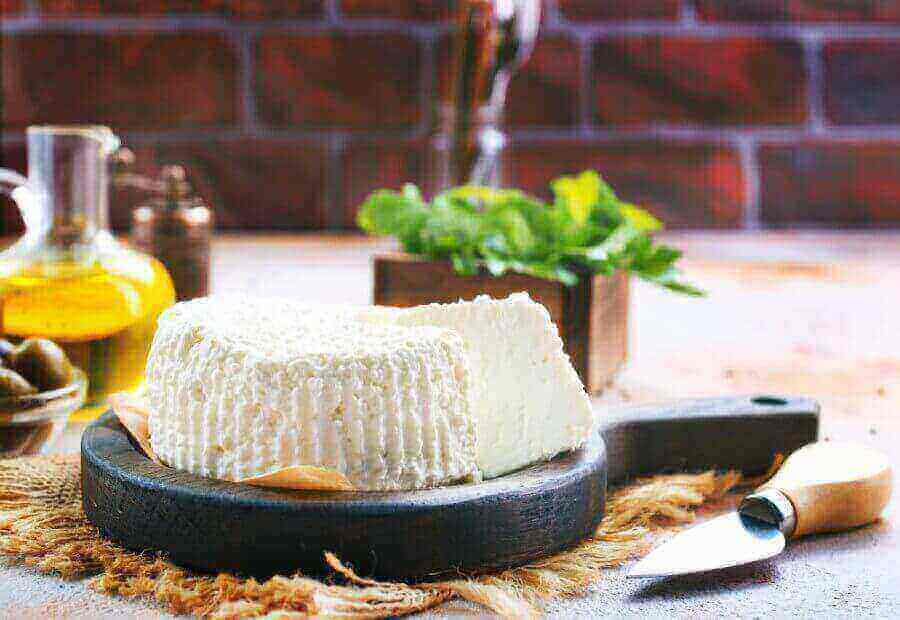
Persian breakfast has a lot of variety for veg and non-veg tourists. You will find a combination of flatbreads, feta cheese, eggs, jams, honey, and butter. With all these healthy and light breakfast foods, everyone can find a nutritious Iranian breakfast dish according to their taste.
You can also get a bowl of exotic Iranian haleem, adasi, or kaleh pache. They are usually served with fresh white cheese, labneh, and a variety of bread, lavash being the most popular among all. Persians also like to take their traditional tea alongside their breakfast food.
Most Famous Persian Breakfast In Iran
Persian Bread
Iranian cuisine features a wide range of bread, baked with special techniques and ingredients. Persian breads go well with almost every meal in Iran and are a significant part of breakfast in Iran.
There are numerous kinds of bread in Iran, among which four are very famous. These four include barbari with a thick structure; sangak, made from whole wheat flour, and Lavash, an oven-baked flatbread. Last but not least is a round flatbread Taftoon made from all-purpose flour.
Every local bakery and restaurant in Iran serves freshly baked bread as an appetizer or side dish. You can enjoy these loaves of bread topped with butter, cheese, jams, honey, or omelets. They also taste incredible with a variety of meat and vegetable stews.
Persian Breakfast Soup And Porridge
Adasi (Persian Lentil Soup)
Adasi is a lentil soup breakfast in Iran, enriched with proteins, iron, and vitamins. It is also a great Persian appetizer graced with herbs and Iranian spices.
This local soup is a blend of classical vegetarian ingredients, including green lentils, onions, cumin powder, salt, pepper, and turmeric. The topping of ground angelica herb makes it more flavorful and fragrant.
Adasi is a perfect Persian breakfast for people who prefer proteins and vegetables to start their day. When eaten for breakfast, the soup serves as an energy-boosting meal. Locals also enjoy it during winter, as it gives a soul-warming effect.
Aush Reshteh (Persian Noodle Soup)
Aush Reshteh is a broth-based Persian food served at breakfast and brunch. You can also commonly find it amongst the tasty street foods of Iran.
Iranian soups have more than 50 varieties, and this is the most popular among the natives. The broth is an unusual noodle soup that you might have never tried.
The distinctive flavors of this Persian breakfast come from fried onions, kashk, and reshteh. Furthermore, it is cooked with vegetables, beans, and chickpeas. All these ingredients make it a healthy and nutritious meal to start your day.
This iconic Persian soup is served topped with kashk. It has a thick and creamy texture with mouth-watering aromas and a slightly acidic character.
Kaleh Pacheh (Head And Hooves Soup)
The next Persian breakfast dish is something that you should never miss in Iran, kaleh pacheh. It is an exotic stew of lamb’s head and hooves for adventurous foodies.
The dish is prepared with great care and takes lots of time to maintain its zesty flavor. The head and hooves are simmered with fried onions, pepper, and spices and cooked for hours. It results in soft and tender meat with an extraordinary taste.
Kaleh pacheh is a very delicious but high-calorie dish, therefore, it’s probably wise to watch your consumption. In traditional Iranian restaurants, Kaleh pacheh is served early in the morning, so wake up a bit earlier to avoid the crowd.
Haleem (Persian Meat And Wheat Porridge)
Haleem is an Arabic porridge dish widely eaten across Asia. In Iran, it is considered a traditional stew served at breakfast. Similar to many Persian breakfasts, haleem is also a healthy option to start your day.
This breakfast in Iran features a combination of wheat, shredded meat, and some other ingredients. It takes hours to make the dish, but the wait is always worth it. Another good point is that most vendors make it in huge quantities for quick service.
Haleem is eaten with Persian flatbread, which pairs perfectly with its thick creamy texture. The combination of both will keep you full for a longer time.
Sweet Persian Breakfast Foods
Persian Cream And Honey
If you ever crave something sweet and unique to begin your day in Iran, nothing is better than honey and cream. It is another energy-boosting Iranian breakfast food. The soft and sweet combination of cream and honey is the favorite breakfast of many locals.
This healthy Iranian dish is made with a mixture of butter, honey, and cream. Sometimes, chocolate cream is added to make it more tempting. It is eaten with Persian pastry or bread. The dry texture of the bread pairs perfectly with the smooth consistency of cream and honey.
Persian Jams
Jam is an everyday treat for the locals in Iran. This sweet and delectable Persian breakfast is a simple yet delicious way to start your day. It is usually prepared by Iranian women in large amounts to serve guests and families.
They made a variety of fruit and vegetable jams. The most common Iranian jams are carrot, apple, mulberry, strawberry, apricot, pineapple, and cherry. You should try these jams with Persian pastry or bread and hot sips of tea for a satisfying and tasty breakfast.
Persian Breakfast – Omelets
Khagineh (Stuffed Persian Sugar Omelet)
Khagineh is a delicious Persian breakfast commonly known as a sugar omelet. Originating from Azerbaijan, this sweet omelet is very popular among the Azeri people of Iran.
In Iran, khagine is prepared with different recipes and ingredients. The word “Kagh” means egg in Azeri, so it is obvious that the key ingredient is egg.
Unlike typical omelets, these are stuffed with walnut and date filling and contain semolina instead of flour. It is a very light and fluffy Iranian breakfast and tea time snack. A drizzle of saffron syrup and a dollop of whipped cream makes it an absolute heaven for sweet lovers.
Traditional Persian Omelets
In Iran, omelets are among the most popular Persian breakfast foods. They usually have a fluffy and soft texture, like any scrambled egg. For Iranians, omelets are not just a breakfast meal, but they also eat them for lunch and dinner.
You can find a variety of omelets that have different ingredients and tastes. A traditional Iranian omelet includes eggs with lots of veggies and spices. The most famous ones are gojeh farangi and ghisava. It is usually enjoyed with fresh Persian flatbreads. Some places also serve omelets with steamed rice and pickled vegetables.
Persian Tea
Persian breakfast is incomplete without iconic Persian tea or chae. Traditional Iranian tea, also known as black tea, is made without milk. You can enjoy it with or without sugar according to your taste preference.
The deep reddish brown color and strong aromas of black tea leaves give a typical subtle flavor. You should try traditional Iranian tea with Persian pastry and sweets, or any breakfast item.
The hot sips will take your breakfast meal to a different level. A cup of warm and refreshing tea in the cold winter breeze is satisfying enough to comfort your soul.
Discovering More Persian Breakfast Foods In Iran
For Iranians, family reunions are very important, and these social gatherings are incomplete without traditional dishes.
It is a time-honored culture in Iran to serve classic delicacies at family functions and festivals. In fact, they are always willing to enjoy a beautiful time with their family over a nice Persian breakfast and dinner.
Some Iranian breakfast dishes are quite heavy, but many healthy and low-calorie foods are also available in Iranian cuisine. They contain a variety of seasonal vegetables, fruits, and legumes. With all the lavish and healthy dishes, black tea and flatbreads are a significant part of traditional breakfast in Iran.
Cape Town is one of the most visited places in South Africa for good reason. Tourists come to enjoy its scenic landscapes and beautiful beaches while learning more about this port city. Here are some interesting and fun facts about Cape Town that can help you plan your trip to this popular travel destination in South Africa.
Historical Facts About Cape Town
As the oldest city in South Africa, there are many stories and history Cape Town is known for.
It Has Many Blue Flag Beaches
The Blue Flag status is an award that is given to the most eco-friendly beaches in the world. It signifies that the beach has high-quality water and safe facilities for visitors.
Cape Town has more than eight beaches with this label. These include Camps Bay Beach, Clifton 4th Beach, Fish Hoek Beach, and more. Swimming in these waters will cause no harm to your sensitive skin.
This is why beaches in Cape Town are well-developed and attract thousands of visitors every year.
South Africa’s First Successful Human Heart Transplant Happened In Cape Town
One of the interesting facts about Cape Town is that it is home to Groote Schuur Hospital. The first successful heart transplant in Africa occurred at this institute in 1967. Christiaan Barnard was the leading surgeon of this operation.
The first patient only survived for 18 days, but the surgery paved the way for other successful operations. This event was also one of the most publicized cardiovascular events in South Africa.
Cape Town Is South Africa’s Legislative Capital
Many people with information on Cape Town know that it is one of the three capitals of South Africa. The other two are Pretoria and Bloemfontein. Cape Town is mainly the legislative capital because it is home to the nation’s Parliament.
The history of this city and its position in politics also makes it more important than other capitals. Pretoria and Bloemfontein mainly serve as administrative and judicial capitals, respectively.
The Only Nuclear Power Plant In South Africa Is Here
Koeberg Nuclear Power Station is the only nuclear plant in the entire African continent. It is situated towards the north side of Cape Town. Two reactors at this site account for 5% of South Africa’s electricity.
The plant has been operating since 1984 to offer power to South Africa. Many parts of Cape Town face blackouts when the Koeberg experiences a shutdown.
The First Wine In This Area Was Produced In 1659
Cape Winelands date back to the ancient era of Dutch settlers in South Africa. Many wines have been produced through vineyards in this area. The best thing is that this makes the wine industry of South Africa the oldest after the European industry.
One of the world’s longest wine routes is also present in Cape Town. Route 62 is 850 kilometers long and starts right outside the city. There is a reason why aCape Winelands Wine Tour is one of the most popular things to do when traveling in Cape Town.
Cultural Facts About Cape Town
The bustling city beautifully highlights the true South African culture. Let’s look at some cultural facts about Cape Town.
Cape Town Has Two UNESCO World Heritage Sites
You may have heard that many South African landmarks are present in its legislative capital. This is true in part thanks to how big the city is. In fact, Cape Town has several UNESCO Sites.
Robben Island is one of the oldest heritage sites in this city. Cape Floral Region was also inscribed on the UNESCO list in 2004. It contains eight protected areas that contribute to the city’s beauty.
You can use the Hop-On Hop-Off Bus to get around some of the major highlights and attractions.
It Has The Largest LGBTQ+ Community In South Africa
Cape Town is one of the most LGBTQ+ friendly cities. There are many accommodations for these communities in Cape Town. The place also earns a lot through LGBT tourism.
An interesting Cape Town fact is that many also call this city the gay capital of Africa. The Cape Town Pride Festival which happens between February and March attracts thousands of visitors to South Africa.
Gatsby Is A Dish Unique To Cape Town
South African food includes many dishes such as game meat and bobotie. However, one item mainly originated in Cape Town during the mid-20th century. Gatsby is a sandwich that is filled with meat and multiple sauces.
They are mainly found in small shops in Cape Town instead of famous restaurants. The portion size is usually highly filling, and great for two people to split.
If you want to uncover more of the local food gems in Cape Town, be sure to hop on a food tour and go savor some treats with other foodies!
Cape Town Is Famous As South Africa’s Mother City
Cape Town, with its rich cultural history, is called South Africa’s Mother because many people believe that civilization rose from here. This city was formally created in 1652, making it ancient.
Some claim that Cape Town is the true metropolis, or capital city, of the world.
It Played Host To FIFA World Cup Games
South Africa is known for being the first African country to host the FIFA World Cup. This international sporting event, which happens only once every 4 years, attracts fans from all over. The organization chooses a different country for every series, and South Africa hosted the 2010 FIFA World Cup.
The matches were held in nine cities of the country, including Cape Town. Spain’s game against Portugal was held in this legislative capital on 29th June 2010.
Simple Facts About Cape Town For Kids
Two Oceans Do Not Meet At Cape Point
One of the interesting facts about Cape Town is that it served as a halfway point for ships in past eras. This is why many tourists are misinformed that the Atlantic Ocean meets the Indian Ocean at Cape Point.
The place where these oceans meet is actually Cape Agulhas. You will also encounter a marker in this region that indicates the dividing line between the two vast oceans.
One of the most YOLO things you can do here is to hop on an incredibly scenic helicopter ride to check out the Two Oceans and surrounding landmarks.
The Population Of Young People In This City Is High
More than 22 million people in South Africa belong to the age group of 0 to 19. Most of these young individuals are in Cape Town. The average age within this city is 29 years.
Many people call it one of the youngest cities in the world. The best thing about the large youth population is that there are more activities for teenagers and young adults.
More Than 7,000 Plant Species Are Present In Cape Town
The floral kingdom of Cape Town includes thousands of endemic species. This means that these plant varieties are only available in this city and not elsewhere. It’s one of the impressive facts about Cape Town and its surrounding nature.
You can view these species in various places, such as the Table Mountain National Park. They can be reached by cableways, bicycles, and other vehicles.
You can also take a highlights day tour for an insightful and convenient way to explore the diverse flora and fauna (read penguins!) around Table Mountains, Cape Point.
Lion’s Head Forms The Backdrop Of Cape Town
You will no doubt hear about the Lion’s Head in many Cape Tow guides. The site is an iconic landmark that will allow you to see the city from a unique view. It’s located within Table Mountain National Park, making it more popular for visitors.
Victoria And Alfred Waterfront Is A Famous Entertainment District
One of the fun facts about Cape Town is that it has an excellent district with gift stores, fashion stores, museums, and cafes. The waterfront is one of the most popular sites in the city, welcoming more than 23 million visitors every year.
It has many rides and a playground for families with kids. You can also take boats to nearby islands from this district.
African Penguins Have The Highest Population In This City
African penguins are seen in many places in this city and attract animal lovers from all over. You can take aesthetic pictures around the penguins for memories.
However, they have become endangered due to their decreasing population. You should avoid causing distress to these Cape penguins while observing them. Boulders Beach is one of the top places in Cape Town where you can see these flightless birds.
The Good Hope Castle was a fort in the early history of South Africa. It is now one of the most famous landmarks in Cape Town due to its rich history. The building has been standing since the 17th century.
You can visit it to learn more about the old architecture of Cape Town. The fort serves as a museum to help history and art lovers enjoy a good time in this South African city.
Table Mountain Is A Famous Landmark In This City
Table Mountain is a famous attraction for tourists because of its many offerings. You can visit its national park to see rich floral species and a unique view of Cape Town. The best way to reach the place is through cableway rides.
You can also hike to the top of the mountain. This activity is suitable for solo travelers or those who want to get an adrenaline rush in Cape Town.
A Cycle Tour Is One Of The Biggest Events In Cape Town
The world’s biggest timed bike race is the Cape Town Cycle Tour, which happens once every year. Its route is usually 109 kilometers long and offers an exciting experience to tourists. You can socialize with the locals through this tour.
It will also help you explore different places in Cape Town without needing an itinerary. Remember, 35,000 people participate in this race every year. The course may be a bit challenging for first-time participants.
Common Facts About Cape Town
Here are some common facts about South Africa and its capital city.
World’s Largest African Art Museum Is In Cape Town
Zeitz Museum of Contemporary Art Africa is a spacious museum built in 2017. It attracts at least 24 million visitors every year.
The museum hosts temporary exhibitions throughout the year. It also has a permanent collection, retail shop, coffee shop, and restaurant for tourists.
You will no doubt also learn many interesting facts about Cape Town through the various African museums on offer.
It Is Also Called The Tavern Of The Seas
Cape Town is surrounded by many beaches with a clean environment for locals and tourists. It is often called the “Tavern of the Seas” because of its position. Though the two oceans don’t actually meet here like people often think, the city has a long history of being a port for sailors and travelers of all kinds.
Many International Wine Varieties Are Grown In Cape Town
One of the best Cape Town facts is that it has a well-developed wine industry. International varieties such as Cabernet Sauvignon and Shiraz are mainly grown here. The city also has other indigenous options for wine lovers, such as Pinotage.
If you want to dive deep into the scene, take a private wine tour with an expert in the Stellenbosch and Franschhoek wine regions.
English And Afrikaans Are The Most Common Languages Of This City
Many languages are spoken in Cape Town because of its diverse heritage. More than 35% of people speak Afrikaans here, while 28.4% of people speak English. Another prominent language of this city is Xhosa.
Other Interesting Facts About Cape Town
One Of The Greatest Botanical Gardens Of The World Is In This City
The Kirstenbosch Botanical Gardens was founded in 1913 to preserve various plant species in South Africa. It is one of the ten national botanical gardens in the country. Five out of six biomes of South Africa are also covered by this site.
The Island Where Nelson Mandela Was Imprisoned Is Near Cape Town
Nelson Mandela was South Africa’s first democratically elected President. He was awarded a 27-year life imprisonment sentence. Mandela spent 18 of these years at Robben Island in Cape Town.
These are some of the top facts about Cape Town but there is still so much more to see and experience.
Take a cable car up the iconic Table Mountain and marvel at the panoramic views that stretch out before you. Embark on a scenic drive along Chapman’s Peak with its dramatic coastal cliffs. Explore the bustling markets of Greenmarket Square, where local artisans display their crafts and treasures.
Cape Town is a city that invites you to peel back its layers, to immerse yourself in its vibrant energy and its warm, welcoming people. Every street corner holds a new discovery, every interaction a chance to forge a lasting connection.
Bali has always been a beautiful place, but in the past few years, it has gained a lot of popularity. People from all over the world make their way to the island every year to experience its alluring beauty. With its stunning nature and cultural elements, there are many interesting facts about Bali that make it such an incredible destination.
Historical Facts About Bali
Bali is said to have been inhabited since 2000 BCE, which contributes to the island’s rich heritage. Here are some interesting historical facts about Bali.
The Island Was Invaded By The Dutch, And Then The Japanese
Bali, along with the rest of Indonesia, became a Dutch colony in the 1800s. The country remained under Dutch rule until 1941.
During World War II, the Japanese forces invaded Bali. The local Balinese population welcomed the invasion as they saw the Japanese as a force that could help them achieve independence.
However, instead of offering independence, the Japanese started ruling over Indonesia. The country was granted freedom when the Japanese troops surrendered in 1945.
Although the Dutch tried to regain control of Indonesia then, their efforts were thwarted by strong resistance from the local population and other countries.
The Kecak Dance Originated In Bali
The Kecak dance is a big part of the Balinese culture. The locals call it tari kecakilolahhe. This dance includes intricate arm and hand movements along with chanting.
Mostly the word “chak” is pronounced during the Kecak dance. The dance was developed in the 1930s by a German painter, Walter Spies, and a Balinese artist Wayan Limbak.
Rice cultivation is a very significant practice in Bali. The most famous rice terraces in Bali are the Tegalalang Rice Terraces, located near Tegalalang in central Bali. These ancient terraces, constructed hundreds of years ago, are a stunning example of rice cultivation on mountain slopes made possible by an intricate subsurface irrigation system.
The cascading green steps of the terraces follow the landscape’s natural contour. Still in operation today, these terraces require extensive labor to maintain.
However, the extraordinary scenery makes the terraces a major tourist destination in Bali, and an iconic feature of the island’s landscape. You can visit the Tegalalang terraces on ahighlights tour in Ubud.
Cultural Facts About Bali
Bali is one of the most culturally affluent regions in the world, known for its diverse cultures and traditions. Here are some amazing cultural facts about Bali, Indonesia.
Bali Has Its Own Local Language
Even though the locals can speak the national language Bahasa, Balinese is the primary language spoken on the island. It is similar to Malay but with influences from Sanskrit and other Indonesian and Polynesian languages.
Bali’s Irrigation System Is On UNESCO’s Cultural Landscape
Bali is famous for the subak irrigation system that diverts water to rice terraces. In fact, this is even on the UNESCO World Heritage cultural landscape list.
It is a traditional water management system that channels water from rivers and lakes in the mountains through an interconnected series of canals, tunnels, and aqueducts to rice terraces and farms across Bali.
Governed by temples and farmers, it equitably distributes water, coordinates cropping patterns, and manages pests naturally.
Unlike most of Indonesia, which is predominantly Muslim, Bali’s main religion is Hinduism. The Hinduism you find here is actually called Balinese Hinduism, which is a unique blend of Hinduism, Buddhism, and ancient cultural beliefs.
As such, you can find more beautiful temples on the island. They are not only spiritually important but have become some of the key attractions and landmarks in Bali.
In Bali, Babies Cannot Touch The Ground
According to Balinese tradition, a baby cannot touch the ground for the first few months of their life. Usually, this time period is 105 days.
The locals believe that newborn babies are pure, and they have a solid connection to the spirit world, which makes them sacred. This is why the Balinese people give so much respect to newborns.
You Can See Decorative Bamboo Poles In Bali
Penjor are tall bamboo poles decorated with leaves, flags, and offerings that are set up during religious ceremonies and festivals in Bali. They symbolize prosperity, fertility, and human effort to attain spiritual goals.
The most elaborate penjor is made for the Galungan festival, which happens every 210 days and celebrates the victory of good over evil. Villages and households compete to make the most beautifully decorated penjor for this festival.
Simple Facts About Bali For Kids
If you are traveling to Bali with your kids, these Bali facts can be great for enhancing their interest in the island.
Bali Is A Province With Multiple Islands
The Island of Bali is one of the most popular places in Indonesia. However, when someone talks about Bali, they might not only be talking about the main island of Bali but several other surrounding islands.
Many people don’t realize this, but Bali is a province. It includes the main Island of Bali and over 30 other smaller islands in the surrounding region. In addition to the island of Bali, the three islands Nusa Ceningan, Nusa Lembongan, and Nusa Penida are also trendy in the province.
The island follows three central calendar systems. There is the lunar calendar called the Balinese Saka Calendar, then there is the Gregorian Calendar, and lastly, the Pawukon Calendar which locals use frequently.
Pawukon is a 210-day calendar, and locals refer to it for rituals and ceremonies. This calendar is said to be based on rice growing cycles on the island.
Bali Myna Is Endemic To Bali
The rare white Bali Myna, distinguished by black wing tips, is only found in western Bali in a small protected area. It is locally known as Jalak Bali, and it is a critically endangered bird species. This is one of the most exciting facts about Bali for bird watchers.
The Day Of Silence In Bali
On the New Year’s Day of the Balinese calendar, the locals observe a day of silence. This day is called Nyepi. On this day, people on the island don’t talk to each other; they don’t answer phones or watch tv.
You wouldn’t even find any traffic on the roads; even the airport shuts down on Nyepi. People usually stay indoors for 24 hours and meditate or fast.
Useful Bali Facts For Travelers
If you are one of the millions traveling to the island paradise, then these fun facts about Bali can help you during your stay in Bali.
Bali Has Pristine Beaches
Bali’s natural beauty is one of the primary reasons the island is so popular amongst international tourists. One significant aspect of Bali’s natural beauty is the pristine beaches you can find on this island.
The island is surrounded by stunning stretches of sand, from the crowded beaches in Kuta to the more secluded ones in Lovina. The beaches are perfect for swimming, snorkeling, surfing, and sunbathing. You will also find some exquisite beaches with black sand.
There Are Two Active Volcanoes In Bali
Indonesia is famous for its imposing volcanoes scattered throughout the country. Mount Agung and Mount Batur are two active volcanoes that tower over Bali.
The latter last erupted in 2000, while Mount Agung is even more active. It erupted over ten times between 2017 to 2019.
If you are traveling to Bali, research before you start trekking or climbing Mount Agung. The government issues warnings if there are chances for an eruption, and you should steer clear of the surrounding areas.
One of the best ways to check out these volcanoes is with experienced tour guides. The Mount Batur sunrise hike and hot springs visit is a popular activity to soak in Bali’s beauty.
The Island Is Within A Coral Triangle
The Island of Bali lies in the Coral Triangle, the most biodiverse marine area on Earth. As a result, it is great for scuba diving, snorkeling, and experiencing marine life. It is believed to have more fish species than the Great Barrier Reef.
Try keeping your hands away from the local moonshine, especially if it is offered by someone you don’t know. Bali’s local distilled spirit, arak, can contain high levels of methanol.
Numerous deaths have been linked to drinking adulterated arak. If you are a risk taker and still want to try it, it is best to get it at a good restaurant.
Common Facts About Bali
Long-Tailed Macaques Can Be Found In Bali
The Monkey Forest of Ubud is home to around 1000 monkeys and macaques, including the endangered black long-tailed macaques. These macaques have become accustomed to receiving food from tourists.
While they are adored and respected residents, do exercise caution around them. In some cases, they can get aggressive and may also steal your food and belongings.
The Four Common Names In Bali
The island of Bali in Indonesia has a unique naming tradition. All Balinese people are given one of only four names; Wayan, Made, Nyoman, or Ketut.
The naming order is based on birth order, with the firstborn always called Wayan. The second child is Made, the third is Nyoman, and the fourth is Ketut. Though there are only four names, they can be modified in various ways to create some individuality, like adding a unique name to these names.
Bali Is Known As The Island Of The Gods
Bali is sometimes called the “island of the gods” or “island of a thousand temples” because of its pristine natural beauty, strong-rooted Hindu culture, and vast number of temples.
The Most Expensive Coffee In The World Comes From Bali
The coffee beans for the most expensive coffee in the world come from the droppings of Civet cats. This coffee is called Kopi Luwak and was first produced in Bali. A single cup of this coffee can cost upwards of $100.
Other Interesting Facts About Bali
The Locals Give Daily Offerings To The Gods
Small woven baskets containing flowers, rice, and incense are found placed around homes and temples as daily offerings in the Balinese Hindu tradition. These offerings are known as Canang Sari.
Bali Has Its Own Famous Pork Dish
This Bali fact might surprise many people, mainly because Indonesia is a predominantly Muslim country, and Muslims do not eat pork.
However, there is a famous Indonesian food originating from Bali – a roasted suckling pig called Babi Guling.
It is a popular delicacy among both locals and tourists. The whole pig is stuffed with spices and roasted on a spit.
David Bowie’s Had A Unique Request Related To Bali
Rock legend David Bowie was a very spiritual man. He had a keen interest in Buddhism, so much so that he wanted his ashes scattered in Bali in accordance with the Buddhist faith. The star passed away in 2016, and his request was fulfilled.
There is, however, some confusion amongst his fans as to why Bowie chose Bali as the place for his ashes. Traditional Balinese funerals include cremating the bodies, but that is because it is a Hindu Dominant island and not because of Buddhism. Buddhists only make up a minority percentage of the population.
These are some of the most exciting facts about Bali, Indonesia. Bali is a beautiful and culturally rich island in Indonesia that offers visitors a unique experience.
From elaborate temples and spiritual ceremonies to gorgeous beaches and vibrant nightlife, Bali has plenty to offer. Whether you want to relax on the beach, surf epic waves, explore jungle waterfalls, or immerse yourself in Hindu rituals, a visit to Bali will create lasting memories.
Miami is a vibrant coastal city known for its sun-kissed beaches, Art Deco architecture, and diverse cultural influences. With lively nightlife, renowned cuisine, and a subtropical climate, there are many fun facts about Miami that beckon visitors to experience its exciting and dynamic atmosphere.
Quick Facts About Miami
State: Florida
Population: 439,890 (44th Most Populous US City)
Land Area: 55.27 mi² / 143.15 km²
Where Is Miami?
Located on the Atlantic coast, Miami is nestled in the southeastern part of the state of Florida.
Historical Facts About Miami
Miami Was The Only American City Founded By A Woman
Julia Tuttle, a local businesswoman, was the only woman credited with founding a US city. It’s one of the unique facts about Miami and its past.
In the late 1800s, Tuttle saw the potential of Miami’s climate and location for development. After a devastating freeze in 1891, she convinced Henry Flagler to extend the Florida East Coast Railway to Miami, facilitating accessibility. The railway attracted new residents, businesses, and industries, leading to rapid growth and making Miami a prominent hub of commerce and tourism.
Miami Started As A Swamp And Marshland
Miami’s origins as a mangrove swamp and marshland led to large-scale land reclamation, transforming the region into a vibrant city. Extensive drainage and construction projects created artificial land for urbanization.
Consequently, many of Miami’s current areas are man-made. However, altering the natural coastline and coastal processes disrupted sand movement, necessitating regular beach replenishment.
Periodic nourishment projects restore eroded beaches with dredged offshore sand, preserving their recreational appeal and guarding against erosion and storm surges.
Miami’s Name Traces Its Origins To The Native American Tribe Mayaimi
The Mayaimi tribe settled in the area around the Miami River during the 1600s and 1700s. One of the fun Miami facts was that its initial name was Chequescha in 1513 and later known as Biscayne Bay Country.
The city was officially renamed Miami in 1896. The name “Miami” pays homage to Native American heritage and the significance of the Miami River.
Of course, Biscayne Bay still exists, and one of the most relaxing activities is to take a sightseeing cruise on the waters.
The Art Deco Historic District houses The World’s Largest Collection Of Different Architectural Styles
The architecture is famous in Miami, and it even has its own district. Miami’s Miami Beach Architectural District, also known as the Art Deco Historic District, houses the world’s largest collection of Art Deco, Mediterranean Revival, and Miami Modern (MiMo) architecture.
With over 900 historic buildings, this vibrant area showcases colorful facades and intricate details from the late 1920s to the early 1940s. Spanning from 5th Street to 23rd Street along Collins Avenue and Ocean Drive in South Beach, the district offers a nostalgic journey through Miami’s architectural past. You will also find some of the best things to do in Miami here.
Miami Served As A Strategic US Defense Base During WW2
During World War II, Miami served as a strategic U.S. defense base against German U-Boats due to its ideal location, warm climate, and sparsely populated lands. Its proximity to the Gulf of Mexico and the Atlantic Ocean facilitated quick response times to maritime threats. Miami’s favorable weather allowed for year-round military operations and training.
The city’s vast undeveloped areas enabled the establishment of military bases without disrupting civilian life. As German submarines targeted U.S. ships off Florida’s coast, Miami’s base became essential for monitoring enemy activity and launching counter-offensives.
Today, instead of battleships and submarines, you see yachts and leisure boats on the waters. You can even check out the coastline Miami Vice-style on a speedboat. It’s one of the most popular activities to “survey” the scenery.
Cultural Facts About Miami
Miami Is A Culturally Diverse City
As a melting pot of many backgrounds, Miami boasts one of the most diverse cultures in the United States, ranging from Caribbean to African-American to European influences. It’s one of the most interesting facts about Miami for visitors looking to experience bits of different cultures.
For example, Little Havana vividly displays an exuberant Cuban-American community with its distinctive restaurants and traditional Calle Ocho Festival. These charming districts are some of the renowned Miami landmarks.
Through this unique concoction of cuisines, music, and art forms, residents can honor their culture while celebrating the variety around them. This mix of customs creates an alluring and inclusive environment for Miami.
Miami’s Cultural Landscape Is Steeped In Latin Music And Dance, Which Form A Huge Part Of The City’s Identity
With a diverse population, the influence of Hispanic, Caribbean, and Latin American communities has created a vibrant music scene. Salsa, merengue, bachata, and reggaeton resonate throughout clubs, restaurants, and streets, drawing locals and visitors alike.
Miami’s lively nightlife is heavily infused with these rhythmic genres, while dance studios and cultural events further strengthen the community’s connection to their heritage. Latin music and dance foster a strong sense of unity, making Miami a city that celebrates its cultural diversity through captivating beats and dynamic movements.
Miami Stands Out For Its Dynamic Art And Design Culture
It is home to many art galleries and esteemed international shows, such as Art Basel Miami Beach, which attracts art lovers worldwide. The Wynwood Walls district displays stunning murals and outdoor artwork, representing the city’s commitment to innovation and urban creativity.
With a range of varied artistic genres, Miami celebrates cultural variety through gallery exhibitions, festivals, and communal spaces that showcase the influence of art in forming its character. This is one of the impressive facts about Miami that makes it attractive for visitors.
You have to take a Wynwood Graffiti tour to explore all the creative expressions in this district.
Miami’s Food Scene Offer A Rich Array Of Flavors From Various Cultures
Latin American cuisine, with a focus on Cuban, Haitian, Colombian, and Peruvian dishes, thrives in the city’s neighborhoods. Little Havana and Little Haiti showcase authentic flavors, while seafood delicacies abound due to Miami’s coastal location.
The Miami food scene reflects its multicultural identity, making it a haven for food enthusiasts seeking to savor the tastes of different traditions from around the world. Additionally, you will find that Florida foods in general are very culturally diverse.
For foodies out there, be sure to hop on a Miami culinary tour and take advantage of the diverse cuisines on offer in this amazing city.
Miami’s Cultural Landscape Is Brought To Life Through Its Festivals And Celebrations
From the lively Carnaval Miami, embracing Latin American and Caribbean cultures, to the exuberant Caribbean Carnival (Miami Broward One Carnival), celebrating the Caribbean diaspora, the city showcases its multicultural identity. Various Hispanic and Latin American festivals provide platforms for residents and visitors to savor traditional music, dance, art, and cuisine from different countries.
These events foster a strong sense of community and unity, reflecting Miami’s commitment to embracing and preserving its rich cultural heritage. If you love a good party, especially those that showcase the city’s communities, this has to be one of the most exciting facts about Miami. These festivals add to the city’s charm, making Miami a dynamic and inclusive cultural hub.
Simple Facts About Miami For Kids
Miami Is Known As The Cruise Capital Of The World
Home to the renowned Port Miami, the world’s busiest cruise port with over 5 million passengers every year, Miami has earned its title as the “Cruise Capital of the World.”
The southeastern coast means easy access to popular Caribbean destinations and ports globally. The city also boasts modern facilities and an abundance of cruise itineraries, all of which add up to make it a magnet for cruise enthusiasts.
Miami Has More International Banks Than Any Other City In The USA
This might come as one of the surprising Miami facts as there are more states and cities, like New York or California, that seem more like economic powerhouses.
However, Miami’s position as a major trade and commerce hub has resulted in Downtown Miami housing the highest concentration of international banks in the USA, with 60 such institutions. The city’s strategic location facilitates international trade, attracting foreign investment and businesses from various regions, particularly Latin America and Europe.
Favorable tax regulations and a business-friendly environment further entice these banks to set up operations in Miami. The presence of these banks not only solidifies Miami’s status as a financial powerhouse but also contributes to its prosperity.
Miami Is The Birthplace Of One Of The First Sunscreens In The USA
In 1944, Benjamin Green created “Coppertone Suntan Cream” using red veterinary petroleum and cocoa butter. Soldiers used this invention during wartime because it was a significant advancement in sun protection.
Over time, sunscreen formulations have evolved, but Green’s contribution laid the foundation for modern sun protection products. Today, sunscreen is vital to skin care, preventing sunburn, aging, and reducing the risk of skin cancer.
Burger King Traces Its Origins Back To Miami
This is one of the coolest Miami facts for lovers of Burger King. James McLamore and David Edgerton opened the first “Insta-Burger King” restaurant in a suburb located in Miami, aiming to deliver flame-grilled burgers at a swift pace.
In 1957, they changed the name to Burger King and added their famed Whopper burger to the menu. Since then, they have grown exponentially, offering customers an expansive list of burgers, chicken sandwiches, and other popular favorites.
You Won’t Find A Basement In Miami
Due to the high water table and damp soil in south and central Florida, including Miami, basements are not found in most residential properties. This is one of the fun facts about Miami that people may not know, especially if you live in a place where basements are common.
The region’s proximity to the sea also makes it prone to flooding, making basement construction impractical and vulnerable to water-related issues. Instead, homes in Miami are typically built without basements, utilizing alternative construction methods and elevated foundations to protect against potential water damage and flooding.
Useful Facts About Miami For Travelers
People In Miami Take Beach Etiquette Very Seriously
The beaches in Florida are famous, and Miami is no exception. Many people travel to this city for the coast. Because of that, locals expect all beachgoers to abide by the unbreakable regulations of coastal etiquette.
To maintain a tasteful atmosphere, partial nudity is only allowed on designated nudist beaches. Visitors must respect the physical boundaries of others when visiting the wide and sprawling Miami beaches, where public intoxication is illegal and carrying alcoholic drinks is prohibited.
Keeping trash at bay is highly advocated to preserve the pristine nature of these seaside havens; following these conventions permits everyone to take pleasure in Miami’s stunning shorelines while observing the customs of its people.
The Miami Party Doesn’t Start Until Late
The night scene in Miami is known for its late start, with dinner being served at around 9 p.m. or later and clubs gaining energy after midnight and carrying on until the morning. People are urged to appreciate a cocktail or two at dusk, indulge in a lengthy three-hour dinner, and embrace the relaxed nighttime lifestyle.
While this might be a rather inconvenient fact of Miami for people who are used to early dinners, it contributes to the chill vibes of the city. It provides people with an unparalleled experience, as they can take their time to relish the evening hours while basking in Miami’s stimulating atmosphere.
Miami’s Public Transportation System Can Be Tricky
Buses are clean and air-conditioned, yet they tend to be delayed. The city’s Trolley, Metromover, and Metrorail services offer an enjoyable and free option for exploring certain areas but may not always cover your desired destination.
Consequently, locals and tourists often turn to shared ride solutions such as Uber or one of their own initiatives, such as Freebee, which is available in many neighborhoods and has become extremely popular thanks to its convenience and mobile app for Android and iPhone users.
Two National Parks surround Miami
One of the cool facts about Miami is that it is home not only to one but two national parks. Everglades National Park is just to the west, with Biscayne National Park lying east.
As a World Heritage Site, the Everglades are a marvel of nature, boasting exquisitely lush sawgrass lands and an abundance of wildlife. This park is also one of the mostfamous landmarks in Florida. In contrast, Biscayne Bay is a marine park filled with grand coral reefs and marvelous sea life.
Several activities, such as airboat tours, trekking, snorkeling, or kayaking, are available in either park, making the city an ideal place to experience an urban lifestyle merged with some amazing eco-friendly venues.
Miami Experiences Hot And Humid Summers And Mild Winters
Florida is renowned for its humid summers and mild winters, and Miami is no exception. It is suggested to visit Miami during the winter season due to the mild temperatures of 68°F to 75°F (20°C to 24°C) during the day.
Summertime (June to September) brings high heat and humidity that may make outdoor activities difficult. Despite this, visitors must be mindful and protect themselves from strong sun rays all year round by wearing sunscreen, sunglasses, and hats when exploring Miami’s captivating culture and attractions.
Miami stands as a captivating gem on Florida’s southeastern coast, a city that embodies the spirit of fun and diversity. The fascinating facts about Miami only add to the allure of this dynamic metropolis. Whether you’re a beach lover, an art enthusiast, or simply seeking adventure, Miami invites you to revel in its endless delights.
Located in the southeastern part of Louisiana, New Orleans is an exciting city known for its rich history, diverse culture, and captivating music scene. There’s a unique charm that continues to attract visitors from around the world to explore and learn all the fun facts about New Orleans. After all, this is one of the major cities Louisiana is famous for.
Quick Facts About New Orleans
State: Louisiana
Population: 376,971 (53rd Most Populous US City)
Land Area: 169.5 mi² / 439 km² (53rd Biggest US City)
The French Named New Orleans After Philippe II, the Duke of Orléans, Who Led France Then
The city’s past with the French is one of the important New Orleans facts to know as you will notice influences from European culture across different areas.
As a tribute to their heritage, the French designed New Orleans with a street layout resembling a grid pattern, now renowned as the French Quarter. In 1762, certain political changes forced France to pass control of Louisiana, including its newly-founded capital, to Spain.
For four decades, New Orleans continued its growth as an important trading center with links to Cuba and Mexico. However, in 1803, Napoleon Bonaparte led an effort for the control to be returned to France before ultimately deciding on selling it to America in what is known as The Louisiana Purchase.
In The 19th Century, New Orleans Was One Of The Wealthiest And Biggest Cities In The US, Thanks To Its Port On The Mississippi River
The city’s bustling port on the Mississippi facilitated the export of goods from the nation’s interior to the Caribbean, South America, and Europe. Alongside its prosperity, New Orleans had a thriving free Black community amidst the dark backdrop of the slave trade.
Surprisingly, up until around 1830, the majority of the population continued to speak French, reflecting the city’s rich French colonial heritage and fostering the growth of its distinctive and vibrant Creole culture.
At The Start Of The Civil War, New Orleans Was The Largest Confederate City And A Vital Port
However, within a year, Union troops under Admiral David Farragut’s command could bypass the city’s downriver defenses and capture it unopposed. This victory allowed the Union to gain control of the lower Mississippi River and severely disrupted the Confederacy’s trade and transportation capabilities.
New Orleans remained under Union occupation for the duration of the war, marking a significant turning point and dealing a significant blow to the Southern cause. This cool fact about New Orleans is something history buffs would enjoy reading.
After World War 2, Demographics Changed In New Orleans
After World War II, New Orleans experienced significant demographic changes as white residents moved to suburban areas due to suburbanization trends. Conflicts over school integration also led to a white flight from the city.
As a result, the inner core of New Orleans became increasingly African-American and impoverished. The departure of white residents left a community facing economic challenges and limited access to resources.
Hurricane Katrina Struck New Orleans On August 29, 2005, Causing Widespread Devastation
The Category 3 hurricane’s wind gusts and storm surge breached several levees, resulting in 80 percent of the city being inundated with water. This catastrophe left hundreds dead and thousands adrift for days under oppressive conditions. It’s one of the unfortunate facts in New Orleans history.
Ultimately, the waters receded; however, progress was slow-going, as only half the citizens had returned a year later, and it took five years to reach an 80 percent return rate.
Even though New Orleans is renowned for its distinctive culture and heritage, it has yet to fully recover from Katrina’s devastating aftermath, which continues to challenge its inhabitants today.
You can visit some of the impacted areas and also key districts in the city on a comprehensive New Orleans City Tour.
Cultural Facts About New Orleans
New Orleans Has A Great Culinary Scene, Blending Creole And Cajun
Creole cuisine draws inspiration from European, African, and Native American traditions. It thrives with a variety of ingredients like the “holy trinity” and seafood as seen in dishes like gumbo and jambalaya
In contrast, Cajun cuisine, rooted in Acadian culture, relies on local resources and Cajun seasoning, featuring dishes like crawfish étouffée and boudin.
Both traditions have shaped the city’s unique food culture, reflecting its historical diversity, so make sure you hop on a New Orleans food tour during your visit.
Additionally, these Louisiana foods can be found statewide, not just in New Orleans.
Mardi Gras Happens Every Year In New Orleans
Mardi Gras is one of the key things New Orleans is famous for; the renowned carnival season culminates on “Fat Tuesday” before Ash Wednesday.
It involves exuberant parades by various krewes with elaborate floats and colorful costumes, throwing beads and other trinkets to the cheering crowds. The celebration encourages self-expression through masks and costumes, while the traditional King Cake adds sweetness to the festivities. Private krewe balls and parties add to the excitement.
New Orleans Is The Birthplace Of Jazz
One of the most well-known facts about New Orleans involves its connection to jazz. It’s no secret that the city holds a deep-rooted musical heritage, with jazz pervading its bars, clubs, and street performances. You can even take a live Jazz dinner cruise down the Mississippi River on the historic steamboat Natchez.
This unique and influential genre emerged in the early 20th century, fusing elements from African, European, and Caribbean musical traditions. Jazz’s defining features include improvisation, swing rhythms, syncopation, and call-and-response patterns, allowing musicians to express their creativity freely.
Preservation Hall, a historic venue in the city’s French Quarter, stands as a celebrated symbol of traditional jazz preservation.
New Orleans’ Historic Streetcars Hold Significant Cultural Value
This is one of the interesting facts about New Orleans that people don’t usually think of off the top of their heads, but yet visually evident. The streetcars of New Orleans provide a nostalgic and charming mode of transportation.
Unlike many cities that replaced their streetcar systems, New Orleans preserves this vintage form of transit, making it one of the few places in the U.S. where streetcars still operate.
The St. Charles Avenue streetcar line, dating back to 1835, is the world’s oldest continuously running streetcar line. Riding this line offers a glimpse into the city’s architectural heritage and rich history.
In addition, you can also use the Hop-On Hop-Off Bus to get around major sites and attractions in the city conveniently.
New Orleans Is Known For its Southern Hospitality
Southern hospitality in New Orleans occurs when warm and friendly locals embody a spirit of genuine welcome. Rooted in the broader tradition of Southern hospitality, the city’s residents make visitors feel embraced and appreciated.
New Orleanians demonstrate a welcoming attitude, genuine interest in others, and acts of kindness and generosity. They love to share their cultural heritage and traditions, embracing diversity with open arms. Certainly one of the proud New Orleans facts that the community takes pride in.
Simple Facts About New Orleans For Kids
The LaLaurie Mansion Is A Famous Haunted Building With A Dark History
The mansion is one of the famous landmarks in New Orleans; it is located in the French Quarter and belonged to Madame Delphine LaLaurie. It served as a cover for her cruelty toward slaves, which resulted in their abuse and torture.
In 1834, a fire revealed the horrific truth, prompting her escape and an angry mob. Since then, the mansion has become a hotbed for paranormal activity, with ghostly sightings and eerie sounds.
There are many thrilling ghost-themed walking tours that you should definitely take advantage of when visiting. They are both historically enlightening and fun!
A Pirate Helped Defend New Orleans During The War Of 1812
This is one of the historical yet also fun New Orleans facts that kids enjoy the most because what kid doesn’t love pirates?
Jean Lafitte, a 19th-century pirate, aided General Andrew Jackson in defending New Orleans during the War of 1812. Facing a British invasion with limited troops, Jackson sought Lafitte’s assistance, and the pirate agreed in exchange for pardons for his crew and the return of their property.
Lafitte’s skilled fighters, along with a diverse force, including free African Americans and Choctaw Native Americans, helped repel the British in the Battle of New Orleans in January 1815.
There is a Lafitte’s Blacksmith Shop named after the pirate. It is the oldest bar in the city and one of the famous historic sites in Louisiana.
The City Earned The Name “Crescent City” Due To Its Location
New Orleans earned the nickname “Crescent City” due to the curving path of the Mississippi River around the city, forming a crescent or semi-circle shape. Author Joseph Holt Ingram popularized the term in the early 1800s.
This natural bend in the river played a significant role in New Orleans’ history and development, making it a strategic port and a center for trade and commerce.
Make sure to take a Paddlewheeler boat down this majestic river and learn about the important histories of New Orleans.
A Park In New Orleans Held A Dark Past As A Dueling Ground
With a history of being used as a dueling ground in the 1800s, City Park in New Orleans has undergone an immense transformation and is now seen as a tranquil retreat for recreational activities.
During that era, duels were an accepted way to resolve differences, and prominent figures from various backgrounds participated in these dangerous confrontations until they were made illegal.
After many years, the park’s role changed dramatically, and it now provides visitors with a peaceful oasis to relax among its gardens and landscapes. This is certainly one of the weirdest New Orleans facts.
New Orleans Is Famous For Its Above-Ground Tombs
Its low-lying delta location and historical ties to French and Spanish cultures influence this unique burial practice. The high water table in the region made underground burials impractical, leading to the construction of elaborate brick or stone tombs to house multiple bodies.
These “cities of the dead” became iconic and picturesque cemeteries, attracting tourists worldwide.
New Orleans Is Famous For Many Things But Also Has Much Lesser Known Stuff
For example, New Orleans’ unique architectural heritage is a visual feast for travelers. The city boasts stunning Creole townhouses with wrought-iron balconies and hidden courtyards in the French Quarter.
Colorful shotgun houses, known for their vibrant hues, add charm to their streets. Wrought-iron gates and raised basements reveal Spanish and French influences, reflecting the city’s colonial past and practicality against flooding. Front porches and galleries encourage neighborly interactions.
The Best Time To Visit New Orleans Is From February To May
Some of the most useful New Orleans facts to know when planning a trip are the tourist seasons and major events taking place in the city.
From February to May, the weather in New Orleans is mild, and vibrant celebrations take place. Mardi Gras, held in late February or early March, draws crowds from around the world, offering a unique cultural experience.
If you are not interested in Mardi Gras, December, and January provide a more relaxed atmosphere to explore the city. It is a notable option to consider if you are looking for warm winter vacations in the US.
For music enthusiasts, the New Orleans Jazz & Heritage Festival, held in late April and early May, showcases the city’s rich musical heritage with diverse performances.
The Best Place To Stay On Your First Visit Is In The French Quarter
For first-time visitors to New Orleans, the French Quarter is the top choice for accommodation due to its iconic charm and lively atmosphere. Its proximity to major attractions like Bourbon Street and Jackson Square means you will uncover many historical facts about New Orleans right within the district.
However, those seeking a more serene experience may opt for the Garden District, known for its elegant mansions and tranquil ambiance, or the Central Business District, which offers convenience and access to various amenities. The best area to stay ultimately depends on individual preferences.
To Experience The City, A Mix Of On-Foot Touring, Streetcar Excursions, And Taxi Cabs Will Let You See Everything
Starting with a walk in the French Quarter will provide an immersive view of the city. For historic neighborhoods, take a ride on the St. Charles Trolley, while for those wishing to soak up scenic views of the Mississippi River from aboard an iconic steamboat, look no further than Steamboat Natchez.
With private vehicles being unnecessary here, taxis offer assurance when traveling at night or through unfamiliar areas.
Be Safe In New Orleans, Especially During Festivals
At lively carnivals like Mardi Gras and Jazz Fest in New Orleans, it is important to take care of your safety due to the masses of people. Guard your possessions carefully and keep an eye out for any possible thievery. Stick with other people in places that are well-illuminated and busy, straying away from lonely avenues.
Have fun with associates but drink moderately, using only official transport services. Become familiar with escape routes as well as the regulations of the event. Show respect for others’ personal space while also being tolerant.
There are so many things to do in New Orleans even for kids. There’s a reason this city continues to be an attractive travel destination. These are just some of the interesting facts about New Orleans that highlight the city’s immense contribution.