Malawi is famous as the “Warm Heart of Africa,” and rightly so. This beautiful southeastern African country is known for its warm and happy people. You wouldn’t be mistaken to assume that one of the main sources of happiness for the Malawian people is their amazing cuisine; from breakfast to festive dishes, sampling the foods in Malawi is a must.
What Is Special About Malawian Foods
Malawian cuisine is one of the few cuisines on the African continent to have remained relatively traditional. Many African countries have their cuisine influenced by foreign gastronomy. Malawi is one of the very few African countries to have kept it rather local.
It wasn’t until the late 19th century to early 20th century that foods in Malawi began to experience foreign influences. Cassava, chili pepper, and peanuts were the major ingredients to have spread into Malawian cuisine. Although these ingredients have changed the Malawian food scene to a certain degree, it has not impacted their preparation methods in any way.
Most Malawian foods are works of art. The country is known for its culinary art and culture. Locals in the country depend mainly on agriculture, which makes many of their delicacies nutrient-rich.
Popular Breakfast Foods In Malawi
Futali (Sweet Potato Mix)
It is safe to say, Futali is the poster boy breakfast of the Malawian people. This traditional delicacy is a staple in Malawi foods. It is one of the most famous meals the country has to offer.
Made with sweet potatoes and Nsinjiro (ground peanut powder), this recipe may look simple and humble, but it is nutrient packed.
Sweet potatoes are sliced and boiled to steam. A few minutes before turning off the heat, you add your Nsinjiro. You can also add vegetables to boost the flavor and nutritional value. Many Malawians believe breakfast is incomplete without Futali.
Many countries in Africa and abroad have adopted the futile recipe; you can also try this in your home to have a feel of it. When visiting Malawi, remember to put Futali at the top of your checklist.
Mgaiwa Phala (Cornmeal / Rice Phala)
This is another breakfast staple in Malawian foods. It is a porridge prepared with corn flour and water, often accompanied by sugar and milk while eating.
The corn flour is added to boiling water creating a paste-like mixture. The Mgaiwa Phala looks like custard or oat, depending on how fine the corn flour is. You enjoy this Malawian breakfast by scooping with your spoon. It is easy and quick to make; locals believe in a simple and healthy breakfast.
Although corn is a staple in Malawian cuisine, rice can also be used to make this porridge. It is called rice Phala. You can add cinnamon to give it flavor or enjoy it with fruits like bananas.
And yes, I know what you are thinking, that sounds similar to a morning oatmeal, doesn’t it?
Nthochi (Malawi Sweet Bread)
This Malawi food is a traditional sweet bread prepared with mashed bananas, battered with butter, sugar, baking powder, flour, and eggs. Another standout ingredient of this Malawian cuisine is mashed sweet potatoes, added to the batter before oven-baking.
Traditionally, triangle-shaped pans are used for baking nthochi bread. This bread can be enjoyed as main Malawi food, dessert, or snack; whichever way, it’s tasty and satisfying.
Main Dishes In Malawian Foods
Malawian Nsima (Maize Porridge)
Widely considered the national dish of Malawi, this is one food that is enjoyed by every household in the country. The Malawian people believe nsima helps them strengthen their bonds as a family. Nisma is a corn flour-based porridge meal that is usually enjoyed as lunch or dinner.
Unlike Mgaiwa Phala, when preparing Nsima, you mix your corn flour with hot water and allow it to paste until it thickens. Nsima is consumed as a swallow you can mold with your hands. It is enjoyed with amazing stews like Mhkwani and Ndiwo za nyama (stewed beef). It also goes well with fish and/or meat, reflecting its versatility.
Although in some communities in the north of Malawi, nsima is regularly served with two side dishes. One dish contains meat, fish, peanuts, egg, or beans, while the other contains vegetables like cabbage, pumpkin leaves, or rape leaves. Whatever way you decide to enjoy your meal, nsima is a truly local experience you won’t forget anytime soon.
Kondowole (Cassava Ball)
This is a traditional food of the northern Malawi people. It is made from grounded cassava mixed with hot water and allowed to paste well. It has a close resemblance to the Malawi food nsima.
However, kondowole is stickier than nsima. Also, it has a tough and fine texture. It is normally eaten with endemic Malawian fish like Chambo and takes. You can also enjoy it with the famous Mkhwani (pumpkin leaf stew).
Some people even deep fry them to create these delish-looking fried cassava balls that are great for snacking.
Chambo (Fish In Gravy)
Chambo is another special dish in Malawian foods. This is because Lake Malawi is home to the endemic Chambo fish which serves as the main ingredient to this dish.
The fish can be enjoyed in different ways: boiled, roasted, deep-fried, or barbequed. Anything to suit your palate. One of the popular methods is to fry it and pair it with a nice gravy.
It is usually laced with lemon to add flavor and remove any fishy smell. Chambo can be enjoyed with many other Malawian foods like nsima and rice.
Soups And Stews In Malawian Foods
Kholowa (Vegetable Stew)
This a popular dish in Malawi made with sweet potato leaves, oil, and other healthy vegetables like tomatoes and onions. It has a rich flavor and is a common choice of Malawian food among the people due to its simplicity.
Kholowa is also versatile. It can be eaten alone, but it is better enjoyed when supporting other main dishes like Kondowole and nsima.
Mkhwani (Pumpkin Leaf Stew)
This is one of the many amazing and special delicacies of Malawian foods. Mkhwani is a pumpkin leaf-based stew. Maize and pumpkin are ever-present vegetables in Malawi foods.
Unsurprisingly, one of the main stews is made from pumpkin leaves. Like other stews, you can add different fruits and spices to the pumpkin leaves to enrich your stew.
Typically, Malawians add tomatoes and Nsinjiro (ground peanut powder) to the stew to give more flavor and nutrients. You can enjoy it with rice and nsima.
Other proteins like fish and meat can also accompany the stew. If you want to enjoy the local African experience, then you should definitely try Mkhwani.
Malawi Foods – Snacks, Light Dishes, And Street Food
Mandazi (Puff-Puff)
This is one of the most cherished snacks in Malawi. Interestingly, Mandazi is one of very few Malawi foods made from a non-native ingredient. It is a local Malawian dough snack, prepared with all-purpose wheat flour, baking powder, yeast, sugar, egg, peanut, and milk.
After mixing, the dough is fried in hot oil. It assumes a fluffy texture and has a golden-brown color. Like many snacks, Mandazi is best enjoyed when served with tea or juice. You can find Malawian women selling Mandazi in street stalls.
Kachumbari (Malawian Salad)
Kachumbari is a special salad dish in Malawian cuisine, but it is not native to Malawi alone. This is a meal consumed in many African countries, especially those around the great Lake Malawi. You can find various variations of Kachumbari in countries like Tanzania and Uganda.
Kachumbari is prepared with fresh tomatoes, chili pepper, and onions. You can enjoy the salad alone or eat it as a side dish with a main course like nsima or rice.
Zitumbuwa (Banana Fritters)
Zitumbuwa is one of the cheapest yet most nutritious snacks in Malawi. Although it is considered a core Malawian food, mitumba is a snack made from banana dough, corn flour, and many healthy spices.
The dough is fried in hot oil. It is served with sugar and butter and is best enjoyed when eaten hot. There is no must-follow recipe to make mitumba. As such, you can find different variations of this snack nationwide.
Desserts And Sweet Foods In Malawi
Mbatata (Sweet Potato Cookies)
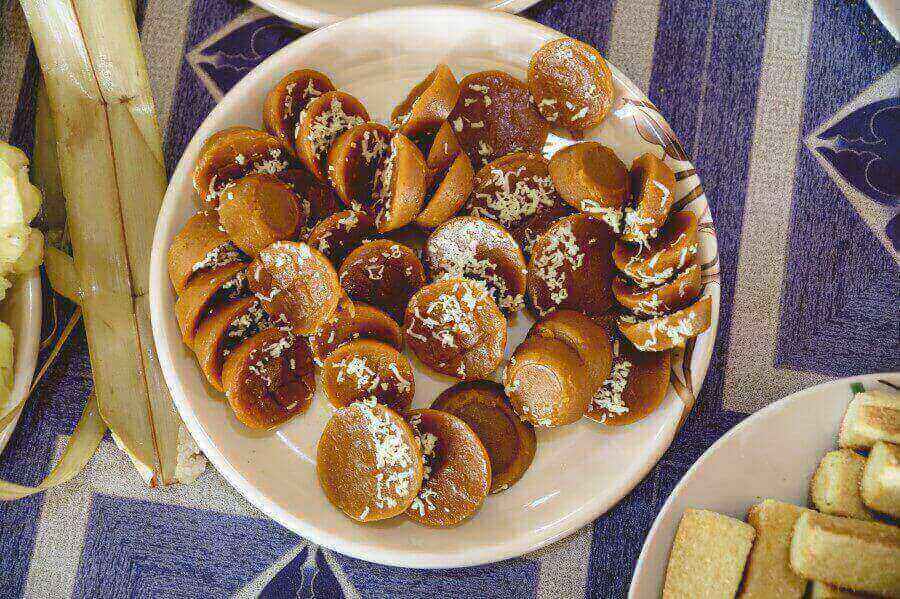
If you want to try a traditional cookie that is popular in Malawian cuisine, then Mbatata is for you. This soft and spongy cookie makes for a convenient sweet dessert.
Beyond how sumptuous it tastes, it also has a beautiful orange appearance. This is due to its richness in carotenoids, which helps boost your eyesight and immune system.
Pound Cake
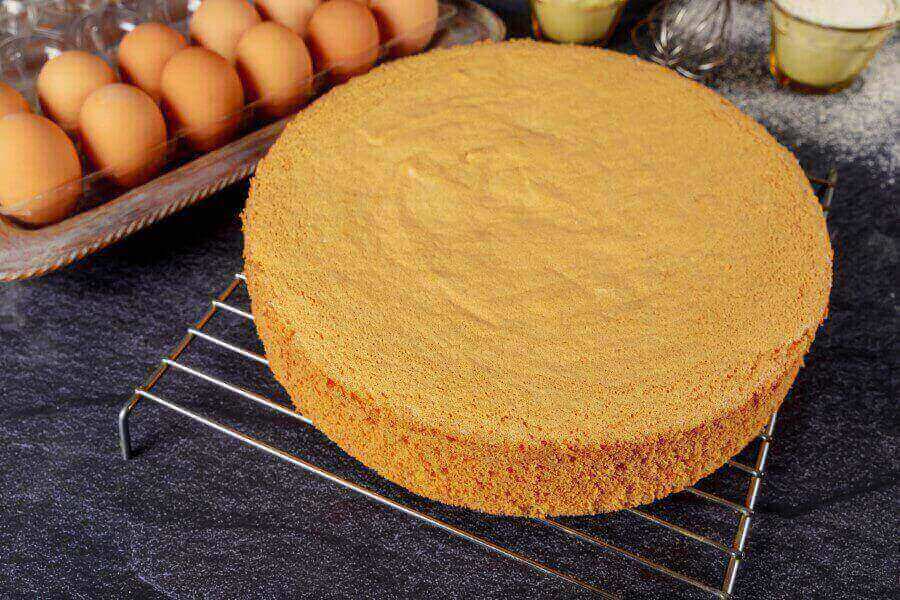
Pound cakes are pretty international and easy to make. This is no exception in Malawi since they are very customizable and versatile.
Typically made with flour, baking powder, sugar, and eggs, they can be a simple fare. However, locals also take advantage of their fresh produce and add other ingredients like bananas to bring a different twist to this classic dessert in Malawi.
It has become an integral part of the Malawi food scene; it is one of the many enjoyed snacks in this southeastern African country.
Iconic Drinks In Malawian Foods
Malawian Tea
This is one country where tea is a special tradition that goes beyond every regular drink in the country; tea is a major element of Malawi foods. Here is an interesting fact about Malawi. It is the second-largest exporter of tea in Africa.
This should give you an idea of how massive the Malawian tea is. A cup of this warming beverage is great for washing down all the delicious food or pairing with sweet desserts. There are plenty of opportunities to savor a nice cup of tea in Malawi, but also consider getting some back with you as souvenirs.
Thobwa (Sweet Beer)
Thobwa is one drink you can find across the country of Malawi, enjoyed by all, both young and old. It is also popular in other African countries like Zambia.
Thobwa is called sweet beer by Malawians. It is a fine drink prepared with maize and sorghum or millet. When taken, this fermented cereal drink has a milky appearance and a grainy texture.
Despite its name, Thobwa is actually a non-alcoholic drink. However, you’d be imagining why it is called sweet beer, right? When you allow the drink to settle and ferment further for about 5 to 6 days, it takes another form. It becomes more (beer).
As it is a beloved food of Malawi, it can be found all year round in the country. But the highest consumption of this drink is always during September to November (the hottest months in the country).
Thobwa also holds a special meaning to the Malawian people. It is a celebratory drink served at weddings and every other special ceremony. In addition, it is also commonly used to welcome visitors.
In major towns and cities, Thobwa is served in recycled plastic bottles. However, locals in the villages enjoy drinking it from clay bowls and pots.
Malawian cuisine is one of the best you can find in the southern part of the African continent. If you’re a culinary explorer, be sure to enjoy the gastronomy of this beautiful African nation.
With the country having a decent agricultural sector, they have amazing natural foods you can explore. From grains, vegetables, herbs, and fruits, you can never get enough of Malawian foods.
Like many countries with long histories, Spanish foods are a culmination of different cultures merged into unique dishes from native Spanish cuisine.
Like many other Mediterranean cultures, fresh fruit, olive oil, and seafood lie at the heart of most foods found in this country. But meat lovers will still find a new favorite dish amongst the fantastic choices of traditional Spanish foods!
What Makes Spanish Foods So Special?
Spanish foods and cuisine have had many points of influence over the centuries. What you find as a result is a phenomenal heritage of food, desserts, and snacks in Spain that represent the rich history of this country.
From Roman and Moor influence to the many religions that inhabit this country, Spanish cuisine is a melting pot of various traditional flavors, tastes, and forms. Regardless of desserts, mains, or appetizers, if you’re looking for a rich and delicious culinary culture to dive into, the Spanish menu is the best place to start!
Let’s explore the world of traditional Spanish food with the very best and most popular choices!
Best Vegetarian Spanish Foods
Pan Con Tomate (Tomato And Garlic Bread)
Pan con tomate may seem simple, but once you’ve tried these lovely toasted tomato bread slices, you’ll understand why they’re so integral to Spanish cuisine.
Particularly prevalent in Barcelona, Pan con tomate can be found all across the country as a street food snack, appetizer, and even as a quick meal in the evenings. These are also an incredibly popular choice of breakfasts in Spain.
Empanada (Spanish Flatbread / Spanish Pastry)
Empanadas are one of the most popular and long-lasting Spanish foods you can find. Historically, Spanish Empanadas have been filled with a spicy blend of ground beef, but in modern times, they can be filled with a variety of fillings, such as chicken, pork, cheese, vegetables, and even fish.
Sauce and dips often accompany the empanada. The dough is made up of only five ingredients, consisting of flour, butter, salt, eggs, and water. It is one of the most popular foods in Spanish cuisine, and you eat them at any time of the day for almost any meal.
However, they are usually served as a snack or at lunch. The origin of empanada is believed to have originated in Galicia, Spain, and Portugal, and it was first introduced to Iberia in the middle of the 16th century. As far as Spanish dishes go, you can’t find a more popular choice.
In all honesty, stuffed puff pastry is prevalent in many cultures even if they come in different names and variations. One of the earliest mentions of empanadas dates back to 1520, among recipes of Spanish, Italian, French, and Arabian cuisine.
Tortilla Española (Traditional Spanish Omelette)
One of the most popular Spanish foods is the Tortilla Española. It’s a traditional Spanish omelet made with eggs and potatoes, and topped with olive oil. It can also be served as a Spanish tapas or a side dish.
Some people add onions to their omelets, but there is some debate about whether or not onions should be added to the omelet. Not a big deal if you ask us because both versions taste superb!
The origin of the tortilla is believed to have come from Persia and spread to different parts of Europe. As it spread, different cultures adapted it to their own needs, creating their unique versions. And Spanish cuisine has made an art out of these delicious omelets.
Patatas Bravas (Spanish Deep-Fried Potatoes)
Patatas Bravas is the perfect Spanish tapas or snack to go with a refreshing pint of beer.
It is made by deep-frying white potatoes in olive oil. The potatoes are cut into small cubes or chunks and are then served with a spicy salsa sauce and a thin layer of mayonnaise or aioli. As one of the most popular Spanish foods, it’s certainly a must-try.
The name “patatas” comes from the Spanish verb “bastas”, which means “to dip”. And the word “patas” means “to fry” in Spanish.
Although Patatas Bravas originated in Madrid, Spain, it has become a popular Spanish tapas dish in bars across the world. And it is said to have been invented at the Las Bravas bar in Madrid and is integral to Spanish cuisine.
Calcots (Spanish Scallion Side Dish)
Calcots are a type of scallion that is widely consumed in Spanish cuisine. These are similar to leeks in that they are larger and have a milder taste than green onions.
Calcots in Spain are harvested from November to April and are best eaten during the calcotada season (February to March). They are usually cooked over an open fire, and wrapped in newspaper to preserve the tenderness of the scallions. When it comes to Spanish foods, Calcots represent both simplicity and deliciousness.
Padron Peppers (Traditional Spanish Peppers)
Padron peppers, a species of Spanish pepper native to Galicia, are a protected food under EU law. What makes them so special is that a portion of them are naturally hot, while most are simply mild. If you’re looking for Spanish foods that are integral to this country, this dish is not to be missed.
Padron peppers are traditionally fried in olive oil, allowing the skin to blister and the pepper to soften and shrink. They are often Sprinkled with coarse salt and served with bread. These delicacies are a common option within traditional Spanish tapas, as well as one of the most popular vegetarian dishes in Granada.
Padron peppers are typically sold fresh in the summer months, but can also be jarred or canned throughout the year.
Popular Meat-Based Spanish Foods
Jamon Iberico De Bellota (Native Cured Pork Ham)
The name “jamon iberico” means “dry-cured Spanish ham”. It is made from Iberico or black Iberian pigs and is one of the world’s most famous cured hams. And thus, one of the most popular Spanish foods. It has a smooth texture and a rich, savory-sweet flavor.
The Iberico pig has been around for thousands of years, dating back to the cavemen who adorned the Spanish caves with their art. They are the original Spanish pig breed, domesticated over the centuries. Adding a rich flavor to any meal, pork is a much favored ingredient choice within Spanish foods as well.
Jamón is considered one of the most special traditional Spanish dishes and is served on special occasions or during holidays.
Chorizo (Spanish Smoked Sausage)
Chorizo is a type of smoked sausage that is commonly found in Spanish cuisine and is characterized by its fermentation and curing process. It is traditionally made from pork that has been coarsely chopped and pork fat that has been seasoned with garlic and pimento and salt.
Chorizo can be short, long, hard, soft, or sweet. There are hundreds of different types of chorizo in Spain, but they are usually classified as spicy or sweet, depending on which pimento is used. You can eat chorizo as a Spanish tapas dish or add it to other dishes such as Spanish soups or stews.
Chorizo traces its roots back to 1519 to 1525 when Spain conquered the Aztec Empire. By this time, chorizo had become one of the famous Spanish foods. You will find that it is as prevalent in many Latin American cuisine.
Albondigas (Spanish Meatballs)
The term “albondigas” is used to describe a type of Spanish meatball. It is thought to have originated in Berber or Arabic cuisine, which was brought to Spain during the time of the Muslim conquest. The Arabic word “abunduq” translates to “hazelnut” or “small round object”.
If you’re looking for a Spanish tapas dish that is meat-based and flavorful, this is a great option. Albondigas can be made with pork or beef and are typically served with sofrito, a special tomato sauce.
In Spain, they’re regularly seasoned with smoked paprika or cumin, and can even be served as a main course.
Croqueta (Spanish Croquette)
Croquetas is Spanish for “breaded and fried” and is a popular Spanish tapas dish. It is usually served in a thick sauce of bechamel and lies at the heart of Spanish cuisine.
Croquetas come in all shapes and sizes and can be filled with anything from jamon to chicken to bacalao. But if you’re looking for something a bit different, you can find them stuffed with mushrooms or cuttlefish as well. Whatever the method of preparation, these little bites of joy are one of the most popular Spanish foods you can find.
It is largely said that Croquetas were invented in 1898 in France by a French chef named Auguste Escoffier. However, some believe that they have actually been around for a while before that. Regardless, their delicious taste is not to be denied!
La Bomba (Deep-Fried Potato And Meat Balls)
La bomba is a Spanish food consisting of mashed potatoes and minced meat. It is commonly found all around Spain but is primarily associated with the city of Barcelona, where it originated.
La bomba, meaning “the bomb” in Spanish, is a dish featuring beef, pork, and aioli filled with a spicy or extremely spicy sauce. It was developed in the mid-1950s by the restaurant La Cova Fumada and is now one of the most famous Spanish dishes.
If you like something hearty and filling, this is one delish option to try for sure. You will get to try it on many of the interesting tapas tours in Barcelona.
Pinchos Morunos (Spanish Kebabs)
Pinchos Morunos are meat skewers that are similar to kebabs. They are traditional Spanish dishes originating from Moorish cuisine and are usually prepared with pork or chicken. Since its introduction to Spanish cuisine, it has only increased in popularity.
These skewers are prepared with small cubes of pork or chicken in olive oil with a spice mixture called ras el hanout. The recipes vary but you can use up to 40 spices such as turmeric, oregano, paprika, and thyme.
This traditional Spanish food dates back to ancient times when it was served with lamb. Nowadays, it is a widespread dish in Spain, especially in the southern part of Andalusia.
Paella (Traditional Spanish Rice Dish)
Paella has to be one of the most internationally acclaimed Spanish foods. It’s a rice dish that’s available all over Spain and is widely considered to be a national Spanish food. You are almost sure to find this in any Spanish restaurants in other countries.
Paella is a Spanish rice dish that’s traditionally cooked over an open fire. It’s named after the wide, shallow pan with two handles that are used to cook it. It’s made from round grain rice with saffron and olive oil, and it’s usually topped with meat and seafood, plus beans and green veggies.
It is also one of the most popular Spanish food dishes outside Spain. Although it may have its origins in ancient times, its current form can be traced back to the middle of the 19th century in the vicinity of the city of Valencia.
Fabada Asturiana (Traditional Bean Stew)
Fabada Asturiana translates to “bean stew”, and this dish is made with Fabes de la Granja, a type of white Spanish bean. It originated in the province of Asturias, but is now available all over the country, from restaurants to cafes and supermarkets. Fabada is considered to play an important role in the world of Spanish foods.
This hearty and filling Spanish dish is most popular during the winter months. Fabada can be eaten as a main course or a side dish and it’s made with a wide variety of meats, such as chorizo, bacon, dried ham, morcilla, and more.
The origin of Fabada is uncertain, but it’s believed that beans were cultivated and consumed in the Asturias province during the 16th century. It’s safe to say though, this dish has been a part of Spanish cuisine for a long time.
Cap I Pota (Slow-Cooked Beef Stew)
Cap I Pota is a traditional Catalan dish and much-loved Spanish food consisting of a beef head and leg cooked slowly. The name “Cap” means “head” and “Pota” means “leg”.
This dish was created during the post-war period in Spain, when the availability of chicken and steak was limited, prompting Spanish cuisine to experiment with the use of less desirable animal components, such as head and offal.
While this type of food in Spain is considered an older generational cuisine, the fine dining scene today still presents wonderful variations of this cultural Spanish food.
Rabo De Toro (Spanish Braised Oxtail)
The term “rabo de toro” is derived from the region of Andalusia, where it was traditionally served after bullfighting. It has since become a popular Spanish food, particularly in Madrid, where bullfighting is still popular.
The traditional preparation of rabo de toro involves braising oxtail, which was initially made with a bull tail but is now more commonly done with either cow tail or oxtail. Oxtail is tough meat, so it must be cooked slowly over a low flame for several hours.
Once it has been softened, it will become fatty and soft and dissolve in the mouth. Roasted vegetables and cornbread are two of the most popular accompaniments to this dish, and can be found in many Spanish tapas bars.
Botifarra Amb Mongetes (Spanish Sausage And Beans)
The Botifarra Amb Mongetes is a traditional sausage and bean stew originating in Catalonia. This famous Spanish food features white beans and a traditional Catalan sausage. The sausage usually composes of pork thighs and shoulders, bacon, and a range of spices.
In contrast to Fabada Asturiano, where the beans are cooked, the beans in this traditional Spanish food are fried and accompanied by garlic and herbs. This dish originated in 19th-century taverns throughout Catalonia, particularly in Barcelona, and can now be found in most traditional restaurants.
The Best Of Spanish Foods: Seafood And Fish
Pintxos De Txampis (Mushroom And Shrimp Snack Stack)
Pintxos (from the Spanish “pintxo” meaning snack or appetizer) refers to a kind of pintxo that consists of cremini mushroom caps filled with shrimp, often skewered together to form little towers. When it comes to popular Spanish foods, pintxo is widely loved across the country.
Pintxos were designed to be served in small portions, and the Basque habit of going to the local bar to eat a few before lunch or dinner is very common.
Dripping with garlic and butter, Pintxos are beyond scrumptious and one of the most popular Spanish tapas. The tradition of eating Pintxos dates back to the 1940s when it spread to different Spanish cities and is now popular all over the country.
The two most popular Spanish foods, Anchoas and Boquerones, are both characterized by their use of anchovies in tapas dishes.
Anchoas is a traditional Spanish tapas dish made with salt-cured anchovies, while Boquerones is a traditional Spanish appetizer made with either uncured or fresh anchovies. Boquerones are deep-fried versions of Anchoas and are also known as Boquerones Fritos.
The Boquerones de Vinagre (Boquerones in Vinegar) is a starter dish that originated in the southern region of Andalusia, Spain, and is believed to have been around for over 3000 years. White anchovies are phenomenal when served on crackers, making them an ideal appetizer in Spanish cuisine.
Gambas Al Ajillo (Spanish Garlic Shrimp)
Gambas al Ajillo or “garlic shrimp” is a well-known and widely consumed dish in Spain. It is characterized by its use of minced prawns, seasoned with a generous amount of garlic and accompanied by olive oil.
Gambas al Ajillo is typically served with a crusty loaf of bread in Spanish cuisine, which can be used to soak up the tangy olive oil. This Spanish delicacy is almost always enjoyed as a shared meal, whether it be a main course or a small portion.
The origin of this dish is believed to have come from either the southern or central regions of Spain and holds a special spot even in the world of mouthwatering Spanish foods.
Mejillones (Traditional Spanish Mussel Dish)
Mejillones is the name for mussels, and they’re a go-to Spanish tapas. You can marinate them, steam them, or stuff them in a variety of ways, making them an ideal choice for seafood lovers when it comes to Spanish foods!
Originating in Galicia around the 19th century, it is traditionally made with a blend of local mussels, olive oil, bell peppers, onion, and red wine.
The mussels are cooked until they are tender, then drained and chilled. Mejillones may be served hot or cold and they are often served as tapas in Spanish cuisine, with rustic bread slices on the side to soak up the sauce.
Navajas (Spanish Clam Dish)
Navajas, Spanish for “razor clams,” are a type of clam commonly found in Spanish cuisine. They are cooked in olive oil, minced garlic, and sprinkled with fresh parsley. The delicious zest from the lemon served with Navajas makes for an out-of-this-world meal!
Navajas were first introduced into Spanish cuisine in the 16th century. The name “navajas” means “razor” in Latin. The shape of a Navajas is similar to that of a straight razor, with the long thin blade folding away into the handle of the shell.
Although Navajas are expensive, they are a favorite among many locals and a treat that is heartily enjoyed.
Bacalhau (Spanish Salted Cod)
Bacalhau is one of the most popular Portuguese and Spanish foods. It refers to a type of cod that is salted and cooked in a variety of ways.
Some of the most common ways to prepare bacalhau are by cooking it in stews, baking it and examining it, or adding garlic or olive oil to it.
Bacalhau can be found in Spanish tapas bars and is often served in the form of fritters or a topping for slices of bread.
The history of bacalhau dates back to the 14th century, to the time of the Portuguese explorers during the explorations of the Americas. During these voyages, fresh cod could be stored for a long time, and thus, has always been favored by locals in Spanish cuisine, in the past and the present.
Pulpo A La Gallega (Salted Octopus)
Pulpo a la gallega is a traditional Spanish food consisting of boiled octopus, seasoned with coarse salt and a generous dose of paprika. Served on a wooden plate, accompanied by bread and red wine, it is a popular dish in Spain enjoyed across the country by many locals and visitors.
The octopus is cooked until it is tender but not overcooked, (an art perfected by the locals), then cut into small pieces and seasoned with coarse salt, olive oil, and of course, paprika. When it comes to seafood and Spanish cuisine, you can’t forget pulpo a la gallega.
Percebes (Gooseneck Barnacles)
Percebes (also called Gooseneck Barnacles) is a type of sea urchin known as “Lucifer’s Fingers” due to its devilish appearance. These gems are known to be difficult to harvest and since they can’t be farmed, they are considered a special treat when it comes to Spanish foods.
The Percebes are cooked by boiling them in seawater, then the flesh is removed by squeezing the barnacles at the bottom.
Popular Spanish Foods: Desserts And Sweet Treats
Churros Con Chocolate (Sweet Spanish Pastry)
Churros are a type of pastry commonly enjoyed in Spain and definitely fall under the must-try list if you have never had one before. They are widely consumed in Spain and Portugal, as well as throughout other cultures around the world.
Churros were introduced to the world by famous Spanish explorers during the 1600s and quickly became popular around the globe.
These traditional pastries are characterized by their star-shaped shape, which is fried until it is crunchy and has a ridged top. They are typical snacks or breakfasts in Spain, enjoyed with a hot beverage on the go.
Basque Burnt Cheesecake
This Spanish cheesecake originated from the Basque province. It features a distinctive burnt topping and is characterized by its lack of crust. The Basque Burnt Cheesecake was created in San Sebastian, Spain, and it is an integral part of Spanish cuisine and desserts.
Basque burnt is different from the usual cheesecake, which is firm from outside to inside. It is soft on the outside, and even softer on the inside with a more fluid middle. If you’re looking for a delicious choice of Spanish desserts, you’ve found your hero in this sweet treat!
Crema Catalana (Spanish Creme Brulee)
The essence of Crema Catalana is derived from the Spanish version of Creme Brulee. While Creme Brulee is composed of cream and vanilla, the ingredients used in the preparation of crema Catalana are milk and cinnamon, and lemon juice. As its name indicates, it is a Spanish dessert widely consumed in Catalonia and Spanish cuisine as a whole.
The recipe first appeared in a 1745 Spanish cookbook and was called Crema Catalana by a friar of Spain, where it attributes the origin to Catalonia.
Mel I Mato (Mato Cheese And Honey)
Mel I Mato is a widely loved Spanish dessert that is particularly popular in the Catalonia food scene. It is a slightly sweet fresh cheese that is made from goat, sheep, or cow’s milk that is topped with a generous drizzle of honey.
Mato can also be served with nuts and jam and dried or fresh fruits. This is a dessert that originated in the Middle Ages when mato cheese was only made from goats’ milk because cow’s milk was too expensive, and it’s still popular in Spanish cuisine.
Carbayon (Spanish Puff Pastry)
Carbayon is an almond puff pastry made in Oviedo, Spain. It is filled with an egg, ground almond, cognac, and sugar, and then topped with a crust made with lemon juice syrup and cinnamon. It’s a delicious example of Spanish desserts that have been around for a long time.
The almond pastry is one of the most popular treats in Oviedo, so much so that it is considered a cultural icon of the city. It dates back to the early 1900s and has since remained at the heart of Spanish cuisine.
The Wonders Of Variety In Spanish Foods And Cuisine
It’s no wonder Spanish cuisine is a point of pride for the residents of this fascinating country. Community and sharing are at the core of Spanish foods, and the wide variety leaves no one out when it comes to finding a favorite dish or dessert.
Spain is famous for many things, and food is one of them. If you’re looking to venture into the wonders of famous Spanish food, you can be sure that you’re in a treat!
Famously known as one of the countries in the “Horn of Africa”, this is one of the least spoken-about countries on the African continent. Eritrea has some of the most beautiful people in Africa, but beyond that, the country has some amazing culinary delicacies. Eritrean food have a way of soothing the soul.
What Is Special About Eritrea Food?
Eritrean foods have an interesting multicultural blend to them. Due to its history with countries like Ethiopia and Italy, Eritrea has one of the best multicultural gastronomies in Africa.
Eritrean cuisine features various fresh vegetables and grains like rice, barley, millet, and sorghum. Along with globalization, the food scene also continues to evolve and be influenced by countries in the region today. If you are a vegetarian, there is actually a good amount of options within Eritrean foods.
In the heart of Eritrea, every meal is considered an event in itself, where food is not merely eaten, but celebrated with joy and shared in good company. Traditional dishes are centered around a sourdough-risen flatbread called injera, made from teff flour, which acts as both plate and utensil for a plethora of delicious stews (tsebhis), salads, and accompaniments.
Most Famous Food In Eritrea
Zigini (Beef Stew)
Zigini is an original Eritrean stew that is full of flavor. This Eritrean food is not your regular stew as it has a special secret ingredient. The zigini stew is prepared with berbere spices (a local combination of distinct Eritrean spices). As such, it is often considered the national dish of Eritrea.
Major ingredients of this stew include oil, garlic, tomatoes, cilantro, and cubed meat (lamb or beef). Zigini stew is typically enjoyed with flatbread, which is used to soak up all that delicious sauce.
Main Dishes In Eritrea Cuisine
Injera (Flatbread)
Injera is a staple food in Eritrean dishes. This sour, flat pancake-like Eritrean bread is enjoyed not just in Eritrea, but also popular amongst neighboring countries like Ethiopia and Sudan.
The sourdough flatbread has a spongy texture and is made of teff flour. While it is common in almost every meal and can fill the stomach, injera is more of a complementary to another main dish. Usually, you don’t eat injera alone; but rather pair it with stew or fava beans.
Genfo (Flour And Water porridge)
Genfo is a special Eritrean dish you can describe as a work of art. This Eritrean cuisine is made of flour and water and shaped like a volcano.
The hole at the center of the porridge is made to contain sauce or soup that is used to flavor the dish. Usually, it is made with barley flour, but wheat or corn flour are suitable alternatives as well.
Regardless, the flour should be very dry; you can add clarified butter to form the volcano shape well. While you can use a spoon or fork, locals sometimes enjoy genfo with their hands. Try that to live the full African culinary experience.
Shahan Ful (Fava Bean Dish)
This is one of the most popular foods in Eritrea. It’s a special dish in Eritrean cuisine with a rival origin. Some claim it originated from Sudan, while others believe that it comes from Eritrea.
Whatever the case, good food knows no boundaries; and this is one of the well enjoyed food in Eritrea. Shahan ful is like a simmered bean stew. The fava bean is cooked tender, then mashed and mixed with onions, pepper, and yogurt. Although based on preference, there can be more additional ingredients.
The shahan ful is usually enjoyed with flat unleavened bread. It is a dish synonymous with the country’s fasting periods (Ramadan and Lent). However, you can try this food anytime in Eritrea as it is a rather common fare.
Stews And Soups With Eritrea Food
Shiro (Ground Chickpeas Stew)
Stews (tesbhi) are a major part of Eritrean cuisine, and Shiro is one of the many vegetarian Eritrean dishes. This soup is made from grounded fava beans (board beans) or chickpeas.
This is a delicious and nutritious stew that offers natural protein. You can enjoy this meal any time of the year in Eritrea. It is not strictly vegetarian, as you can order it with meat as well. While there are different versions of the Shiro, the base ingredients (chickpea and board beans) remain the same.
Tesbhi Derho (Spicy Chicken Stew)
An ever-green Eritrean food, this is one of the most flavorful stews in the country. As with most Eritrean stews, tsebhi derecho is cooked with berbere (local spices) to improve the flavor and taste of the dish.
The stew is often enjoyed with injera (sour flatbread). The tasbih derecho is a replica of the famous Ethiopian food Doro Wat. If you’re a chicken lover, this is definitely one dish to try in Eritrea.
Light Dishes, Snacks, And Street Food In Eritrea
Fata (Bread Salad)
Another delicious food in Eritrea, Fata is enjoyed as a snack rather than a main dish. Although you will find that it’s a staple dish in Eritrean breakfast.
Fata is delicious and easy to make, which makes it a favorite among both the old and young. It’s essentially tomato sauce on bread pieces.
First, you make your stew or sauce for the fata; this is quite customizable based on your taste; but pepper, tomato, and onion are common ingredients, along with spices.
When the stew is done, mix it with your bread and mash it with a spoon. Ingredients like yogurt and eggs can also be added to enhance the taste and texture.
Kitcha Fit-fit (Eritrean Spiced Cakes)
This is one of many Eritrean foods that has a shared heritage with their neighbors, Ethiopians. Because of their long history, many Ethiopian foods are also staples in Eritrean cuisine.
Kitcha fit-fit is a dessert made by breaking unleavened bread and mixing it with clarified butter and special berbere spices. Typically Kitcha bread is used, but injera flatbread is also a common alternative due to its prominence in the food scene.
Then you simply cook it till it’s done. The flavor and taste are beyond imagination as the bread soaks in the buttery flavor enriched by spices.
Dabo Kolo (Corn Bread)
This is a cherished snack of the Eritrean cuisine. Although the origin is controversial, as many claim it originated from DRC (Democratic Republic of Congo), there is no denying it’s a dish worth trying in Eritrea.
Dabo means bread, and kolo means corn or roasted barley. The snack is made of small pieces of baked bread, similar to chin-chin (a flour dough deep-fried snack in Nigeria). They can be enjoyed with Siwa or mies.
Other main ingredients of this snack food include milk, corn flour, or barely. You can get this snack on the streets and in kiosks nationwide.
Hamli (Sauteed Collard Green)
Another simple and traditional food of Eritrea, Hamli is a sauteed collard green dish.
The collard green is steamed until tender; then, it is mixed with other ingredients like garlic, parsley, tomatoes, and onions. This is another go-to vegetarian Eritrean food. You can eat hamli alone or enjoy it with injera (sour flatbread).
Desserts, And Pastries, And Sweets Foods In Eritrea
Makleel (Eritrean Doughnuts With Honey)
This is similar to the special Greek dessert “Loukoumades”. Makleel is made with all-purpose flour, with the main ingredients being sugar and honey.
This is an ever-present dessert in Eritrean ceremonies, and rightly so, as it soothes the palette with its sweet taste. Makleel is a popular favorite among both locals and tourists since it’s convenient and easy to eat. This sweet dumpling can be your go-to snack if you ever go to Eritrea.
Panettone (Sweet Bread)
This is an Eritrean dessert influenced by their Italian colonist, but it has become a root part of the local food culture. An interesting fact about Eritrea is that it is sometimes called Africa’s little Rome.
Panettone is considered a special dish for festive occasions like Christmas and New Year. It is a bread with a cupcake-like shape, albeit a little bigger, featuring a speckled mix of raisins, almonds, and citrus.
This dessert is also popular in countries like Italy and Australia. The dough is made and refrigerated for at least 10 hours, then mixed with soaked fruit before it’s baked. It’s a tasty dessert you should try on your vacation in Eritrea.
Silsi (Eritrean Tomato Sauce)
Silsi is well-loved Eritrean food across the country. This special spicy tomato sauce is nutritiously fortified with carrots and onions, and seasoned with berbere spices.
The origin of this delicacy is not known, but many believe it was influenced by Italian cuisine, due to the country’s intertwined history with Italy.
Silsi is rather versatile with its signature berbere-infused taste. You can enjoy the sauce with a bunch of dishes such as pasta, injera (flatbread), or rice. It makes for a great side as well.
Iconic Drinks In Eritrean Cuisine
Adulis Mies (Fermented Honey Drink)
This is the poster boy of Eritrean beverages. In Eritrea, mies is considered the drink of drinks. It is a specially brewed fermented honey beverage.
Mies is a traditional Eritrean fare that has influenced neighboring countries like Ethiopia and Somalia. It is made by smoking a wood barrel thoroughly using gesso (hops). Honey is then poured into it and allowed to ferment for a couple of days.
It produces a warm, aromatic herb and spices-infused wine that is good for the soul. You can even get a bottle of mies in Eritrea to take home.
Siwa (Eritrean Beer)
This is a common beverage of Eritrean people. Although many cultural groups have their traditional special beverage, one that is generally available is siwa. This is a common beverage of Eritrean people, and is sometimes seen as the national drink.
Siwa is made with water, yeast, dried gesso (shiny-leaf buckthorn), and bread. The bread is mostly made from grains like barley and millet or sorghum.
This brew is left to ferment for a couple of days, after which it can be served. You sometimes even see tiny bread pieces floating in the drink.
Discovering Traditional Eritrean Food
Eritrean cuisine is a hidden gem of East Africa, shining brightly with a fusion of vibrant flavors, rich history, and diverse cultural influences.
Each bite takes you on a journey of intricate flavors, ranging from the heat of berbere spice to the subtle notes of cardamom, fenugreek, and the nuttiness of sesame. Eritreans love to explore grains, which is evident in all their foods.
To eat in Eritrea is to immerse oneself in a rich cultural tapestry where each dish tells a story of the country’s resilient past and vibrant present. Eritrean foods promise a beautiful journey with healthy and satisfying meals that can amaze food explorers.
Indianapolis is known for its exciting sports legacy, American history, vibrant culture, and flourishing food scene.
Affectionately referred to as “Indy,” this capital city of Indiana is a vibrant blend of fast-paced sports, inspiring cultural districts, and a culinary scene that’s bursting with Midwestern charm.
Sometimes referred to as the “Racing Capital of the World,” the city vrooms with energy and excitement. From mouthwatering fares, world-class museums, and public parks and monuments abound, it’s a cityscape that’s both lively and serene
What is Indianapolis Known For?
Indianapolis is famous for being the host of the renowned Indy 500 racing event, its role in the American Civil War, and its interesting cultural heritage. It’s a destination that appeals to sports fans, foodies, culture seekers, and even outdoor enthusiasts, Additionally, Indiana is known for its German heritage, as well as its art and cultural scene.
History, Culture, And Traditions
Indy 500
The Indianapolis 500, commonly called the Indy 500, is an annual automobile race that has become an internationally significant event for which Indianapolis is known. The event first took place on May 30, 1911, and has now become one of the most prestigious and celebrated motorsports events in the world.
The event draws millions of fans from around the world and is often referred to as “The Greatest Spectacle in Racing” due to its exciting and unpredictable nature.
Not only has this event put Indianapolis on the map, but it also plays a vital role in the city’s tourism industry and economic activity. The Indy 500 serves as a hub for automotive innovation, attracting various manufacturers and teams to showcase groundbreaking technology in racing engineering, aerodynamics, and more.
Additionally, the event encompasses Indianapolis traditions, such as the winner drinking milk in the victory lane; it’s a tradition that has existed for over nine decades.
Colorful Cultural Festivals
Indianapolis is famous for hosting several cultural festivals that showcase the city’s cultural diversity, creating a sense of oneness and inclusivity among its various ethnic groups.
Like most festivals, music and dancing are integral parts of the celebrations, offering visitors the opportunity to enjoy live native Indian music, Irish folk beats, and more. You can also witness talented dancers presenting vibrant and electrifying performances.
Food is another highlight of these festivals, as you can indulge in local cuisine and a diverse range of culinary delights native to Indianapolis.
Arts and crafts are also showcased, making it an opportune time to find unique souvenirs for yourself or your loved ones.
Some popular festivals that Indianapolis is known for include the Indy Irish Festival, Italian Street Festival, Greek Festival, and Asian Fest. Each of these festivals offers unique experiences for you to enjoy!
Strong German Heritage
Indianapolis is known for its strong German heritage, heralded by the settlement of German immigrants in the city as early as the 19th century. These immigrants played a significant role in developing several industries in the city, such as manufacturing, brewing, and commerce.
This heritage is further cemented by the presence of fixtures like the German Cultural Heritage Center, a historic building that serves as the cultural hub for German organizations and events.
Additionally, there are various German restaurants and breweries that offer visitors and natives a taste of German delicacies, like schnitzel, sauerkraut, and beverages such as lager beers.
Indianapolis also hosts the German Fest and Oktoberfest celebrations, both of which help to promote and celebrate German culture.
Role In The American Civil War
Historically, Indianapolis is known for the significant role it played in the American Civil War. From 1861 to 1865, during the duration of the war, the city served as the major supply center for the Union Army.
Its position as a central location and the presence of a well-developed railway system made it a strategic location for logistics and transportation of troops and supplies. Indianapolis also housed training camps, as well as prisoners of war.
In addition, several military hospitals that provided medical care to wounded soldiers were also constructed in Indianapolis.
After the war, the city erected monuments and memorials to honor and commemorate those who lost their lives in the conflict. Till today, some landmarks in Indiana like the Soldiers’ and Sailors’ Monument continue to stand as a tribute to Indiana’s soldiers who fought in the war.
Sports Legacy
We cannot forget that Indianapolis is famous for its rich sports legacy. It has hosted major sporting events like the Indy 500 and the 2012 Super Bowl. The city is also home to a variety of professional sports teams, including the Indianapolis Colts (National Football League) and the Indiana Pacers (National Basketball Association).
Indianapolis is also home to several sports-related structures that contribute to its deep sports heritage. These include the Lucas Oil Stadium, a state-of-the-art sports facility and home to the Indianapolis Colts, as well as the headquarters of the National Collegiate Athletic Association (NCAA), the governing body for college sports in the United States, and the NCAA Hall of Champions.
Major sports events, professional sports teams, and a strong sports culture have all contributed to making Indianapolis’ sports legacy a force to be reckoned with.
Metalworking
Indianapolis’ metalworking industry has played a pivotal role in its historical and economic development.
The industry dates back to the 19th century when machine shops, foundries, and metalworking shops began to emerge due to Indianapolis’ central location in the United States. The growing demand for industrial equipment, especially as the automobile industry in Indianapolis thrived, also fueled this growth.
Today, Indianapolis is known for its skilled metalwork that has served various sectors, including defense, construction, aerospace, and appliances.
The success of Indianapolis’ metalworking industry is also linked to the presence of technical training programs and educational institutions that provide comprehensive and world-class education in the field.
The metalworking industry in Indianapolis continues to be a vital component of its economy and financial sector.
Art and Culture
Indianapolis boasts a vibrant creative scene, thanks to various institutions that promote the growth and success of its art and culture industry.
Some of these institutions include the Indianapolis Repertory Theater, which produces a diverse range of excellent musicals and plays; the Indianapolis Symphony Orchestra, a world-class symphony that delivers exceptional performances; and the Indianapolis Museum of Art, which houses and showcases a vast collection of artwork from different cultures and eras.
All of these institutions contribute to the rich art and cultural scene in Indianapolis.
Cities And Areas
Indianapolis Motor Speedway
The Indianapolis Motor Speedway is one of the most iconic and visited areas in Indianapolis.
Located in downtown Indianapolis, the speedway is often referred to as the racing capital of the world because it hosts the most famous racing event, The Indy 500.
Covering over 900 acres, the speedway is a massive facility with an oval-shaped track. It features turns, straightaways, and grandstands that can accommodate thousands of spectators who travel there annually to experience the racing event.
The speedway is not just for car racing; it also houses the Hall of Fame Museum, where artifacts from the Indy 500 and other races are displayed. Tourists can explore the exhibits and other parts of the facility for an immersive experience.
Mass Ave Cultural District
Another famous area in Indianapolis is Massachusetts Avenue, popularly known as Mass Ave.
Located downtown, Mass Ave is known for its vibrant and thriving arts scene. The avenue is home to various art galleries where visitors can observe exhibitions and view interesting art pieces from local artists. It also hosts several theaters that offer captivating plays, musicals, and comedy shows.
Shops and boutiques selling unique antiques and jewelry can be found at every turn. You can enjoy window shopping or purchase unique pieces to take home.
The nightlife on Mass Ave is not to be missed, with several restaurants, cafes, bars, and pubs offering a variety of culinary delights and live music. Prepare for a truly remarkable experience in this lively district.
White River State Park
White River State Park is a must-visit for every tourist in Indianapolis. It is a picturesque park located in the heart of the city. Spanning over 250 acres of land, the park is known for its beautiful natural environment, cultural attractions, and recreational activities.
Situated on the bank of the White River, the State Park offers scenic trails and riverfront views perfect for picnics and relaxation. It is also home to the Indianapolis Zoo, which showcases a diverse range of animal species from all over the world. The Eiteljorg Museum and the Indiana State Museum, both located within the park, offer interactive exhibits that showcase various aspects of Indianapolis’ heritage.
Overall, the park offers a unique blend of natural beauty, cultural attractions, and entertainment where visitors can connect with nature and create memorable experiences.
Landmarks And Architecture
Monument Circle
Monument Circle is an iconic landmark known for its awe-inspiring architecture, statues, and historical significance.
The monument is a towering structure built to honor Indiana soldiers who served in the American Civil War. Standing at approximately 284 meters high, it boasts intricate sculptures and a bronze figure of victory on top.
Visitors can climb the monument’s 331 steps to reach the observation deck, where they have the opportunity to enjoy a panoramic view of the city and take iconic pictures.
Surrounded by other landmarks such as the Indiana War Memorial, the Indianapolis Symphony Orchestra, and the Hilbert Circle Theater, the monument allows visitors to experience multiple attractions in one location.
To this day, the monument serves as a gathering place for public events and celebrations in Indianapolis. If you’re lucky, you might find yourself in the middle of one during your visit!
Canal Walk
The Indianapolis Cultural Trail, often called the Canal Walk, is a popular urban trail for walking and cycling that offers visitors the opportunity to explore the city’s waterfront and surrounding attractions.
The trail runs along the central canal, providing stunning views of the canal and the surrounding landscapes.
This area is also known for offering a variety of recreational activities. The pathway is ideal for strolling, jogging, and cycling, while the central canal is perfect for kayaking, paddle boating, and other water-related activities.
Throughout the trail, you’ll find sculptures, murals, and various art forms that enhance the scenic route and provide a more immersive experience.
Whether you want to take a leisurely stroll, go kayaking, or explore the city’s cultural heritage, the Canal Walk is your best bet.
Indianapolis Museum of Art
The Indianapolis Museum of Art (IMA) is one of the country’s first art institutions. It encompasses gardens, historical homes, an outdoor collection, and an extensive collection of artworks.
On display, you’ll find collections from renowned artists like Robert Rauschenberg, Claude Monet, and other notable figures. The museum campus, sprawling over 152 acres, also features parks, sculptures, and gardens that visitors can tour and relax in.
Within the museum, dedicated experts work to facilitate the careful preservation and conservation of the art collection.
Famous Food In Indianapolis
Pork Tenderloin Sandwich
The savory Pork Tenderloin Sandwich is a famous Indianapolis food that has gained popularity in other parts of the world. Like most Indiana food, the sandwich has a delicious taste and mouth-watering aroma.
The meal consists of a large pork tenderloin served on a bun and topped with ingredients like tomatoes, pickles, and mayonnaise. It has become a favorite among people from all walks of life.
Famous People From Indianapolis
Ryan Murphy
Ryan Murphy is a renowned television producer and screenwriter known for creating popular TV shows such as Glee and American Horror Story. Born in Indianapolis, he began his career in television and continues to be a force in the entertainment industry due to his achievements and legacy.
Discovering More Things Indianapolis Is Famous For
This is just the tip of the iceberg as there are still so many interesting facts about Indiana and its environs. There are landmarks and museums to explore, delightful meals to sample, and so much more. A visit to this idyllic and cultural city can be a remarkable experience for you and your loved ones.
When it comes to treats, Nepali sweets and desserts are known for their robust flavors and a wide variety of options. Nepal provides a tempting variety of delights that are sure to satisfy any sweet craving, from age-old recipes to contemporary modifications.
What’s Special About Nepali Sweets And Desserts
One of the standout features of Nepali desserts is the use of aromatic spices. From cardamom and cinnamon to nutmeg and cloves, these spices infuse the desserts with a warm and enticing aroma that adds depth to every bite. Nepali sweets also make ample use of dairy products like milk, ghee (clarified butter), and yogurt.
What sets Nepalese sweets and desserts apart is not just their delicious flavors, but also the cultural significance they hold. One of the fun facts about Nepal is that these sweet treats are often shared with loved ones during celebrations, religious ceremonies, and festive occasions, adding a sense of warmth and togetherness to the experience.
Therefore, indulging in the nation’s desserts is a must-do culinary experience, regardless of whether you are trekking through the gorgeous Himalayas or experiencing the chaotic streets of Kathmandu. They are a big part of traditional Nepalese food.
Fried Nepalese Sweets And Snacks
Anarsa (Jaggery Pastry)
Anarsa is a delicious delicacy with strong cultural roots that originates in Nepal. This sweet treat is a special part of Nepalese cuisine and is eaten on special occasions and during various festivals. Rice flour, jaggery (raw cane sugar), ghee (clarified butter), and sesame seeds are the main ingredients of Anarsa.
To create the dough, these components are carefully combined. The dough is then molded into little discs or spheres and deep-fried till golden brown.
Geographically, Anarsa reflects the diversity of Nepal, as it is prepared and relished across the country. The dish is especially popular in the Terai region, which borders India, where it is known as a traditional treat. Nepalese communities worldwide also cherish Anarsa as a nostalgic reminder of their cultural heritage.
This Nepali sweet is also significant culturally as it represents prosperity and good fortune. It is frequently prepared during Dashain, the greatest festival in Nepal. Anarsa is a cherished Nepalese dessert that binds people together and promotes a sense of joy and unity because of its distinctive flavor and texture as well as its connection to festivals.
Anarsa is still a crucial component of Nepalese culinary customs, keeping the social fabric of the country whether it is consumed with close friends and family or offered as prasad (religious offering).
Khurma (Sugar Coated Fried Dough)
Khurma is one of the best sweets in Nepal that has been cherished for the longest time and has historical and cultural value. This delicious dish comes from the gorgeous Himalayan nation of Nepal and showcases the nation’s rich culinary tradition.
A dough consisting of all-purpose flour, sugar, ghee (clarified butter), and a dash of cardamom for flavor is deep-fried to create khurma.
What makes Khurma special is that the dough is carved into complex designs, frequently imitating intricate floral or geometric patterns. These beautiful shapes are then fried till golden brown. After which, the khurma is dipped into a syrup of sugar and fragrant spices like cinnamon and cloves.
This Nepalese dessert is not only a culinary delight but also holds cultural importance in the country’s celebrations and festivals. It is commonly prepared during Dashain and Tihar, the country’s most significant festivals, symbolizing joy, abundance, and prosperity.
Khurma is often shared among family and friends, promoting a sense of togetherness and happiness. With its delightful taste and cultural significance, khurma serves as a reminder of the rich heritage and flavorsome traditions of Nepal.
Khajuri (Nepalese Fried Sweet)
Khajuri, a delightful Nepalese dessert, holds a special place in the hearts of many, both for its delectable taste and its geographic significance. This traditional delicacy is named after its resemblance to a date palm leaf (khajur).
Crafted with meticulous care, Khajuri is a deep-fried pastry made from a batter of flour, ghee, sugar, and aromatic spices. Its golden-brown hue and crispy texture give way to a sumptuous filling of crushed nuts, jaggery, and dried fruits. Each bite of this delicacy offers a burst of flavors that dance on the palate, leaving a lingering sweetness.
Khajuri is inspired by Nepal’s unique geography. The shape of the sweet represents the country’s thick and numerous forests, while the contents depict the plentiful crops from its fertile plains. By enjoying Khajuri, one can taste the essence of Nepal’s natural beauty and culinary traditions.
Khajuri also works as a cultural ambassador, proudly representing Nepalese street food. It has become a favorite dessert for festivals, celebrations, and special occasions, bringing people together to share delight and create lasting memories.
Khajuri, with its geographic significance, not only pleases the palate but also connects people to Nepal’s rich heritage and the spectacular landscapes that distinguish this lovely country.
Sel Roti (Sweet Fried Rice Dough)
Made from a smooth batter of fermented rice flour, ghee (clarified butter), sugar, and cardamom, Sel Roti also makes for a delectable breakfast in Nepal. It is deep-fried to golden perfection, resulting in a crispy outer layer with a soft and sweet interior.
This circular-shaped delicacy carries immense cultural significance, often prepared during festive occasions and celebrations like weddings. Its unique shape symbolizes unity, prosperity, and wholeness within the Nepalese community. The aroma of freshly cooked Sel Roti wafts through households, enticing both young and old alike.
The process of making Sel Roti involves skillful techniques passed down through generations, making it a cherished tradition. Families gather together, with each member contributing to the preparation process, fostering a sense of togetherness and bonding.
When served, Sel Roti brings delight and joy to the Nepalese palate. It is often enjoyed with a cup of masala tea or as an accompaniment to curries and chutneys.
Famous Nepali Sweets
Kaju Barfi (Cashew Slice)
As one of the most popular Nepali sweets, Kaju Barfi possesses enormous cultural and historical value. This delectable confectionery treat is largely prepared from cashew nuts (kaju) and sugar.
The geographical relevance of the meal stems from its relationship with Kathmandu Valley, which is known for its food traditions.
Kaju Barfi has a long history in Nepali royal cuisine, dating back to the Malla dynasty. It was regarded as a delicacy fit only for royalty and rare events. This delightful dish acquired popularity among the general public throughout time, becoming an essential part of Nepali festivities and celebrations.
The cultural significance of Kaju Barfi lies in its symbolism of prosperity and festivity. It is often exchanged as a token of good luck and shared during festive occasions like Dashain and Tihar. The dish’s rich and smooth texture, combined with the subtle flavors of cashews, represents the indulgence and refinement associated with Nepali cuisine.
Today, Kaju Barfi continues to be cherished by locals and has gained recognition worldwide as a renowned Nepali dessert, offering a taste of the country’s culinary heritage and festivities.
Chaku Do Ladoo (Sesame Sweet Balls)
Made primarily from chaku (a thick, molasses-like substance derived from sugarcane), these beloved Nepali desserts carry a distinct taste and cultural significance.
Nepal’s diverse landscape provides ideal conditions for cultivating sugarcane, making chaku a staple ingredient in Nepali cuisine. The Terai region, known for its fertile plains, serves as a major hub for sugarcane production.
Chaku has been an important component of Nepali culture for millennia. Traditionally, it was used as a source of energy throughout the frigid Himalayan winters and as a celebratory delicacy during festivals and special events.
Chaku ko laddoo cooking has been passed down through centuries, with families frequently having their own distinct recipes. This Nepali sweet is a cultural emblem of warmth, friendliness, and community. It is frequently shared as a sign of goodwill and solidarity among family, friends, and neighbors.
The rich flavor and chewy texture of the desert give a lovely experience that brings people together. Chaku ko laddoo embodies Nepal’s geographical, historical, and cultural features, making it a beloved delicacy that is enjoyed and celebrated throughout the country.
Bal Mithai (Nepalese Choco Fudge)
Bal Mithai is a delectable Nepali dessert that holds a special place in the hearts of locals and visitors alike.
It is a traditional sweet made from khoya (reduced milk solids) and coated with rich, dark chocolate syrup. The dish is then garnished with small white sugar balls known as “mithai,” which add a delightful crunch. Bal Mithai’s unique combination of creamy and chocolaty flavors makes it an irresistible treat.
This dessert has become synonymous with Nepali cuisine and is a must-try for any visitor. Its popularity stems from its delicious taste and cultural significance. Bal Mithai is commonly associated with special occasions, festivals, and celebrations, symbolizing joy and happiness.
Don’t pass up the chance to indulge in the decadent thrill of Bal Mithai while discovering the vivacious flavors of Nepal. It gives you a chance to become fully immersed in Nepali culture and traditions and develop stronger relationships with the locals.
Gudpak (Sweet Edible Gum)
Gudpak has been captivating palates and preserving cultural traditions for generations. This iconic Nepalese sweet, with a rich historical significance, is a testament to the country’s diverse and vibrant culinary heritage.
Dating back centuries, Gudpak has been enjoyed during festivals, celebrations, and special occasions, symbolizing prosperity, unity, and joy. Its recipe, passed down through generations, is a treasure trove of traditional ingredients and techniques, showcasing the ingenuity and artistry of Nepalese cooks.
The medley of fragrant cardamom, crunchy nuts, luscious ghee, aromatic saffron, and the sweetness of jaggery create a harmonious symphony on the taste buds. The final product, adorned with intricate designs and patterns, reflects the Nepalese penchant for culinary aesthetics.
Gudpak’s popularity extends beyond Nepal, as it has become a symbol of Nepalese culture worldwide. Whether enjoyed in small family gatherings or shared in grand feasts, this Nepali sweet binds people together, fostering a sense of community and belonging.
Through its historical significance and enduring popularity, Gudpak encapsulates the essence of Nepalese tradition, tantalizing taste buds while keeping the legacy alive.
Laddu (Sweet Balls)
Laddu, a delightful round-shaped Nepali sweet, holds a special place in the hearts and palates of the local people. It takes advantage of locally sourced ingredients that reflect the country’s diverse agricultural heritage.
Crafted from aromatic ghee, succulent jaggery, and a medley of indigenous grains like millet and rice, the laddu embodies the essence of Nepal’s fertile valleys and traditional farming practices.
Each bite of this delectable delight transports you to Nepal’s vibrant cultural tapestry. Whether enjoyed during religious festivities, family gatherings, or on a daily basis, Laddu stands out as an iconic Nepalese dessert that encapsulates the country’s geographical magnificence.
Barfi (Milk Based Fudge)
This delectable dessert gets its name from the Hindi and Nepali word “barf,” which means snow. It has a smooth and velvety texture that melts in your mouth and leaves you with a blissful sense.
The components in Barfi reflect the richness of Nepal’s geography, including dairy items like condensed milk, ghee (clarified butter), and a variety of nuts including pistachios and almonds.
Barfi’s shape, often square or diamond-shaped, represents the meticulous craftsmanship of Nepal. The intricate designs and patterns etched on the sweet reflect the country’s attention to detail displayed by its artisans.
Rasgulla (Syrup Filled Roll)
With its origins in the eastern regions of Nepal, Rasgulla has become an integral part of Nepalese cuisine and festive celebrations.
Prepared from soft, spongy cottage cheese balls immersed in a sweet syrup, rasgulla embodies the art of traditional Nepalese sweet-making. Its preparation involves meticulous attention to detail and expertise, passed down through generations, making it a treasured culinary tradition.
This Nepali sweet is a staple during religious festivals, such as Dashain and Tihar, where it is offered to deities and shared among family and friends. The act of sharing rasgulla strengthens bonds, fosters camaraderie, and enhances the festive spirit.
Its presence on special occasions serves as a reminder of the country’s vibrant traditions, and its consumption brings forth a sense of nostalgia, connecting people to their roots and preserving their cultural identity.
Puddings And Yogurts In Nepalese Desserts
Kheer (Sweet Rice Pudding)
Kheer, a luscious rice pudding, holds a prominent place in the culinary traditions of Nepal. This beloved Nepalese sweet showcases a harmonious blend of rich flavors, making it a quintessential part of festive celebrations and everyday indulgence.
Prepared by simmering fragrant Basmati rice in creamy milk, and infused with aromatic spices such as cardamom and saffron, Kheer is a delightful treat that exemplifies the warmth and hospitality of Nepalese culture. The addition of dried fruits, like almonds and raisins, adds a delectable crunch and elevates its taste to new heights.
Served with reverence and affection, Kheer is often associated with religious festivals and auspicious occasions, symbolizing abundance and prosperity. The act of sharing a bowl of Kheer brings families and communities closer, fostering a sense of togetherness and unity.
As you indulge in the velvety texture and divine flavors of Nepalese Kheer, the tantalizing aroma transports you to the picturesque landscapes of Nepal, where the towering peaks, lush valleys, and vibrant festivals converge, leaving an everlasting impression of the country’s geographic significance.
Sikarni (Spiced Sweet Yogurt Pistachio Dessert)
Sikarni is a delightful and culturally significant Nepalese sweet that holds a special place in the hearts and palates of the people. With its rich history and traditional preparation, Sikarni embodies the essence of Nepalese culinary heritage.
This delectable dessert is made by combining thick yogurt, cardamom, sugar, and an assortment of crushed nuts such as almonds, cashews, and pistachios. The mixture is then delicately flavored with rose water or saffron, imparting a unique and fragrant touch.
Sikarni is commonly consumed at festive occasions and religious rites since it represents joy, togetherness, and prosperity. It’s a treat that brings families and communities closer together, encouraging a sense of unity and shared cultural customs.
Sikarni’s creamy texture and exquisite flavor give a balanced blend of ingredients that satisfy the sweet tooth while also providing a refreshing tang. Its colorful presentation, which includes fruit slices and rose petals, lends an aesthetic touch to the dessert, making it visually appealing.
Sikarni is more than just a dessert; it is a culinary ambassador of Nepal’s rich traditions and warm hospitality, representing the pride and richness of Nepalese culture passed down through centuries.
Juju Dhau (King of Yogurts)
Juju Dhau, also known as “King Curd,” is a luscious and delectable Nepalese sweet that holds a special place in the hearts of locals and visitors. Originating from the Bhaktapur district of Nepal, Juju Dhau is celebrated for its unique geographical significance.
This velvety dessert owes its distinct flavor and texture to the region’s rich pasturelands and traditional dairy farming practices. The pristine environment and the grazing of cows on the Himalayan foothills impart a heavenly taste to the curd. The cool climate and nutrient-rich soil further enhance the quality of the milk used in its preparation.
With its thick, creamy consistency and mildly sweet taste, Juju Dhau captures the essence of Nepalese gastronomic heritage. The curd is traditionally served in elegant clay pots, adding an earthy touch to the overall experience.
As a symbol of Bhaktapur’s cultural identity, Juju Dhau has become an integral part of festivals, weddings, and celebrations across Nepal.
Indulging in Juju Dhau is not just a culinary delight, but also an opportunity to savor the flavors of the region’s natural abundance and embrace the local traditions.
Popular Nepalese Desserts
Yomari (Steamed Rice Dumpling With Sweet Filling)
Yomari, a popular Nepalese dessert, holds a significant historical and cultural significance in the culinary heritage of Nepal. This delightful delicacy, shaped like a fig, carries a rich legacy that dates back centuries.
With its origins rooted in the Newar community of the Kathmandu Valley, Yomari has become an emblem of festivals and celebrations. It holds a special place in the hearts of Nepalese people, particularly during the auspicious occasion of Yomari Punhi. This festival marks the end of the rice harvest and the beginning of winter.
The preparation of these beloved Nepalese sweets involves a process that showcases the skill and artistry of local artisans. Rice flour dough is delicately kneaded, filled with a mixture of molasses and sesame seeds, and steamed to perfection. The resulting sweet treat boasts a harmonious blend of flavors, with the sweetness of molasses complementing the nutty aroma of sesame seeds.
Yomari not only tempts the palate, but it also serves as a nostalgic link to Nepal’s cultural past. As families and communities gather to cook and enjoy this delectable dessert, it serves as a symbol of solidarity, with traditional recipes passed down from generation to generation.
Malpua (Nepalese Pancake)
Malpua, which has ancient origins, exhibits the influence of the Malla dynasty, which ruled over Nepal for centuries. Originally created as a religious festival offering to the gods, it subsequently acquired appeal as a treasured delicacy enjoyed by everybody.
Malpua is a delectable blend of simplicity and indulgence. The batter, which is a combination of flour, milk, and sugar, is expertly deep-fried to obtain a golden crispness. These Nepali desserts are then soaked in a fragrant syrup laced with cardamom and saffron, which adds a beautiful perfume and flavor.
This exquisite sweet dessert connects people to their cultural heritage throughout generations. It is frequently offered at festive events such as Dashain and Tihar to build a sense of camaraderie and joy among families and communities.
Malpua provides a delightful voyage through the history of Nepalese cuisine. For decades, this treasured sweet delicacy has been revered, its roots entwined with the rich tapestry of Nepal’s unique past.
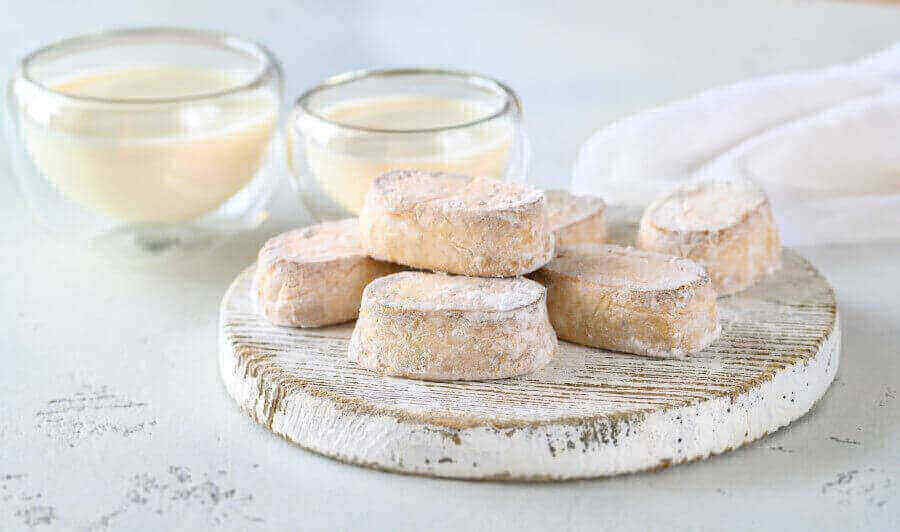
Chhurpi (Sweet Cheese)
Chhurpi, a popular Nepalese dessert, has been a staple of the local cuisine for decades. This is a traditional cheese made from yak or cow milk that goes through a special fermentation and drying process.
Chhurpi has a hard texture and a distinct flavor, and it has a long shelf life, making it a suitable snack for Nepal’s mountainous regions. Historically, chhurpi served as a nutritious source of protein and energy, sustaining inhabitants during long treks and hard winters.
Beyond its practical uses, chhurpi has become a symbol of Nepalese heritage and craftsmanship. Skilled artisans craft the cheese with precision, preserving traditional techniques passed down through generations. Today, chhurpi has gained international recognition, delighting both locals and tourists alike.
Whether enjoyed as a standalone treat, grated over dishes, or used in traditional Nepali food, chhurpi represents the rich history, resilience, and culinary prowess of Nepal—a true embodiment of the country’s flavorsome traditions.
Savory Nepalese Desserts And Snacks
Sandheko (Nepalese Mix Vegetable)
This is a traditional Nepali dessert that has grown in popularity due to its unusual combination of flavors and textures. Sandheko is derived from the Nepali word “sandhanko,” which means “mixed,” and refers to a delicious mix of numerous ingredients.
Diced fruits, vegetables, or legumes are generally blended with a mixture of spices, herbs, and seasonings. Cucumber, tomato, onion, green chile, lemon juice, salt, black pepper, and cilantro are common components. These ingredients are expertly mixed to create a flavor profile that is both aromatic and delicious, with a refreshing, acidic, and spicy flavor character.
Sandheko offers a unique culinary experience that showcases the country’s rich gastronomic heritage. The dish exemplifies the Nepali penchant for bold flavors and the creative use of local produce.
Whether as a street food snack or a side dish in a traditional meal, sandheko adds a burst of freshness and zest to any dining experience. So, if you find yourself in Nepal, don’t miss the opportunity to savor this irresistible blend of flavors.
Aloo Ka Achar (Nepalese Potato Pickle)
Aloo ka achar, also known as Nepalese potato pickle, is a delectable and culturally significant delight that holds a special place in Nepalese cuisine. Bursting with flavors and textures, this popular Nepalese snack is a delightful blend of sweet, tangy, and spicy notes.
The secret to this mouthwatering delicacy lies in its preparation. Tender potatoes are carefully boiled to perfection and then coated with a medley of aromatic spices, including cumin, turmeric, fenugreek, and mustard seeds. The addition of fresh green chili peppers, ginger, and garlic further enhances its piquancy.
What genuinely distinguishes aloo ka achar is its cultural significance. It is frequently cooked at festive occasions and festivals to represent unity and peace. Families and friends gather to create this traditional feast, with recipes and techniques passed down from generation to generation.
Its bold flavors and vibrant colors mirror the richness of Nepalese culture, offering a sensory experience that is as pleasant to the eyes as it is to the taste buds.
Discovering Nepali Sweets And Desserts
Nestled amidst the majestic Himalayan mountains, Nepal is famous for not only its breathtaking landscapes but also for its delectable culinary treasures.
Nepali sweets are truly a treat for the senses, with vibrant colors and rich aromas that will make your mouth water. Whether you have a sweet tooth or simply want to try something new, indulge in the aromatic spices, the richness of dairy, and the deep-rooted traditions of Nepalese desserts. You’ll understand why they are truly something special.
Filipinos are known for their unique and intricate cuisine. Their use of exotic ingredients and creative combinations have made their dishes famous around the world. But when it comes to desserts and sweets, the Philippines never loses its touch. Filipino desserts stand out for their sweet combinations from colorful jams and jellies to extraordinary flavors of cakes and pastries.
Filipino desserts are a delectable reflection of the vibrant and diverse culinary traditions of the Philippines. They authenticate the country’s rich history, incorporating influences from various cultures that have shaped the Filipino food scene and palate over the centuries.
What’s Special About Filipino Desserts
What makes Filipino desserts stand out is their use of local ingredients, particularly coconut, rice, and tropical fruits.
The Philippines is known for its tropical climate, therefore it comes as no surprise that Pinoy desserts burst with flavors from the abundance of fresh fruits like mangoes, bananas, pineapples, and jackfruit. These nature blessings are commonly used to add natural sweetness to many dishes.
For example, coconut is an essential component of the Filipino dessert repertoire. In its various forms such as coconut milk, grated coconut, and coconut sugar, it lends creaminess to numerous Filipino sweets. This, and other helping agents, like condensed milk, evaporated milk, and sugarcane syrup give Filipino desserts their signature sweetness.
Hence, whether you’re in a café or restaurant, at home with family, or even just enjoying the street food vendors – Filipinos always take time to enjoy great desserts and sweets. They are obsessed with the harmony of flavors, textures, and colors in their desserts.
Let’s see some of the most popular Filipino desserts and how they have become the sweet melodies of Filipino cuisine.
Most Popular Traditional Filipino Desserts
Since we’re talking about locals, it’s only right to talk about the most well-known Filipino dessert that you can only probably find in the country. Don’t get me wrong, there may have been similar dishes elsewhere, but nothing can truly compare to the original.
These Filipino desserts are not only enjoyed during special occasions and celebrations but are also an integral part of everyday life. One of the fun facts about the Philippines is that people love to indulge in good food!
Halo-Halo (“Mix-mix” Or Filipino Shaved Ice Dessert)
The name “Halo-halo” literally translates to “mix-mix” in English, which perfectly describes the essence of this delightful treat. This Filipino dessert is made with shaved ice and a little bit of sugar, combined with banana, sweet beans, coconut shavings, tapioca pearls, nata de coco (or coconut gel), pinipig (rice crispies), jackfruit, and of course, ube.
Halo-halo is then topped with a generous helping of evaporated milk, vanilla ice cream, or candied fruits to make it more special, and served in a tall glass or bowl.
Leche Flan (Filipino Creme Caramel)
Another one of the classic Filipino desserts is the creamy and heavenly Leche Flan or Filipino custard version. Leche Flan is a beloved Filipino dessert known for its rich and smooth texture and super sweet caramel flavor.
It’s a melting-in-your-mouth kind of delicious using a traditional recipe of egg, evaporated and condensed milk, sugar, and vanilla extract mixture. Once you achieve your desired consistency, the result is a heavenly dessert with a silky texture and a delicate balance between the creamy custard and the rich caramel sauce.
When ready to serve, these Filipino sweets are inverted onto a plate, allowing the caramel to flow over the custard, creating a beautiful presentation.
Beyond its popularity in the Philippines, Leche Flan has gained recognition worldwide as its velvety smoothness and sweet caramel notes have captured the hearts of dessert enthusiasts around the globe.
Ube Halaya (Purple Yam Jam Or Ube Jam)
Ube Halaya, most widely known as Ube Jam, is one of the traditional Filipino desserts celebrated for its captivating color, unique delightful flavor, and smooth, velvety texture. Well, depending on how it’s cooked.
Ube is a tuberous root vegetable indigenous to the Philippines. It is known for its naturally rich purple hue and distinct earthy flavor. In Ube Halaya, this versatile ingredient takes center stage and is transformed into a delightful and indulgent dessert.
The process of making this Filipino dessert starts with cooking the purple yam until it becomes tender. The yam is then mashed or pureed to create a smooth and creamy consistency, then adding sugar, condensed milk, and coconut milk and slowly cooked over low heat afterward, allowing the flavors to meld and the mixture to thicken to a luscious consistency. Stirring continuously is key to achieving the desired smoothness and avoiding any lumps.
Ube Halaya can be a standalone dessert, scooped into a bowl and garnished with toasted coconut flakes or sesame seeds, or as a filling or topping for other Filipino desserts like halo-halo, cakes, pastries, and even ice cream.
Turon (Banana Spring Rolls Or Fried Banana Rolls)
Turon is a famous dessert in the Philippines that complements the sweetness of bananas with the crunchiness of spring roll wrappers. This Filipino food is loved for its simplicity and satisfying texture and it’s a versatile dessert enjoyed on its own or as a sweet accompaniment to a meal.
The main ingredient in Turon is the Saba, a variety of bananas that is native to the Philippines and known for their firm texture and natural sweetness. To make the Turon, the bananas are typically sliced lengthwise and coated with brown sugar, wrapped in spring roll wrappers or lumpia wrappers, then deep-fried until the wrappers turn golden brown and become crisp. Easy, right?
The result is a balance of sweetness and crispiness, two uncommon flavors that pair perfectly together. The caramelized sugar forms a syrup that surrounds the soft, sweet banana inside, while the fried wrapper adds a satisfying crispness with every bite. You may serve your freshly made turon with a scoop of ice cream, drizzle it with honey, or top it with some toasted sesame seeds.
Sylvannas (Filipino Frozen Ice Cream Cookie)
Sylvannas is a delectable Filipino dessert that combines layers of buttery cashew meringue with rich buttercream, creating a heavenly treat that melts in your mouth. While Sylvannas originated from the city of Dumaguete in the Philippines, it has gained popularity throughout the country and is widely available in various regions and bakeries.
The main component of Sylvannas is the cashew meringue. To start the fluffy and light meringue batter, ground cashew nuts are mixed with egg whites, sugar, and a touch of vanilla extract. This batter is piped into individual rounds and baked until crisp and golden brown. The result is a delicate and nutty meringue layer that forms the foundation of the Sylvannas.
Once the meringue layers have cooled, they are sandwiched together with a generous amount of buttercream which is typically made from butter, and sugar, and sometimes flavored with vanilla or cashew essence. This creamy filling adds richness and a smooth texture to each bite.
To finish, the Sylvannas are often coated with cookie crumbs or ground cashew nuts and the final output is a visually stunning dessert with alternating layers of meringue and buttercream, creating a harmonious blend of textures and tastes.
Sylvannas commonly pair well with a cup of coffee or tea. The perfect companion for a cozy afternoon or as a dessert to cap off a delicious meal.
Crema de Fruta (Filipino Fruitcake)
Crema de Fruta highlights a delicious layer of colorful fruits beautifully arranged on top of a creamy custard layer. It is an elegant and delightful Filipino dessert that perfectly combines sweetness and creaminess.
This visually stunning masterpiece is a medley of sliced tropical fruits such as pineapples, peaches, cherries, and canned fruit cocktails arranged on top of the custard layer. The fruits are often complemented by a glaze or syrup, which enhances their natural sweetness and adds a glossy finish.
To complete the dessert, a layer of sweet gelatin is poured over the fruits. This helps hold everything together and adds a delightful jiggle to each slice. The gelatin layer is often flavored with a fruit juice or extract, enhancing the overall fruity experience.
Crema de Fruta is typically chilled in the refrigerator to allow the layers to set and the flavors to meld together. This luscious Filipino dessert is considered a centerpiece of festive dessert tables and a popular choice for special occasions, celebrations, and holiday gatherings in the Philippines because of its elegant presentation and delightful combination of textures and flavors.
Coconut Based Filipino Desserts
Maja Blanca (Coconut Pudding)
This Filipino dessert kicks off the rich and twisted flavor of coconut and corn. Maja Blanca is loved for its smooth and velvety texture, subtle sweetness, and comforting taste. It has become a staple in Filipino cuisine, enjoyed on special occasions and family gatherings.
Maja Blanca is a local Filipino adaptation of the Spanish dish known as “manjar blanco” or white delicacy, and this dessert truly lives up to its name. The process begins by combining coconut milk, cornstarch, sugar, and sweet corn kernels, all cooked together until thickened. The mixture is then poured into a rectangular dish or mold and left to cool and set.
After chilling in the refrigerator, Maja Blanca is ready to be served, cut into squares or diamond shapes, and can be enjoyed as is or garnished with grated coconut or toasted coconut flakes.
Maja Blanca holds a special place in Filipino culinary traditions, symbolizing warmth, hospitality, and the joy of coming together.
Buko Pandan (Filipino Coconut Pandan Dessert)
Buko Pandan combines the natural sweetness and refreshing taste of young coconut (buko) with the fragrant essence of pandan leaves. This Pinoy dessert is known for its vibrant green color, smooth creamy texture, and tropical flavors, a popular choice for dessert lovers in the Philippines.
“Buko” or young coconut is the key ingredient of this Filipino dessert, while “Pandan” represents the pandan leaves which are used to infuse the dessert with their distinct aroma and green hue.
The preparation of Buko Pandan is very simple, starting with extracting the juice from the young coconut and then combining it with a pandan-flavored gelatin which comes from the extract of pandan leaves boiled in water. The gelatin is set until firm and then cut into small cubes. The next step is to mix the buko or young coconut strips with a creamy base, typically made from condensed milk and table cream. This mixture adds richness and sweetness to the dessert, complementing the fresh and delicate flavor of the coconut.
Once the gelatin and buko are prepared, they are combined and commonly served chilled to allow the flavors to meld together and provide a cooling sensation, especially in hot tropical climates.
Buko Pandan showcases the abundance of coconuts in the Philippines and highlights the versatility of pandan leaves in infusing desserts with their unique aroma.
Sapin-Sapin (Layered Sticky Coconut Rice Cake)
Sapin-sapin is a vibrant and visually appealing Filipino dessert that translates to “layered” in Filipino, perfectly describing its distinct feature. Its festive appearance and delightful taste reflect the joy and celebration deeply embedded in Filipino culture and represent the creativity and vibrancy of Filipino cuisine.
True to its name, Sapin-sapin is multiple layers of rice-based cakes, each with a different color and flavor, stacked on top of one another to create a beautiful and mouthwatering presentation.
What makes the Sapin-sapin chewy and sticky is its base ingredient – glutinous rice flour. This is then combined with coconut milk, sugar, and sometimes flavored extracts such as ube (purple yam) or pandan (screwpine) to create the individual layers.
To make Sapin-sapin, each layer is prepared separately. The rice flour batter is divided and mixed with different colors and flavors to create a variety of vibrant layers. The layers are then steamed one by one, allowing each layer to set before adding the next.
Once steamed and set, you’ll get a beautiful array of colors, commonly in the shades of purple, yellow, and white, derived from natural ingredients such as ube, langka (jackfruit), or food coloring. It is often garnished with toasted coconut flakes on top to enhance the overall coconut flavor.
Palitaw (White Rice Cake With Coconut And Sesame Seeds)
Palitaw comes from the Filipino word “litaw,” which means “to float” or “to rise” and it accurately describes the cooking process of this dessert. It is made from a dough out of glutinous rice flour, water, and a pinch of salt, and shaped into small, flattened discs before being cooked in boiling water.
Once the Palitaw discs float to the surface, they are carefully removed and immediately coated with grated coconut and a sprinkle of sugar. The grated coconut adds a delicate texture and enhances the natural sweetness of the dessert.
The chewy and slightly sticky consistency of this Filipino dessert exhibits the residents’ ability to transform basic elements into a delicious work of art. Palitaw’s humble ingredients and straightforward preparation method make it the go-to for many Filipino celebrations.
Kalamay (Sweet Sticky Rice Cake with Coconut Curds)
Kalamay is a traditional sweet treat that comes in different variations across the Philippines, with each region adding its unique twist. Some versions include additional ingredients like sesame seeds, peanuts, or flavors such as ube (purple yam) or pandan and these additions enhance the taste and offer a surprise in each bite.
Similar to Suman, the process of making Kalamay begins with soaking glutinous rice overnight to soften it. The rice is then ground into a coarse or fine texture, depending on personal preference. Coconut milk is extracted from freshly grated coconut, giving the dessert a creamy and tropical taste.
Ground rice and coconut milk are combined and cooked over low heat, stirring continuously to prevent lumps and ensure a smooth consistency. The cooking process is crucial, as it allows the flavors to meld together and the rice to fully absorb the creamy coconut milk. The final result is a thick and sticky dessert with a slightly translucent appearance.
This Filipino dessert is often shared among family and friends as a symbol of togetherness and joy. Kalamay’s comforting and familiar flavors evoke a sense of nostalgia and create lasting memories.
Lighter Tasting Filipino Desserts
From our homemade yema and pastillas de leche to the classic and mouth-watering taste of crema de fruta, Filipino desserts bring together a harmonious blend of simplicity and comfort, ideal for any occasion. But how about those who prefer something on the lighter side?
Check out some of our Pinoy desserts that are not too sweet and just right.
Bibingka (Filipino Rice Cake)
Bibingka is one of those local Filipino cakes that signifies the tradition and warmth of its people. It is a type of rice cake, a famous dessert in the Philippines, particularly during the Christmas season. With its soft and slightly chewy texture, rich flavor, and distinct aroma, Bibingka holds a special place in Filipino culinary heritage.
Bibingka is traditionally cooked by baking the batter in a special clay pot called a “bibingkaan” over hot coals or in modern times, using a dedicated oven. This unique cooking method contributes to its characteristic taste and texture.
Rice flour, Bibingka’s main ingredient, is mixed with coconut milk, sugar, and sometimes yeast to create a thick and creamy batter. This batter is then poured into individual banana leaf-lined molds, which adds a subtle aroma and imparts a delicate flavor to the cake.
Bibingka can be topped with slices of salted egg and cheese to make it special and to provide a delightful contrast. It is also common to sprinkle it with grated coconut or drizzle it with butter to enhance its richness.
Bibingka is commonly enjoyed during Simbang Gabi, a series of nine dawn masses leading up to Christmas Day in the Philippines. It is often sold by street vendors near churches, where people eagerly line up to savor its warmth and comforting flavors after attending the early morning mass.
Puto (Filipino Steamed Rice Cake)
Puto is a favorite Filipino breakfast that is often enjoyed as a sweet snack, a dessert, or as a pair of savory dishes. This is another category of rice cake known for its soft and fluffy texture, mild sweetness, and versatility.
Puto is typically made in small bite-sized portions and is primarily made of rice flour combined with sugar, water, and sometimes coconut milk to create a smooth and slightly thick batter.
Speaking of versatility, Puto can be prepared in different flavors, offering a wide range of options to suit various tastes.
Traditional varieties include the classic white Puto, which has a delicate and neutral flavor; and Puto cheese, where grated cheese is added to the batter, providing a savory twist to the otherwise sweet treat.
Other variations include Puto pandan, flavored with pandan extract for a vibrant green color; and Puto ube, infused with purple yam for a delightful purple hue. Toppings like grated coconut, salted egg slices, or a dollop of butter will add extra richness and flavor.
Puto’s soft and fluffy texture as well as its subtle sweetness represents the simplicity and adaptability of Filipino cuisines as it has been enjoyed for generations.
Kutsinta (Steamed Sticky Rice Cake)
Kutsina, another version of rice cake, is a sweet and sticky Filipino dessert made with mainly rice flour and brown sugar. It is popularly known alongside Puto, and it is cherished for its unique texture and delightful chewiness.
The preparation of Kutsinta involves a combination of rice flour, brown sugar, and water to create a smooth and slightly thick batter. This batter is often enhanced with lye water or lye water substitute for that distinct chewy texture. The batter is then poured into small cupcake molds or banana leaf-lined molds.
Kutsinta is traditionally steamed rather than baked. The steaming process allows the batter to transform into a dense and chewy consistency while retaining its moistness. This cooking method ensures that each piece of Kutsinta is tender and sticky.
This type of Filipino cake has a subtle sweetness, thanks to the brown sugar, which is complemented by the slightly earthy and caramel-like notes. Some variations of Kutsinta may include additional flavors such as pandan or grated coconut for that delightful twist to the local recipe.
Espasol (Filipino Rice Cake Rolled In Toasted Rice Flour)
Espasol is beyond Filipino dessert, it’s also enjoyed as a snack or what we call merienda. Its simplicity, unique texture, and subtle sweetness are the reasons why this delicacy holds a special place in Filipino culinary traditions.
Espasol originates from the province of Laguna in the Philippines and has been a beloved delicacy for generations. Just like the other rice cakes, Espasol is made from glutinous rice flour, coconut milk, and sugar, creating a delightful combination of flavors and textures. What makes Espasol special is its signature texture where the rice flour is toasted before mixing, which gives it a distinct nutty aroma and crunchy edge.
Espasol is locally prepared by combining the ingredients into a sticky dough-like batter and rolling them into small cylinders or logs that are easy to pick up with your hands. This batter is cooked over low heat, stirring continuously until it thickens and forms your desired consistency.
The Espasol is then rolled in toasted rice flour, giving it a powdery coating and adding a layer of texture. It is soft, chewy, and slightly crumbly wrapped in colorful cellophane or banana leaves, adding to its appeal and making it a delightful treat to share.
Leche Puto (Filipino Combination Of Leche Flan And Puto)
Filipinos are remarkably creative as you see in their cuisine, combining two distinct treats to create something divine. Leche Puto is a product of ingenuity, a combination of two popular Filipino desserts — Leche Flan (creme caramel) and Puto (steamed rice cake). This sweet and velvety dessert is loved for its creamy texture, rich caramel topping, and distinct chewiness of traditional Puto.
To make Leche Puto, the process begins with preparing the Leche Flan made from eggs, condensed milk, and vanilla extract, and then poured into individual molds. The Leche Flan is then steamed until it sets, creating a velvety and creamy layer at the bottom of the dessert.
The next step involves making the Puto batter which is rice flour, sugar, baking powder, and water combined together. This Puto batter is poured on top of the set Leche Flan, allowing the two layers to meld together during the steaming process.
The outcome is a caramelized Leche Flan layer at the bottom and a soft and chewy Puto layer on top. Each bite offers a burst of flavor and is enjoyed on its own or paired with a cup of coffee or tea.
Suman (Sweetened Rice Cake Covered In Banana Leaf)
If you find a treat covered with almost burnt banana leaves plus a bowl of sugar beside it, you’ll automatically know that you’re about to taste the delightful Suman.
This is a classic Filipino kakanin or rice cake also made from glutinous rice and coconut milk but cooked differently in banana leaves. Suman is known for its fragrant aroma, sticky texture, and subtly sweet taste, making it a beloved dessert across the Philippines.
The preparation of Suman starts with soaking the glutinous rice, then mixed with coconut milk, salt, and sometimes sugar to add a hint of sweetness. The mixture is carefully wrapped in banana leaves, and then either steamed or boiled until fully cooked. Steaming gives the rice a soft and tender texture while boiling results in a slightly firmer and chewier consistency.
Suman comes in shapes and varieties – cylindrical, rectangular, or even pyramid-shaped – depending on the region and the occasion. This very Pinoy dessert can be served with a sprinkle of sugar, grated coconut, or caramel sauce, accompanied by a cup of hot chocolate, or paired with ripe mangoes for a tangy flavor combination.
Filipino Pastries For Desserts
Who would think there are so many different types of rice cakes in the Philippines, right? However, the sweet tooth of Filipinos is strong and that extends to pastries too. Here are some of the popular Filipino pastries.
Buko Pie (Filipino Coconut Pie)
Buko Pie is a Filipino dessert renowned for its creamy coconut filling and flaky crust. It showcases the natural sweetness of young coconut and the artistry of Filipino pastry-making.
Buko Pie is a must-try culinary icon in the Philippines. The tender and juicy meat of the coconut is grated or thinly sliced, then mixed with sweetened condensed milk to create a luscious filling. The mixture is poured into a pie crust which is flour, butter, and sugar, baked to golden perfection.
Buko Pie strikes a perfect balance between the natural sweetness of the coconut meat and the creamy richness of the condensed milk. The result is a velvety and indulgent custard-like filling with delicate coconut flavors that are simply irresistible.
Pan de Coco (Filipino Coconut Bread)
Most simply, Pan De Coco is a soft and fluffy bread with a sweet coconut filling, a Filipino pastry popular among locals and visitors alike. Its affordability and accessibility from local bakeries, roadside stalls, and neighborhood markets have made it a staple in Filipino households.
Pan de Coco’s bread dough is typically made from flour, yeast, sugar, and milk, resulting in a light and pillowy texture. It is then shaped into small balls to be filled with a mixture of grated coconut and brown sugar before baking.
The filling of Pan de Coco is what sets this treat apart from other Filipino sweet delicacies. The grated coconut is combined with brown sugar, infusing the bread with tropical flavors and adding a delightful chewiness to each bite.
Cassava Cake (Filipino Cake Made With Grated Cassava)
Served cold, warm, or at room temperature, Cassava cake is made of grated cassava combined with coconut milk, eggs, sugar, and other flavorings, baked to make a moist and flavorful, and slightly caramelized top.
Cassava, a root vegetable widely cultivated in the Philippines, serves as the star ingredient in this dessert. The cassava is peeled, grated, and squeezed to remove excess moisture. The grated cassava is then mixed with creamy coconut milk, which lends a rich and tropical flavor to the cake.
Sugar, condensed milk, vanilla extract, or even grated cheese are added to achieve your desired sweetness. These ingredients create a harmonious blend of sweet and creamy flavors that complement the natural earthiness of the cassava, resulting in the softest and most perfect golden-brown masterpiece.
Tibok-Tibok (Carabao Milk Pudding)
This smooth and super creamy Filipino dessert is a delectable treat that hails from the province of Pampanga, known for its rich culinary heritage.
Tibok-tibok is made from carabao milk (water buffalo milk) combined with glutinous rice flour, sugar, and aromatic ingredients, and the result is a smooth and creamy pudding with a delicate texture and a hint of floral flavors.
The carabao milk is gently heated and thickened with glutinous rice flour, creating a velvety texture that melts in the mouth. The sugar provides a balanced sweetness and complements the natural flavors of the milk, while the pandan leaves or vanilla extract elevates the overall taste experience.
Tibok-tibok is cooked by continuously stirring the mixture over low heat until it thickens to the desired consistency. Once chilled, the pudding encapsulates the appreciation for natural flavors and is ready to be enjoyed.
Mamon (Filipino Chiffon Or Sponge Cake)
Mamon is a super soft and playfully fluffy sponge cake with a delicate texture and a buttery flavor that melts in your mouth. It is one of those Filipino desserts that bring joy and comfort to locals.
The origins of Mamon can be traced back to the Spanish influence on Filipino pastries. However, Filipinos have put their unique spin on this classic dessert, making it distinctly their own. The key to the delightful texture of Mamon lies in its preparation.
The cake is done by creaming butter, sugar, and eggs until light and fluffy, then added with flour baking powder, and milk to create a smooth and silky batter.
The resulting cake is airy and soft, with a slightly golden crust that adds a delightful contrast. You can top it with powdered sugar to make it more special, adding a touch of sweetness and enhancing its visual appeal. Whether savored on its own or paired with other desserts, Mamon symbolizes warmth, nostalgia, and the simple joys of life.
Filipino Sweets For Desserts
Yema (Sweet Custard Candy)
Yema is a bit-sized treat often enjoyed by little kids and those Filipino young at heart. It is traditionally made by combining condensed milk and egg yolks, and cooked together until they form a thick and sticky mixture. This will then be shaped into small balls or rolled into bite-sized candies.
Yema candies are often coated in granulated sugar which adds a satisfying crunch when bitten into. Some variations of these Filipino sweets incorporate additional ingredients such as vanilla, nuts, and pinipig, or infuse fruity flavors, giving the candies a unique twist.
Since Yema is extremely easy to make, it became a popular homemade dessert in Filipino households. It is available in local markets, bakeries, and even small entrepreneurs can sell this for a good amount of money, with different versions and variations depending on the region or the personal preferences of the maker.
Yema’s irresistible combination of sweetness and smooth melt-the-mouth texture make it one of the most beloved Filipino desserts that leave a lasting impression and a craving for more.
Polvoron (Milk Powder Candy)
Polvoron is one of the Filipino desserts that offer a delightful combination of sweet, crumbly, milky, and buttery flavors. They are delicate and powdery confections made from a mixture of toasted flour, powdered milk, sugar, and butter.
The process of making Polvoron involves toasting the flour until it reaches a golden color. The flour results in a subtle nutty flavor, and it becomes something else when combined with powdered milk, sugar, and melted butter, resulting in a crumbly mixture. This mixture is then pressed into molds to form the characteristic oval or round shape of a Polvoron.
To best enjoy polvoron, you can incorporate varieties of flavors like chocolate, peanut, or cookies and cream. These Filipino sweets are often individually wrapped in colorful cellophane or placed in small paper cups. This is one dessert in the Philippines that brings back childhood memories and is often associated with bonding moments with friends and family.
Pastillas de Leche (Sweet Milk Candy)
Pastillas de Leche is traditionally made using fresh milk, usually carabao’s milk or cow’s milk, combined with sugar and sometimes flavored with a hint of vanilla. This is an addictive Filipino dessert that captivates the palates of those who indulge in it for its rich and creamy satisfying taste.
The process of making Pastillas de Leche starts with the simmering of the milk and sugar together, gradually reducing the mixture until it thickens into a sticky consistency. The mixture is then shaped into small bite-sized cylinders or rolled into small balls.
To prevent sticking, the candies are often rolled in sugar or wrapped in colorful cellophane, resulting in soft and velvety candy with a smooth texture that easily dissolves in the mouth, leaving behind a delightful sweetness.
The simplicity and charm of Pastillas de Leche have made it a beloved part of Filipino culinary heritage. Pastillas de Leche’s smooth texture combined with comforting flavor, represents not only a sweet indulgence but also the nostalgia of childhood memories and the joy of sharing simple pleasures with loved ones.
Discovering Traditional Filipino Desserts In The Philippines
Filipino desserts are a vibrant and diverse collection of sweet treats that showcase the rich culinary heritage of the Philippines. From the comforting and familiar flavors of leche flan and halo-halo to the delicate textures of maja blanca and bibingka, Filipino desserts offer a delightful experience for those seeking a taste of the country.
Whether you’re looking for something sweet, light, airy, chewy, or creamy, there is bound to be a Filipino dessert that will make your taste buds sing with delight!
Greece is renowned for its vibrant flavors, fresh ingredients, and distinctive culinary traditions. And when it comes to Greek food, one of the most beloved aspects is the array of delicious appetizers, or meze, that are enjoyed throughout the country. From crispy fried calamari to tangy tzatziki dip, and from savory feta cheese pies to juicy stuffed grape leaves, Greek starters offer a tantalizing introduction to the country’s gastronomic scene.
Grab a glass of ouzo and get ready to embark on a culinary journey through Greece’s delicious meze culture!
What Makes Greek Appetizers And Starters Special?
The people in Greece have been growing olive trees for thousands of years. It’s hard to imagine Greek appetizers and food to be without them. Olive oil has always been inherently linked to Greek cuisine, creating beautiful taste palates and flavor contrasts in their savory food.
You’ll also find a lot of vegetable varieties and when meat is included in Greek appetizers and food, it is most often either lamb or seafood. The region surrounding the land of Greece has always been difficult to cultivate cattle and raise livestock, and thus, their food has evolved to get around this hurdle.
From street food to fine dining, let’s dive into the best Greek starters and appetizers!
The Most Famous Greek Appetizer
Greek Meze (Traditional Platter)
As one of the oldest examples of Greek appetizers, the Greek Meze platter has a big place in the hearts of Greek cuisine. Eating is a community activity in Greece, still to this day, and that is how this dish was founded.
This is essentially a platter of snackable traditional Greek food that is both visually pleasing and you can bet it tastes awesome too. There’s nothing like snacking away on these delightful small bites and chatting with your family and friends.
While there are usually standard items like olives, greek cheeses, and spreads, you can truly find an endless array of ingredients in these lovely Greek starters. From meat to vegetables to pastry dishes, it’s limited by your creativity and imagination only!
Delicious Meat-Based Greek Starters
Greek-Style Calamari
Grilled calamari is one of the most popular Greek appetizers. Having so much coastal land in the country, seafood is an obvious choice. From fine restaurants to home grilled, calamari and other seafood dishes are much-loved across the country.
This popular Greek appetizer is served most often with a zesty lemon-infused sauce and other traditional seasonings. It all depends on where you order this lovely meal, as there are different traditional methods of preparation depending on the region in Greece.
Greek Meatballs
When it comes to Greek appetizers, meatballs are almost certainly the most famous and much-loved choice. Juicy, soft on the inside, and crunchy on the outside, Greek meatballs are not just unique but taste outstanding.
Lamb, a favorite meat choice in Greece, is ground with numerous spices and herbs, like oregano, lemon juice, and other traditional flavors. The result is beyond your average meatballs, and makes for perfect Greek snacks!
Souvlaki (Chicken Skewers)
Souvlaki could be the oldest and most traditional choice of Greek appetizers and it’s hard to pinpoint how far back in history this food was made. It’s safe to say many thousands of years BC, and to this day souvlaki is a famous and much-loved Greek food.
Pieces of chicken are skewered onto kebabs and grilled to perfection, along with pieces of tomato sometimes. The marinade and sauce that is used for the chicken or lamb changes according to region, and is almost always served with other Greek sides and dishes.
Famous Vegetarian Greek Appetizers
Spanakopita (Spinach Pie)
If you’re looking for delicious and authentic Greek appetizers, Spanakopita is the way to go! Nothing super fancy or complicated, but oh so delicious.
It’s a classic choice of Greek snacks that’s full of fresh spinach and cheese. The perfect pairing, along with a flaky pastry crust, makes it one of the most beloved appetizers in Greece. So if you’re looking for the perfect savory Greek starter, this dish is sure to hit the spot!
Saganaki (Greek Deep-Fried Cheese)
Saganaki is a fried cheese dish and one of the best Greek appetizers you can find. It originated in the late 60s, and since then, the popularity of saganaki has continued to grow.
You can make saganaki with any cheese, but the most popular types are Kasseri cheese and Graviera cheese. It is often served in the pan as a lovely choice of Greek starters with bread and other popular side dishes.
Tzatziki Bites
As one of the most classic Greek appetizers and famous dips, Tzatziki is composed of yogurt, minced cucumber, minced garlic, and minced olive oil. It is served in little pastry shells and is a refreshing and flavorful accompaniment to any Greek dish.
It is believed that Tzatziki originated in Persia (where it was also known as zhazha), but its evolving forms can be found in many countries today. The refreshing dip or spread is famous for its unique taste and versatility, which is why it is such a favorite choice of Greek starters!
Greek Puff Pastry With Kalamata Olives
The Greeks have mastered the art of puff pastries, and these out-of-this-world delights make for great appetizers.
The inside of the puff pastry can be filled with ingredients such as olives, feta cheese, and other classic ingredients. For those who want a light and well-balanced snack, these little pastries are the perfect choice.
The combination of flavors is not only phenomenal but also rich in antioxidants. So, if you’re looking for healthy Greek snacks, these little bites of joy are your hero.
Feta Dip Phyllo Cups
Phyllo cups aren’t just delightful Greek appetizers, they’re also incredibly cute to look at. As a popular choice of pastry, phyllo is of course included in these delicious little treats.
The dough cups are filled with a special mixture of ingredients, such as feta cheese, basil, chives, and tomato. The crumbly flakiness of the pastry and the filling make for mouth-watering Greek finger foods. It’s hard to not eat them all!
Kolokithokeftedes (Zucchini Balls)
Kolokithokeftedes are phenomenal examples of traditional Greek appetizers found across the country and the islands of Greece. The creative use of zucchini in these Greek snacks showcases the unique flavors and cuisine of the food in this region.
Both simple and delicious, the ingredients are fairly simple and include dough rolled with fillings of fresh feta cheese, grated zucchini, and often mint. What makes these Greek snacks so amazing are the crispy fried results of crunchy outsides and soft centers.
Typical Bread-Based Greek Appetizers
Greek Bread
While bread is featured in almost all culinary cultures across the world, what makes Greek bread… Greek: is the outstanding and unique flavors and ingredients. These Greek appetizers taste as amazing as they look.
Bread slices are filled with traditional ingredients like olives, onions or chives, garlic, cheese (usually mozzarella), and often mushrooms. Once golden after baking, the soft cheese and crunchy bread are perfect Greek snacks that will change your idea of “grilled cheese”.
Greek Bruschetta With Feta Cheese
These lovely little Greek appetizers are a cross between Italian and Greek cuisine – two of the most internationally acclaimed. It’s a combination of bruschetta with feta cheese and olive oil. You can also add some chili if you’re a fan of heat!
If you’re looking for refreshing Greek appetizers that will rock your taste buds, then this is the dish for you. Just one bite and you’ll be rewarded with a burst of freshness and a rich flavor that contrasts beautifully.
Feta And Greek Yogurt Pita Appetizer
These are phenomenal Greek appetizers that bring together two of Greece’s greatest culinary contributions: feta and Greek yogurt. Imagine a soft, floury pita bread that is topped with a creamy mixture of feta cheese and yogurt.
Fresh mint and a dash of olive oil are added to the mix, then baked until it becomes a melty, fragrant slice of heaven. They also make for a lovely Greek breakfast choice!
Dakos (Greek Rusks)
Dakos is the name given to these magnificent Greek appetizers by the locals. It is made of barley rusks that have been soaked in water. It is usually served with chopped tomatoes and feta cheese and olive oil.
The rusks are made from barley flour or a mix of barley and whole wheat, and they’re usually made with sourdough to last a long time. That’s why they were the go-to bread when people didn’t have time to bake.
When it comes to Greek starters, these are delightful options to keep on the table.
Popular Salads For Greek Appetizers
Greek Salad
While these Greek appetizers may not scream “exciting”, you’d be surprised how refreshing a Greek Salad is alongside platters of meat and other Greek sides and dishes. It’s also not surprising, as Greek cuisine and food culture have a great love for this salad.
You can expect fresh and soft feta, and olives (of course). Baby tomatoes, slices of cucumber, and occasionally other leafy greens top off these lovely little Greek snacks. For vegetarians, this is the best of both worlds!
Olive, Rosemary, And Garlic-Lemon Salad
These Greek appetizers feature some of the classic ingredients found in Greek food culture, like olives, lots of garlic, lemon zest, and rosemary. As an easy dish to prepare, you can be sure to find a bowl of this salad at gatherings and as a popular choice in restaurants.
When it comes to Greek snacks and side dishes, “the more the merrier” is the sentiment. Lots of vegetables and small Greek finger foods are displayed on a table and the colors and varieties are simply beautiful.
Popular Sauces And Dips In Greek Appetizers
Olive Tapenade
Also known as Tapenade sauce, this is a common dish when it comes to Greek appetizers. It is an olive oil-based paste made from lots of garlic, anchovies, olives (of course), and other traditional herbs. Originating in Provence, France, tapenade is often translated as “olive spread”.
It’s usually served as a snack on a piece of bread or cracker, and you can also add a bit of feta cheese to it. You’ll often find these on the table of assortments at gatherings or included in the Meze as a popular choice of Greek starters.
Tzatziki (Greek Yogurt Dip)
One of the most tantalizing and popular Greek appetizers, and food in general, is Tzatziki. You can find this savory and delicious sauce across the world in homes and restaurants: it’s that famous. Since the early 1600s and during the rule of the Ottomans, Tzatziki has been at the heart of Greek sides and snacks.
You can dip absolutely any food in this delightful dip, and it’s made from ingredients like Greek yogurt, fresh garlic and dill, lemon juice, and of course garlic. Each region of Greece may have a slight variation in its preparation, but one thing every province shares is a love for these Greek appetizers.
Taramasalata
Taramasalata is a Greek meze and a long-lasting favorite among Greek appetizers. Because Greece has beautiful coasts and many islands within the country, seafood and fish feature prominently in the cuisine.
Taramasalata is prepared by using cod, roe, or other types of fish. In a mixture of peppers, vinegar, spring onions, and lots of garlic, the ingredients are blended until smooth and creamy, and delicious!
Traditionally the mixture was ground with stone (pestle and mortar) to give you the finished smooth consistency and then served with an assortment of Greek snacks and side dishes. Thus, it is a favorite among Greek finger foods and you can find them at most family gatherings and restaurants.
Traditional Tahini Dip
One of the most popular and world-famous dips is Tahini. The origin region is said to be Cyprus, and the world thanks them for this creation! If you’ve never had traditional hummus or tahini dip, you’re in for a lovely experience.
Made with fairly simple ingredients, such as fresh lemon juice, ground garlic, tahini paste, and cumin. They are blended until a beautiful creamy paste is made and are one of the most delicious Greek sides used for an endless choice of foods you can dip in it.
The Exciting World Of Greek Appetizers And Starters
Greek appetizers are a land of plenty, with a wide variety of tastes, colors, and dishes that are unique and mouth-watering. From the traditional tahini dip to the more simple Greek salad kebabs and Greek bread, there truly is something for everyone. And if you have a love of sweet things, Greek desserts will rock your world!
If you’re looking to learn about the culinary culture before traveling or want to start your very own journey in the comfort of your kitchen, Greek food is the perfect place to start!
PIN THESE GREEK APPETIZERS AND STARTERS FOR LATER!
A big portion of Greek food is influenced by the cuisine of neighboring countries in the east, Turkey, Israel, and Lebanon. Greek desserts are no exception, and each one in the wide variety is defined by its history, season, and location.
What’s Special About Greek Desserts And Pastries?
In most desserts, dough (phyllo) is used, as well as semolina, milk, butter, nuts, and sugar in the form of syrup. Eastern spices such as cinnamon, nutmeg, and cardamom are also used.
Perhaps the most remarkable thing about Greek desserts is how they are prepared in different parts of Greece. These small variations make desserts in Greece stand out from the rest, making it worth a trip across the country to sample all the delicious variations.
From Greek starters and main dishes to pastries and sweets, there’s a whole bunch of tasty delicacies waiting to be sampled.
Famous Greek Pastries And Donuts In Greek Desserts
Greek Ekmek Kataifi (Greek Traditional Pastry, Cream, And Custard)
Ekmek Kataifi is a traditional and highly popular choice of Greek desserts enjoyed across the country. Much like the baklava, this sweet treat is made up of primarily walnuts, although other nuts are often used, in addition to regional spices like cinnamon and clove. What makes these Greek pastries so amazing is the lemon-flavored syrup and kataifi dough with sweet cream and caramel.
Once baked, the crispy golden surface and soft warm center make for an exquisite combination of scents and flavors! Although you can also wait for the dessert to cool before eating – the choice is all yours.
Loukoumades (Greek Donut Balls)
Loukoumades may seem basic and simple, but they are one of the best Greek desserts for a reason! These little bite-sized Greek pastries are soaked in syrup or honey after perfectly baking to a golden and crispy final and then dusted with powdered sugar and cinnamon. If you’re looking for a more fancy dressing, you can also add chopped nuts.
The origin of these Greek pastries lies in Turkish roots and the Arabic word “lokma” which means “bite” – which perfectly describes these delightful little treats.
Saragli (Sweet Greek Cinnamon Rolls)
In many ways, Saragli is very similar to Baklava, and are much-loved Greek desserts across the country. Saragli is essentially a rolled Baklava because it is made from the same ingredients.
It’s made with phyllo pastry and butter, and it’s packed with nuts and spices like cinnamon and sugar. Saragli dates back to ancient Greece in the Greek settlements of Asia Minor and is eaten all over Greece to this day.
Wrapped in tender phyllo dough, dipped in syrup from the time of baking, and topped with almonds, this is the most popular version of the baklava and a favorite choice of Greek pastries.
Greek Diples (Festive Greek Honey Pastry)
Diples, also known as Thiples, are Greek desserts made from thin sheet-shaped dough, similar to angel wings, but instead of being served dry, they are fried in hot oil, folded into long thin strips, and dipped in a sweet or honey syrup.
The Greek word for “fold” gives rise to the name “Diples” or “Thiples”. These traditional honey Greek pastries are highly sought after during the Christmas season in Greece.
The dough is kneaded into thin, long strips, fried in hot oil, folded, and then drizzled with sugar or honey sauce. Diples may be prepared in a variety of forms, such as bow ties or spirals.
They are a popular dessert in the Greek countryside and are also enjoyed at weddings and New Year’s feasts. These delights are also one of the best and most abundant choices of Greek street food snacks.
Trigona Panoramatos (Greek Panorama Triangles)
Panorama triangles are Greek pastries, derived from the region of Panorama, located in Attica. These types of Greek pastries are typically shaped into a triangle and filled with a cream of milk, butter, and vanilla. After baking, it is then dipped in simple syrup.
After you’ve put everything together and filled the triangles, you can sometimes add crushed pistachios and drizzle them over the cream. They’re best when they’ve been chilling in the refrigerator for a few hours, making them a great summer snack!
Popular Greek Sweets And Cookies Within Greek Desserts
Stafyli Gliko (Spoon Sweets)
Spoon Sweets are one of the most unusual and versatile Greek desserts out there. They’re made with thick-cut fruits, water, sugar, and lemon juice. The fruits are cooked into something like jam, and the water and sugar combine to make a thin syrup.
It is then put in jars and eaten straight from the jar with a spoon, hence the name. However, Spoon Sweets can be made with many other ingredients besides fruit. Rose petals, tomato, and walnuts are just a few of the alternative ingredients you can add to spoon sweets.
Melomakarona (Greek Christmas Cookie)
Greece is famous for melomakarona, which is a type of traditional Christmas honey cookie. People eat them all through December and January, so they’re not just prepared for Christmas in Greece! They’re made with flour, sugar, oil, orange juice, and spices like cinnamon, nutmeg, and cloves.
It’s derived from the Greek words for honey: meli and makaria, meaning “to dip in honey”. Melomakarona is believed to have its roots in the ancient and medieval tradition of eating these treats during funerals. Over time, these Greek pastries changed and they were dipped in honey, which eventually led to the name melomakarona.
Kourabiedes (Traditional Snowball Cookie)
Almond snowball cookies are also known as kourabiedes. Kourabiedes are Greek desserts traditionally served around Christmas, but they’re so good you can find them in Greece any time of year. They are made by adding almond slivers to flour, then sugar and butter, bitter almond liqueur, and finally the aromatic rose water.
The name kourabie comes from the Persian and Azerbaijani words “qurabiya” meaning “sweetener” or “sugar.” The first mention of these lovely Greek pastries was in Persia dating back to the 7th century, just after sugar was introduced to the region. And since then, they have remained an all-time favorite!
Loukoumia (Turkish Delight)
The Greek name for Turkish delight, Loukoumia, is derived from its origin in Turkey and is one of the most famous desserts in Greece. However, it is also available on the islands located in the eastern Aegean region, close to the Turkish coast.
They are small, bite-sized treats made with gelatine, cornstarch, citric acid, and icing sugar. They often also include rosewater and food coloring. The rosewater flavor is further enhanced by the rosewater icing sugar that is sprinkled on top after cooking and cooling.
Sometimes nuts are added to small squares of confections to add crunch and an extra layer of flavor.
Pasteli (Sesame Seed Dessert Bars)
Pasteli are popular Greek desserts and famous snacks that are renowned for their popularity and traditional style of preparation. It is composed of simple ingredients such as sesame seeds and honey, as well as lemon zest and, in some cases, nuts. While simple and easy to make, these nutty sweets are delicious and fun to eat!
The original Olympians ate Pasteli every day, and thus, it is deeply rooted in the history of Greek desserts. Rather than cooking the sesame, on some Greek islands, it is dried in the sun. This method of drying pasteli is one of Greece’s oldest and most natural methods. For many locals, this is also the prime choice for a quick but delicious Greek breakfast.
Traditional Greek Cakes In Greek Desserts
Karidopita (Traditional Greek Walnut Cake)
Karidopita, one of the most special Greek desserts, is a type of cake featuring the beloved walnut. It’s usually made with ground walnuts and a mix of spices, like cinnamon and cloves, plus eggs and butter.
The cake is further topped with a special syrup that’s spiced and has a lemon flavor, which makes it extremely fluffy and moist.
This Greek cake is typically served immediately after baking while it’s still warm, and paired with vanilla ice cream or fresh cream for the ultimate indulgence. This dessert is popular in most parts of Greece, particularly in the eastern regions.
Galaktoboureko (Traditional Greek Custard Cake)
If you’re looking for a Greek cake for dessert, you can’t go wrong with Galaktouboureko. It’s a creamy, semolina-based custard dish that’s wrapped in buttery, phyllo-like layers and then drizzled with sweet syrup. In Greek, Gala means ‘milk’ and Boureki means ‘cake’.
Galaktouboureko is golden brown and crunchy on the top and soft on the inside. It’s filled with the world’s creamiest custard and dusted with scented syrup.
Greek Baklava (Traditional Layered Pastry Cake)
Baklava are Greek pastries known for their sweet, rich flavor and flaky texture. It is made from a thin layer of phyllo dough that is baked until golden brown, then filled with nuts, spices, and sweet syrup, resulting in a pastry that is beyond delectable.
It’s thought that baklava was first made in Turkey under the Ottoman Empire and then introduced to Greece. But the tradition of adding nuts and honey to unleavened bread dates back to the 8th century BC during the time of the Assyrian Empire.
The difference between the Turkish version and the Greek version is the nuts used for the filling. The Turkish use pistachios for the filling, while the Greek dessert uses walnuts. Whatever you decide on, they all make for an exceptional dessert!
Bougatsa (Sweet Pastry “Pies”)
If you’re looking for creamy Greek desserts that are easy to make, bougatsa is the way to go! It’s a crispy Greek custard pie that’s made with a layer of creamy custard between golden-brown filo sheets, melted butter, and cinnamon sugar.
Phyllo pastry is one of the main components of this dessert recipe. Phyllo pastry is made by stretching the dough by hand or rolling it out on a rolling pin until it is very thin. The butter/oil between the layers is brushed on and as it cooks, the layers turn crispy.
Bougatsa is a traditional Greek sweet dish originating in the Byzantine region of Asia Minor – back to the time when the city of Constantinople was a part of the Greek Empire. During this time, the region was renowned for its traditional sweet pies, one of which was Bougatsa. Since then, these Greek pastries have been at the heart of Greek cuisine and desserts.
Ravani (Greek Coconut Cake)
Ravani, one of the best desserts in Greece, is derived from the Greek word for sweet and is a type of cake traditionally baked in most regions of Greece. It consists of a blend of Semolina and flour, sugar, eggs, orange zest, and yogurt. After the cake has been mixed and baked, cold orange and cinnamon-spiced syrup is added to the cake to further moisten it.
When it’s completely cold, it’s filled with shaved coconut and pistachios and topped with ice cream, so it’s a dessert you can enjoy all year round. It’s thought to be named after Revani, a famous Turkish poet from the 16th century who wrote about food, and thus, is one of the oldest Greek desserts still enjoyed today
Traditional Greek Puddings And Bread In Greek Desserts
Rizogalo (Greek Rice Pudding)
Rice pudding, also known as Rizogalo, are Greek desserts that have a wide variety of forms around the world, each with its unique flavor profile. The traditional recipe for Rizogalo in Greece involves the addition of sticky rice to a mixture of water and heavy cream. Cardamom is added to the mixture, followed by cinnamon sticks and sugar.
It is then topped with a bit more ground cinnamon and is typically served cold. In some parts of the northeast, the pudding is topped with drops of fragrant rosewater, which showcases the dessert’s Turkish heritage.
Halva With Semolina (Greek Semolina Pudding)
Halva is widely regarded as one of the most popular and traditional Greek desserts, and it is highly sought after by many. The Greek version utilizes two distinct types of semolina, mixed with olive oil. The main ingredients of halva are cinnamon, lemon, and orange peel, and occasionally nuts such as almonds or raisins are added.
It’s one of the most classic Greek snacks that’s usually served in pubs during the summer. Halva with Semolina has a fascinating origin: Semolina is derived from the Latin word ‘simila’, meaning flour, and is derived from durum wheat. It is thought that the origin of semolina dates back to approximately 7000 BC in central Europe and the Near East.
Portokalopita (Greek Orange Pie)
One of the most famous Greek cakes is known as portokalopita or orange pie. Portokalopita is similar to a moist cake, but it is made with a rolled-up phyllo pastry dough, orange juice, and zest, plus sugar, eggs, and milk.
As with most Greek desserts, orange syrup is added to the top of the pie after it has been baked and is typically served with vanilla ice cream.
This traditional Crete cake was originally made in the Chania area. It’s based on a recipe that originated there and is named after the snow-capped Oreon mountains, which provide water to the valleys during the hot and dry summers.
Galatopita (Greek Milk Pie)
Galatopita is derived from the Greek word for milk pie and is a much-loved choice of dessert found across the country. It is similar to a custard pie in that it is made mostly with milk, butter, semolina, cornstarch, egg, and sugar.
After baking, it develops a deep caramel color and a slightly crunchy texture, similar to Crème Brûlée. And it’s no surprise this is still one of the best Greek desserts. Galatopita originated in Ancient Greece.
The renowned Greek writer Aristophanes referred to a dish known as Amis, which he characterized as a “milk and honey dish with semolina flour and eggs”.
Tsoureki (Greek Sweet Bread)
Tsoureki is a type of sweet bread and one of the most loved Greek pastries – made annually on Holy Thursday and eaten on Easter Sunday. O Holy Thursday in Greece, women begin to knead the dough for tsoureki early in the morning.
The main ingredients used in making Tsoureki are hard flour, white yeast, sugar, and butter. The most distinctive feature of tsoureki is the addition of Mahlab, Cardamom, and Mastic, which impart a unique flavor to the dish that is only found in Eastern cuisine.
Greek Desserts And Their Rich Historic Roots In Ancient Culture
It’s easy to see why the cuisine of Greek desserts is such a fascinating culinary culture to start exploring.
With a rich history and far-reaching influences, every dessert has elements of ingredients used thousands of years ago, in dishes that have not changed much. And those that have changed or evolved, still echo the times long passed to memory.
If you’re thinking about diving into the culinary world of Greek desserts, there is no better way than to visit the local haunts. And remember – there is always time for a tasty sweet treat in between exploring all those stunning Greek landmarks.
An introduction to Greek food could take you down a long and interesting journey. But the essential part of what makes Greek cuisine so special and unique is the rich history that has been evolving and influenced by long centuries and countless cultures.
What’s Special About Greek Food?
As the birthplace of Western democracy, philosophy, and so much else that our world still holds dear, it’s no surprise that food in Greece is just as rich in history and story.
All across the Mediterranean and other European countries, you can find Greek influence and dishes deeply rooted within their own culture. And in turn, Greece adopted and evolved numerous foods themselves, many from Persian and other Eastern roots.
Similar to other countries and cultures, you can find a beautiful melting pot of influences and flavors in Greece. Greek food has always been made from what is called the “Mediterranean triad”, which is wine, olive oil, and wheat. You’ll also find other favorite flavors like feta cheese, yogurt, lamb dishes, and regional spices.
As you explore all the impressive landmarks in Greece, don’t miss out on diving into the sensational world of Greek food and cuisine!
The Most Popular Sweet Greek Food: Desserts And Pastries
Bougatsa (Greek Custard Pie)
Bougatsa, also known as phyllo pastry or semolina custard, is a type of sweet cake (slightly less sweet by Greek standards) that can be enjoyed any time of the day.
If you grab a bougatsa from a roadside food court, you will also get powdered sugar and cinnamon sprinkled on top. For sweet-tooth lovers, this is also the perfect Greek breakfast choice!
Bougatsa is a type of pastry that dates back to the time when Constantinople was still a part of Greece. Originally, it was stuffed with lots of different fillings, sweet and salty. But as time went on, it changed into a thin, hand-rolled, phyllo-like pastry. And thus, bougatsa is still a favorite food in Greece!
Amygdalota (Almond Biscuits)
Amygdalota are delicious gluten-free almond cookies that are all the rage and a very popular food in Greece. They’re the perfect accompaniment to a hot cup of Greek coffee, and when you’re around family and friends, you can always count on them to bring a smile to your face.
The origin of this Greek food has a long-standing history. Early 18th-century explorers to the region reported that the surrounding fields were covered with sour orange and almond trees. This is a circumstance that is closely linked to the ingredients of this Greek dessert, which is made up of sour orange flowers, almonds, and rosewater.
Baklava (Greek Groundnut Pastry)
The classic Greek dish, baklava, is composed of a mixture of nuts, butter, and sugar. After being baked, it is covered in a layer of sweet syrup, which is then spread over the phyllo, allowing the syrup to absorb into the crispy layers.
This Greek food is widely regarded as the most popular of all Greek desserts, and it evokes a festive atmosphere in diners due to its exquisite taste and flaky texture.
Although baklava originated in Turkey, Greece, and the Near East, it was introduced to Hungary by Ottoman conquerors in the sixteenth century. As a result, baklava was adapted and incorporated into Hungarian culture, where it is known as strudel, and has strong religious connotations.
Halva (Traditional Greek Semolina Dessert)
Halva is one of the most famous examples of traditional Greek desserts that you can find in bakeries and homes across the country. It’s considered a staple food in Greece and is made with sugar, water, oil, and of course, semolina.
While the roots of the dish remain vague and unknown, Halva has been a part of Greek cuisine for many long years and is a popular dish for family gatherings and events.
Kataifi (Greek Style Almond Pastry Strands)
Kataifi is one of the most popular desserts and food in Greece. It’s made with Kataifi, which is a type of pastry that is rolled up like shredded wheat. It has a nutty center that is rolled into a crisp, thread-like shape, baked, then drizzled with sweet syrup. Like many Greek food choices, the roots of this dish lie deep in a past long forgotten.
Kataifi pastry is made with flour and cornstarch among other basic ingredients. The thin batter is then rolled out to form the pastry’s thin strands. Serve kataifi pastry with a scoop of vanilla ice cream for a truly wonderful experience!
The Most Famous Traditional Savory Greek Food
Moussaka (Greek Style Potato Bake)
Moussaka is one of the best examples of traditional Greek food and can be found at many family events and gatherings. As the expression states, “a little goes a long way,” this cottage-pie type of dish is very filling, delicious, and easy to make. Which makes it a perfect combination!
Some of the fillings include eggplant that is fried, tender meat such as lamb and beef, a rich tomato sauce, and finally served with a beautiful bechamel sauce on top. The surface gets a lovely crunch after final baking and is one of the best meals in traditional Greek cuisine.
Papoutsakia (Greek Style Stuffed Eggplant)
The papoutsakia is a traditional Greek food featuring stuffed eggplants. It is filled with a meat sauce based on tomatoes, topped with a bechamel sauce and cheese, then baked until golden in color.
The name “papoutsakia” translates to “little shoes” due to the shape of the eggplant, which resembles the shape of a pair of shoes. The dish has a similar flavor profile to Moussaka. However, the Greek version includes a béchamel topping, which is a relatively recent addition to the dish, introduced to Greece around the 1920s.
Kolokithokeftedes (Fried Zucchini Balls)
Herbs and feta go hand in hand in this classic Greek food. Kolokithokeftedes is a Greek word for fritters. Kolokitha means squash, and fritters are one of the most popular choices of food in Greece. Plus, they are a great way to enjoy the summer bounty.
To create this delight, herbs, zucchini, feta, eggs, and a light touch of flour are mixed and fried. The result is a fragrant dish that is satisfying, filling, and a perfect display of Greek cuisine. Also, they’re the perfect snack for hot summer nights.
Pastitsio (Baked Lasagna)
Pastitsio is a Greek pasta dish that consists of layers of pasta cooked and baked in an oven and a lovely choice of food in Greece. It is topped with minced beef, bechamel sauce, tomato sauce, and melted cheese. The beef is then cooked in a sauce with tomato and spices.
Pastitsio is believed to have originated in China around 1100 BC and became part of Greek cuisine as far back as 1000 BC. It is said to have been made with either wheat or rice flour then. Today, Pastitsio is a delicious pasta dish that can be served all year round.
Tzatziki (Greek Yogurt Sauce)
Greek cuisine is well-known for its rich yogurt sauce, marinated in garlic and olive oil, and topped with fresh dill. This sauce is a popular appetizer, often served with a variety of Greek dishes. We are obsessed with it, as the refreshing aspect of it helps to balance out any grilled meat or fried stuff.
Tzatziki has been enjoyed by Greeks since the Ottoman period and is considered to be one of the best sauces in Greece due to its simplicity and easy preparation. This sauce is an ideal addition to any gathering and a favorite food in Greece for good reason!
Some of the most popular dishes served with tzatziki include pita bread, kebabs, platters, and a wide variety of other Greek food and dishes.
Patates Riganates may seem like a simple potato dish, but one thing Greek cuisine does is make the simple outstanding! These lemon-roasted potatoes are often gently fried in olive oil and a beautiful mixture of garlic and lemon.
This process allows the soft pillowed insides of the potato to absorb the wonderful flavors of the broth. Once perfectly fried, they are baked to give you that universally loved sound of crunching roasted potato!
As a very popular Greek food and appetizer, Patates Riganates are often served with other meat dishes and sides, making for the perfect accompaniment to any meal.
The Best Traditional Meat-Based Greek Food
Souvlaki (Meat Skewers)
Chicken souvlaki is one of the most popular dishes in Greek cuisine. It’s important to remember that it’s all about where you buy it. There’s a recipe for every restaurant, and the quality of the meat and sauce is very important. Souvlaki comes in many different forms, but the most popular by far is chicken.
Greek dishes, like the souvlaki, often consist of a variety of ingredients, and it’s usually served with potatoes and pita bread, as well as rice. Chicken souvlaki can also be served with vegetables or the classic Greek salad as a side dish. For that reason, it has become a favorite food in Greece, any time of the day!
The origin of Souvlaki can be traced back to the cuisine of Ancient Greece, where the dish was traditionally prepared on a ‘spits’ or ‘skewer’. To this day, it is still a popular Greek street food! According to Greek mythology, Homer speaks of ‘meat’ cooked on the ‘spits’, thus making Souvlaki one of the earliest Greek food dishes that are still enjoyed today.
Keftethes (Meatballs)
Keftedes, also known as Greek meatballs is a much-loved Greek food and appetizer, served with the ever-popular tzatziki and pita bread.
This dish can be anything from a light lunch to the main meal, but also a star of a mezze platter. It’s just as much like normal meatballs except with a delicious new Greek twist.
Keftedes is ingrained in Greek cuisine, although the origin is not well known; some say the roots of this dish lie in Persia. But like most of the food in Greece, no matter the origin, you’ll find unique twists and flavors that are wholeheartedly Greek.
Kleftiko (Greek Slow-Cooked Lamb)
The traditional Greek dish of Kleftiko, which translates to ‘stolen lamb’, is renowned for its slow-cooked succulent lamb meat infused with olive oil and garlic, often topped with a squeeze of lemon juice.
This food in Greece is derived from the tradition of the Klephts, a group of anti-Ottoman Greek rebels, who used to steal goats or lambs. They then cook them in underground ovens to seal off the smells and flavors. The dish was initially based on the earthen oven, which was used to trap the smoke and heat of the cooking process.
Some of the best dishes to serve with kleftiko are roasted potatoes, vegetables, greek salad, and so much more! This historic dish has also now become an important part of Greek cuisine, and is enjoyed across the country.
Stifado (Greek Style Beef Stew)
Stifado (Greek for beef stew) is a Greek stew made with beef, tomatoes, cinnamon, onion vinegar or wine, and various spices and herbs. This heart-warming Greek food is traditionally served with rice or pasta as the main ingredient. People also pair it with mashed potatoes on cold winter days for a hearty and comforting dish.
As one of the most delicious and hearty Greek food choices, the stifado has a place in the hearts of almost every local. And you’ll understand why after tasting this rich and hardy meal. It is certainly Greek cuisine on fine display!
Giouvetsi (Greek Beef Stew With Pasta )
Gioletti is a classic Greek food that’s always a hit with the family. It’s made with a mix of beef, orzo pasta, and onions, infused with red wine and a yummy tomato sauce.
Serve it with rice, egg noodles, or even potato fries for a delicious meal. And if you’re feeling chillier the colder the day gets, it’s even better with some creamy mashed potatoes.
When it comes to Traditional Greek cuisine, you can’t give this one a miss!
Gyros
Gyros is a famous Greek food that you can find across the globe, in many different styles and flavors. Traditionally, Gyros is made with pork meat that has been grilled on skewers until perfectly tender. Once grilled, the meat is finely sliced and prepared in the style of a wrap using the Greek classic: Pita bread.
This versatile food in Greece can be served with an assortment of sides, but the most popular choice is potato fries and tzatziki sauce. When it comes to Greek cuisine, you can’t go wrong with the delicious and filling Gyros!
Dolmades (Stuffed Grape Leaves)
Dolmades is another Greek food that’s extremely versatile. It’s essentially a tiny stuffed grape leaf filled with ground lamb meat or beef (or sometimes both) and some kind of rice stuffing. It’s usually served as an appetizer with some lemon wedges.
After stuffing, they’re rolled and cooked until cooked through. But Grapevine leaves can also be used as a substitute for cabbage. Stuffed vegetables have a long history in Middle Eastern cuisine. Stuffed eggplant can be found in Middle Eastern cookbooks from the Middle Ages. Fig leaves stuffed with sweet cheese were also very popular in Ancient Greek cuisine.
The Most Popular Vegetarian Greek Food
Spanakorizo (Spinach Rice)
Spanakorizo is a famous traditional Greek food for vegetarians and can be enjoyed both warm and chilled. A classic recipe consists of large grain rice mixed with freshly made spinach in addition to black pepper, olive oil, cumin, dill, and other ingredients.
As a delicious side dish, this Greek cuisine is both simple and quick to make while adding a refreshing and light balance to any meal. The contrast of flavors from the lemon and spices creates a combination of flavors that are unique and out-of-this-world.
It’s hard to pinpoint the origin of this Greek food, as some say it stemmed from the East, in countries such as India or even Spain. But like many foods, they share flavors influenced by many countries over the centuries of travel and evolution.
Choriatiki (Greek Salad)
The Greek salad is a classic Greek food choice that never goes out of style. It’s light and refreshing, made with simple ingredients like cucumber, feta, olives, and tomatoes.
It’s served plain in the Greek style, so you don’t need to worry about dressing – it’s all up to you! Plus, it’s a great side dish, since it’s usually a starter and can be found featured with countless other food in Greece.
While the famous Greek salad is fairly modern in origin, dating as close as the 1960s, it’s safe to assume the Greeks have been enjoying vegetables in an assortment of ways and dishes.
Greek Pasta Salad
Pasta salad in Greece exemplifies the ease with which Greek cuisine can transform even the most basic ingredients into delectable dishes. This meal offers a local twist to the classic pasta salad, providing a balanced taste of all the Greek flavors in one dish.
Ideal for light lunches or summer side dishes, this Greek food is composed of ripe, succulent tomatoes, crisp cucumbers, and creamy Kalamata olives, all topped with perfectly cooked pasta and finished with a sprinkle of feta cheese and a simple dressing.
Tomatokeftedes (Tomato Fritters)
Tomato Fritters, commonly referred to as “fritters” or “fritters with tomatoes”, are a traditional food in Greece. They are usually served as a starter and as a vegetarian main course on the Greek island of Santorini. These fritters are characterized by a rough texture, but addictive flavor enhanced by the addition of mint, tomatoes, and onions.
It is essential to drain the tomatoes thoroughly before preparation. The introduction of tomatoes to the cuisine of Santorini occurred between 1875 and 1880, with the seeds being brought from Italy by Catholic monks.
They are now an integral part of Greek cuisine, and once you’ve tried these little bites of heaven, you won’t be surprised!
Gemista (Stuffed Tomatoes)
The name “Gemista” comes from the Greek word “gemizo”, which means to “fill” or “stuff”, and is a very popular and healthy choice of food in Greece. It’s believed that the dish was first made in Greece after the First World War, brought in from Turkey by the Greeks who had escaped the war.
You can make Gemista at home by filling tomatoes with rice and adding herbs, spices, and minced meat – the meat is totally optional! In addition, the herbs and spices are largely customizable based on your preference. You can even use vegetables like potatoes or green peppers instead of tomatoes.
There are a wide variety of Greek food and dishes that feature gemista, and each homemade recipe has its special twist. One thing they all share is how truly delicious this meal is.
Fasolada (Bean Soup)
Fasolada is another classic Greek soup and a staple in Greek cuisine. It’s a hearty, easy-to-make white bean soup. The classic ingredients include beans, tomatoes, carrots, celery, and onion. Spices such as bay leaves, garlic, and thyme are commonly used to enhance the flavor.
The dish has its roots in Ancient Greece where it was traditionally served as a vegetarian stew in a ritual sacrifice to the Greek deity Apollo. The tradition is believed to have originated during the Trojan War when the warlord Theseus journeyed to Crete to slay the Minotaur. Talk about Greek mythology even in the cuisine!
The Most Famous Greek Food: Snacks And Quick-Meals
Tiropita (Greek Cheese Pie)
Tiropita, also known as Greek cheese pie, is a traditional food in Greece that is typically enjoyed as a snack or a starter. It’s made with feta cheese and comes in different shapes and sizes. When it’s rolled up into small, triangular pieces, that’s when it’s called Tiropita.
The feta cheese can be crumbled and mixed with other types of yellow cheese to give it an extra kick. The cheese is wrapped in a phyllo sheet, brushed with either olive oil or butter, and baked until golden brown.
This fantastic example of Greek cuisine and desserts date back many many years, and can be traced to the Byzantineera. To this day, tiropita has remained a favorite dessert and sweet treat.
Spanakopita (Greek Spinach Pie)
Spanakopita, or Greek spinach pie, is a classic but delicious dish and a very popular choice of food in Greece. Its versatility makes it suitable for any time of day. Whether it’s for dinner, a snack, or a starter, Spanakopita is sure to please.
The first step is to break down the feta cheese. Once it is crumbled, you can add spinach and other necessary ingredients to the mixture.
The spinach mixture is then wrapped in a sheet of phyllo (a type of pastry). The phyllo is then brushed with olive or melted butter, and baked to produce a warm and delicious slice of heavenly Greek food.
Saganaki (Greek Style Fried Cheese)
Saganaki is the Greek food that grabs everyone’s attention with its crispy top and chewy, melty interior. Most of the time it’s served as an appetizer.
Best of all, this traditional Greek dish can be made in under 10 minutes using only 2 ingredients: flour and delicious greek cheese. Typically, Kasseri, kefalotyri, or halloumi cheese will be used. And the toppings only depend on your preference and imagination!
Saganaki is best enjoyed with a splash of lemon juice and a pinch of fresh parsley. The saganaki can also be cut into small pieces for a snack. It is not usually served with bread but rather salad or light Greek snacks to balance out the richness.
Fava (Greek Yellow Split Pea Dip)
Fava is the name given to a vegetable dish that was traditionally served in Greek pubs.
Contrary to popular belief, Greek fava isn’t made from broad beans. The Greek word fáva means “yellow split pea”, which is the main ingredient in this yummy dip.
Although Fava is mostly popular on Santorini island where these peas thrive, it is also one of Greece’s most iconic dishes.
The creamy vegetable dip looks similar to hummus. It tastes delicious and can be served with a topping of extra virgin olive oil. Fava was known in ancient Greece as the “food of the poor” because it was cheap and simple to prepare. Today, it is a major part of Greek cuisine.
Feta Me Meli (Feta And Honey Pastry Wraps)
Feta Me Meli is a wonderful Greek food that perfectly highlights the love of feta and phyllo pastry. Just imagine crispy feta cubes wrapped in crispy phyllo topped with raw honey and sesame seeds!
The origin of this flaky and delicious dish is shrouded in mystery, but the locals in Greece can’t remember a time without it!
Before baking, the feta is wrapped in a filo pastry and then drizzled with honey. The perfect combination of salty feta and honey creates a magical flavor.
Tirokroketes (Fried Cheese Balls)
If you’re a cheese lover, you’re probably familiar with the term “fried cheese balls”. And so you’ll find these too in Greek cuisine! These small bites are made from a mix of different cheeses and often served as Greek appetizers.
These fried meatballs are a modern twist on the classic spiced balls that have been around since ancient Greece. They’re popular in the Middle East and the Balkans, and they’re usually made with breadcrumbs and three different types of cheese.
While Tirokroketes are usually enjoyed as a side dish with other food in Greece, you can make them a main course with the perfect sauce and other finger food.
If you are looking to journey down the fascinating and ancient road of Greek cuisine, you can be sure to find some amazing dishes. There is a reason why Greek food is one of the most well-known cuisines around the world.
From starters like the traditional cheese balls to the more meaty lamb dishes, food in Greece is a wonderful and diverse assortment of flavors, spices, and unique dishes. It’s one of the best things and facts about Greece!
Experience the liveliness of Mississippi, located in the southern area of the US. Rich in history, culture, and natural beauty, there are so many fun facts about Mississippi that make visiting the state a true adventure. Visitors are guaranteed an amazing time exploring historical sites and appreciating the friendly communities within.
Quick Statistics And Facts About Mississippi
Capital: Jackson
Population: 2.95 million (35th Populous States in the U.S)
Land Area: 48,430 sq mi / 125,430 km² (32nd Largest in the U.S)
Nickname: The Magnolia State
Abbreviation: MS
Statehood: December 10, 1817 (20th U.S States)
State Bird: Northern Mockingbird
State Flower: Magnolia
Historical Facts About Mississippi
Surgeon Dr. James D. Hardy Achieved A Groundbreaking Milestone In Organ Transplant Happened IN MS
Surgeon Dr. James D. Hardy made an extraordinary accomplishment in organ transplant operations. In 1963, he was the first to ever perform a human lung transfer at the University of Mississippi Medical Center.
A year later, his groundbreaking feat involved implanting a chimp heart into a person; even though the recipient did not survive long-term, his efforts manifested Mississippi’s standing as an innovator in medicine.
It also increased our knowledge of organ relocation, immunosuppression, and organ rejection. Dr. James’ pioneering work continues to impact the field of medicine to this day. It’s one of the proud Mississippi facts that the state will always remember.
A Colombus Flight School Trained Pilots For WWII
During World War II, the Columbus Air Force Base flight training center was important in training young aspiring pilots with the qualifications to become Army Air Corps officers.
Located in Columbus, Mississippi, this base successfully trained and graduated more than 8,000 graduates to meet the military’s requirements and serve as pilots for the Army Air Corps.
Columbus AFB’s noteworthy contribution helped address the heightened demand for trained fliers during wartime and significantly aided in achieving success for the Army Air Corps.
Mississippi’s History Dates Back 12,000 Years
Mississippi’s long-standing population has made a lasting mark on its culture, which dates back 12,000 years. Archaeological evidence testifies to the early presence of indigenous communities in the area. It is believed that these first people traveled over the Bering Strait from Asia to North America.
These ancient societies created unique cultures and adapted to their environment throughout their time here. This strong bond between the land and its original inhabitants has nurtured Mississippi’s distinctive cultural heritage until now.
The Mississippi River Is A Force In The State’s History And Economy
Running along the state’s western border, the Mississippi River has been a crucial path for transportation, commerce, and farming. The river has enabled the transportation of goods while encouraging economic development. The river’s fertile floodplains have supported agricultural activities, particularly cotton production.
Additionally, during the American Civil War, its strategic significance was undeniable; battles were fought over who could control its power. In short, its influence on deportment, trade, cultivation, and the war solidified its status as a crucial aspect of Mississippi’s past and development.
It is one of the important landmarks in Mississippi that has both aided and witnessed the evolution of the state over time.
The First Women’s University Was Located in Columbus
Columbus, Mississippi, holds a significant place in the history of women’s education in the United States as the site of the first women’s university. Before 1884, opportunities for women to pursue higher education were limited. However, the establishment of the Mississippi University for Women changed the landscape.
What was initially created as a college only for men unexpectedly transitioned into an exclusively women-oriented university, providing them with a never-before-seen platform to pursue higher learning. This remarkable shift eventually enabled countless other female colleges and universities around the nation to do the same.
Cultural Facts About Mississippi
Blues Music Is Deeply Rooted In African American Tradition
Originating in African-American traditions, blues music is important to Mississippi’s cultural backdrop. Dubbed the “Birthplace of the Blues,” renowned musicians including Robert Johnson, B.B. King, and Muddy Waters all come from this state. Mississippi’s rich cultural heritage and social conditions provided fertile ground for the development of this genre.
Blues music, characterized by expressive vocals, call-and-response patterns, and vibrant storytelling, reflects the African-American experience. Its impact extends beyond Mississippi, influencing various genres and artists worldwide. Blues music serves as a cultural expression, preserving African-American heritage and offering connection and storytelling within the community.
Mississippi Has Left a Cultural and Literary Legacy
The impressive list of well-known writers who have made significant contributions to American literature distinguishes Mississippi’s cultural and literary legacy. Names like William Faulkner, Eudora Welty, Richard Wright, and Tennessee Williams have all come from Mississippi, leaving a lasting impression on literary history.
Their works explore Southern themes, offer social commentary, and address issues of race, inequality, and human experiences. The state takes pride in this legacy by hosting festivals, opening museums, and commemorating the contributions of its prestigious writing alums.
Mississippi’s Cultural Identity Is Intertwined With Southern Cuisine
Mississippi’s cultural identity is strongly intertwined with its Southern cuisine, which showcases a rich culinary heritage. Talk about a mouth-watering Mississippi fact for foodies!
Dishes like fried catfish, gumbo, fried chicken, cornbread, collard greens, and pecan pie make up an esteemed cooking style and provide evidence of the roots of soul food, which were embedded in African-American traditions.
Additionally, the state’s proximity to Louisiana brings a Cajun influence, adding zesty and robust flavors to dishes like gumbo and jambalaya. Southern cuisine in Mississippi reflects community, hospitality, and a dedication to preserving culinary traditions through festivals and family recipes.
Mississippi Boasts A Culture Of Hospitality And Southern Charm
Mississippi is renowned for its warm and friendly residents. The citizens show politeness, courtesy, and good manners, making outsiders feel valued and respected. The state’s sense of community fosters a welcoming atmosphere, with neighbors looking out for one another and offering support. Generosity is a cornerstone, as Mississippians readily share food, shelter, and assistance.
Also, it is tradition to mark special occasions through meals shared, valuing life’s simple pleasures. This deep-seated attitude towards courtesy remains at the core of Mississippian values generation after generation, ensuring that Mississippi keeps its esteemed reputation for warm companionship and authentic hospitality.
Antebellum Architecture Showcases The State’s Cultural Heritage
Mississippi’s antebellum architecture provides insight into the state’s cultural tradition before the American Civil War. These heritage preservations are one of the exciting facts about Mississippi for architectural fans.
Cities like Natchez and Vicksburg boast numerous examples of this architectural style, featuring grand homes, mansions, and plantations. With their distinctive designs, elaborate detailing, and large columns, these structures represent the wealth and social status of the antebellum South.
Investing in their upkeep enables citizens and travelers alike to understand this place’s past better while promoting education and tourism. These structures’ preservation indicates Mississippi’s dedication to preserving its storied culture for years to come.
Simple Facts About Mississippi For Kids
Mississippi Has Its Own State Song and Dance
The square dance and “Go Mississippi” song hold great importance in Mississippi. Square dancing is an exciting and interactive form of dancing that emphasizes togetherness. The “Go Mississippi” song acts as a motivating anthem that praises the natural beauty, history, and successes of the state.
Through these cultural symbols, Mississippians can feel pride in their heritage and a sense of unity. These treasured expressions serve to honor their distinct identity and customs. It’s one of the essential things Mississippi is known for.
Mississippi Has Had Three Official Flags Throughout Its History
The initial flag, the “Magnolia Flag,” was approved in 1861 during the state’s secession. The second, adopted in 1894, included the controversial Confederate battle emblem. In 2020, Mississippi presented a fresh banner that removed the Confederacy symbol.
The latest flag highlights a magnolia flower encircled by stars on a dark blue backdrop, representing Mississippi’s roots and status as the 20th member of the Union. This change reflects Mississippi’s commitment to inclusivity and unity, moving away from divisive symbols and embracing a more representative and unifying flag design.
In Jackson County, You Can Find A Rare Crane
In Jackson County, Mississippi, you can find a special bird called the Mississippi Sandhill Crane, which happens to be the rarest crane species in North America.
These truly unique creatures possess an impressively large wingspan of eight feet and stand 44 inches tall, which makes them one of the tallest birds in North America. Gray feathers, a red crown on their head, and a long neck complete their intriguing appearance.
Their habitat is mainly found in the Mississippi Sandhill Crane National Wildlife Refuge, where efforts are made to protect and preserve these magnificent birds and their natural environment.
Mississippi Is Often Affected By Tornados
With an average of 27 tornadoes occurring in the state each year, tornadoes frequently affect Mississippi. This is due to its location in the tornado-prone region called “Tornado Alley.” It is one of the important facts about Mississippi to know for travelers.
Unfortunately, two of America’s most catastrophic tornadoes have occurred within the state’s borders, resulting in numerous fatalities and massive damage.
This highlights the need for readiness, knowledge about these violent storms, and reliable warning systems to lessen their effects. It also emphasizes the need for strength among local communities with proactive measures towards sheltering lives and belongings when faced with natural disasters.
SSC Serves As Nasa’s Largest Rocket Engine Test Site
The John C. Stennis Space Center (SSC) is NASA’s largest rocket engine test site, spanning 13,000 acres of land in Hancock County, Mississippi. This premium facility provides a setting optimized for evaluating and advancing the technology used in space exploration missions. Rocket engines are carefully tested here to guarantee proper functioning and performance before being used for space-related endeavors.
Useful Facts About Mississippi For Travelers
Visitors Are Sure To Receive A Pleasant And Inviting Experience
Mississippi, the esteemed “Hospitality State,” promises travelers a pleasant and inviting atmosphere during their travels. This cultural trait is deeply rooted in Mississippi’s history and values. Visitors can expect encounters with friendly locals, helpful recommendations, and a welcoming environment in hotels, restaurants, and shops.
The state’s reputation for hospitality reflects the close-knit communities and strong sense of community pride throughout Mississippi. In this captivating destination, guests can gain insight into the authentic value of hospitality while creating enduring memories.
Festivals Provide Vibrant And Immersive Experiences For Travelers
The renowned Mississippi Delta Blues & Heritage Festival celebrates the origin of the blues music genre. The Natchez Spring/Fall Pilgrimage reveals historical mansions. The Mississippi Seafood Festival displays delectable offerings from the Gulf Coast.
All of these events symbolize the state’s cultural diversity. Undoubtedly, one of the most (literally) fun facts about Mississippi.
Attendees can be part of local music, artwork, history, and cuisine while taking pleasure in different performance acts, guided tours, and food experiences. These festivals not only entertain but also offer an opportunity to delve into Mississippi’s heritage.
Mississippi Provides Many Activities To Please Outdoor Enthusiasts
From finishing and boating along the Mississippi River and its lakes to hiking scenic routes in places such as DeSoto National Forest, there is something for every nature lover.
Bird watchers can observe various birds along coasts, while water sports enthusiasts can take part in kayaking or paddle boarding on streams and ponds. Camping and RVing options abound, immersing visitors in the state’s natural beauty.
Mississippi Captivates Travelers With Its Range Of Attractions
The Mississippi Delta lures music lovers as it sings the blues and holds a vibrant musical culture. Natchez charms visitors with its pristinely maintained antebellum mansions and captivating architectural beauty. The Gulf Coast enthralls beach lovers with Mississippi’s sandy shores, tantalizing seafood, and lively entertainment options.
History buffs can explore the past at Vicksburg National Military Park, where one may still feel the repercussions of the Civil War Battle of Vicksburg. Mississippi’s attractions span history, culture, music, and natural beauty, ensuring every traveler an enriching and diverse experience.
The State Climate Greatly Influences The Experiences Of Visitors
People visiting Mississippi are well aware of the climate and how it affects their experience in the state. With a humid subtropical atmosphere, expect hot, sticky summers and moderate winters with temperatures as low as the 40s and 60s Fahrenheit. It also experiences significant rainfall year-round that is more or less consistent.
Knowing about this beforehand will help you better plan for outdoor activities and pack suitable clothing to make the most of your vacation.
Mississippi is a fascinating and diverse state with much to offer in history, culture, events, and natural beauty. From its vibrant festivals to its rich cultural heritage, there are so many interestingfacts about Mississippi.
Boasting hospitable people, captivating attractions, and exciting outdoor activities, you can never go wrong with exploring and learning more about the remarkable Mississippi facts because that single state has so much.