Iran is not the top destination that comes into most people’s minds when they think of traveling. However, it is an underrated country rich in literature, art, music, poetry, and much more. You will understand why as you learn some interesting facts about Iran and what it has to offer.
You will have a great time in this country if you love the arts. The secret is to boost your knowledge about Iran and decide whether it is the right travel destination for you. So, if you are contemplating traveling here, you are in the right place.
Here are all the Iran facts that will help guide your decision.
Historical Facts About Iran
Iran has a long history that is steeped in religion, art, literature, and much more. Here are some of the top historical facts about Iran that will help you understand what the country has been through.
Persia Is The Old Name Of Iran
Persia used to be the old name of Iran. However, it was Reza Shah who changed the name of Persia to Iran in 1935. He used to be king of Iran, and the reason for the name change was because Iran translates to the Land of Aryans.
Iran Has One Of The Oldest Religions
Zoroastrianism is one of the oldest religions in the world, and Iran is home to it. The religion was founded during the sixth century BC by Zoroaster, the prophet. People from this religion still exist in Iran, but the majority of the population there right now is Muslim.
It Is The Home Of One Of The Oldest Civilizations In The World
Some of the oldest civilizations in the world include the Elamite Kingdoms, and Iran is its birthplace. However, since then, many civilizations have come and gone on this land.
This includes the Sasanian Empires, Parthian Empires, Hellenistic States, and much more before the Arabs came in the seventh century.
Cultural Facts About Iran
The culture of Iran is mostly guided by religious values. However, you will also find a mix of rituals, art, poetry, and much more. Here are some of the top facts about Iranian culture that will give you a glimpse into the people and the place.
The Weekend Consists Of Thursday And Friday
Not everyone’s weekend is Saturday and Sunday in the world. For example, the weekend for the people of Iran falls on Thursday and Friday.
You can think of Thursday being Saturday, as that is when shops and banks are open, but offices remain closed. On the other hand, Friday is off for everyone, as the Friday afternoon prayer is an important part of the religion and culture that nobody misses.
Taarof Is An Important Part Of The Culture
Taarof is an important part of Iranian culture, which means the people can be extremely polite to you. You can be someone’s guest and politely decline what they offer to you, but they will definitely offer it to you again. Because of this, you will find that the people are highly kind and humble to everyone.
Tea Is Served At Each Gathering
If there is one thing you will see at every gathering and meal, it is tea. The people of Iran love drinking black tea without any milk. On the other hand, most people also drink after consuming their meals.
The Pahlevani And Zourkhaneh Rituals Are Unique
These rituals are part of the ancient culture in Iran that was used to train warriors and people in combat. It has also been listed by UNESCO as an intangible heritage. Don’t forget to learn more about it whenever you get the chance to visit Iran.
Interesting Facts About Iran For Kids
Iran has a lot to offer, which is why kids also need to be familiar with various things that the country is known for. It will boost their knowledge and broaden their horizons. Here are some of the top Iran facts for kids you must know.
The Country Is Known For Its Fossil Fuel Reserves
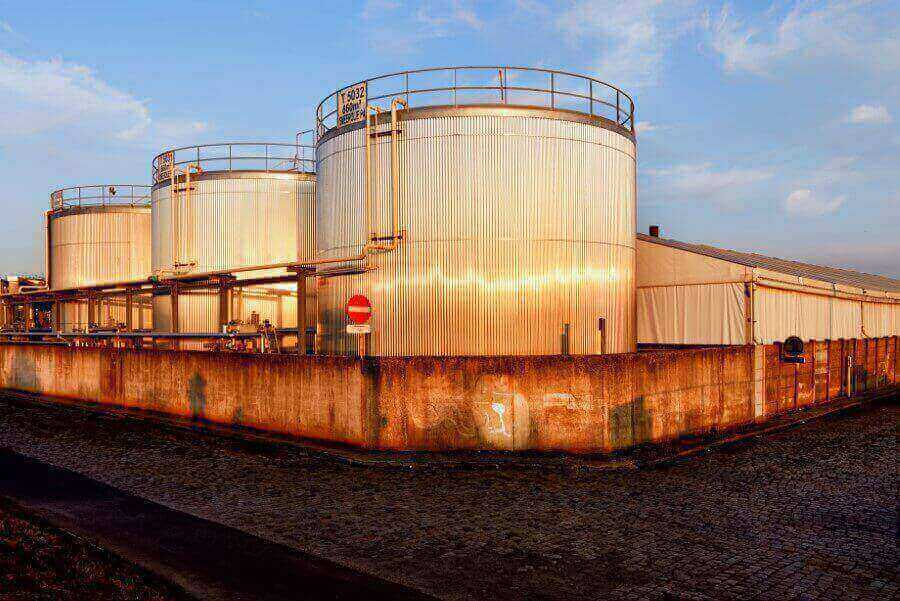
Iran has a significant amount of fossil fuel reserves. This includes natural gas, oil, and much more. Besides that, Iran is also working on creating more renewable sources of energy so that it can sustain its needs in the future.
Persian Cat Breed Originated Here
As the name suggests, the origin of Persian cats lies in Iran. That is because the breed was brought to Rome and then Italy by the Persians during the seventeenth century. After that, the Europeans began breeding this cat, which made it highly popular throughout the world.
Mount Damavand Is The Highest Mountain
Mount Damavand is the highest mountain in Iran, and it is located in the Alborz Mountains.
These towering mountains are situated in Northern Iran and are easily some of the most famous natural landmarks in Iran. They are an impressive sight to behold that will leave you breathless.
Useful Iran Facts For Travelers
As a traveler, you are probably looking for unique things to explore and find in Iran. Here are some Iran fun facts to give you an idea of the best things to do in Iran.
It Has The 3rd Highest Number Of UNESCO Sites In Asia
Iran has around twenty-four UNESCO World Heritage Sites, making it a country with the third-highest number of UNESCO sites on the continent. There are only two natural sites, and the rest of them are cultural sites. If you plan on visiting, make sure that you cover some of these sites.
Don’t Forget To Check Out The Carpets
Iran is known for producing some of the best carpets in the world. That is because carpet weaving began in the Bronze Age and grew incredibly large due to the trade. So, whenever you visit, check out the carpets, and don’t forget to buy one for your home.
The Country Has The Highest Volcano On The Continent
Mount Damavand is the highest peak, and it is also the highest volcano in all of Asia. That is because it is more than 5,600m tall. It is also the twelve most prominent peak in the world, so don’t forget to check it out when you visit.
Common Facts About Iran
There are some things everyone knows about Iran but can forget from time to time. Here are some of the general facts about Iran to refresh your memory:
The Country Has Its Own Calendar
Yes, Iran has its own calendar, which is according to the sun. It is known as the solar calendar, and the time is based on the movement of Earth around the sun. Of course, they also do follow the regular, global calendar.
The Population Is Young
The population of the country is around eighty million, and more than 60% of this population is less than thirty years old. The baby boom was a result of the overthrow of the monarchy in 1979. That is when having more children and large families was encouraged.
There Are Various Delicacies In The Cuisine
Iran is known for not one but many delicacies that you can try in the country. This includes pilaf, kebabs, torshi, and much more.
All of these dishes are important to the culture and are prepared with lots of spices for incredible flavor. You will be foolish to miss out on all the traditional Iranian food the country has on offer. Come hungry and indulge!
It Is Home To The Rare Persian Cheetah
The Persian or Asiatic Cheetah is from Iran, and it is an endangered species. This majestic animal used to be spread in the Indian and Eastern subcontinent along with the Arabian Peninsula. However, Iran is now home to this animal, and they are located in protected regions.
Here are some other fun facts about Iran that make it a unique country
The Majority Of Muslims Are Shia
Iran has a majority Muslim population, and in this population, most people are Shias. Between 90 and 95% of the people are Shia, while the rest are Sunni. Besides that, the remaining population includes Zoroastrians, Christians, Jews, etc.
There Are More Females In The Universities Than Males
Most of the students in universities are females. However, there are a lot of restrictions as more than 70 subjects are not offered to women. On the other hand, they are encouraged to study close to home, which is why the percentage is also high.
Iran Produces The Most Saffron Worldwide
Iran is the largest producer and exporter of saffron in the world. It is one of the highest qualities of saffron that you will find. Around 90% of the saffron in the world comes from Iran.
Discovering More Fun Facts About Iran
These are just some of the incredible facts about Iran to know to appreciate the country better. However, this barely scratches the surface of what this country is about. You will be pleasantly surprised by the art, culture, and everything else this place has to offer when you visit.
Just make sure to respect the customs and traditions. You will love the incredible hospitality and generous spirit of the Iranian people as you uncover more fascinating facts about Iran.
Visiting Pakistan as a tourist means you will have the best food experience. From historical tourist destinations to mighty mountain ranges and diverse Pakistani street food to traditional breakfast in Pakistani, the country has a lot to offer when it comes to gastronomy.
Pakistan is known for religious and pre-historic places, folk art, and regional cuisines. Many tourists travel to Pakistan every year to explore the heritage sites and delicious food in Pakistan. There is a reason why Pakistani dishes are so memorable.
What Is Special About Breakfast In Pakistan?
Pakistani breakfast is derived from its vast cultural diversity. It has a variety of vegetarian and non-vegetarian delectable options. Breakfast in Pakistan is not just filling but has a distinctive and addictive taste.
Pakistanis are true food lovers so the first meal of the day is usually heavy and contains greasy stews, naan or parathas, and tea or lassi. You will find different breakfast menus in Pakistani urban cities and rural areas.
Most Famous Pakistani Breakfast
Halwa Puri (Semolina Pudding and Fried Flatbread)
Halwa Puri is a soul-comforting breakfast in Pakistan you must try when given the opportunity. Natives love to enjoy this Pakistani breakfast on weekends.
Halwa puri is essentially a combo platter of flaky flatbread and semolina pudding. It is also served on special occasions like religious events and weddings.
Pakistani Breakfast – Non-Vegetarian
Nihari (Meat Stew)
Nihari holds a special place in traditional Pakistani breakfast. It is also the national food of Pakistan. It is a bit expensive compared to other dishes but still loved by everyone.
Nihari is a buttery gravy stew dish. It is prepared by cooking meat (beef shanks, mutton, or chicken) over low flame. This Pakistani dish gets its rich flavor from a bunch of spices and herbs, including cumin, cloves, garam masala, and cardamom.
Siri Paye (Head and Trotters)
Siri Paye is one of the most famous breakfast in Pakistan. People love to eat Siri paye as a weekend breakfast or brunch. The dish gets its name “Siri Paye” from the words skull and trotters, which means Siri and Paye in Urdu.
This traditional Pakistani breakfast is made by stir-frying the skull and hooves of goat, cow, or lamb with onion, ginger-garlic paste, and spices.
It is garnished with crushed ginger and coriander and served with naan or Pakistani roti. The garnished fresh green chili and coriander leaves will feel like heaven to your taste buds.
Harissa (Thick Meat Stew)
Harissa is one of the rarest items you can find in Pakistani breakfast. The dish is worth mentioning as it has a unique blend of ingredients.
Harissa is originally from Kashmiri cuisine and usually eaten during winter. It is a stew made from wheat, rice, green lentils, and meat. It also contains clarified butter and lemon juice, which gives it a buttery and tangy flavor.
Although harissa looks similar to haleem, it has an unusual taste that makes it different from haleem. Some people enjoy it with hot naan, while others eat it with a spoon.
You can enjoy the best harissa breakfast in Pakistan at the Amritsari Harissa restaurant in Gujranwala. It is loaded with clarified butter and spicy mutton kebabs. Before serving, the plate is topped with more mutton kebabs, chopped ginger, green chilies, and lemon slices.
Ghilmindi (Quesadilla)
Ghilmindi is a Pakistani breakfast having its roots in Hunza. It is stuffed with a cheesy mixture of coriander, mint, apricot oil, and onions. These tortilla quesadillas are fried on a pan and then cut into triangles.
Sometimes, shavings of nuts are also added to the filling or sprinkled on top of ghilmindi. If you want to enjoy the original taste of ghilmindi, you should visit Hunza. Because even top restaurants in urban cities cannot serve the authentic flavor.
Hoilo Garma (Pasta)
Hoilo Garma is a Pakistani breakfast dish from Gilgit-Baltistan. It contains different vegetables sauteed in apricot oil with pasta and local spices.
Hoilo Garma tastes something like alfredo pasta. Pasta is always prepared fresh and sometimes also contains meat. All the ingredients are cooked slowly and then served with chopped apricot seeds.
Traditional Pakistani Breakfast – Vegetarian
Naan Chanay (Flatbread with Chickpeas Gravy)
Naan chanay is considered the most-eaten Pakistani breakfast. Also known as kulcha, this is a round Pakistani bread made with all-purpose flour, and chaney is the spicy gravy of chickpeas.
Every bite of this combination of naan and channay will satisfy your savory food craving. You can enjoy this famous breakfast in Pakistan from any local shop.
Stuffed Paratha (Stuffed Flatbread)
Stuffed paratha is a traditional Pakistani breakfast, most popular in the Punjab region. People in Punjab enjoy it with lassi (a Pakistani breakfast drink). The word “paratha” comes by combining two words, “part” and “atta,” which means layers of cooked dough.
The flatbread is stuffed with a spicy filling of potatoes, cauliflower, or reddish. The parathas are served with pickles, yogurt, or homemade sauces to enhance their taste.
Gyaling or Go-lee (Pancakes)
Gyaling or go-lee is a thin and stretchy pancake that is served hot with butter on it. It is a traditional Hunza valley Pakistani breakfast. Gyaling is also eaten as an evening snack with apricot sauce and hot tea.
It is prepared with whole wheat and is specially eaten by the people of Hunza during the celebration of wheat cultivation.
Chai And Paratha (Tea with Flatbread)
Chai paratha is a simple breakfast in Pakistan, it is exactly what it sounds like Chai with Parantha. But don’t let the simplicity fool you, it is a perfect Pakistani breakfast when you want something straightforward but fulfilling.
A cup of warm, sweet tea that just compliments and washes down the greasy dough of Parantha. A great perk-me-up for the morning. You can find several tea shops in Pakistan serving tea with parathas.
Karachi and Peshawar are considered the best tourist points to enjoy Chai paratha. They also serve the most delicious traditional Pakistani breakfast items in addition to chai paratha.
Discovering Traditional Pakistani Breakfast
Pakistani breakfast is no doubt one of the most filling meals in the world. They are meant to provide energy as most of the locals engage in active or laborious work.
Breakfast in Pakistan is known for its aromatic and spicy flavors. A typical breakfast in Pakistan consists of parathas, fried eggs, vegetable or meat curry, and tea.
Some Pakistani breakfast dishes contain a lot of grease, like Halwa Puri and Paye, giving a fuller and flavorsome breakfast experience.
As soon as someone says Angkor or Khmer, your mind will instantly go to Cambodia. While these two things have defined the country, there is so much more it has to offer. You will get to know all of this once you take a deep dive into the incredible facts about Cambodia.
The country is known for having a long yet intriguing history that sets the cultural tone for today. But as a traveler, you will get to enjoy much more firsthand, including the natural attractions, beaches, and delicious food.
If you are thinking of visiting Cambodia, you are in the right place. Here are some useful Cambodia facts to know to appreciate the country better.
Historical Facts About Cambodia
Every country is shaped by its history, and there are unfortunate events that have taken place throughout its past. Here are some of the interesting Cambodia facts about its history,
The Country Has Gone Through Name Changes Five Times
Yes, this is one rather amusing fact about Cambodia. The country has tried to change its name at least five times since its inception.
In 1953, this country used to be known as the Kingdom of Cambodia, but the name has changed five times since then. Some of these include Kampuchea, Khmer Republic, and many others before finally deciding on Cambodia.
1/5th Of The Population Was Killed In A Genocide In The 70s
The infamous Cambodia Genocide took place between 1975 and 1979, which led to the death of two million people in the country. Remember that this amounts to about 1/5th of the population. Because of this, you will find that most of the population is rather young and less than 30.
Humans Inhabited Here Before The Khmer Kingdom
The Khmer Kingdom came long after humans began inhabiting this area. A cave in Battambang has uncovered evidence that human habitation began here more than seventy thousand (70,000) years ago.
There are many tools and relics that have been found that indicate habitation before the Kingdom.
Cultural Facts About Cambodia
The culture of Cambodia will be incredibly interesting to a stranger that has never set foot. Here are the top Cambodian culture facts that may surprise you.
Weddings Last For Three Days
Weddings are a cause for celebration in the country, and rightly so. A traditional Cambodian wedding can easily last for three days. Of course, these three days and nights include non-stop festivities that will tire any stranger out, but not the locals.
Locals Believe Geckos Can Predict Marriage
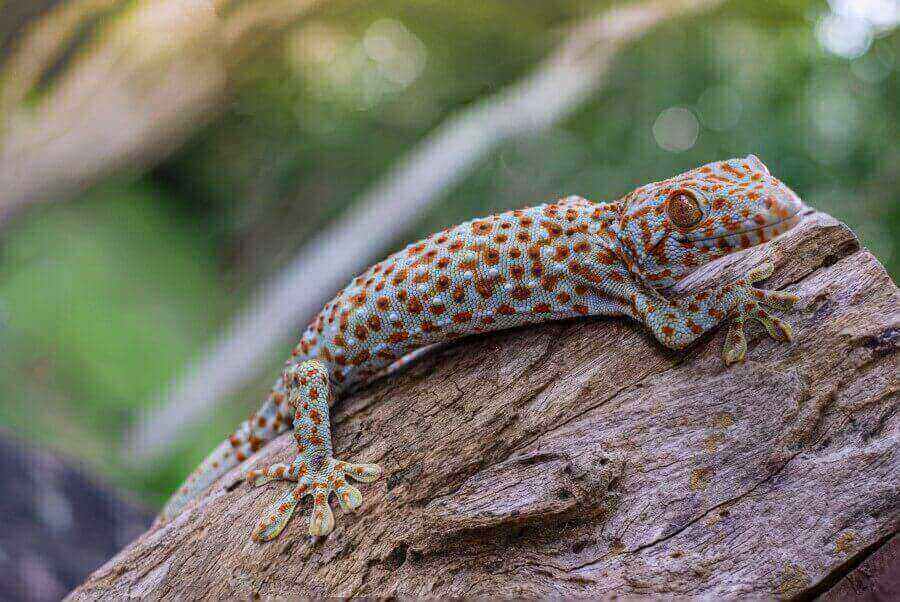
According to the local superstition, counting the chirp of a gecko will let you know if you will be lucky enough to get married. On the other hand, if a tokay gecko lets out at least seven or more chirps in the same room you are in, then it is thought to be good luck.
The Head Is Considered Sacred
There are certain body parts that are considered sacred and some that are considered dirty by the locals.
These are important facts about Cambodia culture to know, so you avoid doing anything disrespectful. For example, the head is a sacred body part, and you should never pat anyone on their head.
On the other hand, a person’s foot and sole are considered dirty, and you should avoid pointing your soles at others.
People Love To Eat Insects Throughout The Country
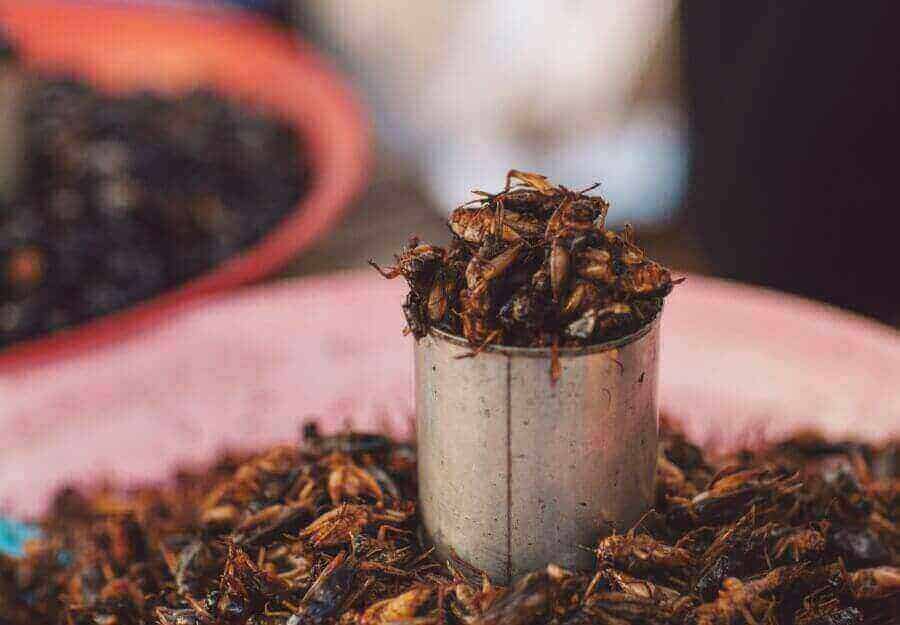
If there is one thing that people in Cambodia love to eat, it is insects. These include ants, crickets, tarantulas, and much more. They usually come fried with a crunchy texture.
It can be one of the shocking facts about Cambodia for unknowing travelers as they see these exotic food sold on the streets.
Of course, they also have other diet staples, such as rice, vegetables, and fish. So don’t worry, you won’t be starving your way through. In fact, take the opportunity to discover as many of the delicious dishes in Cambodia as you can!
If You Don’t Want To Eat Insects, You Can Eat Num Banh Chok
Insects are not the only thing people eat. One of the top delicacies you can try in Cambodia is Num Banh Chok. This dish consists of noodle soup, vegetables, and fish that will warm your heart. Not only is this a super localized dish, but it is also cheap and fulfilling.
Interesting Facts About Cambodia For Kids
Cambodia is known for being rich in culture and history, which is why kids should also learn about this place. Here are some simple Cambodia facts you can use to pique the curiosity of young minds.
There Are Rare Animal Species Throughout The Country
Animals in Cambodia can’t be found anywhere else because it is home to some of the rare animal species in the world. These include Cantor’s Giant Softshell Turtle, Irrawaddy Dolphin, and many others. It also has some of the most unique flora and fauna.
Cambodian People Celebrate New Year In April
New Year’s celebrations are known as Choul Chnam Thmey in Khmer, and they are held in the middle of April. That is because this month marks the end of the harvest season. Keep in mind that this is perhaps the biggest celebration that takes place in the country.
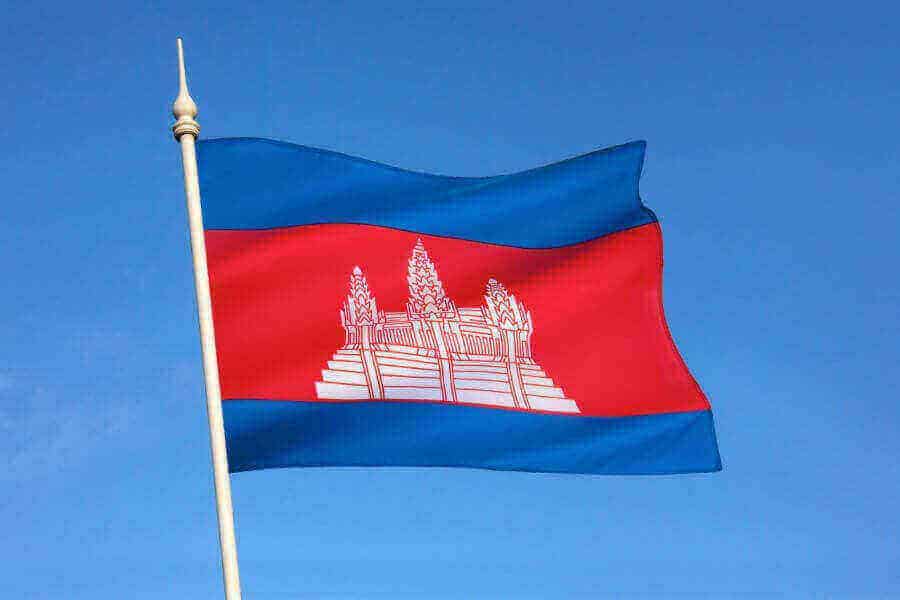
The Flag Is The One Of The Few Worldwide To Include A Building
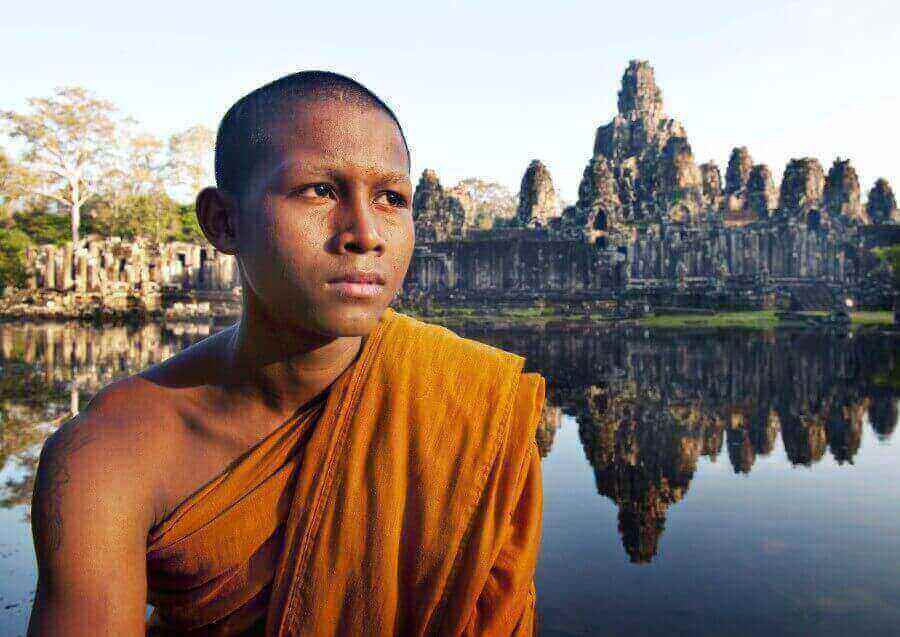
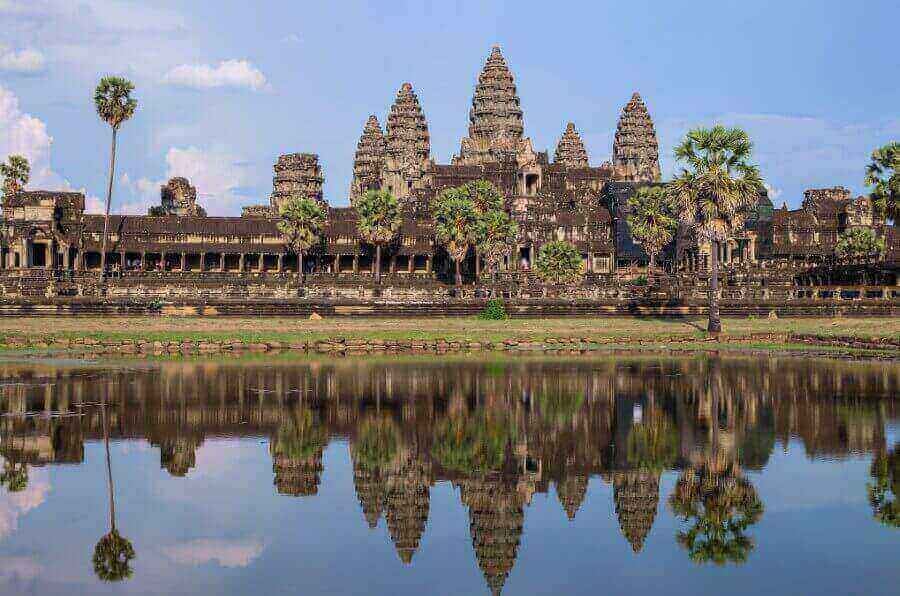
A unique feature of the Cambodian flag is that it includes the religious structure of Angkor Wat. This famous landmark in Cambodia is the pride of the country, so it is no surprise that it would find its way on the flag.
Fun Cambodia Facts For Travelers
Whoever is planning to travel to this country will find these fun facts about Cambodia highly fascinating.
The Largest Religious Structure Worldwide Is Angkor Wat
Angkor Wat is the largest religious structure in the world. It is a must-visit attraction in Cambodia. As you look at it, the beauty will take your breath away. The structure looks even better during sunrise and sunset.
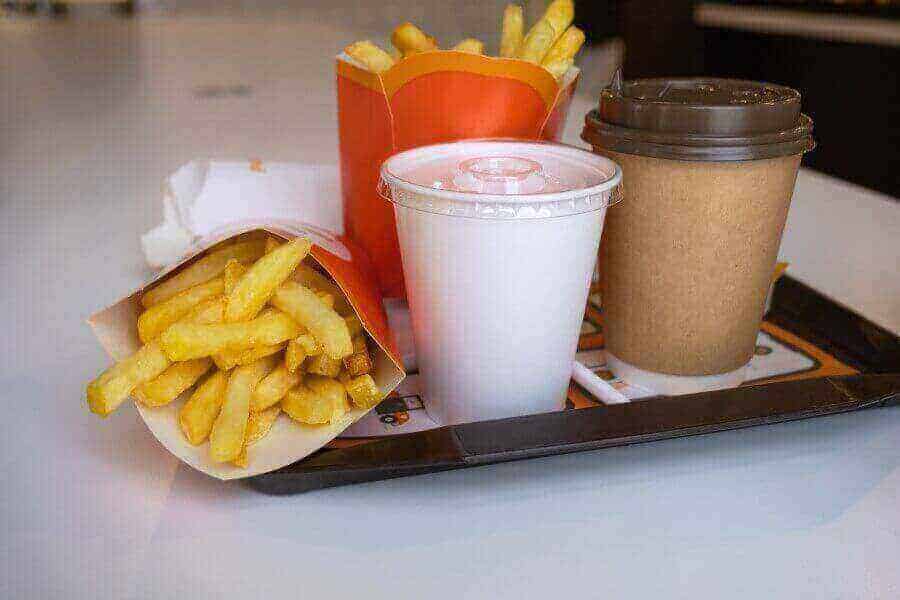
No McDonald’s For You
Unfortunately, you will not find any McDonald’s in the country. On the other hand, even KFC in Cambodia is going in losses. However, one thing you will find a lot of here is Burger King.
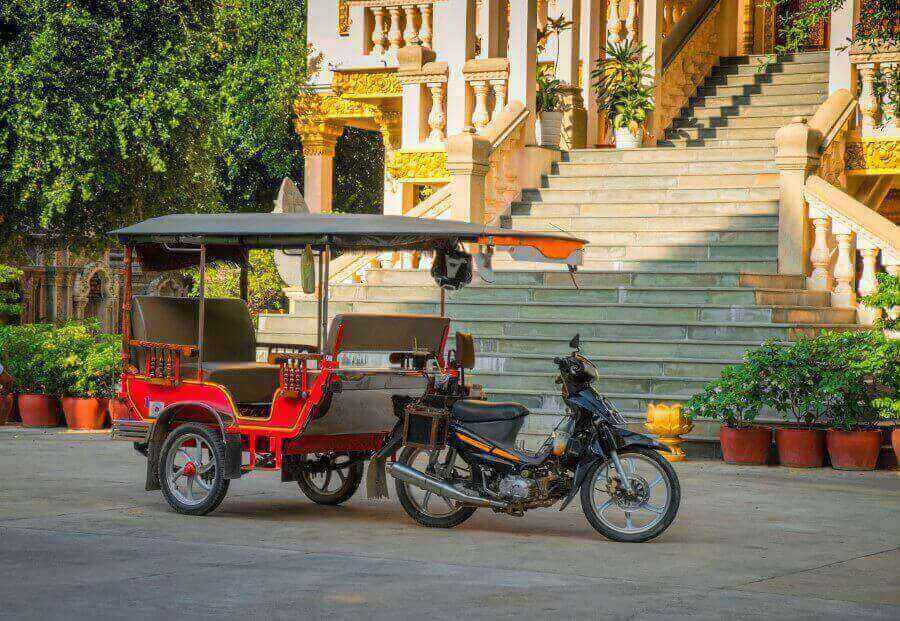
Tuk Tuks Are The Perfect Way To Get Anywhere
If you want to get anywhere in Cambodia, don’t rely on Uber. Instead, the best way to get anywhere is through Tuk Tuks. You will see them as you step out of the airport, and all of them will be lined up for you to use. These agile vehicles can navigate tighter corners and zip around the chaotic traffic better than cars.
Common Facts About Cambodia
There are some general facts about Cambodia that a lot of people are familiar with but end up forgetting from time to time. Here are the top common facts about Cambodia you should know:
The Largest Freshwater Lake In Southeast Asia Is The Tonle Sap
Tonle Sap is the largest freshwater lake in the country and Southeast Asia, and it provides most of the crop’s sustenance. In addition, it is also one of the top sources of fishing in the country.
You can see it is particularly important to the local’s livelihood. The best part about Cambodia is that the monsoon season ensures parts of the lake can keep on regenerating.
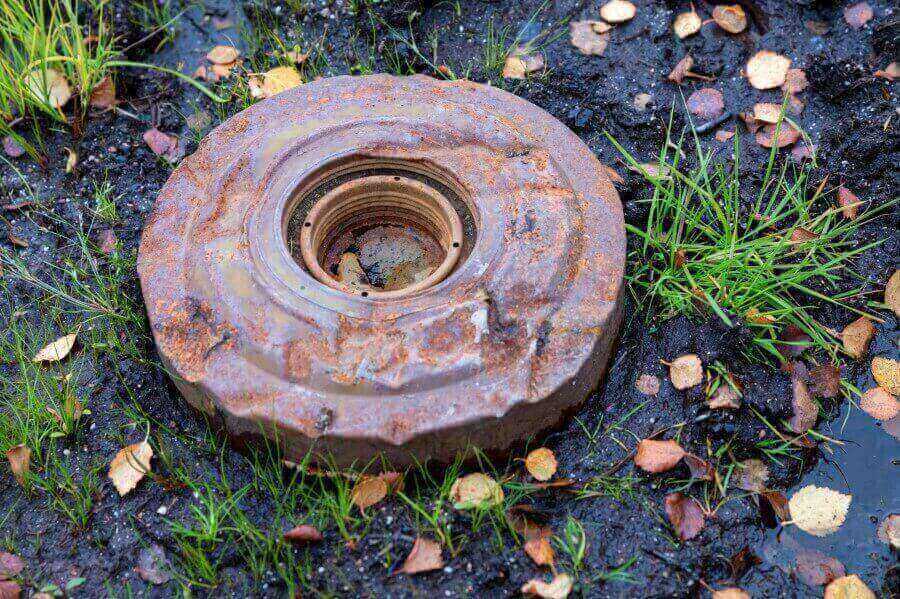
There Are Several Million Active Mines In The Countryside
Many people don’t know this dangerous fact about Cambodia, but there are between four and six million active mines in the rural countryside. Most of these areas are marked out, but you should avoid wandering mindlessly into mine zones.
There are organizations that are trying to detect these mines so that they can dismantle them. After all, it is a big hazard to have that can ruin the surrounding land and lives.
One Of The National Currencies Is The US Dollar
Keep in mind that the national currency is the Riel, but it has an incredibly low value. Because of this, the country has taken on the USD as its national currency. Around 90% of the country uses this currency for their daily lives.
Remember that you should still keep some Riel with you if you are going to go to different shops and vendors. That is because the system is not perfect, and some places might not exchange the dollar for the Riel.
Finally, here are some other interesting facts about Cambodia that will help you understand this place even better.
A Funeral Can Easily Cost Around $9,000
Funerals are incredibly important to the locals, which is why they spend a lot of money on them. The shocking part is that most people in the country earn less than $100 a day. However, funerals can cost more than $9,000.
The entire family will pool in their savings and say their last goodbyes to the departed. Funerals can also go on for around forty-nine days.
People Don’t Care About Birthdays
One thing you will notice in Cambodia is that birthdays are not given as much importance. Barely anyone celebrates them, and they are not part of the local culture. Even if you ask some people about their birthdays, they will not know their exact birth date, but only the season they were born.
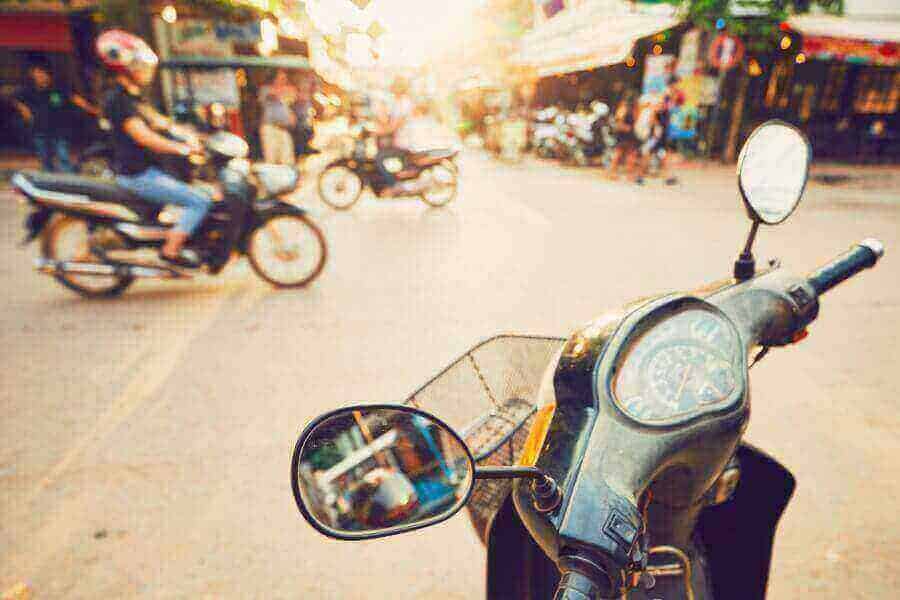
No One Obeys Traffic Rules
When you cruise through the roads in Cambodia, you will notice that nobody obeys the traffic rules. Streets are completely lawless, as people don’t pay heed to traffic lights and also drive the wrong way on the road. Despite all of this, people still don’t have road rage.
As with many other South East Asia countries, crossing the road can be a thrilling experience. You need to be cautious yet confident with a steady pace.
Discovering More Fun Facts About Cambodia
These were some of the interesting facts about Cambodia to know before visiting. The country has a lot to offer in terms of culture, food, and much more as you make your way through this place. The deep history has attracted a lot of visitors over the years, and you can bound to uncover more fascinating Cambodia facts through your adventures.
Malta is a well-liked tourist destination that attracts plenty of holidaymakers and backpackers alike. It is an island nation in the Mediterranean Sea. But what is Malta famous for?
From its stunning coastline and crystal-clear waters to its fascinating historical sites, we’ll explore the top things that Malta is known for, to adequately give you an idea of what to expect on your visit.
What Is Malta Famous For?
Malta is famous for its beautiful architecture, scenic cliffs, breathtaking coastline and dive sites. The island nation has a long and fascinating cultural heritage reflected in its UNESCO World Heritage Sites, including the ancient city of Valletta, the Megalithic Temples of Malta, and the Hal Saflieni Hypogeum.
In addition, Malta is known for its turquoise waters, making it a popular destination for scuba diving and water sports. The country’s mild Mediterranean climate, friendly locals, and vibrant nightlife make it a sought-after tourist destination year-round.
History, Culture, And Traditions Malta Is Known For
Deep History
Despite its smaller size, this is a nation with a lengthy history. Malta is known for being St. Paul’s birthplace, along with several ancient temples.
The country is also home to the Hypogeum, an underground UNESCO Site. You’ll also find plenty of museums and galleries on the island and fortifications dating back to the medieval era.
In addition, the city of Valletta was built by the Knights of St. John and is now a UNESCO World Heritage Site. Numerous excursions will take you to the island’s most intriguing historical places if you’re eager to discover more about Malta’s fascinating past.
The Malta International Arts Festival
The Malta International Arts Festival is one of the top events for anyone who loves the arts.
This annual event features a variety of activities, such as dance performances, live music, theatrical productions, and more. Not only that, but it’s also a great platform for international artists to showcase their work.
Furthermore, it’s a great way to experience the best of Malta’s culture while getting to know some of the country’s famous people, who are often featured in the performances. The festival usually takes place in July each year and is a must-see on any traveler’s itinerary.
Folklore
The country’s rich culture contains some diverse and unique folklore.
If you’re looking for something out of the ordinary, Maltese folklore is full of mythical creatures, traditions, and superstitions. From the mysterious Kraken monster to the tales of witches and giants, prepare to venture into some mind-blowing stories of insane adventure.
In addition, Malta is famous for its folk music. Traditional music is played on various instruments including drums, ukuleles, and brass wind instruments.
One of the best things to see when traveling in Malta is the locals belting out traditional Mediterranean tunes while they go about their daily lives.
Maltese Cuisine
Malta’s cuisine is one of the things to look out for. It’s a melting pot of influences from all over the Mediterranean, and you’ll find both traditional Maltese food and also interesting fusion dishes.
Favorites include pastizzi (warm pastries filled with ricotta cheese or mashed peas), fire (open-faced sandwiches), and tortilla—an egg-based dish similar to a Spanish omelet. The Maltese also enjoy stews, pasta, and roasted meats.
Seafood lovers will be in their element as Malta’s waters are teeming with tummin (octopus) and lampuki (dolphin fish).
If you have room for dessert, try traditional sweets such as halva or date cakes—both made with semolina flour.
Other favorites include figolla (a marzipan cookie) and kannoli (fried pastry shells filled with ricotta cream). There are also Maltese cheeses to explore, like gbejna, which are small, slow-ripened cheeses.
Beaches
Malta is known for its breathtaking beaches! Unfortunately, because most of Malta is rocky, there are not as many places to sunbathe. But if you look around a bit, you’ll find some great sandy spots where you can kick back and relax.
The Blue Lagoon in Comino is a popular tourist destination, and it is easy to understand why. The waters are crystal clear blue, and the golden sand beach is something out of a postcard.
Paradise Bay and Golden Bay Beach are also great spots. Stroll the boardwalks or rent a sun bed and umbrella if you want to stay in one place to soak up the sun.
When visiting the beaches, ensure you respect nature and don’t leave any trash behind. Keeping this beautiful paradise clean should always be a priority.
Diving
If you’re an avid scuba diver, Malta is a place you should add to your bucket list! As the Mediterranean’s deepest sea, the Maltese Islands are famous for their underwater rock formations, clear blue waters, and rich marine life.
You can explore tunnels and caves filled with colorful coral and sponges, swim over archeological sites dating back centuries, and watch schools of tuna and barracuda. More – there’s something new to discover every dive!
Plus, with a relatively warm climate and waters, you’ll be able to enjoy an extended dive season without having to worry about being too cold.
Besides diving spots around the islands of Gozo and Comino, Malta is also known for some incredible shipwrecks from World War II. In particular, the famous wreck of U-576 in Valletta has been preserved in its original condition for generations afterward.
This makes it a great spot for experienced divers who want to explore history beneath the sea surface.
Maltese Cross
If you see a Maltese Cross around Malta, it’s not just an elaborate symbol. It actually has a history that dates back to the 12th Century.
The Maltese cross represents courage and bravery and is important to Malta’s national individualism. It was originally used by the Knights of Malta, Christian warriors defending the island against invaders.
Nowadays, you’ll find the cross on everything from flags to souvenirs. So keep your eyes peeled for this iconic symbol wherever you go!
Film Industry
One of the things Malta is famous for is its film industry. Many renowned films have been shot on location in Malta, such as Gladiator, Troy, The Count of Monte Cristo, and World War Z.
A fun fact about Malta is its scenic landscape can be easily adapted for different backdrops and settings. This is why the country is known for its amazing filming locations.
Not only this, but Malta also has a thriving film industry of its own, featuring reputable studios like Malta Film Studios and Filming Locations Malta.
The film industry in Malta has also given rise to some famous people in the film industry, such as Valletta-born actor Edward Mercieca, who starred in Gladiator.
It’s increasingly becoming a popular destination for international production companies looking to create their vision of the perfect movie setting.
Rock Formations
When it comes to rock formations, Malta is full of them! If you’re visiting the island, take a trip to the Azure Window in Dwejra for views of the eroded limestone cliffs and collapsed arch. This is a popular spot for photographers, so be sure to bring your camera and snap away.
For more rugged terrain, head to Fungus Rock in Gozo. The unique rock formation resembles an upturned boat and is known for its tall white cliffs. This spot was also featured in the epic movie Gladiator.
If you’re looking for something off the beaten path, check out Ghar Dalam in South East Malta. Here you can explore a stunning ancient cave, and its unique rock formations formed thousands of years ago. This is a great spot for peaceful contemplation—the perfect way to spend a day exploring Malta!
Cities And Travel Destinations Malta Is Known For
Valletta
Without a doubt, Malta is famous for its enchanting capital city, Valletta. It’s one of the most picturesque places on earth, and its Baroque architecture is renowned worldwide.
You’ll love its narrow streets, pretty plazas, and stunning churches. There’s an inexplicable old charm to the whole city.
Make sure you spend some time wandering around the city walls and admiring the views of the Grand Harbor. And remember to visit the Upper Barrakka Gardens for some unforgettable panoramic scenes.
All the bus transportation lines also end up at the station here, so it is easily accessible from all parts of the island.
The Silent City of Mdina
Mdina, known as the “Silent City,” is a walled medieval city at the heart of Malta. Its name derives from the Arabic word “medina,” meaning “city.”
Founded in the 8th century BC, Mdina is one of Malta’s oldest inhabited cities and was once its capital. It’s surrounded by imposing stone walls filled with Baroque homes, cobblestone streets, and ancient fortifications.
When you visit Mdina, you can see why it got its name – it’s eerily quiet after the tourists leave. A small group of locals actually still live here and they appreciate the peace.
During the day though, you’ll be able to walk around this medieval city and marvel at the architecture. Take time to explore all of the historical sites in town, like St. Paul’s Cathedral, St. Agatha’s Chapel, Palazzo Vilhena, the British War Memorial, and several other churches.
Marsaxlokk
Marsaxlokk is a fishing village on the south coast of Malta, and this is where you will find some of the freshest seafood restaurants. If you’re looking for a taste of Malta, this is one place to visit.
The village itself is famous for its picturesque harbor and colorful fishing boats that dock there. The buildings also give off an inexplicable charm.
Most importantly, it is the perfect place to take in the local culture, particularly during the weekend. Fishermen set up stalls bright and early to sell off their spoils for the day.
From the market stalls to the small restaurants and cafes, it’s easy to spend hours strolling around, taking in the sights and smells. Beware that it does get incredibly crowded during the weekends and you should go early if you plan on catching the overly full bus.
Marsaxlokk is also home to some of Malta’s most important religious buildings. It has several churches and monuments, including the Basilica of the Blessed Virgin Mary of Porto Salvo and the chapel of St. Nicholas.
It’s also near St. Peter’s Pool, one of Malta’s best swimming spots. The village is known for its traditional Maltese crafts, especially pottery and glass blowing.
Blue Lagoon
Malta is famous for its stunning seascapes, and the Blue Lagoon is no exception. Located on the picturesque island of Comino, this crystal clear, turquoise water surrounded by white sand beaches makes it the perfect spot for a blissful day out.
Swimming in the Blue Lagoon is a must-do if you find yourself in Malta, so bring your swimsuit and sunscreen! There’s plenty of room to walk around or rent one of the many boats available for hire. You can even take advantage of the diving opportunities nearby.
Malta also boasts beautiful clear waters outside Comino, perfect for snorkeling and sailing. For all sun worshippers out there, make sure to come prepared with plenty of sunscreen and sunglasses as you explore all this stunning area has to offer!
Landmarks And Architecture Malta Is Famous For
The Citadel
The Citadel is a stunning fortress sitting on the highest point in Malta – the city of Victoria. It stands as an imposing symbol of past military strength.
Built by the Knights of St. John, The Citadel was used to ward off foreign invaders in the past. It comprises complex maze-like walls and towers, which offer amazing views over the beautiful islands of Gozo and Comino.
Inside The Citadel lies St. Mark’s Church—a beautiful building with a rich history that dates back to the 1500s. A must-visit spot here is Palazzo de Peralta, which has a captivating collection of antique furniture and other objects from days gone by.
You can also see the statue of Sir Alexander Ball, who was the Governor-General of Malta during most of his tenure. Don’t miss out on visiting this majestic monument that Malta is famous for.
The Buskett Gardens
Buskett Gardens is a must-visit in Malta if you love nature and greenery. It is located just south of Rabat.
Built in the 16th century by Grandmaster Wignacourt, this is one of Malta’s oldest gardens. The gardens has many pathways to explore and is a great spot for picnics during summer.
In addition to the beautiful flora, Buskett gardens is home to some amazing wildlife, such as rabbits, hedgehogs, wild boars, and many songbirds. It is an oasis for those who need some time away from the rush of tourists.
You can find a few local restaurants nearby if you’d like to have a bite while admiring the lush views. Remember to also check out Verdala Palace, which sits on a hilltop overlooking the gardens.
Megalithic Temples
Malta is known for some of the oldest standing structures in the world: the megalithic temples. Some of Europe’s first settlers, the ancient Maltese people, built these temples.
There are many different theories about who built these temples and why. But what we do know is that they are a marvel to behold. The temples are carved out of solid limestone dating back to around 3600–2500 BC.
There are several temples you can visit in Malta, each unique. So, if you’re interested in history and architecture, then be sure to include a visit to at least one of Malta’s megalithic temples on your itinerary!
Azure Window
Maltese islands are full of captivating natural beauty, and none more famously so than the limestone archway of Azure Window.
This incredible landmark used to be picturesquely framed against Dwejra Bay before its collapse in 2017. Nevertheless, the area remains a marvel for any travelers visiting Malta.
To get to it, you must drive along winding roads from the nearest town, San Lawrenz. Once there, you’ll be welcomed by a stunning view of limestone cliffs and crashing waves. And although you can’t see the famous arch anymore, the surrounding geographical features are still worth the trip/
You can take a boat ride around the area or even explore nearby dive sites as part of your itinerary. And remember your camera!
The Azure Window used to be one of the most iconic and famous things that Malta is known for. Hopefully, it will continue to be so with the scenic landscape.
St. John’s Co-Cathedral
Malta is famous for its stunning architecture, and St. John’s Co-Cathedral is a prime example of this.
This Baroque-style cathedral is a magnificent sight to behold and one of the main attractions in the capital city of Valletta. The church was built in the late 1500s, and its interior walls feature stunning hand-painted statues and frescoes by some of the best artists at the time.
The co-cathedral is also home to a world-famous painting called The Beheading of St. John by Caravaggio and works by Mattia Preti and other notable Maltese artists.
In addition, St. John’s Co-Cathedral is a must-visit location while visiting Malta’s rich culture and legacy since it also has a museum where you can learn about the history of knights and grandmasters who formerly resided in Malta.
Famous People From Malta
Although Malta doesn’t have an extremely large population, many famous people have called it home at one point in their life. Some are even based here today.
Giorgio Armani
A famous person that has ties to Malta is none other than one of the world’s most influential fashion designers, Giorgio Armani.
Born in Piacenza, Italy, in 1934, Armani moved to Malta in the mid-1950s and began working in the local textile mills. It is on this beautiful island that he honed his skill in tailoring and design.
Armani established his fashion brand in 1975. Since then, he has become a household name in the industry and Giorgio Armani boutiques are famous worldwide.
Armani’s designs are beloved for their classic lines and luxurious fabrics. His clothing has become a wardrobe staple for some of the world’s most celebrities.
In 2004, Armani was named an Honorary Citizen of Malta to recognize his contribution to the fashion industry. Giorgio Armani’s incredible talent has taken the island of Malta and pushed it onto the world stage.
Mario Testino
Another famous figure associated with Malta is Mario Testino, one of the world’s most successful photographers. Born in Lima, Peru, in 1954, Testino moved to Malta at the young age of 15.
Since then, he has become a star in photography, creating iconic images of some of the world’s most famous faces, from Princess Diana to Kate Moss.
Testino’s work are known for their vibrancy and energy, and his masterpieces has been featured in many of the world’s leading fashion magazines. He has also worked on advertising campaigns for many of the world’s top brands, including Burberry and Gucci.
Today, Testino is one of the most sought-after photographers around the world. He continues to make Malta proud, donating his works to museums and galleries worldwide.
He is truly an example of the creative talent that can be found on the beautiful island of Malta.
Discover More Things Malta Is Known For
This Mediterranean island has a lot to offer, from the ancient megalithic temples to the baroque palaces. Malta is famous for its vibrant nightlife, delicious cuisine, and crystal-clear waters, which attract tourists yearly.
It is also home to many famous people, including actors, musicians, and sports figures. With so much to see and do, it’s no wonder Malta is a popular destination for travelers interested in history and culture or just wanting to soak up the sun.
Malawi is a landlocked country that sits in the southeastern region of Africa. However, make no mistake, it has several water bodies inland, particularly the beautiful Lake Malawi. That said, there are many interesting facts about Malawi that makes it a great travel destination.
Common Facts About Malawi
The Republic of Malawi has an approximate population of 20 million people. The country is famed as the “Warm Heart of Africa” for good reason.
Malawi is known for its happy people, beautiful landscapes, and rich culture. Several facts about Malawi may interest you, particularly if you are planning a trip to this underrated African gem.
Several countries in Africa are prone to armed conflicts and civil/social unrest. Always double check the latest situations from both your government and the local government advisories.
Historical Facts On Malawi
Malawi Is Over 1000 Years
Present-day Malawi was initially inhibited by the migrating Bantu group in the 10th century.
After a couple of centuries in 1891, the British colonized the region. Therefore, it became a British protectorate with the name Nyasaland.
Then years later in 1953, it became a semi-independent protectorate in the Federation of Rhodesia and Nyasaland. However, the Federation was dissolved after just a decade.
The following year in 1964, the protectorate ended, and Nyasaland became an independent nation under Queen Elizabeth II. It was renamed Malawi and became a republic two years later.
Politics In Malawi
After gaining total independence in 1964, Malawi was ruled by a one-party regime for 30 years. The one-party regime under President Hastings Banda was relinquished after 3 decades.
Democratic processes in Malawi have significantly gotten better since Hastings’ fall from power in the mid-90s.
Who Discovered Lake Malawi
There are two main stories of the discovery of this lake, and we leave it to you to decide which one sounds more plausible as it is a constant debate.
Some have suggested that the first European to discover the Lake was Scottish explorer Dr David Livingstone. He was said to have discovered the lake in 1859.
Before that time though, it is claimed that the Portuguese were already there. Some even claimed the Portuguese have been there since 1492.
Easing Economic Struggles
The Malawian President of 2013, Joyce Banda sold the country’s luxurious presidential jet for $15 million. She did that to raise funds for the country’s struggling economy.
Beyond selling the presidential jet, she slashed her salary by 30%. She pledged to sell off her cabinets’ 35 fleets of Mercedes Benz and introduced different austerity measures to help boost the country’s economy.
Geographical Facts About Malawi
Landlocked Malawi With Plenty of Water
How often do you see a landlocked country with plenty of water? Here’s an interesting fact about Malawi. A fifth of the country is covered by water, but none of it actually comes from the coastline.
Malawi is bordered by many countries all around. Notably, Tanzania, Mozambique, and Zambia border Malawi on the north, east, and west respectively.
In fact, how far the exact border of Malawi runs is still up for debate. One thing is sure though, Malawi is landlocked.
Mulanje Massif
Popularly known as Mount Mulanje, this is a huge granite massif in the Sothern part of Malawi.
The Mulanje Massif host the highest point in Malawi. Sapitwa stands at about 3002 meters above sea level. It is the highest peak of the Mulanje and the highest point in Malawi.
Cultural Facts About Malawi
Dance In Malawi
Many African countries love traditional dances and Malawi is no different. Dance is a special part of Malawi’s culture.
Here’s a cool fact about Malawi’s national dance. It is called Troupe and it was surprisingly formed by the country’s government in 1987.
In Malawi, traditional dance and music are a big part of the initiation rite. They are staples in rituals, marriages, and every kind of ceremony.
The Warm Heart Of Africa
Malawians are one of the most friendly and hospitable people you will ever meet. And it ranks as one of the safest countries in Africa. Malawians are kind to both strangers and locals. They welcome visitors with unrivalled warmth.
They are not just kind with words, but their actions also reflect the same hospitality. Malawians go out of their way to welcome visitors, helping them ease their integration into the community. Visitors to their country mean a lot to them.
Malawi is known for having some of the happiest people in Africa. Malawi ranks well on the list of the top happiest people in Africa.
Tea And Tobacco
Malawi is well known for its rich tea and quality tobacco. Here’s an important fact about agriculture in Malawi, it is a lucrative sector and plays an important part in the country’s economy.
Although there are other crops like corn in Malawi, the poster boy is tobacco. The African nation has the world’s most tobacco-dependent economy.
Interestingly, Tobacco has the nickname “Green Gold” in Malawi. While the name may be amazing, it is not a total exaggeration; Malawi’s tobacco features in some of the top cigarette blends in the world.
On the other hand, Malawi is also famous for its tea production. Only Kenya produces more tea than Malawi. There is a wide variety of tea in Malawi including white, black, green, and special hand-made teas unique to the country.
Nsima The National Dish
Like many other national dishes from African countries, maize features prominently in Malawi’s national dish – Nsima.
Nsima is a thick corn-based porridge that can be shaped or mounded. It is made by mixing corn flour in hot water and continuing to paste until it thickens enough to be mounded. The versatile dish can be served with a variety of sauces or soup accompanied by meat, or fish.
Languages In Malawi
The official language in Malawi is English. It’s no surprise considering their colonials were British. But English is not the only language spoken in Malawi.
Other Malawian languages are spoken in Malawi also. Some of the popular languages in Malawi include Yao, Elomwe, Chewa, and Tonga.
Fun Malawi Facts For Kids
Lilongwe
This is the capital city and the largest city in Malawi. Lilongwe is also the most populated city in the country. It has a land area of about 727.8 square km and an elevation of 1,050 meters.
No Olympic Medal
Here’s one Malawi fact I bet you don’t know, but might not come as a big surprise. Malawi is not known to be a very sports-centered country, and it is one of the 70+ countries without any Olympic winner’s medals.
Malawi Flag
Like every other country’s flag, the Malawi flag holds a significant meaning to Malawians.
This tricolor flag with red, black, and green, represents the African people, the blood of independence martyrs, and the green nature of the country. The top stripe features the sun setting in red color.
Poor Country
Here is an unfortunate fact about Malawi. The country ranks high as one of the poorest countries in the world. It sits around 174 of 189 countries on the Human Development Index. Did you know that over 50% of the population in Malawi lives in poverty?
Useful Facts About Malawi For Travelers
Lake Malawi
Malawi has one of the largest lakes in Africa, the lake is also considered one of the deepest in the world. Lake Malawi runs through three countries Malawi, Mozambique, and Tanzania.
Because of its enormous size, the lake became a big part of Malawi. About 9,424 square miles of the lake lie within the borders of Malawi.
How about this for a fun fact about Malawi and Lake Malawi? It is nicknamed the Calendar Lake.
It is 356 miles long and 52 miles wide. The cheekiest part is, 12 major rivers are flowing into this lake. No name can beat that.
Malawi And The Little Five
Well, you will be forgiven for thinking of the big five and ignoring the little five after all everyone loves everything bigger.
In Malawi, you cannot only spot The Big Five, but you also get to see The Little Five. These little creatures are very adorable. The Little Five includes Leopard Tortoise, Buffalo Weaver, Rhino Beetle, Ant Lion, and Elephant Shrew.
Carlsberg Beer
One surprising Malawi fact is that the country is one of the first, other than Denmark, to have a Carlsberg beer brewing factory.
It was launched in 1986, but it has a beautiful story attached. When the Danish foreign minister visited the country, he was served a beer he didn’t like.
Because of that, he proposed the opening of the Carlsberg beer factory in Malawi. Today you can get a cool Carlsberg beer in Malawi for very cheap. Rejoice, all you beer drinkers!
It is safe to say that Malawi and Scotland share a healthy bromance. Missionary and explorer Dr David Livingstone holds a special place in the hearts of the Malawi people. And for good measures, he helped in the country’s fight against slavery.
Here’s a cool fact about Malawi. Livingstonia a town in the Northern part of the country was named after David Livingstone. More interestingly, another town Blantyre in the south of Mali is named after Livingstone’s birthplace in Scotland.
A Large Number Of Fish Species
Did you know? Lake Nyasa popularly known as Lake Malawi has the highest number of fish species of any freshwater body on earth. The biodiversity in nature is one of the proud facts about Malawi.
The lake has over a thousand species of fish. Some of the popular species include the cichlid and the chambo species. These fishes in Nyasa Lake serve as a source of food and livelihood for thousands and millions of Malawians. Chambo makes for a delicious dish in traditional Malawian foods.
It was called Nyasa Lake because Malawi was formerly known as Nyasaland.
Elephant Translocation
Malawi made history by hosting the largest elephant translocation in history. In 2017 over 500 elephants were successfully relocated from Majeta and Liwonde (two National Parks in Malawi) to Nkhotakota.
Elephants and other wildlife in the Nkhotakota National Park had experienced a significant decline due to constant poaching. The aim of the translocation was to repopulate the Nkhotakota National Park.
Discovering More Fun Facts About Malawi
With so much culture and natural beauty packed into such a small country, Malawians have every reason to be proud of their homeland. These are just some of the interesting stories and facts about Malawi, and there are definitely plenty more to explore.
If you ever get a chance to explore the stunning landscapes, rich culture and incredible wildlife experiences that this fascinating country has to offer, you are sure to uncover more Malawi facts that will surprise you.
Pakistan is home to ideal tourist destinations, old civilizations, great hospitality, and Pakistani street food. The Northern areas of Pakistan are blessed with scenic beauty and mountain ranges.
Just like the innumerable Pakistani tourist destinations, Pakistani street food is also winning the hearts of people around the world.
What Is Special About Pakistani Street Food?
Pakistani snacks are quick to prepare and contain a lot of spices. Therefore, each Pakistan street food has a unique flavor and aroma.
Traditional Pakistani food is highly influenced by Indian and Mughal cuisine. Pakistani street food contains a blend of vegetarian and meat dishes with lots of spices and herbs. On the other hand, Pakistani street desserts are mostly based on dairy and fruits.
Pakistani people love battered or non-battered fried food. So you will see a lot of fried food options in Pakistani streets. The fried Pakistani snacks are enjoyed with evening tea or served as a side dish.
Most Famous Pakistani Street Food And Snack In Pakistan
Samosa (Stuffed Pastry)
Although samosa is not a national food of Pakistan, it is treated like one. This is a delicious Pakistan food street, and you can easily find samosas on every other corner across the country.
Samosa is a triangular-shaped pastry filled with different ingredients. The authentic Lahore street food samosas have a delicious potato filling and are served with sweet red sauce and chickpeas curry.
Nowadays, other varieties of this Pakistani street food are also in the market. Other than potato samosas, you can have chicken, minced meat, cabbage, mixed veggies, macaroni, chocolate samosa, and many more.
Pakistani Street Food – Non-Vegetarian Meals
Tawa Chicken (Fried Chicken)
Tawa chicken is a spicy and hot street food in Pakistan. It is known for its super-spicy taste that comes from cooking the chicken with lots of green chilies and spices on a Tawa (griddle).
This spicy chicken can be eaten with crispy bread or naan. You can try it from different street stalls. Arif Chatkhara at Taxali Gate Rd, Lahore, is gaining popularity for serving the best tawa chicken ever!
Kata-kat (Meat dish)
Kata-kat or taka-tak is an exotic Pakistan street food. It is an aromatic meat dish with a burst of flavors. The dish is prepared using different organs, including testicles, heart, kidney, lungs, and brain.
The meat in kata-kat is chopped in a large pan with butter and lots of spices. The sharp blades hit the pan with the sound of “kat..kat…” while chopping the meat. Thus, the name kata-kat is taken from the sound of the preparation.
The dish is often garnished with fresh green chilies and served with a Pakistani roti or naan.
Fried Pakistan Street Food And Snacks
Samosa Chaat (Stuffed Pastry Salad)
Samosa chaat is one of the popular snacks in Pakistan, most popular in Punjab. The samosas in samosa chaat are smashed over a bed of chickpeas curry and topped with yogurt, mint sauce, tamarind sauce, pomegranates, and cilantro.
Kachori (Stuffed Fried Pie)
Kachori is not just a fried delicacy of Pakistani street food. It is one of the most popular tea-time Pakistani snacks.
Kachoris are super crispy deep-fried snacks in Pakistan. These savory battered pies are loaded with a delicious filling. The outer dough fluffed up on frying and made multiple crispy layers.
Qatlama (Spiced Flatbread)
Qatlama is a large fried round flatbread with spices and herbs. It is a traditional Pakistani snack you can find in old markets of Lahore.
Qatlama dough is covered with a mixture of spices, lentils, and herbs. It is then fried until it gets a vibrant reddish-orange color.
French Fries
French fries are not a traditional Pakistani fast food, but it has obviously gained popularity among the locals in recent years. You can easily find roadside french fries vendors for a quick munching stop.
Pakistani French fries are greasy, spicy, and served with different sauces. They are delicious and pocket-friendly Pakistani street food, making them very popular among students.
Fried Fish
Battered Fried fish has a high reputation in Pakistani street food. The fish is first marinated with special spices and then dipped in rice flour and gram flour before double frying. It is served along with the tangy and sweet apricot sauce.
Bashir dar-ul-Mahi is the best place to try fried Rohu fish. They serve different varieties of fish dishes, including grilled fish, finger fish, or deep-fried fish.
Pakistani Street Food – Flatbreads And Pies
Stuffed Paratha (Stuffed Flatbread)
Stuffed Parathas have a history with street food in Pakistan. These are round flatbreads stuffed with vegetables, meat, herbs, and spices.
Locals serve these stuffed flatbreads with pickles and a variety of sauces. Any local vendor or small restaurant can give you the authentic taste of crispy yet soft stuffed parathas. Looks simple but oh so tasty.
Chapshuro (Hunza Pie)
Ever so often, you will find certain food and snacks that are local to a certain place. If you are visiting Pakistan, don’t forget to visit Hunza. Hunza is known for its breathtaking scenery and delicious Chapshuro.
Chapshuro is the local version of pizza. It is a bread stuffed with chopped meat, onions, tomatoes, coriander leaves, and spices. Great for a snack when you get hungry through your exploration.
Qeema Naan (Minced Meat Stuffed Flatbread)
Qeema naan is not only a Pakistani snack, but locals also eat it for brunch or lunch. It is a round-shaped leavened bread stuffed with spicy minced beef or chicken.
The stuffing also contains crushed onions and herbs to make it more flavorful. Qeema naan is eaten with spicy yogurt and mint sauce.
Pakistani Street Food – Kebabs
Bun Kebab (Patty Burgers)
Bun kebabs are an evergreen part of Karachi food street. Before burgers were introduced locally, these bun kebabs were the kings of street food in Pakistan.
Bun Kebab is a burger with beef, mutton, or chicken patty. The burger also contains onions, cabbage, cucumber, and a fried omelet. You can find bun kebab stalls everywhere in Karachi, but the one served at burns road has the best taste.
Shami Kebab (Meat And Lentils Patty)
Shami kebab is one of the popular appetizers and snacks in Pakistan. It is a savory patty made of minced chicken, meat, or lentils with ground chickpeas and local spices.
There are various kinds of shami kebab in Pakistani street food. They are served with sauces like mint yogurt or ketchup. Mint yogurt is a personal favorite as it relieves any feeling of greasiness, and well, that allows you to eat more!
Chapli Kebab (Fried Meat Patty)
If you are fond of spicy minced meat, you will love this street food in Pakistan. Chapli kabab is a fried minced beef or mutton patty. You can find it while roaming the streets of almost all cities of Pakistan.
One of the best chapli kababs can be found at Peshawari Chapli Kabab House, Gulistan e Johar, Karachi. If you enjoy hunting for the best food, Pakistan is going to have lots to offer on that.
Beef Kebab
Beef kebab is simple and straightforward, making it one of the most famous traditional fast foods in Pakistan. Kebab meat is minced, marinated, and then formed onto the skewers by hand.
Beef kabab has a unique taste with lots of spices. It is served with mint yogurt or tomato sauce. The combination of marination spices across vendors can make a difference in the taste which is one of the fun parts in Pakistani street food.
Kabab Paratha (Kabab In Flatbread Roll)
Kabab Paratha or kabab roll is a local version of tortillas or shawarmas of Pakistani snacks. It is a popular street food in urban cities.
Kabab paratha is a complete meal with a kabab rolled in crispy flatbread. It is also added with layers of savory sauces and veggies to enhance its taste.
Pakistani Snacks – Vegetarian Options
Dahi Bhalla (Yogurt With Lentil Fritters)
Dahi Bhalla also known as dahi barhay is a famous Lahore street food. The word dahi means yogurt, and Bhalla is the lentil fritter. The lentil fritter is soaked in spicy yogurt and topped with local spices, thinly sliced onions, and cabbage.
Gol Gappay (Fried Crisps With Tamarind Water)
Golgappa or pani puri is a traditional fast food in Pakistan. It is a lightweight Pakistani street food you can eat without even counting the number. It is well-loved by all Pakistani people, but Lahori and Karachi women cannot resist the taste of these crisps.
Gol gappay are fried crispy shells filled with boiled chickpeas, potatoes, and chopped onions. You can add any sauce, like mint, yogurt, and tamarind sauce. They are dipped in sweet and sour water, complementing the crisps.
Beware, this can get addictive as you just pop them one by one into your mouth unknowingly.
Laddu Peethi (Fried Dumplings)
Laddu Peethi is a Pakistani street food most popular in Punjab. The laddus (dumplings) are soft dumplings made of daal chana (gram lentils). They are very fluffy and light.
Sweet and sour apricot and tamarind sauce are poured on these laddus, making them irresistible. These mouthwatering dumplings are served with freshly crushed radish.
Desserts In Pakistan Food Street
Jalebi (Funnel Cake)
Jalebi is a spiral-shaped sweet funnel cake soaked in sweet syrup. This sugary treat dominates Pakistani food street desserts.
The desert has an eye-catching orange color and sweet aroma that attracts people. There are many famous jalebi points where you can find this delightful sweet Pakistani snack.
Kulfi (Milk Ice cream)
Kulfi is a traditional dessert of Pakistani street food. It is treated like a royal dessert in Pakistan and served at important events like Eid and weddings.
Kulfi is the creamiest ice cream, made from condensed milk. It is thicker and denser than regular ice creams. This heavenly ice cream is topped up with lots of nuts and khoya.
Rabri (Sweet Pudding)
Rabri has a significant place in Pakistani street food. It is a delicious milk dessert with extraordinary creaminess and taste.
This rich Pakistani dessert is topped with saffron and cardamom, delivering a sweet aroma and excellent taste. You should try this relished drink if you are a dairy lover.
Gola Ganda (Snow Cone)
Gola Ganda is a Pakistani street food popular among Pakistani kids. Originally, gola ganda is crushed ice on a stick with rainbow-colored sweet syrups. But for the past few years, locals have experimented with gola ganda.
The new recipes of gola ganda are more complicated than a simple snow cone. They are now served with toppings like cherries, chocolate chips, pineapple chunks, and condensed milk. Got to get fancy to attract the younger population.
Pakistani Street Food – Beverages
Kanji (Probiotic Carrot Drink)
Kanji is a fermented probiotic beverage in Pakistani snacks. The main ingredient of kanji is, interestingly, black carrots! And Pakistanis love drinking this cold beverage in summer.
Kanji is a salty and sour drink with a tangy taste. It also contains a lot of carrot chunks. Kanji is a great appetizer and probiotic drink.
Doodh Patti (Milk Tea)
Doodh patti or milk tea is a traditional Pakistani drink and the favorite beverage of all Pakistanis. Chai or tea can be cooked at home, but nothing can beat the taste of a doodh patti from a dhaba (local restaurant).
Recently, dhaba culture is getting popular in food street Islamabad. When you are in Islamabad, visit the local outdoor dhabas for an ultimate doodh patti experience.
Discovering Traditional Street Food In Pakistan
Pakistani food streets are gaining popularity over the past few years. Food is like life for Pakistani people and now tourists from all around the world are visiting to experience this diverse cuisine.
The best thing about Pakistani street food is its cultural influence. With every new dish you try, you will feel how it represents Pakistani culture. From crispy fried samosas to lavish fried fish and from crunchy jalebi to soft and velvety rabri, you will find everything in Pakistani streets.
Washington State is home to some of the most breathtaking landmarks throughout the country. Ranging from natural wonders to man-made masterpieces, this state has it all. These iconic landmarks in Washington are some of the must-see attractions when visiting the Evergreen state.
Whether you’re a local looking for a new adventure or a tourist visiting for the first time, the most famous landmarks in Washington will leave you speechless. So sit back, relax, and get ready to start planning your next trip to this stunning state!
Most Famous Landmark In Washington
Space Needle, Seattle
If you’re in Washington, don’t miss out on visiting the Space Needle! It is the preeminent landmark in Washington and offers stunning 360-degree views of the city from its observation deck. Trust me, the picture is breathtaking and worth it.
So, definitely add the Space Needle to your itinerary and ride the elevator for incredible views from the top. Note that there are combo tickets available for Space Needle and a couple of main attractions that will save you cost and time.
Monuments In Washington State
Fremont Troll, Seattle
The next landmark that you should consider checking out is the Fremont Troll. It’s a quirky landmark in Washington state that you won’t forget any time soon.
A giant sculpture of a troll hiding under a bridge, it’s a fun and unique spot that’s perfect for taking aesthetic pictures for social media.
Located just north of downtown Seattle, the Troll is a quick, yet fun visit that will make your day better. Be sure to not miss out on this one-of-a-kind experience!
Stonehenge Memorial, Maryhill
If you have ever had the desire to visit England and see Stonehenge, then visit the Stonehenge Memorial in Washington. It is a monument in Washington state that is a fascinating recreation of the actual Stonehenge located over the pond. Reinforced and built up with large concreted blocks, this Memorial will evoke similar reactions as if you were visiting the real thing.
The site is ideal for history buffs, art lovers, and anyone who appreciates stunning monuments. Take a walk around it, admire the intricate carvings and stunning views, and snap some unforgettable photos.
Monarch Sculpture Park, Thurston County
Right off the Chehalis Western Trail is Monarch Sculpture Park. This beautiful landmark in Washington is a hidden gem filled with stunning sculptures and tranquil gardens.
It is the perfect place to take a peaceful stroll and view anything from towering metal pieces to intricate stone carvings.
Don’t be surprised to find yourself surrounded by breathtaking views of the surrounding hills. For art lovers or anyone just seeking a peaceful escape from the hustle and bustle, Monarch Sculpture Park is a great spot to unwind and explore.
Kurt Cobain Memorial Park, Aberdeen
For 1990s music fans, Washington state offers an opportunity to pay homage to a true icon, Kurt Cobain. The Kurt Cobain Memorial Park is a dedicated place to honor the Nirvana frontman and his legacy. You’ll find a statue of Kurt and a wall with lyrics from some of his most popular songs.
It’s a great spot to reflect and take in the beauty of nature and remember the impact he had on music. Whether you’re a die-hard fan or just appreciate good talent, this park is a must-visit.
Hanford Reach National Monument, Mattawa
The Hanford Reach National Monument is an iconic place sitting at the last part of the Columbia River.
It is formerly known as a border surrounding an old Nuclear Reservation. Aside from its old utility, Hanford offers a diverse landscape of rolling hills, sagebrush, and wetlands.
You will find a rich history, abundant wildlife, and a peaceful atmosphere here.
Whether you’re a hiker, angler, or just looking for some stunning views, Hanford Reach is the perfect spot to indulge in the great outdoors of Washington.
Mount St. Helens National Volcanic Monument, Castle Rock
If you like getting into nature, you’ve gotta check out Mount St. Helens National Volcanic Monument in Washington!
It’s a stunning park filled with rugged peaks, pristine lakes, and lush forests, all surrounded by the towering Mount St. Helens. Take a hike, drive through the scenic byway, or go on a ranger-led tour.
Additionally, it offers the only volcanic monument in Washington state to learn about its historic past. Along the way, you will truly appreciate the beauty and power of this natural wonder. It is ideal for nature lovers, photographers, or those looking for an outdoor adventure.
Natural Landmarks In Washington State
Washington State is known for having some of the most breathtaking nature spots in America. From national parks to waterfalls, nature lovers will have plenty to choose from.
Puget Sound
Puget Sound is another iconic landmark in Washington. This magnificent body of water is surrounded by a beautiful coastline, charming communities, and stunning mountain views. You can go kayaking, fishing, boating, or simply relax on one of the many beaches.
Secondly, Puget Sound is also home to a diverse ecosystem and is a great place for wildlife viewing, including seals, orcas, and bald eagles. In the area, you can soak in the Pacific Ocean, the evergreen landscape, and the outdoor activities it offers.
Technically, it covers the entire waterfront inlet inside Seattle and Tacoma. So, if you find yourself in these cities, it is almost impossible to miss them.
Palouse Falls, LaCrosse
Palouse Falls is located in a remote canyon surrounded by rolling hills and scenic beauty.
Despite being one of the few waterfall landmarks in Washington state, it offers plenty of opportunities for outdoor activities. You can hike to the overlook for a view of the falls, explore the nearby trails, or simply relax and take in the running water.
The Falls is also a popular spot for photography due to its dramatic beauty. Therefore, Palouse Falls is a popular adventure trip if you are thinking about something to do in the southeast corner of the state.
The Ape Caves
The Ape Caves are volcanic lava tubes that you can actually explore! That is why it is such a popular destination for hikers and explorers.
Inside the caves, you have the option to hike the longer upper cave or the shorter lower cave. Whichever route you choose, you will still see unique rock formations, crystal formations, and diverse wildlife throughout the hike.
The caves are accessible year-round and are a great place to explore and discover the natural beauty of the Pacific Northwest.
Additionally, the Ape Caves are considered an important part of Washington’s volcanic history. It is a great day trip option if you or your friends are interested in geology and natural wonders.
Snoqualmie Falls
Snoqualmie Falls is a stunning 270-foot waterfall that’s just a short drive from Seattle. The viewing platform provides amazing views of the falls and the surrounding greenery.
It’s a great place for many outdoor activities if that is your thing. Plus, there’s a nearby lodge where you can grab a bite to eat or a coffee. Just be prepared because this scenic gem is very crowded on the weekends, so maybe get there early.
Arguably, the Olympic National Park is considered the second most famous landmark in the state of Washington. It is a part of the few National Parks recognized here in the United States. If you are considering visiting Washington state, this landmark should be on your list.
Sparring across many ecosystems, Olympic National offers grandiose sites to explore. Come see the glaciers, rainforest, and incredible coastline that are destined to leave you speechless. Bear in mind, this is a National Park, so it is likely to be packed with crowds at peak times.
Another deservedly famous ad breathtaking landmark in Washington state is Mount Rainier, National Park. It’s an iconic, snow-capped peak that towers over the surrounding landscape, and there’s so much to explore. Hiking trails abound, from easy walks to challenging backcountry adventures.
You can also take a scenic drive, enjoy a picnic, or simply marvel at the mountain’s grandeur. Make sure to bring warm clothing and good hiking boots, as well as a camera to capture the stunning views. And if you’re lucky, you might even see some wildlife, like elk or mountain goats.
Among many Washington state landmarks is a 1916 historical site called Paradise Inn. Located within Mount Rainier National Park, it offers stunning views of the mountain and surrounding wilderness. It features charming rooms, a restaurant, and outdoor activities like hiking and wildlife viewing.
Whether you’re a nature lover or just in need of a peaceful escape, Paradise Inn is a great choice. Make sure you book a room early as they fill up quickly during peak season.
Fort Nisqually, Tacoma
If you’re into history and learning about the past, Fort Nisqually in Washington state is worth a visit. This 19th-century trading post was a nascent European settlement in the Puget Sound area. Since then, it has been transformed into a living history museum.
You can take guided tours to learn about settlers who lived and worked there. Additionally, the fort is surrounded by a beautiful park and is a great place for a picnic or a walk. Plan your trip soon to this historical site in Washington state for an amazing educational experience.
Fort Vancouver
During your trek in the Pacific Northwest, you have to check out Fort Vancouver! It’s a famous landmark in Washington that was a fur trading post and a military headquarters in the 1800s. Today, it’s a national historic site that showcases the rich cultural and economic history of the region.
You can take a tour of the fort, see restored buildings, and earn about the life of traders and soldiers. The fort also provides history demonstrations on its walking trails and next to the scenic waterfront. Whether you’re a history buff or just looking for a unique and educational outing, Fort Vancouver is a must-see.
Fireboat Duwamish, Seattle
Fireboat Duwamish is a restored fireboat that was used to fight fires along the Seattle waterfront. Today, it’s docked at the historic South Lake Union neighborhood and is open for tours. You’ll learn about the history of the fireboat, understand its emergency purpose, and explore the restored interior.
The boat is surrounded by a lively neighborhood with restaurants, shops, and other attractions. So, you can make a day of it! Maybe it’s an optimal time to try some fresh seafood and dishes Washington is known for, then catch the boat on the docks after.
San Juan Island National Historical Park, Friday Harbor
San Juan Island National Historical Park along the coastline. It is home to a historic military reservation, American Camp, and is surrounded by pristine beaches and stunning scenery. You can take a tour of the camp, hike the trails, or enjoy the scenic views.
The island is also known for its rich history. This includes the Pig War, a peaceful dispute between the US and Great Britain over the island’s ownership. San Juan Island is the perfect destination if you are interested in becoming closer to American history.
Keep in mind the need to book early. Similar to the Paradise Inn, ferry tickets sell out quickly during peak season.
Whitman Mission National Historic Site, Walla Walla
To learn even more about American history and the westward expansion, check out Whitman Mission National Historic Site in Washington state! This historical site in Washington state was once a mission post established by Marcus and Narcissa Whitman in the mid-19th century.
You can take a guided tour of the restored mission buildings, and learn more about the Whitmans and the Native American communities they worked with. Consider visiting and observing the history come to life through exhibits and interactive displays. The mission is surrounded by Northwest greenery and is a great place for a picnic or a walk.
Famous Landmarks In Washington State – Museums And Galleries
Whale Museum, Friday Harbor
Being located right next to the Pacific Ocean, Washington state is known for whale watching opportunities.
If this is your thing, consider checking out the Whale Museum to learn more about marine life. They have a great collection of whale specimens and interactive exhibits that will help you learn more about the local area.
The friendly staff there are knowledgeable and passionate about their work. You’ll learn about different species of whales, their behavior, and their conservation.
When you visit, make sure to check out their viewing area where you can watch for whales passing by. Because come on, that has to be the highlight!
Photo Credit: CamomileLeyla/Depositphotos.com
Museum Of Glass, Tacoma
The art of glass making and its history is an intriguing process. If you’re in Washington, you should check out the Museum of Glass. The museum showcases contemporary and historical works of glass art. From stunning sculptures to thought-provoking installations, there’s something for everyone to enjoy.
Plus, you can even watch live demonstrations in the hot shop to see how glass is made. It’s a great place to spend an afternoon and learn about this amazing medium. Admission tickets are $18 for adults and $16 for seniors and children.
Seattle Art Museum
When in Washington State, you have to visit the Seattle Art Museum. It’s one of the cultural landmarks in Washington state that’s not to be missed.
With an impressive collection that spans from ancient times to contemporary art, you’ll get to see a wide range of styles and mediums.
From powerful paintings to awe-inspiring sculptures, there’s something for everyone. And the best part? The museum is housed in an amazing building with tons of natural light, so the art is displayed beautifully.
Pacific Science Center, Seattle
Another fun and educational experience in Washington state is the Pacific Science Center. This hands-on science museum has something for everyone, from little kids to big kids. You can explore the planetarium, get up close with animals in the tropical butterfly house, and check out high-tech gadgets.
There’s always something new to discover, and the interactive exhibits make learning about science a blast. So, if you’re in the mood for a day of discovery and excitement, the Pacific Science Center is the place to satisfy your curiosity.
Museum Of Pop Culture, Seattle
Fans of pop culture have to check out the Museum of Pop Culture in Washington. It’s a cool place to explore the impact that music, movies, video games, and more have had. With exhibits covering everything from Jimi Hendrix to Star Trek, this is paradise for every kind of fan.
You can even get up close with some amazing memorabilia, like Jim Henson’s Muppets or costumes from your favorite films. The museum is also housed in a futuristic-looking building that’s a work of art in itself.
Ticket prices vary by day and season. Therefore check out their online calendar to see how much it costs to visit when you are in Washington.
Harbor History Museum, Gig Harbor
The Harbor History Museum is another famous landmark in Washington. The museum offers a glimpse into the rich maritime history of the region. Offering exhibits that showcase indigenous cultures and early explorers, to the region’s bustling fishing and boat-building industries.
In addition, it provides interactive displays and hands-on activities. Meaning, that the museum offers a fun and engaging experience if you are looking to travel with children. Plus, its stunning waterfront location provides breathtaking views of the harbor and surrounding mountains. Don’t miss out on this gem in the Pacific Northwest!
Discovering Famous Landmarks In Washington
Washington state has many impressive landmarks, monuments, and historical sites to visit. From picturesque waterfalls and scenic coastlines to engaging museums and indoor activities, there is something to pique all sorts interests. Every attraction and historical site in Washington promises a time well spent.
The state is an adventurous one for sure. Checking off many of the Washington state landmarks should be on everyone’s bucket list. So if there was one takeaway from this list, it is that you should get to planning. Washington is waiting for you to come and explore its many opportunistic adventures.
PIN THESE LANDMARKS IN WASHINGTON STATE FOR LATER!
Mali is a landlocked country situated in the Western part of the African continent. It is not a regular travel destination, due to the prevalence of conflicts and security risks. Despite that, there are several interesting and fun facts about Mali you should know apart from the usual misfortunes reported in the media.
Common Facts About Mali
The Republic of Mali is a country with a decent population of approximately 22 million people. This African nation is known for its rich history and was rather prominent during the reign of the Mali Empire.
Although Mali is plagued by constant insecurities and deemed an unsafe travel destination, there are several facts about Mali worth knowing to understand this country better.
Several countries in Africa are prone to armed conflicts and civil/social unrest. Always double check the latest situations from both your government and the local government advisories.
Historical Facts Of Mali
Mali Is Over 1000 Years
There are many reasons to believe that Mali is over a thousand years. The existence of the era before the Mali empire was built suggests the country has been inhabited for over a thousand years.
More recently, rock art discovered in the Sahara has shed more light on this topic suggesting that present-day Mali has been inhabited since around 10,000 BC. A time when the Sahara was said to be extremely fertile and diverse with intriguing wildlife.
Independence In Mali
In the 19th century, France took control of Mali and it became a member of French Sudan. The French ruled the region for close to a century.
Mali joined forces with Senegal to gain independence in 1960, and it became the Mali Federation.
A few years later, when Senegal withdrew from the federation, Mali became the Republic of Mali. The year 1991 saw a radical change in the way the country was ruled. A new constitution was required as it changed from a socialist state to a democratic state.
Mansa Musa
Here is the first of our many fun facts about Mali. It has been suggested that Mali’s Mansa Musa was one of the wealthiest men to ever live. One thing Mali is known for is the Malian Empire which lasted from the 13th to the 16th century.
Mansa Musa was the Emperor of the Malian Empire who ruled from 1280 to 1337. He made his Mecca pilgrimage in the early 1300s. At the time he put the spotlight on Mali and made them famous.
He traveled with over 70,000 people, 12,000 of which were slaves. He also brought with him 80 camels. Each camel was carrying a pouch of gold weighing about 50 pounds. Interestingly during his journey, Mansa Musa is said to build a mosque every Friday.
The Great Mosque Of Djenne
This is one of Mali’s ancient architectural wonders. The mosque of Djenne was built in 1907 and it adopted the Sudano-Sahelian architectural style. The distinct structure is built with mudbrick.
This Great Mosque of Djenne is one of the most famous buildings in Africa. It is 52 feet high, and represents the world’s largest mud-brick building.
Geographical And Climate Facts On Mali
Large Country
Mali is one of the largest countries in Africa. It ranks 8th in terms of land size with the country covering around 1,240,192 square km. That is almost twice the size of Texas in the U.S.
Region And District In Mali
Mali is divided into eight large regions and one district. Bamako, which is the capital city, is the only district in Mali. Kayes, Gao, Kindal, Koulikoro, Mopti, Timbuktu, Segow, and Sikasso are the different regions in Mali.
Mount Hombori And Senegal River
Mount Hombori and Senegal River represent the highest and lowest points in Mali respectively.
Mali finds its most fertile region in the south because of the Senegal and Niger rivers.
A Hot Country
Here’s one of the literally not-so-cool facts about Mali. It is a very hot country. The thermal equator passes through the country making it one of the hottest places in the world.
Although the country gets some rainfall, it is still a very hot country as it experiences high temperatures year-round. Drought is common in Mali.
Natural Land Zones in Mali
Mali has 3 major natural land zones. The southern cultivated Sudanese zone is the famous zone as it houses the majority of the country’s population. The other two zones include the arid Sahara Zone and the semi-arid Central Sahel zone.
Quick Fun Facts About Mali Empire
How Old Was The Mali Empire
The Malian empire was founded by King Sundiata in C. 1226 and it lasted until 1670.
Largest Empire In West Africa
West Africa has overseen many empires, some of which are still in existence. The largest empire in West Africa was actually the Empire of Mali. At its peak, it spanned from the Atlantic coast down to the central parts of the Sahara Desert.
Emperors Of The Mali Empire
The empire of Mali had some great rulers, but one stands out. Mansa Keita (Mansa Musa). His name means the “King of kings.” He was one of the wealthiest men to ever live.
Niani
This was the first capital of the Malian Empire. Niani was the hometown of Sundiata Keita who was the founder of the Mali Empire.
Trade Channel
The Mali empire was significant as an important trade route. High-value trade was executed in the Malian Empire. The empire continued to grow richer due to the gold and copper mines in the country.
Here’s an interesting empire of Mali fact. Beyond the gold and copper mines, the empire was wealthy because residents of Mali at the time had to pay taxes and tributes. It could be rice, millet, arrows, or whatever was trending at the time like cowries (a type of sea snail).
Cultural Facts Of Mali
Crepissage de la Grand Mosquée
Crepissage is an important festival for the Malian people. This is a one-day celebration that happens in Djenne.
Crepissage de la Grand Mosquée means “replastering ceremony.” Every year in April the inhabitants of Djenne gather to plaster the mosque. This ceremony is done to preserve the mosque and prevent it from crumbling during the heat.
Sweet Tea, The National Drink
Sweet tea is the national drink in Mali. It is simply a black tea made by brewing it in hot water and sweetening it with sugar. However, people like to have it cold due to the warm climate. Therefore, after sweetening, the tea is refrigerated until it is ice cold.
In Mali, sweet tea is used to welcome visitors. How about this for a cliché Mali fact? While sweet tea is used to welcome visitors. It can be used as a signal to tell a visitor they are not welcome.
You can refill the same cup with sweet tea three times. The caveat though is, if you are served a fourth cup, it means you have overstayed your welcome.
Tiga Degue The National Dish
Mali, like other African countries, has a wide variety of locally prepared cuisine featuring, vegetables, carbohydrates, and some locally grown spices.
The national dish in Mali though is Tiga Degue. It is a popular dish in some West African countries. Tiga Degue is typically cooked with meat (mostly beef or lamb) or chicken.
The standout ingredient of the Tiga Degue dish is peanut butter. Some other ingredients include carrots, garlic, onions, potatoes, and tomatoes. This delicious Mali food is usually served with rice.
General Culture In Mali
Similar to many West African countries, most Malians prefer to wear Boubloveous. These are flowing robes of different patterns with beautiful colours.
Malians also love to partake in different dance festivals, traditional rites, and various ceremonies all year round. Due to the ethnic diversity in Mali, there are numerous traditional celebrations throughout the year.
African Intellectual Center
Here’s an interesting fact about Mali’s culture. Literary tradition in Mali is passed down to the younger generation by word of mouth.
The elder or “Jalises” as they are referred to recite stories or history of different communities by heart.
Language, Ethnicity, And Religion
Although French is the official language in Mali, there are other Malian languages spoken in the country. Bambara is the most famous lingua franca in Mali after French.
There are at least nine ethnic groups in Mali. Some of these ethnic groups include 33.3% Bambara, 8.8% Malinke, 9.6% Soninke, 13% Fula, 8.7% Dogon, 9.6% Senufo, 5.9% Songhai, 3.5% Tuareg, 2.1% Bobo, and 4.5% other ethnic groups.
Islam is the dominant religion in Mali. At least 95% of the country’s population practices Islam while 5% practice other religions.
This is the capital of Mali. It is also the largest city in the country. Bamako has a total land area of 245 square km. It also has an elevation of 350 meters above sea level.
Unsafe For Tourist
Mali makes the list of the 17 countries deemed unsafe for tourists to visit in the world. Another unfortunate fact about Mali is that, is often ranked in the top 10 deadliest countries in the world.
Two Hemispheres
In Gao, a region in Mali, you can see the spot where the prime meridian passes. This is one of the cool facts about Mali that is sadly hard to experience. In Gao, you can stand between the two hemispheres.
Other countries that are situated along the prime meridian include Algeria, Burkina Faso, France, Ghana, Spain, Togo, and the United Kingdom.
Gold Producers
Did you know this fun fact about Mali? It ranks third on the list of highest producers of gold in Africa, only behind South Africa and Ghana respectively. Their standing jumps between third and fourth, but regardless they are one of the highest gold producers within the African continent.
Other Interesting Facts About Mali
High Fertility Rate
Here’s one Mali fact that is not entirely surprising. Poorer countries tend to have higher fertility rates, what an irony.
Mali has one of the highest fertility rates in the world at 5.461 births per woman. This number is very high when you consider the world’s global average fertility rate is a little over 2.0 births per woman.
Conflict In Mali
The conflict in Mali and the crisis is an open secret. In 2013, the country’s president had to request aid from France as Islamist fighters captured many of the top northern cities like Timbuktu.
Mali’s assignment for UN peacekeepers is considered one of the deadliest. Since 2013 at least 100 of the peacekeepers deployed to the country have been killed. This is one of the sad and unfortunate facts about Mali.
A Poor Country
Mali ranks as one of the poorest countries in the world today. So who would have ever thought that Mali was once, one of the wealthiest countries in the world?
However, at one point Mali was a very rich country. In fact, Mansa Musa was said to have left gold in some regions along his travel journey which led to inflation in those places.
Unfortunately, now at least 65% of Malians live under $1 per day.
Boucle du Baoulé National Park
This is one of the finest national parks in West Africa. The park covers a total land area of about 25,330 square km.
It is home to some of the world’s famous herbivorous animals like elephants, gazelles, antelopes, and giraffes are some of the poster boys of the park.
Because of the ecoclimatic nature of the Sudan and Sahel savanna, the animal life in the park is rather varied. Beyond the large herbivorous mammals, the wildlife ecosystem also consists of some carnivorous animals like panthers, lions, and hyenas.
Discovering More Fun Facts About Mali
Mali is a fascinating country with interesting traditions and stories. From its ancient history of the Mali Empire to the incredible nature of Boucle du Baoulé National Park, there are plenty of facts about Mali that make it a curious country to learn about.
Despite being one of the poorest countries in the world, it was once incredibly wealthy. Mali remains an important part of Africa’s cultural landscape while battling poverty and other challenges. Apart from its conflicts and misfortunes, there are still so many more interesting facts about Mali waiting to be discovered.
Somalia is one of the very beautiful countries in Africa. It sits on the easternmost part of the continent. Although the country is known for its persistent Civil war and violence, there are several interesting facts about Somalia that are often overshadowed.
Common Facts About Somalia
The country is officially called the “Federal Republic of Somalia,” but Somalia is more affectionately known as the “Horn of Africa.” It has a population of approximately 17 million people.
Somalia is known for its unique serene and beautiful people. It has one of the longest coastlines in mainland Africa. There are many facts about Somalia that might surprise you, especially if war is the only thing you have heard about the country.
Several countries in Africa are prone to armed conflicts and civil/social unrest. Always double check the latest situations from both your government and the local government advisories.
Historical Facts On Somalia
Civil War In Somalia
This is the most well-known and one of the very unfortunate facts about Somalia. The country has witnessed one of the longest civil wars in the history of the world.
The civil war in Somalia has gone on for over a decade. The civil war has been raging since 1991 when the dictator at the time Mohammad Siad Barre was overthrown.
Although there has been significant progress the Somali government is still shaky. The country has never had any effective central government.
Laas Geel Cave Paintings
Here’s an interesting fact about Somalia and its ancient history. It actually houses some of the oldest cave paintings on the continent. The Laas Geel complex in Somalia contains some cave paintings that are suggested to be between 5,000 to 7,000 years.
Nation Of Poet
This is a fact about Somalia that is often trivialized. Most people don’t know that Somalia has a respectable number of poets with amazing poems and pedigree.
Somalia has a generational tradition of oral storytelling and poetry. It has been passed down carefully from one generation to the next.
Most of the poetry in Somalia centers around politics, history, and philosophy. Some of the notable Somali poets include Ismail Mire Elmi, Keinan Abdi Warsame, known by his stage name (K’naan), and Abd Al-Rahman bin Abdullah among others.
Madagascar Got Its Name From Somalia
How about this for a fun fact about Somalia? The island of Madagascar actually got its name from the capital of Somalia “Mogadishu.”
Marco Polo an explorer in the 13th century confused the island of Madagascar with Mogadishu. He called the island Madagascar this was the wrong pronunciation, but it stayed. And the country was finally called Madagascar. What a way for a name to stick.
Geographical Facts About Somalia
Large Coastline
Here’s a fun fact about Somalia, its coastline resembles the shape of the number ‘7’.
The coastline of Somalia stretches about 3,025 km. It is the country with the longest coastline in mainland Africa. Somalia has the Indian Ocean on the east while the Gulf of Aden lies towards its north.
In fact, it would have clinched the top spot for the longest coastline in all of Africa if Madagascar wasn’t situated where it is. Being an island, Madagascar has a coastline that runs through the whole of the country, that’s hard to beat.
Nevertheless, Somalia actually has some of the world’s most beautiful beaches because of its long coastline. It is a pity that the country is rather tricky for traveling.
Forest In Somalia
Who would have thought Somalia has any forest? The country is well known for its warm-to-hot climate all year round, but here is the surprising fact about Somalia, 12% of the country’s land area is covered by forest. Interestingly though, only 4% of this forest area has dense tree stands.
Lamadaya Waterfalls
Somalia is known for some of its beautiful plateau sites. Lamadaya waterfalls in the northern part of Somalia are one of many beautiful places to behold in the country.
Located on the Cal Madow Mountain in the Sanaag region of the country, this is one of the rare waterfalls which gets a good amount of water flowing all year round.
Cultural Fun Facts Of Somalia
Camel Part Of The Culture
Camels play a significant role in Somali culture. This animal provides milk, and transportation, and they serve as a source of prestige to the Somali people. The camel is an extremely practical and strong animal catering to the landscape and livelihood of the locals.
That said, here’s a fun fact about animals in Somalia. Any home that owns animals, camels in particular is considered a very powerful and well-to-do family.
Eating In Somalia
The eating culture in Somalia is quite unique. Somalis use their first 3 fingers to scoop food from their bowl. While some prefer to use rolled banana leaves to scoop their food.
Somalis in the urban region prefer to use silverware for eating, although many would still use their fingers.
Banana In Somalia
Did you know? Banana is one of Somalia’s major export products, together with livestock and charcoal. The energy loaded fruit is an important ingredient in Somali culture.
In Somalia, many consider a meal incomplete without a banana. Somalis eat every meal with bananas, breakfast, lunch, and dinner. It is either sliced and served with the meal or accompanied as a side dish.
Languages In Somalia
Considering Somalia is not one of the ethnically diverse countries in the world it is no surprise that there are very few languages spoken in the country.
The official languages in Somalia are Somali and Arabic. However, languages like English and Italian are also spoken in some parts of the country.
Celebrations In Somalia
Ceremonies are common in Somalia, and like every other country, no celebration is complete without food.
Events such as birth, circumcision, or wedding are treated as major ceremonies in the family and many traditional Somali foods are a staple in such celebrations.
The celebrating family slaughters animals like camels, lamb, or chicken. They also make bread available, while preparing food for the poor who are invited to join in the celebration.
Simple And Fascinating Somalia Facts For Kids
Horns Of Africa
You have probably heard that Somalia is known as the Horn of Africa. It earned this name because it is the easternmost country on the continent.
If you look at the world map, the easternmost part of Africa has a horn-like shape hence the name “horns of Africa.”
Mogadishu
Mogadishu is the capital of Somalia; it is one of the most beautiful cities in the country, and the heartbeat of Somalia. The capital city houses over 2 million of the country’s population.
Mogadishu sits on the coastal Banadir region on the Indian Ocean. It has a land area of 637 square km. The city was said to have been founded all the way back in the year 350 BC.
Poor Literacy Rate
It is safe to say that the education sector in Somalia is poor. Education in Somalia is a problem as only 37% of Somalis over the age of 15 can read and write.
Here is a cool fact about Somalia though. Highly educated Somalis most times boast the ability to speak 5 languages. But that doesn’t change the fact that education is a problem in Somalia.
Leopard The National Animal
Leopard is the national animal in Somalia. These huge wild cats with unique spots on their body. This animal is not endangered or unique to Somalia as it can be found in many parts of the world, including China, India, and sub-Saharan African countries.
Poor Somalia
Somalia takes a spot as one of the poorest countries in the world, malnutrition is one of the prevalent problems in Somalia.
Here’s one not-so-popular fact about Somalia. A higher percentage of the industries in Somalia are built with help from foreign nationals.
Here’s one of the unfortunate Somalia facts. It is in the top 10 countries with the lowest life expectancies in the world.
The low life expectancy in the country is due to the high infant and maternal mortality rates, violence, prolonged civil war, poor sanitation, poverty, and chronic malnutrition among many factors.
Although the country’s life expectancy in the country has witnessed steady growth from 57.78 years in 2021 to 58.34 years in 2023.
Homogeneous Nation
Many African countries have diverse ethnic populations. But the story is rather different in Somalia. It is an ethnically homogeneous nation as over 85% of the country’s population are ethnic Somalis.
This is a rather unique fact about Somalia compared to other parts of Africa. The ethnic minorities are mainly situated in the southern part of the country.
Somali Pirates
Here is some important information about Somalia. The region is known for the Somali pirates; these pirates make international fishing and crossing cargo vessels across the Somali coastlines very difficult.
Moving cargo from eastern countries like China and India needs heavy insurance as the Somali pirates don’t mess around.
High Fertility Rate
Another piece of information about Somalia is that the country has a very high fertility rate. Only Niger and Mali have higher fertility rates than Somalia.
On average, it is estimated that one Somali woman gives birth to 6 children. This is due to reasons like the high adolescent fertility rate and the commonness of polygamous marriages.
Evidently, birth control is not a prominent measure in the country. In addition, giving birth to many children is seen as a thing of prestige in Somali culture traditionally.
Mo Farah’s Home Country
Did you know, one of the British most decorated Olympians “Mo Farah” was born in Somalia in 1983? He moved to the UK and acquired his UK citizenship in 1991.
Mo is regarded as one of the greatest marathon runners in the world. He was born in the Somali capital of Mogadishu.
Entrepreneurs
Here’s is Somalia fact most people don’t know. Over 50% of the Somali population are self-employed.
Most of them are herders, farmers, and independent businesspeople. When Somalis find peace, their perseverance and strong adaptability are certainly asset traits in their endeavor to set up flourishing businesses.
There are many flourishing Somali businesses in many African countries like Kenya, Ethiopia, Uganda. and Tanzania.
Discovering More Facts About Somalia
These are just some of the lesser-known facts about Somalia, as the emphasis tends to be on the misfortunes the country is facing. From a majestic national animal to the beautiful coastline and deep traditions, so many interesting facts about Somali culture are waiting to be discovered. There is much more to learn about this fascinating African nation and hopefully the above is a good start!
Sudan is situated in the northeastern part of the African continent. From ancient times it has bridged the gap between African tradition and the Mediterranean world. The country is unfortunately always on the news for the wrong reasons, but there are many facts about Sudan you should know to understand it better.
Common Facts About Sudan
The Republic of Sudan has a population of approximately 48 million people. It is one of many African Arab countries. Although it is not a very viable tourist destination, there is so much about this nation that may interest you.
Sudan is known for its large coastline of about 900km. It is also famous for its proximity to the Red Sea, the confluence of the River Nile, and its Gum Arabic. There are many other interesting facts about Sudan than just the conflicts they are facing.
Several countries in Africa are prone to armed conflicts and civil/social unrest. Always double check the latest situations from both your government and the local government advisories.
Historical Facts On Sudan
Sudan Is Over 1000 Years
History has suggested that since 8000 BC people have inhabited present-day Sudan. Specifically, the Neolithic people. They groomed their culture then, creating a settlement for themselves with fortified mudbricks.
The original natives engaged in farming, cattle herding, hunting, and fishing in the River Nile. In addition, the kingdom of Kush and the ancient Nubian state were established in present-day Sudan.
The Kingdom of Kush was situated on the confluences of the Blue and White Nile. It took form around 1070 BC–350 AD when the disintegration of the Kingdom of Egypt began and the collapse of the bronze age was at its peak.
Independence In Sudan
January 1 is the national day in Sudan. On the 1st of January 1956, Sudan gained independence from Egypt and the United Kingdom. This explains why English and Arabic are the official languages in Sudan.
Relation To World’s Newest Nation
Did you know? Sudan is the father of the world’s newest nation. That is an interesting Sudan fact that is often trivialized. South Sudan broke away from Sudan in 2011 making it the latest internationally recognized country in the world.
Oil Loss
However, there’s an unfortunate fact about Sudan in the aftermath. When South Sudan succeeded in gaining independence in 2011, it meant that Sudan lost almost all its oil reserves.
The oil reserve was estimated to be around 5 to 7 billion barrels. That is enough to make an entire nation wealthy.
First Host Of The AFCON
Here’s some nice historical information on Sudan. It holds the record of hosting the first-ever AFCON (African cup of Nations) in 1956.
AFCON is the peak football tournament on the African continent. Sudan had the privilege to be the first host of this event. Although they didn’t win it that year, losing to Egypt in the final, they later won it in 1970.
First Female Judge In the Arab World
Sudan was the first Muslim and Arab country to appoint a female judge. This happened in the 60s. Today Sudan has over 60 female judges in the judiciary system. This is more than any Arab or Muslim country. This is one of the proud Sudan facts.
Geographical Facts About Sudan
An African Nation
Sudan is a country in North Africa. It is considered one of the Arab countries and adopts many cultural elements from the Middle East region. The nation has a total area of 1,861,484 square km, making it one of the largest countries in Africa.
Africa’s Third Largest
Here’s a fact about Sudan that you probably didn’t know. Sudan is the third largest country in Africa and the entire Arab World. It is third behind only Algeria and Congo DR respectively.
Before 2011 it was the largest country by area in Africa and the Arab world. The succession of South Sudan made the country fall to third in the pecking order.
Deriba Caldera
Deriba Caldera is part of the volcanoes of the Marra mountains. It is considered to be the highest point in the whole of Sudan. The volcano has an elevation of 3,042 meters and a prominence of 2,512 meters. It is situated in Darfur the western part of Sudan.
Not A Landlocked Country
Sudan is bordered by many countries to the North, East, West, and South. Their neighbors include Egypt, Chad, South Sudan, Eritrea, the Central African Republic, Libya, and Ethiopia. Despite that, it is actually not landlocked and has a coast on the North East, facing the red sea.
The Great Green Wall
This is seen as one of the most ambitious projects of all time. The Great Green Wall is a collaborative endeavor among some African countries, including Sudan.
The project aims to grow a long wall of trees across 21 African countries. The length of the wall is expected to be about 8,000km. The wall will travel across these countries along the arid Sahel Savanna to the Indian Ocean.
Cultural Facts About Sudan
Ful Medames The National Dish
Every country has a dish peculiar to them, and Sudan is no different. The country is known for beans; Sudan is a good producer of beans, particularly the fava beans. Therefore, it is no surprise that the national dish features beans.
Ful medames is made of cooked fava beans, seasoned with cumin and vegetables, garlic, chili pepper, and other spices.
The dish is almost like a hybrid of bean dip and bean salad. The food is usually prepared in large quantities. Here’s a cool fact about Sudan and its national dish; it is prepared and served out of an enormous metal jug. The dish normally comes with vegetables and flatbread to dip.
Languages In Sudan
Sudan can pride itself as one of many diverse countries of the world. Although Arabic and English are the official languages in Sudan, there are over 114 native languages in Sudan. Interestingly, of these 114 languages, there are over 500 distinct accents.
This has led to the birth of many cultural groups. It is safe to say Sudan is a multilingually diverse country.
Religion And Ethnicity
Here’s a piece of information on Sudan many make mistakes about. Although Sudan is a Muslim-dominated country there are other religions in Sudan.
In Sudan, 91.7% practice Islam, 4.5% Christianity, 2.8% Traditional Faiths, and 1% practice other religions.
The population’s ethnicity is even more diverse, as evident in the high number of tribes and cultural groups in the country. 70% are Sudanese Arab, 5.5% are Beja, 2.5% are Nuba, 2% are Fur, 1.2% are Egyptian, 1% are Hausa, 0.5% Fulani, and 17.3% are of other ethnic groups.
Architectural Diversity
How about this for a cool Sudan fact? The architecture in Khartoum cannot be identified by a particular style.
The architecture in Khartoum is very diverse, so much so that it is hard to classify. That said, it is also a fitting representation of the cultural diversity in the country, where at least 500 cultural groups meet and interact.
Conservatives And Thoughtful
Here’s an interesting fact about Sudan. It is common to see Sudanese being introverted. They are more stoic and rarely speak up even when they are aggravated. In Sudan, most people avoid complaining and gossiping, especially about things with little significance.
In Sudan, when you meet people for the first time, don’t be alarmed when they ask about your marital status and occupation. They ask these questions to know how to interact with you. They are not trying to be intrusive.
Khartoum is the capital of Sudan. It is the largest metropolitan area in the country, covering a land area of 1,010 square km.
The capital city is home to about 6.3 million people. It also serves as the point where The White and Blue Nile merges to form the River Nile which flows to Egypt.
“Bilad-as-Sudan”
Did you know that Sudan is formed from an Arabic term? “Sudan” means “Land of The Black People.” It is a direct translation of the Arabic root word “bilad-as-sudan.”
Nile River
Here’s a piece of information about Sudan many do not know about. The River Nile forms in Sudan before flowing to Egypt. The White Nile and the Blue Nile are two tributaries that come together in Khartoum to become the River Nile.
Food Basket Of The Arab World
Here’s an interesting fact about Sudan. It is often nicknamed the “food basket of the Arab World.” The country earned that reputation because it accounts for about 45% of the Arabian land in the Arab world.
Other Interesting Facts About Sudan
Pyramids In Sudan
Here’s a hard-to-believe Sudan fact. It is no secret that Egypt is synonymous with Pyramids. But did you know? Sudan houses more pyramids than Egypt.
The northern desert in Sudan has over 200 pyramids, giving it the record for the highest collection of pyramids in one location.
Souq Al Arabi
Souq Al Arabi is Sudan’s largest open-air market. It is situated on the South of the great mosque. The market spreads several blocks across the center of Khartoum and is divided into various sections. One lucrative section of the market is dedicated to buying and selling gold.
Sanganeb National Park
Another interesting fact about Sudan is that it avails the citizen the opportunity to witness and enjoy the diversity of the red sea.
The Sanganeb National Park plays host to pristine marine ecosystems in the red sea. It provides habitation for marine tropical habitats, and it also houses shallow reef habitats.
Water Scarcity
Sometimes, access to water can be a big problem in Sudan. This is one of the many challenges that the country faces regularly. Sudan suffers from droughts, soil erosion, desertification, poor portable water supply, and declining wildlife.
Gum Arabic
An impressive fact about Sudan is their Gum Arabic production. This is an important ingredient in the making of many processed foods like chocolates, hard candies, icing, and chewing gum.
The country is the world’s largest producer of gum Arabic. In addition, one of the most interesting facts about Sudan is that it exports at least 70% of the world’s Gum Arabic. And this 70% is gotten from merely 20% of its available trees.
Discovering More Facts About Sudan
Despite all its challenges and societal problems, there are so many interesting facts about Sudan that make it a unique country. The African Arab country comes with deep history and cultural traditions that continue to be observed today. From Gum Arabic production to the abundance of pyramids, it’s clear that there’s plenty more to learn about Sudan.