Home Blog Page 139

30 Famous Italian Landmarks in Italy to Visit

Italy has a long history stretching back to ancient times. Today, it is a popular destination with rich culture. One of the main draws for travelers is the famous landmarks in Italy. These world-renowned landmarks can be found all over the country, and each one is worth visiting if you travel to Italy.

From historical monuments to modern structures and natural wonders, Italy has a lot to offer visitors. Here are some of the most famous Italian landmarks that you will almost certainly come across when traveling in Italy.

The Most Famous Landmark in Italy

The most iconic landmark in Italy should be an easy guess, even for anyone that has not been to Italy!

The Roman Colosseum

colosseum-in-rome

The Colosseum in Rome is one of the world’s most popular tourist destinations. This ancient Roman amphitheater dates back to 72 AD and is famed for its grandiose scale and architecture. The Colosseum can hold up to 50,000 spectators and was used for gladiator fights and public spectacles.

The Colosseum was originally built with a wooden frame, which was later replaced with stone. The outer walls were made of travertine, while the inner walls were made of tufa. The Colosseum was renovated in the 2nd century AD, and three stories of arches were added.

The Colosseum is now a UNESCO World Heritage Site and is arguably the most famous landmark in Italy. That said, there is often a crowd waiting to witness its grandeur so you might want to get tickets in advance when visiting.

This is one of the main things to do in Rome.

Rome, Italy Landmarks

The Roman Forum

famous-roman-forum

The Roman Forum is a rectangular plaza located in the business district of downtown Rome. It was the center of Roman public life and is now a popular tourist destination. The forum is home to some of the most iconic ruins in Rome, including the Temple of Julius Caesar and the Temple of Vesta.

The Roman Forum was originally built in 753 BC as a sacred burial ground. It later became a center of public life, with important government buildings and temples located here. The forum was used for speeches, trials, and other public events.

Today, many visitors come to see the ancient ruins and learn about the history of Rome.

Trevi Fountain

beautiful-trevi-fountain

The Trevi Fountain is a beautiful Italian landmark located in Rome. This stunning baroque fountain was commissioned in 1732 by Pope Clement XII and is now one of the busiest tourist attractions in Rome.

It features a large, ornate fountain with a statue of Neptune at its center. Visitors often toss coins into the fountain as a tradition, in the hopes of returning to Rome one day. People love to just sit around the fountain for a rest and enjoy a drink or snack.

The Pantheon

roman-temple-pantheon

The Pantheon is a magnificent Roman temple located in the city of Rome. This structure was commissioned by Emperor Hadrian in 126 AD and is another iconic landmark in Rome.

The dome of the Pantheon is the largest unreinforced concrete dome in the world, and it still remains in excellent condition today. The stunning design is not just beautiful but practical.

The Pantheon was originally built as a temple to all the gods of Rome. It later became a church, and is now used as a museum. This ancient Italian landmark is well worth a visit.

Castel Sant’Angelo, Rome

beautiful-castel-sant-angelo

Castel Sant’Angelo is a beautiful Italian landmark located in Rome. This imposing structure was also built by Emperor Hadrian in 134 AD as a mausoleum for himself and his family.

Castel Sant’Angelo underwent several changes over the years, and was eventually turned into a fortress by Pope Sixtus IV in 1471. The fortress was used to protect the pope and the city of Rome from attack.

Today, Castel Sant’Angelo is a popular tourist destination, with visitors coming to see the impressive architecture of this grand landmark in Italy.

Milan, Italy Landmarks

Sforzesco Castle, Milan

popular-sforzesco-castle

The Sforzesco Castle is a beautiful Italian landmark located in the city of Milan. This imposing structure was commissioned by Duke Francesco Sforza in 1450.

The Sforzesco Castle is a beautiful castle with a stunning design. The castle is home to several museums, including the Museum of Ancient Art, the Museum of Modern Art, and the Musical Instrument Museum.

It is also home to the Civic Gallery of Castello Sforzesco, which houses a collection of paintings by Italian and European masters.

The Sforzesco Castle is a must-see for any visitor to Milan.

Milan Cathedral

stunning-milan-cathedral

Milan Cathedral is a beautiful Italian landmark located in the fashion capital of Italy. This stunning cathedral was commissioned in the late 15th century and took over six centuries to build.

It is the largest cathedral in Italy and the fifth largest in the world. Milan Cathedral is a stunning example of Gothic architecture, with a spire that reaches a height of 192 meters.

This Italian landmark is home to some of the most beautiful stained glass windows in the world. The interior of the cathedral is also decorated with marble statues and other artwork, making it an impressive sight for any visitor to Milan. Visiting this architectural masterpiece is one of the best things to do in Milan.

Pinacoteca di Brera, Milan

The Pinacoteca di Brera is a museum of art in the Palazzo Brera, which was originally built as a convent in the 17th century.

The Pinacoteca di Brera houses a collection of paintings by Italian and European masters, including works by Michelangelo, Leonardo da Vinci, and Titian. The museum also has a collection of sculptures and decorative arts.

This is the spot for any art lover visiting Milan.

Florence, Italy Landmarks

The Duomo in Florence (Cathedral of Santa Maria del Fiore), Florence

Florence’s Cathedral, also known as the Duomo, is a towering Gothic cathedral that took nearly 150 years to build, from 1296 to 1436. The cathedral is the city’s most iconic landmark and a popular tourist destination.

Formerly known as the Cathedral of Santa Maria del Fiore, it was originally commissioned by the city of Florence in 1296 and completed in 1436.

The cathedral was designed in Gothic style by Arnolfo di Cambio, with Filippo Brunelleschi being responsible for the iconic dome. Filippo actually drew inspiration for the Dome design from The Pantheon in Rome.

This landmark in Italy is the postcard scenery for photos of Florence, and one of the top things to do in Florence.

Piazzale Michelangelo, Florence

plaza-in-italy

Piazzale Michelangelo is a beautiful plaza built in 1869 as a way to honor Michelangelo Buonarroti, one of Florence’s most famous citizens. It is designed by Florentine architect Giuseppe Poggi.

The Piazzale Michelangelo is a must-visit for any visitor to Florence because of its vantage point. It is on a high ground and city views from the plaza are stunning. This is also the perfect place to catch the sunset in Florence.

Basilica of Santa Croce, Florence

basilica-in-italy

The Basilica of Santa Croce is a beautiful Italian landmark located in the city of Florence. This stunning basilica was commissioned in the 13th century and is now a popular tourist destination.

The Basilica of Santa Croce is one of the most important churches in Florence, and is home to several beautiful artworks, including Michelangelo’s “The Last Judgment”. The church also houses the tombs of some of Florence’s most famous citizens, including Michelangelo, Galileo Galilei, and Niccolo Machiavelli.

Venice, Italy Landmarks

The Venetian Lagoon

The Venetian Lagoon is a beautiful area of waterways and islands that make up Venice, one of Italy’s most famous cities. The lagoon is home to some of Venice’s most iconic landmarks, such as St Mark’s Basilica and the Doge’s Palace.

Rialto Bridge, Venice

beautiful-rialto-bridge

The Rialto Bridge is a beautiful Venetian landmark that crosses the Grand Canal. The bridge was originally built in the 12th century, and has been rebuilt and renovated several times over the years.

The Rialto Bridge is one of Venice’s most iconic landmarks and you will definitely pass it when visiting Venice. The bridge is a beautiful example of Venetian Gothic architecture and is well worth spending some time to appreciate its beauty.

St Mark’s Basilica

famous-italian-basilica

St Mark’s Basilica is one of the most famous Italian landmarks in Venice. It is a Roman Catholic cathedral, built between 1732 and 1736 by Italian architect Andrea Palladio.

The Basilica is a beautiful Italian landmark, with its ornate columns, arches, and domes. It is also one of the best-known examples of Italo-Byzantine architecture, especially noted for its golden Byzantine mosaics.

The church lies at the eastern end of the Piazza San Marco, adjacent to the Doge’s Palace. Originally it was the chapel of the Doge, and has been the city’s cathedral since 1807.

The building was first erected in 828 by Venetian doges using materials imported from Constantinople. In 976, a fire destroyed much of the basilica, including its signature gold mosaics. It was then rebuilt and redecorated. Today, visiting this iconic basilica is one of the best things to do in Venice.

Famous Italian Landmarks in other parts

The Leaning Tower of Pisa

italy-famous-tower

Pisa’s Leaning Tower is another one of Italy’s most iconic landmarks. Construction began on this bell tower in 1173, but it wasn’t completed until 1372. The tower has slowly been tilting since its construction due to a soft clay soil base. Today, it leans about four degrees from vertical.

This is probably one Italian landmark where you have seen many interesting, perspective photos from visitors.

Pompei Ruins

ancient-pompei-ruins

The Pompei Ruins are a set of ancient Roman ruins located in the city of Pompei. These ruins were excavated in 1748 and is a well-known landmark in Italy. There are many films and movies featuring Pompei’s history.

The Pompei Ruins are an interesting archaeological site, with visitors coming to see the remains of Roman houses, temples, and public baths. The ruins offer a fascinating glimpse into the daily life of ancient Romans, and are a must-visit for fans of Roman history.

Teatro Antico di Taormina, Sicily

ancient-greek-theater

The Teatro Antico di Taormina is an ancient Greek theater in the city of Taormina, Sicily. The theater was built in the 3rd century BC and is now another popular archaeological site.

Curious visitors come to see the remains of ancient Greek theaters, while also getting a fascinating glimpse into the history of Sicily and its people.

packing-list-travel-europe

Caserta Royal Palace

caserta-royal-palace

The Caserta Royal Palace is a beautiful Italian palace located in the city of Caserta. The palace was built in the 18th century by Italian architect Luigi Vanvitelli. The palace is a popular tourist destination, with visitors coming to see its beautiful architecture and learn about its history.

The Caserta Royal Palace is an impressive example of Italian Baroque architecture, and well worth a visit. The palace is home to some of the most beautiful rooms in Italy, including the King’s Apartments and the Queen’s Apartments.

Piazza Maggiore, Bologna

popular-piazza-maggiore

The Piazza Maggiore is a beautiful Italian square located in the city of Bologna. The square was originally built in the 12th century, and has been rebuilt and renovated several times over the years.

The square is home to some of Bologna’s most iconic landmarks, such as the Basilica of San Petronio and the Palazzo Comunale. The Basilica of San Petronio is a beautiful Italian basilica between 1390 and 1690.

Sassi di Matera, Puglia

italy-historical-landmarks

Sassi di Matera is a set of ancient Italian cave dwellings located in the city of Matera, Puglia. This is one of the most interesting historical landmarks in Italy.

The Sassi was originally built in the 9th century BC. The fascinating structure of ancient cave dwellings carved out of limestone is certainly an attraction. It offers some insights into the history of Puglia and the people. Matera is now a UNESCO Heritage Site.

Piazza del Campo, Siena

italy-famous-plaza

Piazza del Campo is a beautiful Italian landmark located in the city of Siena. This imposing plaza was originally built in 1148 as a way to honor Pope Lucius II.

Unsurprisingly you also find some of Siena’s main attractions surrounding the Piazza. The most striking building is Palazzo Pubblico, an imposing, massive palace that takes up one side of the square. On the opposite side is the Fonte Gaia, a beautiful fountain that was built in 1419.

Lastly, the Torre del Mangia is a watchtower that stands over the square and offers spectacular views of the city.

Sorrento

charming-town-sorrento

Sorrento is a charming town on Italy’s Amalfi Coast that is famed for its dramatic cliffs and views of the Tyrrhenian Sea. The town is also known for its limoncello liqueur and locally grown lemons.

Natural Landmarks in Italy

The Italian Alps

beautiful-italian-alps

Italy is home to some of the most beautiful mountain ranges in the world. The Italian Alps are a beautiful mountain range that stretches across northern Italy. This stunning landscape is a popular tourist destination, with visitors coming to ski, hike, and enjoy the natural beauty of the Italian Alps.

The Italian Alps are a must-see for any traveler to Italy. These mountains offer some of the most beautiful scenery in all of Europe, and are perfect for nature lovers.

Dolomites

dolomites-in-italy

Speaking of the Italian Alps, the most stunning natural landmark here has to be the Italian Dolomites. The Dolomites are a mountain range that stretches across northern Italy, near the border with Austria. This magnificent mountain range is made up of towering peaks, dramatic cliffs, and rolling hills.

The Dolomites are a popular tourist destination, and for good reason. These mountains offer some of the most amazing views for trekking and even snow sports during winter.

Lake Como, Lombardy

stunning-lake-como

Lake Como is a picturesque Italian lake that is located in the Lombardy region. The lake is surrounded by the Alps, and is a popular tourist destination for its stunning views and tranquil atmosphere.

Lake Como is home to several charming towns and villages, such as Como, Bellagio, and Varenna. The lake is also a popular spot for boating and fishing.

You can easily visit one of the most beautiful natural landmarks in Italy by boat.

Mount Etna, Sicily

europe-tallest-active-volcano

Mount Etna is Europe’s tallest active volcano and one of Sicily’s most popular tourist destinations. The mountain towers over the eastern coast of Sicily and has been erupting for centuries.

Mount Etna is a fascinating place to visit, with its long history of volcanic eruptions and its stunning views. The mountain is also home to a variety of wildlife, including bears, wolves, and eagles.

Visitors to Mount Etna can hike to the summit, or take a cable car ride to the top. There are also several restaurants and cafes at the summit, making it the perfect place to spend a day or two.

Blue Grotto, Capri

The Blue Grotto in Capri, Italy is a natural wonder that is well worth a visit. This incredible cave is filled with blue water that shimmer in the sunlight.

The Blue Grotto is a popular tourist destination, and is often crowded with visitors. However, the cave is well worth the wait, and offers some of the most beautiful views in all of Italy.

Mount Vesuvius, Campania

Mount Vesuvius is a volcano located in the Campania region of Italy. The volcano is best known for its eruption in 79 AD, which destroyed the towns of Pompeii and Herculaneum.

Mount Vesuvius is one of the most dangerous volcanoes in the world, and has erupted many times in history. The most recent eruption of Mount Vesuvius was in 1944.

Mount Vesuvius is a popular tourist destination, and is often visited by tourists who want to see the ruins of Pompeii and Herculaneum.

Amalfi Coast

famous-amalfi-coast

The Amalfi Coast is a breathtaking stretch of coastline in southern Italy that is famous for its dramatic cliffs, crystal-clear waters, and charming villages.

The Amalfi Coast is a popular tourist destination, and is often visited by tourists who want to enjoy the stunning views and beautiful beaches of southern Italy.

Some of the most popular towns and villages on the Amalfi Coast are Positano, Amalfi, Ravello, and Sorrento.

Lake Garda

italy-largest-lake

Lake Garda is the largest lake in Italy that spans across the Veneto, Trentino Alto Adige, and Lombardia region. The lake is surrounded by the Alps, and is a popular tourist destination for its tranquil atmosphere.

Lake Garda is home to several charming towns and villages, such as Garda, Malcesine, and Peschiera. The lake is also a popular spot for boating and fishing.

Lake Garda is one of the must-see landmarks in Italy for visitors. This beautiful Italian lake offers some of the most stunning scenery in all of Europe.

Travel Insurance

Visiting Italian landmarks

When traveling to Italy, be sure to grab some hearty Italian breakfasts and visit some of these famous Italian landmarks. Each one is unique and offers a different glimpse into Italian culture and history.

From ancient ruins to towering cathedrals and natural landscapes, there’s something for everyone in Italy.

Many of these sites are popular tourist destinations as well and can be easy to get to. That said, the country has much left to be discovered. You will certainly come by more amazing Italian landmarks on your trip!


LIKE THIS POST? PIN IT FOR LATER!

30 Things Spain is Known and Famous for

If you are wondering “What is Spain famous for?” when planning a trip to Spain, Spain is known for its beautiful landscape, delicious food, and passionate people. Here are some prominent things that Spain is famous for and what makes this country so special.

Food Spain Is Famous For

Spain is famous for its delicious food. From tapas to paella, there is something for everyone to enjoy. The best way to experience Spanish cuisine is by sampling as many different dishes as possible! Be sure to also try some of Spain’s world-famous wines.

You can read more about popular breakfasts you can get in Spain. Here are some of the food items that Spain is most famous for.

Spanish Paella

spanish-paella-dish

Paella is a Valencian rice dish. It is made with white rice, green vegetables, meat (usually chicken and rabbit), sausage, and seafood. Paella has a very long history dating back to the mid-19th century. It is considered one of Spain’s most famous national dishes.

The traditional way to cook Spanish Paella is by using a paella pan. The pan is typically very large, measuring anywhere from 14 to 26 inches in diameter. The bottom of the pan is coated with olive oil and then the rice is added. Vegetables and meat are then added, followed by the seafood. The pan is then placed in an oven or over a fire to cook.

Tapas

Spanish tapas are small dishes of food that are served as appetizers. They can be anything from a simple piece of bread to a more complex dish like paella.

Tapas first became popular in the early 19th century, when they were used as a way to keep bar patrons from getting too drunk. The word “tapas” is derived from the Spanish word “tapa,” which means “cover.” Tapas were originally served on small pieces of bread in order to cover and protect the drinker’s mouth from flies.

Today, Spanish tapas are some of the most popular dishes in Spain. There are endless varieties of tapas, and each region has its own unique recipes. Some of the most popular tapas dishes include patatas bravas, gambas al ajillo, and calamares.

Don’t forget to find out more about the tasty snacks and tapas in Spain!

Jamon Iberico

famous-jamon-iberico

Jamon Iberico is a type of ham that is made in Spain. It is considered to be the highest quality ham in the world and is made from the Iberian pig. Jamon Iberico is a prized delicacy in Spain and is enjoyed by food lovers all over the world.

Jamón Ibérico is a type of dry-cured ham that is popular in Spain. It is made from the black Iberian pig, which is native to Spain. The Iberian pig is a special breed of pig that is only found in Spain. The meat is considered to be the best in the world and is prized for its flavor and texture.

The ham is cured for up to 36 months and is sometimes smoked over oak chips. The end result is a rich, smoky flavor that is unlike any other ham in the world. Jamon Iberico is typically served as a cold cut or charcuterie. It can be eaten on its own or used in recipes.

Jamón Ibérico is considered a delicacy and is often served as a luxury item. It can be expensive, but it is well worth the price.

The best place to try Jamón Ibérico is in Spain itself. There are many restaurants and tapas bars that serve this delicious ham.

Sangria

popular-drink-sangria

Sangria is a popular drink in Spain that is made from red wine, brandy, orange juice, and sugar. It is typically served cold and is a great refresher on a hot day.

Sangria originated in the province of Zaragoza in northeastern Spain. It was first made in the mid-19th century by a man named Manuel María González. Gonzalez was a wine merchant who lived in the town of Haro. He got the idea to make sangria from a drink called “sangría” that was popular in Portugal.

Today, sangria is one of the most popular drinks in Spain. There are endless variations of the drink, and each region has its own unique recipes.

Spanish Wine

spanish-wine

Spain is also well-known for its wine. The country has a long and rich history of winemaking, dating back to the Phoenicians and the Romans. Spanish wines are made in many different regions, each with their own unique style. Some of the most popular Spanish wines include Rioja, Toro, Ribera del Duero, and Priorat.

History, Culture, And Traditions Spain Is Known For

Spain is known for its vibrant culture. From its lively cities to its passionate people, there is always something happening in Spain!

Spain is also a country with a rich history that spans back centuries. If you want to experience Spanish culture firsthand, be sure to visit one of its many festivals or celebrations.

Spanish Civil War

The Spanish Civil War was a conflict that took place in Spain from 1936 to 1939. It was a result of the Spanish Civil War. The war began when the army of General Francisco Franco staged a coup against the government of the Spanish Republic.

The war lasted for three years and resulted in the death of over 500,000 people. It was also responsible for the exile of over 500,000 Spaniards. The conflict ended with the victory of General Francisco Franco and the establishment of a dictatorship in Spain.

The Spanish Civil War is an important part of Spanish history. It helped to define the country’s character and shaped its future.

Spanish Siesta

traditional-spanish-siesta

The Spanish siesta is a well-known tradition in Spain. It is a mid-afternoon break that typically lasts for two to three hours.

The siesta was originally introduced in Spain by the Arabs. They were the first to introduce the concept of the midday break, which was seen as a way to escape the heat of the day.

The Spanish siesta is still popular today and is a cherished tradition in Spain. Many businesses and schools close for the afternoon so that employees and students can take a break.

The Spanish siesta is a great way to relax and escape the heat of the day. It is a tradition that everyone in Spain enjoys and looks forward to.

Bull Fighting In Spain

bull-fighting-in-spain

Bull fighting is a tradition that has been around in Spain for centuries. It is considered a part of Spanish culture and is a popular event that draws large crowds.

The fights are brutal and often end with the death of the bull. While some people argue that it is a barbaric tradition, many Spaniards see it as an important part of their history and culture.

The Las Ventas Building is one of the key landmarks in Madrid and the main bull ring of Spain.

San Fermin Festival

Spain is well-known for its parties, festivals, and fiestas. There is always something going on in Spain, and you’re never far from a good time. One of the most popular events is the San Fermin festival in Pamplona.

The festival takes place every year from July 6-14 and features a week-long celebration of music, food, and drink. The highlight of the festival is the running of the bulls, where participants race through the streets of Pamplona while dodging bulls that are being chased by professional bullfighters.

Another popular event is La Tomatina.

La Tomatina

Every year, the town of Bunol in Spain hosts a tomato fight festival called La Tomatina. The event takes place on the last Wednesday of August, during the tomato season. Tens of thousands of people descend on Bunol to participate in the tomato fight.

The festival starts with a parade through the town. Participants throw tomatoes at each other as they march. Once the parade is over, the real fun begins. Tens of thousands of tomatoes are dumped into the town square and participants go wild, throwing them at each other and covering each other in tomato sauce.

The festival lasts for an hour, and when it’s over, everyone heads to the showers to clean up.

La Tomatina is a lot of fun, but it can also be dangerous. Participants have been known to suffer from broken bones and other injuries as a result of the wild fighting. It’s important to know what you’re getting into before you go.

Travel Insurance

Inditex

If shopping is your thing then this is one of the facts about Spain to know.

Inditex is a very successful Spanish company. It was founded in 1975 by Amancio Ortega. The main headquarters is in Arteixo, Galicia, Spain. The company owns many brands, such as Zara, Bershka, Oysho, Pull&Bear, Stradivarius, and Massimo Dutti. Inditex has over 7,000 stores all over the world. The company have annual revenue in the billions.

Nightlife In Spain

vibrant-nightlife

Spain is well-known for its vibrant nightlife. The country has a wide variety of bars, clubs, and pubs that will cater to any type of nightlife enthusiast. If you’re looking for a more relaxed atmosphere, there are plenty of wine bars and cafes that will offer a more mellow evening. If you’re looking to rage until the sun comes up, Spain has you covered with world-renowned clubs and dance venues.

No matter what your preference, Spain’s nightlife is sure to have something for you. Just be sure to drink responsibly and always have a plan for getting home safely.

Sports And Dance Spain Is Famous For

Soccer and La Liga

soccer-in-spain

Spaniards are also known for their love of football (soccer). Spain has a long history of soccer teams, including Real Madrid and FC Barcelona.

These two teams have been rivals since the late 19th century when they first met in 1891. They play each other twice a year during La Liga, Spain’s top football league. This “El Clasico” is another thing that Spain is famous for in the world of soccer.

Tennis

popular-sport-tennis

Tennis is a popular sport in Spain and the country has produced some of the best players in the world. Rafael Nadal is perhaps the most famous Spanish tennis player of all time. He is a 20-time Grand Slam singles champion and considered one of the best tennis players of all time.

Spain has also produced other top tennis players, including David Ferrer, Fernando Verdasco, and Garbiñe Muguruza.

The Spanish Tennis Federation (RFET) is the governing body for tennis in Spain. It was founded in 1912 and is responsible for organizing tournaments, developing talent, and promoting the sport.

The Spanish Open is a professional men’s tennis tournament that has been held in Madrid since 1969. The event is part of the ATP World Tour and is played on clay courts.

Flamenco

traditional-dance-flamenco

Flamenco is a type of traditional music and dance that Spain is known for. It originated in the Andalusian region of southern Spain and is considered one of the most authentic forms of Spanish culture.

Flamenco is typically performed by a solo singer, a guitarist, and a dancer. The singer typically performs in a falsetto voice, and the guitarists play rhythmically complex finger-picking melodies. The dancers are highly skilled and use dramatic movements to tell the story of the song.

Flamenco music and dance are popular all over Spain, but it is particularly popular in Andalusia. There are many flamenco festivals throughout Spain, and the best-known festival is the Flamenco Festival of Seville.

Cities And Travel Destinations Spain Is Famous For

Camino de Santiago

popular-pilgrimage-route

The Camino de Santiago is a popular pilgrimage route that Spain is famous for. The route leads to the Cathedral of Santiago de Compostela in northwestern Spain. It is more than 500 miles (800 kilometers) long and passes through many towns and villages.

The Camino de Santiago is a popular tourist destination and attracts hundreds of thousands of people each year. The route can be walked, cycled, or ridden on horseback.

The Cathedral of Santiago de Compostela is the destination of the pilgrimage and is said to contain the remains of the apostle Saint James. It is a UNESCO World Heritage Site and one of the most important religious destinations in Europe.

packing-list-travel-europe

Madrid

capital-of-spain

Madrid, the capital of Spain, is a vibrant and exciting city that is full of culture and history. The city is home to some of the most famous landmarks in Spain, including the Royal Palace and Plaza Mayor.

Madrid is also home to some of the best restaurants and bars in Spain. The city is a great place to visit for tourists who want to experience all that Spain has to offer. It is the city that Spain is known for.

Party Town, Ibiza

spain-party-town

Ibiza is a Spanish island located in the Mediterranean Sea. The island is known for its nightclubs and party scene. Ibiza is a popular destination for tourists from all over the world.

The first club in Ibiza opened in 1967. Since then, the island has become known for its party atmosphere and wild nightlife. The clubs stay open until the early hours of the morning, and there’s always something going on.

Ibiza is also well-known for its beaches. There are miles of white sand beaches to enjoy, and the water is crystal clear. You can find some of the best beaches on the east side of the island.

If you’re looking for a party atmosphere and want to experience some of the best nightclubs in the world, then Ibiza is the place for you.

Barcelona

spain-second-largest-city

Barcelona is a city located in northeastern Spain. It is the second-largest city in Spain and the capital of the autonomous community of Catalonia.

Barcelona is one of the most popular tourist destinations in Spain, attracting millions of visitors each year. The city is known for its beautiful architecture, stunning beaches, and vibrant nightlife. Some of Barcelona’s most famous landmarks include the Sagrada Família cathedral, Park Güell, La Rambla street, and Camp Nou stadium.

From relaxing on sandy beaches to exploring the food scene of Barcelona, there is plenty to do in this vibrant yet authentic city. It comes as no surprise that this is a bucketlist destination for many.

In addition, due to the city’s location in Southern Europe, Barcelona in winter can still be a very fun time. You will find a way more forgiving climate than other parts of Europe. This makes it a rather year round destination!

The Canary Islands

famous-canary-islands

The Canary Islands are a group of islands located off the coast of Africa. They are part of the country of Spain and are known for their beautiful beaches, resorts, and volcanic landscapes.

The Canary Islands were first inhabited by the Berbers in the 10th century. The islands were later claimed by the Spanish in 1402 and became a part of the Spanish Empire. The Canary Islands were used as a base for exploration and conquest of the New World.

The Canary Islands have a rich history and culture. The islands are home to many different languages, dialects, and customs. The capital city of Las Palmas is famous for its architecture and nightlife.

Beautiful Beaches

beaches-in-spain

That said, Spain is known for its beautiful beaches. It has more than 3000 miles (4800 kilometers) of coastline, making it the country with the most beaches in Europe. Some of the most popular beaches in Spain are located on the Costa del Sol.

The Costa del Sol is a stretch of coastline that runs from Malaga to Gibraltar. The beaches are well-known for their great weather and wonderful views. They are perfect for sunbathing, swimming, and relaxing.

There are also many great restaurants and pubs located near the beaches. The nightlife in Spain is famous around the world, and the Costa del Sol is no exception.

Famous People From Spain

Spain is home to some of the most interesting and passionate people in the world. Before we talk about global names, the Spanish themselves are known for their lively temperament and love of food, wine, and music.

Here are some world famous people from Spain.

Andrés Iniesta

Andrés Iniesta is a Spanish professional footballer who plays for FC Barcelona and the Spain national team. He is considered one of the best midfielders in the world and has won many awards throughout his career.

Iniesta was born in Fuentealbilla, Spain in 1984. He began playing football at the age of eight and soon developed into a talented midfielder. He joined FC Barcelona’s youth academy in 1996 and made his first-team debut in 2002.

Iniesta has played for FC Barcelona his entire career and has been a key part of the team’s success. He helped lead Barcelona to six La Liga titles and four UEFA Champions League titles. In 2010, he was named FIFA World Player of the Year.

Iniesta was also a captain of the Spain national team and has helped lead them to two European Championships and one World Cup.

Pablo Picasso

Pablo Picasso was a Spanish painter and sculptor who was born in 1881. He is considered to be one of the greatest artists of all time and is best known for his paintings of the Cubist movement.

Picasso was born in the city of Malaga in southern Spain. He showed an early talent for art and began taking lessons at the age of seven. At the age of 13, he moved to Barcelona to continue his studies. It was there that he met Georges Braque, who would later become his collaborator and friend.

In 1907, Picasso and Braque introduced the Cubist movement, which revolutionized the art world. Their paintings featured distorted shapes and geometric patterns that were inspired by modern life and the industrial age.

Rafael Nadal

spanish-tennis-player

Rafael Nadal is a Spanish professional tennis player. He is one of the best tennis players of all time with 20 Grand Slam titles and counting.

Nadal was born in Mallorca, Spain in 1986. He began playing tennis at the age of three and quickly showed promise. In 2004, he became the youngest player ever to win a Grand Slam title when he won the French Open.

Nadal is known for his powerful left-handed backhand and his Clay Court game. He has dominated the clay-court season throughout his career, winning an unprecedented eleven French Open titles.

Salvador Dali

Salvador Dali was a Spanish painter who was born in 1904. He is considered to be one of the greatest artists of the 20th century and is best known for his surrealist paintings.

Dali was born in the city of Figueres in northeastern Spain. He showed an early talent for art and began taking lessons at the age of 12. In 1922, he moved to Madrid to continue his studies. It was there that he met Pablo Picasso, who would later become his friend and collaborator.

In 1929, Dali introduced the surrealist movement, which revolutionized the art world. His paintings featured distorted shapes and dreamlike images that were inspired by his own hallucinations.

Antoni Gaudí

Antoni Gaudí was a Spanish architect who is considered to be the most famous and influential architect of the 20th century. He is best known for his unique style which features intricate designs and colorful mosaics.

Gaudí was born in 1852 in the city of Barcelona. He showed an early talent for art and began studying architecture at the age of 17. In 1878, he moved to Paris to continue his studies. It was there that he met Eiffel Tower designer Gustave Eiffel and began to develop his own unique style.

In 1883, Gaudí returned to Barcelona and began working on some of his most famous projects, including the Sagrada Família church. His buildings are known for their ornate designs and colorful mosaics, which are inspired by nature.

Architecture And Landmarks Spain Is Famous For

Another thing Spain is famous for is its architecture. Spanish architecture is some of the most beautiful and iconic in the world.

That said, this also means Spain is home to some stunning landmarks that are worth a visit. You can read about the well known landmarks in Spain, but here are some most famous ones.

La Alhambra

la-alhambra-fortress

La Alhambra is a palace and fortress in Granada, Andalusia. It was originally built as a small fortress by the Moors in the eighth century. The palace was expanded and remodeled by the Spanish kings in the 14th century. La Alhambra is now one of the most popular tourist destinations in Spain and attracts millions of visitors every year.

>Check Fast Track Ticket To La Alhambra

Sagrada Família

famous-sagrada-familia

The Sagrada Família is a Catholic church that Barcelona is famous for. It was designed by the world renowned Antoni Gaudí.

The church was begun in 1882 and is still under construction. Gaudí devoted his life to the project and spent the last years of his life working on it. You can just imagine the incredible effort that has gone into it.

The Sagrada Família is one of the most visited tourist destinations in Spain for obvious reasons. We recommend getting tickets in advance, particularly when visiting the peak season. It will save a lot of time.

>Check Skip-the-line Ticket To Sagrada Familia

Seville Cathedral

largest-gothic-cathedral

The Seville Cathedral is the largest Gothic cathedral in the world and a major tourist attraction in Seville, Spain. The cathedral was built over a period of 300 years and is home to numerous art treasures, including the largest collection of Gothic paintings in the world.

The Royal Palace, Madrid

madrid-royal-palace

The Royal Palace of Madrid is the official residence of the King of Spain, but is only used for state ceremonies. The palace was originally built in the 18th century, and has been added to and remodeled many times since then. The palace is open to the public, and contains many beautiful rooms and gardens.

>Check Fast Track Ticket To Royal Palace

Many More Things Spain Is Known And Famous For

Spain is a fascinating country with much to offer travelers from all over the world. Spain is known for many things– from its world-famous architecture to its culture, and of course, the Spanish language.

The country has been home to some of the most influential artists in history and continues to produce brilliant minds as we speak. These are just a few of the things that Spain is famous for! As you explore the country, you are bound to hear about more things that Spaniards are proud of.


WHAT IS SPAIN FAMOUS FOR? PIN IT FOR LATER!

22 Fun Facts Of Croatia To Discover

When it comes to the summer months, there is no place people travel more to than Croatia. There are many fun facts about Croatia that makes it an attractive destination.

With its breathtaking coast, delicious food, and rich culture, there is a good reason for Croatia’s fame. However, there is so much more to the country than just its gorgeous scenery. These facts of Croatia are interesting to learn and helps you appreciate the country even more.

Fun Facts About Croatia

Croatia’s Town Of Hum, The Smallest Town In The World

Croatia is quite a small country, so this fact on Croatia may not surprise you. The country is home to the smallest town in the world! 

The tiny town is called “Hum,” and only has 23 residents currently residing there. Hum has city walls, a church, and even a mayor. The parish gets together each year to vote for the town’s mayor. However, their voting style is a little unique. The parish carves their choice into a wooden stick to vote for the new mayor. 

Croatia Has The Highest Number Of UNESCO Intangible Goods In Europe

unesco-intagible-goods

The country may have the smallest town in the world, but they have the most UNESCO Intangible Goods in Europe. They have 14, including crafts, festivals, music customs, etc. 

The country of Croatia is full of incredible culture and history. This is one of the facts about Croatia you should explore if you visit.

Their Old Currency Is Named After A Rodent

croatia-old-currency
Fun fact on Croatia currency: The kuna actually comes from ancient trade practices

The currency in Croatia before joining the Schengen area is called the “kuna,” which is a local rodent. Definitely one of the more unique facts on Croatia. 

A kuna is a ferret-like animal that played an important role in Croatia’s history. The rodent’s skin was used in the past to pay taxes, and the kuna eventually showed up on medieval coins. In 1994, Croatia decided to give the currency the name “kuna.” 

Croatia uses the EURO since 2023.

The Origins Of Dalmatians Stem From Croatia

origin-of-dalmatians

If you are a dog-lover, you’ll love this fact of Croatia. The tall, spotted Dalmatian dog comes from Croatia. 

The dog breed comes from the Dalmatian coast, which in the region known as “Dalmatia.” Based on historical illustrations, Dalmatians date back as far as the 17th century. 

For all “101 Dalmation,” fans, don’t forget to thank Croatia for bringing the dog into the world.

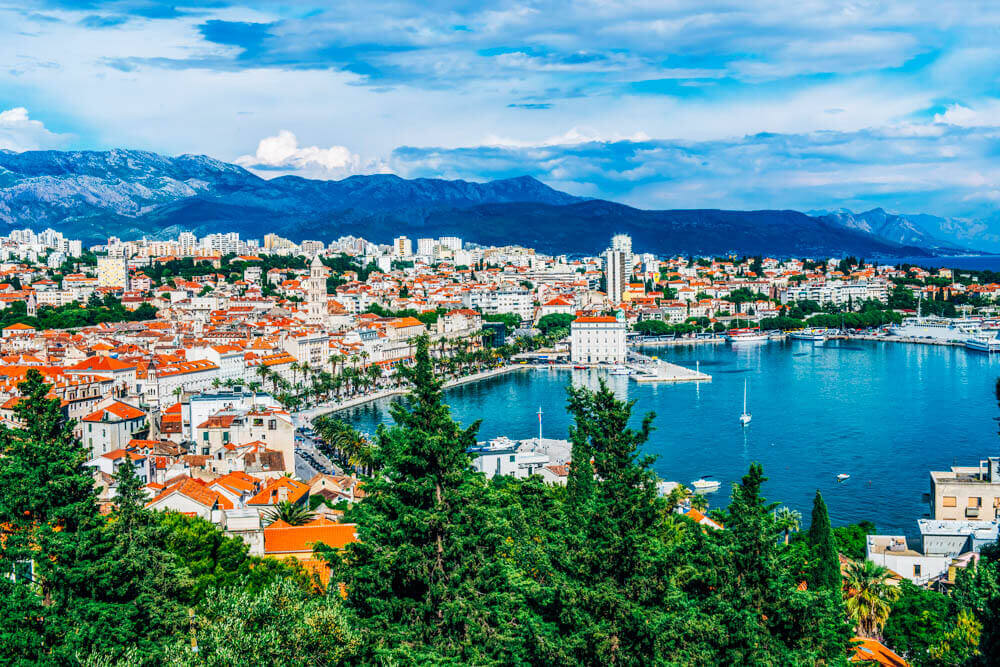
Furthermore, many famous landmarks in Croatia are located in this region. It is definitely one of the most popular regions for travelers.

facts-on-Croatia-Split
The Dalmatian coast is not just beautiful but also where the Dalmatian dogs originates from

The Largest Collection of Neanderthal Remains Was Found In Croatia

One fact about Croatia people do not know about is their collection of historical remains. In Kaprina, the largest collection of Neanderthal remains was found. 

It was discovered by Professor Dragutin Gorjanovic Kramberger. There are museums where you can look at the remains and learn about evolution. 

This Tall Lighthouse Was Possibly Painted With Egg Yolks

This fact on Croatia sounds a bit suspicious. There is a tall lighthouse on the island of Dugi Otok. It is the tallest lighthouse in the Adriatic; that part is true. 

The lighthouse is bright yellow, and locals say that the color does not come from paint. It supposedly comes from 100,000 egg yolks that were mixed into the paint. This might be hard to believel, but it is still quite the fun fact about Croatia. 

The Mechanical Pencil Was Created By A Croatian

croatian-mechanical-pencil

If you have ever used a mechanical pencil, then you should thank Croatia. The inventor, Slavoljub Penkala created a mechanical pencil in 1906.

It was patented in 35 countries, and his company still exists today. Definitely one of the more practical facts of Croatia. 

packing-list-travel-europe

Cultural Facts Of Croatia

Croatia Has A Plethora Of Different Dialects

Despite its small size, Croatia has so many dialects that we do not know how many there are. This unique fact on Croatia is quite interesting, because most Croatians cannot understand every dialect that exists in the country. 

Medieval Easter Traditions Are Still Going On Today

To see an interesting site in Croatia, you should definitely go during Easter. In the island of Hvar, there is a Passion procession that goes through multiple churches. 

The tradition has been going on since the Middle Ages, and continues to go on today. It is a great historical fact of Croatia. 

Picigin Is A Traditional Croatian Sport

Get into the sporty spirit, by playing the game of picigin. This is a traditional Croatian game that is played in the water. Players work together to prevent a ball from touching the water. 

It’s a fact about Croatia you should definitely try out when you go. Don’t worry, picigin is played in shallow waters, so you don’t have to be a professional swimmer to play. 

Croatian’s Say Blue Hair Instead Of Blonde Hair

Croatia’s language is very unique, especially when it comes to colors. This fact on Croatia comes from their history, where there were fewer words for colors. 

If you travel to Croatia and have blonde hair, they will say your hair is blue! It may be confusing, but it is definitely interesting and fun. 

Interesting Croatia Facts For Travelers

Croatia’s Colosseum That Was Used For Fighting

colosseum-in-croatia
The Colosseum in Pula is also very impressive

Rome is not the only city with a colosseum, Croatia has one as well. The historical architecture is called Pula Arena. 

It may not be as known as Rome’s Colosseum, but it is just as spectacular. Even though it is over 2,000 years old, Pula Arena’s condition is spectacular. This fact of Croatia is a bit upsetting, but the amphitheater was once used to put criminals to fight against animals. 

Truffle Hunting Is Huge In Croatia

croatia-truffle-hunting

This fun fact about Croatia is perfect for foodies. Croatia has the world’s largest truffle at 1.31 kg! It is the best country to go truffle hunting, so it is a unique experience you should try while visiting Croatia. 

Many traditional Croatian food can be enhanced with truffles, so you will get to taste the luxurious truffle when there. If you want to try these truffles, then visit Buzet in Istria. 

Some Art Pieces In Croatia Take Energy From The Sun

Croatia is an incredibly sunny country. It receives, on average, over 2,715 hours of sunshine every year. There is so much sunshine that a modern art structure was created.

The Sun Salutation installation collects light during the daytime but lights up at night. These bright lights are neon colors, so it becomes a gorgeous art installation at night. Even if you do not see this art installation, you can enjoy all the sun at one of Croatia’s many stunning beaches.

Numerous Films Were Shot In Croatia’s Gorgeous Landscapes

films-in-croatia
With scenic landscapes like this, it is no surprise that Croatia has been the setting for various films

One of the facts of Croatia that most people know about has to be about “Game of Thrones.” This incredible show was filmed in multiple spots in Croatia. 

However, did you know that many other famous movies and shows were filmed there? The famous “King’s Landing” and “Meereen” were filmed there. With its gorgeous medieval walls and bright blue waters, it’s no wonder the film industry loves Croatia.

Island Hopping Is A Well-loved Activity In Croatia

island-hopping-activity

With its location by the coast, Croatia has 1,244 islands, islets, and reefs. There are so many islands that people love to go island-hopping in the country. 

Some islands have less than 50 people living on them! There are plenty of island-hopping tours, so choose the best for you and get to exploring.

Croatia Uses The Same Sewer System From 800 Years Ago 

This fact on Croatia is impressive but a little gross. The sewage system in Croatia is 800 years old! The Croatians created a perfect sewage system and have been untouched since. 

Though it is an old system, it works incredibly well without major issues. Croatia truly keeps its structures intact, even the underground ones. 

Facts About Croatians

Checkerboard Print Is Everywhere

checkerboard-print-everywhere

This fact about Croatians is something you should know before going there. Croatia and red-white checkerboard designs are linked together.

From sports jerseys to flags, you will see this design everywhere. It’s called Å¡ahovnica (chessboard) and has symbolized Croatia for a very long time – the 10th century, in fact. 

Soccer Is Everything For Croatians

croatian-loves-soccer
Croatia fun fact: The checkered blue, red and white pattern is iconic for Croatia

Croatians absolutely love soccer. The game is a huge part of Croatian culture, and all walks of life love it. 

The national team that Croatia is known for, has also been relatively successful with their highest achievement being a runner up in the 2018 World Cup.

You should join the Croatians and watch a local soccer match if you visit Croatia. They would be glad to have you join their love for soccer! Mind you, it can get pretty intense, so make sure to bring your soccer passion to the table as well. 

Croatians Take Their Fashion Seriously

fashion-in-croatia

This may be one of the most essential facts about Croatians you need to know. The country’s architecture isn’t the only beautiful thing in Croatia. Croatians are known for their impressive fashion sense. 

If you are “going out” in Croatia, make sure to dress decently. The people in Croatia will be dressed beautifully.

Travel Insurance

Style Of Talking In Croatia Can Be Assertive

Croatians are thought to be assertive when talking, but they are not trying to be rude. Their language and culture are all about getting to the point. They don’t do much small talk in Croatia, so try not to get offended by this fact about Croatians. 

Family Is First For Many Croatians

family-is-priority

Family is a number one priority for Croatians. Many families live together until their children get married. This may seem strange to some cultures, but it is common in Croatia. Families are at the center of life in Croatia. 

Discover More Fun Facts About Croatia

Croatia is an incredible country with so much history and culture. These are just some of the fun facts about Croatia, but there is so much more to explore. When you visit Croatia and get to know the locals, see what else you can learn about this amazing country. 


PIN THESE FACTS OF CROATIA FOR LATER!

15 Typical & Traditional Greek Breakfast in Greece

When in Greece, do as the Greeks do! And when Greeks want breakfast, they have a wide variety of dishes to choose from. While traditional Greek breakfast foods still exist and are popular, many locals now also enjoy international breakfast items.

Here are some of the most typical Greek breakfast foods and dishes that you can try while in Greece. From omelets to yogurt to moussaka, there is something for everyone!

Be sure to add some of these delicious Greek breakfasts to your itinerary on your next trip to Greece.

Savory Greek Breakfast Foods In Greece

A Greek Style Omelet

breakfast-in-greece
The Greek Omelet is a popular option for breakfast in Greece

A Greek omelet is something that you can find on most Greek breakfast menus throughout the country. The Greeks have been eating eggs for breakfast since ancient times, so it comes as no surprise that they would still be a popular choice today!

Greek omelets are made with feta cheese, onion, tomato, and green peppers. Sometimes other vegetables are used too, like mushrooms or spinach depending on the season or region of Greece where one finds themselves eating their morning meal.

This dish tastes great served hot or at room temperature over toast alongside some Greek coffee (don’t forget to add sugar). It also makes for an easy lunch option as well if you need quick food while traveling around during the day.

Greek-style omelets are also a great way to start your morning before hitting up a whole bunch of things to do in Athens and other landmarks in Greece.

Baked Eggs

baked-eggs-traditional-breakfast-greece

Baked eggs are popular for breakfast in Greece. They can be made in many different ways but usually consist of baked eggs being cooked in a tomato sauce or sometimes even a Greek yogurt sauce.

The eggs typically goes with Greek bread, feta cheese, and olives on the side. This is a great dish if you’re looking for something light but satisfying in the morning hours.

It’s also easy to customize according to your personal preferences or dietary restrictions as well.

Feta Cheese Salad

A feta cheese salad is another popular Greek breakfast dish that can also serve as an appetizer or even a light lunch.

The salad consists of fresh greens like lettuce or arugula, diced tomatoes, cucumbers, and red onions. The salad is then topped with crumbled feta cheese and a light dressing of olive oil and vinegar before being served chilled.

You can easily prepare this salad in advance, making it perfect for taking with you on the go while traveling around Greece during your vacation.

It’s a great way to start your day with some healthy Greek salad ingredients and of course, the delicious taste of feta cheese!

Traditional Greek Salad

traditional-greek-salad-breakfast-greece

Greek salad is another popular Greek breakfast option. It consists of tomatoes, cucumbers, and onions dressed in olive oil and vinegar before being served chilled on the side or as an appetizer to your meal.

Similarly, you can prepare this salad in advance, and take with you on the go for lunch or snack when sightseeing.

It’s a great way to start your day with some healthy Greek salad ingredients and of course, the delicious taste of Greek olives!

Did you know that Greece is one of the largest producers of Olives in the world? Find out more fun facts about Greece here.

Sfakianopita

Sfakianopita is a Greek breakfast dish that is made with dough that is kneaded with local myzithra cheese. It typically also contains olive oil, water, salt, and another secret ingredient – a shot of raki.

The dough is then flattened and fried until golden brown. It certainly brings out the best in the popular Greek cheese, serving it in a form of a delicious morning bite.

Sfakianopita is a great way to start your day with some protein and carbs to help power you through your day of sightseeing or exploring in Greece!

Moussaka

typical-breakfast-in-greece
Moussaka is a traditional greek dish for people who wants a hearty breakfast in greece

While Moussaka is not a very common option for breakfast in Greece, this is a traditional dish that can be found in many Greek homes. It is extremely filling and some greeks opt for it in the morning.

If you’re looking for a hearty Greek breakfast to fill you up before a day of sightseeing or exploring while in Greece, look no further than Moussaka!

Moussaka consists of layers upon layers of potatoes, ground beef (sometimes lamb), eggplant slices topped with tomato sauce, and then baked on top for about an hour at 350 degrees Fahrenheit.

It is typically served warm from its dish or tray alongside some crusty bread and olive oil dip.

Koulouri Thessalonikis

greece-traditional-breakfast-koulouri-thessalonikis

The Koulouri Thessalonikis is a type of Greek bread that is made from flour, salt, sugar, and yeast. It is then baked until crispy and typically served as a breakfast or snack food.

The Koulouri Thessalonikis is similar to a bagel in shape and texture and is often sprinkled with sesame seeds on top. This delicious Greek bread is a great way to start your day while in Thessaloniki or anywhere else in Greece!

You can have it plain and enjoy the fragrant taste of sesame. However, if you are greedy like me, use it like a bagel and stuff it up with bacon, eggs, and whatever you feel like having on the day.

packing-list-travel-europe

Ladenia

typical-traditional-greece-breakfast-ladenia

Ladenia is a type of flatbread that’s often served as part of Greek breakfast and can be found in Greek bakeries throughout the country. The dough is made with flour, water, olive oil or butter (or both), yeast. A good Ladenia has a crispy crust and a soft, fluffy interior.

Sounds like a pizza? Because it does look like one, this is arguably Greek’s version of pizza. Tomate base, tomatoes, and onions are typically added on top of the bread. However, you can actually add any other toppings of your choice when making it.

Ladenia is usually eaten fresh and warm right out of the oven, but can also be eaten at room temperature.

Strapatsada

strapatsada-typical-breakfast-greece

Strapatsada is a Greek dish that is made from eggs, tomatoes, onions, garlic, herbs like basil and feta cheese. Some regions call it Kagianas. This greek breakfast specialty is typically served in the morning or as a brunch dish.

The eggs are cooked in a tomato sauce and then topped with feta cheese and sometimes olives. This dish is easy to make and is a great way to start your day while in Greece!

Spanakopita (Spinach Pie)

traditional-greek-breakfast
Spanakopita is a typical greek breakfast option for a quick bite

Spinach pie is a popular breakfast option that is made from spinach, feta cheese, and eggs. The dough is made with flour, salt, sugar, and yeast.

It is then baked until golden brown and typically served as a breakfast or snack food in Greece. The spinach pie is similar to quiche in shape and texture and some bakeries top it up with sesame seeds.

This delicious Greek pastry is a great way to start your day while in Greece! In fact, all sorts of pies are typical choices for breakfast in Greece. You can usually find an assortment of them in bakeries.

Tiganopsomo

Tiganopsomo is a traditional Greek dish that is commonly eaten for breakfast. It is basically fried bread that is made with either flour or semolina.

It is usually comes with stuffings that include feta cheese and a selection of herbs. The bread is then dipped in a beaten egg and fried in olive oil until it is crispy.

However, you can also make it without filling. With the plain ones, you can top or spread it with honey, jam, or even Nutella if you are looking for something sweet. We all love something fried, don’t we?

Sweet Greek Breakfast Foods In Greece

Bougatsa

greek-breakfast
Bougatsa is a sweet breakfast food in greece but it can also be made savory!

Bougatsa is a Greek breakfast dish that is essentially a thin layer of puff pastry filled with a custard made from milk, eggs, sugar, and cornstarch. It is then fried until golden brown and typically served with honey syrup on top.

Similar to Tiganopsomo, this greek breakfast dish can come in both sweet or savory options. The fillings can also be meat or spinach rather than custard.

Bougatsa is popular in the northern Greek city of Thessaloniki. It is a delicious and satisfying option for breakfast in Greece that will help you start your day off right.

Rizogalo

traditional-greece-breakfast-rizogalo

Rizogalo is a Greek rice pudding dish that is popular for breakfast in Greece. It consists of rice, milk, sugar, and vanilla extract. Restaurants often serve it with ground cinnamon on top.

If you are familiar with the Arroz con Leche in South America, this is similar. It is also a very versatile dish – you can top it up with raisins or nuts for more flavors.

Yogurt

greek-breakfasts
Greek yogurt is healthy dish for breakfast in Greece, but can also be really yummy with toppings

Greek yogurt is one of the most popular Greek foods and breakfast option as well. You can have Greek yogurt either plain or with various toppings like fresh fruit, honey, and nuts.

Greeks usually make it from sheep milk but sometimes cow milk too depending on where in Greece you’re eating this delicious dish!

Greek yogurt is a healthy way to start your day with protein and probiotics which are both essential for a healthy gut. It also tastes great!

Greek Coffee – The Drink Of Choice For Breakfast In Greece

greek-coffee-traditional-greece-breakfast

Greek coffee is made from dark-roasted coffee beans that are ground into a fine powder and then boiled in water. It is unique in that it often comes with foam on top and is typically sweetened with sugar.

The history of Greek coffee dates back to the 18th century when it was first introduced to Greece by the Ottoman Empire. Greek coffee has since become a popular drink throughout the country and is now a traditional part of Greek culture. This is a strong and flavorful way to kickstart your day.

travel-insurance-safety

Breakfast In Greece: Start Your Day Right

If you’re looking for a delicious and satisfying Greek breakfast to enjoy while in Greece, these are some of the best options to choose from! Greek food is renowned for being flavorful so you can’t go wrong with any of them. Visit the country to discover more amazing cuisines in Greece to help the greeks power through each day.


PIN THESE GREEK BREAKFAST FOODS FOR LATER!

25 Famous Greek Landmarks in Greece

The diverse landscape and rich history of Greece make it a popular travel destination for tourists from all over the world. The country is also home to various ancient ruins and breathtaking natural wonders. Landmarks in Greece offer travelers the opportunity to explore history and culture while also appreciating some of nature’s most beautiful creations.

If you’re looking for some inspiration for your next vacation, these greek landmarks can trigger your wanderlust to some of the best sights the world has to offer.

Most Famous Greek Landmark in Greece

This might not be an obvious choice as Greece is also really well known for their islands like Santorini as well. However, the Acropolis has a long history and distinctive features to be recognised globally.

The Acropolis of Athens is an ancient citadel located on a rocky outcrop above the city. It was built during the fifth century BC and contains many famous structures including the Parthenon, Erechtheum, Propylaea Temple and Theatre Of Dionysus Eleuthereus.

The most well known structure in this UNESCO World Heritage Site is undoubtedly its iconic marble columns which are situated at both ends of main entranceway leading into building complex itself. They were designed by renowned architect Ictinus under direction Pericles who ruled Greece from 460-429BCE (and later again 404-362).

Visiting this famous landmark in Greece is one of the main things to do in Athens.

Athens, Greece Landmarks

As the capital city, Athens is home to many famous landmarks in Greece.

The Parthenon

parthenon-temple
The Parthenon is the one of the most famous landmarks of Greece on the Acropolis

The Parthenon is a temple dedicated to the goddess Athena. It is arguably the most prominent ancient greek landmark in the Acropolis.

It was built between 427 and 432 BC on top of an older structure called Hekatompedos. The original structure had been constructed during sixth century BCA (pre-Persian wars) but destroyed during an invasion by Xerxes I King Persia (485 BCE).

This new incarnation became one most famous landmarks in Greece because it represents classical Greek architecture at its best. Its construction can be attributed largely to architect Ictinus under the direction of Pericles who ruled Greece from 460-429BCE.

The original Parthenos statue inside this building has since disappeared; however, replicas are still visible today as well many other sculptures including those depicting greek gods and goddesses.

Ancient Agora of Athens

athens-ancient-agora

The Ancient Agora of Athens was the center of public life in the city for over a thousand years. It served as a marketplace, assembly ground, and political center for the people of Athens.

The agora was first established in the 6th century BC, and it grew to become one of the most important public spaces in Greece.

The agora was a place where people could buy and sell goods, discuss politics, and attend assemblies.

It was also home to several important temples and monuments, including the Temple of Hephaestus and the Temple of Zeus. The agora continued to be used as a public space until the 9th century AD, when it was abandoned after the city was sacked by the Arabs.

Mount Lycabettus

iconic-mount-lycabettus

Mount Lycabettus in Athens is one of the city’s most iconic landmarks. It’s a small mountain that rises above the city and offers stunning views of the skyline. The name of the mountain is derived from the word lykos, which means wolf.

The history of Mount Lycabettus in Athens is a long and storied one. The mountain has been used as a place of worship for centuries, and there are several ancient temples on its slopes. In addition, it was used as a fortress by the Athenians during times of war.

Today, Mount Lycabettus is a popular tourist destination with a cafe and restaurant. It’s also a great place to go for a walk or to take photographs of the cityscape.

Panathenaic Stadium

popular-panathenaic-stadium

The Panathenaic Stadium in Athens is one of the most famous stadiums in the world and is a UNESCO World Heritage Site. It was built between 466 and 330 BC and is the only stadium in the world that has been used in the modern Olympic Games.

The Panathenaic Stadium was originally built as a hippodrome, or horse racing track. It was later converted into a stadium, and the first modern Olympic Games were held there in 1896.

The stadium was extensively renovated in time for the 2004 Olympic Games, and it now features a state-of-the-art running track and seating for 74,000 spectators.

Temple of Poseidon

temple-of-poseidon
Temple of Poseidon is a great ancient greece landmark to watch the sunset

The Temple of Poseidon at Cape Sounion is located approximately sixty kilometers from Athens and is one most popular destinations for tourists visiting Greece.

It was constructed in 440 BC as thanks to god Poseidon for saving the city of Athens from the siege by Persian forces – the temple overlooks the Attica coastline and visitors can enjoy magnificent views out over Saronic Gulf (and even see neighboring islands on clear days).

This UNESCO World Heritage Site features Doric columns which are six meters high with intricate detailing carved into stone. This is popular place to catch the Sunset over the Aegan sea.

Crete, Greece Landmarks

One of the most popular tourist destinations in Greece is the island of Crete. Here, you’ll find a wealth of ancient landmarks dating back to the Minoan civilization.

Knossos Palace, Crete

popular-knossos-palace

The Knossos Palace in Crete is one of the most popular ancient landmarks in Greece. This palace was once the home of the Minoan civilization and is now a popular tourist destination for those who want to learn more about this fascinating culture.

The palace is believed to have been built sometime in the 1800s BC, making it one of the oldest structures in Europe. Over the years, it has been damaged and rebuilt several times, but much of its original structure still remains.

If you’re interested in learning more about ancient Greece, be sure to visit this ancient greek landmark.

Heraklion Archaeological Museum, Crete

The Heraklion Archaeological Museum is home to a large collection of artifacts from the Minoan civilization, which was located on the island of Crete.

The museum was first established in 1899, and has since grown to become one of the largest archaeological museums in Europe.

The museum is divided into several sections, each of which showcases a different aspect of Minoan culture. Some of the highlights include the Treasury of Minos, which contains a number of impressive jewelry pieces, and the Royal Villa, which displays some of the most important artifacts from the Minoan period.

If you’re interested in learning more about the ancient Minoans, the Heraklion Archaeological Museum is the place to go.

Samaria Gorge, Crete

beautiful-samaria-gorge
Greece also offers a lot of beautiful natural landmarks

The Samaria Gorge is a breathtaking ravine that cuts through the mountains of Crete. It’s one of the most popular tourist destinations on the island, and for good reason – the views are simply stunning!

The gorge is 16 kilometers long, and at its widest point is just over 100 meters wide. The walls of the gorge are over 1,000 meters high, making it a truly impressive sight.

The Samaria Gorge is home to a variety of wildlife, including wolves, bears, and deer. It’s also home to a number of ancient monasteries, which are well worth a visit. If you’re looking for an unforgettable experience in Crete, be sure to check out the Samaria Gorge.

Rhodes, Greece Landmarks

Palace of the Grand Master of the Knights, Rhodes

palace-in-greece
The Rhodes palace is an imposing greece landmark

The Palace of the Grand Master of the Knights in Rhodes is a stunning medieval palace located in the city of Rhodes, Greece. This palace was once the home of the Grand Master of the Knights, a prestigious position that was held by the most senior member of the Knights Hospitaller.

The palace was first built in the 1300s, and it has been rebuilt and remodeled several times over the years. It is now one of the most popular tourist destinations in Rhodes, and is a UNESCO World Heritage Site.

The Palace of the Grand Master of the Knights is a must-see for anyone visiting Rhodes!

Acropolis of Lindos, Rhodes

beautiful-ancient-acropolis

The Acropolis of Lindos is a beautiful ancient acropolis located in the town of Lindos, Rhodes. This acropolis was built in the 3rd century BC, and it is one of the most well-preserved ancient acropolises in the world.

The Acropolis of Lindos was originally used as a venue for plays and concerts. It could seat up to 4,000 people, making it one of the largest theatres of its time. The theatre is also famous for its acoustics, which are still considered to be some of the best in the world.

If you’re interested in history and archaeology, this is an impressive landmark of Greece to visit.

Delphi, Greece Landmarks

Delphi is an ancient city located in central Greece. It was once home to an oracle who prophesied the future and gave advice on important matters like war campaigns, political decisions, or marriage arrangements.

The city was also a major religious center and is home to some of the most important ancient greek landmarks.

Delphi Archaeological Site

delphi-archaeological-site

The Delphi Archaeological Site is one of the most popular tourist destinations in Greece, and for good reason! This ancient archaeological site is home to some of the most important ruins from the ancient world.

The site was first inhabited in the late Neolithic period, and it soon became a major center of culture and politics. In fact, it was considered to be the center of the world by many ancient cultures!

One of the most famous landmarks in Greece at the Delphi Archaeological Site is the Temple of Apollo.

Temple of Apollo, Delphi

delphi-famous-temple
The Temple of Apollo in Delphi is one of the most famous landmarks of Greece from ancient times

Dedicated to the god Apollo, this temple served as a major religious and political center for the ancient world. It was the place where people would come to seek advice from the oracle.

The temple was built in the 6th century BC and due to natural disasters like fire and earth was destroyed and rebuilt several times over the years. by fire in the 4th century AD. It was rebuilt soon after but was later abandoned and fell into disrepair.

Today, the Temple of Apollo is a popular tourist destination and is a reminder of the rich history of Greece. Many travelers also visit Delphi as a day trip from Athens.

Other Famous Landmarks in Greece

Epidaurus Ancient Theatre, Epidaurus

beautiful-ancient-theatre

The Epidaurus Ancient Theatre is a beautiful ancient theatre located in the town of Epidaurus, Greece. This theatre was built in the 4th century BC, and it is one of the most well-preserved ancient theatres in the world.

The Epidaurus Ancient Theatre was originally used as a venue for plays and concerts. It could seat up to 14,000 people, making it one of the largest theatres of its time. The theatre is also famous for its acoustics, which are still considered to be some of the best in the world.

If you’re interested in history and archaeology, be sure to visit the Epidaurus Ancient Theatre! This is a must-see attraction for anyone visiting Greece.

Mykonos Windmills, Mykonos

famous-mykonos-windmills
Beautiful windwills overlooking the crystal clear ocean

The Mykonos Windmills are a beautiful set of windmills located in the town of Mykonos, Greece. These windmills were built in the 1700s, and they are one of the most popular tourist attractions on Mykonos.

These beautiful windmills are not just a beautiful landmark of Greece but also a reminder of the island’s rich history and culture.

Monument of Alexander The Great, Thessaloniki

thessaloniki-famous-monument

The Monument of Alexander the Great is a statue located in the city of Thessaloniki, Greece. The statue was erected in 1954 to commemorate the visit of Alexander the Great to Thessaloniki.

Alexander the Great was a Macedonian king who conquered a vast empire during his lifetime, including parts of Greece. Thessaloniki was one of the cities he visited during his campaigns and this statue was erected to commemorate that visit.

The statue is in quite a prominent location, so you are almost certain to see it when you visit Thessaloniki.

packing-list-travel-europe

Mystras, Laconia

beautiful-medieval-town

Mystras is a beautiful medieval town located in the region of Laconia, Greece. This town was once the capital of the Byzantine Empire, and it is famous for its stunning architecture and historical monuments.

Mystras was founded in 1249 by William II of Villehardouin, the Prince of Achaia. The town soon became an important center of culture and learning, and it was home to several universities and churches.

Mystras reached its peak in the 14th century, when it was ruled by the Despotate of Mystras. This period is considered to be the golden age of Mystras, and the town is famous for its beautiful churches and palaces.

Sadly, Mystras was abandoned in 1832 after the Greek War of Independence. Today, the town is a popular landmark of Greece and a UNESCO World Heritage

Bourtzi Castle, Nafplio

famous-bourtzi-castle

Bourtzi Castle is a fortress built in the late 14th century by the Venetians. It served as a defense for the city against possible attacks by the Ottomans.

The Castle played an important role in the history of Nafplio and was captured by the Ottomans in 1532. The castle remained under Ottoman rule until 1821, when it was captured by Andreas Miaoulis during the Greek War of Independence.

Ancient Corinth Canal, Corinth

The Ancient Corinth Canal is an artificial waterway that cuts through Peloponnesian peninsula allowing ships to travel directly between Aegean and Ionian seas.

It was constructed in 1893-1896 by French company Compagnie Universelle du Canal Interocéanique at great expense (and with many fatalities). The Canal ultimately failed to achieve its goal of boosting maritime trade due to insufficient depth of water.

However, this manmade marvel is still open to visitors today. It makes for a fascinating stop on your travels through Greece.

Monasteries of Meteora

natural-scenery-meteora
The monasteries in Meteora are not just popular attractions but important historical greek landmarks

Meteora is famous for its breathtaking natural scenery. However, it is home to several historical greek landmarks – a group of six monasteries built precariously atop high sandstone cliffs.

The Monasteries of Meteora were first erected between the 14th and 16th centuries AD but have since been abandoned. They are now a popular tourist destination and can be accessed by either hiking or via cable car.

One of the best things to do in Meteora is a hike to the top of the cliffs and explore the monasteries. You can also take a ride on the Meteora cable car for a bird’s-eye view of this stunning landscape.

The monasteries are well worth a visit for their historical significance. You can enjoy amazing view from their perches atop Meteora cliffs. This is a popular day trip from Athens or even Thessaloniki.

Caldera of Santorini

greece-famous-landmark

No list of famous landmarks in Greece would be complete without mentioning Santorini. This is one most beautiful islands in world renowned for its dramatic volcanic landscape and stunning sunsets.

The Caldera of Santorini is a geological formation located on the island of Santorini. This caldera was formed after a massive volcanic eruption that occurred in 16th century BC. The eruption destroyed the ancient Minoan settlement on Santorini and created the distinctive caldera landscape that can be seen today.

Visitors to Santorini will find plenty to keep them busy, with highlights including exploring ancient ruins, swimming in warm Aegean waters and enjoying local cuisine. Whatever you choose to do during your time on this enchanting island, make sure to take some time to relax and enjoy the incredible views!

Natural Landmarks in Greece

Vikos Gorge

breathtaking-natural-wonder

The Vikos Gorge is a breathtaking natural wonder located in the Pindus Mountains of Greece. This ravine is believed to be the deepest and most impressive gorge in the world.

The gorge was first formed over 10 million years ago, and it has been carved out by the Vikos River over time. The river runs through the heart of the gorge. There are many scenic waterfalls and rapids to be found along the way. The walls of the gorge are also home to a variety of wildlife, including bears, wolves, and deer.

If you’re looking for an adventure, be sure to check out the Vikos Gorge!

Mount Olympus

famous-mount-olympus

Mount Olympus is a mountain in Greece that is home to the gods of Greek mythology. According to legend, this is the place where Zeus, Poseidon, and Hades all ruled over Mount Olympus as gods.

The mountain is also said to be the birthplace of Apollo and Artemis. Today, Mount Olympus is a popular tourist destination for those who want to experience its natural beauty.

The mountain is surrounded by lush forests and picturesque scenery, making it a favorite spot for hikers and nature lovers. If you’re interested in Greek mythology, this is one mythical greek landmark to visit.

Blue Caves, Zakynthos

beautiful-blue-caves
Blue caves are another natural landmark of Greece that shows your the awesomeness of nature

The Blue Caves are a series of breathtaking sea caves located on the coast of the island of Zakynthos. These caves are known for their stunning blue color, which is caused by the light reflecting off the limestone walls.

The caves were first discovered in the 1800s by a group of local sailors. They soon became a popular tourist destination, and continue to be one of the most popular attractions on Zakynthos today.

The history of the Blue Caves is a bit mysterious; there are several different theories about how they were formed. Some believe that they were created over time by the action of the waves and the wind. Others believe that they were formed by a large earthquake that took place thousands of years ago.

Whatever their origin, the Blue Caves are a spectacular natural landmark in Greece. There are boat tours that bring you to the Caves and the Shipwreck beach.

Shipwreck Beach, Zakynthos (Navagio Beach)

beautiful-shipwreck-beach

Shipwreck Beach in Zakynthos is a pristine beach located on the coast of the island of Zakynthos. The name comes from the shipwrecks scattered along its coast.

Shipwreck Beach is one of the most popular beaches on Zakynthos, and it’s easy to see why! Dramatic cliffs and crystal-clear waters surround the beach. It’s the perfect place to relax and soak up the sun.

If you’re looking for a bit of adventure, be sure to check out Shipwreck Beach! This beach is home to some of the most beautiful sunsets in the world. This picturesque place has also appeared in popular movies and dramas like Descendants of the Sun.

Travel Insurance

Discovering Landmarks in Greece

From sites of ancient civilization to naturally crafted wonders, landmarks in Greece have historical, cultural, and natural significance. These are just some of the many prominent sites that you can visit when traveling to Greece.

Many of these sites are popular tourist destinations as well and can be easy to get to. That said, the country has much left to be discovered. You will certainly come by more amazing greek landmarks on your trip!


LIKE THIS POST? PIN IT FOR LATER!

33 Famous Australian Landmarks in Australia

Australia’s history stretches back over 60,000 years to the time when Aboriginal people first arrived on its shores. Unsurprisingly, this means there are many famous landmarks in Australia waiting for travelers to discover.

Each Australia landmark has its own unique story and significance. You can bound to visit some of them on your trip. Here are some prominent Australian landmarks that will help inspire or maybe influence your trip to the Kangaroo land.

Most Famous Australia Landmark

landmarks-in-australia-sydney

Sydney Opera House

It is hard to argue that the most famous Australia Landmark goes to The Sydney Opera House. The Sydney Opera House is Australia’s most famous landmark.

Completed in 1973, the opera house was designed by Danish architect Jørn Utzon. The opera house is located in Sydney Harbour and has been praised for its unique design. The Sydney Opera House is a UNESCO World Heritage Site that you can visit and tour around!

Today the opera house hosts a range of events, including operas, musicals, ballets, concerts, and talks. Its iconic structure also makes it the most recognizable landmark in Australia.

The opera house is near with other touristic attractions and landmarks in Sydney so you are sure to spot it. Here are some fun facts about Sydney and its iconic landmarks.

That said, there are many more landmarks in Australia that are worth visiting. Some of these include:

Sydney, Australia Landmarks

Sydney Harbour Bridge

The Harbour Bridge is Australia’s most famous bridge and one of the city’s most popular tourist attractions. The bridge was opened in 1932 and spans the Sydney Harbour. You can find some other facts about Sydney and the Harbour Bridge here.

It is the world’s largest steel arch bridge and is infamous for its large crowds of tourists who flock to it to take photos. There are also different tours and activities for the brave souls who are courageous enough to climb the bridge.

The Royal Botanic Gardens

The Royal Botanic Gardens, Sydney is Australia’s oldest botanic garden. It was established in 1816 and is home to over 12,000 species of plants from all over the world.

The gardens are a popular spot for picnics and offer beautiful views of Sydney Harbour.

Bondi Beach

Bondi Beach is a world-famous beach located in Sydney. It is one of Australia’s most popular beaches and attracts surfers, swimmers, sunbathers, and tourists from all over the world. Bondi Beach is also home to a large number of restaurants and bars. The scenic walk from Bondi Beach to Coogee is another popular thing to do in Sydney.

Canberra, Australia Landmarks

As the capital city, Canberra is home to many significant Australian landmarks, including Parliament House which is Australia’s seat of government. Many of these sites are also a reflection of some historical and fun facts about Canberra.

The Australian National Botanic Gardens

The Australian National Botanic Gardens is a botanical garden located in the national capital of Canberra. It is home to over 2000 species of plants, many of which are native to Australia. The gardens offer visitors the opportunity to walk through rainforests, wetlands, and desert landscapes.

The Australian War Memorial

The Australian War Memorial is a memorial dedicated to Australia’s military history. It was built to honor Australia’s soldiers who died during World War I and II, as well as those who served in other conflicts such as Vietnam and Korea.

The memorial is located in Canberra and was opened in 1941. The building itself is also a museum that contains various exhibits about Australia’s military history and war involvements.

parliament-canberra-australia-landmark

Parliament House, Canberra

Parliament House in Canberra is Australia’s seat of government. It was opened in 1988 and is one of the most striking buildings in the 20th century.

The house contains meeting chambers, offices, and libraries for both the Australian Senate and House of Representatives. The building is designed in a neoclassical style and is one of the most important landmarks of Australia. It also houses the Prime Minister and Governor-General.

Melbourne, Australia Landmarks

The city of Melbourne is home to many famous Australian landmarks, particularly in Sports. Some of these include:

The Melbourne Cricket Ground

The Melbourne Cricket Ground is a cricket stadium located in the inner-city suburb of Yarra Park, Melbourne. It is the largest and oldest cricket stadium in Australia and has a capacity of over 100,000 people.

The ground was first opened in 1853 and has been used for Test matches, Internationals, and World Cup fixtures.

melbourne-landmark-of-australia

Rod Laver Arena

Rod Laver Arena is a tennis stadium located in Melbourne, Australia. It is home to the Australian Open, one of 4 major grand slams tournaments. It was constructed in 1988 and has a capacity of over 14,000 people.

The arena is named after Rod Laver, an Australian tennis player who is considered to be one of the greatest players of all time. Many people gather both inside and outside the Arena each year to witness tennis greats break records.

The Royal Exhibition Building

The Royal Exhibition Building is a historical building located in the inner-city suburb of Carlton, Melbourne. It was constructed in 1879 and was the first building in Australia to be listed on the UNESCO World Heritage List.

The building is famous for its Victorian architecture and was used to host various exhibitions throughout its history.

melbourne-australia-landmark

Flinders Street Railway Station

Flinders Street Railway Station is Australia’s oldest railway station. It was built in 1854 and is located in the heart of Melbourne, Victoria. It is designed in the Italianate style and has served as Melbourne’s main train station since its opening.

The station is a popular spot for tourists to take photos and it has been used as a backdrop for many movies and TV shows.

Eureka Tower

Eureka Tower is a skyscraper located in the Southbank precinct of Melbourne. At 297 meters, it is Australia’s tallest building and the world’s second-tallest residential tower. The tower has a viewing deck on its 89th floor which offers panoramic views of Melbourne.

Federation Square, Australia

Federation Square is an entertainment and cultural precinct in the city center of Melbourne. The square was built in 2002 and is home to several theaters, art galleries, and restaurants. It is also the location of Australia’s major public broadcaster, the Australian Broadcasting Corporation.

Other Australia Landmarks across the country

Port Arthur, Tasmania

Port Arthur is Australia’s oldest penal colony. It is located in Tasmania and was built by the British government to house convicts from Ireland and Scotland.

The prison closed in 1877 after it was discovered that prisoners were escaping during shipwrecks caused by storms at sea.

gold-coast-australia-landmark

The Gold Coast

The Gold Coast is a city located in southeastern Queensland. It is Australia’s sixth-largest city and is well-known for its beaches and surfing culture.

Some of the most popular tourist destinations on the Gold Coast include Surfers Paradise, Sea World, and Dreamworld. The striking Q1 building is also a prominent landmark here and is often serves as an identifier to the Surfers Paradise beach.

Story Bridge, Brisbane

The Story Bridge is Australia’s largest bridge. It spans the Brisbane River and connects Fortitude Valley to Kangaroo Point in Brisbane, Queensland. The bridge was opened in 1940 and is made from steel and concrete. It is the only river crossing in Brisbane that is open to pedestrians and cyclists.

This is the iconic structural landmark in Brisbane, and offers one of the best views of the city if you dare to climb it!

The Ghan

The Ghan is Australia’s most famous train journey. It runs from Adelaide to Darwin, stopping at Alice Springs and Katherine along the way. The trip takes around 54 hours and covers a distance of over 3000km (1864 miles).

It was named after an Afghan camel driver called Ghangi who helped open up the Australian interior.

Great Ocean Road

Great Ocean Road is Australia’s longest road. It runs for over 2000 km (1200 miles) along the south coast of Australia from Adelaide to Melbourne and back again.

The road was constructed in 1918 as a memorial to soldiers who died during World War I and has since become one of Australia’s most popular tourist attractions. You can get some of the best views of Australia’s coastline along the Great Ocean Road.

> Visit Great Ocean Road From Melbourne

Brighton Bathing Boxes, Brighton

Brighton Bathing Boxes are a series of small wooden huts that line the beachfront in Brighton, Victoria. The boxes were constructed in the late 1800s as a place for people to change into their bathing suits before going into the ocean.

The Brighton bathing boxes are Australia’s oldest surviving beachfront structures. They are now a popular tourist attraction and are on the Victorian Heritage Register.

Sovereign Hill, Ballarat

Sovereign Hill, Ballarat is a recreated gold mining town located in Ballarat, Victoria. The town was built by the Gold Rush of the 1850s and is now home to over 60 buildings that have been restored to their original condition. Visitors can walk through the town and see how people lived during the gold rush era.

Natural Landmarks in Australia

The Great Barrier Reef

The Great Barrier Reef is Australia’s largest coral reef system. It covers an area of 348,700 square km (135,000 square miles) and is home to over 1500 species of fish, 4000 species of mollusks, 300 types of coral, and 500 species of seagrass.

The reef is located off the coast of Queensland and is a popular destination for scuba diving and snorkeling.

The Blue Mountains, New South Wales

The Blue Mountains are a set of mountains located in New South Wales. The name is due to the blue haze that hangs over them and can be seen from a distance. The mountains are a popular destination for hikers and tourists and offer some of the best views in Australia.

>Visit The Blue Mountains From Sydney

The Three Sisters, New South Wales

The Three Sisters is one of the most famous natural landmarks in Australia. They are a trio of rock formations located in the Blue Mountains National Park, New South Wales.

The sisters are a popular spot for photos due to the beautiful views available from their location. They are also a part of Australian folklore and have been the subject of many legends.

The Three Sisters are said to have been named after three Aboriginal women who were turned to stone as punishment for eavesdropping on a sacred meeting.

famous-landmarks-in-australia

Uluru-Kata Tjuta National Park

Uluru-Kata Tjuta National Park is a national park located in the central part of Australia. It is home to the world-famous rock formation, Uluru (also known as Ayers Rock). The park is also home to Kata Tjuta (also known as the Olgas), a collection of 36 rock domes.

There are many hiking trails in the park that offer visitors the opportunity to see Uluru and Kata Tjuta up close. The park is also home to a variety of Australian wildlife, including kangaroos, wallabies, and dingoes.

Uluru (Ayers Rock)

Uluru is a large rock formation located in the Northern Territory. It is considered to be sacred by the local Aboriginal people and is one of the most iconic landmarks in Australia.

The best way to see Uluru is to climb up to the top, but it is not longer possible since 2019. However, you can hike around the base which still makes for a great experience.

landmark in australia-ayers-rock

The Wet Tropics of Queensland

The Wet Tropics of Queensland is Australia’s largest rainforest. It covers an area of over 3000 square km (1158 square miles) and has been as a World Heritage Site since 1988. The forest is home to Australia’s largest tree, the Bunya Pine, and its tallest waterfall, Wollumbin Falls.

The Bungle Bungles

The Bungle Bungles is Australia’s largest national park. It is located in the Kimberley region of Western Australia and covers an area of over 15,000 square km (8000 square miles).

The Bungle Bungles were formed by erosion from wind and rain over millions of years and are made up of orange and black striped domes that stand out against the surrounding landscape.

The Twelve Apostles, Victoria

The Twelve Apostles are a collection of limestone cliffs that are located off the shore of Victoria. They were formed over 20 million years ago and have been steadily eroding ever since.

The apostles got their name from the fact that there used to be twelve of them, but now only eight remain.

twelve-apostles-australian-landmarks

The Pinnacles Desert

The Pinnacles Desert is Australia’s only desert. It covers an area of over 8000 square km (5000 square miles) in the northern part of Western Australia. The desert is home to some of Australia’s most famous landmarks, including Uluru and Kata Tjuta National Park which are both UNESCO World Heritage Sites.

The Pinnacles desert is about a two-hour journey from Perth. You can get there by car, or find one of the many tour buses ferrying visitors from Perth.

Rottnest Island

Rottnest Island is Australia’s largest island, at just over 19 km (12 miles) long and 11 km (seven miles) wide. The island is located off the coast of Perth, Western Australia and is home to more than 300 species of native Australian animals.

There are about 63 beaches on the island, most of which are located on the north and west coasts. The island is a popular tourist destination that Perth is known for, and you can get there by ferry! Both local and international visitors like to immerse themselves in the beautiful nature on the island.

Karijini National Park

Karijini National Park is a national park located in the Pilbara region of Western Australia. The park is home to some of Australia’s beautiful, natural landmarks, including Dales Gorge, Fortescue Falls, Hancock’s Gully, and Weano Gorge.

The park is a popular spot for camping, hiking, and swimming. The landscape it offers is also great for photographers.

Kangaroo Island

Kangaroo Island is Australia’s third largest island, after Tasmania and Melville Island. The island is located off the coast of South Australia and is home to a variety of Australian wildlife, including kangaroos, wallabies, echidnas, koalas, and dolphins. The island also has a number of nature reserves and national parks that are worth visiting.

You can get there by ferry from Adelaide or by plane from either Adelaide or Melbourne.

australian-landmarks-kangaroo

Lake Hillier

Lake Hillier is a pink lake located on Middle Island, which is part of the Recherche Archipelago off the coast of Western Australia. There is a good chance you have seen photos of this amazing natural landmark in Australia.

The lake is about 600 meters (2000 feet) long and is the only pink lake in Australia. It gets its pink color from a species of algae that grows in the water and produces pigments, which turn the lake a bright shade of pink. This is a bucket list destination for many travelers.

Which Australia landmarks are in your bucketlist?

These are just some of Australia’s famous landmarks that travelers should visit when they travel to Australia.

Australia is a land rich in history and culture, so there are many more places to see, eat, experience than the landmarks mentioned. Make sure to try out some of the amazing sweet treats that Australia has to offer!


LIKE THIS POST? PIN IT FOR LATER!

25 Interesting And Fun Facts About Greece You Must Know

As a popular travel destination in Europe, there are many fun facts about Greece that span centuries and can be reflected in some of the tourist hot spots. The country encompasses thousands of islands in the Mediterranean, Ionian, and Aegean Seas.

Greece is a naturally beautiful country beaming with a culture that dates back as far as modern civilization all the way up to the current day. You can imagine there are a lot of greek facts that keep visitors wanting to visit again and again. 

Quick Statistics And Facts About Greece

  • Capital Of Greece: Athens
  • Population: 10.3 Million
  • Land Size: 131,960 sq km (50,950 sq mi) 
  • Official Language: Greek
  • Famous Food In Greece: Moussaka
  • Where Is Greece: Southeast Europe
  • What Is Greece Famous For: Beaches, Olives, Ancient History and more…

Most Amazing Fact About Greece

Greece Has Over 6,000 Islands

islands-in-greece
Greece Fun Fact: The country receives one of the most sunshine each year

When people talk about Greece, the first thing any visitor will see is how beautiful it is there. 

However, an important fact about Greece shows why this country is so unique. Greece is made up of more than 6,000 islands and is the sunniest place in the world. There are more than 300 days of sun every year! 

This is an essential fact about Greece for summer chasers (I know many of you travelers are) to know!

Get ready to start planning your trip and see the 16,000 kilometers of coastline and the mountains that make up most of the islands in the archipelago. 

Fun Facts About Greece 

Besides being one of the most stunning places in the world, here are some more fun facts about Greece to inspire your next trip!

Greece’s Name Isn’t Actually Greece

A fun Greece fact is that the official name of Greece is the Hellenic Republic. Coming from the ancient Greek language, Greeks call themselves Hellenes and the country Hellas. 

The Greek Flag Is A Symbol

greek-flag
Interesting symbolism and fact about Greece flag

Ever stop to think about symbolism in flags? Here is an interesting fact about Greece’s flag. 

The nine stripes on the flag symbolize the nine syllables in the Greek motto–” “Eleftheria i Thanatos” or “Freedom or Death.” The cross is a symbol of the Greek Orthodox church. 

The blue represents the sky and sea surrounding the country, and the white represents the country’s freedom. 

Santorini Was Built In A Volcano’s Caldera

santorini-in-volcano's-caldera

A super exciting fact about Greece that many visitors probably do not know. 

Santorini is well known for its ocean views, but who knew the city is the only one in the world that is built into a volcano’s caldera. 

Thankfully the volcano shouldn’t be erupting anytime soon (hopefully!).

Your Sponge Probably Comes from Greece 

Greece is the leading producer of sea sponges. Most come from the island of Kalimnos. 

greece-beaches
Some geographical fact about Greece to know, is that Crete is not just a popular island but also the largest Greek island

Crete Is The Largest Greek Island 

largest-greek-island

It is also the fifth-largest island in the Mediterranean Sea, and Greek mythology believes that it was the birthplace of Zeus!

Useful Facts About Greece For Travelers

Visit Over 10+ UNESCO World Heritage Sites Across the Country 

unesco-heritage-sites

In Greece, you will find ancient places such as the Acropolis in Athens, the Old Town of Corfu, or the Temple of Apollo, among many other impressive places. 

UNESCO sites celebrate our collective world culture at significant sites, and the places in Greece are ones you can’t miss! This is one of those greek facts that explains why travelers keep coming back.

Athens Is The Oldest Capital City In Europe

capital-city-athens
Athens is one of the oldest capital in Europe

One of the most intriguing Greece facts is that Athens is estimated to be at least 3,400 years old. Humans started to populate the city around the 17th century BCE.

That early civilization makes it the oldest capital city in Europe. That said, there are many interesting things to do and discover in Athens.

Pay Homage to the Patron of Athens, Athena 

You must have wondered if there is any connection between Athens and Athena. Well, here is an interesting greek fact.

Greek mythology tells the story of the goddess Athena gifting the people of Athens olive trees. They returned the blessing by naming her their patron and naming the city after her. That’s probably why olives from Greece are so tasty.

She is also the goddess of war, wisdom, and strategy. 

Eat Fresh Olives 

oilves-in-greece
Greek fact for foodies: Don’t miss trying out the Olives in Greece

That said, an interesting fact about Greece is that the country is the third-largest producer of olives in the world. This is just behind Spain and Italy. 

With 120 million olive trees producing 2.2 million metric tons of olives annually, you won’t have to look far to find an olive to snack on. 

Greece also produces the most varieties of olives globally and from some of the oldest trees–some olive groves that are still producing are from the 13th century! 

Definitely one of the proudest facts of Greece.

Greece Is An Archeological Museums Paradise

It won’t be hard to find one! Explore the fun facts about Greece at one of the many museums throughout the country. Greece is home to more archeology museums than any other country in the world. 

Considering Greece is where major archeological finds such as Delphi and Olympia have been uncovered, this is probably not such a surprising fact on Greece.

Wear Sensible Shoes Only 

A sillier fun fact about Greece is that it is against Greek law to wear high heels when you go on a tour of ancient sites. 

Not that you would want to–the flooring and pavement of these ancient sites would make wearing heels very dangerous! 

See the Diverse Wildlife 

One of the more happy facts about Greece is that since most of the Greek islands are not populated with humans, the animals native to Greece have been able to thrive. 

Some species of animals can only be found in the Greek archipelago. And if you’re into bird watching, visit in the winter to see more than 100,000 birds migrate to the Greek wetlands. 

Visit The Set Of “Mamma Mia!” 

mamma-mia-set

Scenes of Mamma Mia were filmed in Greece. If you’re a movie buff and love the movies “Mamma Mia” and “Mamma Mia 2”, you can visit Skiathos and Skopelos and dance to ABBA all day! 

There Is A Reason Flights To Mykonos Are Cheaper In The Winter 

Mykonos is a beautiful and heavily visited part of Greece… when the weather is nice. 

Once the temperature drops around November, the winds pick up, making visits to the island not so pleasant. 

Try to visit once it gets warmer out, around April!

Greek Culture Facts 

Be Careful When You Wave

Greeks find it offensive when you wave at them, palm facing out and fingers spread. If you want to wave at a Greek, make sure your fingers stay closed!

Don’t “Cheers,” Exclaim “Gia Mas”

Translated loosely into “my party,” gia mas is what you cheer while drinking the Greek national drink ouzo. 

Use this greek fact to your advantage and make the locals love you when drinking together.

Greek Dancing Is a Long And Storied Tradition 

There are more than 4,000 traditional Greek dances that have been recorded and taught across generations. 

There are plenty of traditional dance halls and bars that will teach you some Greek dance moves while you’re on vacation. 

Easter Is The Biggest Holiday Of The Year

easter-holiday

Another fun fact about Greeks is that they are very proud of their religion. 

A week after other Christians celebrate Easter, Greek Easter is known as being a large party full of festivities and families coming together to celebrate the life of Jesus. 

packing-list-travel-europe

Historical Facts About Greece

The Olympics Started In Greece 

It is believed that the first-ever Olympic games started in 776 BCE to honor Zeus. The games were held every four years, and athletes were completely naked! They would compete in events like chariot racing or wrestling. 

The Origins Of Marathon In Greece

It’s a very Greek thing to do! 

It is believed that the 26.2 marathon was invented in Greece! It was in homage to a messenger that ran the distance from Marathon to Athens, carrying a message that the Greeks had defeated the Persians. 

After his run, the messenger is said to have collapsed and perished, which thankfully doesn’t happen at most marathons today. 

Cleopatra Was Actually Greek 

One of the more shocking facts of Greece — Although the last true Pharaoh of Egypt, Cleopatra’s family origin is actually Greek. Didn’t see that coming, did you?

Travel Insurance

Fun Greek Facts 

After learning more about the country of Greece and Greek facts, you may be wondering about those that call this beautiful place home. 

Here are some facts about Greeks that will make you even more excited to visit!

More Tourists Visit Greece Than There Are Greek Citizens Living In Greece

Greece has a population of approximately 10 million. However, more than 17 million people visit the different islands every year. 

It is one of the few countries where the tourist population nearly doubles the country’s actual population. 

And you, dear traveler, are contributing to this stunning fact about Greece.

Greek Is One Of The Oldest Languages Still In Use

Greek is probably one of the oldest languages still in use in the modern world. It is believed to have been used continuously for the last 5,000 years. 

Many Greeks Carry Around An Evil Eye

famous-evil-eye
You see lots of these evil eye amulets around Greece

You will see evil eye jewelry all around these days, but a Greek fact is that they take the symbol very seriously. 

Many Greeks will carry around an evil eye to protect them from any curses another person may throw at them. 

Greeks Get Two Birthdays Every Year

Well, kind of. Many Greeks are named after saints, and religion plays a big part in Greek culture.

Greeks celebrate their own birthdays every year, but they will also be celebrated on the Name Day of the saint they are named after.

Discover More Interesting Facts About Greece

These are just some of the fascinating and fun facts of Greece. This is definitely a destination to visit, particularly for the sun and beach lovers. That said, the country also has a lot of history, culture and famous landmarks to discover.


PIN THESE FACTS ABOUT GREECE FOR LATER

10 Best Things To Do In Poznan, Poland

PoznaÅ„ is one of Poland’s hidden gems that is often overshadowed by more touristic cities like Warsaw, Krakow, Gdansk, etc. Best known for its picture-perfect scenery and old town renaissance feel, there are actually interesting things to do in Poznan.

The city is Poland’s fifth-largest city and packs a powerful punch. This metropolitan area has become a hub for trade, technology, sports, academics, and tourism. 

Best Thing To Do In Poznan, Poland

Headbutting Billy Goats At Town Hall

poznan-town-hall

First up on the list is Old Market Square’s Renaissance beauty, the iconic Town Hall. The 16th-century building is located in the center of Market Square and was once an administrative building in 1253. 

Today, it houses some of PoznaÅ„’s infamous museums depicting the history of the ever-growing city. From 07:00 to 21:00, visitors can tune in with the traditional bugle call. 

A live trumpeter appears at noon on the dot, signaling the upcoming recurring battle between two headbutting mechanical billy goats that serve as symbols of PoznaÅ„. The goats will collide with one another a total of 12 times and have been since 1551. This is definitely one of the more fun things to do in Poznan.

Cultural Things To Do In Poznan

From the country’s largest industrial fair, delectable croissants, whimsical traditions to renowned landmarks, there’s no shortage of amusing things to do in PoznaÅ„. 

City Of Poznań History Museum

city-of-poznan

Situated in the Old Town Hall is the City of Poznań History Museum since 1956, featuring fascinating exhibits with exquisite interiors.

Specifically, the ornate Renaissance Hall on the first floor, Prussian/German artifacts on the second floor, and a stunning mantel clock preserving the city’s coat of arms from 1575. One of the museum’s greatest attributes is the adorned Grand Vestibule that has been well kept since the 16th century. 

The Royal Castle Of Poznań

When in PoznaÅ„, visit the Royal Castle and admire its decorative residence originally built in the 13th century. After World War II, it was reconstructed into what it is today. 

Today, it houses the Museum of Applied Arts and offers some of the best views of the old town seen from the castle’s tower. The castle is free to visit while the museum starts at 15 zÅ‚, making this one of the budget-friendly things to do in Poznan.

The Beauty Of The Merchants’ Houses

Behold the beauty of the Merchants’ Houses in Old Town Square. The residences showcase medieval commercial architecture and include one-of-a-kind townhouses making it one of the most celebrated things to do in PoznaÅ„. 

Each house exudes vibrant colors and distinct architecture like no other. What once was plain wooden stalls transformed into some of the city’s most cherished artistry. 

The townhouses host small shops on the first floor and rooms upstairs. 

Croissant Museum

Opposite to the Old Market Square’s Town Hall sits the highly sought-after Croissant Museum. 

One of PoznaÅ„’s notable delights is the St Martin’s Croissant, a tasty tradition that dates back to the 19th century. It all began when one day, many years ago, a baker with a big heart donated three batches of croissants to the city’s less fortunate, marking November 11 as St Martin’s Day. 

The pastry is made with a sugary filling created from white poppy seeds and topped with succulent icing. It has become a staple of the city, resulting in a whole museum dedicated to it. A trip to the Croissant Museum is one of the most fascinating things to do in Poznan. 

If you are foodie traveler, don’t forget to also give traditional Polish food a try!

READ MORE:
16 POLISH SOUPS IN POLAND THAT ARE AMAZING
12 DESSERTS FROM POLAND FOR SWEETS LOVERS

19 FUN FACTS ABOUT POLAND BEFORE VISITING

Palmiarnia Poznańska (Poznań Palm House)

The Palmiarnia PoznaÅ„ska is a growing ecosystem of over 1100 plant species spanning across 4,600 square meters. Many consider it an oasis to escape from the hustle and bustle in the streets of PoznaÅ„. 

Additionally, it’s the largest venue of its kind in the country. It shelters at least ten pavilions that are open to visitors, including an aquarium with over 170 fish species and 50 aquatic plant species. 

Its most notable features are the enormous greenhouses with walkways that guide you through the tropical setting. If you’re looking to experience the jungle without actually going to the wilderness, the Palmiarnia PoznaÅ„ska is a great place to start. 

famous-poznan-landmark

Cheap And Free Things To Do In Poznan

Freedom Fountain

To spice PoznaÅ„, a large and intriguing fountain was designed as a statement piece for the city. The monument originated from a contest conducted by city authorities where artists could enter their structural masterpieces. 

The winning piece resulted in a 9-meter-tall geometric fountain made out of glass, metal, and LED lights. The fountain has water pouring down its two wing-like panels that enclose a wooden pathway for guests to pass through, admiring the fountain and its uniqueness. 

packing-list-travel-europe

Lake Malta

For a piece of solitude, check out one of PoznaÅ„’s many bodies of water and the most popular, Lake Malta. The artificial lake was initially formed in 1952 and is located east of the city center. 

Open all year round, it has become a hotspot for rowing, mini-golf, and winter sports such as ice skating and skiing. Not to mention, it’s just a short walk to PoznaÅ„’s New Zoo. Lake Malta is the largest artificial lake in the city spanning about 2.2 km long. 

Strolling and even chilling by the lake is one of the most relaxing things to do in Poznan.

The Pink Church of St. Stanislaus the Bishop

poznan-popular-church

The Church of St. Stanislaus is one of the largest churches in all of Poland. The pink church originates back to the 17th century and has served as one of the prime examples of Polish Baroque architecture. 

The church is also interestingly pink, making it a swoon-worthy spot for the perfect photo. Guests can admire old paintings, sculptures, and an antique organ with over 2,000 pipes inside. 

Things To Do In Poznan At Night

Old Town

poznan-old-town

Being one of the country’s oldest cities, PoznaÅ„ has its own Old Town centered on Old Market Square. Old Town is an iconic representation of the foundation that PoznaÅ„ was founded on since 1253. 

For a taste of PoznaÅ„ nightlife, Old Town is a sight to behold during the late hours. Nightlife in PoznaÅ„ is most famous for its fascination with electro and dance music. 

The city offers a lively atmosphere filled with various venues for a great night out. Hit up the historic center to uncover some fun things to do in Poznan in the evening.


PIN THESE TOP THINGS TO DO IN POZNAN FOR LATER

25 Famous Spanish Landmarks In Spain To Visit

A country that is rich in history and culture, there are many famous landmarks in Spain that attract tourists from all over the world. If you’re planning to travel to Spain, you are almost sure to visit some of these amazing Spanish landmarks!

Famous Landmarks of Spain

Spain is home to some of the most impressive landmarks in Europe with many beautiful castles, cathedrals, and palaces for visitors to explore.

It also hosts some beautiful natural landscapes and wonders for travelers to discover. Here are some of the most popular landmarks of Spain, and interesting information about them.

Madrid, Spain Landmarks

The Royal Palace, Madrid

madrid-royal-palace
The Royal Palace in one of the most famous Spain landmarks

One of the most visited Spain landmarks is located in Madrid and is the official residence of Spain’s royal family.

It was designed by Italian architect Filippo Juvarra who wanted to create something grandiose for Spain with this palace which he did indeed accomplish.

The palace has over 2000 rooms, many beautiful gardens, an impressive art collection on display, and even a zoo! It’s definitely worth a visit if you’re in Madrid.

Museo Nacional del Prado, Madrid

museum-in-madrid

The Museo Nacional del Prado is a museum located in Madrid, and is home to one of the largest art collections in the world. The museum was founded in 1819 and has since grown to include over 200,000 different pieces of artwork.

Some of the most famous artists whose work is on display at the museum include Vincent van Gogh, Francisco Goya, and Pablo Picasso. If you’re interested in art, then be sure to visit the Museo Nacional del Prado while you’re in Madrid!

Plaza Mayor, Madrid

plaza-mayor-famous-landmarks-spain

The Plaza Mayor is a plaza located in the city of Madrid, Spain. It was originally built in the late 1600s and has been renovated and expanded a few times over the years. The plaza is home to many different shops, restaurants, and bars and is a popular spot for tourists and locals alike.

Many different events take place in the plaza throughout the year, such as Christmas markets and concerts.

El Escorial, Madrid

popular-el-escorial

Located northwest of Madrid, El Escorial was commissioned by King Philip II as a royal palace, monastery, and pantheon which are all still used today.

It took 23 years to build from 1563-1584 after Spain had just conquered Peru in 1533. This means that one of Spain’s most famous landmarks was created from the riches brought back home by Spanish conquistadors.

The building itself has an impressive Renaissance architectural style with Spanish Baroque touches throughout. The building is very large and has many different sections including a library, art gallery, and an armory.

Its interior is not as elaborate as other palaces such as Versailles or Buckingham Palace due to religious reasons. Philip II wanted something more modest where he could pray without distractions from worldly objects around him.

El Escorial is also home to Spain’s largest church which is called the Royal Chapel.

Santiago Bernabeu Stadium, Madrid

madrid-famous-stadium

The Santiago Bernabeu Stadium is the home stadium of Spain’s most popular football club- Real Madrid. It was originally built in 1947 and has been renovated and expanded a few times over the years.

The stadium can now hold over 85,000 spectators and has been the stage for some of the biggest football matches in history. If you’re love football, then be sure to visit the Santiago Bernabeu Stadium!

If you cannot get a ticket for match day, there is also a stadium tour that you can take which brings you through the stadium facilities.

Barcelona, Spain Landmarks

La Sagrada Familia, Barcelona

beautiful-sagrada-familia

Located in Barcelona, Spain, the construction of this historic landmark was started by Antoni Gaudi over 130 years ago and is still not finished today as of 2019! It remains one of Spain’s most popular attractions for travelers who want to see this unique cathedral up close.

There are three facades on Sagrada Familia that have different meanings behind them each with their own symbolism representing life, death, or passion according to religious beliefs. This leaves visitors questioning what those symbols mean when looking up at one of the most famous landmarks in Spain.

Camp Nou, Barcelona

popular-camp-nou

If we talk about Santiago Bernabeu as one of the famous landmarks of Spain, we cannot fail to mention its rival in recent years.

Camp Nou is the home stadium of Spain’s most popular football club-FC Barcelona. The stadium was built in 1957 and has been renovated and expanded a few times over the years.

The stadium can now hold over 99,000 spectators and has been the stage for some of the biggest football matches in history. If you’re a sports fan, the atmosphere in Camp Nou is definitely worth a visit while you’re in Barcelona!

Casa Batlló, Barcelona

This Spain landmark is located in Barcelona and was designed by the famous architect Antoni Gaudi. The building is very colorful and has a very unique and curved design.

It was built as a private residence in the late 1800s but is now open to the public as a museum. There are many different rooms and hallways to explore in the building, each featuring interesting decorations with different tiles, sculptures, and stained glass windows.

Parc de la Ciutadella, Barcelona

barcelona-largest-park

The largest and oldest park in Barcelona is also one of the greenest and most frequented landmarks in Spain.

The Parc de la Ciutadella was originally built as a fortress to protect the city from attacks by pirates, but now it’s just an amazing place for people to relax and enjoy nature. Parks are always a great place to experience local life and people watch.

Parc de la Ciutadella also houses some really cool museums like the Museum of Natural History or the Museum of Catalan Art so there are plenty of things to do if you want to explore this landmark!

These are just some of the famous landmarks in Barcelona awaiting you to discover.

READ MORE: EXPLORE FOOD SCENE IN BARCELONA

Segovia, Spain Landmarks

Alcázar Fortress, Segovia

fortress-in-segovia

The Alcázar Fortress can be found in Segovia and is one of the most popular Spain landmarks that travelers visit. It was originally built in the 11th century as part of a castle to protect the city from naval attacks.

The fortress has been rebuilt and renovated over the years and is now open to the public as a museum. There are many different sections of the fortress to explore including a dungeon, a chapel, and an armory.

The fortress is also home to Spain’s largest collection of medieval armor. Some travelers take a day trip from Madrid to visit this imposing Spanish landmark.

Roman aqueduct, Segovia

famous-lroman-aqueduct

One of the most popular Spain landmarks that travelers visit is the Roman aqueduct in Segovia. This magnificent structure has been standing since the first century and is still in use today. It’s located about an hour north of Madrid.

The original purpose of the aqueduct was to transport water from the Frío River to Segovia’s city center. It is an impressive sight to see up close with the stone arches that make it look like it’s defying gravity.

Valencia, Spain Landmarks

spain-modern-structures
Apart from historical landmarks, Spain also has many attractive modern structures

Ciudad de las Artes y las Ciencias, Valencia

valencia-cultural-complex

The Ciudad de las Artes y las Ciencias (City of Arts and Sciences) is a cultural complex located in Valencia, Spain. It was designed by Spanish architect Santiago Calatrava and consists of many different buildings including an opera house, a science museum, an IMAX cinema, and a water park.

The complex is very popular with tourists and locals alike and is a great place to visit if you’re in the city of Valencia.

Catedral de Valencia, Valencia

cathedral-in-spain

The Catedral de Valencia is a cathedral located in the city of Valencia, Spain. It was built in the 12th century and is considered one of the most important religious buildings in Spain.

The cathedral is also home to many beautiful works of art, including paintings by Francisco Goya and Joaquin Sorolla. If you’re visiting Valencia, be sure to stop by the Catedral de Valencia and take a look inside!

Seville, Spain Landmarks

Torre del Oro, Seville

famous-torre-del-oro

This landmark can be found in Seville, Spain, and was originally built as part of a fortress to protect the city from naval attacks. It was built in the 13th century and is made up of three tiers with a turret on top which gives it its name (Torre del Oro-Tower of Gold).

The tower has been used over the years as a prison, arsenal, and mint. Today, it’s one of the most popular Spanish landmarks with over one million visitors each year.

Real Alcazar de Sevilla

seville-royal-palace

The Real Alcazar de Sevilla is a royal palace located in the city of Seville, Spain. It was originally built in the Moorish period in the 8th century and has been expanded and modified many times over the years.

The palace is now a museum and is home to many important historical artifacts from the Spanish royal family. The Alcazar is one of the most popular tourist attractions in Seville and is worth a visit if you like to discover more Spanish history and architecture.

Other famous landmarks in Spain

Alhambra, Granada

famous-alhambra
Alhambra is one of the most prominent historical landmarks of Spain

One of the most visited Spanish monuments in Granada, Spain. It was added to UNESCO World Heritage List in 1984. In 2014, it had over one million visitors per year. That made it a top tourist attraction and one of the most prominent landmarks in Spain.

Alhambra was built by the Moors who ruled Spain for centuries before it fell to Christian rule during the Reconquista period. This famous Spanish landmark is an important part of Spain’s history and culture.

It’s a complex of palaces, gardens, and fountains which were built in the 13th century under Sultan Yusuf I. The palace also includes an ornate mosque known as La Mezquita.

Guggenheim Museum, Bilbao

stunning-guggenheim-museum

The Guggenheim Museum Bilbao is a museum located in the city of Bilbao, Spain. It is designed by Canadian-American architect Frank Gehry and opened to the public in 1997. The museum is home to a large collection of modern art, including pieces by some of the most famous artists in history such as Pablo Picasso and Salvador Dali.

The building is also a work of art, with its unique and curved design that has been praised by many architecture critics. If you’re interested in modern art, then be sure to visit the Guggenheim Museum Bilbao while you’re in Spain!

Mezquita de Córdoba, Cordoba

cordoba-mosque-cathedral

A mosque-cathedral located in Cordoba, Spain that dates back to the 16th century. It was used for Catholic worship until 1836 when Moors ruled over Spain and created an Islamic city on the Iberian Peninsula called Al-Andalus (now known as Andalucia).

The Mezquita consists of eight red brick domes with Gothic, Mudejar, and Baroque architectural styles. The building itself is one of Spain’s most famous landmark because it represents Spain’s Christian heritage and its Muslim past.

Santiago de Compostela, Santiago

famous-pilgrimage-site

The city in Southwest Spain is famous for being a pilgrimage site, particularly its cathedral dedicated to Saint James. It takes six days walking on foot across Spain starting at St Jean Pied France ending up at Santiago de Compostela Spain.

The pilgrimage is called Camino Frances or French Way which has been used since medieval times when pilgrims traveled from all parts of Europe for religious reasons.

Pilgrims walk through Spain’s countryside and pass many famous Spanish landmarks along the way including areas where they could rest overnight.

The journey brings them to one of Spain’s most religious landmarks – Saint James Cathedral, which is located within the city of Santiago de Compostela.

Alcázar de Toledo, Toledo

toledo-beautiful-fortress

The Alcázar de Toledo is a beautiful fortress located in the city of Toledo, Spain. It was originally built by the Moors in the 12th century and has been rebuilt many times over the years.

The Alcázar is most famous for its intricate Moorish architecture, which is shines through in its arches, doorways, and windows. The fortress is also home to a number of beautiful gardens and courtyards.

If you’re visiting Toledo, this is the iconic architectural highlight.

Alcazaba, Almeria

popular-alcazaba

Located in Almeria, Alcazaba is an Arabic fortification that stands on top of a hill overlooking both sides of Almeria Bay. It was built during the 11th century A.D.

The views out into the Mediterranean Sea beyond its shoreline make this one of Spain’s most famous landmarks. It is one of the best-preserved examples of Islamic architecture in Spain.

The three-tiered fortress, elaborate water gardens, and numerous palaces all reflect Andalusian architectural influences from when Moors ruled over Spain for centuries.

packing-list-travel-europe

Pamplona Cathedral, Pamplona

beautiful-pamplona-cathedral

The Pamplona Cathedral is located in the northeast of Spain and is known for being one of the country’s most beautiful Gothic cathedrals.

It took over two centuries to build starting in the 12th century and still isn’t finished today as of 2019! The cathedral has a very ornate interior with carvings, sculptures, and paintings on display from different periods of Spanish history.

One famous feature is the roof which is made up of intricate wooden beams that are carved to look like Spain’s emblem of a two-headed eagle.

Famous Natural Landmarks of Spain

El Teide, Tenerife, Canary Islands

volcano-in-canary-islands

El Teide is a volcano located on the island of Tenerife, in the Canary Islands. With a peak elevation of 7,500 meters, this is the highest mountain in Spain. It is also the third highest mountain in Europe.

The volcano is also a popular tourist destination, with many people coming to climb or hike up to the summit.

For the less active visitors, there is also a cable car you can take. The views from the top are some of the best in the world.

Torre de Cerredo

beautiful-torre-de-cerredo
Spain has a lot of natural landmarks and wonders waiting for you to discover

At a height of 2,648 meters, the Torre de Cerredo is one of the highest peaks in Spain. Surrounding the area, there are many mountains and hiking routes with rewarding views. This is a paradise for nature lovers and hikers. So if you’re looking for an adventure while in Spain, be sure to visit the Torre de Cerredo!

Antequera, Andalusia

famous-antequera

Antequera is a city located in the Andalusia region of Spain. It is famous for its many ancient historical monuments, which date back to the Roman and Moorish periods.

Some of the most popular attractions in Antequera include the Cathedral, the Alcazaba, and the Torre del Sol. The city is also home to a large number of art galleries and museums, which covers a wide scope of Spanish art and history.

Visiting Spanish Landmarks

Spain has a rich history that can be evident through the architecture and culture. This makes this country an ideal destination no matter what type of traveler you are.

These are just a few of the many famous landmarks in Spain to trigger some wanderlust. Be sure to do some research before your trip to see what else piques your interest.

Travel Insurance

LIKE THIS POST? PIN IT FOR LATER!

23 Tasty Snacks In Spain: A Look At Popular Spanish Snacks

Spain is a popular travel destination not just for the landscapes but also for its rich food culture. You can expect to find a variety of snacks in Spain including cheeses and cured meats that will be a treat for your tastebuds. Variety is common in Spain as the Spaniards have such a large appetite for different types of food.

It is typical to need an energy refuel when exploring, and as a traveler, you often wonder what are the most popular snacks in Spain?

Spanish snacks are also widely known as Tapas. This is a term that refers to bite-size snacks that go with alcohol or dishes that serve as appetizers before lunch or dinner. They typically consist of anything from olives, cheese, and other finger foods so people can munch while they drink their wine.

Another relevant term in Latin American culture is Merienda which typically means the meal between lunch and dinner (sort of their version of tea time). Merienda typically involves sweet snacks that go with coffee or tea.

However, snacks in Spain include both sweet and savory options. Here are some typical Spanish snacks that you can find during your travels to help keep your hunger at bay!

Savory snacks in Spain

Croquetas (Croquettes)

tasty-croquetas

Croquetas or croquettes are popular, satisfying snacks in Spain. They can be made with different stuffings including bacalao (cod), chorizo (sausage), and jamon (ham) amongst others. The croquette is battered and fried. The result is a crispy exterior with moist, soft interior flavors.

You can sometimes also find vegetarian croquetas like mushroom ones. If you are looking for a sinful Spanish snack, this is definitely an option. This dish is a common tapa in Spain and can be found in many bars and restaurants throughout the country.

Papas Arrugadas (Wrinkle potatoes)

spanish-wrinkle-potatoes

These are popular in the Canary Islands which is a Spanish Territory. They are made with potatoes from Lanzarote and sea salt. The potatoes are boiled until the skin wrinkles and then served with a side of spicy sauce.

When you order papas arrugadas in Canarias, it will come with either red or green mojo sauce depending on your preferences. Papas arrugadas is typically a tapa but some restaurants also serve them as an entree.

Chicharrón

crunchy-chicharron

Chicharrón is a popular Spanish snack that is made with pork skin that has been salted and then fried. The pork skin is then typically served with a dipping sauce, such as salsa or chile sauce. This dish is a common tapa in Spain and can be found in many bars and restaurants throughout the country.

Patatas Bravas

popular-patatas-bravas

This simple dish a very popular bar food in Spain. It consists of potatoes which are diced and fried. This dish is usually served with a spicy tomato sauce or aioli, which is a type of garlic mayonnaise.

This can be a pretty filling snack and goes well with beer.

Pinchitos (Pork or Beef Skewers)

spanish-pinchitos

Pinchitos, also known as pinchos morunos, is a type of skewered kebab that is popular in Spain. The skewers are made with pork or beef and then marinated in a mixture of spices that include cumin, paprika, garlic, and salt.

The skewers are then grilled or barbecued. Pinchitos are often served as an appetizer or tapa in bars and restaurants throughout Spain. It’s a common dish in many tapas tours in Barcelona.

Cheeses

tasty-cheeses

Because many regions in Spain specialize in making different types of cheeses (Manchego being one), you will find these delicious dairy products spread around the country – both local and internationally made cheeses are usually available.

They go well with olives and cured meat for a nice snack or appetizer platter.

Spanish Cured Meats

famous-cured-meats

Just like with the Spanish cheeses, Spain is also known for its cured meats (Jamon Iberico being one). For meat lovers, these are the perfect snacks from Spain. They are such staple food that it is easy to find them throughout the country.

Jamon Iberico and Jamon Serrano are two very popular types of ham/cured meat from Spain. The ham comes from Spanish pigs that are on a vegetarian diet including acorns, olives, and chestnuts.

The curing process for Jamon Iberico can take years to complete! It is a more premium type of ham in Spain. Comparatively, the process for Jamon Serrano takes months and is a less expensive type of ham in Spain.

Bocadillos (Sandwiches)

bocadillos-in-spain

Bocadillos or sandwiches are common snacks in Spain. They can be a combination of various ingredients depending on your preference. Some popular options you will see around easily include Bocadillos de Calamares (Fried Squid), Jamon (Ham), and Salmon among others.

Common complementary ingredients include onions, lettuces, tomatoes, olives and pickles, and cheese.

The convenience of sandwiches applies across the world including in Spain. Sometimes these are even taken as full meals that are quick and filling. Regardless if you are visiting the landmarks in Barcelona or relaxing at a beach, Bocadillos are really good option to pack along.

READ MORE:
23 TASTY SNACKS IN ITALY: POPULAR ITALIAN SNACKS
17 TASTY SNACKS IN FRANCE: A LOOK AT POPULAR FRENCH SNACKS

Pan con Tomate (Bread with Tomato)

popular-pan-con-tomate

Pan con tomate is a popular Spanish snack that is made with bread and tomatoes. The bread is typically toasted and then rubbed with garlic. The tomatoes are then chopped and mixed with olive oil, salt, and pepper.

The mixture is then spread on the toast. Pan con tomate is a common tapa in Spain and can be found in many food p throughout the country.

Fried Anchovies

delicious-fried-anchovies

Fried anchovies are another popular Spanish snack. The anchovies are dipped in flour and then fried. They can be eaten as a tapa or appetizer, but they can also make a great meal when served with fried potatoes and salad.

Sprinkle it with some lemon juice and you have yourself a lip-smacking Spanish snack.

packing-list-travel-europe

Tortillita de Camarones (Spanish Shrimp Fritters)

spanish-shrimp-fritters

Tortillita de Camarones is made by frying a batter that has been mixed with garlic, onion, and shrimp. They taste best when served hot and crispy with a squeeze of lemon juice on top! These fritters make a great appetizer or snack!

Empanadas

tasty-sempanadas

Every country has its form of puff pastry with stuffings. In Spain, these are known as Empanadas. They are basically dough pastries with various fillings such as beef, chicken, or vegetables.

These can be baked or deep-fried. You can find them quite easily throughout the country as they are a popular street food option in Spain too.

Calamares Fritos (Fried Calamari)

famous-fried-calamari
Fried Calamari snacks from Spain have light batter and perfect for seafood lovers

Seafood lovers will love a fried squid or calamari. These are very tasty when done right and go well with beer! The batter should be light and crispy, not greasy. This dish can be found as a tapa in many bars and restaurants, but there are even restaurants selling just that.

Tortilla Española

famous-tortilla-española

Some also call it Tortilla de Patatas. The Spanish omelet is made with eggs, potatoes, and onions (sometimes peppers). It’s usually served as a warm snack but can also be eaten cold which makes it great for traveling too! The thick, fat ones are particularly good for bringing around.

This is also a very popular dish for breakfast in Spain.

Sweet snacks in Spain

While you will find that many sweets are imported into Spain, there are still some local options here as well. Some of these include traditional Spanish desserts, pastries such as churros, and international snacks that have been modified to fit the palate of Spaniards.

Each region has its own take on each type of snack so keep an open mind when traveling through this country!

Travel Insurance

Churros con Chocolate

tasty-churros-con-chocolate

Arguably the most popular and well-known snack in Spain is the Churros. These fried pieces of dough dipped in chocolate are a delicious way to start the day. They can be found at breakfast and also in the afternoon when people want a snack!

Spanish Hot Chocolate

aromatic-hot-chocolate

That said, Spanish hot chocolate is a must-try when visiting Spain. It’s made with dark chocolate, milk, and sugar. The chocolate is melted and then combined with the milk and sugar. The mixture is heated until it thickens and then served with a frothy top. This drink is perfect for cold winter days or even after dinner on those hot summer nights!

Horchata con Fartons

delicious-horchata-con-fartons

Another food and drink snack combination from Valencia, Spain.

Horchata is a refreshing drink that is made with water and tiger nuts. It’s served cold and pairs well with fartons! Fartons are sweetbreads that can be found in many bakeries around Valencia. They look like baguettes but they are much sweeter than regular bread.

You will find fartons in many bakeries but they are also sold at street stands. If you’re looking for a cheap and tasty snack, this is it!

The fartons are dipped into the horchata and eaten together. It is an amazing combination that you should try while in Valencia.

Polvorones

famous-polvorones
Polvorones are sweet snacks from Spain and good for a quick bite

These shortbread cookies are one of my favorite Spanish snacks because they’re so easy to make at home. You can find these anywhere in Spain but if you want something different try looking up some recipes online first before heading out on your trip.

Leche Merengada

Flavored milk that is infused with vanilla and cinnamon and topped with a thick layer of whipped cream. This sweet drink is a popular Spanish snack and can be found at most cafes and restaurants.

Turron (Nougat)

sweet-snack-nougat

Turron is a popular Spanish sweet snack. It is made from honey, sugar, and egg whites. The ingredients are mixed together and then baked into either a loaf or individual pieces.

Turron is one of the most popular Christmas treats too. You will see it everywhere around Spain during this time of year!

Spanish Flan

creamy-spanish-flan
Flan is a sweet dessert and can be taken as a snack in Spain

Flan is a popular Spanish snack and dessert. It is made from eggs, sugar, vanilla, and milk. The ingredients are mixed and then baked into either a loaf or individual pieces.

They are soft and the good ones just melt in your mouth with a burst of sweetness. The closest, similar food reference will likely be pudding. Flan can be eaten alone or used in desserts such as ice cream or cake.

Torrijas (French Toast)

famous-french-toast

Also a popular breakfast choice, Torrijas is a type of French toast that goes well with honey or syrup. The yummy toast is created by dipping bread slices into an egg and milk mixture, then frying them.

For a premium version, you can top it up with ice cream and fruits.

Spanish Palmeras (French Palmier)

spanish-french-palmier

Palmeras is essentially the Spanish variation of Palmier from the French. It is a type of baked cookie that is shaped like a palm leaf or butterfly. They are usually made with wheat flour or puff pastry and oil and then sprinkled with sugar.

These beautiful-looking snacks in Spain can be found at most bakeries and they’re the perfect pairing for a cup of coffee or tea.

Snacks from Spain: A mixture of flavors

As you are traveling and visiting the famous landmarks in Spain, it is important to know what to eat when you get hungry! You can see that snacks from Spain draw their inspiration from both local culture and surrounding regions.

Spanish Tapas offer a good variety of options for travelers and you can often find specialty Tapas stores in food markets. This is where you can just pick and choose a whole bunch of bite-size snacks to try out.

Traveling foodies in Spain are in for a treat with the diverse gastronomic scene.


LIKE SNACKS IN SPAIN? PIN IT FOR LATER!