Breakfast in Hungary does usually include a large variety of options. You will find a few common items on the table, but best believe these Hungarian breakfast foods are flavorful enough to give you a good start to the day!
What Is Special About Breakfast In Hungary?
Hungarians have some favorite foods that they eat regularly. They mostly prefer sweet, and savory breakfasts instead of spicy meals for breakfast in Hungary. Dairy products, bread, and seasonal vegetables are common fares in the traditional morning meal.
The typical Hungarian breakfast mostly includes a cup of tea, coffee, or milk with pastries. Some people prefer cereal and a bun with honey or jam, but hot drinks are often a part of breakfast.
Rice pudding or semolina cream topped with sugar, fruit syrup, or cocoa powder are some of the top picks for breakfast for children.
Most Popular Hungarian Breakfast
Kolbasz (Hungarian Sausages)
Kolbasz is a traditional breakfast and street food in Hungary. These Hungarian sausages are enjoyed baked, smoked, unsmoked, dried, or added to other meals.
Kolbasz is made of ground pork, bacon fat, and paprika. The mixture is added with garlic and spices and stuffed in the pig intestine. Then sausages are hung overnight and later enjoyed in a variety of ways.
You can enjoy this Hungarian breakfast food with bread or as an appetizer. The unsmoked variety is typically roasted and accompanied by mashed potatoes.
Hungarian Breakfast – Bread
Langos (Fried Bread)
Most of the breakfast in Hungary involves bread and its variants. Langos is also very popular among locals. This typical Hungarian breakfast is also a famous street food in the country.
This deep-fried flatbread is usually served hot and accompanied by a variety of toppings. Some locals also like to eat sausages or ham with it, while others eat it plain with butter.
You can also enjoy it topped with sour cream or grated cheese. It tastes creamy and feels super soft, making it a perfect match with morning tea.
Bundas Kenyer (French Toast)
Bundas Kenyer is a traditional Hungarian breakfast item inspired by French toast. While this popular dish is commonly served as breakfast, some enjoy this snack with a nice evening tea.
This Hungarian breakfast food is made with different types of bread. It’s as simple to prepare as French toast. A bread slice is coated with a beaten egg and pan-fried until crispy.
This delicious delicacy of Hungarian cuisine is a must-try. The snack tastes sweet, soft, and crispy. It’s served with mayonnaise and sour cream on the side.
Avocado Toast
Avocado toast or sandwich is one of the delicious and fancy-looking Hungarian breakfasts. This flavourful toast is a good choice to start your day. The combination of the crunchy toast and smooth avocado is simply amazing.
This yummy Hungarian breakfast is an open sandwich filled with mashed avocados, spices, and other ingredients. The toast is topped with a thick layer of creamy avocado. A full indulging breakfast plate can include poached egg, salmon, and greens on the side.
You can find several cafes and breakfast places in Budapest to try this amazing Hungarian breakfast. Szimply and London Coffee Society are the two cool breakfast places to hit up for this delicious, international favorite.
Hungarian Breakfast – Sausages
Salami (Cured Sausages)
Salami (or Szalami) is the smoked Italian-Hungarian sausage that gets its name from its unique production method. As one of the largest exports of the country, it’s also common to see this during breakfast in Hungary.
This traditional Hungarian food is made from lean pork and can be enjoyed in different forms. The sausages have a pleasing smoky flavor. Pick salami and Herz salami are the two most popular salami in Hungary.
The locals enjoy it straight, with bread, or accompanied by Dakota Krumpli. You can have it with crackers and veggies or use it as a yummy addition to your sandwich or salad.
Bubos Rantotta (Scrambled Egg With Sausages)
It’s a typical egg-based breakfast in Hungary. The dish is quite popular among the locals and is enjoyed accompanied by bread or plain.
Bubos Rantotta makes a perfect match with morning tea along with toast. It’s made of scrambled eggs, butter, milk, rye, bread, bacon, sausage, onion, and salt.
First, chopped onions are added to the eggs and scrambled while cooking. It is then mixed with sausages and fried until golden brown. In the end, sour cream, salt, and milk are added and cooked with the fried bacon and bread pieces.
This delicious and warm Hungarian breakfast is served topped with sour cream. The chopped chives garnishing and paprika on top make it look even more appetizing.
Hungarian Breakfast – Cakes And Pastries
Lekvaros Bukta (Sweet Pastry)
Lekvaros Bukta (or Buchteln) is a Hungarian-style jam-pastry or roll. The dessert contains fluffy sweet buns loaded with fruit jam. It’s a treat for those who want to start their day on a sweet note.
Some people also stuff these plum jam buns with walnuts, poppy seeds, and sweetened cheese. After baking in a large pan, the rolls stick together giving a mouthwatering appearance.
This confectionery is served topped with vanilla sauce and powdered sugar. You can enjoy it alone or with a cup of tea or coffee. Every bite of this yummy Hungarian breakfast melts your heart as the fruity lava bursts from inside.
Turos Batyu (Cow’s Curd Pastry)
Many locals like to start their day with something sweet and light instead of some heavy dish. Turos Batyu is one such Hungarian breakfast made of Cow’s Curd. It’s a pastry that goes perfectly with morning tea or coffee.
This sweet pastry has a creamy texture with a sweet and tart taste. It’s traditionally stuffed with a delicious filling of creamy cow’s curd.
You can grab a bite from any pastry stall anywhere in Hungary. FILTERY is a popular spot known to serve this best-tasting Hungarian breakfast throughout the country.
Somloi Galuska (Trifle Cake)
This is another popular and sweet Hungarian breakfast food. The dessert is a type of trifle cake made of several layers. It’s a fancy treat for sweet lovers.
The sweet Hungarian delicacy consists of delicious layers of sponge and custard cream. It also includes fillings of chocolate, walnut, raisins, and rum. The confectionery is further topped with whipped cream and chocolate sauce.
This sweet Hungarian breakfast holds a special place in the hearts of locals. Its flavorful and rich taste also delights the taste buds of international travelers. You can enjoy it with coffee for breakfast.
Kakaos Csiga (Hungarian Chocolate Rolls)
Kakaos Csiga is one of the beloved Hungarian breakfast dishes. You might know it by the name ‘cocoa snail’ or ‘chocolate rolls’. This Hungarian delicacy is a raised pastry made from puff pastry batter.
It includes chocolate rolled in the shape of a snail and filled with sweet cocoa cream. The dessert is served sprinkled with powdered sugar which further enhances its looks.
These sweet rolls taste similar to cinnamon rolls. It’s crispy on the edges and soft on the inside. You can enjoy this Hungarian dessert for breakfast with tea.
Discovering Traditional Hungarian Breakfast
Breakfast in Hungary typically involves food that is not very spicy. Instead, you can find more sweet and savory options. Fresh bread, veggies, cold sausages, sandwiches, pastries, and jams are more likely to be a part of Hungarian breakfast.
Of course, the morning meal can also be a combination of different dishes. You can definitely find some great eats to fuel up before heading out to explore the landmarks in Hungary.
While visiting restaurants in Hungary can offer a complete gastronomic experience, don’t miss out on the gems you find on the streets as well. The street food in Budapest also features some of the iconic dishes from traditional Hungarian cuisine.
What Is Special About Hungarian Street Food
Hungarian street food consists of dairy products and meat, with most of their dishes featuring paprika. Chimney cake, goulash, and langos are some of the common street foods in Hungary. You can also find many soups and stews, it’s a big part of Hungarian culture!
Street food in Budapest serves up a variety of delicious meals for travelers. You will see many food trucks and street food carts lined up along the streets. There are also several food markets in the city to grab a bite.
Here are some of the popular Hungarian street food in Budapest you can try.
Most Popular Hungarian Street Food
Goulash (Beef Stew)
Goulash is a national dish of Hungary that you can find almost anywhere. It represents the authentic taste of Hungarian cuisine.
This satisfying street food in Budapest is a thick and tender meat and vegetable stew with a broth. The added broth is seasoned with rich paprika and spices such as caraway, cumin, and peppers.
It’s one of the most comforting Hungarian street foods. The warm dish is ideal to try in cold weather. Goulas station located in street food Karavan, Budapest is a famous spot known to serve the best-tasting goulash.
Traditional Hungarian Street Food
Kolbasz (Hungarian Sausages)
Kolbasz is another popular meat-based street food in Budapest. It’s a Hungarian-style sausage that can be eaten boiled, fresh, dried, or smoked. It has a garlic taste accompanied by smoky, cloves, pimentos, and marjoram flavors.
This Hungarian street food is made from a paste of pork or beef, fat, and a blend of heavy spices. The mixture is packed in a tubular casing of the pig intestine; then it is cold-smoked and fried overnight.
Kolbasz is typically enjoyed like a cold cut with bread. Some people also eat it as part of their main course. It’s also added to several dishes such as stews, soups, pastry dishes, or even salads.
Paprikas Csirke (Chicken Paprikash)
Paprika Csirke is the specialty of street food in Hungary. It gets its name from paprika, which is used in almost every dish. The Hungarian spice has a mild and sweet taste.
This traditional Hungarian street food is made with chicken cooked in butter, onion, and paprika. It is then simmered for hours in a sauce made of paprika-infused roux. The sauce gives the dish a velvety, rich, and creamy texture.
Barack es saliva is the best spot to try this classic Hungarian food. It usually comes with Hungarian dumplings or boiled egg noodles. Some restaurants also serve it with side dishes such as Tagliatelle, cucumber salad, or millet.
Hungarian Street Food – Vegetarian Options
Toltott Kaposzta (Stuffed Cabbage)
Toltott Kaposzta is a well-known street food in Budapest. This low-carb meat dish is one of the healthier Hungarian snacks. It’s usually made for Christmas and wedding ceremonies.
This Hungarian street food is made from rice, onion, paprika, garlic, and egg. The mixture of ingredients is wrapped in cabbage leaves before getting cooked in tomato sauce and sauerkraut.
The comforting dish offers a comforting taste and is typically served with sour cream. You can try it from any street food market in Hungary.
Rakott Krumpli (Potato Casserole)
Rakott Krumpli is one of the favorites among locals. It’s a type of Hungarian casserole with the most satisfying taste. This tasty dish is influenced by Moussaka.
It’s made with layered potatoes, smoked Csabai sausages, fried bacon, and boiled egg. All the ingredients are mixed with thick sour cream and baked until golden brown.
This delicious street food in Budapest has a crispy texture and a satisfying taste. It is often served as the main course, but some people also enjoy it as a side dish with their main course.
Turos Csusza (Curd Cheese Noodles)
Turos Csusza is a Hungarian-style curd cheese noodle with a savory flavor. It’s a budget-friendly dish that you can enjoy from anywhere.
This classic Hungarian street food is made from bacon, egg, and noodle. The noodles with all the ingredients are cooked in salty water. It is then topped with a thick sauce made of creamy cottage cheese and sour cream and heated before serving.
This tangy curd noodle is a must-try item of Hungarian cuisine. It has a creamy, smooth, and velvety texture. You can enjoy it topped with extra thick sugar and crispy bacon bits.
Budapest Street Food – Soup And Stew
Halaszle (Fisherman Soup)
Halaszle is the traditional soup-based street food in Budapest. The soup was invented by fishermen, therefore, known as ‘fisherman’s soup’. Now, it has become a folk item of Hungarian foods.
In Hungary, you can find two variants of this soup, Danubee and Tisza (named after the river the fish collected from). Both the soups are bright red colored and taste super hot and spicy. It’s usually made from hot paprika, carp, or mixed river fish.
This Hungarian street food is served hot in a bowl. The warm and thick soup is best enjoyed in cold weather where it feels like a comforting hug to the stomachSteg Fish Bar is a famous spot to enjoy this paprika-based Hungarian delicacy.
Fozelek (Vegetable Stew)
Fozelek ranks among the top street foods in Hungary. The dish is something between soup and stew. Locals may also enjoy it with meat on social occasions.
This Hungarian street food is made with countless varieties of vegetables. Some of the most common include cabbage, tomatoes, potatoes, spinach, sorrel, squash, kale, peas, beans, carrots, kale, and many more. All the veggies are boiled and then tossed with sour cream.
Furthermore, bacon, sausages, and spices can be added for additional flavoring. It’s a delicious, refreshing, and healthy Hungarian food that can be a lunchtime staple or a garnish for your main course.
Budapest Street Food – Salad
Uborkasalata (Hungarian Cucumber Salad)
Uborkasalata is a traditional and common street food in Budapest. It is a Hungarian cucumber salad with a creamy dressing, perfect for hot summer days.
This Hungarian street food is made of fresh cucumber cut into thin slices. Then it is dressed in vinegar, onion, sugar, salt, paprika, and sour cream, giving it a crunchy and super refreshing flavor and texture profile.
It’s enjoyed as a side with many other dishes, particularly heavy, meat-centric mains. Some locals also have it as an appetizer.
Hungarian Street Food – Pastries And Cakes
Flodni (Pastry)
Flodni is an iconic street food in Hungary. These special Hungarian snacks are traditionally made at festivals such as Hanukkah and Christmas.
The confectionery is a Jewish-style pastry packed with mouth-watering filling, including walnuts, poppy seeds, apples, and plum jam. The pastry has four separate layers of flavors representing the unity of people from different religions and ethnicities.
This flavorful dessert is a treat for sweet lovers. It has a distinctively exciting flavor of tart, sweet and bitter.
Lapcsánka (Potato Pancake)
Lapcsánka (also known as a ‘potato pancake’), is another delicious Budapest street food. It’s a type of fast food with almost 70 different names in different regions of the world. The dish seems quite similar to langos but varies in its ingredients.
The main ingredient of this Hungarian street food is grafted potato. Other ingredients include flour, salt, and pepper. Some people also add onions, garlic, milk, and eggs to make their version of the recipe.
Potato pancakes have a soft texture compared to usual pancakes. They feel crispy and delightfully delicious. You can enjoy this Hungarian snack with sour cream as a side dish with your meal course.
Hortobágyi Palacsinta (Hortobagyi Pancake)
Hortobágyi Palacsinta is another all-time favorite street food in Budapest. It’s a pancake made of meat, usually veal. The secret of its delicious taste comes from the thick and sour cream sauce served with it.
This Hungarian street food can also be made of pork and chicken. In Hungary, the pancake is prepared in various ways with different recipes. Traditionally, it is created as a stew with onion and spices and then baked in the oven with paprika.
In the vegetarian version, the meat is substituted with mushrooms. Both versions taste super delicious and are served garnished with fresh parsley. You can try it from any local pastry!
Kürtőskalács (Hungarian Pastry)
Kudtoskalacs is a Hungarian street food originating from Transylvania, which is now part of Romania. The pastry is also commonly known as chimney cake, because of its cylindrical shape.
This street food in Budapest is made with a unique style. First, the raised dough is baked with a wooden rolling pin. It is then sprinkled with brown sugar while rotating slowly over the fire. On heating up, the brown sugar melts down and turns into a sticky caramel coating.
This scrumptious cake usually tastes like sweet milk bread with a fluffy texture and crispy crust. The flavor can be varied with varying types of toppings such as sugar cinnamon and ground walnuts. You can find this traditional Hungarian food in every corner of the city.
Langos (Deep-Fried Flatbread)
Langos is another must-try street food in Hungary. The dish gets its name langos from the Hungarian word ‘lang’ meaning ‘flame’. It is because the snack was traditionally baked in brick or clay ovens in the past years.
Today, this dish has evolved into a deep-fried flatbread loved by everyone. It is typically made with yeast or flour and sometimes potato. The dish offers a burst of garlic taste with the rich softness of the cheese.
You should not miss this delectable treat of Hungary. Every bite of this delicious Hungarian street food feels silky, soft, and creamy. It’s served hot and fresh topped with sour cream and grafted cheese or sausages.
Dobos torte (also known as ‘Dobesh’), is a popular layered cake and Hungarian dessert. The pastry is named after its inventor, chef József C. Dobos. It is one of the most beautiful baked goods in Hungary.
This is a sponge or a torte made with chocolate, butter, and cream and topped with caramel. The round sides are coated with ground hazelnuts, chestnuts, walnuts, and almonds. The topping is devoted to hardened caramel that prevents it from drying out.
This layered cake is ranked as one of the best street foods in Budapest to try. It has a dense texture with rich flavors of chocolate, vanilla, and caramel. You can enjoy this rich layered cake from any local bakery, but Auguszt cukrászda Belarus in Budapest is one of the most popular places to try this rich cake.
Discovering Delicious Hungarian Street Food In Budapest
You will find a variety of desserts, vegetables, and meat-based dishes when it comes to street food in Budapest. Some of their dishes represent the authentic taste of Hungarian food while others are influenced by other cuisines.
Nevertheless, don’t sleep on the delicacies you can find on the streets of Hungary. They can offer a different perspective on Hungarian cuisine and food experience.
Aruba is known for its pristine beaches, turquoise waters, and vibrant culture, but that’s not all that differentiates this lovely place. The island is also a paradise for food lovers. The food of Aruba boasts diverse cuisines influenced by its history and the mix of cultures that call it home.
From fresh seafood to hearty stews and spicy snacks, Aruba’s food scene has a plethora of dishes waiting for hungry foodies. Here are some of the best food in Aruba to try on your next visit to this beautiful island.
What’s Special About Aruba Food?
Aruba, a Caribbean island located off the coast of Venezuela, has a unique culinary scene that reflects its diverse cultural influences and surrounding landscape. The island’s cuisine blends African, Spanish, Dutch, and indigenous Arawak traditions, resulting in a vibrant and flavorful food culture.
Aruba’s signature dishes include seafood, stews, and soups, often accompanied by rice, beans, and plantains. Aruban cuisine is prepared using traditional cooking methods, such as grilling and slow cooking over an open flame. The food is often served in family-style portions, with generous servings of side dishes and condiments.
Also, what makes the food of Aruba unique is its availability and affordability. You, as a tourist, will find it enjoyable as you can access a wide variety of dining options, ranging from upscale restaurants to casual beachside eateries. Local food markets and trucks also offer authentic Aruban food fare.
Most Famous Food In Aruba
Keshi Yena (Stuffed Cheese)
Keshi Yena is a beloved Aruban dish with a rich history dating back to the island’s colonial era. The dish originated when Dutch colonizers, who imported large quantities of Gouda cheese, repurposed the rinds to create a savory filling for chicken or beef. Today, Keshi Yena is a staple of Aruban cuisine, with many variations and personal touches added by each cook.
To prepare Keshi Yena, a cheese rind is filled with a flavorful mixture of chicken or beef, vegetables, and spices, then baked until the cheese is melted and bubbly. The result is a hearty and delicious meal with a unique blend of flavors and textures.
If you’re visiting Aruba, trying Keshi Yena is a must. It’s an Aruba national dish with a fascinating history and a tasty meal that will leave you feeling full.
Aruba Food – Seafood
Shrimp Di Zuwida (Shrimp Creole)
Shrimp di Zuwida is a traditional food of Aruba. It evolved from enslaved Africans brought to the Caribbean during the colonial era. The dish’s name, “Zuwida,” is derived from the Arabic word for “spice,” reflecting the flavorful blend of spices.
It is made with shrimp cooked in a rich tomato-based sauce seasoned with herbs and spices such as thyme, bay leaves, and peppers. Funchi, a cornmeal-based side dish, or rice usually accompanies the dish.
This is one of the best food in Aruba to get a taste of the gems from the surrounding ocean.
Caribbean Lobster
Aruba boasts the highly sought-after Caribbean Lobster, undoubtedly one of the most delicious seafood you should enjoy during your visit. This luscious crustacean is commonly boiled or grilled and accompanied by garlic butter or lemon.
Although its availability is seasonal and reliant on the fishing season, the delectable taste is well worth the anticipation. Pairing a Caribbean Lobster with a refreshing drink in Aruba makes for an unforgettable culinary experience.
The dish’s roots can be traced back to the early colonization period of the Caribbean, where the spiny lobster served as a crucial protein source for the indigenous people and was introduced to European colonizers.
Mahi-Mahi (Dolphin Fish)
Mahi-Mahi has become a culinary staple in Aruba, as it’s a beloved seafood in tropical regions. Grilling or pan-searing are common cooking methods; they are then served with various sauces or seasoning blends.
Its firm, flaky texture and mild, sweet flavor make it a versatile ingredient in numerous dishes. Originally, Mahi-Mahi was a vital food source for fishermen in the Pacific and Indian Oceans. Its popularity has since spread worldwide, both in restaurants and home kitchens.
Mahi-Mahi’s appeal lies in its fresh taste and nutritional benefits, as it’s a lean protein source, abundant in omega-3 fatty acids, and low in calories. Don’t miss the chance to savor this delicious and nutritious Aruban cuisine during your visit.
Aruba Food – Main Dishes
Ayaca (Cornmeal And Meat Tamale)
Ayaca is a traditional Aruban dish that’s often enjoyed during festive occasions. Its origins can be traced back to the indigenous tribes of the region, who used cornmeal to cook up various dishes. Ayaca is made by filling a cornmeal dough with meat, vegetables, and spices.
The tamale is then wrapped in a banana leaf and boiled or steamed until fully cooked. Ayaca is served with a side of pickled onions or hot sauce. The dish’s unique blend of flavors and textures makes it the best cuisine in Aruba.
Arros Cu Calbas (Rice With Squash)
This savory dish has a history that dates back to Aruba’s indigenous people, the Arawaks, who used squash in their meals. Arros Cu Calbas is prepared by cooking rice with pieces of squash, onion, garlic, and various seasonings such as cumin, thyme, and bay leaves.
The result is a fragrant, hearty, and flavorful rice dish that is both satisfying and healthy. It’s typically served as a side dish alongside Aruban main courses such as fish or goat stew.
Webo Yenas (Stuffed Eggs)
Webo Yenas is a popular food in Aruba. The origin of this dish is unclear, but it’s believed to have been introduced by Dutch colonizers.
Hard-boiled eggs are cut in half, and the yolks are mixed with various ingredients, such as mayonnaise, mustard, onions, and spices, then stuffed back into the egg whites. If you think that sounds familiar, that’s because it resembles the classic deviled eggs.
Webo Yenas are served chilled, garnished with parsley or paprika. It’s a traditional food in Aruba that you should try for its nice blend of flavors and textures. Its creamy and tangy filling, paired with the soft-boiled egg, makes for a perfect appetizer or light snack.
Aruba Food – Light Dishes, Snacks, And Street Food
Pisca Hasa (Ayaca And Fried Fish)
Ayaca Pisca Hasa is a traditional Aruban cuisine that features fried fish served with Ayaca, a savory tamale made of cornmeal, spices, and meat. This unique dish has its roots in the indigenous population’s culinary traditions, and its recipe has been passed down through generations.
The fish is usually marinated in local spices, then fried until crispy and golden brown. It is then served with the flavorful Ayaca, which perfectly balances the texture and taste of the dish.
A taste of Ayaca Pisca Hasa comes with an embodiment of the island’s cultural and culinary heritage. Combining crispy fried fish and savory tamale is a true gastronomic experience in Aruba.
Funchi (Cornmeal Mush)
Funchi is one of the popular Aruban foods made with cornmeal mush. It was brought to the Caribbean by early African settlers. The dish is easy to prepare by combining cornmeal with water and cooking it until it thickens. It’s served as a side dish, often with stews, fish, or meat.
Funchi is an essential component of Aruban cuisine, and its popularity is attributed to its simplicity, versatility, and delicious taste. It’s also a staple food in the Caribbean region and is enjoyed by many due to its affordability and nutritional value.
If you want to experience a traditional Aruban dish, try Funchi. While simple, it has a nice texture and can make for a filling meal or side.
Pan Bati (Cornmeal Pancake)
Pan Bati is a beloved food of Aruba made from cornmeal batter. Similarly, this was another creation by the early inhabitants of Aruba, who used cornmeal as a staple food.
Today, it’s one of the popular snacks for breakfast in Aruba and is often served with various toppings such as cheese, butter, or syrup. The preparation involves mixing cornmeal, flour, sugar, baking powder, and salt with water or milk and then frying it until golden brown.
Pan Bati is delicious and an integral part of Aruban culture and history. If you want to immerse yourself in the island’s culture and tradition, make sure you sample Pan Bati, as it offers an authentic taste of Aruba.
Aruban Food – Soups
Sopi Mondongo (Tripe Soup)
Sopi Mondongo is a common local food in Aruba. The soup’s preparation involves cleaning and simmering beef tripe with vegetables and spices, resulting in a hearty and flavorful broth. It’s usually served with rice or cornmeal and garnished with cilantro and lime wedges.
Sopi Mondongo’s complex flavors and hearty texture make it a satisfying and filling meal. This is a popular dish in many Latin American countries; the hearty stew makes for a comforting meal.
While the inclusion of innards in this Aruban food might be weird for some, it will offer you a unique gastronomic experience that showcases the rich history and diverse cultural influences of Aruba’s cuisine.
Sopa Di Piska (Fish Soup)
Sopa di Piska is a staple dish in Aruba, reflecting the island’s fishing traditions. The soup’s history dates back to the early settlers, who created the recipe using locally caught fish and ingredients. It is prepared by simmering various fish, vegetables, and spices for hours until the flavors meld together.
Sopa di Piska is typically served hot with bread, plantains, or cornmeal dumplings. It is a must-try for seafood lovers, as it boasts a rich and satisfying taste. Its deep-seated cultural roots and unique blend of flavors make it a dish worth experiencing when you visit Aruba.
Cabrito Stoba – Goat Stew
Cabrito Stoba is a traditional Aruban stew that consists of tender chunks of goat meat cooked in a flavorful tomato-based broth with vegetables like onions, garlic, and bell peppers.
This dish originates from Aruba’s colonial period when goats were raised for milk and meat. The stew’s slow cooking process allows the meat to absorb the flavors of the vegetables and spices, resulting in a savory, tender, and hearty dish.
Cabrito Stoba is often served with Funchi (cornmeal polenta) or rice, Pan Bati (cornmeal pancake), and a refreshing drink. As one of the popular local foods in Aruba, don’t miss out when visiting.
Aruba Food – Sweets, Desserts, And Pastries
Pastechi (Pastries)
Pastechi is one of the popular Aruban desserts that is often also served as breakfast. It consists of a crispy, flaky pastry filled with various savory ingredients such as cheese, meat, or seafood. The dish is typically made by rolling out a dough mix of flour, butter, and water dough, filling it with the desired ingredients, and then baking or deep-frying it.
Pastechi is usually served as a handheld snack that’s best when freshly made. Its origin can be traced back to the Dutch colonial period when it was influenced by Indonesian and African cuisine.
The tasty and portable nature of Pastechi makes it a great on-the-go meal or snack. Make sure you pack some as you explore the different landmarks in Aruba.
Bolo Di Borracho (Rum Cake)
Bolo di Borracho is a beloved Aruban dessert, originating from the Caribbean and Latin America. Its history dates back to the 16th century when the Spanish introduced rum to the region. Bolo di Borracho is made by soaking a moist sponge cake with rum and sugar syrup.
The result is a rich and moist cake, bursting with flavors of caramel and spice. It’s served with whipped cream or vanilla ice cream. You should try Bolo di Borracho in Aruba to indulge in the island’s unique culinary culture and savor the decadent taste of this traditional dessert.
Cocada (Coconut Candy)
Cocada is a sweet and flavorful treat popular in many Latin American countries, including Aruba. It’s made from grated coconut, sugar, and spices, cooked together until a thick and sticky mixture forms.
The candy is often shaped into small balls or squares and served as a dessert or snack. The origin of Cocada can be traced back to Brazil, where it was traditionally made with condensed milk and cooked over an open flame.
However, there are many variations of Cocada, each with its unique ingredients and cooking methods. If you have a sweet tooth or are a fan of coconut-based desserts, you will love this Aruban sweet. Its delightful taste and cultural significance make it a popular treat in many parts of the world.
Aruban Food – Vegetarian Dishes
Funchi Cu Hasa (Pan-Fried Cornmeal)
Funchi Cu Hasa, also known as ‘Pan-fried Cornmeal’, is a popular Aruban dish every food lover should try. Originating from the Netherlands Antilles, it’s a simple and tasty dish made from cornmeal, water, and salt, served with pan-fried breaded chicken.
The dish has a rich history and was introduced to the Caribbean by Africans, who used cornmeal as a substitute for their traditional porridge. The preparation process involves simmering the cornmeal mixture until it thickens and forms a soft dough, which is then pan-fried until it turns golden brown.
Funchi Cu Hasa is often served with a salad or sautéed vegetables, making it a complete and satisfying meal. Its unique texture and savory taste are sure to leave a lasting impression.
Aruban Pumpkin Soup
Aruban Pumpkin Soup is a beloved dish on the island, particularly during the cooler months. The soup is typically prepared by roasting fresh pumpkin and pureeing it with Caribbean spices and herbs. It’s then simmered with chicken or vegetable broth until it reaches a velvety consistency.
The soup is usually served hot with a dollop of cream and crusty bread. The history of Aruban Pumpkin Soup dates back to the island’s indigenous Arawak population, who used pumpkin in various dishes.
Aruban Pumpkin Soup has since become a cultural favorite that locals and tourists enjoy. Its delicious, comforting taste, nutritional value, and rich cultural heritage. Best of all, vegetarians can enjoy this soup as well!
Aruban Food – Drinks
Coco Loco (Coconut Cocktail)
Coco Loco is a refreshing coconut cocktail popular in tropical regions, including Aruba. The preparation involves cutting open a fresh green coconut, adding rum and other ingredients, and mixing everything to create a delicious and refreshing drink.
It’s often served in the coconut shell, with a straw, and topped with fresh fruit or a cocktail umbrella. Coco Loco is popular for its refreshing taste, coming from the perfect blend of coconut and rum.
The experience of sipping this cocktail while soaking up the sun on the beautiful beaches in Aruba is one you shouldn’t miss.
Ponche Crema (Creamy Rum)
Ponche Crema (or Creamy Rum), is a popular liqueur in many Latin American and Caribbean countries. It has a creamy texture with a rich, sweet flavor that combines milk, eggs, sugar, and rum. The origin of Ponche Crema can be traced back to Venezuela, where it was first made in the early 1900s.
Today, it’s enjoyed in many countries and served as a dessert drink during the holiday season. Ponche Crema is served chilled and can be enjoyed alone or with coffee or cocoa. Its delicious taste and unique blend of flavors make it one of the best drinks in Aruba that you should definitely try.
Exploring the country’s food scene is essential to experiencing its culture.
With a focus on using fresh, locally sourced ingredients, distinct culinary methods, and shared dining experiences, Aruba foods are rich in flavor and diversity, from seafood to stews and desserts.
As you navigate through the colorful streets and bustling markets, you’ll discover many unique ingredients, spices, and dishes that reflect the island’s rich cultural heritage.
From the famous “Keshi Yena” to “Bolo di Cacho,” traditional Aruban food will take you on a culinary journey through the country’s history and traditions. Don’t hesitate to immerse yourself in the lively realm of Aruban food and relish every delectable moment.
Orlando is known for its nightlife, theme parks, eclectic culture, and Cuban cuisine.
Often touted to be a land of sunshine and theme parks, where every day feels like a vacay, Orlando is like a giant playground for kids and grown-ups. This is in no small part due to the famous Disney World here. Nonetheless, there is plenty more to this vibrant city from its food to its nature.
Orlando is famous for Walt Disney World, Universal Orlando, Cuban cuisines, the Magic basketball team, and many impressive architecture and landmarks. Located in the heart of Central Florida, this is one of the most visited cities in the state.
Orlando is also known for being the hometown of some stunning beaches and famous people, such as Wesley Snipes and Mandy Moore.
History, Culture, And Traditions
Theme Park Culture
Orlando is famous for its incredibly stunning theme parks that have become popular among tourists and travelers. Parks such as Walt Disney World and Universal Studios draw millions of visitors looking to enjoy the rides, shows, and attractions on offer.
In addition to Walt Disney World and Universal Studios, SeaWorld is one of the most visited parks in Orlando. There are also other less popular parks with impressive attractions and fun activities. These theme parks make Orlando one of the best places to visit for families with children.
Festivals
One of the easiest and most enjoyable avenues to learn about the interesting culture and history of Orlando is by attending the various festivals and celebrations hosted in the city. These festivals have diverse themes that showcase the city’s history and culture.
Film lovers can attend the Orlando Fringe Festival which promotes local theater and performance art that productions around elements Orlando is known for.
Fans of Zora Neale Hurston are welcome to celebrate the life and work of the famed author at the annual festival named after her, while Orlando Carnival Downtown celebrates Caribbean culture and music. There are a variety of festivals and celebrations for people of different interests.
African American History
Orlando has a large African American community with a long history that dates back to 1880 when former slaves founded the first African American community in the city.
Orlando’s rich African American history is preserved and celebrated at museums, such as the Wells’Built Museum of African American History and Culture, where visitors can learn about the struggles and triumphs of African Americans and see exhibits on historic figures like Sam Jones and his wife, Penny.
Zora Neale Hurston is also celebrated in the city for her literary works, which highlighted the struggles of African Americans in Florida.
Spanish Influence
Orlando is known for its huge Spanish influence, thanks to the colonization of Florida by the Spanish in the 1700s. You can still see the impact of that historic period on Orlando’s architecture and cultural traditions.
In fact, this adds an interesting aspect to the city. You can enjoy traditional Spanish cuisine at various restaurants across the city, and also explore Spanish-style buildings like the Casa Feliz Historic Home Museum.
Seminole Tribe
Apart from the European settlers, modern-day Orlando also draws a lot of influence from the early Native tribes in the area. One of the three federally recognized Seminole entities, the Seminole Tribe of Florida, is one of the most important parts of the history and culture of Orlando.
The Seminole people were one of the first Native Americans to inhabit Florida, and their culture and traditions are still very much seen in the arts and music scene in Orlando. Visitors can learn about Seminole’s practices, art, and music at the Seminole Hard Rock Hotel and Casino.
Cuban Culture
Orlando is famous for its vibrant Cuban community that has greatly influenced the city through its food, music, and art. You can begin enjoying the full Cuban experience by trying Cuban delicacies, such as Vaca frita, arroz con pollo, and ropa vieja.
Restaurants like Sofrito Latin Cafe, Tu Tu Tango, and Black Bean Deli serve up some of the most unique and popular Cuban dishes, while Orlando’s Cuban heritage is celebrated at cultural events like the Orlando Cuban Sandwich Smackdown.
Discovering the unique Cuban culture with an Orlando twist is one of the most enriching experiences you will have in the city.
Areas And Districts
Downtown
One of the prominent districts Orlando is known for is its downtown area, featuring some of the best attractions in the city.
City Hall, the seat of the government of Orlando, is located downtown, along with the magnificent Dr. Phillips Center which hosts operas and musicals. The nearby Amway Center is home to the Orlando Magic basketball team and also holds a variety of concerts.
You can enjoy the dining opportunities along Church Street Station, a former train depot that now houses several restaurants serving special local cuisine.
There are lots of great sounds, sights, and activities found in downtown Orlando, making it one of the tourists’ favorite stops in the city. And make no mistake, locals love to hang out here during the weekends or for a fun night out too!
North Quarter
Located just north of Downtown is North Quarter, a residential neighborhood lined with a range of apartment buildings and office towers. The district also has a blend of restaurants and shops that visitors and families will enjoy.
North Quarter’s proximity to downtown Orlando and the famous Lake Ivanhoe, means that it has a fine blend of urban and village vibe.
While downtown Orlando is the business hub of Orlando, North Quarter is popular among startup and business owners who consider the area a fertile ground for small businesses. North Quarter is an excellent option for relocating families and visitors looking to rent an apartment during visits.
Winter Park
Another nearby area that Orlando is famous for is Winter Park, a scenic area with a mix of arts, architecture, and attractions. The area was initially established as a resort in the late 19th and 20th centuries.
Today it is home to a lieu of trendy restaurants and shops, civic buildings, art galleries, and plenty of other attractions and places worth exploring.
Park Avenue, the area’s main street, is home to the Charles Hosmer Morse Museum of American Art. The museum houses a comprehensive collection of the works of Louis Comfort Tiffany, which is part of its art nouveau. It’s impressive collections also include works by William Morris, John LaFarge, Emile Galle, Samuel F.B Morse, and many others.
Other places to explore include the Woman’s Club of Winter Park, Hannibal Square Heritage Center, Winter Park Public Library, and many more.
Landmarks And Architecture
Wells’built Museum of African American History
Orlando is known for its rich African American History, and one of the institutions that ensure the history and culture of Orlando’s African Americans is preserved is the Wells’built Museum of African American History.
Formerly a hotel frequented by black celebrities, the museum was opened in 2001. Here, you can gain access to photos, artworks, books, artifacts, and numerous exhibits that tell the story of African Americans in the city.
This museum is the perfect place to visit during Black History Month or whenever you want to delve into the past of Orlando’s African American community.
Walt Disney World
The theme parks of Walt Disney World offer some of the best fun experiences in Orlando. Walt Disney World is located in Bay Lake and Lake Buena Vista, with its gates open to families and tourists looking to have a magical experience.
The parks offer thrill rides, shows, and attractions, which draw over a million visitors every year. Families can book rooms in the resort’s hotel or settle for just a day’s visit to explore.
Casa Feliz
Casa Feliz is an award-winning historic home and one of the top architecture Orlando is famous for.
Also known as “Happy House”, Casa Feliz was designed by renowned architect James Gamble Rogers II, upon the request of owner Robert Bruce Barbour. The house is famed for its Andalusian-style design which is noted for its cultural influence in the community.
The residence complex features a garden and a courtyard of trees, while the interior has a living room with a vaulted ceiling.
To prevent it from being ruined, the house was moved to Park Avenue in Winter Park and now has a museum that focuses on exhibits of the works of James Gamble Rogers II.
Sports In Orlando
Orlando Magic
Orlando is known for being the hometown of the famed basketball team – Orlando Magic. The Orlando Magic is the most popular sports team in the city and they compete in the National Basketball Association(NBA).
The team plays its home games at Amway Center, where they have played since it opened in 2010.
Established in 1989, the Magic have acquired some prominent players in NBA history, including the massive Shaquille O’Neale, Grant Hill, Tracy McGrady, and Nikola Vučević. The Magic’s growing trophy haul consists of at least two Conference titles and six Division titles.
Orlando SC
Orlando SC, nicknamed The Lions, is a fast-rising favorite of the residents of Orlando. The franchise is a soccer club that competes in the Major League Soccer(MLS), the premier competitive soccer league in the United States.
The Lions was founded in 2013, becoming the first MLS team in Florida since the 2001 postseason, when Miami Fusion and Tampa Bay Mutiny both folded; this makes them the only MLS team Orlando is known for. They play their home games at the 25500-capacity Exploria Stadium.
Famous Food In Orlando
Cuban Sandwiches
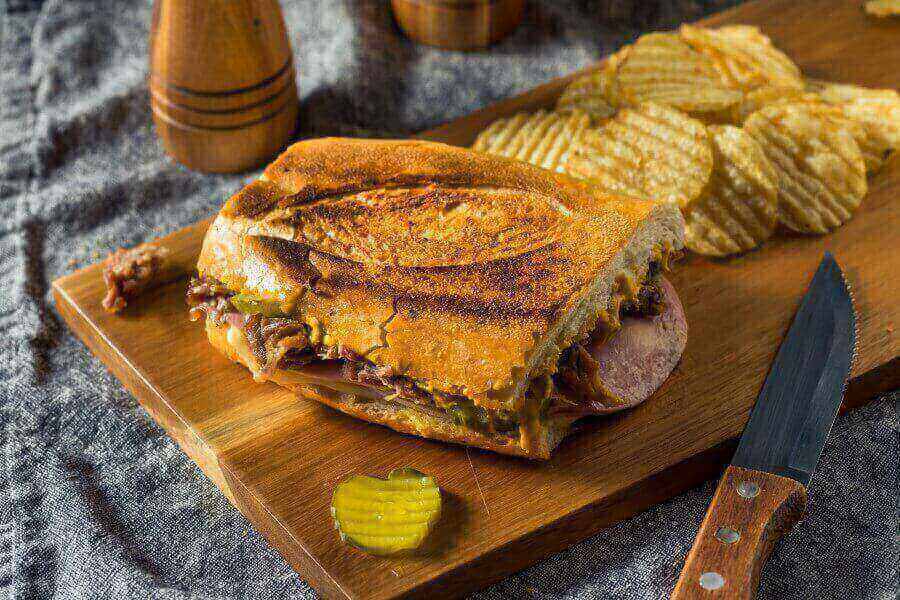
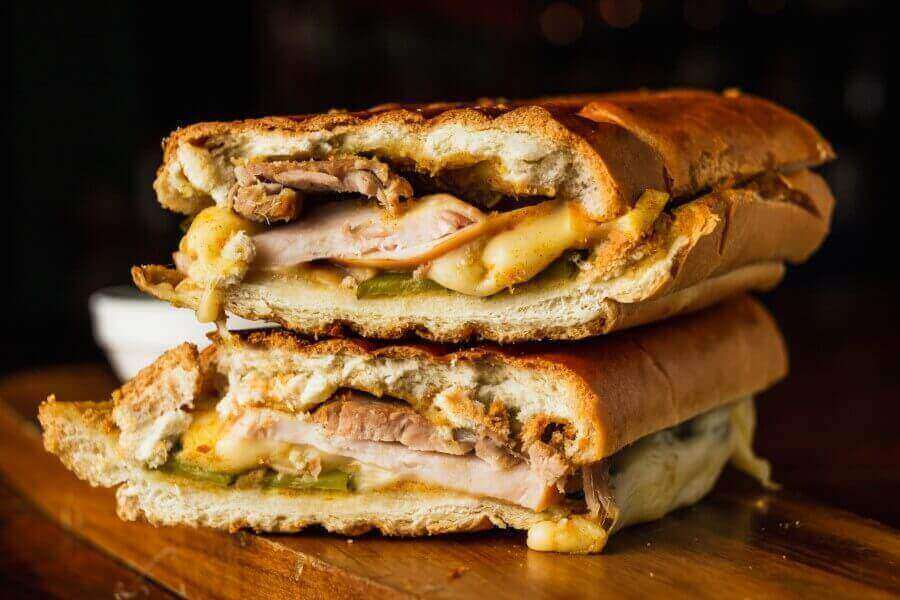
Cuban sandwiches are one of the staples among foods in Floridaand are also popular in Orlando. This is one of the few dishes you would love to have for lunch while exploring the city.
Cuban sandwiches are filled with sweet cheese, ham, roasted pork, pickles, and mustard. Then it is pressed and grilled until the bread is crispy and the cheese is melted. The sandwich goes well with a side of plantain chips or yuca fries. It is a must-try when visiting Orlando.
Key Lime Pie
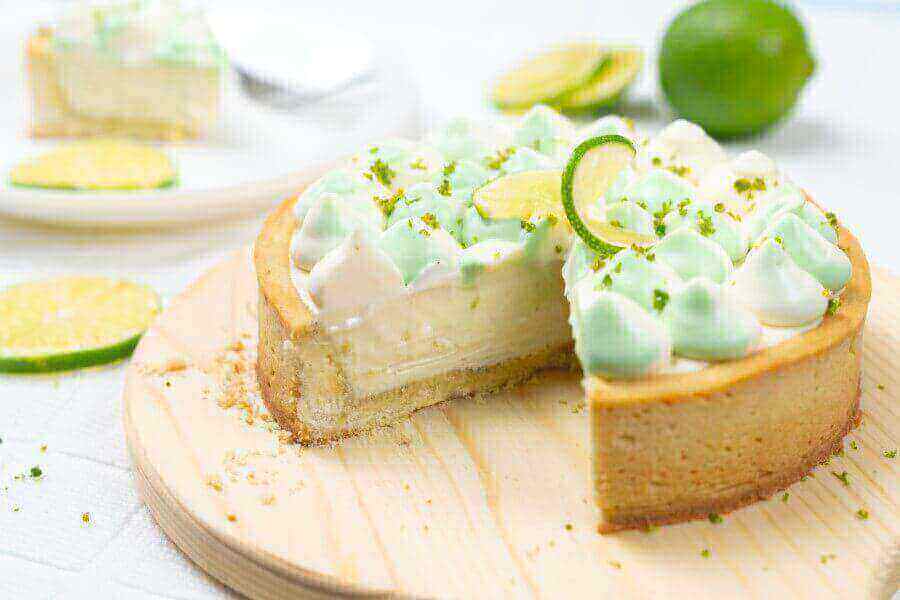
Another Orlando food that stands out is the Key lime pie. This lunch favorite is made with Key lime juice, sweetened condensed milk, and a graham cracker crust.
This sweet, tangy dessert is named after Key limes, which are smaller and tarter than regular limes. It is a popular treat in Orlando and is served in many restaurants and bakeries across the city.
Famous People From Orlando
Wesley Snipes
Perhaps the most famous movie star from Orlando, Wesley Snipes is one of the personalities and things Florida is proud of.
Wesley was born in Orlando but moved to New York with his family. He grew up in New York and attended an art school until he returned to Orlando to finish at Jones High School. After he graduated from Jones High School, Snipes returned to New York and attended the State University of New York.
Wesley Snipes is best known for his stellar roles in Blade, White Men Can’t Jump, Passenger 57, and Demolition Man. He has been nominated for several awards, some of which he won.
Mandy Moore
Mandy Moore is a popular entertainer who has made her mark in both the music and film industries. She started her career in the music industry before progressing to the screens.
Moore was only two months old when she and her family moved to Orlando from New Hampshire. She grew up in Orlando and attended high school in the city.
Mandy gained immediate popularity following the success of her debut single which peaked at 41 on the Billboard Hot 100. Her musical success continued with her platinum-certified debut album.
For her acting role in This Is Us, Mandy received Primetime Emmy Award and Golden Globe Award nominations. She also has a star on the Hollywood Walk of Fame.
Jack Griffo
Jack was one of the most popular Nickelodeon teen actors of this century. Originally born in Orlando, he is best known for his role in the Nickelodeon superhero sitcom The Thundermans.
Jack played the main role of Max Thunderman in the hit show. During the duration of the show, Max received consecutive Kids Choice Award nominations for Favorite Actor and Male TV Star.
He has reprised the role of Max as Nickelodeon Studios has begun production for a feature-length movie based on the show.
Jonathan Jackson
Nashville star, Jonathan Jackson was born and brought up in Orlando. He took to acting after he and his family visited Universal Studios Hollywood. So he started taking acting lessons and soon started acting in commercials.
His role in the soap opera General Hospital brought Jonathan into the limelight and fetched him more notable roles, including Avery Barkley in the series Nashville, for which he received a Critics’ Choice Television Award nomination.
Discovering More Things Orlando Is Famous For
From the fun-filled theme parks to delicious food, there are plenty of reasons why people love living in this vibrant Florida destination. And these are just a small taste of what Orlando is known for.
With its rich cultural heritage, stunning natural beauty, and unique attractions, this city has many different things to offer. You will also find some beautiful Florida beaches, that just pairs well with the best weather for an optimum summer fun experience.
Be sure to grab your sunscreen and put on those comfy walking shoes for an adventure in O-Town.
AMSTERDAM IS KNOWN FOR ITS SCENIC CANALS, Quality museums, vibrant art scene and opulent history
Amsterdam is one of the most popular travel destinations in Europe, receiving around 20 million visitors each year. It’s also the capital of The Netherlands. Often compared to Venice, Amsterdam is famous for the many beautiful canals (over 160) which you can boat in or stroll down.
As such, you can imagine there are many cruise-theme activities you can do in the city. However, there are many more facets to Amsterdam beyond just the waterways.
Amsterdam is famous for its rich art scene, countless museums, and opulent history. The key attractions and landmarks are often connected to famous people who resided in the city during their lifetime, such as Van Gogh and Anne Frank. Amsterdam is also known for being party central, as nightclubs are scattered around the city and several jubilees are celebrated.
Landmarks And Architecture Amsterdam Is Famous For
Van Gogh Museum
The Vincent Van Gogh Museum is one of the most famous places in Amsterdam in terms of the art scene. It houses 200 permanent paintings solely by Van Gogh, in addition to drawings and letters. This ranges from oil paintings to canvas exploring a variety of themes.
In addition to this, the rotating exhibits often feature famous counterparts such as Paul Gauguin and Emile Bernard, who were close friends with the renowned painter. It is one of the key attractions in the Netherlands.
The Rijksmuseum is an arts and history museum with an impressive collection. This is one of the many things the Netherlands is proud of. Found in the 18th century, it remains a national gem and is home to some iconic creations.
Rembrandt, Van Gogh, and Johannes Vermeer are amongst some of the best painters that the museum features. You can spend a whole day here and not get through everything, particularly if you really want to explore in detail.
The first ever piece bought by the museum is The Swan, an elegant oil painting from the Golden Age.
One of the best ways to really cover the highlights with significant insights is through a guided tour. This is definitely a destination that’s worth having that extra knowledge.
Anne Frank House on the Prinsengracht Canal is a museum dedicated to Anne Frank. The young girl was a German Jew who hid for two years during the macabre genocide ordered by Hitler.
This meaningful museum is located in the exact house that Frank was trapped in, which elicits a stark feeling of grief in visitors. It’s one of the most famous places in Amsterdam because, amongst the various exhibits, there’s even the exact diary she wrote in.
But if you want a more complete timeline behind the story of Anne Frank and the Jewish Quarter, make sure to take the popular Anne Frank WWII Walking Tour.
Royal Palace
The Royal Palace of Amsterdam is located on Dam Square. It’s a lavish 17th-century structure that has been used by some of the most significant royals. This includes King Louis Napoleon of France and the Dutch King William.
Whilst the exterior of the palace was originally a pure white color, it has since darkened due to its age. Nevertheless, it’s monumental in size, and the turquoise dome and clock tower remain intact. Inside are bronze chandeliers, white sculptures, and oil paintings.
This is one of the many palaces and castles in the Netherlands that you should check out, particularly if you are keen on medieval history.
The Centraal Station of Amsterdam is a major landmark due to its stunning Gothic and Renaissance Revival architecture characteristic of the time it was built in 1891.
The building is constructed from a distinctive red brick and has a cast iron roof and eye-catching turrets. It’s one of the busiest stations, with both national and international lines to Brussels and Berlin.
The designer Pierre Cuypers is also famed for designing the Rijksmuseum, and many Catholic Churches. It’s so obvious and visually imposing that you cannot miss it.
History, Culture, And Traditions Amsterdam Is Famous For
Golden Age
The Golden Age was a period between 1588 and 1648 that shaped the Netherlands. It constitutes an essential and meaningful portion within the historical facts about Amsterdam. Much of the art, science, and trade that Amsterdam is known for began during this era. As a result, it’s considered the most important part of its history.
‘A Woman Drinking with Two Men’ by Pieter de Hooch and ‘Self-Portrait at the Age of 34’ by Rembrandt are prime examples of prominent artworks from then. They were both painted in the 17th century.
Light Festival
The Amsterdam Light Festival is an open-air celebration of art between November and January every year. Artists compete to create the best sculptures which then illuminate the city along the waters. Keizersgracht Canal is the usual hotspot for these artworks.
The event is themed, which helps to keep the festival dynamic from year to year. As Amsterdam is famous for its art, this aids artists in bringing their distinct talents to the scene.
City Of Canals
Amsterdam is regarded to be the ‘Venice of the North’, because of its stunning canals that take up a quarter of the city. However, they ultimately combine to over 75km, which is substantially more than Venice!
The Brouwersgracht, known as ‘Brewer’s Canal’, is considered particularly captivating. It’s found in the Jordaan district and is peaceful and scenic.
The Grachtenfestival is a music festival held annually and lasting over a week, which is held on the canals. Aspiring young musicians gather to showcase their talent, whereby their performances are watched by thousands.
Koninginnedag
One of the most significant celebrations of Amsterdam is Koninginnedag, known otherwise as ‘The King’s Day’. Depending on the monarch of the city at the time, this can alternatively be Queen’s Day as it was before, honoring Queen Beatrix.
King’s Day is held every year on April 27th, commemorating the birth of King Willem Alexander. People sail joyously on the canals, throw immense carnivals, and wear orange. A noticeable fact about the Netherlands is that orange is the color of the Dutch Royal Family.
As such, you will often see this bright shade of color all over things related to festivities, such as the Dutch pastry – Tompouce during King’s Day. The home kit for the national football team is also in Orange.
Saint Andrew
Saint Andrew was a fisherman who convinced a fellow fisherman Saint Peter to give up their livelihood and follow Jesus, hence making them the first disciples. Ultimately, Saint Andrew was executed on the cross in 60 A.D. on a similar cross to the X symbol.
The current flag of Amsterdam is three Saint Andrew crosses representing valor, resolution, and mercy.
Interestingly, this can often be confused with XXX, as Amsterdam is famous for its explicit nature too, with the red light district and all.
Districts And Areas Amsterdam Is Known For
Centrum
Centrum sits in the center of Amsterdam. It’s a lively neighborhood with loud nightclubs, exciting cafes, and interesting buildings.
Furthermore, Centrum is home to some of the most famous streets in Amsterdam. For example, Nieuwe Hoogstraat is an area renowned for its fashion. There are vintage stores with retro finds and luxury boutiques with unique items of clothing.
If you’re traveling with kids, be sure to explore ‘Ripley’s Believe It Or Not’, a fascinating museum with peculiar displays.
Oost
Oost is a family-friendly destination with lots of greenery. The Oosterpark in particular is a great spot to sit and enjoy the weather by the beautiful pond, or walk around the trees. It’s also the first municipal park in the city!
You can also check out the Tropenmusuem, an ethnographic museum that Amsterdam is famous for thanks to its architecture. Inside you can find a luxurious entrance hall, carved-out walls, and intricate designs. The pieces originate from Europe, Asia, and Africa.
Zuid
Zuid is nicknamed the Museum Quarter for very obvious reasons. It’s home to the Rijksmuseum, which is the largest in the country and features Van Gogh and Rembrandt. Here you can also find the Van Gogh Museum, which has a huge collection of his work. All of these as well as the Stedelijk Museum is a triad of exhibition halls located in the public square – Museumplein.
As Zuid is considered one of the more affluent districts, it has some of the best things to do in Amsterdam. Aside from museums, you can visit the Concertgebouw, a music hall that has hosted some of the most famous operas. Beer lovers will love the interactive tour at the Heineken Experience where you can enjoy a pint as well!
Noord
Noord is a trendy cultural neighborhood with several fun things to do with family and friends.
The biggest flea market in Europe, IJ-Hallen, is found in Noord. Vintage gems like clothes, jewelry, and even furniture are sold at discounted prices, which makes for the perfect souvenir.
Additionally, it’s worth visiting the A’DAM Tower. This 22-story landmark serves as an observation deck with a panoramic view of the surroundings. For the more adventurous, there’s a swing attached to the roof, which offers a thrilling experience.
Jordaan
One of the best attractions that Amsterdam is famous for is the Cheese Museum located in Jordaan. Gouda and Edam are just some of the cheeses invented in the Netherlands. The museum aims to educate on the history of cheesemaking while providing some delectable samples to try!
Similarly, Jordaan is known for its restaurants and food scene. La Oliva is a perfect example of this, which serves Spanish cuisine and wines in the center of the district.
Food Amsterdam Is Known For
Bitterballen
Bitterballen is a popular street food in Amsterdam that’s especially prevalent in pubs and parties. They’re a great side dish but can also be created into a hearty meal when eaten with mash or fries.
Essentially, these are balls of meat covered in a roux and fried. They pair well with mustard, which gives them a fiery taste.
In addition to this, bitterballen are commonly washed down with beer. In Amsterdam, Heineken is usually the drink of choice. Alternatively, the Brouwerij ‘t IJ is a local brewery the locals adore, found inside an old windmill!
Stroopwafel
The stroopwafel is a dessert in the Netherlands that’s consumed worldwide. It’s so popular that you can find them in supermarkets, bakeries, and cafes. Originally, it was invented in the city of Gouda in the north of Holland in the early 18th century.
A stroopwafel is a thin, round cookie patterned with tiny squares on top. It’s chewy and tastes like syrup, which is unique and unlike any other dessert.
Amsterdam culture dictates stroopwafels should be placed over a steaming cup of freshly made coffee, to make them soft and warm. If you have never tried this indulgent Dutch snack, make sure you grab some! They are also great souvenirs to take home.
Gouda Cheese
Gouda is one of the most popular cheeses in the world, accounting for over half of the world’s consumption.
It’s commonly assumed that this magnificent cheese was discovered in the city of Gouda, but shockingly, this is where it was first distributed, along with Edan. The cheese itself was created in many small Dutch villages around the Netherlands as early as the Middle Ages.
It has a sweet yet nutty flavor and a firm texture. This makes it ideal for spreading on crackers or toast.
Raw Herring
You may not believe it, but one of the most famous foods in Amsterdam is raw fish.
And you can find this unique delicacy on every corner as it is a popular street food.
Herring has a strong flavor and so it can be eaten by itself without needing condiments. On the other hand, it can be enjoyed in a bun together with pickles and fried onions, like a hot dog. Vlaggetjesdag, otherwise known as ‘Flag Day’, marks the official season of the herring. It’s a Dutch celebration that takes place every year!
There are plenty of Dutch cuisines and food that you can try while exploring the city. It’s both a tasty and cultural experience.
Famous People From Amsterdam
Johan Cruijff
Amsterdam is famous for birthing Johna Cruijff, who’s considered to be one of the best athletes of all time. He was a footballer and subsequently coach, who had played the sport since his tenth birthday.
His most valuable accomplishment is no doubt winning the Ballon d’Or three times throughout his career.
He also played for the Amsterdam club Ajax and represented the Netherlands. Cruijff had an international career. This included participating and joining Spanish teams like FC Barcelona and Levante.
You can actually get a behind-the-scenes tour of the Johan Cruijff stadium which is named after this legend.
Vincent Van Gogh
Van Gogh was mentioned multiple times, and even has a museum dedicated to his masterpiece; it comes as no surprise that he is one of the most famous Dutch personalities.
Vincent Van Gogh was born in the Netherlands in the 1850s. Throughout his life, he lived in many cities but spent much of his early adulthood in Amsterdam. He adored the museums, especially the Rijksmuseum, and gained inspiration from the painters who resided there at the time.
The painter was renowned for his post-impressionistic style which used bold colors and emphasized shapes. However, he only received this clamor after his death.
Van Gogh dedicated two of his paintings to the city: De Ruijterkade in Amsterdam, and View of Amsterdam from Central Station.
Anne Frank
Anne Frank was a diarist who used an autograph book she was gifted as a way to document her experience in Amsterdam for two years, beginning in 1942. She hid from the Nazis at Prinsengracht 263, a 2-mile canal running through the heart of the city.
Devastatingly, Anne was captured and ultimately died of typhus fever. The house where she and her family hid is now a museum and serves as a piercing reminder of The Holocaust. You can also find her original diary there.
Rutger Hauer
Rutger Hauer was a famous Dutch actor who grew up in Amsterdam. He was proclaimed to be the ‘Best Dutch Actor of the Century’, an award he won in 1999.
Hauer was best known for his roles in ‘Bladerunner’ and ‘The Hitcher’, which were global successes. However, he also starred in many Dutch movies, mainly toward the beginning of his career. His top Dutch movie, ‘Turkish Delight’, won an award at the Netherlands Film Festival and was also nominated at the Academy Awards.
Discovering More Things Amsterdam Is Known For
From the Museumplein to the distinctive and intriguing neighborhoods, Amsterdam is famous for its many attractions that are recognized worldwide. There are plenty of landmarks and activities here that appeal to a variety of interests.
Is this a touristy city? Sure, but it’s certainly not a tourist trap. There is a reason why Amsterdam continues to draw plenty of visitors each year, and it’s well worth a visit at least once.
If you like to avoid insane crowds, plan to visit outside of the peak season instead. In addition, don’t overlook the surrounding countryside. Take the metro out of the city center and you will find a rather different, tranquil scene from the bustling hotspots.
As the most popular city in the Netherlands, street food in Amsterdam is equally as amazing! Of course, Dutch street food can vary from place to place, but there is plenty of delicious Amsterdam street food you can try during your visit to the Netherlands.
Dutch cuisine is relatively diverse and it can be hard to decide what to eat. Here are some of the best street foods in Amsterdam to try!
What’s Special About The Street Food In Amsterdam?
Amsterdam’s street food scene is a mouthwatering charcuterie board of flavors and textures, just waiting to be devoured by hungry travelers. The city is a melting pot of cultures, and its street food reflects that diversity beautifully.
You’ll find a good mix of Dutch traditional classics, Indonesian delights, Turkish treats, and more in the capital. It is almost like a culinary world tour when you dig in. This is, after all, a very popular and international destination. From the piping hot bitterballen to sugary sweet stroopwafels, the options are endless.
Best of all, street food in Amsterdam can also be easier on the wallet, making it perfect for budget-conscious travelers in this rather expensive destination. Regardless, the multicultural Dutch food scene is definitely not one to be missed.
Grab a snack, find a picturesque canal-side spot, and enjoy the mouthwatering magic of this incredible city.
Fast Food In Amsterdam
Bitterballen (Dutch Meatballs)
Bitterballen is a kind of fast food in Amsterdam that you should totally try when you visit the capital! These crispy snacks are popular throughout the entire Netherlands and are often served at parties as well.
Bitterballen is made from finely chopped beef that’s seasoned with various spices. They coat these balls of meat in breadcrumbs, after which they are deep-fried. You can find Bitterballen in pretty much every bar you go to as they are the perfect finger food with some cold beer, so be sure to try it!
Kibbeling (Fried Battered Fish)
Another fast food in Amsterdam is called ‘kibbeling’ and it’s perfect if you love fish! This Dutch street food is made from cod or cod’s cheeks and you can consider it to be a kind of fish version of chicken nuggets.
The cod or cod’s cheeks are made with a type of batter into a smaller, bite-sized piece and then deep-fried. This is a very popular street food in Amsterdam so be sure to try it during your stay in the Netherlands.
Also, be careful when you are served freshly fried kibbeling, because it can be very hot! Take a small bite first before chowing down on a full piece.
Patatje Oorlog (Loaded War Fries)
Patatje oorlog is a kind of fast food in Amsterdam that’s really popular! This Dutch street food consists of patat (Dutch fries/Belgian fries) that are then topped off with a kind of peanut satay-style sauce, chopped onions, and mayonnaise.
The way patatje oorlog is made can differ from place to place as some also make this street food in Amsterdam with mustard, tomato sauce, or even lemon.
The name ‘patatje oorlog’ can be translated into ‘war fries’ or ‘loaded fries’ in plenty of restaurants. This is because of the whopping amount of ingredients and sauces that are added on top of the fries themselves.
Kroket (Dutch Croquette)
There are plenty of convenient yet fulfilling foods in Amsterdam, like the kroket for example. This is a Dutch croquette and it’s very similar to the bitterballen. The filling from the kroket and the bitterballen is the same, but the shape is very different.
A kroket is larger and has a cylindrical shape. It serves as a more filling snack than bitterballen and also tastes amazing on a bun if you’re looking for a quick and delicious lunch! As you take a break from exploring all the attractions in Amsterdam, grab yourself a Kroket and refuel.
Bamischijf
A bamischijf is a kind of fast food in Amsterdam that’s popular throughout the entire Netherlands! This is one of the many snacks and dishes in Dutch cuisine that comes from the Indonesian influence.
This fried snack is filled with the same bami from the dish called Bami Goreng and it tastes amazing! These fried noodles are coated with breadcrumbs, after which they deep-fry in hot oil. Bamischijf is a popular kind of street food in Amsterdam for a night of going out, but they are also eaten as a side dish with fries (or patat).
Dutch Street Food
Hollandse Nieuwe Haring (Dutch Herring)
Another amazing kind of street food in Amsterdam is Hollandse nieuwe haring. This is basically soused herring, but then Dutch. As one of the well loved things in Amsterdam, locals enjoy this pickled food with onions as a snack during the day.
In order to make Hollandse nieuwe haring, raw herring is cooked in spices and apple cider vinegar, which gives the Dutch street food its distinct, sour taste.
GoudaKaas (DutchCheese)
One of the things the Netherlands is best known for is its cheese. That’s why you should try their Gouda kaas (a Dutch kind of cheese) when you visit Amsterdam! The Netherlands is actually the world’s third-largest producer of dairy so their cheese is absolutely delicious!
One of the most popular street foods in Amsterdam is this Gouda kaas. It’s made from cows’ milk and traditionally traded in a small town called Gouda, which is where it got its name. You can eat the Gouda kaas on its own or pair it with some nice red wine for an even better snack!
Patat (Belgian Fries)
Patat is a different version of the French fries you probably know. They are often referred to as Belgian fries, as these fries are a lot thicker than French fries. Patat is quite popular in the Netherlands and is eaten everywhere, not just in Amsterdam.
However, the name for this Dutch street food may vary from place to place. Some people call it patat, although many people also simply refer to it as ‘frieten’ (fries in English). The reason they are also often called Belgian fries or Vlaamse friet is because of their origin in the Northern Belgium region.
You can eat patat with different kinds of toppings and sauces, like mayonnaise, ketchup, or even a type of peanut sauce in a patatje oorlog!
Worstenbroodje (Meat Puffy Pastry)
A worstenbroodje is a street food in Amsterdam that can be found in pretty much every supermarket in the Netherlands! Many people eat it as a snack, but if you’re in a hurry it also serves as a quick, convenient, and delicious lunch.
Worstenbroodje is actually simply a pastry filled with meat on the inside. The pastry itself is a puff pastry combined with spices and eggs. However, this Dutch street food gets its amazing taste from the savory meat on the inside that’s seasoned with all kinds of spices.
Poffertjes
Poffertjes is a kind of sweet street food in Amsterdam that you should really try! Some people call these Dutch snacks ‘mini pancakes’, since they are often made from the same dough as the Dutch specialty pannenkoeken (Dutch pancakes).
Poffertjes are a small and fluffy snack that’s made in a pan that’s designed for poffertjes. This Amsterdam street food is often eaten with some powdered sugar and melted butter on top to improve the flavor even more! However, you can also enjoy this Dutch street food with jam, chocolate, syrup, or even grated cheese!
Dutch Pastry
Pannenkoek (DutchPancake)
You’re probably already familiar with American pancakes, but when you go to the Netherlands, you should definitely try the Dutch version. Dutch pancakes are known as ‘pannenkoeken’ and this is one of the best street foods in Amsterdam you’ll find!
Pannenkoeken is quite different from American pancakes, as they are a lot thinner and bigger. They usually fill up an entire frying pan! Pannenkoeken is not only eaten as a quick snack but is also really popular during lunch or even breakfast in the Netherlands.
You might even be surprised to hear that pannenkoeken is often eaten during dinner time as well. It’s the perfect side dish for pea soup, which is eaten a lot during wintertime in the Netherlands. You can enjoy your pannenkoeken with some powdered sugar or syrup, but it also tastes amazing with bacon, apple, cheese, or spinach.
Stroopwafels (Caramel Syrup Waffles)
One of the most popular Dutch pastries you’ll find as street food in Amsterdam is called stroopwafel. Stroopwafels consist of two really thin waffles made from baked butter that are stuck together thanks to the sticky syrup, the ‘stroop’, in the middle.
Because of this caramel-like syrup in the middle, the two thin waffles have become one big cookie that tastes absolutely amazing! You can find this Dutch street food in pretty much every supermarket in the Netherlands, but it’s also popular at local markets!
Appeltaart (Dutch Apple Pie)
Apple pie is popular all around the world of course, but the Dutch version called ‘appeltaart’ is a street food in Amsterdam that you should also try! It’s made from sliced apples and then covered in a lattice pastry, which makes the pie so sweet.
Appeltaart is often served on birthdays, but it’s popular as a kind of Dutch street food as well on markets for example. This Dutch pastry is also often served in restaurants or cafes as a dessert. Try the appeltaart with some whipped cream or even ice cream if you want to treat yourself!
Oliebollen (Doughnut Balls)
Oliebollen is a kind of snack that’s especially popular in the Netherlands around the holidays. The name of oliebollen translates directly to oil balls in English. The reason the popular Dutch pastry got this name is that the dough is fried in oil.
You can consider the oliebollen to be a kind of doughnut ball as they are made from the same dough. This street food in Amsterdam is especially popular during Christmas and New Year’s.
The people in the Netherlands eat oliebollen topped off with powdered sugar, although they are available with raisins in them as well.
Boterkoek (Dutch Butter Cake)
Boterkoek is another kind of sweet street food in Amsterdam that you should try at least once. This is a cake made from flour, butter, sugar, eggs, and vanilla. Sometimes, they add some lemon zest, almond extract, or almond shavings for extra flavor too.
In order to give the boterkoek its unique look, bakers brush the sticky dough with some beaten eggs and decorate the cake in a criss-cross pattern on top. You should try this street food in Amsterdam paired with some coffee on the side when you visit!
Discovering Must-Try Street Food In Amsterdam
Now that you know more about the different kinds of street food in Amsterdam, you’re all set to take a trip to the Netherlands! Whether you love different pastries or sweet Dutch street food, like the pannenkoeken or poffertjes, or if you want to try fast food in Amsterdam, there are many unique foods to try.
While the Netherlands is famous for tulips and cheese, there’s so much more to it. You’ll be missing out if you overlook the amazing dishes in the local food scene; it encompasses plenty of simple yet delicious Dutch snacks that are great for the road.
There are a lot of things to do in this popular European destination. As you explore the famous attractions in the Netherlands, here are some popular Dutch snacks you should try along the way.
What’s Special About The Snacks In The Netherlands?
One of the biggest attractions of Dutch snacks and treats is the wide variety of options available. Similar to traditional Dutch food and cuisine, you will also find strong Indonesian and Belgian influences within the snacks in the Netherlands.
The large selection of Dutch treats means you will almost certainly find something that you like. So go around and indulge; from fancy Dutch pastries to addictive Dutch biscuits, you might just crown a new personal favorite snack. We certainly did!
Dutch Candy
Drop (Dutch Licorice)
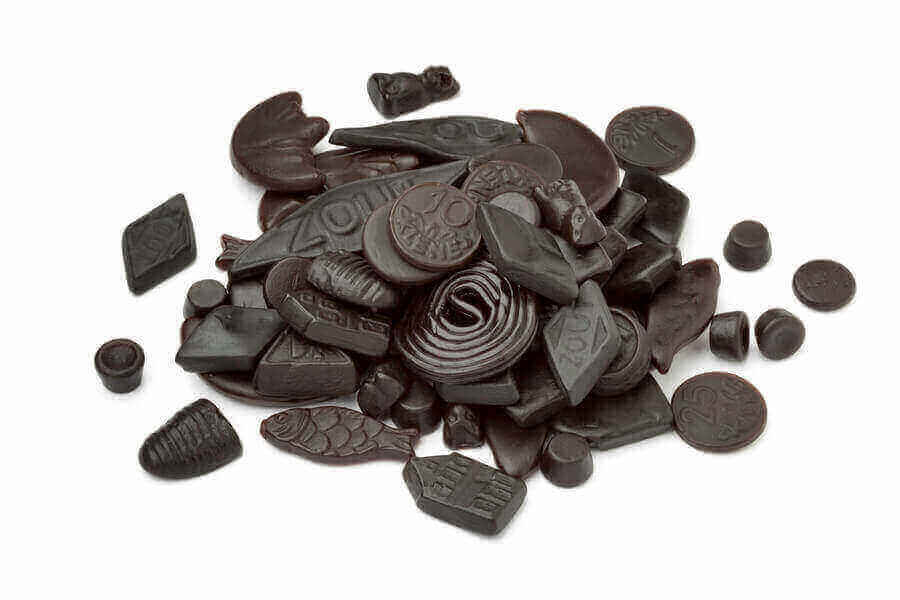
Drop is probably the most popular Dutch candy throughout the entire Netherlands! It’s a kind of licorice and it’s sold in almost every store and supermarket (and even airport) in this country.
You probably know licorice to be sweet, but this Dutch candy is often quite salty. Truth is not everyone gets used to this peculiar taste, and there’s a reason or origin behind it. Drop was actually first used as a remedy for cough in pharmacies, but it has grown to become popular as a regular Dutch snack as well.
There are different shapes, sizes, and flavors of licorice here so many people can find a kind they like. You can get soft drops that are really sweet, but also plenty of hard ones that are salty as well!
This is one of those love it or hate it kinda Dutch candy. Fans find it addictive, while haters absolutely cannot wrap their heads around why anyone would put that in their mouth.
Gevulde Koeken (Almond Cookies)
Another amazing Dutch snack is called gevulde koeken. These are cookies that are made from sweet butter dough and filled with a kind of almond filling. They even put an almond on top to complete the taste and classy visuals of the treat.
These Dutch biscuits are delicious to eat as a snack, but don’t say we didn’t warn you – beware of the calories! Gevulde koeken usually contains 3 spoons of butter and a lot of sugar per cookie. Although it’s not a particularly healthy snack, it certainly is delicious!
To make the Dutch treat even better, they cover the outside of a gevulde koek with egg, making it more crunchy with a glossy look. Grab one in a supermarket, the local gas station, or the kiosk of a train station if you’re craving an indulgent snack.
Stroopwafels (Caramel Syrup Waffles)
Stroopwafels is one of the most popular Dutch treats worldwide and our personal favorite! This was love at first bite and you simply cannot get enough of it. This Dutch snack consists of two thin waffles from baked butter that are glued together with a sticky syrup in the middle, called ‘stroop’.
Thanks to this caramel-like syrup, the waffles become one big cookie that’s absolutely delightful! You’ll find this Dutch candy in almost every supermarket in the Netherlands and even in airports. They make for great souvenirs and it’s often cheaper to get them in Europe than anywhere else, so you might want to stock up!
Speculaas (Spiced Biscuits)
If you love cookies, you should try one of the best Dutch biscuits called speculaas. These are cookies made with various spices giving them their distinct and sharp taste.
Speculaas are usually made with cinnamon, ginger, nutmeg, and cloves. This Dutch treat is especially popular during November and December. Every 5th and 6th of December, the Dutch celebrate St. Nicholas Day by giving each other gifts and eating speculaas.
Dutch Street Food
Hollandse Nieuwe Haring (Dutch Herring)
One of the most popular kinds of Dutch street food is called ‘Hollandse nieuwe haring’. This is a herring that has a sour taste, which is not for everyone. However, many people truly love this Dutch snack!
Hollandse nieuwe haring is cooked with spices and apple cider vinegar – giving it its sour taste. This Dutch street food is then served with onions on top to really finish it off! If you enjoy pickled food as we do, definitely give this a try when you visit the Netherlands.
We like to pair this Dutch snack with crackers and alcohol, ideally along with a charcuterie board.
Kibbeling (Fried Battered Fish)
Kibbeling is a popular kind of Dutch street food and is something you should really try if you love fish! It’s made from cod’s cheeks and they come in a small bite-size, which is why it’s the perfect Dutch snack.
They cover the cod’s cheeks in a kind of batter and deep-fry it, after which you are left with a kind of fish version of chicken nuggets. Be careful when you are eating kibbeling though, as this Dutch food is usually very hot upon serving! And they typically look so appealing that you are tempted to just stuff one in your mouth immediately.
Patat (Belgian Fries)
Patat is the Dutch version of French fries. They are originally from the Northern region of Belgium, which is why they are also often called ‘Belgian fries’ or ‘Vlaamse friet’ in Dutch. These fries are a lot thicker than the small fries you probably know.
Patat is a really popular kind of Dutch street food and is even often consumed for dinner all throughout the Netherlands! Although it’s renowned across the entire country, many people have different names for these delicious fries. A large part of the Netherlands calls this Dutch snack ‘patat’, but many people simply refer to it as ‘frieten’ (fries) as well.
It’s one of the most popular Dutch snacks you’ll find and you can enjoy it with all kinds of sauces, like mayonnaise or ketchup for example.
Patatje Oorlog (Loaded War Fries)
Patatje oorlog is another Dutch street food that’s really popular in the Netherlands. It’s a variation of the regular patat and topped off with a kind of peanut satay-style sauce, chopped onions, and mayonnaise.
Although it’s not widely known as one of the most prominent Netherlands snacks, patatje oorlog is often made differently in various restaurants. There are some who make this with mustard, tomato sauce, and lemon as well.
Patatje oorlog directly translates to ‘war fries’, which are also known as ‘loaded fries’ since it’s topped with a whole bunch of ingredients and sauces.
Dutch Pastry
Pannenkoeken (Dutch Pancakes)
If you want to try a delicious Dutch pastry, you should go for pannenkoeken! This is basically the Dutch version of American pancakes, with quite a few differences. Pannenkoeken is really thin and a lot bigger than your typical pancakes as they usually take up an entire frying pan.
Not only is this Dutch street food often eaten as a snack, but it’s popular as lunch or breakfast in Hollandas well. Some locals even eat this Dutch pastry during dinnertime as a side dish with pea soup in the winter.
Pannenkoeken is usually enjoyed with powdered sugar or syrup, but you can eat it with any toppings you like. This Dutch treat also tastes amazing with apple, cheese, bacon, or spinach!
Tompouce (Puff Pastry With Cream)
Another delicious Dutch pastry is called a tompouce. It was first invented as a variation of the French Napoleon dessert and has become really popular throughout the country.
A tompouce is made from two biscuits from puff pastry, which are filled with a rich kind of cream in the middle. The top biscuit is topped off with a layer of frosting in the color pink, which is how they are usually known.
However, around King’s Day, they change the color of the frosting to orange to honor the prince and his family! You can find this Dutch pastry in pretty much every bakery and supermarket.
Appeltaart (Dutch Apple Pie)
One of the best Dutch treats you will find is the appeltaart. Basically the Dutch version of apple pie, it tastes absolutely amazing! Appeltaart is made from sliced apples with lattice pastry, which forms a perfect combination of flavor and texture!
They often serve this Dutch pastry on birthdays, but it’s so popular that you can find appeltaart in restaurants and cafes. Try your piece of appeltaart with some whipped cream or even ice cream for the ultimate indulgence!
Savory Dutch Snacks
Bitterballen (Dutch Meatballs)
Bitterballen is one of the most popular Dutch snacks you’ll find! They are often served at parties, but you can find this Dutch street food in bars and even restaurants as well if you’re looking for a nice snack in between drinks or meals.
This Dutch treat is made from finely chopped beef, which is seasoned with different spices to give it its flavor. After this, the balls of meat are coated in breadcrumbs and then deep-fried. If you ever go to the Netherlands, be sure to try this Dutch snack!
Kroket (Dutch Croquette)
Another similar yet amazing Dutch street food is the kroket. This is basically a bigger version of the bitterballen, since the fillings in both snacks are the same, only the kroket is bigger.
A kroket is made in a cylindrical shape and is not just good as a snack, but maybe even a light meal. Simply put the kroket between a bun or two slices of bread, slap on some mustard or other sauces, and enjoy a delicious Dutch treat!
Worstenbroodje (Meat Puffy Pastry)
Another one of the popular snacks in the Netherlands is a worstenbroodje. This is a meat puffy pastry and can be found in almost every supermarket in the country!
It is made with a puff pastry together with spices and eggs and then filled with a savory kind of meat that’s also seasoned with spices. You can eat this as a delicious snack, but also as a quick lunch if you’re in a hurry!
Bamischijf
Lastly, you should totally try a Dutch snack called a bamischijf. This street food is one of the many Dutch delicacies inspired by Indonesian cuisine. The filling of a bamischijf is from the same bami as in the dish called ‘Bami Goreng’.
The noodles from the Bami Goreng are coated with breadcrumbs and then deep-fried in hot oil. A bamischijf is perfect if you’re looking for the best snack after a night of clubbing. You can also enjoy them as a side dish with patat.
Discovering Popular Dutch Snacks In The Netherlands
If you want to know more about the culture of this European country, trying the various Dutch snacks is a delicious way to start. Not only will you discover the different influences within Dutch cuisine, but also the gastronomic scene that the Netherlands is famous for.
Reflecting the country’s diverse gastronomic scene, Indonesian breakfast offers its fair share of exotic food options. If you have never experienced breakfast in Indonesia, it’s time to explore the magical flavors and delicious food the country has to offer.
Locals usually have heavy meals consisting of boiled, steamed, or fried rice – with abundant side dishes like meat, veggies, and lentils. This is because people have historically been involved in laborious work that requires plenty of energy. Here, you can eat anything at any time of the day – even breakfast!
What Is Special About Indonesian Breakfast?
There’s a visible influence of Western cuisine on Indonesian food, but traditional Indonesian breakfast is all about local food and flavors.
The Indonesian breakfast menu is a collection of all kinds of foods, even the ones you can never imagine eating for breakfast. For instance, Nasi Goreng is one of the most admired fried rice dishes, which natives love for breakfast.
In Indonesia, breakfast is considered the most important meal of the day because locals want something fulfilling to jumpstart their mornings. A heavy meal allows Indonesians to stay full and energetic for longer.
Here are some of the most popular Indonesian breakfasts to learn about the fantastic options available.
Most Popular Indonesian Breakfast
Nasi Goreng (Fried Rice)
Nasi goreng is one of the delicious Indonesian dishes influenced by Chinese culture. The Chinese used to fry the leftover rice instead of wasting it. Indonesian people adopted this culture and created their version of fried rice.
Although the dish is considered the national dish of Indonesia, it’s also quite famous in Singapore and Malaysia. You can easily find this in almost every corner of the country.
Nasi goreng is often served with a fried egg on top of the rice. It offers an earthly and smoky flavor of added caramelized soy sauce and shrimp paste. It’s already spicier than the original Chinese fried rice, but you can add even more chili to turn on the heat which locals love.
Indonesian Breakfasts – Porridge And Stew
Papeda (Sago Porridge)
Papeda is a traditional Indonesian breakfast made from sago and is considered a staple in the Eastern regions of Indonesia. It is most popular in Maluku and Papua.
The flour used in papeda is extracted from the trunks of sago trees. The extracted flour is mixed with sugar, salt, and water, creating a thick and sticky texture, whose appearance is similar to a pudding or porridge.
This Indonesian breakfast is mostly served with fish and mackerel broth, cork fish, and tuna fish or boiled yams. The fish is seasoned with lime and turmeric, which makes the broth slightly sour and yellowish.
Tinutuan (Rice Porridge)
Tinutuan is a rice porridge originating from North Sulawesi. It’s a nutritious porridge offering a hot spicy taste. This Indonesian breakfast is a treat for people who want to start their day with a spicy meal.
It includes a variety of veggies including spinach, pumpkin, cassava, corn, and more. People also add meat to it on special occasions.
You can easily find this traditional Indonesian breakfast in morning stalls. It’s served in a bowl accompanied by salted fish. Some locals also top it with fried shallots, tofu, and onion.
Bubur Ketan Hitam (Black Glutinous Rice Porridge)
Babur Ketan Hitam, also known as ‘bubur pulut hitam’ or ‘bubur injun’ is a common food item on the Indonesian breakfast menu. It’s a sweet pudding that offers a chewy texture and a delightful nutty flavor. Many people also have it as dessert in indonesia.
This aromatic treat is made from black glutinous rice. The rice is boiled until soft and coconut milk and palm sugar are added. Pandan leaves are an additional ingredient to make them aromatic.
This delicious Indonesian breakfast is perfect for a light morning meal. It’s usually served with bread and mung beans on the side. Some restaurants also top it with fried banana slices and cinnamon for added taste and texture.
Babur Ayam (Chicken Congee)
Babur ayam is a traditional Indonesian breakfast dish with a thick and plain texture. It’s an Indonesian-style chicken-rice congee made with shredded chicken meat. Many locals see it as their primary choice for breakfast.
The dish has several variants, each offering different flavors. This congee is not very spicy like other Indonesian foods. Therefore it typically comes with sambal and chili paste for diners who want to make it more flavorful.
You can find this Indonesian breakfast in every nook and cranny of the country. It’s topped with yellow chicken broth and drizzled with salty and sweet soy sauce. Some restaurants also serve it with condiments such as chopped scallion, crispy fried shallot, celery, fried soybean, and more.
Gudeg (Jackfruit Sweet Stew)
Gudeg is an iconic and sweet Indonesian breakfast item from the Javanese region. The dish is famous for the name “green jackfruit sweet stew,” because the main ingredient is young, unripe jackfruit.
This Indonesian breakfast item is made with jackfruit cooked with palm sugar, coconut milk, hard-boiled egg, and meat. Then some local spices and herbs are mixed with it. The reddish-brown color of gudeg comes from the teak leaves.
Gudeg has a dominant sweet taste with a slight spiciness. This sweet Indonesian breakfast is served with rice and thick coconut milk, egg, chicken, and tofu.
Traditional Indonesian Breakfast – Rice Dishes
Nasi Kuning (Yellow Rice)
It’s another scrumptious rice-based breakfast in Indonesia. This unique dish originated from the Java region of the country but is also found in Bali, Manado, and Banjar. In Java, this yellow rice is served in a cone called tumpeng and eaten at special events.
The dish also holds religious significance in Indonesia. The rice is given a yellow color as it symbolizes wealth, dignity, and gratitude. Therefore it’s served at traditional celebrations and ceremonies.
You can also track down this aromatic rice dish in the Indonesian breakfast menu of various local restaurants. It consists of coconut milk and turmeric.
Some people also add pandan and lemongrass during the cooking. This rice feels soft and is served with a variety of side dishes including sambal goreng, shredded omelet, and more.
Nasi Campur (Rice With Side Dishes)
Nasi campur is a delectable addition to the Indonesian breakfast spread. It’s also known as nasi rames among the locals. This is a staple meal in various Asian countries including Malaysia, Singapore, and Thailand.
It’s a rice-based dish accompanied by meat, vegetables, peanuts, eggs, and fried shrimp krupuk. Eating nasi campur is like enjoying a buffet on a single plate. The side dishes can be varied depending on the region. It tastes like curry and gives the traditional flavor of Indonesian spices.
Indonesian Breakfast Food – Sweet And Savoury Cakes
Jajan Pasar (Assorted Cakes)
Jajan Pasar is a traditional Indonesian breakfast, which offers a variety of snacks on a single plate. It includes kue such as temper, bika ambon, kue getuk, and many other traditional Indonesian snacks. All these snacks are collectively known as jajan pasar and have a savory or sweet taste.
You can also find a variety of snacks in jajan pasar which are influenced by different cultures. For instance, ‘kue putu’ is an Indian Puttu. These assorted cakes can be enjoyed with smooth Indonesian coffee.
The famous treat is served beautifully in a tampah or bamboo winnowing. The breakfast is enjoyed drizzled with sweet palm sugar. You can find it in the local food street markets in Indonesia.
Lontong Sayur (Rice Cake With Vegetable Stew)
Lontong Sayur is a compressed rice cake dish that is widely popular across Indonesia. It offers a taste specific to every area. Therefore, you can find varying recipes in different regions of the country.
This creamy Indonesian breakfast is made with papaya, soy-braised tofu, and hard-boiled eggs. The white rice cakes are cooked with vegetables and velvety coconut milk. It’s usually enjoyed with shredded chayote, sambal, krupuk, tofu, tempeh, and creamy coconut milk curry.
Lontong sayur is a versatile dish that can be enjoyed as a breakfast, main dish, and even as a snack. This savory Indonesian breakfast is tasty enough to make your morning delightful.
Chai Tow Kway (Fried Radish Cake)
Chai tow kway is a famous Chinese dish originating from Chasoshan, China. This traditional Chinese dish also becomes a popular item on the Indonesian breakfast menu. It tastes fantastic and flavourful enough to make your day special.
Chai tow kway is a radish cake, made of shredded daikon, rice flour, and water. It can be steamed or pan-fried and garnished with scallions. The ‘cake’ is then cut into cubes and stir-fried with eggs and seasonings.
In Indonesia, you can find two versions of chai tow kway: white and dark. The white version is salty and lighter in taste. The darker version tastes sweeter from the added sweet soy sauce.
Kupat Tahu (Rice Cake And Tofu)
Kupat Tahu is a traditional breakfast in Indonesia, consisting of the largely popular Indonesian rice cake and tofu in peanut sauce. The dish offers a perfect balance of sweet and spicy flavors. It also has a slightly sour finishing taste.
The main ingredients of this Indonesian dish include rice cake, tofu, bean sprouts, peanuts, brown sugar, and sweet soy sauce. The tofu and peanuts are fried until golden brown, giving an earthy base.
This delicious Indonesian breakfast is further topped with peanut sauce for an immense fragrance. The sauce is made of garlic, chili, and pepper and has a nutty flavor. Some people also like to eat kupat tahu with sweet soy sauce.
Indonesian Breakfast Soup
Soto (Soup)
Soto is the go-to for a soupy breakfast in Indonesia. It’s made from shredded chicken or meat, noodles, fried garlic, and eggs. Soto has a warm effect that gives a soothing effect on cold winter days.
The Indian spice turmeric is used in Soto to give it a yellow base and fried garlic is added to enhance the flavors. The ingredients make it a kind of mixture of Indian and Chinese cuisine.
There are at least 75 different versions of soto which you can find in different regions. These different versions of this Indonesian breakfast are prepared with almost 48 varieties of spices.
Soto can be served along with lontong and rice. Sometimes, lime juice, sweet soya sauce, and sambal are also served to give it a variety of flavors.
Indonesian Breakfast Bread
Roti Canai (Indonesian Flatbread)
Roti canai is an Indonesian flatbread widely eaten in several other countries of Southeast Asia. The dish is believed to have Indian origins and was brought by Indian laborers to the country. It’s the most satisfying food item in Indonesian cuisine for the morning munch.
This traditional Indonesian breakfast item is made of flour, water, eggs, and Indian clarified butter. The dough is given a multi-layered texture by folding it multiple times. It’s soft on the inside and crispy on the outside.
This crispy Indonesian breakfast is, in our opinion, best served with mutton curry. However, you can also enjoy it with a variety of other curries. Some restaurants will also have vegetable curry so vegetarians can enjoy it as well!
Indonesian Breakfast Salad
Gado-Gado (Indonesian Salad)
Gado-Gado is an Indonesian version of mixed salad mostly enjoyed at breakfast. It consists of a variety of vegetables accompanied by egg, tempeh, and tofu. The vegetables are raw, slightly boiled, and steamed.
All the ingredients are tossed with a delicious peanut sauce. The sauce is made with peanuts or cashews and gives the salad a nutty taste that locals enjoy. Finally, crispy prawn crackers are added to the side of this salad.
This savory traditional Indonesian breakfast is a true representative of Indonesian cuisine. It’s sweet and spicy at the same time. You can quite easily find this dish at street food markets throughout the country.
Discovering Delicious Indonesian Breakfast
Indonesian cuisine is all about diversity. Similarly, you will find that different regions have different popular Indonesian breakfasts that they prefer.
Although busy people now go for an instant breakfast menu, many still love traditional food and prefer it over Western cuisine. Indonesians love their national gado-gado salad and other stir-fried rice dishes.
You’ll also find a lot of breakfast meals with steamed rice. These Indonesian breakfast rice dishes are served with other condiments and side dishes such as rice, different kinds of meat, egg, or fish. Try out these dishes yourself and discover what makes Indonesian food unique!
Canada is one of the biggest countries in the world and is made up of a mix of many different cultures. Throughout its 150+ years as a nation, they have concocted some pretty spectacular Canadian desserts. These great Canadian sweets and treats have origins all over, but they were fine-tuned to perfection on Canadian soil.
Here are some of the best desserts you should try when visiting – the Canadian cakes, pastries, and sweets will leave both you and your sweet tooth incredibly satisfied.
What Makes Canadian Desserts So Special?
Canadian desserts have origins that stem from all over the world reflecting the diversity that Canada is known for. No matter what type of sweet treat you are craving, you will be able to find that cuisine in Canada.
Many of the old-timey desserts on our list were created in Canada’s early days and these recipes have now been passed down for generations. They are comfort food but with a taste of Canadian heritage and a deep flavourful richness to them.
Some of the desserts really hit the spot in Canada’s freezing cold winters; nothing makes you feel warmer than a freshly baked piece of maple syrup pie straight out of the oven.
Most Famous Canadian Desserts
Nanaimo Bars (Chocolate & Coconut Dessert Bar)
Originating in Nanaimo, British Columbia, this Canadian dessert is known across the country as a national treasure. You can find them coast to coast and they are easily recognized from their visuals. They are a bar of distinct dark chocolate with a streak of bright yellow custard throughout.
Mixed with the perfect amount of shredded coconut, graham crackers, and cream, these chocolaty bars actually melt in your mouth. Nanaimo bars will have you appreciating Canada’s impeccable choices when it comes to dessert.
Nanaimo Balls (Chocolate & Coconut Dessert Ball)
This new twist on the old classic is worth a mention because it’s an amazing variation/upgrade on Nanaimo bars. To make these no-bake bite-sized balls, you combine the same ingredients as the Nanaimo bars but instead of the baking fuss, you can just pop them in the refrigerator for 30 min.
Nanaimo balls can be made in a fraction of the time but have the same great taste as the originals. Try one, or both for yourself so you can experience the top wonders of the Canadian dessert scene. We bet you won’t be able to decide which one you love more either!
Tastiest Canadian Cakes
Pouding chômeur (Cake Baked With Caramel or Maple Syrup)
This Canadian cake, pouding chômeur, actually translates to “unemployed man’s pudding” or “poor man’s pudding”. It was created during the Great Depression in Quebec, Canada by female factory workers. However, don’t let the name fool you, this is a cake made for kings.
Pouding chômeur is made with a simple cake batter doused with hot caramel and then baked. The caramel soaks through the cake to the bottom of the pan and results in an incredibly delicious upside-down cake. The new-age versions of this cake often use maple syrup instead of caramel sauces.
Jo Louis Cake (Dark Chocolate Cake With Marshmallow Cream Center)
Ahh, the fine cuisine of baking that tastes like convenience store snacks. If you love your little Debbie Bars or the Hostess Ding Dongs, you will love the Canadian dessert classic, the Jo Louis Cake.
This is a dark, moist, rich chocolate cake that has a soft, perfect layer of marshmallow cream throughout the middle. If that didn’t have you drooling, it is then covered with chocolate ganache icing for the most perfect bite of a cake, ever.
These delicious squares are similar to Rice Krispie squares, only better! They are made by combining puffed wheat cereal, marshmallows, butter, and molasses together and melting it down so everything is covered. They are then left in a pan to set and served up once they have cooled.
Puffed Wheat squares are a favorite among Canadians and you will see them served as dessert in many cafes and supermarkets. Their gooey yet crunchy texture and the perfect blend of flavors will have you going back for seconds.
Another one of the desserts in Canada that you will see all over the place is the colorful delight called confetti squares. These no-bake squares taste as if you could capture the taste of your childhood.
Peanut butter and butterscotch chocolate chips are melted and mixed with those tiny delicious rainbow marshmallows. Once the mixture is stirred together, it is cooled in a pan in the fridge. This Canadian dessert is so simple yet so satisfying. It’s always a hit!
The east coast of Canada sure knows how to make a dessert! The Newfoundland snowball is a Christmas tradition from Newfoundland. It is a small, round, coconut-covered chocolate ball that will make your mouth come alive with the perfect blend of flavors.
If those ingredients weren’t enough for you, it’s also packed with evaporated milk, cocoa powder, and rolled oats and the texture of the ball is a decadent chocolate fudge.
Sucre à la Crème (Fudge)
Another Canadian sweet that is made with the most basic ingredients but is one of the utmost indulgences for Canadians is sucre à la crème. This is a fudge that was first made in the province of Quebec and the name directly translates to “sugar with cream”.
We’re not sure if the cream the Canadian cows are making is special or what but this fudge is so decadent. The cream is perfectly melted with white sugar, brown sugar, and butter and that’s it. Who would have ever thought that those four ingredients were all you needed to make one of the best Canadian desserts?
It is traditionally found around Christmas but many shops and sweet stores stock it year-round because it would be pure torture to only get it once a year.
Butter Crunch (Toffee With Walnuts & Chocolate)
Butter Crunch is a Canadian dessert classic. This rich butter toffee is infused with maple syrup, and chopped walnuts and smothered in creamy milk chocolate. It is then sprinkled with more delicious walnuts to give it some extra crunch.
Like many of the sweet treats in Canada, you will be blown away as to how you ever lived without this simple delicacy.
Canadian Desserts Hall Of Fame
Maple Syrup Everything
Along with the regular fudge, you will find another hot-selling fudge of the north- maple fudge. And then you’ll probably come across maple cupcakes, maple cookies, maple donuts, maple syrup bars… you get the picture.
The abundance of maple syrup, one of Canada’s best natural resources really elevates the dessert game. Maple syrup is used in cooking, baking and even pouring it right on the cold snow for a treat. This is probably the most iconic out of all the famous things in Canada.
No matter the form you have it in, you will love the flavor and also how Canadian it makes you feel.
We are surprised that this flavor is not very popular outside of Canada but feel it is our duty to let you know, it is a real gem. You need to try it at least once!
Many people don’t like the taste of black licorice at all but when it’s made in ice cream, it just hits differently. Tiger tail is mixed with an orange flavor ice cream with ribbons of black licorice throughout and it honestly is the perfect combo.
Canadian Desserts – Best Pies
Flapper Pie
Flapper pie is a Canadian dessert that was invented on the prairies – specifically in Manitoba. This pie is a silky, decadent delight of creamy custard topped with meringue on a graham crumb crust. This tasty pie is very specific to Canada so if you see it, you need to take advantage of this once-in-a-lifetime opportunity to try it.
Tarte Au Sucre (Sugar Filling Pie)
Thankfully, back when the French were coming over to Canada, they brought this delicious pie recipe. Tarte Au Sucre means “sugar pie” and is basically like crème brûlée in pie form.
It is a delicious blend of cream, sugar, butter, flour, eggs, and vanilla and the filling consists of evaporated milk and sugar. Another simple, yet genius Canadian dessert from our French Canadian friends who can do no wrong.
Maple Syrup Pie (Maple Syrup Filling Pie)
Yes, we know we mentioned maple syrup already; but the maple syrup pie is so iconic in Canadian culture that it deserves a special honorable mention. Often seen as a fixture on many holiday tables, the maple syrup pie is a treat that just feels like Christmas.
It is best served warm with whipped cream and garnished with some walnuts or pecans and is truly a slice of Canadian dessert heaven. If you are visiting during the holiday season, you will almost definitely see it without even hunting for it.
Saskatoon Berry Pie (Saskatoon Berry Pie)
The capital city of Saskatchewan, Saskatoon, got its name because of how good this pie is. Just kidding! Canada has plenty of interesting and peculiar facts but this is NOT one of them. However, the city did get its name because the purple Saskatoon berry is abundant in the area.
This delicious, sweet, and fruity berry has been filling pies since settlers first discovered them. They are similar to blueberries only sweeter and the pie is made with a flaky golden crust that typically encloses and cooks the berries perfectly.
The Saskatoon berry pie needs a finishing touch of one scoop of vanilla ice cream to become the perfect dessert. Be careful, because you probably want to go for seconds (or even thirds) after trying it.
Canadian Pastries
Sweet Bannock (Fried Sweet Dough)
Sweet bannock is a food that has origins in Scotland but the Indigenous people in Canada brought it into their way of life, particularly the Métis people. It is made from a simple dough mixture consisting of flour, baking powder, salt, and milk and sweetened with either sugar or honey. Bannock is cooked over a fire or in a skillet and served fresh with butter, jam, or syrup toppings.
If you see sweet bannock or any other Indigenous items during your Canadian travels, we recommend trying it! You couldn’t get any more authentic Canadian desserts or cuisine than from the first people of the land.
Montreal-Style Bagels
While some may say this is more a breakfast food, Canadians do not like to put limitations on themselves like that. Montreal-style bagels can be eaten anytime, anywhere and that’s the bottom line.
Montreal-style is smaller bagels than the New York-style variant and they are also known for being sweeter and denser. The bagels are poached in honey and water before they’re baked in a wood-fired oven, giving them a sweet flavor all around.
Blueberry Grunt (Sweetened Blueberries With Dough Mixture)
Another old-timey Canadian dessert meal made by the Canadian pioneers is a blueberry grunt. The blueberry grunt was created when British colonial settlers were trying to recreate British pudding using the ingredients they could find. While it didn’t come out tasting like British pudding, what they made was pretty good, and so the blueberry grunt was born.
Mostly found on Canada’s east coast, the blueberry grunt is a cobbler-like dish made by warming a blueberry mixture with dough. The dough is usually just dropped into the hot blueberry mixture until it is cooked through. Once it’s done, the dough and blueberries are scooped into a bowl and served with whipped cream or ice cream.
BeaverTails (Fried Dough Pastry)
BeaverTails are one of the most famous sweets in Canada and you can find them coast to coast. However, the name can be tricky as in some places they call it an elephant ear! Just look for the fried dough with an animal name that looks delicious.
BeaverTails are commonly found at outdoor festivals, events, and food trucks. They are deep-fried golden brown dough pieces that are made to look like a beaver tail or elephant ear. They are served with Nutella, fruit, and cream, or sugar and cinnamon, and believe us – all of the topping combos are winners!
ButterTarts (Tart Pastry)
If you have never tried a butter tart, prepare to have your mind and taste buds blown away. These small but savory tarts are sure to make it on your list of top desserts in Canada. Good thing these are small because you will probably eat half a dozen.
You can find these at many restaurants and grocery stores. They are perfect little tarts with a light golden crust that is filled with a decadent mixture of butter, sugar, eggs, and vanilla. The crust and filling perfectly complement each other, leaving you with a dessert that is almost too good to be true.
Discovering The Best Canadian Desserts
Enjoying all of the best Canadian desserts, sweets, and cakes while traveling the country is a fun way to make memories. There is an abundance of places to try out everything sweet that Canada has to offer. Whether it’s eating your first BeaverTail, downing a blueberry grunt, or forming what will be a life-long addiction to maple syrup.
Canada won’t let you down when it comes to two things – its stunning scenery and the sweet dessert treats of the north. You will love exploring this great country’s beautiful landscape and bustling cities.
Getting to try the vast array of desserts and treats as you make your way around the renowned Canadian attractions is just the icing on the cake. (Pun intended!)
Guatemala is a culturally and historically rich country, and its food is no exception! Traditional Guatemalan food combines Spanish, Mayan, and other indigenous influences to create a distinct and flavorful culinary experience.
Whether you enjoy cooking or are simply interested in trying new cuisines, here are some of the best traditional Guatemalan foods you should try during your visit. Each dish, from hearty stews to sweet desserts, is a delectable representation of Guatemala’s famous heritage and diverse culinary scene.
What’s Special About Guatemala Food
Guatemalan cuisine is frequently distinguished by its bold flavors and use of traditional ingredients such as corn, beans, and chilies. It is also known for its rich history, cultural significance, and traditional cooking methods, such as roasting and grinding spices by hand.
Furthermore, typical Guatemalan food uses fresh and locally sourced ingredients such as fruits and vegetables, herbs, and spices. For example, avocado, tomato, and cilantro are common ingredients in Guatemalan dishes, as are aromatic herbs such as oregano, thyme, and cumin.
Traditional cooking techniques such as pit roasting and slow simmering are also used to enhance the food’s flavors and contribute to the uniqueness of Guatemalan food traditions.
Most Famous Food In Guatemala
Tamale (Cornmeal Cake)
Tamale is a traditional Guatemalan food of steamed corn dough typically stuffed with meat, vegetables, and spices. It is steamed until cooked after being wrapped in a banana leaf, which gives it a distinct flavor.
Tamale-making is frequently a group activity. Families and communities band together to prepare large batches for special occasions like Christmas or weddings. It’s commonly served with salsa or a tomato-based sauce, and it’s also popular street food. The root of this delectable dish can be traced all the way back to ancient Maya civilization.
Widely considered one of Guatemala’s national dishes, Tamales is one food you have to try. Its distinct flavor and texture combinations will leave you wanting more. The experience of unwrapping the banana leaf to reveal the steaming hot tamale inside is truly unique.
Guatemalan Food – Main Dishes
Enchilada (Tortillas With Meat Filling)
The Guatemalan Enchilada is a famous culinary masterpiece that beautifully blends the rich cultural heritage of the Mayan and Spanish influences. Its origin goes back to the pre-Columbian era.
Enchilada is a delectable dish made of corn tortillas stuffed with a succulent meat filling and topped with a vibrant tomato-based sauce. The meat filling is usually made with ground beef.
Still, it can also be made with chicken or pork, seasoned with cumin, chili powder, and garlic.
The sauce combines tomatoes, onions, and peppers, giving the dish flavor and color. This hearty and flavorful dish is a popular food in Guatemala and will satisfy your cravings for bold, authentic flavors.
Fiambre (Cold Meat Salad)
Fiambre is a cold salad dish from Guatemala with various ingredients such as vegetables, meats, fruits, cheeses, and pickled relishes like olives, all topped with a savory dressing.
It is easily customizable and can be super colorful as well depending on what you put in it. Regardless, Fiambre will give you a filling and flavorful taste of the country’s culinary traditions.
Make sure you sample this one-of-a-kind and delectable dish that pays homage to Guatemala’s vibrant cultural heritage and community spirit. It is traditionally prepared and served on November 1st during the Day of the Dead festival.
Guatemalan Food – Light Dishes, Snacks, And Street Food
Chuchitos (Corn Dough)
Chuchitos are a popular street food in Guatemala that you should not miss. These small stuffed corn dough pockets originated from the Mayan culture in pre-Columbian times. They are made with corn masa dough and a filling of chicken, beef, or pork and are frequently topped with spicy tomato salsa.
Chuchitos provide a delectable and savory taste of Guatemala’s rich culinary heritage. They’re ideal for a quick bite on the go. If you enjoy street food and want to try something new, look out for Chuchitos as you are roaming around Guatemala.
Pacaya (Palm Flower Fritters)
This is a delicious Guatemalan dish that gives tourists a taste of the country’s vibrancy. It’s packed with flavor and texture because they’re actually made from the edible blossoms of the Pacaya palm tree!
The delicate flowers are battered and fried until crispy, creating a savory and satisfying treat that will tempt your taste buds.
Pacaya is one of the many Guatemalan snacks with a unique taste. These fritters are believed to have been around since the Mayan civilization. They are not just part of Guatemalan cuisine, but a treat loved by many Central Americans.
Paches (Potato Tamales)
Paches, also known as ‘potato tamales’, is a traditional Guatemalan food you should eat during your visit. These are made with mashed potatoes and corn flour, stuffed with chicken or pork, vegetables, and spices, wrapped in a banana leaf, and steamed until tender.
The combination of the soft and creamy texture of the potatoes with the savory and flavorful meat filling distinguishes Paches. This traditional dish is a popular Guatemalan breakfast, typically served with a spicy tomato sauce. It hails from Alta Verapaz, and has a satisfying taste that will leave you with a unique culinary memory.
Bunuelos (Honey Fritters)
Bunuelos (or honey fritters) are a popular dessert throughout Latin America, including Guatemala. For a delectable flavor balance, these fried dough balls are coated in sweet honey syrup and dusted with cinnamon sugar.
The fritters have an airy texture, making them deceptively light when you are popping them into your mouth unconsciously. However, they can actually be rather filling since it’s essentially dough.
Bunuelos represent a fusion of Spanish and indigenous cultures and are a popular treat. The sweetness of the honey combined with the comforting spices creates a delicious and one-of-a-kind taste experience you would love to try over and over again.
It’s believed that Bunuelos originated in Spain and were widely spread to become a staple among Latin American countries. Many European countries have similar versions of this dessert snack.
Shucos (Hot Dogs)
Shucos (or Guatemalan hot dogs) originated in the city of Quetzaltenango. These hearty and flavorful hot dogs are a popular Guatemalan street food. The hot dog is grilled, then served on a toasted bun with various condiments such as avocado, cabbage, onions, salsa, and mayo.
Every bite is a mouthwatering experience, thanks to the delicious combination of flavors and textures. Shucos is an excellent choice for a quick snack or a filling meal. They are part of the convenient yet tasty Guatemalan food that is loved by both locals and tourists alike.
Guatemalan Food – Drink
Atol De Elote (Sweet Corn Drink)
Atol de Elote is a sweet corn drink popular in many Latin American countries, including Guatemala. It has a unique and refreshing flavor that will delight your taste buds because it’s made from fresh corn, milk, cinnamon, and sugar. If you visit Guatemala, Atol de Elote is a must-try drink.
It’s not only a tasty and refreshing drink, but it’s also an important part of the country’s culinary heritage. It’s great with traditional Guatemalan food while exploring the vibrant markets and bustling streets.
Horchata (Orxata)
Horchata is a popular drink among Latin Americans, but it has made an impression on Guatemalans. It’s made by combining nuts or grains with water, such as rice, almonds, or tiger nuts, and sweetening the mixture with sugar or honey. The drink is creamy and sweet, with hints of cinnamon and vanilla, and is ideal for hot days.
You can have this great drink on its own or with various foods. This centuries-old drink is traced to North Africa, and it’s believed to have spread to the Iberian Peninsula during the Muslim rule of Spain. Sip a glass of horchata at a local cafe and enjoy its distinct flavor.
Chicha (Corn Beer)
Chicha is a traditional Guatemalan beverage made from fermented maize. Locals have enjoyed this refreshing and slightly sweet beverage for centuries. Corn beer not only offers a one-of-a-kind cultural experience, but it also has a delicious taste that will leave you wanting more.
Chicha is widely available in markets and street stalls throughout Guatemala. Each vendor puts their spin on the recipe, allowing you to sample this drink’s wide range of flavors.
The origin of this iconic beverage is traced back to pre-Columbian times, and it was an important part of the culture of many indigenous communities in the Andean region.
Guatemalan Food – Soups
Sopa De Frijol (Black Bean Soup)
Sopa de Frijol (also known as black bean soup) is a staple dish in Guatemalan cuisine due to its affordability and ability to just fill you up. . This savory soup is made with black beans, onion, garlic, and other spices that give it a distinct and tasty flavor.
It’s typically served with rice, tortillas, and a dollop of sour cream or grated cheese on top. Sopa de Frijol is a filling and satisfying meal. It represents traditional Guatemalan food that has been passed down through generations. The origins of this soup can be traced back to the indigenous communities of Mesoamerica.
Pepian (Spiced Chicken Stew)
This flavorful spiced chicken stew is a famous food in Guatemala with its strong taste. It is believed to have originated with the Maya people.
Cook tender chicken in a rich and flavorful sauce made from ground pumpkin seeds, sesame seeds, and a blend of aromatic spices.. The result is a hearty dish bursting with complex and savory flavors, best served with rice, tortillas, and fresh vegetables.
Tapado (Seafood Soup)
Tapado is a delicious seafood soup native to Guatemala’s Garifuna community. This hearty dish features a variety of seafood, including fish, crab, shrimp, squid, plantains, yucca, and coconut milk. The soup is flavored with a combination of spices and herbs, which gives it a rich and savory taste.
You can custom-make the dish according to your preference by adding more or less of your favorite seafood. The dish is also very common in the coastal region of Honduras, which takes advantage of their access to fresh seafood.
Hilachas (Shredded Beef Stew)
Hilachas is a Guatemalan food made by slow-cooking shredded beef, tomatoes, onions, garlic, and aromatic spices. The tender meat and the sauce’s rich flavors result in a delicious, thick stew that will leave you feeling full and satisfied.
This hearty meal served with rice and tortillas is ideal for a chilly day or a cozy night in. Hilachas is a traditional Guatemalan dish that originated in the city of Quetzaltenango, located in the country’s Western highlands.
Pulique De Pollo (Pulique Sauce)
Pulique de Pollo is a traditional Guatemalan sauce traced to the Mayan culture. This sauce is the perfect complement to any meal, made with a blend of spices and herbs, including tomatoes, onions, garlic, chilies, and the unique addition of Pepitoria (ground pumpkin seeds).
Because of the rich, earthy flavor and velvety texture, it’s an excellent complement to chicken, beef, or pork. It’s a staple in many Guatemalan households, and they often serve it with tortillas or rice. If you want to taste the true flavors of Guatemala, try some Pulique de Pollo during your visit.
Guatemalan Food – Sweets, Desserts, And Pastries
Arroz En Leche/Arroz Con Leche (Rice Pudding)
Arroz en Leche (also known as Arroz con Leche) is a delicious Guatemalan rice pudding you should not miss during your visit. The sweet, creamy dessert is flavored with cinnamon and vanilla. It’s made by cooking rice in milk until soft and tender, then sweetening it to taste with sugar.
The dish is usually served cold, with raisins, nuts, or fresh fruit on top. It’s not only a popular Guatemalan dessert, but it’s also a true representation of Latin American cuisine. The creamy texture and aromatic spices used in its preparation make it an unforgettable indulgence.
Pupusas (Maiz Tortilla Cake)
Pupusas are Guatemalan cuisine that should be tried by any foodie visiting this beautiful country.
These thick maize tortilla cakes are grilled to perfection after being filled with delicious ingredients such as cheese, beans, or meat. The texture of the dough, which is soft and fluffy on the inside and crispy on the outside, distinguishes pupusas.
Pupusas make for a flavorful and satisfying meal that is served with a side of spicy tomato salsa and pickled vegetables. What’s interesting is that these savory treats are typically considered desserts, and they are adopted from the e Salvadoran culture.
Champurradas (Sesame Cookies)
Champurradas (also known as Sesame Cookies) is a popular Guatemalan delicacy that locals and tourists love. These crunchy and flavorful treats are made from sesame seeds, butter, sugar, and cinnamon. What truly distinguishes them is the addition of anise seeds, which impart a distinct and unforgettable flavor.
So whether you’re strolling through the bustling streets of Guatemala City or exploring the lush jungles of Tikal, try some of these delicious cookies to get a true taste of Guatemala. These delicious cookies are believed to have their origin in Spain.
Quesadilla (Cheese Pound Cake)
Quesadilla (also known as Cheese Pound Cake) is one of the most iconic Guatemalan desserts. This delectable cake is made with cream cheese, butter, and sugar to create a soft, fluffy texture. The cinnamon and vanilla add a rich and aromatic flavor that perfectly complements the cake’s creamy sweetness.
Every bite of Quesadilla is a religious experience as the cake melts in your mouth. This traditional Guatemalan dessert is not only delicious, but it’s also a cultural symbol of the Guatemalan people’s warmth and hospitality. This Cheese Pound Cake has its origin in Mexico.
A deep dive into the Guatemalan food scene is essential for any foodie or cultural enthusiast. It is a great introduction in learning about Guatemala’s rich heritage and culinary traditions, from hearty stews and savory tamales to sweet desserts and refreshing drinks.
Head on to the local markets, where you can find a wide range of fresh produce, spices, and other ingredients used in traditional Guatemalan food. Many markets also have street food vendors and small restaurants that serve delectable meals.
The country’s cuisine will satisfy your taste buds and leave you with a newfound appreciation for its vibrant and fascinating culture.