Home Blog Page 17

25 Traditional Haitian Food And Dishes To Try

With tropical vibes, deep blue seas and incredible people, Haiti is known for being a traveler’s paradise. Despite that, Haitian food is one of the most underrated cuisines out there. Only the people who have visited the country and tried authentic dishes appreciate the potential this cuisine has.

Haiti food differs considerably from other African dishes due to its geographical location and the influence of Creole cultures. Occupying the western third of Hispaniola island, Haiti has access to a fruitful beach, diverse wildlife and inland vegetables. This blend of unique characteristics makes the food here a must-have.

What’s Special About Haitian Food?

Haitian cuisine is the perfect representation of African street food culture. The dishes here are known for their bold use of spices like thyme, chili and different aromatics. Speaking of chili, the infamous Scotch bonnet chili is native to Haiti.

Dishes here often star this extremely spicy chili pepper but in a way that everyone can enjoy. Haitian food also highlights root vegetables like malanga (taro root) and yam that go really well with all these herbs and spices.

Deep-fried food is also a favorite in Haiti, and you can find all sorts of fried fritters, dumplings and even sweet dishes. Locals usually have them as sides, complimenting the meat dishes here.

Oh, and the fruit selection here is so diverse, including all sorts of tropical fruits like guava, mangoes and papaya. In Haiti, you’ll also find some fruits you might not have heard of before, such as soursop, breadfruit and star apple. The local cuisine incorporates a lot of these fruits in desserts. 

To top it all off, seafood is also abundant in the country. This means crab, fish and lobster dishes are popular.

Most Famous Dish In Haitian Food

Soup Joumou (Independence Day Soup)

Soup joumou is the most celebrated dish in Haitian cuisine. It is a savory soup that is a colorful representation of the history and culture of Haiti. It is traditionally served on January 1st to honor Haiti’s liberation from colonial French rule.

The primary ingredient, pumpkin, gives the soup a rich and creamy taste and vivid orange color. In addition to the pumpkin, locals add small pieces of cabbage, plantains, carrots, potatoes, pasta and meat.

The dish is served in bowls to share with neighbors. It’s typically present during get-togethers with friends or family. Locals enjoy this dish with slices of bread and dumplings.

Breakfast Items In Traditional Haiti Food

Kasav (Cassava Bread)

Kasav, or cassava bread, is a quintessential part of Haitian cuisine, showcasing the versatility of cassava root. It is commonly eaten at breakfast, during snack time, and in the evening. 

This flatbread is made by grating cassava and squeezing out its moisture to create a stiff dough. The dough is then shaped into thin rounds and cooked on a cast iron griddle until slightly charred. What emerges is a dense, chewy bread with a subtle nutty flavor from the cassava. 

The Haitian flatbread is a versatile staple often served alongside soups, stews and braised meats to soak up sauce. It can also be made into a breakfast sandwich stuffed with fried eggs, pikliz, cheese, peanut butter, or anything else you like. 

Mayi Moulen Ak Sòs Pwa Nwa (Cornmeal And Black Bean Sauce)

Mayi moulen ak sòs pwa nwa is a traditional Haitian dish that combines two essential elements of Haitian cuisine: cornmeal and black beans. Corn is a prevalent crop in Haiti. The locals use it to make a smooth, creamy, porridge-like cornmeal that serves as the base for this dish.

As for the sauce, black beans are cooked until tender and then partially mashed. Then it is seasoned with a flavorful combination of ingredients like garlic, onions, green peppers, thyme and other spices.

Bannann Peze (Fried Plantains)

fried-plantains

Bannann peze is a Haitian food that features plantains. Smashed and deep-fried, the plantains gain a different texture that makes them super flavorful to eat.

While the basic recipe is relatively straightforward, some variations include seasoning the bannann peze with garlic. The fritters are commonly paired with other Haitian traditional dishes like pikliz and griot. It’s also a popular snack because of its crispy texture and savory flavor.  

Pain Patate (Sweet Potato Pudding)

While its literal translation is “sweet potato bread,” pain patate is more like a baked pudding. This popular Haitian food combines the sweetness of ripe sweet potatoes with the warmth of spices. The pudding is rich and fruity, thanks to the addition of coconut milk, cinnamon, nutmeg, vanilla extract, a banana and sometimes raisins.

Pain Patate emerges from the oven with delicious hints of spice throughout. It is often topped with a sprinkling of cinnamon, grated nutmeg, or whipped cream.

Akasan (Cornmeal Drink)

Akasan is a popular breakfast beverage in Haitian cuisine. It’s a creamy and slightly thickened drink that provides a hearty and delicious start to the day. Some liken its consistency to that of a shake, smoothie or pudding.

Made by boiling water with cornmeal, cinnamon, and evaporated milk, it is sweetened with sugar and vanilla for a rich flavor. The mixture is carefully stirred to achieve a smooth consistency. Akasan can be served warm, giving it a soothing quality, or cold for a refreshing option.

Meat Dishes In Traditional Haiti Food

Griot (Fried Pork)

fried-pork

Considered Haiti’s national dish, griot primarily revolves around marinated and fried pork chunks, typically shoulder meat. The marinade includes ingredients such as sour orange or lime juice, Scotch bonnet peppers, garlic, onions, thyme and other spices.

The marinated pork is both tangy and spicy, and it goes hand-in-hand with the crispy and savory elements of the dish. Locals enjoy it with pikliz, fried plantains and rice, but it can also be served as a stand-alone dish.

Poul Nan Sòs (Chicken In Sauce)

chicken-in-sauce

Poul nan sòs is known for its rich and flavorful chicken simmered in a savory sauce. The sauce is prepared using a variety of ingredients, including tomatoes, onions, bell peppers, garlic, thyme and parsley. Scotch bonnet peppers or chiles are added for a touch of heat.

It’s a common and beloved dish for family gatherings and special occasions. The best way to enjoy this dish is with fragrant white rice, which helps balance the spice.

Lambi (Conch Stew)

Conch is a type of sea snail you find on the coasts of Haiti, and the locals make this amazing stew with it. This seafood delicacy is widely enjoyed in Haitian cuisine for its distinctive flavor and the various ways it can be prepared.

The conch meat is typically tough and needs to be tenderized before cooking. Lambi is known for its unique and slightly chewy texture, reminiscent of other shellfish. The conch flavor is mild so it absorbs the taste of the seasonings and sauce. It is particularly delicious served with rice or boiled plantains.

Sòs Vyann Kabrit (Goat Stew)

Sòs vyann kabrit features goat meat, typically cut into bite-sized pieces. The sauce is filled with the sweetness of tomato paste, the pungency of garlic and onions, and the heat of habanero peppers. 

While the core preparation method remains consistent, variations in the seasonings and spices can create unique flavor profiles for sòs vyann kabrit. For example, some vendors include additional vegetables such as okra for added depth of flavor.

Vegetarian/Vegan Dishes In Traditional Haiti Food

Akra (Malanga Fritters)

Akra is made from grated malanga (taro) root blended with herbs and spices. It’s shaped into small fritters and deep-fried until they turn golden brown. The fritters are crispy on the outside and soft on the inside, creating a delightful contrast in texture.

The dish has a mildly spicy and savory taste because of seasonings like garlic, scallions and peppers. There is also a subtle earthy flavor from the malanga (taro) root.

Locals also enjoy akra as an appetizer or side dish. They also like to dip the warm fritters in their favorite sauce.

Legim (Mixed Vegetable Stew)

A traditional Haitian dish, legim is a hearty, vegetable-based stew known for its robust and savory flavors. Locals add a wide variety of vegetables to this stew that often include eggplant, chayote, cabbage and carrots.

The combination of various vegetables and seasonings creates a depth of flavor. Thyme and parsley add an aromatic quality. Scotch bonnet peppers provide a pleasant heat that enhances the stew’s overall taste.

Kalalou (Okra Stew)

okra-stew

Kalalou is a staple in Haitian cuisine. It’s basically the country’s take on the meat and okra stew. The savory and nutritious dish is also often referred to as Haitian gumbo. 

This hearty dish combines tender, green okra pods and meat, such as crab, shrimp, or beef. Some variations include vegetables like carrots, bell peppers, and watercress.

The sauce is what makes this Haitian food so good. It’s a blend of tomato paste, a habanero pepper, and some local spices that take the flavor profile to the next level. This savory and nutritious okra stew is often served over rice.

Tchaka (Pork, Bean and Corn Stew)

Tchaka is a thick, rustic stew. The heart of this dish are three ingredients: salted or smoked pork, corn, and beans. These are cooked separately and then mixed together with garlic, chili peppers, lime and herbs to create a richly seasoned dish. 

Many local versions replace pork with mutton, beef or crab. Some Haitians also add coconut milk, squash, yam or malanga for more creaminess. 

Traditionally, it takes a long time to prepare tchaka, so it is reserved for special or festive occasions. The stew can be served over rice or with a starchy side of plantains. 

Seafood Dishes In Traditional Haiti Food

Kribich Nan Sos (Haitian Shrimp In Creole Sauce) 

kribich-nan-sos

Kribich nan sos is a beloved Haitian dish which exemplifies the rich culinary traditions of the Caribbean island. This enticing recipe features shrimp (kribich) cooked in a vibrant, spicy sauce.

The sauce base is made from tomatoes, onions, garlic, and a blend of aromatic herbs and spices. Bell peppers and sometimes a hint of lime juice add freshness and zest. The sauce is typically thick and flavorful, clinging to the succulently cooked shrimp. 

This Haitian shrimp dish is commonly served with rice or root vegetables. Haitians enjoy this hearty and satisfying meal in both casual and festive settings.

Pwason Boukannen (Grilled Fish)

grilled-fish

Pwason Boukannen, a popular dish in Haiti, translates to “Grilled Fish” in English. This flavorful preparation involves marinating fish, often red snapper, in a mixture of onion, spices, lime juice, and herbs. 

The fish is then grilled to perfection over an open flame. This smoking technique is called “boukan” in Haiti. It infuses the fish with a wonderfully smoky, aromatic flavor. 

The dish is usually served with rice or fried plantains. A side of pikliz is also common to provide some heat and acidity to the smoky fish, which results in incredible layers of flavor.

Djon Djon (Seafood Black Rice)

djon-djon

Djon Djon is a cherished dish in Haitian cuisine. It features a unique and flavorful preparation of black rice with a distinct twist. The dish gets its name from dried black mushrooms (djon djon), which imparts an earthy and aromatic essence to the rice. 

The mushroom and rice pair is typically combined with seafood like crab or shrimp. The dish is further enriched with spices, herbs, and sometimes coconut milk to create a savory and complex flavor profile. 

The result is a hearty, highly seasoned rice dish that showcases both Haiti’s affinity for seafood and the creativity of its cuisine. It is a popular everyday meal, but it is also served at celebrations and festivals. 

Traditional Street Food Haitian Dishes

Tasso Kabrit (Spicy Fried Goat Meat)

The star of tasso kabrit is the goat meat cut into bite-sized pieces and then soaked in a spicy marinade. This marinade features a combination of ingredients like garlic, Scotch bonnet peppers, thyme and various aromatic seasonings.

Once marinated, the meat is deep-fried until it achieves a crispy and golden-brown exterior, while maintaining its tenderness inside. The frying process really locks in the flavors of the spices, and  as soon as you take a bite, it’s like a flavor bomb.

Pikliz (Spicy Pickled Vegetables)

spicy-pickled-vegetables

Pikliz is more than just a condiment; it holds cultural significance in Haitian cuisine. The primary components of pikliz include an assortment of vegetables, vinegar and a blend of seasonings. 

The typical vegetables used in pikliz are cabbage, carrots, bell peppers (often both green and red) and onions. The addition of Scotch bonnet peppers gives pikliz its signature spiciness. 

Beyond its culinary role, pikliz represents the spirit of Haitian hospitality and sharing. Locals make it in huge batches to share with family and friends. This creates connections and fosters a sense of community.

Kibi (Spiced Ground Meat Balls)

spiced-ground-meatballs

Kibi is a popular Haitian snack with Middle Eastern roots. The flavorful, protein-rich treat is traditionally made from bulgur wheat, minced meat (usually beef or lamb), and a medley of spices like cumin and allspice. 

These ingredients are mixed together, formed into torpedo-shaped balls or patties, and then fried until golden brown. This makes kibi crispy on the outside and tender inside. The dish is often served with spicy dipping sauces and is a beloved street food, enjoyed at gatherings and festive occasions in Haiti.

Pate Kode (Savory Pastry)

savory-pastry

Pate kode is a hand-sized, savory pastry that is typically golden-brown. It is characterized by a slightly crispy outer crust. They are so popular, it’s likely you’ll see them in the hands of every Haitian you see walking down the street.

The dish comes with different fillings like ground meat, seafood and vegetables. Make sure you try them all.

Desserts In Haitian Food

Du Riz Au Lait (Rice Pudding)

rice-pudding

Du riz au lait is a rice pudding that’s the star of all Haitian desserts. It is primarily made from simple ingredients, making it an accessible dessert for many households. The key components include milk, sugar and vanilla extract.

The vanilla extract enhances the overall taste, and any additional spices or flavorings, such as cinnamon or nutmeg, contribute both to its delightful taste and aroma. Locals use either evaporated or condensed milk. The addition of the latter makes the pudding richer and creamier. 

Gateau De Manioc (Cassava Cake) 

cassava-cake

Gateau de manioc is a mouthwatering dessert that blends the sweetness of cassava and a tropical flavor. The main ingredient is cassava, a starchy root vegetable grated to create a delicate, grainy texture. 

This Haitian food is prepared by mixing grated cassava with coconut milk, sugar and a hint of vanilla extract. This mixture is then baked until golden brown, after which the moist and dense dessert is ready to eat. Locals mostly serve the cassava cake in square and slice shapes.

Blanc Manger (Coconut Custard)

The name of this Haitian dish reflects its characteristic pale appearance. Blanc mange has a smooth, creamy texture and a sweet, delicate flavor. Some sugar provides a mild sweetness, while the gelatin helps give it the desired pudding-like consistency.

Haitians make it with coconut milk and top it with fresh fruit. Garnishes, such as fruit, caramel or a berry sauce, not only enhance the flavor but also add visual appeal.

Dous Makòs (Layered Fudge)

This traditional dessert is the Haitian version of fudge. Some have described it as looking like a flag consisting of three colored and flavored layers. The most popular flavors are vanilla and chocolate, and a touch of red food coloring creates the dous makòs’ distinctive pink stripe. 

It is dense and sweet. Some variations add coconut milk, which imparts a subtle coconut flavor to the dish that further enhances its taste.

FLAVORS AROUND THE WORLD

Discovering Traditional Foods In Haiti

There are some cool facts about Haiti, like how it was the first independent Black republic or that its locals still practice voodoo. However, only a few people have explored the cuisine in addition to the landmarks in Haiti.

The food variety here is second to none. Seafood, fresh fruits, deep-fried goodness: You name it, and the place has a dish for you. Haiti has a rich street food culture, too. You’ll find tons of vendors selling these local delicacies. But perhaps what makes this place the most special is the people. Haitians are incredibly hospitable and will welcome you with bright garlands. The next time you visit, indulge in Haitian food with the friendly locals for an unforgettable trip.


PIN THESE TRADITIONAL HAITIAN FOOD FOR LATER!

23 Traditional Ecuadorian Food In Ecuador To Try

Located on and named after the Equator line, Ecuador is a blend of terrains, including the Andes mountains, the Avenue of the Volcanoes, Galapagos Islands, and the Amazon rainforest. To make things even more interesting, this South American country also has access to beaches in the Pacific. All this biodiversity has played a role in shaping Ecuadorian food into the unique and delicious experience it is today.

The scenic sites you’ll visit have vendors selling traditional items from the cuisine of Ecuador. Grabbing a bite while exploring the places that Charles Darwin walked through is an experience for you to savor. So, read on as we share some of the most amazing dishes in Ecuador you can try on your next trip.

What’s Special About Ecuadorian Food?

The mixture of unique landscapes and the influence of many different cultures has taken the cuisine of Ecuador to another level. Due to its prime location along the Pacific, Ecuador has access to a wide range of seafood items. Locals love to serve seafood in citrusy raw dishes or grill them on a barbeque.

One cool thing in Ecuadorian food is the earthy notes that come from potatoes, yuca (cassava), and various Andean tubers. In addition, locals cook some dishes in clay ovens and pots like in old times, which is an experience not just for the taste buds but also for the eyes.

The spices are also distinct. Heavy use of aji peppers gives the dishes a unique spicy kick and smoky flavor. Other coastal and Amazonian ingredients like herbs and tropical fruits make for a well-rounded Ecuadorian cuisine.

Andean grains like quinoa, amaranth, and corn also feature in the country’s traditional dishes. Locals usually pair these grains with something acidic to cut through their dense, starchy flavor.

Most Famous Dish In Ecuadorian Food

Ceviche (Citrus-Marinated Seafood)

famous-ceviche

Ceviche is a refreshing and zesty seafood dish that Ecuadorians typically make with shrimp or fish. However, some locals use other seafood items like squid, clam, and even octopus. It is like a seafood salad with vegetables and a tangy, citrusy dressing. 

The acidity from either lime or bitter orange juice, along with finely chopped red onions and tomatoes, complements the seafood. Some locals also add cilantro, bell peppers, and a hint of hot chili pepper to enhance the flavor and aroma of the dish.

Toasted corn kernels (cancha), fried plantain (patacones) or plantain chips (chifles), or a side of rice can be served as accompaniments. You can have ceviche as an appetizer before your meal or as a snack on its own. Locals often have it with a cold beer.

Breakfast Items In The Cuisine Of Ecuador

Bolon De Verde (Plantain Dumplings)

Bolon is perhaps the most popular plantain dish in Ecuadorian cuisine. The most common type of bolon is the bolon de verde. It is made by mashing green plantains and filling them with cheese, chicharrónes (fried pork belly or pork cracklings), or sometimes a combination of both.

These are different from regular steamed dumplings, as they are deep fried or pan fried, which adds an irresistible crunch. Locals typically enjoy these plantain dumplings with a cup of coffee and a fried egg.

Tigrillo (Mashed Green Plantains)

The main ingredients in tigrillo include mashed green plantains mixed with eggs, cheese, and a variety of seasonings. This can include achiote (annatto), onions, garlic, and sometimes chicharrónes (fried pork belly).

It is then cooked in a pan until the eggs get firm and the plantains are thoroughly cooked. It is a popular Ecuadorian breakfast, similar to scrambled eggs.

Humitas (Steamed Corn Cakes)

traditional-humitas

Humitas are very similar to tamales. Locals make this traditional Ecuadorian food from a mixture of ground corn mixed with other fillings. 

Then a portion of the corn paste mixture is spooned onto a corn husk. This is then folded and tied to create a small package. These little packets are then steamed or boiled until the dough becomes firm and fully cooked.

The soft and moist humitas are enjoyed as savory snacks or breakfast food. They pair well with coffee and aji sauce. When drizzled with arrope de mora (blackberry syrup), they can even be eaten as a dessert.

Colada De Avena (Oatmeal Drink)

oatmeal-drink

If you’re looking for a breakfast drink to give you a burst of energy, colada de avena is for you. It is an oatmeal drink that Ecuadorians make with Quaker oats. For this reason, the beverage is also known simply as quaker. 

Look out for the hint of cinnamon and naranjilla (lulo) when having a glass of this super creamy drink. It is sweetened with panela, which is cane sugar. You can drink it hot or cold. 

Llapingachos (Potato Pancakes)

popular-llapingachos

Llapingachos, or tortillas de papa, are not the same as the flatbreads used in Mexican cuisine. Rather, they are similar to mashed potato pancakes or stuffed croquettes. The filling is cheese and the seasoning includes onion and achiote (annatto). 

The cheese melts and provides a delicious contrast to the crunchy exterior. These potato pancakes go well with salsa de mani, encurtido, or aji sauce. Llapingachos is a common Ecuadorian breakfast item and appetizer, and can even be a full meal when served with chorizo (sausages), fried egg, avocados, and vegetables. 

Meat Dishes In The Cuisine Of Ecuador

Hornado (Slow-Roasted Pork)

tasty-hornado

Hornado is a traditional Ecuadorian food featuring slow-roasted pork that has been left to soak up the flavors of a traditional marinade. The marinade includes a mixture of various spices, including cumin, garlic, and lime juice.

The slow-roasting process ensures that the meat becomes tender and develops a crispy, flavorful skin. It can take days to cook this dish, but if you go to the local markets, you’ll most likely find a hornado displayed for everyone to salivate over. 

Locals serve it with side dishes, such as hominy corn and llapingachos. Don’t forget some spicy aji sauce to give your meal a little extra kick. 

Seco De Chivo (Goat Stew)

Seco de chivo is a traditional stew made with goat meat. It is particularly famous in Ecuador during festivals and special ocassions when the locals make it in huge batches. 

The goat meat is marinated and then simmered with a variety of seasonings and vegetables, like onions, garlic, cumin, achiote (annatto), chilies, potatoes, yuca (cassava), and carrots. Enjoy it with yellow rice and plantain to balance the spiciness of the stew and make it more palatable.

Lomo Saltado (Stir-Fried Beef)

delicious-lomo-saltado

Lomo saltado is a traditional Ecuadorian food that gives you a hint of Chinese flavors. It is a beef stir-fry served with a side of rice and fries. The key components are meat, tomatoes, onions, garlic, soy sauce, vinegar, and aji amarillo.

The Chinese influence is evident in the stir-fry technique and the use of soy sauce. While the classic version of lomo saltado features beef, there are also variations that use chicken (pollo saltado) or seafood (mariscos saltado).

Cuy Asado (Roasted Guinea Pig)

roasted-guinea-pig

The primary ingredient in cuy asado is guinea pig, a small rodent native to the Andes and often considered a delicacy in Ecuador. The guinea pig is marinated with seasonings and herbs for several hours, or even overnight. It is then roasted whole, often over an open flame or in an outdoor oven.

Cuy asado has a savory barbeque taste from the marinade. But, the meat has a unique flavor, almost like duck or rabbit meat. It is typically served with rice, avocado, potatoes, and other veggies and sauces.

Encebollado De Pescado (Fish Soup)

fish-soup

Encebollado de pescado is a traditional Ecuadorian seafood soup known for its bold and savory flavors. It typically features a white fish such as tuna or albacore (white tuna). Other essential ingredients include onions, tomatoes, yuca (cassava), cilantro, and spices to make it rich and tasty.

Yuca is typically cooked separately until tender and then added to the soup. If you happen to have your soup with pickled onions, you’ll find the acidity balanced the hearty flavors of this soup.

Vegetarian/Vegan Dishes In The Cuisine Of Ecuador

Locro De Papa (Potato And Cheese Soup)

potato-and-cheese-soup

Among all the vegetarian dishes in Ecuador, locro de papa is a local favorite. The main ingredient in locro de papa is potatoes, specifically the large, red-skinned papa chola which has creamy yellow flesh. 

Milk and cheese are added to enhance the creaminess and flavor of the soup. Locals season it with cumin and achiote (annatto) for an earthy and slightly spicy taste. Some avocadoes and aji hot sauce are added for an extra kick of flavor.

Menestra De Lentejas (Lentil Stew)

lentil-stew

Menestra de Lentejas is a lentil stew that’s a staple in Ecuadorian cuisine. Central to the flavor of this hearty, nourishing dish are onions, tomatoes, garlic, and cumin, creating a rich base. 

Often, it includes plantains or potatoes, which adds a unique, subtle sweetness. The comforting stew has a thick consistency and rich taste from the blend of ingredients. Sofrito can also be added for more flavor. 

In Ecuador, it’s commonly served with rice, fresh sliced avocado, and grilled meat, especially churrasco-style beef. Menestra’s simplicity and nutritional value make it a popular choice in households across the country.

Ensalada De Palmitos (Hearts Of Palm Salad)

hearts-of-palm-salad

The main ingredient in ensalada de palmito is hearts of palm, which are the tender, inner cores of certain palm trees. They have a delicate and slightly sweet flavor. 

Hearts of palm are sliced and combined with other vegetables and ingredients in a bowl. The dressing, typically a simple vinaigrette, is then drizzled over the salad.

It is kept in the fridge and served cold. Something about the cooler temperature make the hearts of palm taste really nice.

Morocho (Spiced Hominy Corn)

Morocho is a traditional Ecuadorian food made from hominy corn and milk. The kernels are soaked and then simmered until they become soft and tender. You can also taste spices, such as cinnamon and cloves. Some locals like to add vanilla.

Milk is added to the corn, along with sugar and other desired seasonings. The mixture is slowly cooked until it thickens to a creamy consistency. The sweet and spiced flavor of the corn pudding develops as it simmers.

While it tastes great on its own, some locals also enjoy it with a side of cheese empanada or bread to balance the sweetness of the dish.

Dips And Sauces In The Cuisine Of Ecuador

Aji Sauce (Spicy Chili Sauce)

spicy-chili-sauce

If you’re a spice lover, we wholeheartedly recommend aji sauce. It is a vibrant and inviting sauce with a bright orange color that immediately catches your eye. It has a perfect consistency—not too thick or too runny—which makes it smooth and appetizing. Sprinkle some of it on your favorite Ecuadorian food for the perfect burst of flavor.

Aji sauce is spicy, but not overwhelmingly so, with a balanced blend of heat and tang. The aji peppers provide a pleasant burn, while the herbs and garlic offer a zesty, earthy undertone. As you have seen, it’s versatile and pairs wonderfully with grilled meats, seafood, or even as a dipping sauce for fried foods.

Salsa De Maní (Peanut Sauce)

peanut-sauce

Salsa de maní features chopped roasted peanuts or peanut butter for that rich, nutty base and aroma. To this is added onions, tomatoes, and annatto oil or powder. Along with the creamy peanuts, annotto oil infuses a mild earthy flavor and bright yellow or orange sheen to the dish that makes it look super delish. 

The authentic Ecudorian taste, however, is provided by cilantro. Some recipes also include cumin to bring out a brighter flavor.

Locals enjoy it as a dipping sauce for various dishes. It’s most commonly associated with llapingachos (potato or yucca patties), pork, chicken, veggies, and salads.

Encurtido (Pickled Onion And Tomato Salsa)

Encurtido consists of pickled onions and tomato. It can also include an array of pickled vegetables, which typically include carrots, cucumbers and bell peppers. The vegetables absorb the pickling liquid, rendering them pleasantly tangy.

The carrots and bell peppers add a subtle sweetness to balance the acidity of the lemon or vinegar, while the onions contribute a mild earthiness. It’s a popular topping for hot dogs and sandwiches.

Desserts In The Cuisine Of Ecuador

Espumilla (Fruity Meringue Cream)

Ecuadorian desserts feature local fruits like nowhere else and this dessert is the perfect example of that. Espumilla is a sweet and airy confection made primarily from egg whites, sugar, and fruit purée, most commonly guava and blackberry.

Espumilla has a light and creamy texture that melts in your mouth. It has a sweet taste without being overly sugary. The addition of tropical fruit flavors can provide a lovely contrast and a slightly tangy note.

This meringue cream is a popular street food in Ecuador. It is usually served in ice cream cones and topped with colorful sprinkles or blackberry syrup called arrope de mora. 

Plátanos Calados (Caramelized Plantains)

caramelized-plantains

Plátanos calados feature very ripe plantains that are simmered in a sweet, aromatic syrup until they become soft and take on a rich, caramelized color. The ripe plantains are soft, tender, and naturally sweet. The syrup the plantains were cooked in added a sugary richness and a hint of spiciness.

You can enjoy the dish as is or drizzle fresh cream on top or serve with a side of ice cream. It is usually eaten as an appetizer, a side dish, or a snack.

Pastel De Tres Leches (Three Milk Cake)

Pastel de tres leches is a cake that’s soaked in a luscious mixture of three types of milk: condensed milk, evaporated milk, and heavy cream. They add a sweet richness to the delightful sponge cake.

The whipped cream or meringue on top adds a light, airy sweetness, creating a perfect contrast with the moist cake. Ecuadorians often enjoy it at special celebrations, such as birthdays and weddings, where it takes center stage on the dessert table.

Dulce De Higos (Fig Preserve)

fig-preserve

Dulce de higos features figs which are simmered in a thick, brown-colored syrup. The figs are soft and yielding. The syrup is slightly sticky and flavored by spices such as cinnamon and cloves. 

In Ecuador, locals have it as a traditional treat during the Holy Week. The sweetness of the carmelized figs pairs well with queso fresco or quesillo. 

Bizcochos (Ecuadorian Crispy Cookies)

Ecuadorian bizcochos are typically small elongated cookies with a golden-brown, crisp exterior. They often have a dry flaky appearance and a crunchy, buttery taste. Recipes can vary but typically consist of wheat flour, salt, water, egg yolk, butter, lard, and anise. 

Locals often pair the biscuits with a local cheese called queso de hoja or a manjar de leche spread. They are equally delicious with Ecuadorian coffee, Ecuadorian chocolate drinks, or tea. 

FLAVORS AROUND THE WORLD

Discovering Traditional Ecuadorian Food In Ecuador

Ecuador’s share of the Amazon rainforest in addition to the coast is a significant factor in shaping the local cuisine. Dishes like the famous Ecuadorian ceviche showcase the use of these tropical items along with seafood.

One of the most interesting facts about Ecuador is that Darwinism started here. Charles Darwin’s exploration of the Galapagos Islands and work on different local animals helped him formulate his theories on evolution.

Also, visiting landmarks in Ecuador like Quito (a UNESCO World Heritage Site) will make your trip all the more memorable. What’s even better still is visiting these places with some local food in your hand.

You can take Ecuador’s famous traditional crafts, such as Panama hats, as souvenirs on your way back. But, we also suggest taking some to-go Ecuadorian food items to bring the entire essence of your trip back home.


PIN THESE ECUADOR FOOD FOR LATER!

9 Best Food Tours In Maui For Foodies [2026]

When you spend time in Maui, you’ll want to make the most of every moment. Although Maui is known for its gorgeous landscapes and top-tier beaches first, you won’t want to miss out on the delicious local fare either.   

With so many restaurants and experiences around, you might worry that you’re not hitting the best spots Maui has to offer. If you want to try the best native dishes around and avoid tourist traps, check out food tours in Maui.

Luaus in Maui

Maui Nui Luau at the Sheraton Maui Resort & Spa

🌟 4.5/5 stars (1200+ reviews) | Tour Duration: 3 Hours | 😋 BOOK NOW

If you’re looking for an oceanfront, Kaanapali luau, with delicious Hawaiian foods, you should try this Maui foodie tour. 

As you approach the luau, you’ll be brought into the atmosphere immediately with the beating drums, beautiful backdrop and tropical lei. With the flickering tiki torches and dropping sun, an imu ceremony, which exposes the freshly cooked pork in its underground oven, will open up your traditional Hawaiian meal. From there, experience an all-you-can-eat buffet with fresh kalua pig and other classic foods.

The event was well organized. The food was delicious, the drinks were good, the entertainer and dancers were excellent!! The luau was amazing!! I recommend this place. Another plus was the view of the sunset. Our family had an excellent time!!

Anthony C. (More Reviews)

In the evening, you’ll enjoy several forms of exciting entertainment as well. The main one will be a fun Polynesian dance show, featuring many different dances, and live Hawaiian music. You may even see the Cliff Diver at Black Rock, if the weather is good enough. You can also appreciate the sunset over the oceanfront property, which makes for incredible memories and photo opportunities, so you can always carry memories of your Hawaiian luau with you.

👍 Highlights Of Maui Nui Luau at the Sheraton Maui Resort & Spa:

  • All-you-can-eat buffet with traditional Hawaiian foods
  • Live Hawaiian music and engaging entertainment
  • Flower lei greeting and imu ceremony
  • Free parking on site, with validation

Te Au Moana Luau At The Wailea Beach Marriott Resort

🌟 4.6/5 stars (990+ reviews) | Tour Duration: 3-4 Hours | 😋 BOOK NOW

For a lively Hawaiian luau, with several forms of entertainment, consider booking this Maui luau. 

You’ll begin your luau with a traditional greeting, either a lei, kukui nut lei or carved wood necklace, depending on the day. Moving into the space, it’ll be a full cultural immersion with pre-show music and entertainment to keep you occupied. The cultural immersion doesn’t stop with the food. You can expect a spectacular, three-course meal, featuring classics of Hawaiian cuisine served tableside.


We had a fantastic time at this luau, it was definitely worth the money! The food was great, the entertainment was spot on, and the servers were phenomenal! Highly recommend this luau to complete your Hawaii experience!

Kristen W. (More Reviews)

Your main entertainment will be the “Te Au Moana: The Ocean Tide” show, which tells the story of the people’s fishing, gathering and voyaging lifestyle through dance. You’ll be captivated by this show. And, if that isn’t enough, you’ll also get to see a fire knife performance at this amazing luau.

👍 Highlights Of Te Au Moana Luau At The Wailea Beach Marriott Resort:

  • Delicious three-course Hawaiian meal served tableside
  • Fun and welcoming greeting with lei, kukui nut lei or carved wood necklace
  • Engaging dance show, pre-show entertainment and fire knife performance
  • Opportunity to learn about Polynesian ancestry and culture

Feast At Mokapu Luau

🌟 4.5/5 stars (190+ reviews) | Tour Duration: 2.5 Hours | 😋 BOOK NOW

For a spectacular plated meal, full of Maui food, this luau option could be the right one for you. 

Hosted at the Andaz Maui, this Maui food tour brings the experience of a luau together with an elevated, plated meal. You’ll enjoy your meal from the grassy lawn, with views of the gorgeous sunset behind. There are many classic Hawaiian foods included in the meal, such as ahi poke, pua’a kalua, local fish and strawberry coconut haupia. Your taste buds will be thanking you during this exceptional meal.

This was an amazing luau thoroughly enjoyed by me, my 2 kids, my parents, and my sister. The show was great, service attentive, open bar appreciated, and food great too. We especially enjoyed the fire twirling at the end, and the accommodation of vegetarian options for my daughter. Several in our party (including me) were unsure whether we would enjoy a luau or not, but this was absolutely one of the best experiences of our whole trip! Would highly recommend and return in a heartbeat! Thank you so much for an amazing show!

Katie A. (More Reviews)

You’ll also get to enjoy a live show that will walk you through Polynesian culture and Hawaiian history. This allows you to pair your local meal with a valuable, cultural experience. In addition to the food and show, you will receive unlimited handcrafted cocktails to accompany your meal, as well as a professional, digital photo to take home with you.

👍 Highlights Of Feast At Mokapu Luau:

  • Amazing plated, ohana-style meal with unlimited cocktails
  • Learn about Polynesian culture through an engaging show
  • Spectacular views of the sunset during your meal
  • Professional digital photo to capture the memory

Maui Food Tours And Experiences

Authentic Taste Of Maui

🌟 4.6/5 stars (40+ reviews) | Tour Duration: 4 Hours | 😋 BOOK NOW

For a more traditional Maui food tour, which takes you through several favorite local spots, this is the right one for you. 

On this tour, you’ll get to experience what the locals eat and where. You’ll meet up with your expert guide, who will give you in-depth commentary and stories about the food and culture as you go along. Bypass all the tourist stops and instead hit seven locations with delicious, local food. With transportation included, you won’t have to worry about getting from one spot to the next or bringing your own car.

Great half day experience run by a guide who is not only a jack of all trades but an executive chef. He originated the tour based on business relationships with local merchants and they seem to treat him affectionately. Tasted everything from shaved ice and craft beer to sashimi and fish tacos (the fish was opakapaka, a local pink snapper). The guide is very talented and enterprising; this is the only food tour you’ll find on Maui and it only is available on Wednesday mornings because that’s the only free time the guide has during a seven day week. Caveats: not a lot of restroom stops, so if you have a bladder issue make sure you are good for at least an hour before you step into a van! Great activity!

Mike (More Reviews)

Throughout the tour, you’ll try 17 different dishes, including locally brewed beer. Make sure you take full advantage of the smaller group format and ask your guide plenty of questions. They will be full of local insights and stories about Hawaii’s culinary history to share with you.

👍 Highlights Of Authentic Taste Of Maui:

  • Full meal’s worth of food samples at popular local spots
  • Tastings of locally brewed beers
  • Expert guide and driver, with an air-conditioned van
  • Bottled water included during the tour

Lunch & Brew Experience

🌟 5/5 stars (50+ reviews) | Tour Duration: 5.5 Hours | 😋 BOOK NOW

If you want to get to know the island’s craft beer scene, with three breweries and get a delicious meal along the way, this is the Maui food tour for you. 

You’ll begin by meeting your friendly, local guide and touring the Kohola Brewery with a staff member. Learn how they make the different brews, such as Mean Bean Coffee Stout and the Pineapple Blonde, and enjoy a behind-the-scenes look at the process. Of course, get a taste of their craft beers before heading onto the next stop, by hopping into the private, air-conditioned transport van.

Dustin was amazing! Kai was so fun and full of beer knowledge and lessons. The food is great and there is a TON! We highly recommend if you love beer and food and a ride along the coast!!

Amelia M. (More Reviews)

At the next stop, Waikiki Brewing Company, you’ll be stunned by the view. The brewery sits right on the ocean. Get a tour of the brewery and learn about their small-batch brewing process. Enjoy another flight of beers here, accompanied by a generous helping of Waikiki Brewing’s tasty barbecue. 

Finally, after a scenic drive up the coast, your last stop is Maui Brewing Company, Maui’s flagship brewery. You’ll enjoy a meal (lunch or dinner) outside, with your choice of pizza, burger or veggie burger, and another flight of beer. It is really a must for anyone with a passion for craft beer.

👍 Highlights Of Lunch & Brew Experience:

  • Tour three different breweries in Maui with beer samples and appetizers
  • Delicious lunch or dinner included
  • Local, expert guide to curate your experience
  • Private transportation in air-conditioned van

Lahaina: Maui Ku’ia Estate Guided Chocolate Tasting

🌟 5/5 stars (120+ reviews) | Tour Duration: 45 Minutes | 😋 BOOK NOW

This is a unique experience among food tours in Maui. If you want a sweet treat, this chocolate tasting tour is for you. 

From the top of Hawaii’s largest chocolate factory, Ku’ia Estate Chocolate Factory, indulge your senses with a luxurious chocolate tasting. You’ll get to sample nine pieces of handcrafted chocolate. Each one has a different flavor profile, featuring local and specialty flavors. While the chocolate is a treat for your palette, you’ll also get to enjoy panoramic views from that elevated position.

This was by far our favorite experience on Maui! We just wished we had done the farm tour as well. We will definitely do that next time. I will recommend this to anyone going to Maui. We loved the educational aspect and the divine chocolate samples we got to try. Can’t say enough good things about this experience. Will remember it for years to come! We are now Ku’ia chocolate lovers and won’t buy anything else.

Shanna W. (More Reviews)

The entire experience is accompanied by an expert guide, who will walk you through every sample. They will also explain the making of the chocolate, from growing the cacao locally in Lahaina and why the chocolate is so high quality. It’s a unique experience, as compared to other Maui food tours, and a can’t-miss for chocolate lovers.

👍 Highlights Of Lahaina: Maui Ku’ia Estate Guided Chocolate Tasting:

  • Nine handcrafted, high-quality chocolate samples
  • Expert guide, with information on the local production and heritage of the topic
  • Excellent views from the factory’s rooftop
  • Covered parking available on site

Maui Dinner Cruises

Maui Sunset Luau Dinner Cruise From Ma’alaea Harbor Aboard Pride Of Maui

🌟 4.6/5 stars (540+ reviews) | Tour Duration: 2 Hours | 😋 BOOK NOW

If you love the idea of a dinner cruise, but don’t want to sacrifice a dinner show like you’d have at a Hawaii luau, this option is for you.

On this dinner cruise, you get the best of ocean views and local fare. Departing from the dock in Wailuku, you’ll take in the beautiful scenery of the surrounding sunset near Molokini Crater. Head to the onboard bar, stocked with craft beer and blended beverages, for free drinks as you continue your journey.

What a wonderful experience!! The boat was clean and very nice. The whole crew was very welcoming, attentive and nice. The views, music and dance where beautiful!! Food was plenty and tasty!! Drinks where great!! Well worth the price and time. What a wonderful way to take in the views and sunset. We will definitely do again when we visit Maui again!! Mahola to the entire staff.

Cristina A. (More Reviews)

For your dinner, enjoy a generous buffett with local dishes, such as island-style baby back ribs, Shoyu chicken, coconut potatoes and more. As you eat your meal, You’ll also get a live hula show on board, so you can get to know a bit about traditional dance in Hawaii. This Maui foodie tour is a great combination of dinner, a sunset cruise and an exciting show.

👍 Highlights Of Maui Sunset Luau Dinner Cruise From Ma’alaea Harbor Aboard Pride Of Maui:

  • Delicious buffet meal featuring local favorites
  • Open bar included with craft beer and blended drinks
  • Fun, live hula show during your cruise
  • Beautiful sunset views as you cruise near Molokini Crater

Premium Sunset Dinner Cruise from Ka’anapali Beach

🌟 5/5 stars (550+ reviews) | Tour Duration: 2.5 Hours | 😋 BOOK NOW

Hop aboard a luxury catamaran for dinner, drinks and a stunning sunset on this Maui food tour. 

Begin your cruise by stepping aboard a 65-foot catamaran waiting for you at Ka’anapali Beach. From there, you can expect two and a half hours of sailing alongside the beautiful views and sunset. With alcoholic beverages included, you can take photos and soak in the views while enjoying a drink. 

I don’t normally write reviews but this experience really deserves one. Was a great experience, the staff were very attentive and friendly. The bot itself was amazing, the views were incredible. All round the best! Must do experience.

Kyla K. (More Reviews)

For dinner, choose a seat either indoors or outdoors, depending on your preference. You’ll enjoy a delicious dinner, with a good amount of variety. The atmosphere, along with the views, is truly unbeatable. Plus, if you happen to cruise on a Wednesday or a Saturday, you can expect live music to liven up the experience even more.

👍 Highlights Of Premium Sunset Dinner Cruise from Ka’anapali Beach:

  • Delicious dinner served onboard with alcoholic drinks included
  • Gorgeous views of the sunset and photo opportunities throughout
  • 65-foot luxury catamaran for unparalleled experience
  • Special, live music featured on Wednesdays and Saturdays

Ma’alaea Harbor: Sunset Prime Rib Or Mahi Mahi Dinner Cruise

🌟 4.5/5 stars (310+ reviews) | Tour Duration: 2 Hours | 😋 BOOK NOW

For a beautiful sunset experience, with a delicious meal included, this Maui food tour is a no-brainer. 

Depart from Ma’alaea Harbor on board a beautiful 3-story catamaran. As you explore the ship and take in the views, you’ll enjoy a gorgeous sunset over the water and amazing photo opportunities. To enhance this experience, grab a drink from the onboard bar, which is fully stocked and free.


From booking to the staff on the cruise, they were absolutely amazing. We were running late and called into reservations to let them know we were going to be cutting it close to departure time. They called ahead to the boat and helped us to arrange a smooth transition. Food & beverage were also surprisingly good. We would recommend this cruise as a great value all the way around.

Ava A. (More Reviews)

When it’s time for dinner, you’ll have the option of one of several premium offerings, such as prime rib, baby back ribs and vegetarian penne pasta. Relax while you enjoy tableside service and island-style music in the background. With an experienced staff, from the crew to the captain, you’re guaranteed to have an excellent time on this sunset cruise.

👍 Highlights Of Ma’alaea Harbor: Sunset Prime Rib Or Mahi Mahi Dinner Cruise:

  • Beautiful sunset cruise on a 3-story catamaran
  • Premium dinner with tableside service
  • Alcoholic beverages included from the onboard bar
  • Island-style music and experienced crew

What To Expect During Maui Food Tours

If you’ve never taken a food tour in Maui or anywhere else, you might not be sure what to expect from the experience. Don’t worry, that’s normal. While there are natural variations between tours, there are some things you can expect from almost every Maui food tour: 

See the Sights: Many of these food tours combine an element of viewing the local landscapes, restaurants or a luau event. This means that you’ll get to see a bit of the culture and try food at the same time. If there’s a certain location you want to see or entertainment you want to experience, make sure you check the tour details before you book. 

Meet Other Foodies: You can expect the Maui food tours and experiences to be smaller group experiences, as opposed to the luaus and cruise experiences. This means you’ll get to meet other people who are interested in food. It also means you’ll get more time with your guide, so you can ask any questions that you have. 

Taste Great Food: You’re going to be trying lots of different foods on these tours, whether it’s off a buffet or curated samples at different restaurants. This is a great way to make sure you don’t miss any classic dish in the local cuisine. If you have a particular food you want to try, make sure to call your tour company before booking to see if they offer that particular dish.

Get Expert Knowledge: Like any Hawaii food tour, food tours in Maui are an excellent way to get to know the culture, history and food of Maui. Your tour will typically be led by a local, friendly guide who can answer your questions and give you information. Be advised, you’ll have less engagement from your guides/staff if you decide to go with a larger format tour, such as a cruise or luau. 

FAQs About Food Tours In Maui

What food is Maui known for? 

There are lots of popular foods on Maui, so it’s hard to say precisely what food Maui is known for. Some of the most popular local dishes are poke, kalua pork, lomi lomi salmon and macadamia nut ice cream. These foods are also well-known in Hawaii more broadly. You’ll find that many food tours include these classic flavors. If you’re looking to try something in particular, check your menu in advance. 

How long is a Maui foodie tour? 

There is some variation in how long a Maui food tour will last, depending largely on the type of tour you pick. They can range from 1 to 5 hours. If you have something else on your schedule the day of your food tour, make sure you’re paying attention to the tour details for how long the tour will last. 

Should I eat before a Maui food tour? 

In general, you won’t want to eat before you head out on a Maui food tour. Most of these tours include several tastings or an entire buffet meal, which should leave you feeling full and satisfied. To confirm the amount of food you can expect, check your tour details or speak to the provider beforehand. 

What if I have allergies or dietary restrictions? 

If you (or someone in your group) has an allergy or dietary restriction, you should contact the tour company before you book your tour. This allows them to ensure they can adapt the tour to your needs. While some tour providers can and will accommodate different diets, some cannot work around them or might need extra notice to prepare for you. In short, call ahead of booking. 

Are drinks included on a Maui food tour? 

Normally, drinks are not included, unless you see it specifically noted in your tour description. Some will include a cocktail, coffee or tea, soda or bottled water, but it varies from tour to tour. If drinks are not included, you can expect there to be options to buy drinks throughout your tour. If you don’t want to purchase a drink, consider bringing your own water bottle.


PIN THESE MAUI FOOD TOURS FOR LATER!

7 Best Food Tours In Oahu for Foodies [2026]

When you’re out on Oahu, whether you’re visiting or you call it home, you’ll want to make sure you try the best of everything. While Oahu is known for its gorgeous beaches, it also features a host of delicious local foods to try. 

From the natural wonders to the food, it can be difficult to know where to start. If you want to experience these great flavors for yourself, without falling into tourist traps, check out food tours in Oahu.

Best Luaus In Oahu [🏅Top Pick]

Paradise Cove Luau

🌟 4.5/5 stars (4,405+ reviews) | Tour Duration: 4 Hours | 😋 BOOK NOW

If you want to experience a traditional Polynesian luau, complete with Hawaiian cuisine, you need to try this Oahu foodie tour. 

You’ll be immediately pulled into the fun with a tropical Mai Tai greeting and a lei. From there, try your hand at traditional Hawaiian crafts and play Hawaiian games. As the entertainment begins, you’ll enjoy a dazzling flower shower, followed by the Royal Court Procession and imu (earth oven) ceremony. Afterward, you can dive into a feast and guide yourself through the best food in Oahu, Hawaii, on the scrumptious buffet. With local foods, such as fresh seafood, kalua pork and tropical fruit, you’ll get a taste of all the traditional foods in the area. 

Amazing luau!! Sia was our guide on the bus and she really made the experience with her amazing energy and personality. Food was excellent and loved all the events prior to the show as well.

James S. (More Reviews)

As if this weren’t enough, throughout the night you’ll see the stunning sunset on Paradise Cove and enjoy a show from award-winning performers, including local musicians, hula dancers, and fire twirlers. Between the food and the show, you can be assured this will be a night to remember. 
Tip: If you decide to book this Hawaiian luau, pay attention to the different dining packages and transportation options, so you can cater the tour to your needs.

👍 Highlights Of Paradise Cove Luau Food Tour:

  • Dinner buffet, blending Hawaiian food and continental cuisine
  • Lei & Mai Tai greeting upon arrival
  • Traditional Polynesian activities and entertainment
  • Enchanting views of Paradise Cove

Chief’s Luau Admission

🌟 4.7/5 stars (2,845+ reviews) | Tour Duration: 3 Hours | 😋 BOOK NOW

Take your Oahu foodie tour to the next level and experience a luau with this tour. Headed by the Original World Fire Knife Dance Champion, Chief Sielu, this option offers a delicious Hawaiian buffet and an unparalleled show. 

The passion of the performers and the diversity of acts is excellent. The performers put their heart and skills to work and their performance shows it. Chief Luau is very funny and his leadership was great. It is worth every penny.

Rosendo D. (More Reviews)

As you enter the luau, you’ll receive a lei greeting and a warm welcome. From there, immerse yourself in traditional culture by learning the art of headband weaving from the locals. Afterward, the lavish buffet will open with traditional foods, such as pineapple glazed chicken and kalua pork. As a top-tier entertainer and comedian, Chief Sielu ensures you experience the best Polynesian show, which is even interactive. You’re sure to remember this evening, as this is one of the best luaus on Oahu.

Tip: Make sure you pay attention to the different ticket tiers while your booking, as the packages vary.

👍 Highlights Of Chief’s Luau Admission Food Tour:

  • High-energy, interactive Polynesian show
  • Lavish buffet with traditional Hawaiian foods
  • Lei greeting upon arrival at the luau
  • Fun headband weaving activity

Oahu Food Tours On A Cruise

Three Star Deluxe Sunset Dinner And Show

🌟 4.5/5 stars (1015+ reviews) | Tour Duration: 2 Hours | 😋 BOOK NOW

Sail away on a romantic dinner cruise to appreciate the beautiful Hawaiian sunset and an accompanying show with this Oahu food tour. 

You’ll be greeted with pier-side hula dancing and a welcome “champagne” toast to celebrate. Once aboard your vessel, the Star of Honolulu, enjoy the beautiful views back on Waikiki and explore the different levels of the boat – all the way up to a gorgeous observation deck. 

Service was impeccable, food was amazing, entertainment was unforgettable. Had a memorable cruise and all the crew went out of their way to make it the best it could be.

Teri G. (More Reviews)

Afterwards, settle in for a delicious meal of seafood and steak, as you listen to a mix of Hawaiian music and jazz. Watch the sunset dip below the horizon and paint the sky in amazing colors as you dine. As for the show, “60 Years of Aloha,” it’s an incredible celebration of Hawaiian culture and tradition, with some audience participation (if you like).

👍 Highlights Of Three Star Deluxe Sunset and Show Food Tour:

  • Two-hour sunset cruise with amazing views
  • Welcome “champagne” toast with hula dancing
  • Spectacular show, featuring traditional dancing and Hawaiian culture
  • Delicious dinner, featuring steak and seafood, with 2 premium beverages included

Star Casual Sunset And Show Cruise

🌟 4.5/5 stars (1,955+ reviews) | Tour Duration: 2 Hours | 😋 BOOK NOW

You can have an unbelievable dinner cruise, featuring the amazing Hawaiian sunset, on this Oahu food tour. 

As you arrive at the boat, enjoy traditional hula dancing by the pier. Make sure you take advantage of the views from the boat, as there are panoramic views to take in the beautiful sunset.

We had a great time. We took this cruise the first night we flew in and it was nice to start the trip with a good meal and show while the sun was setting and Waikiki glowed at the shoreline. It was more casual than dressy and a perfect way to ‘land’ in the islands.

Josh D. (More Reviews)

On this cruise, you’ll be treated to a luxurious 3-course dinner, featuring crab, steak and other delicacies. While you enjoy your meal, sip on a traditional Mai Tai cocktail and watch a live show. The onboard entertainment, which includes the “60 Years of Aloha,” features incredible dancing and cultural traditions.

👍 Highlights Of Star Casual Sunset And Show Cruise Food Tour:

  • Incredible sunset cruise with amazing views
  • Delicious 3-course meal, including local foods
  • One signature Mai Tai cocktail, coffee and tea included
  • Show onboard the ship, featuring dancing and cultural demonstrations

Biking And Walking Food Tours In Oahu

Hawaiian Food Tour – Off The Beaten Path

🌟 5/5 stars (450+ reviews) | Tour Duration: 3 Hours | 😋 BOOK NOW

If you’re worried about finding the best places, where the locals eat, this is one of the best food tours in Oahu for you. 

This walking tour takes on a tasting journey through some of Oahu’s best local spots and flavors. Your expert local guide will pick you up and take you to the first location. As you move from location to location, your guide will tell you about Hawaii’s interesting history and culinary heritage. This walking tour will allow you to take in the sights in a small group setting for an intimate experience.

Victor was an amazing tour guide. He cared very much that each member of the group was enjoying themselves. He exhibited a great knowledge of food, shared his experiences growing up visiting the food vendors, and taught us a lot. The food was top notch! If you’ve never had sushi before, then your first time will be the best you will probably ever get! Highly recommend the tour.

Joseph W. (More Reviews)

Along the way, you’ll try a variety of classic foods, such as manapua, pork adobo, dumplings, local fruits and fresh seafood. Since these are local dishes, made with fresh ingredients, you can expect a delicious sampling excursion. This Honolulu food tour is a truly can’t-miss experience for those who want to pick up tips on how to eat like the locals do.

👍 Highlights Of Hawaiian Food Tour – Off The Beaten Path:

  • Walking tour of Oahu’s best food spots – eat where the locals eat
  • Delicious samples of a wide variety of local foods
  • Expert local guide with tips for the best restaurants
  • Tour capped at 12 participants for a personalized experience

Hawaiian Food Tour By Bike In Oahu

🌟 5/5 stars (185+ reviews) | Tour Duration: 4-5 Hours | 😋 BOOK NOW

If you want your Oahu foodie tour to have a more sporty twist, consider taking the Hawaiian Food Tour by Bike. 

Hop on a bicycle and whiz around the island, while you try foods at 5-6 different stops. After your guide picks you up at your Waikiki hotel, you’ll be provided a bicycle and a helmet. Enjoy the sites from your bicycle, such as the statue of Duke Kahanamoku and the Waikiki Shell, while your expert guide tells you incredible facts about Hawaii. Stay hydrated with complimentary bottled water during the tour.

Kelly was a fantastic tour guide. He was very friendly and knowledgeable about the culture and history of the island and he showed us a lot of great places to visit/eat that we wouldn’t have found through websites like Yelp. Would highly recommend!

Edwin M. (More Reviews)

While biking is fun, you’re bound to love the food. You’ll stop at several local cafes, restaurants, and bars to try different classic Hawaiian food, with enough to amount to a whole lunch. You are guaranteed a taste of many delicious foods as well as stops that you wouldn’t find on your own. It’s a great way to see more of Oahu and get to know its foods.

👍 Highlights Of Hawaiian Food Tour – Off The Beaten Path:

  • Local food tastings at several cafes, restaurants and bars
  • Bicycle with helmet included, plus transportation from Waikiki Beach hotels
  • Professional guide with local tips
  • Bottled water to keep you hydrated

Lanai Tabura Curated Aloha Plate Hawaii Food Tour With Pickup

🌟 5/5 stars (50+ reviews) | Tour Duration: 3 Hours | 😋 BOOK NOW

Try a different take on an Oahu foodie tour, with this curated chef experience from the winner of the Food Network’s “The Great Food Truck Race,” Lanai Tabura. 

This excurion with Lanai Tabura is a great way to experience the best of local cuisine with an expert. On this walking tour, you’ll explore Oahu’s food scene. You’ll move from place to place, trying different dishes and hearing about Hawaiian history. Make sure you come with lots of questions, so you can get the most out of your tour and all the best tips on where to eat later.

Lanai was a wonderful tour guide, very knowledgeable about Hawaiian history and the food scene in the area. He was a pleasure to spend time with, would highly recommend if you want an authentic Hawaiian food experience.

Diana R. (More Reviews)

As for the dishes, you’ll have food tastings from several places, including a recreated sugar plantation (Hawaii Plantation Village), a local poke spot, the People’s Cafe and more. You can expect typical dishes done to perfection, such as fresh seafood, opihi, spam musubi, warm malasadas and many more. You’re guaranteed to leave with a full belly and lots of stories about Hawaii’s culture and cuisine. This is a great way to try the local food in Oahu, Hawaii.

👍 Highlights Of Lanai Tabura Curated Aloha Plate Hawaii Food Tour With Pickup:

  • Small group—capped at 9 travelers—so you have a very personalized experience
  • Excellent food tastings from local businesses
  • Walking tour, accompanied by acclaimed chef Lanai Tabura
  • Soda and bottled water included throughout

What To Expect On Oahu Food Tours

If you’ve never been on a food tour in Oahu or elsewhere, you may not know exactly what to expect. Rest assured, that’s normal. While different food tours have many variations, there are some things that are common to almost all of them:

See The Sights: Many of these food tours will take you through different areas of Oahu. This means, in lots of cases, you’ll get to take in some of the best tourist sites and try food at the same time. If you want to see something specific, make sure you inquire about the tour route before finalizing your booking.  

Meet Other Foodies: Lots of Oahu food tours will cap their participants at a relatively low number, such as 20 or less (with Oahu luaus as the exception). This means you’ll get the chance to get to know other foodies and travelers. It also allows you to have more time with your guide to ask questions and gather all the best tips. 

Taste Great Food: Most food tours will give you tons of food samples from different local spots, so you can try a variety of great food. This is an awesome way to make sure you don’t miss out on classic Hawaiian cuisine. If you have something in particular you want to try, make sure you check out the menu before you sign up for your tour. 

Get Expert Knowledge: Like any Hawaii food tour, these local culinary excursions in Oahu are a great way to gather some local knowledge on the food scene, history, and culture. These tours are typically led by local friendly guides, who are eager to answer any questions you have. They’ll share facts about Oahu as well as stories. Make sure you come with great questions to get the most out of your tour.

FAQs About Food Tours In Oahu

What food is Oahu known for? 

Since there are so many to choose from, it’s hard to say exactly what food Oahu is known for. Some of the most popular answers will be poke, manapua, malasadas and shaved ice. These foods are very well known in Hawaii generally. You’ll find that lots of food tours include these dishes. If you want to try a particular dish, make sure you check the menu before signing up. 

How long is an Oahu foodie tour? 

If you went through our entire list, you’ll see there is some variation based on which one you decide to take. You can expect tours to last between 2 and 5 hours, depending on the type of tour you select. If you’re trying to plan around another tour or activity on your trip, make sure you’re paying attention to the tour details. 

Should I eat before an Oahu food tour? 

Generally, you won’t want to have a big meal before you take off on your food tour. Most of these fantastic foodie adventures include tastings that add up to a meal or lavish buffets, which will leave you full. Of course, this varies by tour, so make sure you know what to expect before you head out. 

What if I have allergies or dietary restrictions? 

If you’re working around an allergy or dietary restriction, make sure you contact the tour company before booking to confirm if they can accommodate your situation. While some tour providers have options for different dietary preferences and restrictions, some cannot work around those needs or will need advance notice to plan for you. 

Are drinks included on an Oahu food tour? 

Normally, drinks are not included, unless you see it specifically noted in the details. Some will include a welcome cocktail, coffee or tea, soda or bottled water, but this is highly variable. If you don’t want to purchase drinks, you can always bring your own water bottle, so you won’t have to make extra purchases. 


PIN THESE OAHU FOOD TOURS FOR LATER!

Experience Review: Dorint City Hotel Bremen

A business hotel that is well equipped for both work and leisure, Dorint City Hotel Bremen offers one of the key factors that travelers look for – an impeccable location. 

It is situated between the train station and old town, just 3-5 mins walk to the central train station and right outside the entrance to Bremen old town.

This made it incredible easy for me to pop in and out of the hotel to check out the tourist hotspots. Considering that the weather wasn’t the best when I was there, the convenience of staying at such a prime location really shone through.

Overall Vibes

bremen-hotel-entrance
artistic-works-around-hotel

Upon entering the lobby, you might be forgiven to think that the hotel is an art exhibition hall. 

While the area is not filled with a bunch of trinkets and decorations, it is tastefully set up with art pieces in the right areas. This gives the hotel an airy and spacious feel, almost sophiscated with its minimalism.  

hotel-spacious-lobby

In addition, they utilize the area well with functional features like seating and seminar rooms. Apart from offering accommodation, the hotel also hosts different events and functions.

If you ask me, it resembles a conference and exhibition venue which serves the purpose of the hotel well. You see a consistent concept applied from the rooms to the common areas.

Room

I had a Medium Plus room that faces the Wallanlagen Park. This means I wake up to a scenic view of the greens, the Stadtgraben river and also that iconic windmill building (which is Beck’s restaurant and bar).

park-view-from-room
dorint-hotel-room

The immediate impression of the room was the incredible amount of space it had, not just in terms of empty floor space, but also the work desk and tables/surfaces to place things.

Similar to the common areas, they don’t overstuff the room with decorations but instead leave it very functional and convenient for guests. Many of the furniture are also moveable, from the sofa to the bed side standees, so you can set up your own configurations.

hotel-work-desk-setup

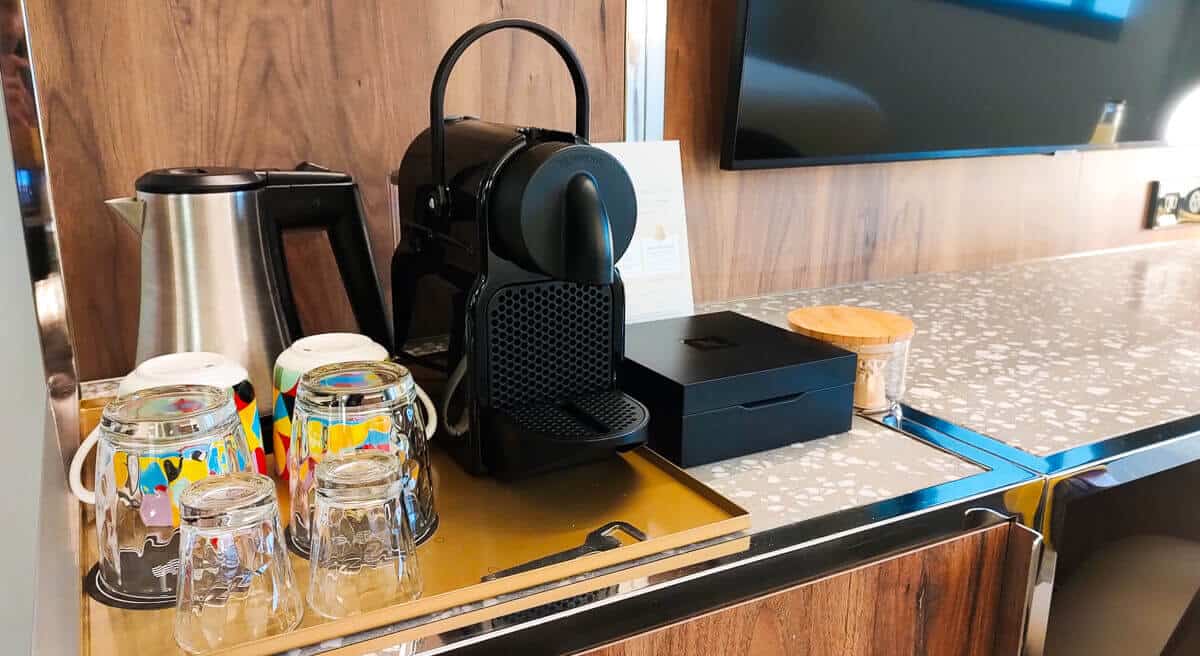
The room comes with a mini bar that has a Nespresso machine and complimentary pods. As someone who likes coffee, this is certainly a welcomed feature. I also loved that they send a generous plate of fruits to your room upon arrival.

mini-bar-in-room

Remote Work Features

As a business hotel, Dorint is well setup for business and working needs.

WiFi

Dorint City Hotel has stable wifi that features around 10/35 mbps download/upload on the laptop. The coverage is good around the hotel, from the common areas to the rooms and even the gym.

In-room

remote-work-setup-dorint

I really loved how much space the work desk has; just simple, long and clean. Even when I toss all my equipment on the table, I still have ample space to set up my laptop and screen.

At first glance, I noticed that the room does not have a central light. This is because the room gets ample natural light during a sunny day with the large windows. Even during rainy and gloomy days, the desk lamp is strong enough for work purposes.

The combination of lights allows me to easily switch from work mode to relaxation mode by turning on and off corresponding lights.

Lobby/Bar

dorint-hotel-bar

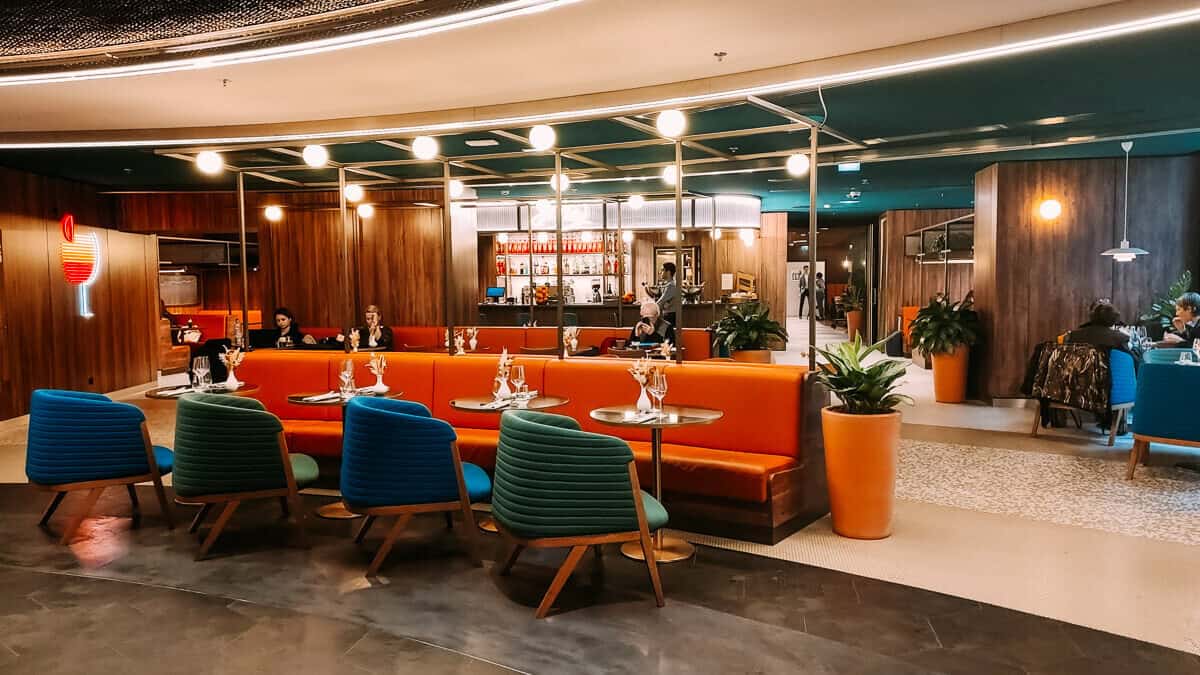
While there are many common areas around the hotel, my clear favorite for working would be the bar. And easily so for others as I have seen people deep in work with their laptops here.

You can just grab a drink and go into focus mode here. It has a relatively relaxing vibe without loud music. They also feature different types of seats; my personal preference are the booths. While these are open booths, the seats are tall enough that it feels you are enclosed and have your own space.

Not all parts of the bar are close to power sockets; but if you really need them, there are some seats that have access to them.

Fitness And Relaxation

Gym

gym-in-hotel

The hotel has an in-house gym on the basement level. While it isn’t a commercial gym, it has all the common equipments to get in your cardio work and weight training. 

They also provide yoga mats, which you can take to your room and return after you are done. My room had so much space that I can easily lay down the mat for some mobility work and stretching.

I definitely took advantage to catch up on my workouts. It’s easy to get back on the healthy habits when the facilities are so accessible.

In addition, the hotel is right next to a beautiful park so don’t let that natural space go to waste.

Sauna

dorint-spa
Photo Credit: Dorint City Hotel

When it comes to relaxation, there is nothing better than a sauna to sweat it all out. Initially, I thought it was just a small room in the gym’s bathroom. However, I was surprised that the door opened up to a whole relaxation space.

The hotel has both a dry and wet sauna. You will find showers and an ice dispenser on either sides of the room to cool down. There are also reclining sun beds at the back of the space to chill after that, which I embarrassingly fell asleep on.

You can ask for a bathrobe from the reception, and they will send it up to your room.

Food And Drinks

Breakfast

breakfast-pastries-in-hotel

Dorint City Hotel offers a buffet breakfast at their restaurant on the first floor, and it is quite the spread.

You will find several stations featuring 1) cold cuts and cheeses, 2) muesli, yoghurt and toppings, 3) pastries and breads, and 4) hot dishes. Of course, you also get your tea, juices and coffee.

dorint-hotel-breakfast
bremen-hotel-breakfast

Regardless of the breakfast you are craving, there are options here. I also noticed slight variations in the breakfast items served during my stay.

In addition, you get to enjoy a view of the garden and river while you dine. I love the scene of tranquil nature right in the morning.

Having had my fair share of hotel breakfasts, I always keep a look out for anything special. My favorite thing here is actually a tri-selection of honey, which is the first I’ve seen at hotel breakfasts.

They are super yummy and really do taste different. I use honey for everything from mixing it with tea to lacing it on my bacon, so it’s just perfect.

honey-selection-breakfast-hotel

Outside breakfast hours, the Hillmann’s Bar & Bistro functions like a regular F&B restaurant offering international and regional dishes.

Around The Area

Another advantage of the hotel’s prime location is that you can find different types of food around the area. It is, after all, located in a zone where all the “action” is. From fast food to exquisite restaurants, you find it all within walking distance.

Even if its raining heavily or you don’t feel at all like wandering out, you have a popular bakery cafe, a kebab place and a couple of nice bars right outside the hotel entrances.

Staying In Bremen

dorint-hotel-review

It is hard to find a more convenient location to stay in Bremen. I find that with the close proximity to all the highlights and amenities, I can optimises my time while having the flexibility to make last minute plans. Dorint City Hotel is certainly a fuss-free, comfy option to consider when visiting Bremen.

Disclaimer: I was a guest of Dorint City-Hotel Bremen. All opinions are my own.


20 Popular Vietnamese Street Foods in Vietnam You Must Try

The bustling streets of Vietnam are lined with stalls and carts. When you step into them, you’ll dive headfirst into sizzling pans and fragrant spices wafting through the air. The streets hold flavorful Vietnamese street food that will surprise you and leave you craving more. 

Let’s check out the exciting kaleidoscope of flavors and textures of the street food in Vietnam that cater to every palate and preferences. Whether you’re a carnivore craving succulent grilled meats or a vegetarian searching for herb-infused delights, Vietnam has something to offer you. 

So, fasten your seatbelts, or should we say loosen that belt a bit, as we embark on a delicious adventure through the streets of Vietnam. 

Most Popular Vietnamese Street Food

Banh Mi Xiu Mai (Vietnamese Meatball Sandwich)

This is the Vietnamese version of a meatball sandwich. The meatballs are made of ground pork, aromatic herbs and spices. The mixture is molded into balls and then carefully simmered in a rich tomato-based sauce. This creates a luscious, slightly sweet and savory concoction that serves as the heart and soul of the dish. 

Once cooked, the meatballs are nestled within a crisp, French-inspired baguette with a medley of toppings and garnishes. This combination provides a perfect contrast between the tender meatballs and the crunchy exterior of the bread. 

Street Food In Vietnam: A Taste Of Noodle Tradition

Pho (Traditional Vietnamese Noodle Soup)

In the bustling streets of Vietnam, there exists a culinary masterpiece that transcends borders and captivates tastebuds worldwide – the traditional Vietnamese food called pho. 

Pho is a humble yet hearty broth made by patiently coaxing every ounce of flavor from beef bones, herbs and spices like star anise and cinnamon. This old craft is a favorite among Vietnamese street foods and soup enthusiasts. 

Some locals customize the experience with hoisin sauce and sriracha (placed in separate dishes) to create the perfect balance of sweet, savory and spicy tastes. It is served at all times of day, and is, in fact, a popular breakfast food in Vietnam.

Bun Cha (Meatballs and Vermicelli Noodles)

Bun cha is a deceptively simple yet immensely satisfying dish. This Vietnamese street food is a succulent meatball crafted with a harmonious blend of minced pork, garlic, shallots and Vietnamese herbs and spices. 

But the magic doesn’t end with the meatballs. It extends to the ensemble of a generous plate of vermicelli noodles adorned with fresh herbs like mint, cilantro and basil. 

Crisp lettuce leaves and a rainbow of pickled vegetables add a refreshing crunch. Nuoc cham, a tangy dipping sauce combining water, sugar, lime juice and fish sauce, ties everything together with its sweet, sour and umami notes. 

Banh Canh (Thick Noodle Soup)

At first glance, banh canh may appear unassuming. But beneath its unpretentious surface lies a delightful complexity that captures the essence of Vietnamese street food. 

Banh canh is a thick and chewy noodle soup. The noodles are made from a combination of rice and tapioca flour. These mix gracefully in a broth that varies from seafood-infused lightness to the soul-warming richness of pork or crab.

Tender slices of meat – be it shrimp, pork or crab – float atop the noodles. Meanwhile, an array of fresh herbs, crisp bean sprouts and a squeeze of lime add brightness and texture to this Vietnamese food. 

Mi Quang (Quang Noodles)

Mi quang is a beloved Vietnamese street food. Each corner of Central Vietnam, from Da Nang to Quang Nam, boasts its own interpretation of this dish. 

It consists of wide rice noodles, typically tinted with the golden hue of turmeric. Slices of tender pork, shrimp or plump pieces of chicken nestle alongside fragrant herbs, fresh bean sprouts and crunchy rice crackers. 

However, the pièce de résistance of mi quang is its broth. The soup that accompanies this noodle dish is rich, flavorful and often nuanced, with a depth achieved through simmering bones and spices for hours. 

Bun Rieu (Vietnamese Crab Noodle Soup)

Bun rieu features a flavorful broth made with tomatoes, crab, shrimp paste or sometimes pork. It is served with rice vermicelli noodles and garnished with fresh herbs, bean sprouts and lime. 

This Vietnamese street food is often enjoyed with optional additions. Tender chunks of crab, tofu, fried tofu puffs or shrimp can be tossed in to add depth to the seafood medley.

Depending on the region or personal preferences, people enjoy it with a squeeze of lime and a dash of fish sauce. So, you can customize bun rieu exactly to your liking. 

Street Food In Vietnam: Sizzling Grill And Skewers

Bun Thit Nuong (Grilled Pork And Rice Noodles)

This iconic Vietnamese street food is a blend of grilled pork and rice vermicelli, which is deeply rooted in the heart of Vietnam.

Bun thit nuong starts with tender slices of marinated pork, perfectly grilled over open flames. This results in smoky, savory and slightly sweet notes that elevate this Vietnamese food to stardom.

It is drizzled generously with a zesty and sweet-tangy fish sauce dressing. Bun thit nuong transforms each bite into a burst of flavors, a harmonious blend of umami, citrus and just a hint of chili heat.

Nem Nuong Cuon (Grilled Spring Rolls)

Nem nuong cuon is a grilled spring roll often sizzling on open flames, primarily found in the bustling streets of Vietnam. So, these rolls have a smoky, charred essence. 

Aside from its grill-kissed exterior, inside you’ll discover a juicy and flavorful mixture. The filling is crafted from seasoned ground pork and aromatic herbs, all lovingly wrapped in rice paper. 

The magic of this Vietnamese street food unfolds with the first bite. Each mouthful creates a delightful contrast that dances on your taste buds. Because of this, it is among the tastiest of Vietnamese starters.

Tom Nuong (Grilled Marinated Shrimp)

Tom nuong is marinated shrimp grilled over charcoal. The marinade of this Vietnamese street food consists of lemongrass, garlic and fish sauce. This gives a fragrant and savory depth to the shrimp and captures the essence of the coast. 

The shrimp undergoes a transformative journey when tom nuong is gently seared on the grill. The sauce – a tangy, sweet and sometimes spicy concoction – adds a zesty punch to the grilled seafood, enhancing its natural sweetness to a new height.

Com Ga Roti (Vietnamese Rotisserie Chicken)

Com ga roti is succulent, golden-brown chicken with crispy skin and a savory aroma that’s nothing short of irresistible. 

This Vietnamese street food is all about the art of roasting chicken. The marinated chicken spins on a rotisserie to cook slowly until it achieves tender juicy perfection.

Although originally from Ho Chi Minh City, com ga roti draws inspiration from Western rotisserie chicken traditions. A touch of French and American culinary techniques in the heart of Vietnam, it is a harmonious fusion that captures the best of both worlds.

Street Food In Vietnam: Rice Wonders

Com Ga Hoi An (Chicken Rice)

Com ga Hoi An is a tender poached chicken infused with aromatic herbs and spices. It is a beloved Vietnamese street food classic often referred to as Hoi An chicken rice. 

What levels up this Vietnamese street food is turmeric. The spice imparts a subtle fragrance and a golden hue to the rice. 

It is often served with garnishes and accompaniments, including fresh herbs like mint and cilantro, crisp cucumber slices and a sweet and savory fish sauce-based dressing. Each element contributes to a harmonious blend of flavors and textures.

Banh Cuon (Vietnamese Rice Rolls)

This Vietnamese street food is a roll that’s as much a visual masterpiece as a culinary one. Banh cuon starts with a mixture of minced pork and wood ear mushrooms. This is seasoned with fragrant herbs, prawns and shrimp and then carefully enveloped with thin, delicate and translucent rice paper. 

The banh cuon filling is steamed to perfection. This cooking method helps the dish maintain its soft and slightly chewy character that offers a gentle contrast to the savory filling.

Com Hen (Baby Basket Clam Rice)

Com hen is a dish of delicate baby basket clam with steamed rice on the side. It is accompanied by fresh herbs like mint, cilantro and basil, adding a burst of vibrant greenery. 

Locals also add crushed peanuts, thinly sliced banana flowers and crunchy water spinach to provide a delightful crunch and contrast in textures.

What makes this Vietnamese street food mouthwatering is the fragrant simmering clam juices which is often flavored with lemongrass, chilies and herbs. This sweet and savory broth binds the entire dish together, adding depth and complexity to each spoonful.

Street Food In Vietnam: Sweet Temptations

Che (Vietnamese Sweet Beverage)

Amid the whirlwind of savory Vietnamese street foods, there’s a sweet refuge that captures the heart and palate of locals and travelers alike – che. It’s a soup-like dessert or beverage that takes on many forms and flavors.

Che may include mung beans, black-eyed peas, sticky rice, fruits and jelly. All of these are suspended in a fragrant pool of coconut milk or sweetened water. Each spoonful is a tasty and harmonious blend of creamy, chewy and sometimes crunchy elements. 

There are countless variations across Vietnam’s regions, each with unique ingredients and preparation methods. From che ba ba in the south, featuring a medley of tubers and fruits, to che sen, which has lotus seeds, to che troi nuoc with its sweet glutinous rice dumplings floating in ginger syrup, there’s a che to suit every sweet tooth and craving.

Chuoi Nuong (Grilled Banana)

One humble Vietnamese street food stands out as a sweet embrace of nature’s bounty. Chuoi nuong is a ripe, firm, yet tender grilled banana carefully skewered before being cooked over an open flame. 

The heat lovingly caresses the skin and gradually caramelizes the natural sugars within. The result is a golden-brown banana with a slightly crisp exterior that gives way to a warm, melt-in-your-mouth sweetness.

You’ll find chuoi nuong being sold by street vendors and in local markets, beckoning with their enticing aroma. One of the most popular snacks in Vietnam, chuoi nuong is served with creamy coconut milk and some crunchy sesame or peanuts as garnish.  

Banh Pia (Vietnamese Cake)

This Vietnamese street food is often cherished as a souvenir and enjoyed as a treat. Banh Pia features a crispy, buttery exterior and a smooth, sweet interior. 

The cake has a flaky and thin pastry shell that yields to the slightest touch. Within the pastry is a filling traditionally made with sweet mung bean paste or other variations like lotus seed, durian and even green tea. 

At first bite, this Vietnamese food shatters delicately, giving way to the rich, velvety filling within. 

Banh Cam (Fried Sesame Balls)

At the heart of banh cam lies a filling made from sweet mung bean paste, often delicately flavored with fragrant ingredients like pandan leaves. The luscious center is enveloped in a coat of glutinous rice flour dough, creating a sphere of delicious anticipation. 

But what sets this Vietnamese street food apart is the exterior transformation that occurs through deep frying. As these dough-coated balls dip in bubbling oil, the once-soft dough turns into a crispy, golden shell that shatters with a satisfying crunch on the first bite. 

The exterior is then coated in a generous layer of sesame seeds, adding a delightful nutty flavor and creating a textural contrast to the creamy filling within. 

Banh Khoai (Vietnamese Sweet Potato Pancake)

Banh khoai is a Vietnamese street food with a batter crafted from a mixture of rice flour, water and turmeric. Adding grated sweet potatoes to the mix is when the real magic happens. This version infuses the batter with a natural sweetness and a satisfying earthiness.

The batter ladled onto a sizzling hot skillet creates a large, thin pancake that crisps up beautifully around the edges. This results in a crispy and chewy texture, offering a contrast that engages your taste buds with every bite. 

More than the batter, the magic of banh khoai continues with the dish’s choice of toppings. Fillings like shrimp, pork belly, bean sprouts and fresh herbs are delightfully tucked between the folded pancake. 

Street Foods In Vietnam: Light and Fresh Options

Goi Du Du (Spicy Green Papaya Salad)

Goi du du is a flavorful salad that features shredded unripe green papaya and carrot, crushed peanuts and thin slices of beef jerky. It’s a classic Vietnamese street food that balances cooling papaya with warming spices.

Fresh herbs like mint and cilantro add a refreshing touch. But its the spicy, sour, and sweet dressing made with lime juice, fish sauce, chilies, garlic, and sugar that makes the whole dish come together beautifully. The result is an explosion of bright, crunchy textures and flavors. 

Goi Cuon (Vietnamese Spring Roll)

Goi cuon, or Vietnamese fresh spring rolls, are a healthy appetizer featuring thinly sliced vegetables wrapped tightly in delicate rice paper. Fillings vary but often include fresh herbs like mint and cilantro, vermicelli noodles, sliced cucumber, lettuce, shredded carrot and pork or shrimp. 

They are dipped in nuoc cham, a sweet and tangy dipping sauce spiked with chili. Goi cuon is served cold and fresh. The crisp and chewy rice paper contrasts with the cool, lively fillings inside.

FLAVORS AROUND THE WORLD

Explore More Vietnamese Street Food

In different corners of Vietnam, street food is more than just sustenance. The country promises delicious and unique sets of flavors that are a testament to culinary craftsmanship. From the calming taste of pho to the sweet temptations of banh cam, these street foods are to die for. 
If you wish to embark on a culinary voyage through Vietnamese street foods, remember that you’re not just enjoying a meal. You’re celebrating the nation’s culinary heritage and indulging in the unforgettable memory of Vietnamese cuisine.


PIN THESE VIETNAMESE FOOD FOR LATER!

17 Traditional Paraguay Food And Cuisine To Try

What’s not to love about Paraguay? Indigenous culture, welcoming people, and super tasty Paraguay food. Nature has blessed the country with rich geographical variety that makes it an eventful place for tourists. The Chaco region and other ecological reserves are a must-visit.

Paraguay is home to the Guaraní people, who significantly influence the country’s art, music, and traditions. Their contribution has shaped Paraguayan food into what we know it today. Using only the finest traditional ingredients, chefs here create fabulous and delicious works of art.

So, let’s explore the cuisine of Paraguay as we share the best things you can have in the country.

What’s So Special About Traditional Paraguay Food?

“What is Paraguay known for?” is the first thing that comes to mind when it comes to the local cuisine. One of the key features of Paraguayan food that makes it unique is the use of grills in cooking. You can find a grilled version of many dishes here, from meats to tubers like yuca.

Corn is another ingredient you’ll find in tons of Paraguayan dishes. Locals have been cultivating it for centuries. Along with yuca and potatoes, corn is deeply embedded in the local cuisine.

But, perhaps one of the most interesting facts about Paraguay is the presence of the indigenous Guaraní tribe. With a liking for meats such as pork and beef, you’ll see their influence on the country’s food culture a lot. Paraguay foods also get their wonderful flavor from local herbs and earthy spices that are typically added to dishes.

Most Famous Dish In Paraguay Food

Sopa Paraguaya (Cheesy Cornbread)

cheesy-cornbread

Sopa Paraguaya is a famous savory cornbread made from corn flour, eggs, cheese, milk, bell peppers, and onions. It is a delicious dish with a texture and consistency similar to baked pudding.

This bread is one of Paraguay’s traditional foods that locals often serve as a side dish or a separate breakfast item. The bread-like texture and cheesy souffle-like taste make this dish stand out from many other delicacies.

This cornbread goes well with red meat and soup. The pairing makes for a delicious and filling meal. Sopa Paraguaya is an extremely flavorful cornbread that is a staple in family gatherings and occasions that the locals celebrate.

Breakfast Items In Paraguayan Food

Mandi’o Chyryry (Cassava Hash Browns)

Mandi’o chyryry are traditional Paraguayan hash browns made from fried yuca (also known as cassava or manioc). This is mixed with eggs, onions, green onions, black peppers, and cheese into a flavorful combination.

The pancakes are crispy on the outside and soft and creamy on the inside. You can have them on their own, but you can always customize the dish by adding your favorite protein. 

Payagua Mascada (Deep-Fried Cassava Patty)

Payagua mascada is a small, deep-fried patty that locals traditionally prepare with cassava, minced meat, and scallions. Some recipes add lard. 

Locals are very careful about frying it at a set temperature. They time it carefully so that the patty remains soft on the inside and crisp and tasty on the outside. Payagua mascada goes well with a salad on the side. 

Chipa (Cheese Bread)

famous-chipa

Chipa is a traditional cheese bread with origins tracing back to the native Guarani people. It is made from cassava (manioc) flour, cheese, eggs, and milk. Manioc gives chipa its signature soft and chewy yet slightly crunchy texture. 

Traditional versions use local Paraguayan cheeses. The dough is formed into donuts or bagel shapes. These are then baked until golden brown on the outside and light, fluffy, and stretchy on the inside. 

It is eaten as a breakfast bread, snack, or appetizer in Paraguay. It takes center stage during the Semana Santa or Holy Week. It can be seasoned with herbs and served plain or stuffed with meat fillings. 

Mbeju (Cheese And Cassava Flatbread)

Mbeju is a gluten-free starch cake with a soft and cheesy texture on the inside. This starch cake is a flavorful combination of the nutty flavor of cassava flour and melted cheese.

The flatbread can vary in thickness and consistency based on personal preference. It often comes with a number of side items, such as butter, guacamole, fresh salsa and a vast array of pickled veggies. You can also enjoy mbeju with a topping of sour cream or chimichurri.

Traditional Meat Dishes In Paraguayan Food

Asado Paraguayo (Paraguayan Grilled Meat)

paraguayan-grilled-meat

Asado Paraguayo is a testament to the locals’ love of grilling. This dish uses different cuts of beef, pork, and chicken, such as ribs and flank steaks. A simple seasoning of salt and pepper is enough to give the meat a rich and flavorful taste.

Unlike an ordinary barbecue over a grill, locals prefer to cook asado meat over charcoal or wood. Cooking the meat like this takes longer, but the resultant smoky and spicy flavor makes the wait well worth it.

Meat hot off the grill goes well with salad, sweetbreads, sopa Paraguaya and yuca. The locals love to eat asado Paraguayo at family gatherings while engaging in friendly conversations and gossip.

Bife Koygua (Beef Stew With Vegetables)

beef-stew-with-vegetables

Bife koygua is another popular food in Paraguay famous for its classic combination of ingredients that showcases the country’s rich culinary heritage. This hearty meal features thinly sliced beef. The meat is typically cooked on a cast-iron skillet until tender and juicy. 

The meat is then topped with a generous layer of fried eggs and accompanied by a medley of sautéed vegetables. This often includes onions, tomatoes, and bell peppers. This combination of flavors and textures make it a beloved comfort food. 

The dish is usually paired with rice and mashed potatoes. It pairs great with other common corn-based staples and yuca as well.

Pira Caldo (Fish Soup)

fish-soup

Pira caldo is a Paraguayan soup prepared by combining cheese, milk, vegetables, and a freshwater fish called surubi. The unique combination of these ingredients allows the flavors to meld and create a distinct savory taste.

This fish soup has a more liquidy texture than a normal soup. It is best served hot, with some garnishing of cilantro or parsley for added freshness. 

Vegetarian/Vegan Dishes In Paraguayan Food

Sopa De Poroto (Bean Soup)

bean-soup

Sopa de poroto, also known as kumanda peky kesu, is one of the most flavorful Paraguayan dishes out there. This dish is made from an abundant local small red bean along with Paraguayan cheese, green peppers, onions, garlic, and tomatoes. The vegetables really bring out the flavor of the soup.

Reviro (Fried Miniature Croutons)

popular-reviro

Reviro is a traditional dish mainly local to Alto Parana. It is a delicious, crumbly, fried dough. The crunchy texture of the dish, along with a nice chew, complements its sweet-and-salty taste. 

The croutons are often enjoyed as a snack or a side dish, but it can also be enjoyed as a main course with some sauces. It is a popular street food in Paraguay, often served with honey or sugar. This dish also goes well with bife koygua.

Soups And Sauces In Paraguayan Food

Bori Bori (Cheese And Cornmeal Dumpling Soup)

Bori bori (or vori vori) is a traditional soup that includes small balls made of cheese and cornmeal. It also features chicken (or beef) and various vegetables. 

Bay leaves and parsley are sometimes added to enhance its richness and flavorfulness. Saffron can also be incorporated to add a rich golden color to the broth.

Locals take pride in preparing this traditional Paraguayan food the way their ancestors had prepared it. It is often served in colder weather, but it is not unconventional for people to enjoy this special dish during summer as well.

Puchero Paraguayo (Beef Stew)

Puchero Paraguayo is a famous Paraguayan food featuring tender beef cuts. Besides the stew’s main meat components, vegetables like tomatoes, onions, bell peppers, and carrots are added to give the dish that extra burst of flavor.

You could also try adding indigenous herbs and spices, such as anise and oregano, to enhance the taste of the dish. It makes for a soothing meal during the cooler weather.

Sopa De Mani (Peanut Soup)

peanut-soup

Sopa de mani is a traditional Paraguayan food with a rich, creamy base. It has a distinct texture from raw peanuts. Locals prepare this soup by adding a peanut paste to already-sauteed beef, onions, bell peppers, and other veggies. 

The soup blends sweet and savory flavors well. It is typically topped with shoestring potatoes. 

Sweets And Desserts In Paraguayan Food

Dulce De Guayaba (Guava Jam)

Dulce de guayaba is a unique Paraguayan sweet jam with a unique texture. Traditionally, the locals spread this guava jam on toast or cheese. It’s a simple but exceptional dessert.

It also goes great with cakes and is a good filling for pastries like pastafrola (sweet tart or pie). We recommend having it cold, as it brings out the tanginess in the jam.

Kiveve (Pumpkin Purée)

pumpkin-puree

Kiveve is another popular Paraguayan dessert. It features pumpkin, cornmeal and cheese. These ingredients give the dish a rich and creamy base, with a polenta-like texture that makes it a favorite of locals and visitors alike. 

You can eat it with asado Paraguayo, the country’s version of grilled or barbecued meat. It can sometimes be made sweeter and served as a dessert. The latter version is truly a treat for sweet tooths. 

Mazamorra (Corn Pudding)

Mazamorra is one of the most popular dishes not only in Paraguay but also in Latin America. It is also known by its Guaraní name, kaguyjy. The dish has a pudding-like consistency from corn, milk, sugar, cinnamon, and vanilla. 

It already tastes sweet, but you can amplify the flavor with fruits like berries and bananas. It is even better with a sprinkling of cinnamon and served chilled.

Dulce De Mamón (Candied Papayas)

Dulce de Mamon is a traditional Paraguayan confection made from mamónes or papayas. The fruit is carefully cooked with sugar until it reaches a luscious, jam-like consistency. This cooking method results in a vibrant, golden-orange preserve. 

This sweet treat is often enjoyed as a dessert or as a spread on bread or crackers. It can also be used as a filling for pastries or incorporated into desserts. In Paraguay, dulce de mamon is considered a national delicacy and is popular at breakfast or as an afternoon snack.

FLAVORS AROUND THE WORLD

Discovering Traditional Paraguay Food

Paraguayan food has immense variety. Every dish is packed with local flavors that you cannot find anywhere else in the world. Be it the famous bori bori and other corn-based dishes, or savory flavor packages like the asado Paraguayo, you’ll remember the authentic taste for years to come.

The best part about the food scene is that the locals are extremely cooperative. You can ask them to modify the food to your liking. However, we do recommend trying the authentic versions, as they have an unmatched flavor profile.When you explore all the amazing landmarks in Paraguay, complete your experience with some traditional Paraguay food for the trip of a lifetime.


PIN THESE PARAGUAY FOOD FOR LATER!

20 Traditional Chilean Food In Chile

If all you know of facts about Chile is that it’s the longest country in the world, you’re missing out. With a serene coastline, diverse wildlife, and amazing Chilean food, the country is a tourist’s dream.

It is one of the few places in the world to have both deserts and glaciers, and we can see the impact of this geographical and climatic variation on the traditional food in Chile. Although the Chilean Merlot wine gets all the spotlight, there’s plenty of other great options. Chile has mouth-watering local delights you can’t find anywhere else around the globe. So, let’s help you find a new favorite.

What’s Special About Traditional Food In Chile

Chilean food is deeply influenced by the indigenous Mapuche culture. Ingredients such as potatoes, corn, and beans, as well as traditional cooking methods, reflect this heritage.

Chile is famous for its coastline and for its seafood. Chilean food showcases a vast array of fish, shrimp, crabs, and other delicacies. Locals enjoy eating sea urchins and barnacles.

Spice blends like merquén (smoked chili pepper) and pebre (a condiment made with cilantro, garlic, and chili) add distinctive flavors to the cuisine. With their country renowned for wine production, locals love pairing wines with meals to enhance the dining experience.

Finally, traditional methods of food preservation, such as drying, smoking, and salting, are still employed in Chilean cooking. It allows for the year-round availability of certain ingredients and contributes to the unique flavors in the cuisine.

Most Famous Dish In The Food In Chile

Cazuela (Hearty Meat And Vegetable Soup)

tasty-cazuela

Cazuela refers to both the dish itself and the cooking vessel in which locals prepare it. The chef slowly cooks a mix of ingredients in a big, shallow clay or earthenware pot. This special pot gives the dish its unique taste and texture by letting the flavors blend and get stronger as they cook.

Common components include a variety of meats such as chicken, beef, or pork, accompanied by an assortment of vegetables like potatoes, carrots, corn, and peppers. Seasonings, such as garlic, onions, and a combination of herbs, contribute to the robust and savory character of the dish.

Cazuela is the closest thing to Chile’s national dish. It’s known not only for its rich flavors but also for its communal nature. Chileans often have it family-style, encouraging shared dining experiences.

Breakfast Items In Chilean Food

Tortillas De Rescoldo (Coal-Baked Corn Flatbreads)

tasty-cazuela

Tortillas de rescoldo are special flatbreads that get their name from “embers.” Made from basic ingredients like flour, water, salt, and a bit of fat, these tortillas are different because of how they’re cooked. 

Instead of a regular oven, they sit on hot embers and are cooked using leftover heat from a wood fire. The old-style cooking method shows how people in the past used what they had to make delicious food. 

They have a unique smoky taste and a crunchy exterior with a soft interior. Although a variety of Chilean cakes have a similar texture, tortillas de rescoldo have a more smoky flavor. 

Marraqueta Con Palta (Crusty Bread With Avocado)

marraqueta-con-palta

Marraqueta is a traditional type of bread known for its distinct oval shape and crunchy crust. It has a soft interior that tastes really good with the creamy avocado spread.

Locals enjoy it without toppings, but vendors will add salt, pepper, and a drizzle of olive oil upon request. Adding these toppings enhances the experience of the dish, in our opinion.

This is a common breakfast food, but many Chileans also have it for dinner.

Pan Amasado (Homemade Country Bread)

pan-amasado

Pan amasado holds cultural significance in Chilean cuisine since locals treat this bread-making experience as a family bonding activity. Its literal translation is “kneeded bread,” which refers to the way it’s made.

This small, round, flat bread might not look like the regular bread most of us are used to. However, the loaf has a crunchy exterior and a light chewy interior, which goes well with tea.

Sopaipillas Pasadas (Fried Dough)

This Chilean breakfast dish is the real deal if you love a sweet breakfast. The texture and consistency of this fried dough are just like the regular donuts you’re used to having. What happens after frying is what makes them unique.

Once the sopaipillas are fried, they are soaked or bathed in a sweet syrup. This syrup is often made with ingredients like orange peel, cinnamon, and sugar. The syrup imparts a delightful sweetness and aromatic flavor.

Traditional Meat Dishes In Chilean Food

Costillar De Cordero Al Palo (Spit-Roasted Lamb Ribs)

roasted-lamb-ribs

This dish begins with a prime cut of lamb rib marinated in a blend of herbs, spices, and sometimes a mixture of garlic, olive oil, and vinegar to enhance the lamb’s natural flavors. The marinade is usually left on overnight.

Roasting the marinated lamb ribs on a spit or a vertical rotisserie over an open flame allows the meat to cook slowly. This renders the fat and creates a crispy exterior while keeping the interior tender and juicy.

If you want to have it as part of a larger meal, it goes well with the local flatbread and a fresh salad.

Charquicán (Mixed Meat And Vegetable Stew)

famous-charquican

Charquicán features salted beef or lamb cubes mixed with diced vegetables like carrots, pumpkin, green beans, and corn. The ingredients are submerged in stock and brought to a boil so they can absorb all the flavor.

One of the distinctive features of charquicán is its use of mashed potatoes as a thickening agent. The mashed potatoes create a creamy texture that binds the stew together.

Empanadas De Pino (Meat-Filled Pastries)

meat-filled-pastries

Empanadas de pino is a traditional Chilean food featuring a delightful, flavorful mixture of ground beef, onions, hard-boiled eggs, olives, raisins, and various spices. All the filling of this savory turnover is encased in a distinctive half-moon shape with a golden-brown, flaky crust.

The seasoned ground beef is complemented by the savory notes of onions. The richness of hard-boiled eggs, the olives’ brininess, and the raisins’ sweetness creates a well-balanced and satisfying flavor profile.

The crispy exterior of the empanada adds a textural contrast to the succulent filling. It goes great with pebre.

Asado A La Parrilla (Grilled Barbecue)

grilled-barbecue

Asado a la parrilla is a celebration of the natural flavors of high-quality beef, enhanced by the smokiness from the grill and the savory seasoning. Friends and family often gather around the grill, creating a festive atmosphere.

The grilling process itself is a communal activity, with designated “asadores” (grill masters) tending to the meat while engaging in lively conversations. The barbecued meant is super juicy and tender. Pair it with flatbreads and traditional sauces to take things up a notch.

Vegetarian/Vegan Dishes In Chilean Food

Porotos Granados (Fresh Bean Stew)

fresh-bean-stew

Porotos granados is considered a symbol of Chilean identity, as it represents the country’s agricultural abundance and the significance of seasonal, locally sourced ingredients.

The taste of porotos granados is a delightful blend of sweet and savory notes. The cranberry beans contribute a creamy texture, the pumpkin adds a subtle sweetness, and the corn kernels bring a burst of freshness.

A side of fluffy white rice is recommended with this stew, as it does a fantastic job of neutralizing the spiciness of the dish.

Humitas En Olla (Steamed Corn Pudding)

steamed-corn-pudding

Humitas en olla is a culinary staple in the summertime when fresh corn is abundant. The dish is made from freshly ground corn combined with butter, onions, and spices. The mixture is then wrapped in corn husks, creating tasty individual parcels that locals steam.

They enjoy humitas en olla as a beloved comfort food, often preparing the dish during family gatherings, holidays, or festive occasions. The process of making humitas en olla is a communal activity, with family members coming together to share the workload.

Pantrucas (Chilean Dumpling Soup)

Another much-loved comfort food, pantrucas is a type of soup featuring square or irregularly shaped dumplings made from a simple dough of flour, water, and sometimes eggs.

The irregular shapes of the dumplings give the dish a homemade feel. They float in the broth, soaking up its rich flavors. The broth can vary, with some recipes featuring a chicken or beef base and others incorporating vegetables such as carrots and potatoes.

It is one of the most popular Chilean food items, as almost every street has a vendor selling this dumpling soup.

Palta Reina (Stuffed Avocado)

palta-reina

Palta reina is a classic Chilean dish that beautifully combines avocados’ rich, creamy texture with a flavorful filling. A common filling includes a combination of shrimp, mayonnaise, lemon juice, and sometimes diced vegetables such as tomatoes and onions.

The stuffed avocado also goes well on a bed of lettuce, which makes it look extremely satisfying. High-end local events often serve this dish as their appetizer.

Seafood Items In Chilean Food

Caldillo De Congrio (Conger Eel Soup)

Caldillo de congrio is not only famous for its rich and flavorful broth but also for its cultural significance. The famous Chilean poet Pablo Neruda immortalized caldillo de congrio in his ode to it, “Oda al Caldillo de Congrio.”

The eel contributes a unique, slightly sweet taste, while the vegetables and seasonings infuse the broth with depth and complexity. It makes for the perfect winter comfort food.

Chupe De Mariscos (Seafood Chowder)

seafood-chowder

Chupe de mariscos is a visually striking dish. It typically includes a medley of seafood, such as shrimp, mussels, clams, and fish, along with vegetables like potatoes, corn, and peas.

The broth is usually made with a fish or seafood stock base, tomatoes, onions, garlic, and a blend of herbs and spices. If you like, you can also add a touch of cream or milk to give the soup a creamy texture, further enhancing its indulgent taste.

Machas A La Parmesana (Parmesan Baked Razor Clams)

parmesan-baked-razor-clams

Machas a la Parmesana is a popular Chilean seafood dish that highlights the unique and delicate flavor of razor clams. Garlic and parsley add a fresh and aromatic element to the dish that escalates its flavor profile.

The topping is a little crusty, and you’ll need a knife to cut through and get to the clams. Your fork, meanwhile, can be used to separate the clams from the shells. Machas a la Parmesana represents the fusion of local seafood with European culinary influences, particularly the use of Parmesan cheese.

Sweets And Desserts In Chilean Food

Mote Con Huesillos (Dried Peach And Wheat)

Mote con huesillos consists of two key components: mote, which are husked wheat grains, and huesillos, dried peaches that have been rehydrated and cooked in a sweet syrup. The syrup imparts a sugary sweetness to the drink, complemented by the naturally mild and slightly chewy texture of the mote.

The temperature is key to this drink, and you can best savor it chilled. Locals typically enjoy mote con huesillos as a popular street food or at traditional Chilean fairs and festivals.

Leche Asada (Baked Milk Custard)

leche-asada

If you love flan, pudding, or custard in general, you’ll love leche asada. The mixture is often flavored with a touch of lemon or orange zest, adding a subtle citrusy note that enhances the overall experience.

It is another popular dessert locals enjoy during family gatherings, celebrations, and holidays. A dollop of whipped cream and fresh fruit will add an extra bit of kick to this already scrumptious treat. However, you might want to hold the whipped cream, as the custard is already very sweet.

Cuchuflí (Chocolate-Coated Wafer Cone)

Cuchuflí is a thin, crispy, cylindrical wafer tube that is filled with a sweet, creamy substance. The most common filling is manjar, a rich and caramel-like milk spread that is widely used in Chilean desserts.

It is one of those Chilean food dishes you can grab and have on the go. These wafers are simply irresistible. You could easily snarf down like ten of these in no time.

Chapalele (Potato Dumpling With Sugar)

Chapalele is a round, flat dumpling, similar to a pancake.  It has a golden-brown color which results from being fried in oil. Some variations may also involve baking or boiling the dumplings, but frying them in butter is the real deal.

Once cooked, the chef dusts the chapalele with powdered sugar to add a touch of sweetness and enhance its visual appeal. Locals often enjoy sweet chapalele with a drizzle of honey. We tried it with berries and boy, was it good!

FLAVORS AROUND THE WORLD

Discovering Traditional Chilean Foods

Being part of the Pacific Ring of Fire, Chile is rich in natural wonders. The beautiful landscape accompanies Chile’s cultural scene, which features literature, visual arts, and music. Chilean food items are also on the list of what tourists love the most when they visit the country.

With mouth-watering dishes for both meat-eaters and vegetarians or vegans, Chilean dishes cater to everyone. The Chilean street food culture is also remarkable as you can find vendors at any time of the day, even for your midnight cravings.

For an unforgettable trip, don’t miss the landmarks in Chile while fully indulging in the local traditions and food when you visit.


PIN THESE CHILE FOOD FOR LATER!

Experience Review: Hamburg Hotel Superbude Altona Paradise

A colorful and fun hotel nestled within the Altona district of Hamburg, Superbude Altona Paradise might not be an obvious choice for tourists since it is not within the city center. However, it is still relatively easy to get to with a direct bus ride from Hamburg Altona station.

In fact, one of the perks is that you will be drawn to check out the Altona district which is full of bars, restaurants and cafes as well. This area is charming in its own right. 

You can also easily reach the city center using the S-Bahn trains from either Altona or Bahrenfeld station. In addition, the hotel also offer bike rentals if you prefer to get active.

If you are staying here, a Hamburg Card will be great to have as it provides you with free unlimited public transportation for the duration (1-5 day options available). In addition, you also get up to 50% discounts to key attractions.

While the immediate area around the hotel is considered a business district, it is also a neighborhood where locals live. You will find convenient amenities like supermarkets, pharmacy and some well rated restaurants right next to the hotel.

Overall Hotel Vibes 

superbude-altona-paradise-hotel-entrance

The exciting theme of the hotel was immediately clear from the colorful art painted on the building, and the entrance which sticks out with the neon and retro signs/displays.

The spacious lobby is segmented into various spaces that are all fun and interesting to check out. It felt to me like I’ve entered a childhood arcade with all the funky and happy stuff around. 

Even the stairway is decorated with interesting art pieces and remember to spot the hand drawings on the walls that make use of the steps.

Fun Zones 

hamburg-superbude-paradise-fun-zone

One of the visually striking area at the lobby is the colorful sitting area with a tropical theme. You definitely won’t miss it while heading to your room.

It’s eye-catching and a great setup for photos. Right next to it, you find a literal candy cart with all sorts of gummies and sweets. 

They are a really fun touch and you can actually buy them in individual pieces. Grab what you like and make payment by just placing the corresponding amount unto the cash plate.

candy-zone-hamburg-hotel

It’s easy to satisfy your sweet cravings and relive some childhood memories. Certainly also an impulse purchase spot 😉

An amusing irony is that next to the sinful sweets cart, you have a chiller filled with bunch of healthier food options including fruits, juices and sandwiches.

hotel-shop-with-products

At another corner of the lobby, you will also find a small “shop” with various products and nick nacks for sale. It is fun to look around even if you are not planning to buy anything. I saw some interesting vintage looking items and also your classic souvenirs.

lobby-entrance-mini-bar

There is also a mini bar right next to the reception where you can find snacks and beverages to purchase. So if you want to grab quick bites for your late movie night, fret not!

Room Review: Double Room M

The same fun urban jungle theme you see throughout the hotel is equally evident in the room

From the fun mosaic tiles to the trinkets hanging on the wall/ceilings, and the main light covered by a kiwi umbrella, it’s all amusing and artful at the same time.

Definitely not you regular looking hotel room. Creatives will love it here.

hamburg-hotel-room

The first thought that struck me though was how spacious and loft-like the center area is. I could even do my inversions there

Apart from that big center floor space, the huge windows panels contribute immensely in making the room look kind of lofty.

The bath is also a more open concept which makes it very airy. While the areas are clearly segmented, they wasted no space with wall divisions.

It is a clever setup, and also very functional with huge storage spaces right by the door.

Remote Work Features

WiFi

hotel-internet-speed

Superbude Altona Paradise has a strong wifi speed of 70+/60+ mbps (download/upload) which is great for all sorts of tasks. Signal reception was good throughout the hotel as well.

In-room

work-desk-room

The room has a long work desk which makes it convenient to lay everything out. It easily fitted my laptop and portable screen even with a bunch of my snacks on the side. 

Although the central lighting of the room is covered by a funky kiwi umbrella which contributes to the room’s relaxing ambience, much of the room are powered by spotlights and a strong desk lamp. 

In addition, the huge window panels easily welcome natural lighting into the room. This makes it great for both day time working and nigh time relaxation. 

What I’m really missing is a projector where I can cast Netflix or some movies from because there’s a real vibe for that. 

Common Spaces

In addition, there are two other areas within the hotel which is great for working.

bamboole-restaurant-altona

One is the hotel’s in-house bar/restaurant – Bamboole, where you can grab a drink and getting your work mojo on. They also have a good selection of dishes including vegan and healthy options.

There are sitting here that looks out into the streets if that’s what you prefer (like I do). During the warmer season, they even setup the outdoor terrace. It is a great place to hangout with other travelers.

Secondly, there’s the breakfast or lounge area where you have big spacious desks and.comfy sofa chairs. 

superbude-hamburg-hotel-lounge

My favorite spot is the one right next to a fireplace at the back. There’s a cozy feel about being next to the fireplace and I like to get warm whenever I can during the windy winter. 

Breakfast

Now speaking of breakfast, the hotel offers a nice buffet spread in the morning.

breakfast-cold-dishes

The breakfast area is divided into zone with areas for coffee, tea & juices, the main food area and they also have a waffle station. 

There’s a bunch of cold cut meats and cheeses to choose from, along with plenty of ingredients to create your own salad or muesli bowl; even vegan options! So if you are staying for a few days, you can have some variations in your breakfast.

vegan-food-buffet

I loved the tea station which features a wide selection of loose tea leaves. You then package them into the tea bag that they provide. This means you can even mix and match different ones to form your own concoction. 

And if you have want a touch of ginger to sooth yourself from winter cold, they have fresh ginger you can cut from as well.

Staying In Hamburg

superbude-altona-hotel-building

The Superbude Altona Paradise is an interesting accommodation option, which is different from the typical business hotels. The creative spin adds a unique experience to a stay, making it more them just a place for sleeping. 

If you are looking for a place with personality and not stuff with the crowd in the city center, this is definitely one hotel to consider. The Hamburg Altona station also connects well to the rest of Germany. I arrived and departed from Hamburg via that station.

Disclaimer: Part of my trip was hosted by Hamburg City and Tourism Board. All opinions are my own.


20 Interesting And Fun Facts About Rajasthan [Explained]

India is famous for its many historical places, including the forts in the state of Rajasthan. Locals and tour guides will let you in on facts about Rajasthan when you visit different places in the state. 

If you’re keen to learn more, you’re in the right place. Here is a complete guide to help you understand this Indian state better.

Historical Facts About Rajasthan

The World’s Largest Stone Sundial Is In Rajasthan

Jaipur is the capital and largest city of Rajasthan. One of the interesting facts about Jaipur is that it is home to the Jantar Mantar, an astronomical observatory built by the Rajput king, Sawai Jai Singh. The observatory is home to a collection of around 20 astronomical instruments.

Jantar Mantar’s main significance is that it contains the largest stone sundial on the planet, which you can see for yourself on a tour of Rajasthan. The monument’s construction was completed in 1734 and is located near the City Palace.

India’s Longest Fortification Is Here

The Kumbhalgarh Fort is one of the greatest landmarks in India. It is often compared with the Great Wall of China, and as such, the fort is also called the Great Wall of India. It is located in the Rajsamand district of Rajasthan.

The fort’s construction was ordered by the Mewar ruler Rana Kumbha in the 15th century. It is famous for being the birthplace of a famous Indian warrior, Maharana Pratap Singh.

Rajasthan Is Called “The Land Of The Kings”

Before becoming a part of the British Empire, the state was called “Rajputana” and was ruled by many kings. The present name of Rajasthan also translates to “the land of the kings. These rulers include the famous warrior king Maharana Pratap Singh and Rana Kumbha who is well-known for never losing a battle.  

For centuries, powerful kingdoms like those of the Sisodias, Rathores, Kachwahas and more dominated Rajasthan. These rulers built lavish forts and palaces, such as Amber Fort, Mehrangarh Fort, Udaipur City Palace, and Jaisalmer Fort. 

India’s Nuclear Test Was Conducted In Rajasthan

One of the top Rajasthan facts is that a town in this state was used for secret nuclear testing. Pokhran was the site of the first-ever nuclear test conducted by India in 1974. Five more nuclear tests were performed there in 1998.

An Indian movie, titled Parmanu: The Story of Pokhran, was released in 2018 to highlight the operations during the nuclear testing.

Cultural Facts About Rajasthan

Ravana’s First Queen Is Said To Be From Rajasthan

Ravana is the main antagonist of the Hindu epic, Ramayana. His wife, Queen Mandodari, is said to have come from Mandore in Rajasthan. For a time, Mandore was the capital of the Marwar kingdom. 

People in Rajasthan and many other parts of India are strong believers in the tale of Ramayana. This is something to keep in mind so as to avoid disrespecting cultural beliefs about the epic when visiting.

There Is A Spooky Village In This State

One of the top facts of India to help you understand its culture better is this: Many people believe in ghosts and spooky tales. It’s for this reason that Kuldhara in Jaisalmer is a spooky site which many locals avoid. 

People believe that this town was abandoned overnight when a local diwan tried to forcibly marry a native. Legend also has it that the villagers cursed Kuldhara. This further darkened its reputation and no one has settled there since.

Dal Baati Churma Is The Region’s Traditional Dish

You can try many famous things of Rajasthan to immerse yourself in traditional cuisine, such as dal baati churma. The dish is made of lentils, baked wheat balls, and powdered cereal. 

It’s rich in fiber, which is why you can enjoy good gut health when opting for this food. Another great thing about the dish is that its nutrients may help reduce cholesterol levels in the body. 

Other famous foods of Rajasthani cuisine include safed maas and red maas.

There Are Many Other Communities In Rajasthan Apart From Marwari

Many people who want to learn Rajasthan facts have a misconception that this state only has the Marwari people. You may believe this due to Rajasthan’s depiction in various Indian series and movies. However, there are other communities here too, such as the Maheshwari, Pareek, Agrawal, and more.

Marwari mainly comes from the Marwar part of the state. Meanwhile, people from other parts of Rajasthan belong to mixed communities.

Simple Facts About Rajasthan For Kids 

There Is A Rat Temple In Rajasthan

The Karni Mata Mandir is a temple in Deshnok, near Bikaner, which is home to tens of thousands of rats. These creatures roam around the temple freely because locals believe that these rats are the reincarnation of the deity’s sons.

There is also a tradition of Rajasthan that people believe in. If you spot a white rat around the temple, you are considered to be lucky. If you’re interested in checking out this truly unique site, you can easily reach it by taking a bus from Bikaner.

Animal Rides Are Common In This State

Here’s something cool you might not have known about Rajasthan. One of the top Rajasthan facts is that you can enjoy camel rides, elephant rides, and much more in this region. You can even explore various forts by riding one of these animals to check off two fun activities at once. 

Some locals also offer horse rides to help you rest while exploring the different attractions. The best thing is that animal rides here are cheap. So, it’s a nice, leisurely thing you can do that won’t break the bank.

A Highly Saline River Passes The State

Although there are several saline rivers in the country, Luni River is the only river in India that is outright called the Salt River. Despite its excessive salinity, however, the river is mainly used for irrigation. 

Luni River originates in the Pushkar Valley and travels a distance of about 495 kilometers. It passes the Thar Desert to reach Kutch.

Only The Northwestern Part Of Rajasthan Is Sandy

One of the fun facts about Rajasthan is that it is not entirely desert. While the northwestern part of the state has sand, the rest of the region has greenery everywhere.

For example, you can visit Udaipur to enjoy the lush, green surroundings. The region also has many scenic lakes. To see even more verdant landscapes, visit the hill stations in Rajasthan that defy the desert stereotype.

Useful Rajasthan Facts For Travelers

You Can Enjoy A Luxury Train Experience

The Palace of Wheels is a luxury tourist train that was launched in 1982 to promote tourism. It has 23 coaches, which can hold more than 80 people.

You can enjoy a royal experience and feel as if you’re royalty yourself when you try out the delicious Rajasthani cuisine and visit exciting new locations. In 2009, the train was renovated to offer new décor and additional cuisine to tourists.

It Only Has One Hill Station

Among the many interesting facts about Rajasthan, knowing that it has only one hill station might help you understand the state’s landscape better. A hill station is a small community located at a higher elevation where people escape to in the summer. Rajasthan’s  solitary hill station is Mount Abu. 

It is also the best place to visit if you want to take a break from exploring forts and palaces. Waterfalls, lakes, and scenic greenery make up the surroundings of this hill station. After flying to Udaipur, you can reach Mount Abu by train, bus, or cab.

The Pushkar Fair Is A Sensational Festival In Rajasthan

The Pushkar Fair is one of the largest festivals in the area that involves the trading of livestock. Camels, cattle, and horses are distributed throughout the venue.

During the fair season, a pilgrimage – a journey to a sacred place – to Ajmer also takes place. You can enjoy livestock shows, rural sports and competitions, Ferris wheels, and other neat activities during the festival.

Common Facts About Rajasthan

The Aravalli Range Is The Oldest Range Of Fold Mountains

The Aravalli Range starts near Delhi and ends in Gujarat. It is an isolated rocky range that forms a scenic backdrop in Rajasthan. The range’s highest point is on Mount Abu.

Its history dates back to pre-Indian subcontinental collision. There’s also a lot of varied wildlife here. Over 20 species of animals populate this area.

There Are Various UNESCO Heritage Sites In Rajasthan

UNESCO World Heritage Sites are common here because of the rich historical forts and palaces. Hill forts in Rajasthan are famous for their scenery. Kumbhalgarh Fort and Chittorgarh Fort are especially recommended for a rich cultural experience.

The Bhangarh Fort Is The Top Haunted Place Here

Want some spooky interesting facts about Rajasthan? It has multiple haunted places. One such place is the Bhangarh Fort, located in the Alwar district.

The Alwar district is said to be cursed by a sadhu known as Guru Balu Nath. The residents feared the curse and so the fort was abandoned overnight. Before that, more than 10,000 people lived there.

Other Interesting Facts About Rajasthan

It Is India’s Largest State

One of the fun geographical Rajasthan facts is that it is the largest Indian state by area. The state covers 342,239 square kilometers (132,139 square miles). This comes out to about 10% of India’s geographical area.

Meanwhile, the state is the seventh-largest by population. The current population is estimated to be 83 million.

Marwari Is The Most Spoken Rajasthani Language

Hindi, which is an Indo-Aryan language, may be the official language in Rajasthan, but many locals speak Rajasthani languages. There are different languages that fall under this category, but the most significant is Marwari.

More than five million people in Rajasthan speak Marwari. Aside from Marwari, the Rajasthani languages include Mewari, Dhundari, Shekhawati, Bagri, and Malvi, among many others.

Discovering More Fun Facts About Rajasthan

We’ve dug up some information about Rajasthan to make your trip easier, but there’s always more to learn. There’s lots of historical sites you can visit to discover fun Rajasthan facts while taking beautiful pictures of the region.


PIN THESE FACTS ABOUT RAJASTHAN FOR LATER