Arizona is often considered the home of cacti, cowboys, and the American desert. You can never get enough of Arizona. All kinds ofinteresting facts about Arizona help define the state and why it is a popular destination.
Quick Facts And Statistics About Arizona
Capital: Phoenix
Population: 7.4 Million (14th Populous State in the U.S)
Land Area: 113,990 sq mi / 295,234 km² (6th Largest in U.S)
Nickname: The Grand Canyon State
Abbreviation: AZ
Statehood: February 14, 1912 (48th U.S State)
State Bird: Cactus Wren
State Flower: Saguaro Cactus Flower
Historical Facts About Arizona State
The state has a rich history that goes way back, here are some of the interesting Arizona facts reflecting its past.
The First Europeans to Step Foot in Arizona Were the Spanish
This is not just one of the mostimportant facts about Arizona but a defining one. In 1539, a Spanish missionary named Marcos de Niza led the first Europeans into Arizona.
On his travels, Marcos is said to have found Cibola, a great city with wealth. Even though he could only see it from a distance, he wrote a detailed report about what happened when he returned to Culiacán.
This made Francisco Vázquez de Coronado, a conquistador and explorer, decide to go on a big journey through Arizona and into New Mexico. Coronado, on the other hand, never found the wealth he was looking for.
Arizona Women Were Given Voting Rights in 1912 Before the Rest of the Country Did
Even though the Women’s Suffrage movement started in Seneca, New York, Arizona also led the fight for women’s right to vote. This is one of the less-known AZ facts that deserves applause.
Arizona handed voting rights to women in 1912, the same year it became a state. That was 8 years before the 19th Amendment gave this right to all women across the country.
The London Bridge Was Dismantled and Moved to Arizona
The story of Robert McCulloch Sr., who started the city of Lake Havasu City, is one of the strangest facts about Arizona state.
At the same time that Robert was starting Lake Havasu City, the London Bridge was beginning to sink and was becoming a safety risk. So what did he do?
He bought the whole bridge, including the lights, and had it shipped to Arizona.
The bridge was disassembled and then reassembled. It is still the most popular place to visit in the area.
Arizona is Where Pluto Was Discovered
Even though it’s no longer a planet, this is one of thefun facts about Arizonathat is still thrilling. Pluto was officially “found” as a planet in 1930 in the state of Arizona.
Clyde Tombaugh, only 24 then, discovered Pluto at the Flagstaff Lowell Observatory in Arizona. He used the observatory’s astrograph to take pictures of the sky on different nights and compare them.
Arizona is Home to the Oldest Woman to Climb Mt. Kilimanjaro
Now, this has to be one of the more inspiring Arizona fun facts. Anne Lorimor made history by climbing Mt. Kilimanjaro (the world’s highest free-standing mountain) at the age of 89. She is honored as the oldest female climber to summit Mt. Kilimanjaro.
Lorimor wasn’t a professional climber, but she was born in the Phoenix area and could reach her goal even though she fell at the start of her climb.
Interesting Facts About Arizona For Travelers
If you’re considering your vacation in Arizona, here are some interesting facts about Arizona state you should take advantage of.
Arizona is Home to the Largest Man Made-Lake in the Country
One known AZ fact is that there aren’t many natural lakes. Even though there was water in the territory, work was done to make water supplies more reliable.
One example of this kind of construction is Lake Mead. It is behind the Hoover Dam, on the state line between Nevada and Arizona. It’s also the biggest lake in the US that was made by people.
The State of Arizona Does Not Observe the Practice of Daylight Saving Time
Most people need to understand why they have to change the time on their clocks twice a year. The Grand Canyon is one of the most-visited places in the US. It is the fourth most-visited National Park in the country.
Every year, an estimated 5.9 million people visit Grand Canyon National Park to see some of Mother Nature’s best. This is one of the AZ facts that sound weird.
In Arizona, Cutting Down a Cactus is a Class 4 Crime
This is one of the important yet also funny facts about Arizona. The Saguaro cactus is native to Arizona’s Sonoran desert and can grow 40 feet (12 meters) tall. These cacti have a lifespan of more than 150 years, although they develop very slowly.
The Arizona state law protects the Saguaro cactus, and any attempt to damage them is punishable by up to three years in jail.
The Petrified Forest National Park is in Arizona
This is one of the Arizona facts you should definitely know about/ Petrified Forest National Park is a national park in northeastern Arizona. The park is known for its large amounts of wood that has turned stone.
The petrified wood is from the Late Triassic period, which dates back to 200 million years, and is some of the best preserved in the world. The Petrified Forest is one of the famous landmarks in Arizona that you should definitely explore given the chance.
Arizona is a Great Place for Road Trippers
You are at the right place if you’re a fan of mountains, rivers, cities, tourist attractions, or deserts. Arizona is great for a road trip because it has beautiful scenery, wide roads, and many rural lands.
There are several lookout points throughout the state to enjoy the scenery. Everyone can find something to like in Arizona. Also, it’s big enough to travel for days and not come across a spot twice. This is one of the exciting facts about Arizona for travelers.
There Are 22 National Parks And Monuments In Arizona.
One of the most fun facts about Arizona is that the state has some of the most exciting habitats in the country. This is largely also due to its climate and landscape. It shouldn’t be surprising that the state has 22 national parks and monuments.
Many of these monuments were made by nature and give visitors dramatic views of Arizona’s land far from its cities. This will be one of the most exciting states to visit if you like history or the outdoors.
Arizona Experiences Monsoon Season
Arizona is known for being one of the driest and warmest (and landlocked) states in the United States. Still, one of the shocking Arizona facts is that it experiences a monsoon season.
Arizona State University says that although monsoons are often linked to the coast and water, they are caused mainly by the wind.
And in areas like Arizona, substantial land heating may cause wind changes that bring precipitation from the Gulf of California and the Pacific Ocean into arid desert settings inland.
Fascinating Cultural Facts About Arizona
Here are some culturally excitingfacts about Arizona that you should know.
The First McDonald’s Drive-thru in the World is in Arizona
Yes, the first McDonald’s outlet by Ray Kroc was started in Illinois. However, the first branch with a drive-thru was in Arizona.
On January 24, 1975, in Sierra Vista, Arizona, the owner of a McDonald’s franchise made a hole through his restaurant so that customers could order food on the go.
News of the plan spread quickly. Almost half of the country’s 5,000 McDonald’s locations had drive-thrus by the end of 1979. This is one of the Arizona facts for kids to love.
However, don’t blow your appetite on McDonalds. There are many incredible Arizona food and dishes that you definitely need to try when visiting the state.
Arizona is Home to The Actual London Bridge And Has A Beach
One of the popular AZ facts is the existence of London bridge. The London Bridge was built in London, England, over the River Thames. In the 1960s, it was moved to Arizona.
However, not many people know that London bridge has a beach named after it as well. This beach in Lake Havasu City, Arizona looks the most tropical. It goes along the Bridgewater Channel with palm trees and seagulls on the beach. It feels like you’re really in the sea.
This is one of the many beaches in Arizona, and you can see the London Bridge while spending some relaxing time at this beach.
Arizona Has Thirteen Rattlesnake Species, More Than Any Other State
The Game and Fish Department of Arizona says that 13 different kinds of rattlesnakes live in Arizona. This is a lot more than any other state. Certainly one of thefacts about Arizona that you won’t fancy if you don’t like snakes.
Amazing Mesoamerican Ball Courts Can Be Found in Arizona
Now, this is one of theinteresting facts about Arizona, as more than 200 ball courts have been found in the state so far.
Mesoamericans used the ball courts to play a game similar to soccer. The game was so important that they even built an entire court for it. The actual rules of the ball game are still unknown but inferred from ancient symbols, sculptures, and sites like these ball courts.
The Cactus Wren is Arizona’s State Bird
This is one of the facts about Arizona for kids that love history. Remember the state bird if you’re looking for a list of facts about AZ that has to do with symbols. The cactus wren is a bird that lives in the area. In 1931, it was chosen as the state bird.
Only Arizona is home to this bird, so no other state can claim it. Cactus wrens are lively little birds that sing a unique song in the spring when they’re building their nests.
The average high temperature in Phoenix between June and September is over 100F. Even though the humidity is low, there are few places to get out of the heat. This makes it the hottest city in the US. I bet this is one of the Arizona facts you never knew.
The State Has 22 Native American Tribes
The Navajo is a well-known Native American group, but they are not the only one. There are currently 22 tribes in the state that the government recognizes.
The members of these tribes live all over the state. The Navajo Nation reservation is in more than one state. Similarly, the Fort Mojave Indian Tribe and the Colorado River Indian Tribes also have reservations in more than one state.
These are some of the important cultural facts about Arizona for kids to learn about.
Arizona Used to Be Part of Mexico
Arizona was a part of Mexico before it became a US state. This is one of the not-so-surprising facts about the state of Arizona, given its proximity to the US-Mexico border.
The Spanish were the first to step foot in the area, and it wasn’t until Mexico got its freedom from Spain that Mexico took control of the state.
In 1848, the United States took the land from Mexico because of the Mexican-American War. After that, it took another 64 years for the area to become a state. You can imagine there are many interesting Arizona facts that are deeply rooted in history.
It Snows in Arizona
Even though Arizona has a lot of deserts, there are also many places in the north where you can find snow. Most of the state is higher than the sea level, and its mountains are high enough that all four seasons can happen yearly.
Some places get an average of more than 21 feet of snow every year. There’s enough snow there to go skiing. This is certainly one of the Arizona fun facts that kids will love.
Discovering More Fun Facts About Arizona
The history of Arizona can be traced back to ancient times, and there are just so many interesting facts about Arizona.
Kitt Peak National Observatory in Sells is home to the largest solar telescope in the world. The gunfight at the O.K. Corral in Tombstone, Arizona, in 1881 is considered the most famous shootout in American history, but it only lasted 30 seconds. The Havasupai Indians are a Native American tribe that lives in the Grand Canyon. They have a village near Havasu Creek.
There’s plenty more to this state. Travel to Arizona to witness for yourself and appreciate its rich history and culture. You are bound to learn more fascinating facts about Arizona.
Known as the “City of Eternal Spring” Medellin, Colombia is going through a cultural renaissance, and tourists are the main beneficiaries! There are plenty of things to do in Medellin and it is no wonder that the city is one of the things Colombia is known for.
After a sometimes tumultuous history, Medellin is a hotspot for hipsters and nomadic travelers alike as the city has become a hub for fine dining, cool and quirky bars, and some of the best coffee in the world.
Overview Activities In Medellin
There are plenty of things to do in Medellin, all with the backdrop of the Andes Mountains in surrounding you. As you explore this city in the valley, you will feel the magic and excitement in the air that brings nomadic travelers from around the world to call Medellin their temporary home and base while they travel around the area.
As you wonder what to do in Medellin, there can be a lot of great and engaging activities to add to your itinerary. Medellin is a rather cheap and affordable city to visit.
The average cost to explore and eat in Medellin a day is less than $20, and most hotels are less than $10 a night. This makes it a great city for those who are still in university or have just graduated, individuals who are just starting out their nomad lifestyle, and of course those who are excited to see a new part of the world!
Traveling To Medellin
When you wonder what things to do in Medellin, you first need to get to this traveler hub. There is no international airport in Medellin to travel to.
The closest one is at Rionegro-Jose Maria Cordova International Airport. This airport has international and domestic connections, so if you are traveling from a major city like New York, Los Angeles, or Bogota, you name it, you will be able to fly into this airport.
Once at this terminal, the easiest (and cheapest) way to get to Medellin is by the bus labeled “Aeropuerto”. If you really want to fly into Medellin from Cordova, there is a regional airport, Olaya Herrera, but it is only open from 6 am to 6 pm.
Once you are in Medellin, you can get around the city easily with the many forms of public transportation—the metro line, the metro cable line, the electric streetcar line, or the metroplus bus line. Taxis are also very cheap and run on meters so you don’t have to worry about being taken advantage of just because you are a traveler.
Free Things To Do In Medellin
Join A Free Walking Tour
One of the first things I do when I visit a new city is see if I can join a free walking tour. Real City Tours is a popular group running these in Medellin. The tours start in downtown Medellin, El Centro.
From there, tour guides take you through historic districts and past famous museums and monuments as they recount the tales of Medellin and the famous residents and urban legends that have roamed these streets just like you. This is one of the most insightful things to do in Medellin.
Check out the tour schedule and plan enough time for these tours, which often have English and Spanish options. And remember, these tour guides work for tips so be mindful of their time and energy when providing your tour.
Nomad Hub in South America – Medellin, Colombia
Admire Peculiar Art At La Plaza Botero
If I had to recommend one stop while you’re in Medellin, it is going to enjoy the art at La Plaza Botero. This park is home to 23 bronze sculptures crafted by one of Medellin’s greatest artists, Fernando Botero.
Known for their exaggerated forms and bravdo, you will be hard-pressed to not smile as you walk around. If you want to see more of Botero’s pieces, and work from other Colombian artists, visit the Antioquia Museum in the plaza to see an impressive art collection.
You can stay till late to check out the night view from Nutibara Hill
Soak In City Views At Nutibara Hill
Located on top of Nutibara Hill, Pueblito Paisa is a must-see attraction. It is a replica town that shows what life was like at the turn of the century in the town of Antioquia. You can also work up a sweat while hiking up.
Experience everything from the cobblestone streets to the ornate fountain in the middle of the square, and the architecture of the time. The highlight is the jaw-dropping view of the city.
Chill At The Botanical Gardens
Sometimes on your travels, you want to find some quiet time to fully emerge with nature. Visiting the Medellin Botanical Gardens is one of the best things to do in Medellin for a relaxing day.
There are over 1,000 different plant species over 34 acres of land. And best of all, it is free to enter, so you can use this space as much as you’d like.
One of the fun facts about Colombia is that it is one of the 17 countries classified as megadiverse when it comes to biodiversity. The Botanical Gardens offers just a surface of exploration into the flora and fauna of this South American country.
Get Inspired At Communa 13
If you want to see how much Medellin has changed for the safer, a trip to Communa 13 is on the cards. Thanks to community projects and the installation of outdoor escalators, this once crime-infested part of Medellin is now a colorful commune.
Visitors and residents alike travel for relaxation and socialization purposes. There are six escalators, each covered in brightly colored murals and graffiti that tell the history of Communa 13.
Cultural Things To Do In Medellin
Travel Back In Time At Memory House Museum
If you want to learn more about the history of Medellin after the city walking tour, visit the Memory House Museum.
This museum showcases the history of the city through videos, photos, voiceovers, and artifacts, showing visitors the sobering but important moments that have shaped the city into what you are visiting today.
Learn about Pablo Escobar and how the drug cartels wreaked havoc on the city for decades and the failure of Operation Onion in 2002.
It took nearly six years for this museum to open in 2012. Future generations can learn from the mistakes of the past and never let the city fall to the same violence again.
See A Different Side At Museo El Castillo
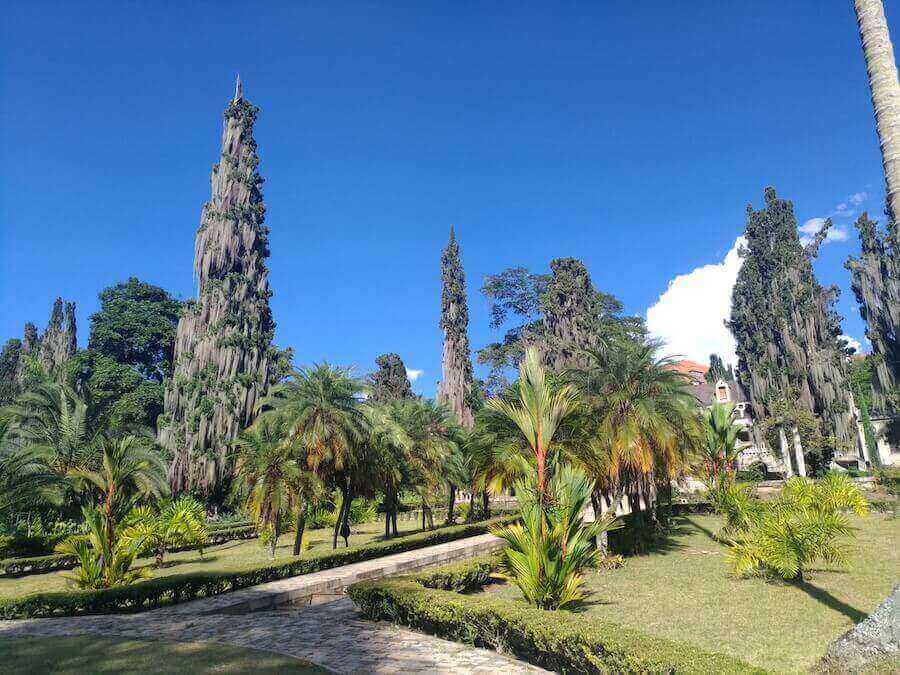
To see a different side of Medellin and get some Europe vibe, head to the one place in Medellin you can do that—Museo el Castillo. This is a Gothic-inspired castle that gives visitors beautiful panoramic views of the city as you enjoy a picnic after walking through the exhibits inside the museum.
You can see the largest collection of fine and decorative art in Medellin, such as irreplicable 19th-century furniture, Baccarat glassware, Colombian ceramics, paintings, sculptures, and stained glass that make the shadows look like they are dancing on the walls.
You can also walk around the gardens and see the fun fountains and trees, all within the city.
Local Things To Do In Medellin
Indulge In Delicious Local Cuisine
After long days of traveling, you will certainly be hungry. So why not try one of Colombia’s most popular dishes—Bandeja Paisa!
This dish is made of a lot of food on one singular plate—red beans cooked with pork fat, white rice, ground beef, chicharron, plantain, fried eggs, chorizo, black pudding, avocado, and lemon. Yes, this will all fit onto one plate!
This is one of the most iconic Colombian food you can find in Medellin. You will feel satisfied and ready to go out for a night in Medellin—after a quick nap of course.
Things To Do In Medellin At Night
Enjoy The Evening At Parque de Las Luces
Kick off the nightlife in Medellin at Parque de las Luces. Walk through this manmade forest made of illuminated pillars that provide shade during the day and light as you head out for the night.
This is a popular spot to take some epic social media posts! After you go to the Park of Lights, you can enjoy Medellin’s nightlife.
While there are many fun things to do in Medellin when the sun goes down, it is also important to take care of your belongings when hanging out. Practice common sense and safe precautions.
Club And Bar Hopping At El Poblado
The most popular space to go partying at night is in the El Poblado neighborhood. The streets are stuffed with bars and clubs and are frequented by residents and visitors alike. Many consider it the nightlife capital of Medellin.
A hotspot in El Poblado is Parque Lleras. The name is a misnomer since it’s not actually a park of green grass and a playground—it is actually a concrete park that is lined by the bustling nightlife.
While you can get a coffee as you walk through the neighborhood during the day, there is a totally different vibe in the evening.
Day Trips From Medellin
It is important to get away from the city while you’re in town, especially if you are going to be there for a long time—you’re a traveling nomad after all! Here are some of the top places to visit around the area.
El Penon de Guatape
El Penon de Guatape, or the Rock of Guatape, is a natural landmark about two hours from Medellin located near the town of El Penol. This is a giant granite rock with a staircase on one side that you can walk up to the top and get a view of Colombia.
On your way up is a shrine to the Virgin Mother Mary. When you reach the top, you will be rewarded with an incredible view of the surrounding landscape. Soak them in with a snack or drink at the convenience store before heading back down.
Guatape Town
After you check out the Penon, take some time to explore the vibrant Guatape Town. This colorful town is known for its brightly painted buildings that serve as a reminder of Colombia’s colonial past.
It is a charming little town with very different vibes from the city of Medellin. There are plenty of photo opportunities here as well with various artistic backdrops. Explore the cobblestone streets and admire the local art galleries and boutique shops before heading back to the city.
This is one of the most popular short getaways from Medellin.
Cerro Pan De Azuca
If you want another view of Medellin, right outside of the city limits is Cerro Pan De Azucar. This is a more secret location to visit, as not many locals or tourists know about this hill. It is located on the eastern edge of the city and is a more accessible hike for you to do when you are in the city.
Parque Arvi
For more outside activities, you can visit Parque Arvi, an ecological nature reserve. Located in the rural parts of Medellin, you can enjoy 33 miles of walking trails, go horseback riding, cycle, or just head over for a picnic.
Cerro de Las Tres Cruces
One more secretive location to know is the Cerro de Las Tres Cruces, or the Hill of Three Crosses. You will get amazing views of Medellin and the Andes Mountains all around you. It is a relatively short hike, about .75 miles each way, which should take you about 30 minutes in each direction. This is a hike people of all skill levels can manage
Enjoying More Things To Do In Medellin
There are plenty of things to do in Medellin. This city is the perfect hub to call your home as you navigate seeing the rest of South America—after you’ve explored the city and eaten enough Bandeja Paisa of course! Don’t be anxious about the city’s past—just be smart and keep your wits about you and you will have a great time in the City of Eternal Spring.
Paraguay is one of many nature-endowed countries in the world. This South American country is known for its Parana River, natural beauty, friendly people, and fascinating culture. There are many fun facts about Paraguay that makes it an interesting destination.
Common Facts About Paraguay
Paraguay is sometimes known as “Corazón de América,” which translates as “the Heart of America.” It sits in the South-central of South America and has an approximate population of 7.3 million.
Despite being landlocked and one of the least visited countries in South America, it actually features some great nature spots. Paraguay has one of the longest rivers in the world, beautiful waterfalls, and rich history. There are several facts about Paraguay that give you an insight into the country.
Historical Facts Of Paraguay
Paraguay Is Over 1000 Years
The Guarani people inhabited the eastern part of Paraguay for at least 1000 years before their Spanish colonials arrived. The Gran Chaco nomads inhabited the western part.
The western and eastern part of the country is known to be divided by the Paraguay River. Those in the eastern part majored in agriculture, while the westerners were more nomadic. The nomads were popular for their warrior traditions, and they only got pacified late in the 19th century.
The first sight of European in the region was in 1516 when Spanish explorers landed in the territory.
In August 1537, Spanish explorer Juan de Salazar de Espinosa established a settlement, “Asuncion,” in the region. That settlement eventually became the center of the Spanish colonial province of Paraguay.
A Befriended Parrot
Here’s an interesting fact about Paraguay. Rumors have it that the country’s name may have originated from a parrot. The country’s ancestral Jesuits priests befriended a parrot they named Frank.
For reasons we may never find out, these priests, at one point, turned to Frank and made dinner out of it. Although one caveat to this story is that in the 16th century, a parrot was Paraguay’s symbol on maps. So whether it is true or not is still up for debate.
One Of The Deadliest Fire In The World
One of the unfortunate incidents and lesser-known facts about Paraguay is the Ycua Bolanos fire tragedy.
In 2004, the Ycua Bolanos supermarket fire in Asuncion resulted in around 1000 casualties. The fire claimed the lives of at least 300 people (with some reports of over 400 deaths), and more than 500 were injured.
Considering the number of fatalities, it is one of the deadliest ever recorded in the history of the world. Some of the victims are still trying to seek reparation.
War Of The Triple Alliance
The triple alliance war is also known as the Paraguayan war. It was a South American war that lasted about 6 years, from 1864 to 1870.
The war was between Paraguay and the triple alliance (an alliance between Argentina, the Empire of Brazil, and Uruguay). This was the deadliest interstate war in the history of Latin America.
Paraguay sustained large casualties; the exact number is still disputed. They lost men during this war which impacted the country’s population ratio.
Ultimately, they were forced to cede disputed territory to Argentina and Brazil. The war started in 1864 due to a conflict between Brazil and Paraguay. The Uruguay war caused the conflict. In 1865, Argentina and Uruguay joined the war against Paraguay, hence the name “War of the Triple Alliance.”
Paraguay’s Rail Road
The intention to have a railway in Paraguay was conceived in 1856. But this only materialized after 5 years as the first train worked on 14 June 1861. The first journey was from the railway station to the port of Asuncion. Paraguay can claim to have the first railway in South America.
Facts About Paraguay For Tourists
Home Of The Biggest Feline In America (No)
South America is sometimes known for jaguars, but not all countries have them. These are after all the third largest feline in the world after the lion and tiger. One fact about Paraguay is that they cherish jaguars. Paraguay has a lot of jaguars. In fact, Asuncion’s Jardin Zoologico (garden zoo) has a refuge designed specifically for jaguars.
Paraguay Jesuit Ruins
Most Latin American nations have different histories attached to the ruins of their colonial masters or ancestors. It’s not so different in Paraguay. Paraguay is popular for its Jesuit heritage.
As such one of the main tourist attractions in Paraguay is the Jesuit missions of the Guaranis. The building of this famous heritage landmark commenced in the 17th century and was completed in the 18th century. These ruins are well preserved and embrace five different missions. These ruins are listed as a world heritage landmark by UNESCO.
Parana River
Paraguay is home to the second-largest river in South America. The river rising from the Mato Grosso region in Brazil flows through Argentina, Bolivia, and Paraguay. It has a total distance covered of 4881 kilometers.
Although it is approximately 1520 kilometers shorter than the longest river in South America (the Amazon river), it is still a sight to behold.
Saltos del Monday
One of Paraguay’s natural wonders resides in Ciudad del Este’s vicinity. Just a few meters outside the city. The Saltos del Monday is a series of waterfalls with amazing heights and widths of 45 and 120 meters, respectively.
Although it’s not particularly easy to get there, this is a great site to visit for tourists. There are spots where you can climb and abseil down the walls if you are an adventurer. But for kneen observers, you can enjoy the river and falls from various viewpoints. No one misses out on the fun.
Encarnacion Carnival
This beautiful aspect of Paraguay’s culture is a colorful event in an adaptation of the Rio Carnival. It’s an avenue where Paraguayans get to showcase their rich culture and heritage. One cool thing about it is open to everyone.
The Carnival features amazing samba parades, accompanied by many Paraguay dancers and gorgeous costumes. This event takes place for 5 days (typically Saturdays) from January to February every year.
Cultural Facts About Paraguay
A Bilingual Nation
Paraguay, like other South American, have a Spanish heritage. But unlike others, they’re one of the few to maintain their native language. One cool fact about Paraguay is that they have two official languages.
Although Spanish is still their official language, Guarani comes first for Paraguayans. However, Jepara (a mixture of both languages) is more prevalent, as many locals mix the two languages while speaking.
No Door Bells
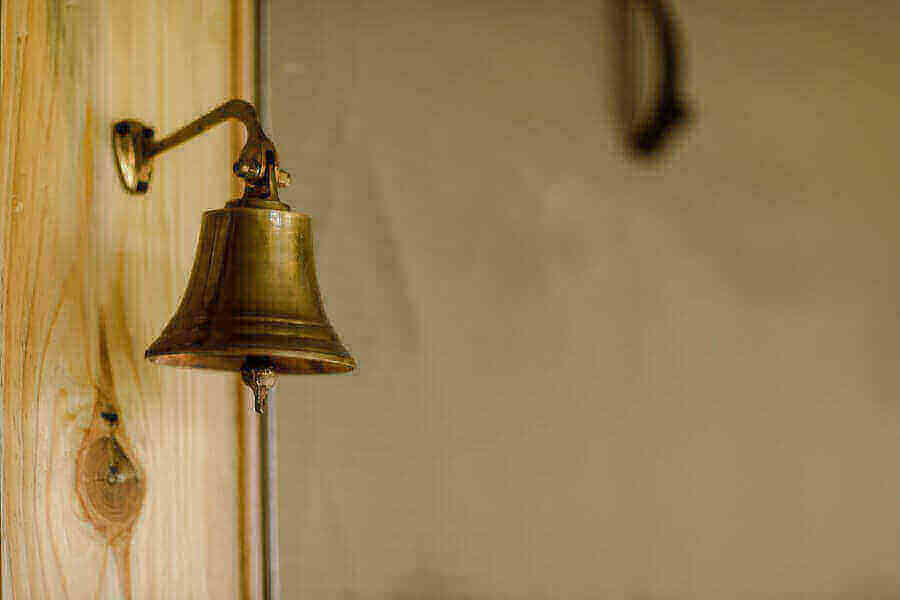
Here’s a Paraguay fact you probably didn’t know, most of their homes have no doorbells. When people visit, they usually just clap their hands to signal their arrival. Cool right? This system works because the windows are always open due to the hot climate, and claps can be heard from inside.
The National Drink Is Mate
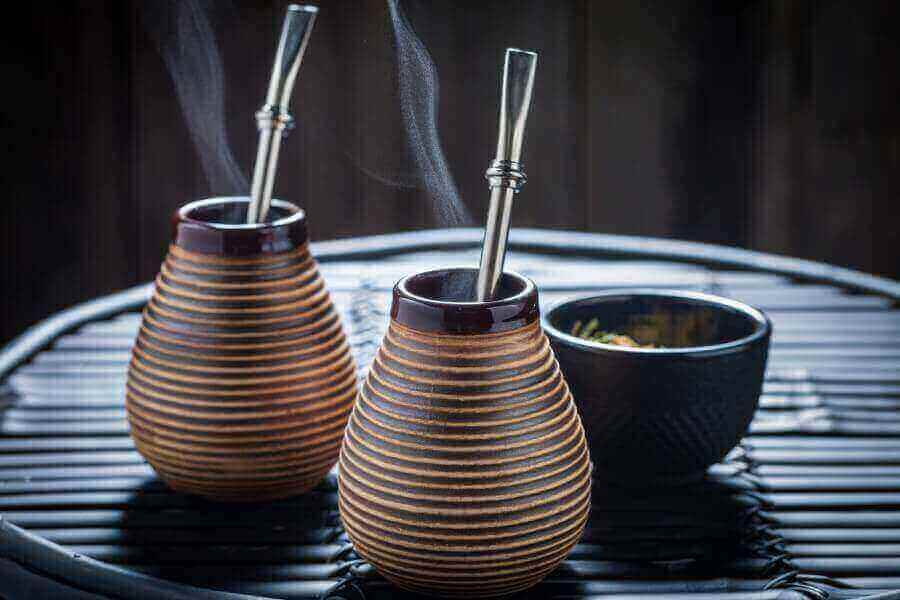
Mate is the traditional drink for the Guarani indigenous people of South America. Considering Paraguay is one of the few countries in South America to retain its Guarani native heritage, it is no surprise the national drink is mate.
Mate is an infused tea made with yerba mate plant and boiling water. It is usually served hot. There is also a cold version of it, called Terere which is more popular in the summer. Yerba mate is a relative plant to common holly and is usually cultivated on plantations.
Drinking mate with friends is very common in Paraguay. Like In Uruguay, sharing a mate is considered a social activity and an important part of the culture.
World’s Largest Water Reserve
One thing that cannot be separated from Paraguay’s culture is water. Paraguay houses the world’s largest water reserve, the “Acuifero Guarani” (Guarani aquifer). This reserve is so large that it extends into parts of Argentina and Brazil from Paraguay. It is one of the two largest aquifer systems in the world.
Pink Trumpet Tree (Lapacho)
Here’s an interesting fact about Paraguay. The lapacho tree, although found in many Central and South American countries, is Paraguay’s national tree.
Paraguay serves as home to at least 3400 species of plants and trees. Quebracho and Lapacho are some of these special trees. Quebracho has served as raw material for many industries as serves as raw material for leather works. But lapacho is the poster boy of the Paraguayan trees.
The pink-leaf tree is revered for its beauty and also its medicinal benefits. It can be used as herbal medicine and tea. There has been a suggestion that the lapacho was the main medicine for the Incas.
A Green Nation
One of the most lucrative sectors of the country’s economy is agriculture. Due to access to more than enough water, agriculture is a staple in Paraguay. The agriculture sector encompasses cash crops, food crops and livestock.
Paraguay is a leading exporter of organic sugar, corn, soybeans, beef, and stevia, to mention a few. Beyond the cash influx of the agricultural sector, it keeps the nation beautiful by keeping it green.
An interesting geographic fact about Paraguay is that it is smaller than the state of California. The land size is about 406,702 kilometers. It is a relatively small country in comparison to some of its neighbors.
The highest point in Paraguay is about 842 meters. The flat terrain in the country means that you rarely get views of mountains.
Deforestation
One fact about Paraguay is that it houses one of the most biodiverse forests in the world, covering approximately 1.3 million hectares.
Ironically, in all the years building up to 2004, the country had the highest deforestation rate on the continent. In recent times though, they’ve put measures in place to handle the deforestation problem and promote conservation.
Unique National Flag
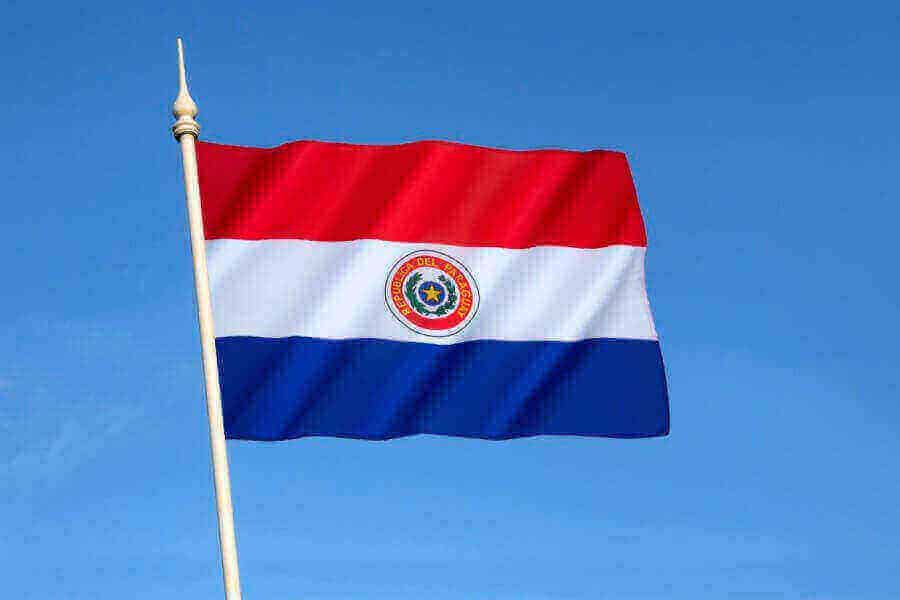
Here’s a fun fact about Paraguay for kids. Paraguay’s flag is one of the oldest in the world belongs. It has three beautiful colors (red, white and blue).
The flag also has different emblems on either side, making it unique. It has a coat of arms and the national treasury seal on either side of the flag. Accompanying the nation’s treasury seal is the nation’s motto, “Pazy y Justicia” (peace and justice).
The Heart of South America
One important fact about Paraguay is that it is located near the center of South America. As such, it is mostly referred to as the heart of South America.
Argentina surrounds the country to the southwest, Bolivia to the north, and Brazil to the east. This ensures that the country enjoys protection from all sides against foreign intruders.
An Engineering Feat – Itaipu Dam
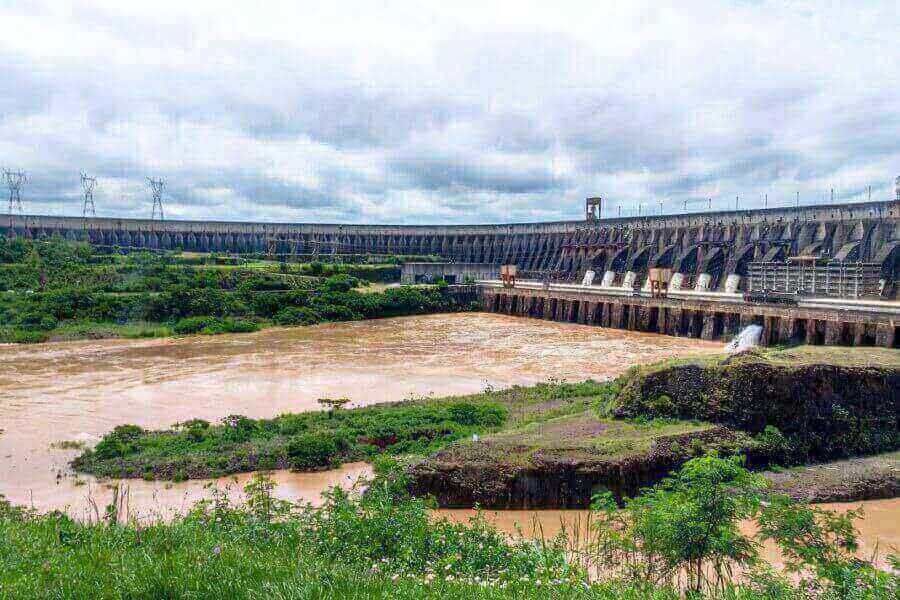
The Itaipu dam in Paraguay is the world’s second-largest working hydroelectric power plant. It Costs a whopping $196 billion to build and maintain; that’s a lot of money.
One interesting fact about this Paraguay landmark is that the amount of concrete used in constructing it is enough to build at least 210 football stadiums.
This power plant, built in 1971, has been meeting the power production needs of the nation satisfactorily. Interestingly Brazil also uses about 90% of the electricity generated from this plant.
Discovering More Fun Facts About Paraguay
Although not the most popular travel destination, Paraguay has its own unique culture and history. From its historic national flag to the world’s largest water reserve, there are many interesting facts about Paraguay that make it an intriguing place.
The Carnival is a colorful event that showcases the best of Paraguayan culture, while the Itaipu Dam is an engineering feat that provides power to much of South America. If you’re looking for an exotic destination, many visitors have a great time exploring what Paraguay has to offer.
In India, tourism is a booming industry. As a result, there are many beautiful sights that one can visit in the country. These famous Indian monuments are places that describe the country’s history and culture.
From natural wonders to historical places in India, here are some of the popular landmarks in India and interesting facts about them.
Top Indian Monuments And Landmarks In India
As one of the top tourist destinations in the world, there are plenty of historical Indian monuments to visit. Plan ahead, so you don’t miss your favorite places and have time for all your activities. It is important to know the top most visited landmarks in India that you should not miss when traveling.
Taj Mahal, Agra, Uttar Pradesh
The Taj Mahal is one of the most famous examples of Indian architecture. Every year, millions of tourists visit the Taj Mahal, making it one of the world’s most popular tourist attractions.
Shah Jahan built the Taj Mahal to memorialize his wife, Mumtaz, who died during childbirth. This Indian monument was a work of architecture and art that took 22 years to complete.
The Taj Mahal is a tourist spot where history and modernity mix. It shows how important love is. It is closed on Fridays to maintain peace and quiet during prayer.
The Taj Mahal is one of the historical monuments in India that will always be remembered for its heavenly beauty and perfect structure. White marble and red sandstone make up most of the building’s external walls.
Shah Jahan ordered this tomb’s 22-year construction in 1632. This iconic landmark of India is commonly known in English as the “Crown Palace .”
There are four minarets at each corner and two massive bulbous domes at each end, joined by arched windows in an elevated platform of white marble. Right-facing corner Jali or decorative screen rises around 70 meters, with lotus flower buds and leaves as ornaments.
Taj Mahal’s manicured garden and long-lasting fountain make it the perfect backdrop for any photograph. Be sure to visit this beautiful historical place that India is famous for.
Anecdotes: Shah Jahn planned to build a second mausoleum across the river, legend says. A black marble bridge was intended to connect the Taj Mahal to the tower.
Qutub Minar, South Delhi
Qutub Minar, India’s first monument and UNESCO world heritage site, is an ancient Islamic monument in Delhi. One of India’s most famous landmarks, the Qutub Minar complex, symbolizes Sufi culture.
The traditional function of the Qutub Minar is to serve as a place of prayer for the believers. Qutub Minar attracts millions of tourists from all around the globe each year.
Qutb Al-Din Aibak commissioned Qutub Minar in 1193 AD in Delhi. It was finished by Iltutmish, who was his successor. This landmark in India is one of Asia’s highest minarets. It reached its final height of 72 meters back then. It has since been reduced to 53 meters due to time and natural erosion.
Qutub Minar was built at the site of his victory over Pagan Chhatra. The tower’s inscription implies that it served as a victory memorial. The 2.75-hectare edifice has a 30-by-40-meter courtyard with a 54-meter tower in the center. This famous monument in India was loaded with pure silver recovered from Hindu temples during his conquest of India.
Anecdotes: Islamic invaders from Central Asia destroyed 27 Hindu and Jain temples and built the “Qutub Minar.”
The Golden Temple is an iconic and renowned Sikh temple located in Amritsar. It’s known for its stunning architecture and its captivating history. It is one of the many landmarks in India that has been declared a UNESCO World Heritage Site.
The main attraction of India’s Golden Temple is its dome, which is covered with gold-plated sheets. The Golden Temple is a symbol for many Sikhs and represents religious tolerance. The golden crown, two other domes, and the five arches represent faith, devotion, humility, and charity.
The Golden Temple was made out of Indian sandstone called Chhishta-Kirpan, native to Amritsar. The whole temple complex is an outstanding architectural marvel. Its brilliant architecture and spiritual aura have made it one of India’s most famous landmarks over the past few centuries.
Many tourists visit Amritsar annually, seeing it as one of India’s most revered sites. The Golden Temple is also a favorite site for photographers & travelers.
In addition to being called Harimandir or Darbar Sahib, it’s also known as Harimandir. “Sacred Audience” (Darbar Sahib) is the Punjabi translation of the term.
Arjan, the fifth Sikh Guru, established the first Harmandir Sahib in 1604 and was credited for its establishment. No matter how dedicated, a lower entrance was set up so anyone could get in. The temple sits on an island in the Amrita Saras pool, connected by a marble causeway.
The Golden Temple has five “pars” ‘entrances’: north, south, east, west, and in front. It’s also renowned for its marble inlay work. In addition, many artists have used this famous Indian monument as the setting for their paintings because it has such a beautiful view. Harimandir Sahib is one of the holiest sites in Sikhism and one of the largest temples in India.
Unfortunately, Afghan invasions repeatedly attacked the temple before it was permanently restored in marble and copper with gold foil throughout Maharaja Ranjit Singh’s rule during 1801–39.
Anecdotes: Lahore Sufi Muslim Saint Baba Sain Mir Mohammed Sahib laid the foundation stone for the building.
Alleppey Backwaters, Alappuzha, Kerala
Alleppey, also known as Alappuzha, has been dubbed the “Venice of the East” For good reason.
The region is surrounded by beautiful landscapes, sparkling rivers, lush flora, freshwater lakes, lagoons, rivers, coconut trees, and rice farms. National Geographic Traveler magazine ranked Alleppey as one of the most beautiful destinations in India in 2018.
The backwaters of Alleppey are a network of lagoons and canals that flow through the city. Vembanad Lake is just 5 meters below sea level and encompasses 26 square kilometers of land. Alleppey Backwaters are part of Kerala’s Vembanad Lake, the state’s most significant backwater.
The landmark has been designated as an Indian monument and is renowned for its picturesque landscapes. Calicut Market, the largest floating market in Asia, is located in Alleppey. 700 boats and 10,000 sellers provide this market with seafood, fruits, and vegetables.
Houseboats like the historic “Kettuvallams” that once sailed the seas off the coast dot this length. It’s easy to rent a sail aboard one of these ancient boats. If you’ve never been to Kerala, renting a little cottage on deck will be an unforgettable experience.
Anecdotes: World-famous backwater boat races include the Aranmula snake boat race annually in Alleppey, Kerala, which is the most popular.
Spiti Valley, Manali, Himachal Pradesh
The region of Spiti has been labeled ‘Little Tibet’ because of its beauty. Spiti Valley offers family vacations, romantic getaways, and all in between.
Spiti means “midland.” This valley shares boundaries with India and Tibet. It is home to spectacular biodiversity, making it a popular tourist destination and landmark in India.
This valley’s rich cultural legacy is one of its most distinctive qualities. It features Buddhist, Hindu, and Christian monasteries that date back to the 15th century AD in terms of religious connection.
In addition, there are Buddhist, Hindu, and Jain sculptures and paintings in old caves. These are all treasured heritage monuments of India. When it comes to the peaceful coexistence of several civilizations, there is no better example than the Spiti Valley.
The valley opens into a plateau with an average elevation of over 4500 meters above sea level. Famous landmarks in North India include Khor-la-La Pass, Khardung La, Khangchendzonga National Park, Shingo Gompa Temple, Tamo La, and Thiksey Monastery.
Anecdotes: A mummy in Spiti valley is believed to be a 500-year-old monk Sangha Tenzin.
Famous North Indian Monuments And Landmarks
Lotus Temple, New Delhi
The Lotus Temple is one of the most well-known landmarks in India. It is a prominent Bahai temple located in New Delhi, India. The Lotus Temple attracts thousands of pilgrims daily with its iconic architecture, and beautiful wall paintings adorn the interior walls and pillars.
The Indian monument is encircled by nine pools of water illuminated by the sun. In the evening, when floodlights illuminate the structure, it is breathtaking. The Lotus Temple was named after its distinctive design. This beautiful Indian landmark is constructed entirely of pure white marble.
The lotus is a sacred flower in Hinduism, Buddhism, Jainism, and Islam. A symbol of humanity’s togetherness and the Baha’i Faith’s simplicity, purity, and freshness is reflected in its design. There is no fear of judgment at the temple, where worshipers of all religions can gather to pray or meditate.
The Lotus Temple is a major tourist attraction that draws many to admire its beauty. It has nine sides to honor the number nine’s mystic symbolism. With 26 acres of manicured gardens around it, the Indian landmark rises more than 130 feet.
The temple complex has 27 marble “petals” arranged in threes and nines to form nine sides and three concentric rings. Canopies cover nine orifices created by first-ring petals. This is the second ring in the outside hall.
The innermost ring’s petals partially surround a 2,500-person prayer hall. A glass-and-steel roof above the open top of the building allows natural light inside the structure. Like a floating, about-to-bloom lotus flower, the impression is enveloped by the flower’s leaves.
Anecdotes: The Lotus Temple is one of 14 (and increasing) Baha’i temples worldwide.
Thar Desert, Rajasthan
The Thar Desert is one of the world’s most significant and vast deserts. The cultural heritage of the Thar desert is one of its biggest draws to tourists and natives alike.
One of the most captivating treasures is its folk music and dance, performed by ethnically diverse tribes. The costumes, jewelry, and dance are intricately linked to the region’s history and ancient customs.
Many famous landmarks of India are found in the Thar Desert, which is marked by sand dunes. Mohenjo Daro and Harappa were two ancient towns in the Indus Valley, which later became a desert here. They were part of a culture that flourished simultaneously in Egypt, Mesopotamia, and Minoan Crete.
The Thar desert is home to many wildlife species, including the blue bull, blackbuck, wolves, leopards, foxes, hyenas, and Indian gazelle. These animals live in groups of ten to twenty at a time. In the past, there were many more lions and cheetahs in the southern regions. Now, they are heavily endangered and seen as relics of the past.
The Thar Desert is one of the most important landmarks in India geographically and culturally. Many tourists visit to take in the breathtaking nature or explore historic sites like these ancient cities. It covers a vast stretch of land on the border between Pakistan and India.
About 85% of the desert is in India, and 15% is in Pakistan. It spread across four Indian states (Rajasthan, Gujarat, Haryana, and Punjab) while two Pakistani provinces (Sindh and Punjab) share the rest.
Anecdotes: It has been proven that 47 million years ago, the Jaisalmer desert had a sea. A group of paleontologists unearthed marine fossils dating back 47 million years, indicating that the landscape was once submerged underneath the sea.
Ranthambore National Park, Sawai Madhopur, Rajasthan
Located in Sawai Madhopur, Rajasthan, the Ranthambore National Park is one of the most famous landmarks in India. Ranthambhore National Park is spread across eight districts in Rajasthan and is named for the ancient Indian prince.
It is a World Heritage Site and a protected area. This is a must-see Indian landmark and one of the country’s top tourist destinations. Known for its biodiversity and lush forests, Ranthambore National Park has been a sightseeing spot for decades now.
There are 1,334 square kilometers of vibrant jungles and animals in the Ranthambhore National Park. One-horned rhinoceros, Siberian tiger, jungle cat, leopard, wild boar, sloth bear, sambar deer, elephant, and crocodile are just a few more than 1,000 kinds of flora and fauna that call this place home.
Both the natural and man-made attractions in Ranthambore National Park are famed for their mysterious beauty. Since its inception in 1980, the park has served as a regular site for wildlife enthusiasts and conservationists worldwide.
An ancient fort dating back to the 10th century is just one of many notable structures in this area. This Indian monument rises 700 feet above the surrounding landscape. Inside its walls are three colossal stone temples built in the 1100s and 1200s dedicated to Ganesha, Ramlalaji, and Shiva.
The Padam Talao Lake in the park is well-known for its abundance of water lilies and is another famous attraction of this Indian landmark.
Anecdotes: According to a census, there are 35,320 different bird species in this park. Avid bird watchers will find themselves in heaven in this park.
Gulmarg, Srinagar, Kashmir
Gulmarg is An amalgam of the Persian terms “gul” and “marg.” Gul = flowers, Marg = meadow. This historical place in India stands at an elevation of 2,650 meters. Buddhists and Hindus originally inhabited Gulmarg until 1827, when it was annexed to Kashmir by Gulab Singh, king of Jammu and Kashmir.
Today, it attracts tourists from all over the world who visit its beautiful flower fields, valleys, lakes, meadows, streams, and forests. Gulmarg became a popular destination after a British mountaineer, Major H. S. Rawlinson, visited the region and wrote a glowing report in his book ‘The Himalyas’ in 1854.
It is one of the most popular hill stations in Jammu and the Kashmir state of India. The Indian landmark is surrounded by three lakes: Gulmarg Lake, Peer Ghar Lake, and Kokernag Lake.
The entire valley is covered with wildflowers, some of the world’s largest. The flowers bloom from March to November yearly when the summer season descends. However, the most popular flowering season is from April to June, when Gulmarg is surrounded by a sea of yellow roses, wild yarrow, and poppy flowers.
Gulmarg is home to various Indian monuments and places such as The Apharwat Peak Ski Resort, Ancient Gulmarg Temple, and Gulmarg Biosphere Reserve. In addition, Kongdori Gulmarg Gondola Rides, Alpather Lake Treks, Gulmarg Golf, and Khilanmarg Pony Rides are some of the interesting activities in Gulmarg.
Anecdotes: People used to call it Gaurimarg in honor of the goddess of love, Parvati, who was also known as Gauri or Lord Shiva’s wife.
Jallianwala Bagh, Amritsar
The Jallianwala Bagh site lies is adjacent to the Golden Temple complex. It is a historic garden and “monument of national importance in India” in Amritsar, Punjab.
This Indian monument was established in remembrance of the casualties in the Jallianwala Bagh Massacre in April 1919. There is a museum, a gallery, and many memorials on the 7-acre property.
The place is named after Jallianwala Bagh, the garden of a modest private villa in Amritsar. During the time of the Sikh Empire, the landowner gave the famous landmark its name, derived from his surname.
Jallewalle was the surname used to refer to the family. He originated from the Jalla area of Punjab, India, and his family owned the land at the time of his death.
Anecdotes: According to the official British government assessment, there were 379 deaths and 1,200 injuries; however, other stories suggest that more than 1000 people were killed in this tragedy.
Famous Central Indian Monuments And Landmarks
Khajuraho, Madhya Pradesh
Near Jhansi, India, in the Chhatarpur district, the Khajuraho Group of Monuments is a collection of Hindu and Jain temples. These are some of the most iconic landmarks and historical monuments in India.
The complex was built during the Chandella dynasty in the 10th century AD. Around 20 temples may be seen at the site, some of which feature sexual artwork on their facade. However, one of the three historical landmarks in India that receives the most incredible attention is the Khajuraho Group of Monuments.
As one of India’s seven wonders, the Khajuraho Monument Group is a tourist must-see attraction. It is one of the important historical places in India. Anciently known as “Kharjuravahaka,” the name comes from the Sanskrit term for “date palm.”
Nagara-style architecture and sexual sculptures are two of the temples’ most notable features. It is one of the most significant cultural landmarks in India before Islam’s advent. It is well-known for its sexual sculptures, which portray diverse situations in a man’s life, ranging from an unmarried pair to a married woman in private moments with her lover.
Anecdotes: In mythology, the Khajuraho temples were called after the goddess Hemvati. The Moon God was fascinated by her beauty when he spotted her in a swimming pool. The couple gave birth to a son named Chandravarman. He was born out of wedlock, and she feared for his health and welfare. She was so distraught that she cursed the Moon God, who told her the child would become a powerful king. Instead, the kid became a strong king and founded the Chandela dynasty. After she died, her son saw her in dreams, and she told him to create temples portraying human desires.
Gwalior Fort, Madhya Pradesh
Gwalior Fort is an absolute must when learning about other cultures and their history. Atop a hill, this renowned fort provides a stunning 360-degree perspective of the surrounding area.
The grand Gwalior Fort is spread over about 3 sq. km. and is 10 meters tall. For centuries, dynasties of different kingdoms have battled it out to control this hill fort. This Indian monument is also one of the country’s most formidable forts.
In addition to being the oldest fort in Madhya Pradesh, Gwalior Fort is also one of the most beautiful landmarks in India. During the year 1022 CE, the fort’s fame soared to the point that it was stormed four days in a row by Mahmud of Ghazni. After that, many more Mughal kings battled for control of this magnificent structure!
With its striking architectural features and medieval artifacts, this fort is now available to visitors who seek to experience a time warp back in history. A popular light and sound performance is held here every night because of its rich and exciting history.
The Man Mandir tour provides an excellent chance for visitors to learn about some of the most important historical events. You are bound to learn many interesting facts about India here.
Anecdotes: According to mythology, Suraj Sen built it around 3 CE. The monarch was stricken with leprosy when a traveling saint named Gwalipa arrived at the fort. When Gwalipa gave him water from a sacred pond (Suraj Kund), he got healthy again. In gratitude, the king named the fort and town after the saint. He received the title of “Pal” (protector) from Gwalipa, who assured the king and his family that they would keep the fort as long as they held this title. Following Suraj Sen’s death, the fort was ruled by an additional 83 dynasties. Ultimately, the fort was lost to Tej Karan, the 84th king.
Sanchi Stupas, Madhya Pradesh
Sanchi is a Buddhist complex located on a hilltop in Sanchi Town in India, famous for its Great Stupa. The Sanchi stupas are one of the best-known historical monuments of India. Cetiyagiri was the ancient name for Sanchi and was linked to Mahadeva in ancient times.
Inspired by Buddhist architecture in Taxila, the stupas were built near Islamabad. The Stupa is believed to contain the relics of Lord Buddha and has been referred to in numerous Buddhist texts, including Sutta Nipata and Digha Nikaya. Great Stupa (also called stupa No. 1) is one of the most significant architectural landmarks in India.
Ashoka the Great, the Mauryan emperor at the time, had it built for him in the 3rd century BCE. He is believed to have made this Stupa preserve and disseminate the Buddhist philosophy and way of life.
At the heart of it, all was an unassuming hemispherical brick structure built over Buddha relics. It was connected to Vidisa, the Mauryan capital, via an ancient road. That road’s remnants can still be found. In addition, stupa inscriptions record the existence of large monasteries surrounding the Stupa, one of which (no. 51) may date back to the pre-Gupta period.
Anecdotes: A new dynasty, the Shungas, built larger Stupas and used brick before flattening the domes with stone.
Famous South Indian Monuments And Landmarks
Meenakshi Amman Temple, Tamil Nadu
India has a diverse culture and boasts many famous historic sites that are very popular among locals and tourists. One such Indian landmark is the Meenakshi Amman Temple. The temple’s history can be traced back to 1600 AD when the Pandya dynasty ruler Narasinga Chola built it.
Initially, it was built as a Hindu temple, but later it was converted into a Vaishnavite temple. Since its inception, the temple has been considered one of the most important temples in Tamil Nadu. This Indian monument stands at over 190 feet with eight floors, and each floor symbolizes an aspect of Indian culture that includes art, literature, music, and dance.
Its basic layout resembles a fortress, with a large rectangle divided into smaller ones by massive masonry walls. The tall, pyramidal temple towers that adorn the Gopurams and Vimanams above the main sanctum distinguish this temple, as do all Dravidian-style structures.
Sculptures depicting mini-temples, Hindu deities, and scenes from religious texts fill every one of these towers to the brim. These are painted in every color imaginable, leaving your eyes wide open at the level of detail.
Anecdotes: Per legend, the temple was built to tribute to the historic nuptials of Meenakshi and Lord Shiva.
Mysore Palace, Karnataka
Amba Vilas Palace, another name for Mysore Palace, is one of India’s most magnificent palaces. From 1399 to 1950, it served as the official residence of the Mysore dynasty.
Mysore’s royal family, the Wodeyars, commissioned the palace’s construction in the late 14th century. However, as early as the 14th century, the Old Fort’s first ruler, Yaduraya, erected a palace there.
For six centuries, the palace was repeatedly torn down and rebuilt. Finally, during the wedding of Princess Jayalakshmmanni in 1897, a fire gutted the palace. In 1912, a British architect spent about 41 lakh Indian rupees on building this house.
Indian, Mughal, Rajput, and Gothic architecture can be seen in the Mysore Palace’s design. This is one of the most intricately beautiful monuments in India. Carved doors, stained glass ceilings, glistening glazed floor tiles, Czechoslovakian chandeliers, and works of art from around the world fill the interiors.
Anecdotes: Mysore Palace is one of the few tourist attractions in India that has implemented braille support for visually impaired visitors.
Belum Caves, Andhra Pradesh
Belum Caves in Andhra Pradesh are India’s second-largest cave system, smaller only to the 2,776-foot-long Krak Liet Prah Caves in Meghalaya. You can imagine why this is one of the key natural landmarks in India.
Water flowing over limestone deposits for millions of years created stalactites (icicle that hangs from the ceiling), stalagmites (a rock formation that rises from the floor), sinkholes, and water galleries in the area. As a result, the Belum Caves have a network of water-filled tunnels and passageways that anyone can explore.
Belum Caves have long been a favorite landmark in India of monastic communities seeking solitude and peace in India. Evidence of ascetic meditative practices in these caverns dates back hundreds of years, as shown by the discovery of artifacts and fragments from Buddhist and Jain monastic vessels.
Anecdotes: As an homage, a museum in Anantapur, 90 km away, displays artifacts excavated from these caverns.
Famous West Indian Monuments And Landmarks
Rajmachi Killa, Maharashtra
Fortresses like Rajmachi Killa (Fort) in the Sahyadri Mountains stand out in the rugged Western Ghats landscape as important landmarks in India.
For those who enjoy hiking, Rajmach Fort is a must-see. Every year, many people hike on the fort’s famous trails. Shriwardhan and Manaranjan, twin fortresses, are surrounded by a large plateau.
In the 17th century, Rajmachi Fort was built by Emperor Shivaji Maharaj. The Indian monument can be seen in all its glory from this vantage point.
One of the few beautiful fortresses in the town of Rajmachi is Manoranjan Fort. It was constructed to keep an eye on and secure the ancient Borghat trade route, which ran from Khopoli, located in Konkan, up to Lonavala, situated at the summit of the Ghat.
Anecdotes: At one point, it was called Rajmachi point Lonavala, but it is also known as Lonavala fort.
Dudhsagar Falls, Goa
In a crescent-shaped valley surrounded by pristine, verdant forest, the Dudhsagar Waterfalls are a natural wonderland that attracts many domestic and international people. One of the most beautiful landmarks in India, Dudhsagar, translates as “Sea of Milk” in English.
The 310-meter-tall and 30-meter-wide Dudhsagar Falls is considered India’s tallest waterfall. Goa’s Mandovi River serves as its waterway. These falls can be accessed by road from Panjim in Goa. It can also be seen on the Madgaon-Belagavi rail route.
The Dudhsagar Falls are located in the Bhagwan Mahaveer Sanctuary and Mollem National Park, which are located in the Western Ghats. These waterfalls form a border between Karnataka and Goa and are a haven for various wildlife.
The waterfall’s magnificence is enhanced tenfold during the rainy season, even though it is universal. When viewed from a distance, the spectacular waterfall appears to be like a big stream of milk flowing effortlessly.
Anecdotes: Milky waterfall has a legend. According to legend, a wealthy king formerly governed the Western Ghats and resided in a lovely alpine meadow with wild animals. The king’s daughter bathed nearby. After her bath, she drank milk from a golden jug. When a prince passed along the river, he saw the princess. She was embarrassed that people could see her while she was still in her bathing suit, so she poured milk into the jug in front of her to make a wall to hide behind. The waterfall has been milky ever since.
Rann of Kutch, Gujrat
The Rann of Kutch is a salt marsh in Gujarat’s western Kachchh district located in the Thar Desert. It is sandwiched between the Indian state of Gujarat and Pakistan’s Sindh province. The Great Rann of Kachchh, the Little Rann of Kachchh, and the Banni grassland make up the 30,000 square kilometers that forms this region.
Around 3500 BCE, the people of the Indus civilization appear to have established themselves in the Rann of Kutch. The Rann of Kutch is home to Dholavira, the largest Indus city in India.
When the Rann of Kutch submerged in the sea thousands of years ago, an earthquake exposed the seabed and turned it into a vast desert. It’s now a vast, desolate desert that stretches all the way to the Arabian Sea, which is only 10 kilometers away.
With its white, salty sand, the Rann of Kachchh is the largest salt desert on earth and one of the most impressive natural landmarks in India.
An ancient Sanskrit word, ‘Irina,’ which means desert in Hindi, is the source of the Hindi word ‘Rann.’ It is the largest non-snow white desert in the world, covering an area of 30,000 square kilometers.
You have to ride a camel while you’re here. Listen to Gujarati folk music from the local communities. Take a look at or purchase one of the Kutch handcrafted umbrellas. Try scaling the pink structure for a better view.
Anecdotes: Dromedaries or one-humped camels are native to Kutch, where they can be seen swimming in the Arabian Sea. These mangrove leaf eaters are a rare sight as they swim across a sea channel.
Famous East Indian Monuments And Landmarks
Mahabodhi Temple, Bihar
The Mahabodhi Temple is one of the great Buddhist temples of India. The temple is among the holiest of Buddhist pilgrimage sites. It was built in the 3rd century BCE by Emperor Ashoka and later renovated by King Kharavela, who donated a stone railing during the 1st century BCE.
The Mahabodhi Temple has been destroyed and rebuilt many times since then. It is one of the four temples built around the Bodhi tree under which Buddha attained enlightenment. This makes it one of the most important religious monuments in India.
The Mahabodhi Temple, located in Bodh Gaya, India, is called the “Great Awakening Temple” by locals. It dates from the late Gupta period and is one of the earliest brick Buddhist temples still standing in India.
After Bakhtiyar Khilji’s Delhi Sultanate defeated the Senas, the Mahabodhi Temple was abandoned. People from all walks of life can enjoy and benefit from the calming and tranquil atmosphere of this well-designed and meticulously maintained complex.
Anecdotes: The Bodhi tree is a sacred, religious symbol to Buddhists. Tissarakkha, the queen of King Ashoka, destroyed the original Bodhi tree to dissuade her husband from embracing Buddhism.
Ruins of Nalanda, Bihar
In ancient Magadha, India, a Buddhist monastic university called Nalanda was a well-known destination for students and scholars. One of the most outstanding educational institutions in history and the world’s first residential university.
Bihar is where you can find the ruins of Nalanda. It’s made up of the ruins of a monastic and educational institution that dates back to the 3rd century BCE and continues into the 13th century CE. Many historians see Bakhtiyar Khiljis’ destruction of India’s oldest University in 1193 as a turning point in Buddhism’s decline.
The ancient University of Nalanda is well-known worldwide for its teachings in the Vedas, logic, grammar, medicine, metaphysics, prose composition, and rhetoric. Locals in the Nalanda region refer to the area as “Biharsharif.”
When the Gupta Empire ruled India and Java, many Buddhists and non-Buddhists came together to support the establishment of Nalanda. It is one of the meaningful monuments in India that also reflects the unity in the past.
Anecdotes: Nalanda is named after the Buddha’s epithet “Na-Alam-da,” which means “Insatiable in Giving.”
Santiniketan, West Bengal
‘Viswa Bharati University,’ is now known, is located in Shantiniketan. This is one of the quietest and most peaceful tourist destinations in India. Rabindranath Tagore opened his school at Santiniketan on December 22, 1901, with just five students and five teachers.
In the spirit of traditional forested hermitages, he christened it Brahmacharya Ashram. Classes at this institution were held in the open, making for a unique learning environment. Tagore envisioned a university that combined the finest of eastern and western thought.
Tagore established the school in Shantiniketan because he thought that learning should occur in nature so that students could better understand what they were learning. And Shantiniketan’s serene atmosphere left an impression on him.
It remains one of the important and unique educational landmarks in India today.
Anecdotes: Gurudev Rabindranath Tagore built up Shantiniketan because it was his father’s dream, Maharshi Devendranath Tagore.
Famous North East Indian Monuments And Landmarks
Ita Fort, Arunachal Pradesh
In Arunachal Pradesh, India’s northeastern province, the Ita Fort in Itanagar town is one of the most significant historical places in India. The city of Itanagar, which serves as the state capital of Arunachal Pradesh, shares its name.
An early fortification in Arunachal Pradesh, Ita Fort dates back to the 14th or 15th century. The fort was constructed primarily with bricks that date back to the 14th to 15th centuries and has an uneven shape.
According to legend, the Chuta monarchs built Arunachal Pradesh’s Ita Fort in the 14th or 15th century. It is believed that the Ita Fort was one of the earliest forts that the Chutia king Ratnadhwajpal initially built all over his empire, starting from Biswanath and going all the way up to Disang.
Anecdotes: The name of this Indian landmark means “Fort of Bricks” in English.
Nohsngithiang Falls, Meghalaya
One of India’s tallest waterfalls, the Nohsngithiang Falls, is a popular tourist destination. It’s also known as Mawsmai Falls because it’s located in the East Khasi Hills District of Meghalaya’s Mawsmai Village.
This well-known tourist landmark in India is also called the Seven Sisters. As far as height goes, it’s 1,033 ft, and its width is 230 ft. One of the most breathtaking landscapes is the sunset over these falls, illuminated by the setting sun.
Intriguingly, the waterfall got its name because of how it falls: in seven steps. When it rains, the scenery is even more beautiful since the entire landmark comes to life.
Anecdotes: In addition to this waterfall, there is a slew of other attractions in this part of the world worth seeing. The Mawsmai Caves, Nohkalikai Falls, and living root bridges are just a few of the must-see attractions in the area.
Lingaraja Temple, Odisha, India
In Bhubaneswar, the most famous Indian monument and destination for visitors across the country is the Lingaraja temple. Hindus believe that Shiva is best served by worshipping at Lingaraj Temple; it’s also one of India’s oldest temples.
This gorgeous temple was built in honor of the Hindu god Shiva. King Jajati Keshari began construction in the 10th century, and King Lalatendu Keshari finished it in the 11th century. Lingaraja, which means “king of Lingam,” is the name given to Shiva’s most recognizable form.
The Lingaraja temple’s structure is unique for its construction out of relatively soft soapstone. This allows the architect and sculptors to carve out shapes that can fill very fine sand called raja basa, which makes up the stone’s core and structure.
One of the most sacred places in Hinduism is believed to be the home of Shiva and Vishnu, according to some ancient texts. The lingam is carved from a monolith, and it represents the linga (phallus) of Shiva. Brahmapur, Chandrasekharpur, and Patia converge at the “Pipalpahat” east of Bhubaneswar, where you can find the temple.
Anecdotes: It is said that Lingaraja’s deity once sat under a mango tree in the Ekamra Kshetra. Bhubaneswar is also known as ‘Ekamra Kshetra,’ an alternate name for the city.
Discovering More Indian Monuments And Landmarks In India
As you can see, there are many amazing Indian monuments and landmarks worth exploring. Each one has a unique story to tell, and they offer an incredible glimpse into India’s rich history and culture.
India is a country of its own, offering experiences and adventure that you will probably not find anywhere else. Taj Mahal, Qutub Minar, Red Fort, and the Sun Temple are just a few of the many wonders.
Fill your stomach with delicious Indian food, and get set to uncover all the historical places in India awaiting you.
In this episode, Erin from RoamGeneration shares how she and her family went from watching a sailing documentary to living life on a boat full time.
We discuss the financial aspects of things and the transition to and from life on boat to land between different seasons of life. Erin also talks about how she runs a fully remote agency right from her boat cabin and the challenges of living together as a family within the confines of a boat.
00:42: Introduction
5:36: Transition to sailing and nomadic life
10:01: House and Boat: Asset or Liability?
22:35: Bringing kids into a nomadic lifestyle
28:26: Nomad life is more about freedom of choice
33:29: Overall travel lifestyle with a boat
36:57: Homeschooling kids while traveling
47:33: Managing a business from the boat
50:18: Challenges in remote management
55:01: Business and career strategies that made the difference
58:13: Important aspects of nailing public relations
As a fascinating region in South Central USA, Oklahoma is known for its rich history and culture. The landmarks in Oklahoma each tell a part of the story of the state, some even dating as far back as prehistoric times.
From the Great Plains that immerse you in their natural beauty and distinct features to the apparent influence of Native Americans and their preserved heritage, Oklahoma gives visitors an enjoyable catalog of its history and endowments.
Visitors will find inspiration in Oklahoma’s historical sites, closure in the memorials, and experience peak excitement and enlightenment in the monuments and museums scattered across the state.
These are some of the most famous Oklahoma landmarks that summarize the region’s deep history.
Most Famous Landmark In Oklahoma
Cherokee National Capitol, Cherokee County
Now known as the Cherokee Nation Courthouse, the Cherokee National Capital served as the Cherokee Nation’s capitol building from 1869 to 1907. The building was constructed between 1867 to 1869, and it’s one of the most iconic 19th-century architectural landmarks in Oklahoma.
The building now serves as the supreme court and judicial branch of the Cherokee Nation. As a key historical site in Oklahoma, this destination is not just an architectural pleasure but also immensely meaningful.
In 1961, the building was even declared a National Historic Landmark. The Cherokee Nation has also made efforts to restore the original appearance of the building by repairing some of the building’s worn-out features.
Famous Oklahoma City, Oklahoma Landmarks
Oklahoma State Capitol Building
The Oklahoma State Capitol Building is one of the most significant historical landmarks in Oklahoma City. The building houses the government of the US state of Oklahoma, the Oklahoma legislature, and executive branch offices.
After the capital of Oklahoma was moved from Guthrie to Oklahoma City, construction of the capitol building began in 1914 and continued through 1917.
The state capitol building incorporates the capital complex, which prides itself as the only state capitol grounds in the US with active oil rigs.
The interior of the building is very artful, as it features a mural by Chickasaw artist Mike Larsen and several paintings by artists Wayne Cooper and Enoch Harvey.
Myriad Botanical Gardens
Myriad Botanical Gardens is an urban park that spans 17 acres. The park is utterly astonishing, as it features several plant species from all over the world. The garden’s impressive set-up features a sunken lake as its centerpiece and is surrounded by art exhibits.
The park has splash fountains, hiking trails and jogging paths, an off-leash dog park, and several activities that adults and children will find interesting. The park’s warmth and impressive space make it one of the best natural Oklahoma landmarks for visiting families.
Lake Overholser Dam
Lake Overholser Dam sits on the Oklahoma City limit, towering up to 68 feet.
The dam, named after the 16th mayor of Oklahoma City, Ed Overholser, became a household name after the 1923 flood that affected the region.
Although the dam wasn’t responsible for the flood, its widespread association with the flood piqued the interest of visitors who wanted to see it themselves.
Ever since then, it has become one of the most famous landmarks in Oklahoma.
Monuments In Oklahoma City
Oklahoma City Bombing Memorial
The Oklahoma City Bombing Memorial is dedicated to the victims of the April 1995 tragic bombing. The solemn site was established on the Alfred P. Murrah Federal building, which was flattened after the blast.
The memorial houses a museum that features exhibits from the event. They also provide interactive tours that display details of the events that happened on that fateful day.
This Oklahoma monument is a quiet and solemn destination where visitors can have a feel of what happened that day and also pay their respects. It reflects one of the important events and facts of Oklahoma’s past.
Stanley Draper Statue
To commemorate his contributions to Oklahoma, the state built a 9-ft tall bronze statue of Stanley Draper. This is one of the most respected monuments in Oklahoma City.
The sculpture was created by Leonard McMurry and was unveiled in 1974.
Stanley Draper served as director of the Oklahoma City Chamber of Commerce for a long time, during which most of the significant transformations in the states happened. For his part in the state’s development, Stanley was nicknamed ‘Mr. Oklahoma City’. He was also inducted into the Hall of Fame of the Oklahoma state.
Stanley Draper statue is a go-to for travelers looking to know more about influential figures of the State.
Famous Tulsa, Oklahoma Landmarks And Monuments
Cyrus Avery Centennial Plaza Monument
Cyrus Avery Centennial Plaza features one of many Oklahoma monuments in Tulsa, which is the statue built in honor of Cyrus Avery.
The businessman and highway commissioner created Route 66 in 1926, after which it became one of the most popular roads in the USA.
One of the monuments in The Plaza is a statue of Cyrus Avery on top of a horse-drawn carriage. The other statue is of Cyrus and his family in a family sedan.
This monument in Oklahoma aims to remind/tell visitors about the immense contributions of highways and automobiles in the 1920s and 1930s.
Photo Credit: Wirestock /Depositphotos.com
Philbrook Museum of Art
Philbrook Museum is an art museum located in a 1920s villa, home of oil pioneer Waite Phillips and his wife, Genevieve. The mansion, dubbed ‘Villa Philbrook,’ was designed by architect Edward Buehler Delk in 1926.
The Philbrook Museum of Art, formerly the Philbrook Art Center, was opened in 1939, displaying an art collection of works from the Tulsa Art Association and Villa Philbrook.
The art collection mainly consists of Native American art and artisan items. Visitors troop to the museum to have guided tours, though they are also welcome to enjoy a tour of the expansive garden housed in the villa.
Other Famous Historic Sites In Oklahoma
Fort Washita Historic Site, Durant
Fort Washita was a military post established to maintain peace among the Plain Indians Nations of Choctaw and Chickasaw.
The federal forces later abandoned your fort at the start of the American Civil War, after which confederate troops occupied it from Texas, who destroyed the place before vacating it.
The Oklahoma Historical Society acquired the place in 1962, restoring the site and establishing a museum. Since it was designated a National Historic Landmark in 1965, it has consistently attracted visitors from all over the nation, making it one of the most visited historical sites in Oklahoma.
Price Tower, Bartlesville
Standing at 221 feet, Price Tower is an unmissable Oklahoma landmark located in Bartlesville.
The tower, designed by architect Frank Lloyd Wright, was commissioned in 1956. It is the only skyscraper designed by Frank that was ever built.
The tower was originally built as a corporate headquarters for a company, but later, in 1985, an art complex was opened and was named the Price Tower Arts Centre.
Other features in the tower include a hotel, restaurant, and museum, which houses several art collections and hosts exhibitions with popular artists and art enthusiasts in attendance.
Honey Springs Battlefield State Park, Checotah
A list of historical sites in Oklahoma is not complete without a mention of the Honey Springs Battlefield State Park. This historic site was established to commemorate the most prominent military battle in the history of Oklahoma.
The Battle of Honey Springs, also known as the Affair at Elk Creek, happened on July 17, 1863. Back then, the Union forces recorded a victory in their bid to capture the Indian territory.
In 1997, the Oklahoma historical society acquired 957 of the 2,997 acres covered by the original Battlefield. And in 2013, the Honey Springs Battlefield was designated a National Historic Landmark.
The Battlefield has half-a-dozen trails for hiking and exploration of wildlife.
Sequoyah’s Cabin, Sallisaw
Sequoyah Cabin is one of a few historic sites in Oklahoma. It is the home of Sequoyah between 1829-1844. Sequoyah, also known as George Gist, was an Indian Cherokee who created the Cherokee syllabary, a material that made reading and writing in Cherokee possible.
In 1936, the cabin was acquired by the Oklahoma Historical Society. It was later listed on the National Register of Historic Places in 1966. This is just a year after it was declared a National Historic Landmark.
The cabin now serves as a museum and is considered an essential part of the history of the Cherokee Nation.
Chisholm Trail Museum, Kingfisher
Chisholm Trail Museum is a museum established in honor of the Chisholm trail.
The Chisholm trail was used to drive cattle from ranches in Texas to Kansas. The trail was founded by rancher Black Beaver and his merchant friend Jesse Chisholm, who the course was named after.
Chisholm Trail Museum features visuals and exhibits that narrate the trail’s history. In front of the resume is a statue of Jesse Chisholm.
The 9883-acre Chickasaw National Recreation Area is sprawled on the Arbuckle Mountains’ foothills. This is one of the most scenic natural Oklahoma landmarks, with evergreen trees and flowing crystal-clear water.
The area commemorates the Cherokee people who inhabited the place before they were relocated in the 1800s. The park also includes the lands of the former Platt National Park and Arbuckle Recreation Park.
The park offers plenty of opportunities for outdoor activities, including fishing, camping, hiking, and picnicking. It is no wonder why Oklahoma’s national parks are popular destinations for both locals and travelers.
Great Salt Plains, Alfalfa County
Named the Grand Saline by the first white men who visited the area in 1811, the Salt Plains is a 38-kilometer square area covered with salt. The salt layer was deposited centuries ago by an inland ocean said to have covered the state during prehistoric times.
The salty lake offers fishing opportunities for catfish, sand bass, and hybrid striper. Although the Salt Plains cover much of the park, the remaining part features cabins, picnic spots, a swimming beach, a fishing dock, and other activities that will make the park fun for visitors.
Heavener Runestone Park, Heavener
If you are enthusiastic about the history of Scandinavian explorers, Heavener Park has something of great interest. This is one of the most meaningful Oklahoma historical sites.
This 55-acre Park was established around a runestone, which many believed was inscribed by Vikings to let people know that they were there.
Another slightly different account says that a Swedish immigrant made the inscription in the 19th century. The runestone is not the only attraction in the park. There are hiking trails, gift shops, a playground, and picnic areas that both adults and children can enjoy.
The park also hosts a well-attended Viking festival on two weekends of the year.
Turner Falls, Davis
Turner Falls is one of the most famous Oklahoma landmarks and arguably the most famous natural landmark in the state.
Located south of Davis, the waterfall drops majestically from Honey Creek, tucked in the Arbuckle mountains.
The waterfall is 77 ft high and is considered the tallest waterfall in Oklahoma. It is named after Mazeppa Thomas Turner, who discovered the falls in the 1800s.
Turner Falls supplies enough water to a surrounding lake where visitors can swim. However, it is strongly recommended that only expert swimmers should be allowed to swim there because it poses a risk.
Robbers Cave, Latimer County
Located in Latimer County is the impressive Robbers Cave State Park, which is home to the famous Robbers Cave. Robbers Cave is famed for being the hideout for outlaws Belle Starr and Jesse James.
Robbers Cave State Park offers plenty of attractions to visitors. There are hiking trails, lakes, and climbing spots.
The outdoor activities are what visitors will enjoy the most in the park. They get to take in the scenic spectacle of the San Bois Mountains.
Tiger Safari, Tuttle
Tiger Safari Zoological Park is home to different kinds of wildlife and predators that are brought up close for visitors to observe.
With tigers, leopards, turtles, and snakes, the zoo offers interactive tours to adults and children who learn about the behavior and uniqueness of these animals.
Visitors can go as far as interacting with some of the harmless animals. The zoo also features an African village where visitors can lodge if they decide to extend their visit.
A trip to Tiger Safari Zoo promises an exciting adventure that can’t be felt anywhere else in Oklahoma.
Visiting Landmarks And Historic Sites In Oklahoma
Oklahoma residents are loud and proud people, and it will be an even more exciting trip if you make acquaintance with a couple of residents.
Perhaps, while visiting the various Oklahoma monuments, you might get a more vivid picture of the state’s historical figures if a proud resident or indigene guides you.
Regardless of your company, the landmarks in Oklahoma are exciting fixtures on their own. They offer a deep dive into the culture and nature of the state. Similarly, the historical sites in Oklahoma are a window of opportunity into the past of the region and country.
Be sure to plan a trip down to experience the state yourself, and also indulge in all the delicious foods of Oklahoma!
Slovenia is a beautiful country made up of many varied regions. The landscape here is breathtaking, but only one thing in Slovenia can truly blow you away and that is Slovenian desserts. The sweets in Slovenia are simply unforgettable with notes of richness and brightness that cannot be compared. Gear up and get lost in the sugary world of Slovenia sweets!
What Is Special About Slovenian Desserts
Those familiar with the varied cuisine of Sloveniamay think of it as a savory lover’s paradise with tons of heart stews and meats, but there are lots of sweet things here, too.
The Slovenian dessert style plays on what is available and regional influences to craft irresistible treats. There is nothing restrained about the desserts in Slovenia, they are full of big flavors.
In Slovenia, you can expect to find plenty of cheese and dairy on the dessert table and excellent seasonings like caraway and tarragon. The local favorite dish of dumplings is ever present, even at dessert, so expect to find those on the sweets menu.
Every bite of Slovenian dessert is a surprising and sweet adventure; its one of the most exciting facts about Slovenia for foodies. So get ready to dive right in!
Most Famous Slovenian Dessert
Pohorska Omleta (Sweet Omelet)
This gorgeous dessert in Slovenia is a local favorite for a sugary indulgence. It is a decadent marriage of cake, cream, and fruit that showcases all the highs of Slovenian dessert making. This treat is served at restaurants across Slovenia and celebrates the Slovenian tradition of foraging.
Pohorska omleta is composed of an airy cake that is filled with fruit jam, whipped cream, and fresh fruit. It is folded in half like an omelet and enjoyed cold with hot coffee or Slovenian dessert wine. This is the perfect summer dessert in Slovenia.
Traditional Slovenian Desserts
Blejska Grmada (Crumble-Style Cake)
Locals love this Slovenian dessert from Bled. This dessert is a moist and crumbly Slovenian sensation! It has all the sweetness and flavors you want in a dessert with such a satisfying texture.
Blejska Grmada is a dessert cake made from a sweet batter that is packed with cocoa and dried fruits. It bakes into a dense and satisfying cake, but the local bakers make it even more delicious by soaking it with rum or dairy.
It is served with vanilla cream for a truly welcoming and nostalgic feeling dessert.
Strudelj (Strudel)
The Slovenian version of strudel originates in the Slovenian valley region. It is a testament to the cultural melting that occurs across Slovenia and it’s a truly delicious Slovenian dessert.
Sweet strudel is beloved across all of Slovenia and many variations exist but the original version remains the same. It is always made with layers of flakey and light pastry, baked around a fruit or cheese filling.
Strudelj is flakey, fruity, and impossible to resist so try a bite of this Slovenian classic right away!
Ajdnek (Buckwheat Cake)
Buckwheat is a very popular grain in Slovenian cuisine and this dessert is the perfect sweet interpretation of the grain. Pairing the flavor of buckwheat with walnuts makes a truly Slovenian dessert flavor. It’s a moist and flavorful layered cake that you will want to eat again and again!
Ajdnek is made up of layers of thin buckwheat cake and deletable walnut filling. It is moist and gets extra flavor from warm spices like cinnamon. This sweet buckwheat cake is perfect with a hot coffee for a nice afternoon treat!
Prleška Gibanica (Layered Dessert)
This beautiful dessert in Slovenia is something like a dream, it is creamy, luscious, and irresistible. You will fall in love with the sweet cream flavor of this cake with just one bite, but good luck stopping there!
Prleška gibanica is composed of layers of thin cake and creamy sweet cheese filling. It is a rich and creamy dessert that is great with fresh berries, hot coffee, or local wine.
Sladki Štruklji (Sweet Dumplings)
This wonderful Slovenian dessert is a local favorite treat to enjoy on cool evenings. Sladki Štruklji is a beautiful dessert made from sweet cheese-filled dumplings. The dumplings are rolled like strudel and the filling has a creamy flavor that is second to none! This great sweet is lovely with honey or fresh fruit.
Medenjaki (Spiced Cookie)
These small balanced, sweet bites are a great choice for a light Slovenian dessert or tea-time treat. Medenjaki are wonderfully cakey cookies with spices that will make you feel warm, from the inside out.
The beautiful cookies use the flavors of fresh cinnamon and honey to create the perfect sweet treat. Enjoy this Slovenian sweet with hot tea or coffee after a long day of adventuring.
Slovenian Pastries
Buhteljni (Sweet Bread)
Buhteljni is a light treat that locals in Slovanian cannot get enough of! It is a beautiful baked treat similar to sweet rolls, but with a delicious surprise filling.
Buhteljni is made from an enriched, yeasted dough and filled with bright and fruity jams. Then rolls are baked into golden brown bites that cannot be beaten. Buhteljni are often dusted with powdered sugar and served with coffee.
Krofi (Filled Donuts)
This fried dessert is a Slovenian favorite! Krofi are delicious Slovenian fried pastries similar to a jelly doughnut, but with a much denser texture.
They are filled with fruit jams and jellies that compliment the lightly yeasted dough to make the perfect sweet bite. You will want to eat this Slovenian dessert by the dozen, so be sure to buy more than one!
Pehtranova Potica (Tarragon Nut Roll)
The nut roll is an iconic Slovenian dessert and it has inspired many fresh interpretations like the pehtranova potica. This is the perfect dessert for anyone who doesn’t like things too sweet. Its fresh herbal bite will leave you wanting more!
Pehtranova potica is a lovely take on the traditional Slovenian nut roll. It is a delicious cake that is rolled with tasty fillings, in this case, tarragon. The filling combines sweet cheese and plenty of fresh herbs to make an interesting and irresistible bite!
Discovering Traditional Slovenian Desserts
From the forest to the mountains, there is wonder all around in Slovenia, but nothing is as wonderful as Slovenian desserts. The flavors on the dessert menu here are complex, inviting, and irresistible.
With every bite of the sweets in Slovenia, you will feel more at home and you will never want to leave. So pack up your sweet tooth and enjoy your invitation to discover delicious Slovenian desserts!
Slovenia is a picturesque country with such a warm culture that you will fall in love. With forests, castles, and winter sports there is so much to discover in Slovenia. To truly experience and understand the country you must get to know Slovenian food and all the delicious flavors Slovenia has to offer!
What Is Special About Slovenian Food
Slovenian cuisine is varied and deeply influenced by history and region. The food in Slovenia takes influence from the cooking styles of the Balkans, the Mediterranean, and European styles of cuisine. Landscape and historic availability of ingredients also influences the food in Slovenia.
There are so many delicious flavors to discover in this forested country. Stews, soups, and potatoes are common here, but Slovenia cuisine is built on complex one-pot dishes. Tourists and locals agree that there is something truly welcoming and special about the deliciously varied foods in Slovenia.
Most Famous Slovenian Food
This humble and delicious food is beloved by locals for its ease and delicious flavor. Žganci is a simple dish that is designed to fill you up through a long day of work or play in Slovenia. Part porridge and part crumble, this Slovenian food is sure to please for breakfast, lunch, or dinner.
Žganci (Buckwheat Spoonbread)
Žganci combines buckwheat, corn flour, and potato flour with liquid to make a porridge that is cooked until crisp and crumbly. The starchy crumbles are served with honey, bacon, or dried fruit. To make this Slovenian dish extra satisfying, it is sometimes topped with milk or thin yogurt.
Traditional Slovenian Food
Ritschert (Barley and Bean Porridge)
This mouth-watering Slovenian food will fill you up after a day on the mountain! Ritschert is made with barley, beans, vegetables, potatoes, and cured pork. The beans and barley are thinned down to a consistency that is more soup-like and the flavor is salty, fatty, and delicious!
Idrijski Žlikrofi (Potato Dumplings)
These wonderful dumplings are so important to Slovenian cuisine that they have a European Traditional Specialty Guarantee. These small bites are a true testament to the Slovenian cooking tradition. The traditional recipe for these tasty dumplings dates back to the 19th century.
Idrijski žlikrofi are made of thin dough with a potato filling and they are typically boiled. Some enjoy these simply topped with breadcrumbs and others with hearty sauces or gravy. Idrijski žlikrofi are often enjoyed alongside rich meaty main dishes.
Matevž (Potatoes and Beans)
This tasty food is considered Slovenia’s national dish. It has lower-class origins but today it is enjoyed by everyone! It is a very filling and inviting side dish thanks to the potatoes and beans.
Matevž is made from laurel-infused beans that are mixed with potatoes, sour cream, and cracklins to make a velvety delicious puree. The beans add a pleasing texture to potato mash and the dairy makes everything smooth and sumptuous.
Take one bite of matevž and you might want to forever replace traditional mashed potatoes!
Pražen Krompir (Roasted Potatoes)
This side dish is so well-known that it might seem basic, but the flavor of this Slovenian food is anything but basic! Pražen krompir are roasted potatoes, but in Slovenia, they are a way of life!
Potatoes are seen as simple food, but local chefs strive to prove that simple food can be absolutely delicious when prepared in Slovenian style! Slovenians like to make their roasted potatoes with onions and pork fat, but no matter how you enjoy this Slovenian food, take a moment to appreciate its humble roots!
Štruklji (Cheese Dumplings)
“Dumpling” may not be what comes to mind when you see Štruklji, but these little bites are truly spectacular! This Slovenian food might actually be more of a pastry than a dumpling, but its creamy layers will have you wanting more!
Štruklji can be enjoyed as a side dish or dessert so you have plenty of opportunities to try this tasty Slovenian food.
Štruklji are made with layers of phyllo dough laid out then filled with a rich cheese filling and rolled. The end result resembles a pinwheel and unlike other phyllo pastries, these tasty bites are boiled. They can be topped with breadcrumbs, honey, jam, or even savory sauces.
Slovenian Food: Breakfasts and Bread
Močnik (Buckwheat and Corn Porridge)
This comforting food is the perfect dish to begin your Slovenian day with. Močnik is a traditional Slovenian food made from buckwheat, corn, and other cereal grains cooked with dairy to make porridge. It has an earthy and toasted flavor that works very well with bacon or honey as an easy Slovenian breakfast.
Funšterc (Omelet)
Mining was a common classic career in Slovenia and this dish was made to please the local miners. Funšterc is an omelet cooked in lard. It is a simple and satisfying way to start the day in Slovenia and a true testament to the humble history of many traditional Slovenian dishes.
Frtalja (Frittata)
Frtalja is a Slovenian egg dish made with tons of delicious herbs. Herbs usually include dill, chives, and cilantro and these will be mixed with an eggy batter. Frtalja is pan-fried or baked to give it a nice crisp exterior.
This herbaceous offering is a great illustration of the Mediterranean influence on Slovenian food. It’s a rustic breakfast that is beloved for group gatherings or celebrations. This egg dish is a simple, beautiful Slovenian breakfast!
Gorenjska Prata (Egg and Ham Bake)
This Slovenian food is a speckled delight of savory breakfast flavors. Gorenjska prata is a dish made from an egg batter that is studded with bits of ham and bread and baked into a loaf. It is salty and the perfect dish to fuel up before a day on the slopes or to share at a celebration.
Belokranjska Pogača (Caraway Flatbread)
This special bread is a celebratory treat in Slovenia. Belokranjska pogača is yeast-leavened flatbread traditionally made for holidays and special occasions. This Slovenian food has a dough that uses the wonderful flavor of caraway to make it aromatic and delicious.
Pogača (Flatbread)
Pogača is a delectable bread in Slovenian that shows the Mediterranean influences in this area’s cooking. This Slovenian food is wonderfully flavorful and airy bread. Pogača is similar to focaccia in style and preparation.
The dough for this special bread is often leavened and uses wheat and sometimes barley flour. Slovenian chefs like to flavor it with herbs, spices, and sometimes vegetables. Pogača is cooked in a brick oven or fireplace with the ashes to get a rich, crusty flavor.
Visitors to Slovenian who are familiar with the American food scrapple may find the flavor of this dish familiar. It’s a waste-not product that makes use of the whole animal.
Tlačenica is a pressed pork sausage that uses all the underused parts of the animal, including the head. The pork is cooked down and then cased in the animal’s stomach. This rich sausage is enjoyed cold with bread as a light snack.
Kranjska Klobasa (Carniolan Sausage)
This traditional Slovenian food is an icon of their local cuisine. It originated in the mountainous region but its popularity has grown worldwide. Their ingredients are tightly controlled but this closely protected Slovenian recipe makes for a sensational sausage!
Kranjska klobasa uses pork, bacon, sea salt, spices, and water to craft an unforgettable link. The sausages are hot smoked to give them a nice fiery finish. They are beloved on a white bread-style bun with a little mustard or kraut.
Štefani Pečenka (Meatloaf with Hard Boiled Egg)
Cultures around the world all have variations of meatloaf, this is Slovenia’s beloved version of meatloaf. What makes Slovenian meatloaf so special is the hidden surprise inside.
Štefani pečenka is made like other meatloaves with minced meat, breadcrumbs, and seasonings, but then it is shaped around hard-boiled eggs. Every slice has a surprise egg inside and it makes this meatloaf a real showstopper. This Slovenian food is delicious with roasted potatoes or fresh vegetables.
Kraški Pršut (Prosciutto)
This salty Slovenian food has Geographic protection and can only be made in Slovenia. Kraški Pršut is a local form of prosciutto made simply using traditional curing methods. It has an incredibly rich and salty ham-like flavor that makes a great snack after a day exploring in Ljubljana.
Mežerli (Meatballs)
This classic Slovenian dish traditionally celebrates the slaughter and it’s a great way for ranchers to use the whole animal. Mežerli are meatballs similar to a blood sausage in that they use bread, pig, lamb, and/or veal blood, and spices. They are baked and served with warm potatoes and vegetables to make a perfectly rustic Slovenian meal.
Slovenian Food: Soups
Mineštra (Minestrone Soup)
This hearty Slovenian soup has been exported around the world and is beloved by locals. Mineštra is a filling soup made from a wide array of veggies and beans in a tomato broth. It is comfort food at its finest and an illustration of the culinary melting pot that is Slovenia.
Bujta Repa (Sour Turnip Hot Pot)
This Slovenian food is a tradition in the Northern portion of Slovenia. It is a warm and comforting stew with roots in ranching and farming culture. Slovenian stews and soups often make delicious use of what’s available and Bujta repa is that type of dish.
Bujta repa is made by boiling the pig’s head with sour turnips to make an unctuous and filling soup. It’s perfect with bread on a cool night in Slovenian.
Prežganka (Egg Soup)
This soup is beloved by locals and eaten to stave off the cold during Slovenian winters. Prežganka is a soup made from a mixture of a thin caraway-infused roux and scrambled eggs. This soup is so well-liked in Slovenia that it is considered the national soup.
Štrukljeva Juha (Dumpling Soup)
This decadent soup is popular in the Maribor wine country area of Slovenia. It is a sumptuous soup made with cheesy, strudel-style dumplings. It is seasoned with herbs to make this soup as aromatic as it is flavorful. Since this soup originates in wine country, it is often paired with a beautiful local white wine.
Slovenian Food: Stews
Jota (Bean and Bacon Stew)
Jota is the hearty dish you want on a cold night. It has big comforting vibes and tons of authentic Slovenian flavor. Like many other Slovenian foods, jota uses humble ingredients in expert ways to craft delicious dishes.
Jota is made by stewing bacon, spare ribs, and beans with sauerkraut. The addition of the kraut gives the stew a tanginess and acidity that the salty meat needs. It is an inviting Slovenian food that will make you want more!
Obara (Meat and Potato Stew)
This traditional Slovenian food is a meat and potatoes meal that is just right for making you feel at home in Slovenia. This stew is a catch-all for any ingredients you have. It was a traditional Sunday meal made to use up some of the ingredients from earlier in the week.
Obara is made with a mix of meats, roots, and vegetables. Turnips are a favorite to add to this stew. Obara can be served with bread or potatoes for a fully satisfying Slovenian dish.
Pasulj (Bean Stew)
This lovely winter stew is a traditional Slovenian food that today is enjoyed around the world. Pasulj is a bean stew made with white and pinto beans. The beans are stewed with fatty smoked meat, like bacon to give them a rich flavor.
Today, modern Slovenian chefs put their own twist on this dish by stewing up vegetarian versions of this smoky stew.
Bograč (Meat Stew)
Bograč is a traditional Slovenian food that bears the name of its cooking vessel. A bograč is both the name of the dish and the classic Slovenian cauldron that is used for cooking this delicious stew. It was originally developed by shepherds during the Hungarian rule as a satisfying dish for winters.
Bograč traditionally uses four types of meat, potatoes, onions, and red wine. It is a lush, satisfying dish that tastes more like fine dining than its humble roots. Enjoy this Slovenian food with bread and a glass of Slovenian wine.
Bakalca (Mutton Stew)
This rich and unctuous stew is a staple of the western region of Slovenia. It uses the luxurious flavors of mutton and wine to create the perfect stew base. Carrots and potatoes take this stew over the top. This is the perfect Slovenian food for filling up at exploring the old mining country.
Slovenian Food: Dessert
Prekmurska Gibanica (Layered Quark Pastry)
Slovenia has a wonderful tradition of crafting beautiful layered desserts. Prekmurska gibanica is the most iconic of these sweet Slovenian treats. It has everything you want from a dessert with plenty of authentic Slovenian flavor.
Prekmurska gibanica is made from extra thin layers of pastry that are stuffed with a sweet filling. The filling is made from quark cheese, poppy seeds, walnuts, apples, and other sweet flavors. It is a lush and decadent dessert that begs to be paired with hot coffee.
Potica (Nut Roll)
This Slovenian dessert is a local favorite for celebrations and everyday treat time! This beautiful and sweet Slovenian food is made from a walnut-filled pastry that is rolled into a log and typically baked in a wreath shape. It is served sliced to show off the beautiful spiral within.
This local favorite comes in many varieties. Some bakers make versions with quark cheese or fruit fillings, but walnut remains the most popular. Enjoy this Slovenian sweet with a cup of hot coffee or tea for a nice afternoon respite.
Cmoki (Dessert Dumplings)
These sweet dumplings are a highlight of the Slovenian dessert menu. They use a creamy potato dough that encases sweet and tart fruits like plum or strawberry. The dumplings are cooked and then served with lush cream or fruit sauces.
Kremna Rezina (Cream Cake)
This Slovenian food is a dairy lover’s dream with plenty of smooth and creamy Slovenian dessert flavors. This layered dessert is similar to an English vanilla slice or the Austrian cremeschnitte. This perfectly sweet cake is an ideal way to chase rich Slovenian dishes.
Kremna Rezina is composed of three layers. The bottom is a light sponge cake followed by a thick layer of cream and topped with a thin layer of phyllo pastry. It is typically seasoned with vanilla but some variations include citrus seasonings or the addition of rum or other liquors.
The hearty and inviting food in Slovenia is as beautiful as the Slovenian mountains. There are so many delightful flavors to find in this forested country. From breakfast to dessert, Slovenian food is full of delicious wonders. Pull up a plate and get ready to be amazed by all the flavors of Slovenia.
Historians state that Scotland has been occupied since the late Palaeolithic era, around 12,000 BC. Despite this, the country was not officially formed until the 9th century. This means that castles in Scotland have endured prolific battles and storms, which is the reason so many persist as remains.
One of the main reasons to visit Scotland is because of its ancient history and nature. Many of the Scottish castles left standing were once home to royals or other significant figures.
Most Famous Castle In Scotland
Edinburgh Castle
Edinburgh Castle, as you can guess by its name, is located in Edinburgh. Its location in the capital alone makes it one of the most famous castles in Scotland, yet its history is just as fascinating.
The construction of the castle dates back to the 11th century, demonstrating just how many battles it has weathered. In fact, it is the most besieged castle in Britain, with almost 23 attempts at it being captured.
Nowadays, the castle is restored and there are many fun activities to partake in, especially as a family. If you are visiting quickly, you can explore St Margaret’s Chapel or climb the Lang Stairs. You can even stop by for a snack in the Tea Rooms. Alternatively, full-day tours are available.
The Barnbougle Castle name is derived from ‘shepherd’s hill’, of course, because it was built atop a hill. You can find it in the capital on the Firth of Forth, the mouth of the large River Forth.
As a result, this Scottish castle is famous for its picturesque view of the waterways before it.
The castle grounds are public, however, visiting the inside of the castle is open either for private hire or in the summer months. If you are planning to explore the interior of the castle, you should plan your trip accordingly.
Dundas Castle
Dundas Castle is one of the most accessible castles in Scotland, simply a short drive away from Edinburgh airport.
It is a relatively old castle built in the 15th century. Despite its historical significance, it is remarkably well-maintained. This is because of significant renovations which took place in 1995, after a long period of abandonment and desolation.
The huge castle consists of three pivotal structures: The Main House, The Pavilion, and The Auld Keep. Whilst the latter was the first to be built, it has since then been refurbished with modern fittings. This means that the castle has a genius combination of classic roots with updated features.
Balmoral Castle is no doubt one of the most well-known castles in Scotland. This is because it is the residence of the Royal Family, who reside there during the warm summers. It is also famously the beloved castle where the late Queen Elizabeth II spent her final days.
In addition to the regal associations of the castle, it is also popular due to its nature. The gardens are the habitat of several animals, especially endangered red squirrels.
The estate grounds are open for public visitation. If you plan on going inside, the ballroom and café are almost always accessible.
Fyvie Castle
Fyvie Castle is a grandiose castle in Scotland that is perfect for a family day out.
If you are interested in Baronial architecture, you will enjoy the construct of the castle. This is reflected by the asymmetrical construction, conical roofs, and characteristic granite structure.
The interior is just as beautifully designed, with oil paintings hanging off every crevice, as well as historical armor collections.
Children particularly love the outside grounds. There are courts, a lake, a large forest, and an extensive garden. Spotting the wildlife here will create memories they will never forget!
Dunnotar Castle
Dunnotar Castle is one of the most unique and dramatic castles in Scotland. It is surrounded by and overlooks the North Sea, suspended on a tall rock. This rock dates back 440 million years!
The castle itself has a rich history. Many significant figures are associated with this castle, such as guests like Mary Queen of Scots and King Charles II.
Unfortunately, the castle has suffered many damaging events since then and a large portion of the rooms are now ruined. Still, the atmosphere and location alone make it worth visiting.
Corgarrf Castle
Corgarrf Castle is an underrated castle in Scotland with an interesting history.
The castle was built in the 15th century and was famously occupied by the Forbeses of Corgarrf. However, it was burnt down multiple times by Jacobites, who were clans supporting King James VII.
Subsequently, the castle was turned into a military base, whereby you can still visit the barracks. Another interesting use of the castle years later was for whiskey smugglers!
The tour is popular, as you can explore the castle with a knowledgeable guide who can offer further insight into its dramatic history.
Fraser Castle
Fraser Castle dates back to the 14th century and was finally completed in the 17th century.
It is a super example of a ‘Z Castle’, composed of a large rectangular tower with smaller towers on diagonal ends. It was formerly known as the Muchall-in-Mar Castle; one of the grand castles from the Mar Earldom.
There are several attractions to discover here. You can climb the tower to reach the top and marvel at the panoramic view. There are also secret trapdoors, a collection of art, and beautiful Victorian rooms.
Be sure to visit the gardens which surround this magnificent Scottish castle. They are ideal for a picnic!
Ayrshire, Scotland Castles
Culzean Castle
Culzean Castle is one of the most natural castles in Scotland. It is owned by The National Trust, which preserves the country park and ensures its upkeep.
Children especially will adore the Swan Pond, Adventure Cove, and kid’s play areas. This is perfect for a family day out, surrounded by fresh air and several fun activities.
The castle itself was built for the Kennedy Family, an important clan in the 18th century, which makes it a relatively modern Scottish castle. Because of this, the rooms are elegant and stylish. You should consider visiting the Eisenhower Apartment at the very top of the castle, which you can even book and stay in!
Kelburn Castle
Kelburn Castle is a historical castle in Scotland in the north of Ayrshire.
The castle is one of the older Scottish castles, and although there is no known date of construction, it is thought to be from the early 12th century. This is when the wooden tower was built. Since then various structures have been added, such as a stone tower and mansion.
The most predominantly well-known addition is undoubtedly the Graffiti Project. This was surprising, as no other castle is known to take such a historical structure and turn it into an urban renovation venture.
That said, the south side of the castle is now embraced by vivacious Brazilian art. The mural aims to demonstrate the collaboration of two cultures.
Fife, Scotland Castles
St Andrews Castle
St Andrews Castle is an ancient ruin that overlooks the North Sea.
The castle was built in the 12th century and therefore has a vivid history. The most notable figure who resided here is King James I, who ruled over Scotland for three decades. Additionally, the first bishop of St Andrews, Patrick Graham, was thought to be imprisoned here for insanity!
Due to its proximity to the sea, this Scottish castle has suffered constantly from erosion, and many elements of the castle are destroyed. Nevertheless, the remaining structures are worth visiting, as there are many interesting exhibitions inside the visitor center.
Falkland Palace
Falkland Palace is one of the seven listed palaces in Scotland. Unlike the castles, which suffered many sieges are were built for protection purposes, it was built to showcase the affluence of their owners. It was built for King James IV.
Furthermore, it was adored by Mary Queen of Scots, who resided here for the sporting opportunities. The palace is home to the oldest tennis court in the world! It was also a hunting lodge.
Nowadays, you can roam the beautiful meadows, and explore the typical Renaissance interior of the palace.
Ravenscraig Castle
Ravenscraig Castle is located in Kirkcaldy. Construction began in 1460 under the order of King James II and Queen Mary of Gueldres. Subsequently, the Sinclair Family took over and foresaw the completion of the castle.
It is a prime example of artillery defense, as the walls are several meters thick and you can see the reflection of the cannon fire.
There is no access to the inside of the building, as, like many castles in Scotland, it is a ruin. Nevertheless, there is a beach and park which you can explore nearby.
Highland, Scotland Castles
Dunrobin Castle
Dunrobin Castle is one of the largest castles in Scotland. It consists of almost 190 rooms and has had a multifaceted purpose over the years. Examples include a royal residence, a hospital during the wars, and even a boarding school!
There are many attractions in this Scottish castle. The architecture of the castle itself is the main charm, where you can observe a magical combination of the Baronial and Renaissance styles.
Additionally, there is a museum with various relics and animals. The gardens have also been skilfully preserved over the years, and falconry displays are held in the summer months.
Eilean Donan Castle
Eilean Donan Castle is one of the most famous castles in Scotland. It has been featured in several popular movies, such as James Bond and Loch Ness! Therefore, it is one of the places Scotland is famous for.
The castle is named after Bishop Donan, built as a defense for protection against siege. Since then, it has suffered from many attacks but has continued to redevelop and expand into its current glory.
There are many elaborate structures, but its location is what gives the castle its fame. From here, you can see Cuillin Mountain, Dornie village, and Long Loch.
Nowadays, you can visit the castle, gift shop, and café. Additionally, you can plan an overnight family trip and stay in the cottage if have the time!
Cawdor Castle
Cawdor Castle was built in the 15th century, an improved structure built on the grounds of a ruined fortification existing centuries before.
The castle is famously built surrounding a holly tree. Strangely, this is due to a vision that the Thane of Cawdor is said to have dreamt. In this dream, he was told to build a castle over the place where his animal decided to rest. Sure enough, his animal lay next to the holly tree, and the castle was then erected.
In addition to the castle, there are three gardens, a fishing spot on the river, and a golf course.
Inverness Castle
Inverness Castle is a popular castle in Scotland, largely due to Shakespeare. All literature enthusiasts will know this as the castle where King Duncan was murdered in the play, Macbeth. Additionally, Mary Queen of Scots is said to have hung the guard who refused her entry to the castle.
Despite its gruesome history, the castle itself is a beautiful structure surrounded by nature. It is built on the River Ness, which can be seen clearly from the castle’s viewpoint. Because it is erected on a hill, this makes it easy to spot despite being covered by tall trees.
Another key attraction to note is the statue in front of the castle. This is the Flora McDonald monument, the woman who aided Charles Stuart in escaping during the Battle of Culloden.
Dunvegan Castle
Dunvegan Castle, on the Isle of Skye, is one of the oldest castles in Scotland. It was built in the 13th century, although the existing structure is due to its remodeling in the 19th century. It is famous for being the sole Highland fortress which has been inhabited by the same family for over eight centuries.
The most important attraction to visit in the castle is Fairy Flag. It is a silk heirloom belonging to the Macleod Clan, and is said to have magical powers! Additionally, exhibitions are held regularly in the gardens. This ranges from fireworks to movie screenings.
Perth, Scotland Castles
Balhousie Castle
Balhousie castle is a 16th-century castle in Scotland which currently operates as the Black Watch Museum.
The castle served as protection against multiple wars, ranging from the French War to the Second World War. As a result, the building now holds various important works which have been collected over the years. Key pieces include ‘The Queen Mother’ by Susan Crawford and ‘Afghanistan’ by James Dyke.
You can both visit the museum freely, or opt for a guided tour. If you have children, you should consider the story tour, where you can hear about the individual experiences of soldiers.
Drummond Castle
Drummond Castle is a beautiful castle, with some of the best gardens of all the castles in Scotland.
The castle was built in 1490 for the Drummond family, a prominent Scottish clan. However, the gardens which you can visit today were redesigned in 1950. They aimed to maintain the core features of the original garden, whilst adding a creative spin.
There are many seasonal activities here. If you plan to visit, you should consider the Easter or Christmas seasons, as there are fun exhibitions and attractions.
Other Famous Castles In Scotland
Glamis Castle
Glamis Castle is located in Angus. It is one of the most important royal castles, as it has been home to the Earls of Strathmore and Kinghorne since the 14th century. Additionally, it was beloved by Queen Elizabeth II and Princess Margaret.
The rich history of the castle is only one of the reasons for visiting. The gardens are an eminent attraction, consisting of The Walled Garden and The Italian Garden.
There are also two trails, which is ideal if you have children. The Nature Trail through the woodlands is a great adventure for the kids and can be completed quickly. Similarly, the Macbeth Trail is a culmination of seven tree sculptures demonstrating key parts of the play.
Stirling Castle
Stirling Castle is an important historical Scottish castle located in Sterling. It continues to be one of the famous landmarks in Scotland.
The first known origin of the castle is a Chapel built in 1107, which was famously handed to King Henry II as ransom. Since then, the castle has suffered many destructions, yet remains standing.
There are many structures to explore here. This includes The Great Hall, The Great Kitchens, The Royal Palace, and Queen Anne Gardens. If you have time, you should also consider visiting the museum which has priceless military artifacts.
In addition, there are many other exciting castles in Glasgow that you can check out after visiting Stirling castle.
Floors Castle
Floors Castle in Roxburghshire is one of the most beautiful castles in Scotland. It is an 18th-century castle, which features Georgian architecture. Since its construction, it has been home to the Innes-Ker family, making it the largest occupied castle in the country.
The name ‘Floors’ is said to have come from the French word for ‘Fleurs’, meaning flowers. This is indisputable because of the stunning gardens that the castle overlooks. This includes the Walled Gardens and Millennial Gardens. Here, you can plan a picnic, cycle on the trail, or simply sit and marvel at the castle.
Caerlaverock Castle
Caerlaverock Castle is one the most distinctive castles in Scotland, well-known for its unique triangular shape. It is surrounded by a moat that served as a defense during battles and a twin-towered gatehouse.
You may know this castle from the 2011 romantic drama, ‘The Decoy Bride’, which was filmed in Dumfries and featured the castle.
Aside from exploring the castle, you can also visit the museum to learn further about the history of the castle and its significance. There is also a snack area and gift store.
Duart Castle
Duart Castle is found on the Isle of Mull. Although built in the 13th century by the McDougall Clan, it has been the seat of the Maclean Clan for over 700 years. The location of this castle is significant because it was chosen wisely, ensuring that it was safe from any sieges. It faces the Sound of Mull and the Firth of Lorne.
Aside from the castle, you can also enjoy many scenic paths and trails. At the end of the day, you should consider stopping by the Tearoom. This café serves traditional Scottish snacks such as scones and cakes made from tasty local ingredients.
Discovering Famous Castles In Scotland
There are a variety of castles in Scotland, each with its interesting history and features. One of the fun facts about Scotland is that Edinburgh castle sits on top of an extinct volcano.
The most famous castles have landscaped gardens, valuable museums, and regal rooms. Some have also made appearances in global movies!
However, many are ruined castles. This is because they were built in the 11th century and have sustained various damages since then. Nevertheless, there have been many reconstructions and repairs, making them worth visiting.
Visiting Kansas and wondering about its culture? We’ve got you covered. Here are some interesting and fun facts about Kansas to know about.
Kansas is located in the midwestern United States and ranks as the 36th largest state. The state shares borders with Colorado, Nebraska, Missouri, Oklahoma, Wyoming, New Mexico, Texas, Iowa, Arkansas, Louisiana, Colorado, and Missouri.
Quick Facts And Statistics About Kansas
Capital: Topeka
Population: 2.91 Million (35th Populous State in the U.S)
Land Area: 82,277 sq mi / 213,096 km² (15th Largest in U.S)
Nickname: The Sunflower State
Abbreviation: KS
Statehood: January 29, 1861 (34th U.S State)
State Bird: Western Meadowlark
State Flower: Wild Sunflower
Historical Facts About Kansas State
Here are some historical Kansas state facts that set the foundation of society today.
Many Tribes Before The Europeans dominated Kansas
The Arapaho, Cheyenne, Comanche, Kansa, Kiowa, Osage, Pawnee, Sioux, and Wichita were among the Native American groups already living in Kansas when the Europeans came.
War Ensued Between Northern and Southern Settlers in Kansas Over Slavery Authorization
Northern and southern Kansas settlers disagreed on whether slavery should be authorized in the region. The Civil War was sparked in part by the 1854 Kansas-Nebraska Act, which was intended to stop the movement.
The First Female Mayor In The United States
In 1887, Susan Madora Salter became the first woman in the United States to be elected mayor in Argonia, Kansas.
Brown vs. Board of Education started as a lawsuit in Topeka
Brown vs. Board of Education, the Supreme Court decision that finally ended racial segregation in public schools, originated in a complaint filed in Topeka. This is one of the iconic cases that set precedence in US history.
Francisco de Vasquez Coronado was the first European in Kansas
Francisco de Vasquez Coronado was the first European to set foot in Kansas. In 1541, he set off from Spain in search of these fabled cities of wealth.
Interesting Facts About Kansas For Travelers
If you are a traveler planning to visit the state soon, these interesting Kansas facts are for you.
Kansas Is Home To Different Marine Life, Fossil Fuels, Shells, And Corals
Although Kansas is currently arid and dusty, it was once completely submerged in water millions of years ago. Scientists continue to unearth fossils of shells, corals, and other marine life in Kansas because the majority of the state once served as the floor of an ancient sea.
Kansas Is nicknamed the ‘Wheat Capital of the World”
The state of Kansas produces the most wheat in the United States, enough for 36 billion loaves of bread per year. Since so much wheat is grown there, Sumner County, Kansas, has earned the nickname “Wheat Capital of the World.”
Kansas Civil Slavery War Fighters Were Named Jawhawkers
Many Kansans fought against slavery in the Civil War, and now some proudly refer to themselves as “Jayhawkers,” an old term for roving gangs of criminals.
Wichita State University Students in Kansas Founded The First Pizza Hut In The State
The first Pizza Hut opened in Kansas. It was founded in 1958 by two undergraduates at Wichita State University.
Kansas Is Home To the Largest Group Of Wild Grouse in North America
Kansas is the best place in the Americas to see prairie chickens. It is home to the largest wild grouse population in North America.
Second Tallest State Capitol
It comes as no surprise that the State Capitol building is one of the most important landmarks in Kansas. However, did you know that is the second-tallest out of all the 38 dome capitols in the United States? The iconic building in downtown Topeka rises to 306 feet (94m) and is also the tallest structure in the city.
Famous Facts About The People Of Kansas
Below are some cool facts about Kansas state you may not know before.
The Man Responsible For The Peace in Dodge City During The Conflict,
Wyatt Earp, a well-known lawman from Kansas, was responsible for ensuring that Dodge City remained peaceful during his tenure there. Before any shots were fired, he could mediate the conflict between the opposing parties.
Martha McBride Was Born In Sharon Kansas
Martina McBride, a legendary figure in country music, was born in Sharon, Kansas.
Kansas Was The Backdrop Of Laura Ingalls Wilder’s Little House
The state of Kansas serves as the backdrop for Laura Ingalls Wilder’s Little House on the Prairie novel series, which chronicles the author’s upbringing on the plains.
The ‘Dust In The Wind’ Rock Bands Was Formed In Kansas.
The legendary rock band Kansas, whose classics include “Dust in the Wind” and “Carry on Wayward Son,” was formed in Kansas. They first got together in Topeka in 1970.
Harrison Ford Travel To Wichita Every Year To Service His Plane
Harrison Ford, the actor, may have been born in Kansas City, Missouri; but he travels to Wichita, Kansas, each year to maintain his plane.
Here are some fun and partly weird facts about Kansas that you may not know before.
Graham Crackers Got Their Name From Rev. Sylvester Crackers From Kansas
Graham crackers get their name from Reverend Sylvester Graham, a Kansas clergyman, who popularized the use of the term to describe crackers made from whole wheat.
Kansas Has Largest Ball Of Twine Between Kansas And Minnesota
Whether or not Darwin, Minnesota, or Cawker City, Kansas, can lay claim to having the largest ball of twine has become a source of contention between the two. The one produced in Kansas weighed in at an astounding 5,000 pounds when it was first created in the ’50s.
The World Largest Easel Stand Is Located In Kansas
In Kansas, you can find the largest easel in the world. In keeping with the name of the state it represents, this 8-foot-tall replica of a Van Gogh sunflower painting measures a whopping 32 feet in length.
Kansas Is The Home Of The First Woman To Fly Alone Across The Atlantic Ocean
Atchison, Kansas, is the hometown of Amelia Earhart. She was the first woman to receive a pilot’s license from the National Aeronautics and Space Administration and the first woman to fly alone across the Atlantic Ocean.
Discovering More Fun Facts About Kansas
Kansas has its roots deep within America. The first settlers arrived at the beginning of the 19th century and settled along the Missouri River.
Over time, they built their homes and farms, and today the state boasts over 600 towns and cities, three national parks, and a thriving arts community.
There are lots of fun things to discover about the state, not forgetting the famous Kansas foods on offer to satisfy your inner foodie. There is no doubt that you will uncover more fascinating and fun facts about Kansas once you visit.